Six sections of the permanent exhibition, from the Quran Hall and pre-Islamic Sogd to New Uzbekistan and the Center's research library.
The Qur’an Hall is the conceptual and architectural core of the entire museum, built around the oldest surviving copy of the Qur’an in the world. This sacred text, written on gazelle parchment, dates back to the 7th century and is inscribed in UNESCO’s Memory of the World Register.
The Hall of the Holy Qur’an is located at the very center of the complex and serves as its spiritual heart. Here, one of the world’s oldest copies of the Holy Scripture — the Qur’an of Uthman (may Allah have mercy on him) — is carefully preserved. This unique mushaf consists of 338 leaves written in large Kufic script, with twelve lines on each page. The pages are made of finely treated parchment that has survived to this day.
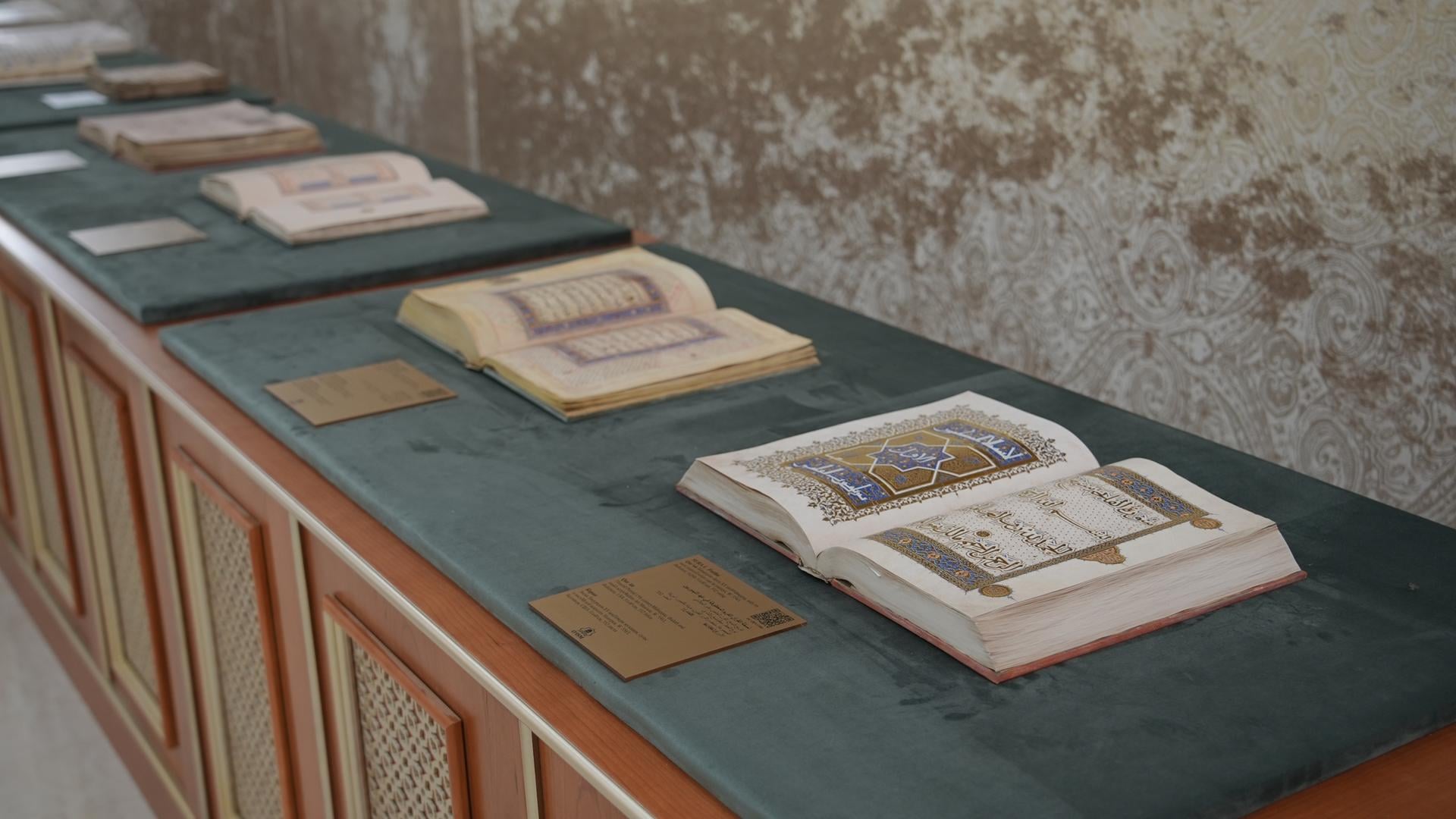
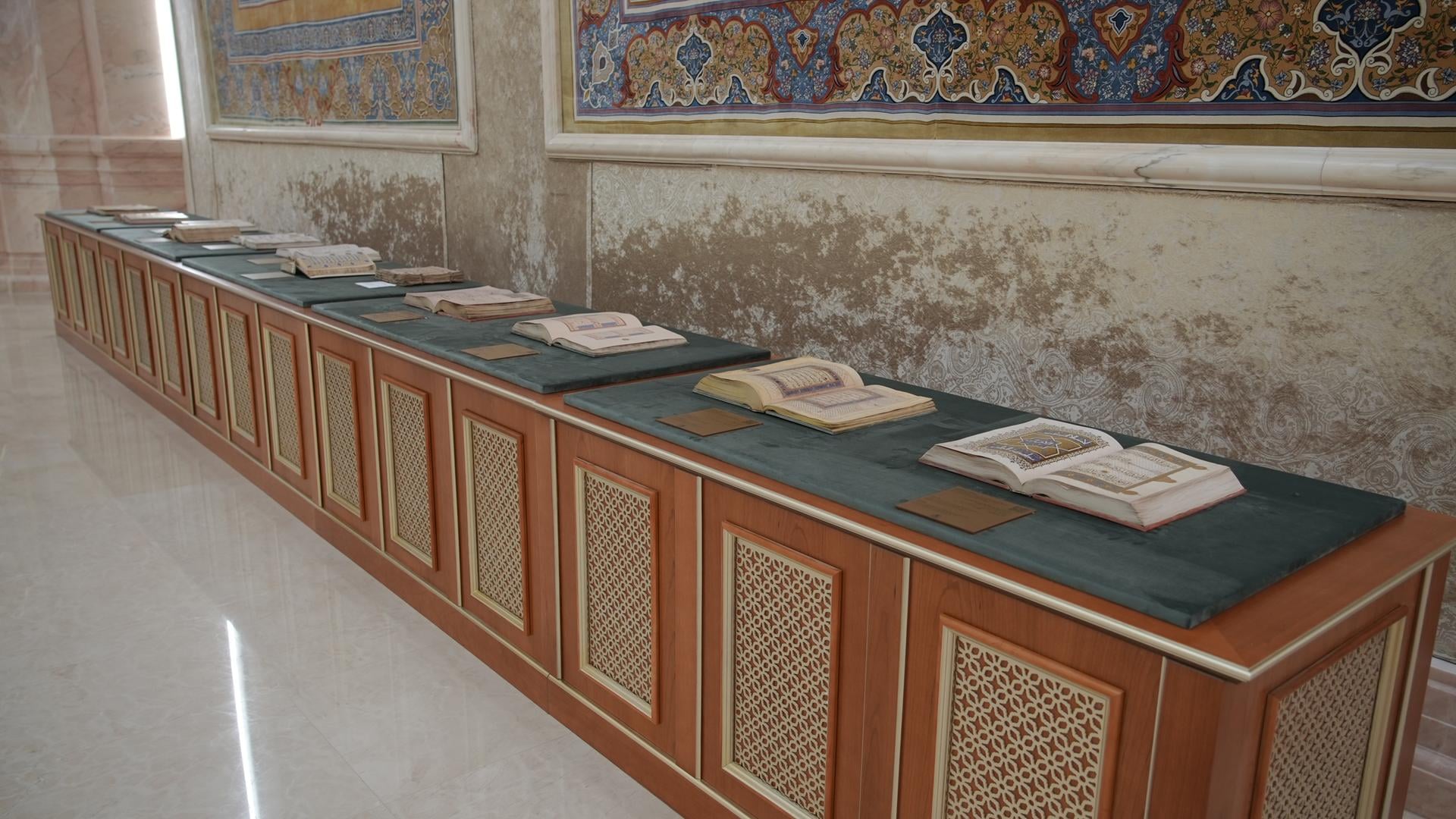
In addition to the main artifact, the hall features handwritten copies of the Qur’an created on the basis of all 114 sacred texts — corresponding to the number of surahs — reflecting different epochs in the Islamic history of Central Asia, from the Samanids and Karakhanids to the Timurids, Shaybanids and the Golden Horde.
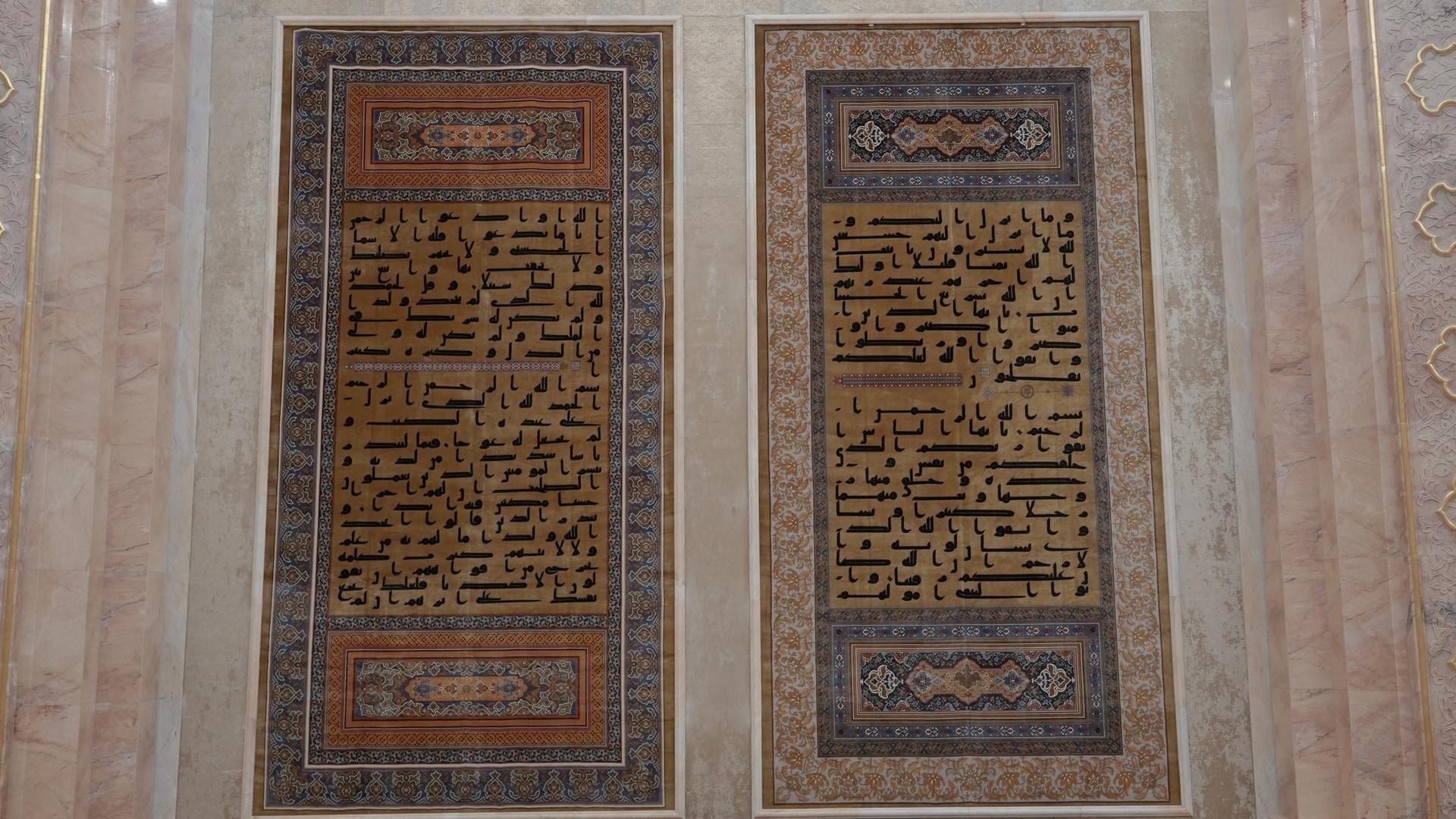
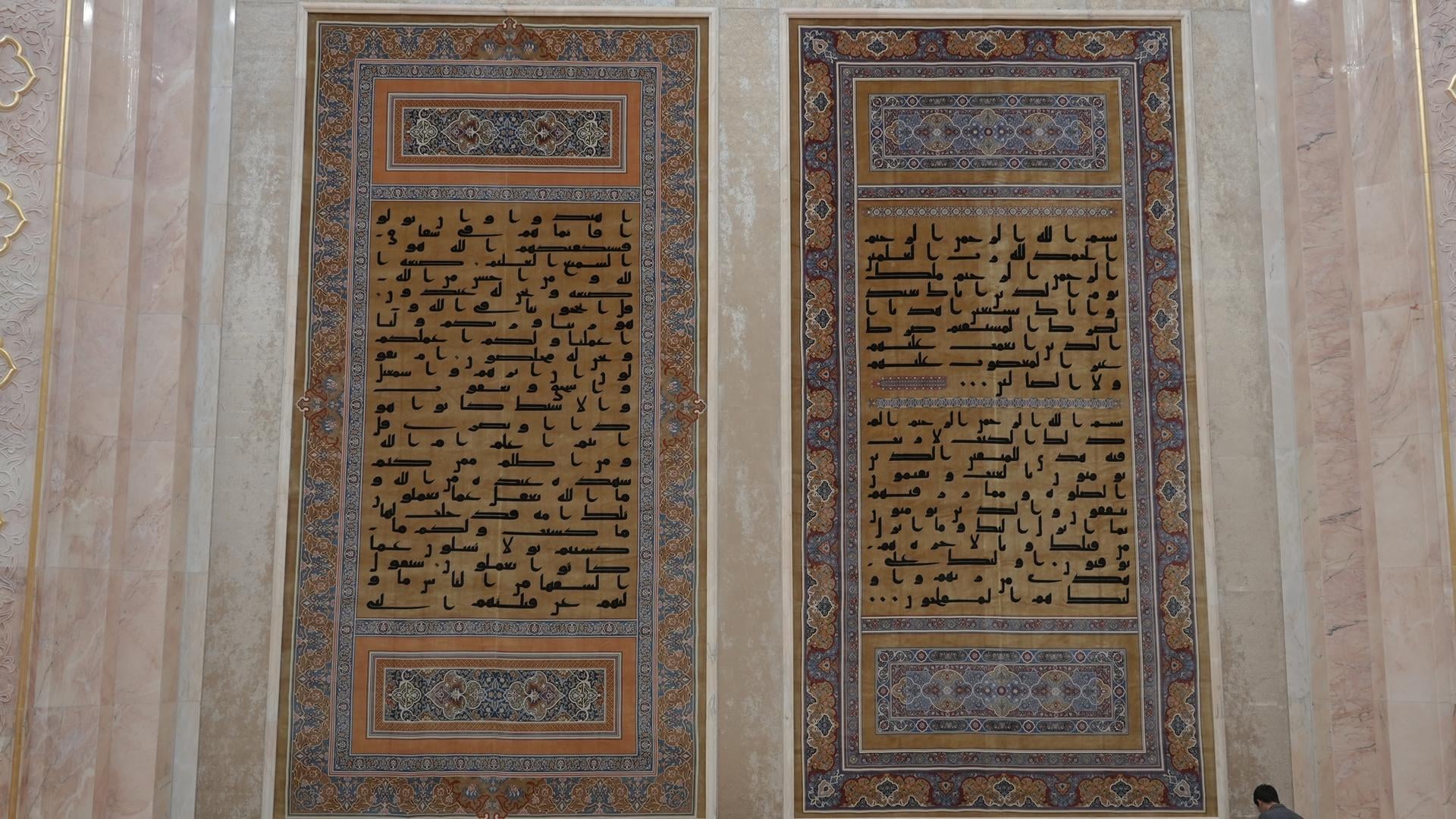
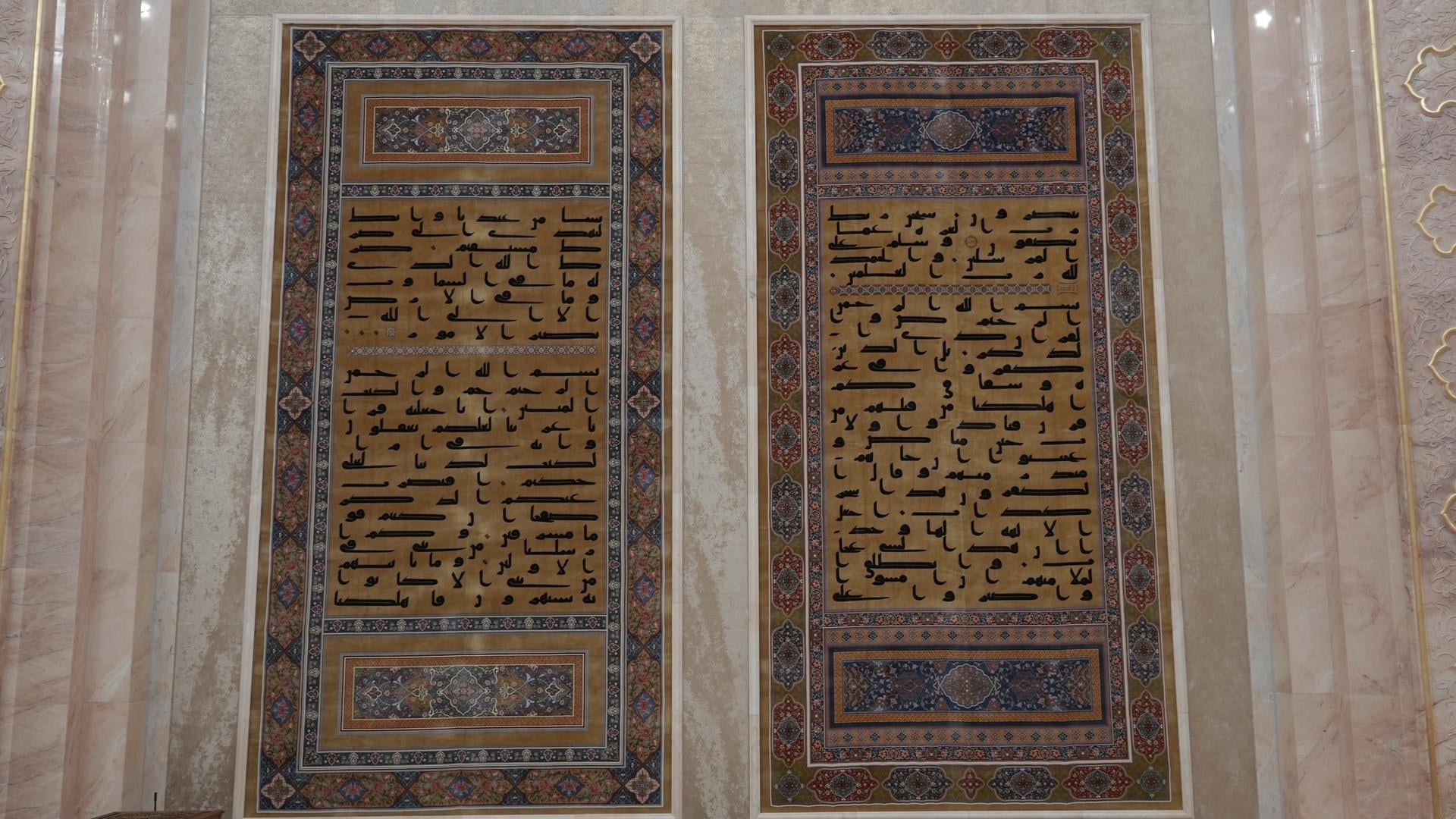
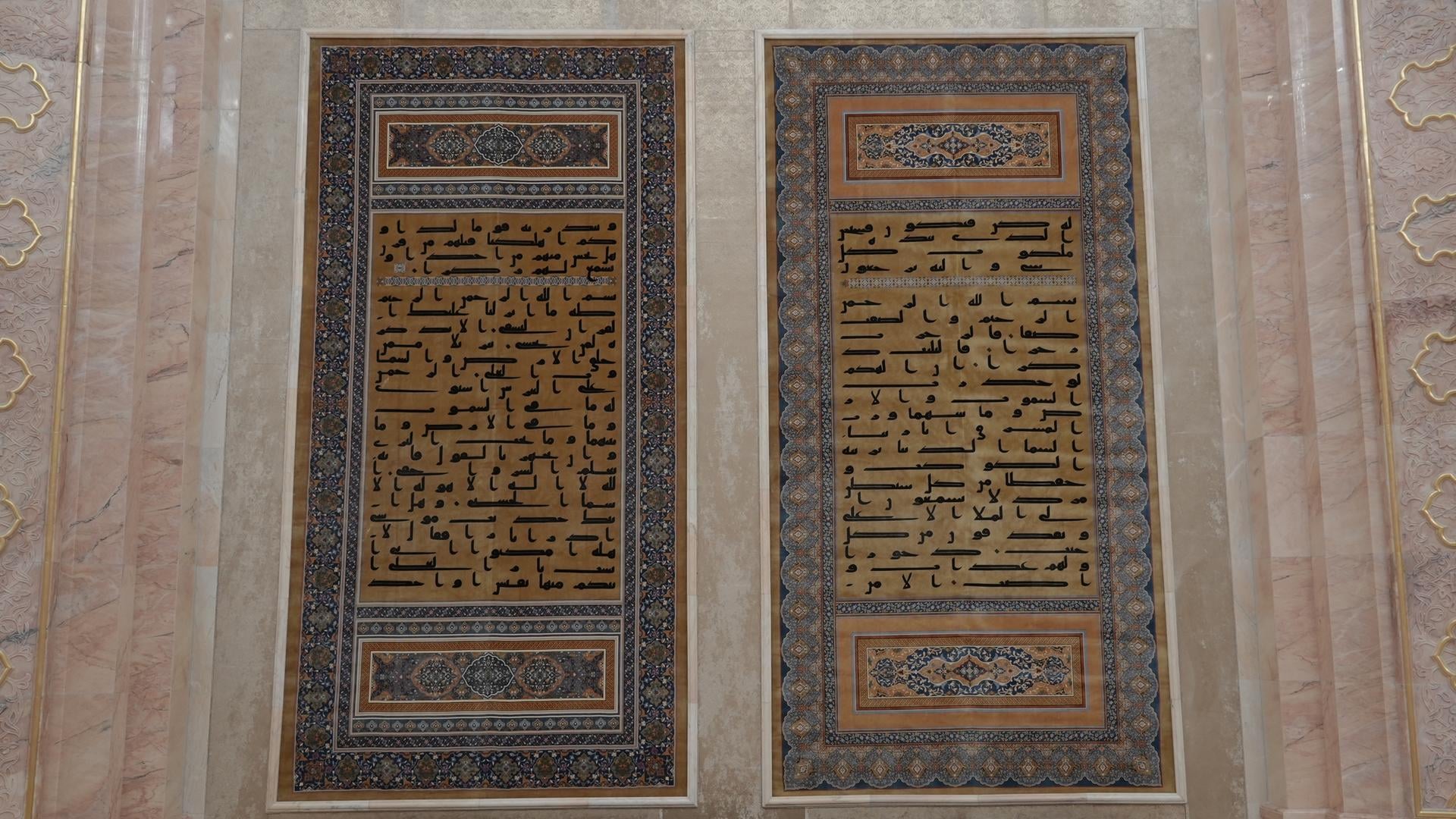
A special artistic highlight of the hall is formed by eight silk carpets, each handwoven with verses from the Qur’an of Uthman. Their radiance and delicate craftsmanship create an atmosphere of spiritual grandeur, serenity and reverent contemplation, inviting every visitor to feel the continuity of time and to touch the very heart of Islamic civilization.