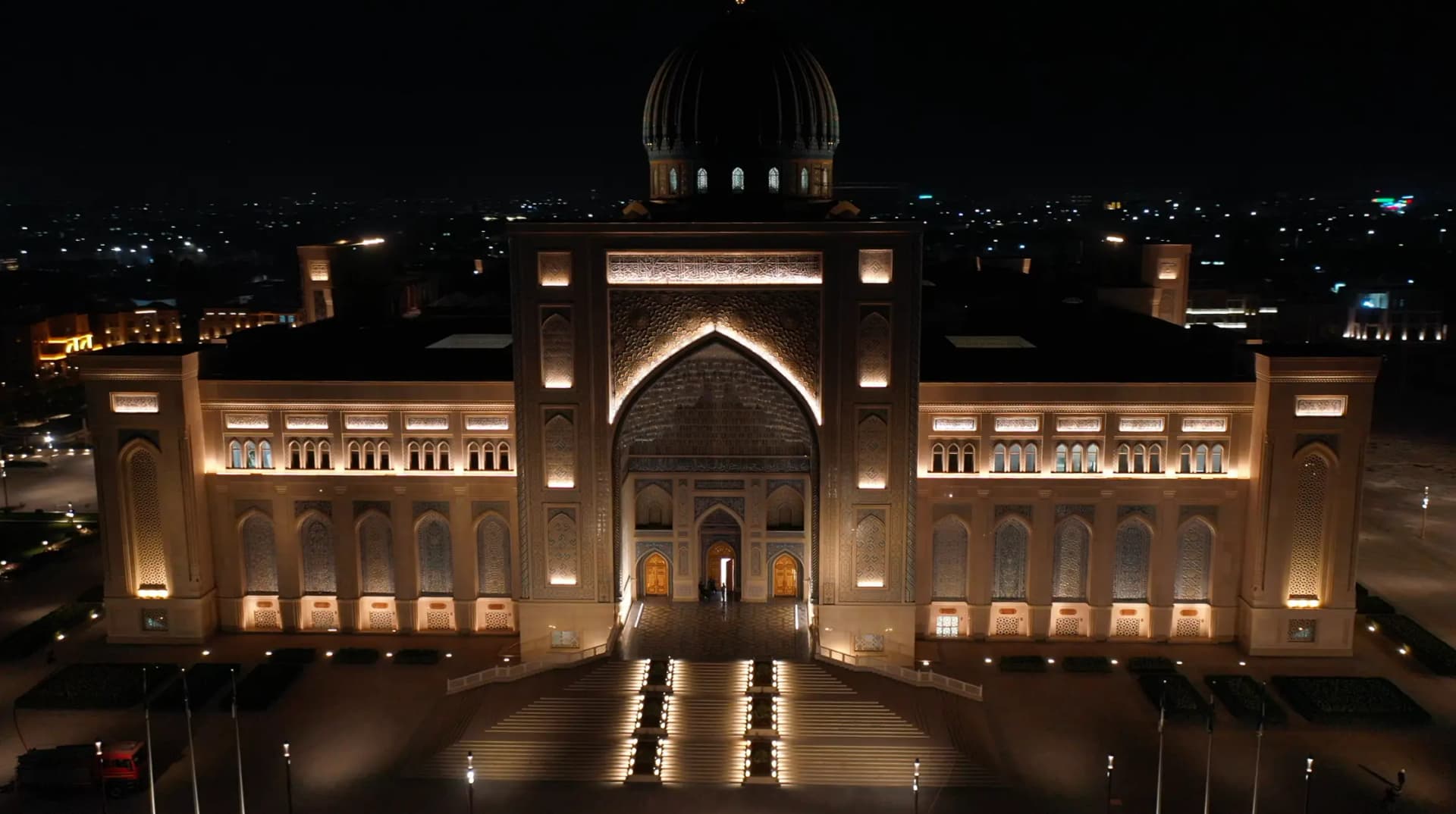
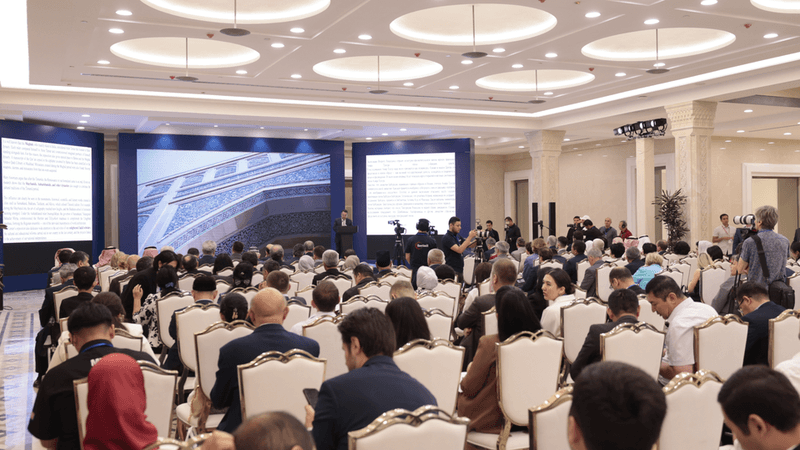
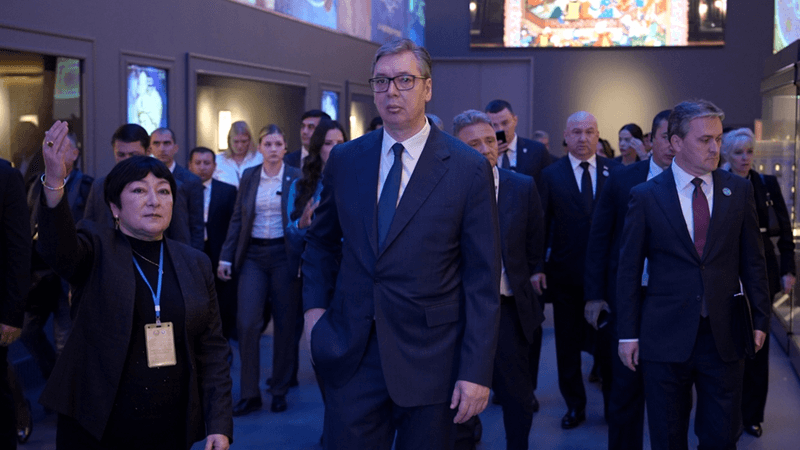
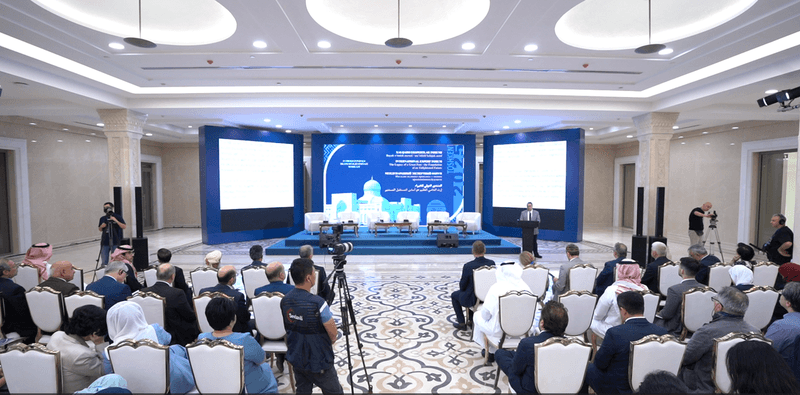
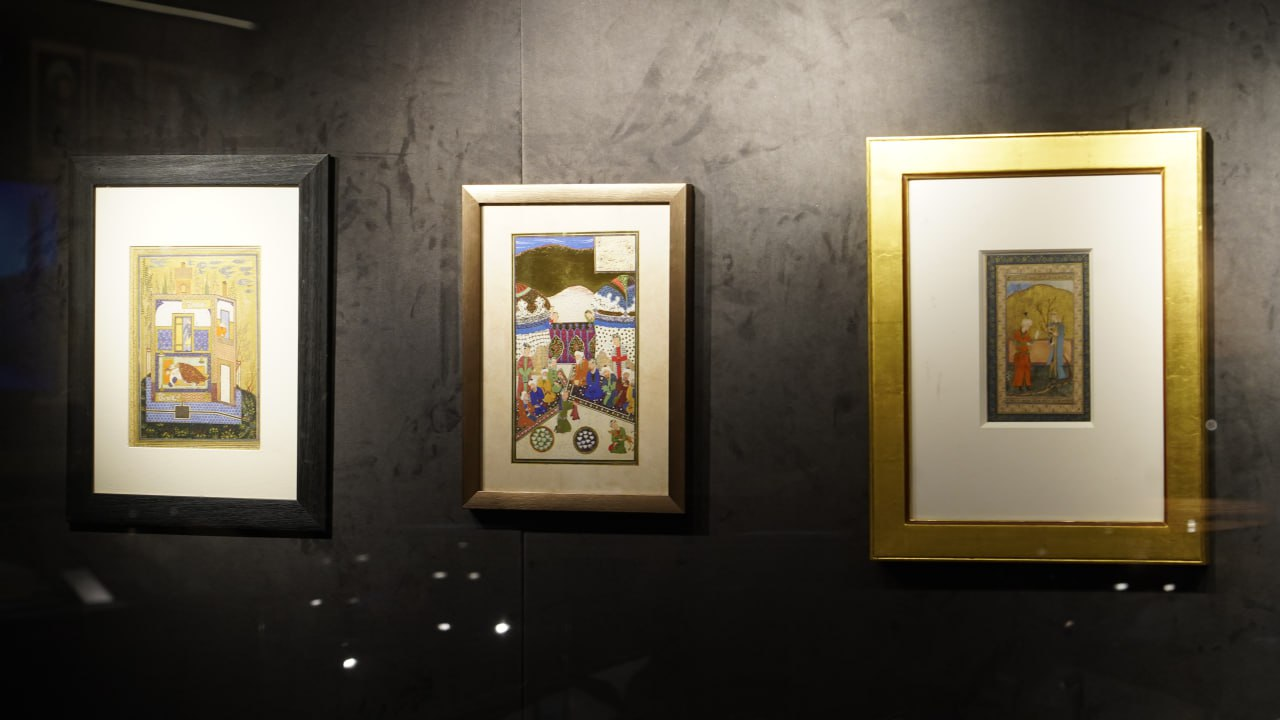
 Today, original miniature artworks created in Bukhara and Shiraz in the 15th–16th centuries are being presented to the general public for the first time at the Islamic Civilization Center in Uzbekistan. These are not later copies, but authentic works of their time rare artistic treasures brought back to our country from the collections of world-renowned British auction houses.
Rustam Jabborov, Scientific Secretary of the Islamic Civilization Center in Uzbekistan:
“Oriental miniatures created for medieval manuscripts constitute a unique and refined layer of world visual art. These images are valued not only as works of art, but also as primary and significant sources for the study of history. Through symbols, miniatures convey everyday life, political events, aesthetic views, and the human psyche of their era. The Timurid Renaissance played a major role in the development of medieval miniature art. Independent miniature schools emerged in centers such as Samarkand, Bukhara, and Herat, producing great masters like Kamoliddin Behzod, Darvish Muhammad, and Mahmud Muzahhib. This process was closely linked to the patronage of art by statesmen and thinkers such as Amir Temur, Shahrukh Mirza, Mirzo Ulugh Beg, Husayn Bayqaro, Alisher Navoi, Zahiriddin Muhammad Babur, and Muhammad Shaybani Khan. These creative traditions were later consistently continued during the Shaybanid and Safavid periods.”
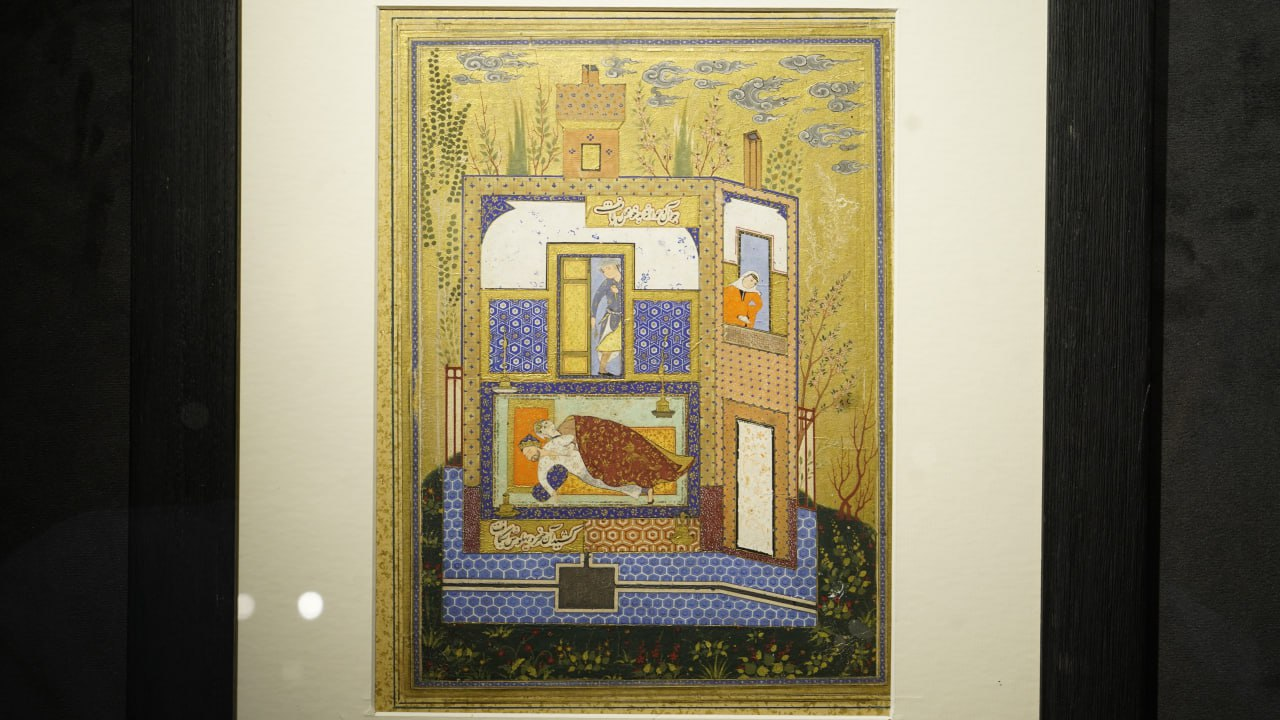 The miniature “The Death of Khusraw” was created in Bukhara in the mid-1570s during the Shaybanid period and depicts the most dramatic moment from Abdulla Hatifi’s epic “Khusraw and Shirin.”
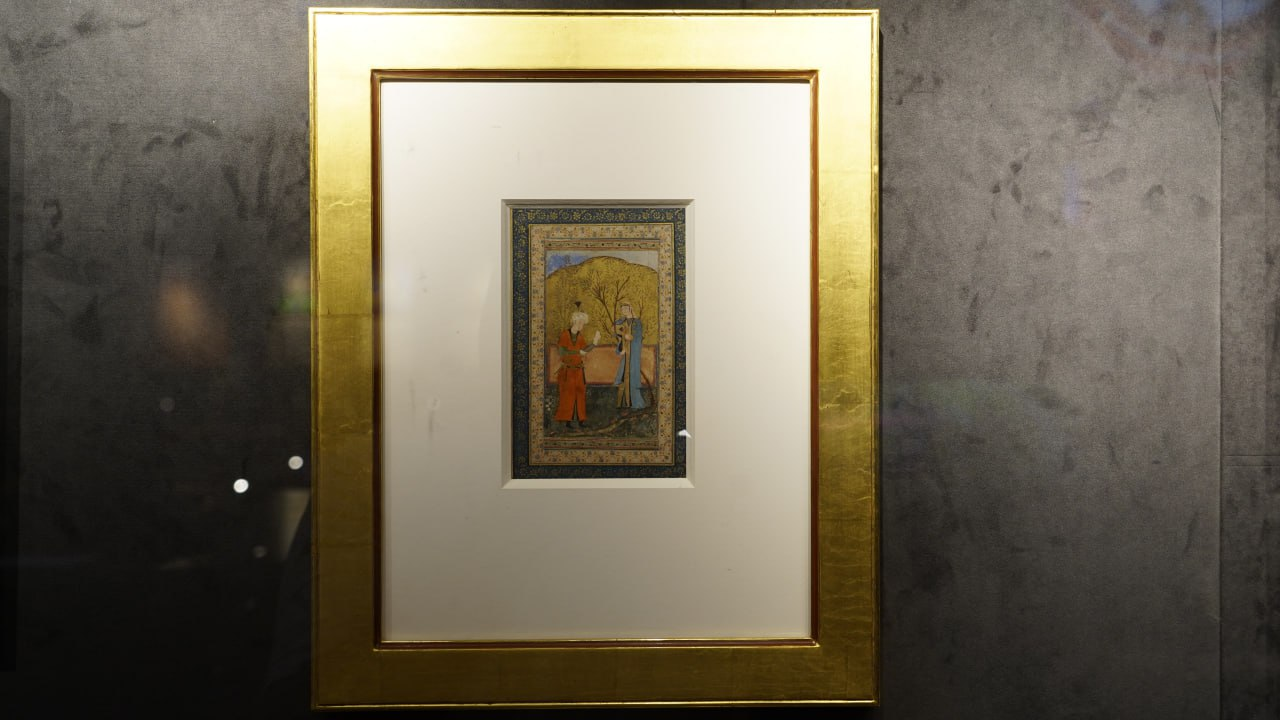
Another work from the same period, the miniature “A Young Man Reciting Poetry to His Beloved,” reveals the lyrical dimension of the Bukhara school of painting of the mid-16th century. Through the scene of a young man reading poetry before his beloved, the miniature reflects the cultural environment of the Shaybanid era and the high esteem for literature and poetry.
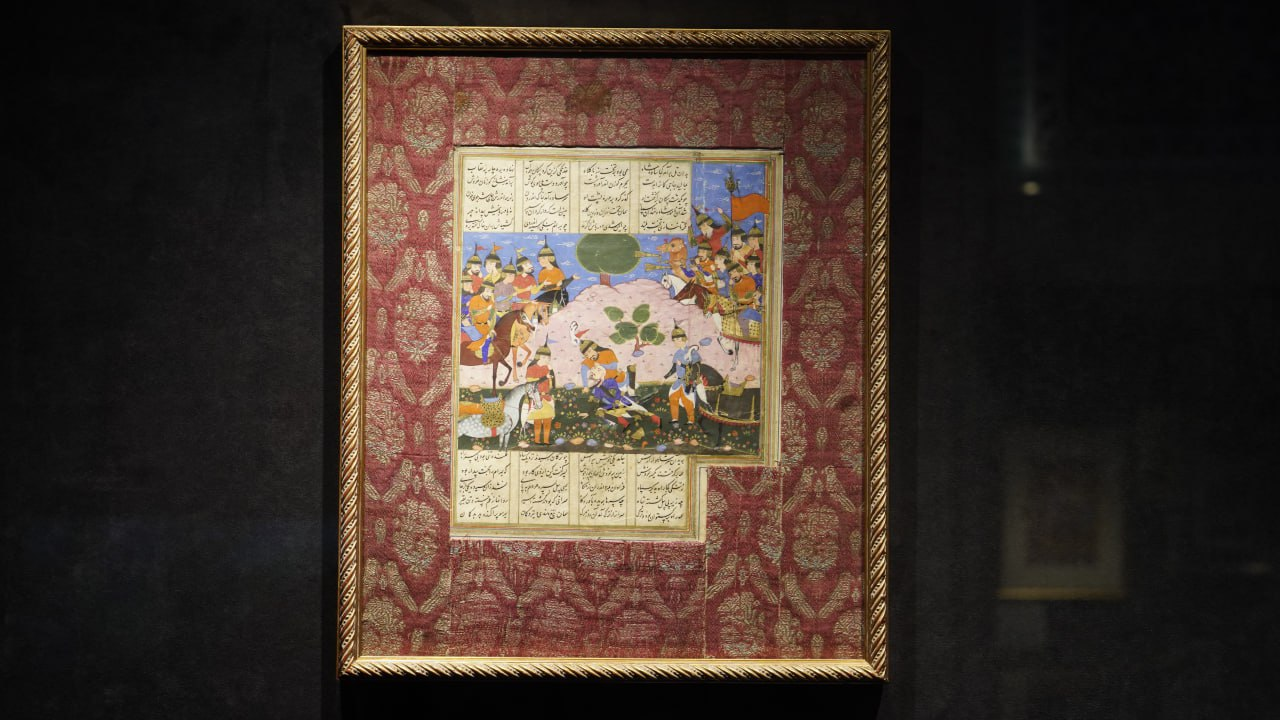
The miniature “Bahram Chubin Killing Savashah” is created in an entirely different spirit. Dating to 1571 and belonging to the Safavid period, this work was produced in Shiraz based on the traditions of the Behzod miniature school. It vividly portrays a historical event — a moment of struggle for power and authority. The dynamic movements of the figures, weapons, horses, and sharp colors heighten the dramatic tension. Clear colors enriched with gold on paper, a double gold border, and text written in nasta‘liq script demonstrate the high compositional culture characteristic of the Behzod school.
Through these three miniatures, the similarities and differences between the Bukhara and Shiraz schools, as well as the continuation of Timurid and Behzod traditions across different dynastic periods, are clearly revealed.
Today, these 15th–16th century works are being exhibited in their original form in Uzbekistan for the first time at the Islamic Civilization Center, established on the initiative of the President of Uzbekistan.