



The echo of a great civilization resonates in the interactive exhibition
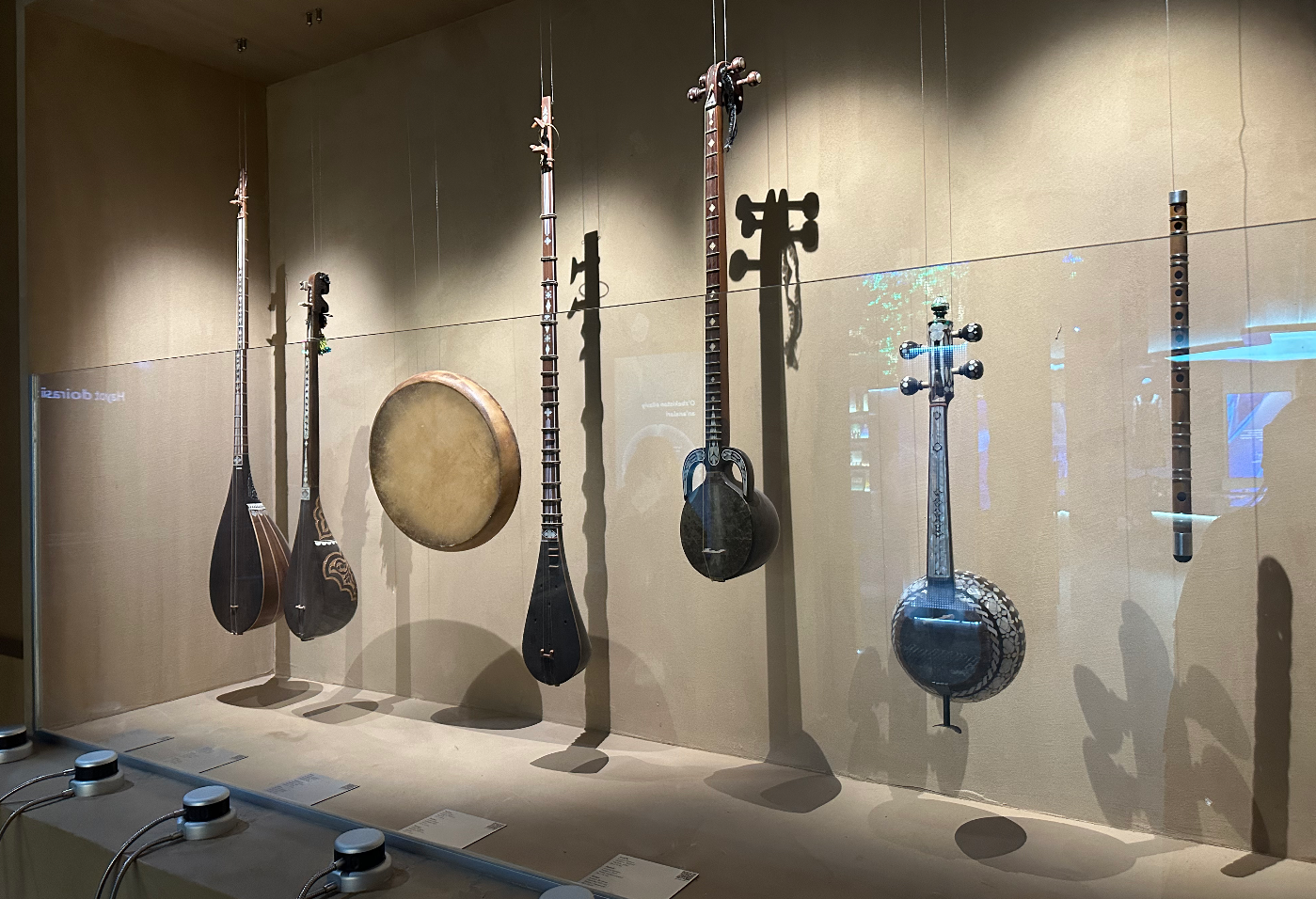 A four-thousand-year-old doira. A dutor mentioned in the 14th century. The tanbur and nay recorded in the works of Farabi and Ibn Sina. These are not merely instruments — they are the historical memory of a people. Today, this heritage is presented to a new generation in an interactive format.
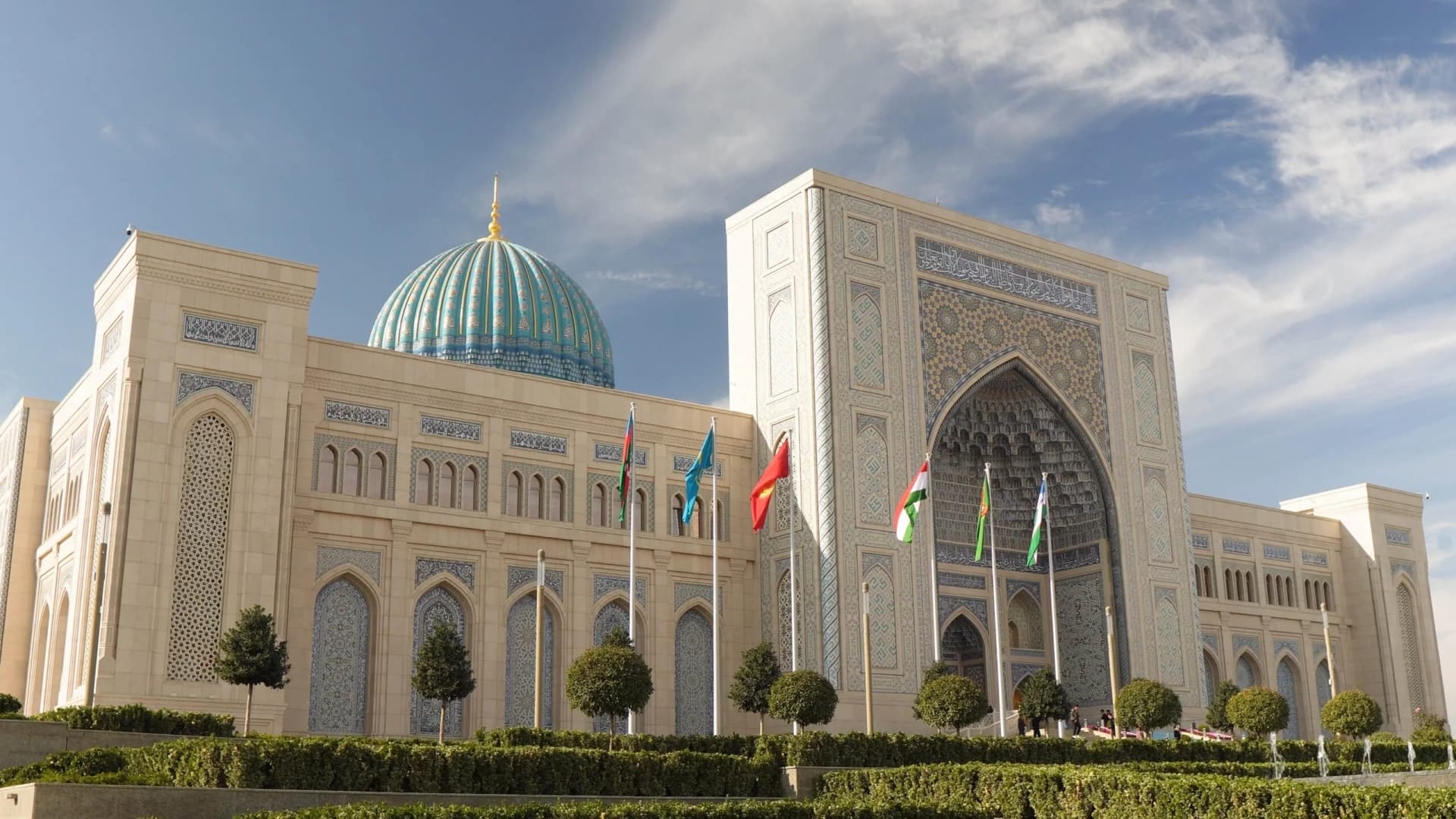
The centuries-old musical culture of the Uzbek people has found its vivid expression in national musical instruments. Each instrument reflects the historical memory, aesthetic vision, and spiritual world of the nation. Today, this invaluable heritage is presented to the wider public at the Islamic Civilization Center in Uzbekistan through modern exhibition approaches.
Dutor performance, which holds a special place in Uzbek musical traditions, is divided into four regional styles: Khorezm, Samarkand–Bukhara, Kashkadarya–Surkhandarya, and Fergana–Tashkent. Historical sources mention the dutor beginning from the 14th–15th centuries.
The doira occupies an important place in the musical life of the peoples of Central Asia. Images found in the Saymalitosh archaeological monuments indicate that this instrument has a history of at least four thousand years.
The tanbur is one of the most refined and philosophical instruments of Uzbek classical music. The word, of Persian origin, means “a sound-producing instrument.” In the Middle Ages, Eastern music theorists, particularly Farabi, Ibn Sina, and Safiuddin Urmavi, provided the earliest written references to the tanbur in their works. It became a leading instrument in expressing philosophical and profound artistic imagery, especially in the performance of Shashmaqom instrumental and vocal compositions.
The rubab is a plucked string instrument played with a plectrum and widely used across Eastern peoples. In Uzbekistan, the Afghan (Bukhara) rubab is especially famous. The appearance of rubab depictions in 16th-century miniatures testifies to its significant role in the cultural life of that period. Today, the rubab is regularly used as an accompanying instrument in maqom performance.
The gijjak is a bowed string instrument. In ancient times it was made from gourds and coconut shells, whereas today it is primarily crafted from mulberry and walnut wood. According to historical accounts, Farabi, Ibn Sina, and Qulmuhammad Udiy made significant contributions to its development. Today, the Khorezm, Bukhara, Tashkent, and Fergana schools continue the rich traditions of gijjak performance.
The nay holds a leading place in both maqom and folk music. Its varieties include the shepherd’s flute, wooden flute, and metal flute. Because its sound harmonizes with human breath, it allows for the delicate expression of inner emotions in music. Farabi and Ibn Sina particularly emphasized the theoretical importance of the nay in their works on music.
In the “New Uzbekistan – Foundation of a New Renaissance” section of the Islamic Civilization Center in Uzbekistan, national musical instruments are presented interactively based on these historical foundations. Visitors can listen to melodies specific to each instrument and experience the harmony of solo and ensemble performances.
Masharif Abdullayev, Doctor of Philosophy in Art Studies:
“In recent years, broad opportunities have been created to develop folk applied arts as a symbol of our national values. A number of decisions adopted by our respected President have supported craftsmanship, encouraged artisans, and attracted the younger generation to traditional professions. Highlighting the large-scale reforms carried out in the fields of culture and art over the past eight years in our republic is of particular importance.
At the initiative of the Ministry of Culture, it is planned to present seven national musical instruments in an interactive format. These instruments are currently taught in all music and art schools. Through special listening devices, visitors can hear the performed melodies. Additionally, a special device is being developed to broadcast the performance of a seven-instrument ensemble.”
This exhibition clearly demonstrates that the national musical heritage remains relevant not only historically, but also for present and future generations.
Shahnoza Rahmonova
P.S. The article may be republished with a link to the Center’s official website