
ABC: “Uzbekistan is reviving the legacy of the ancient silk road”
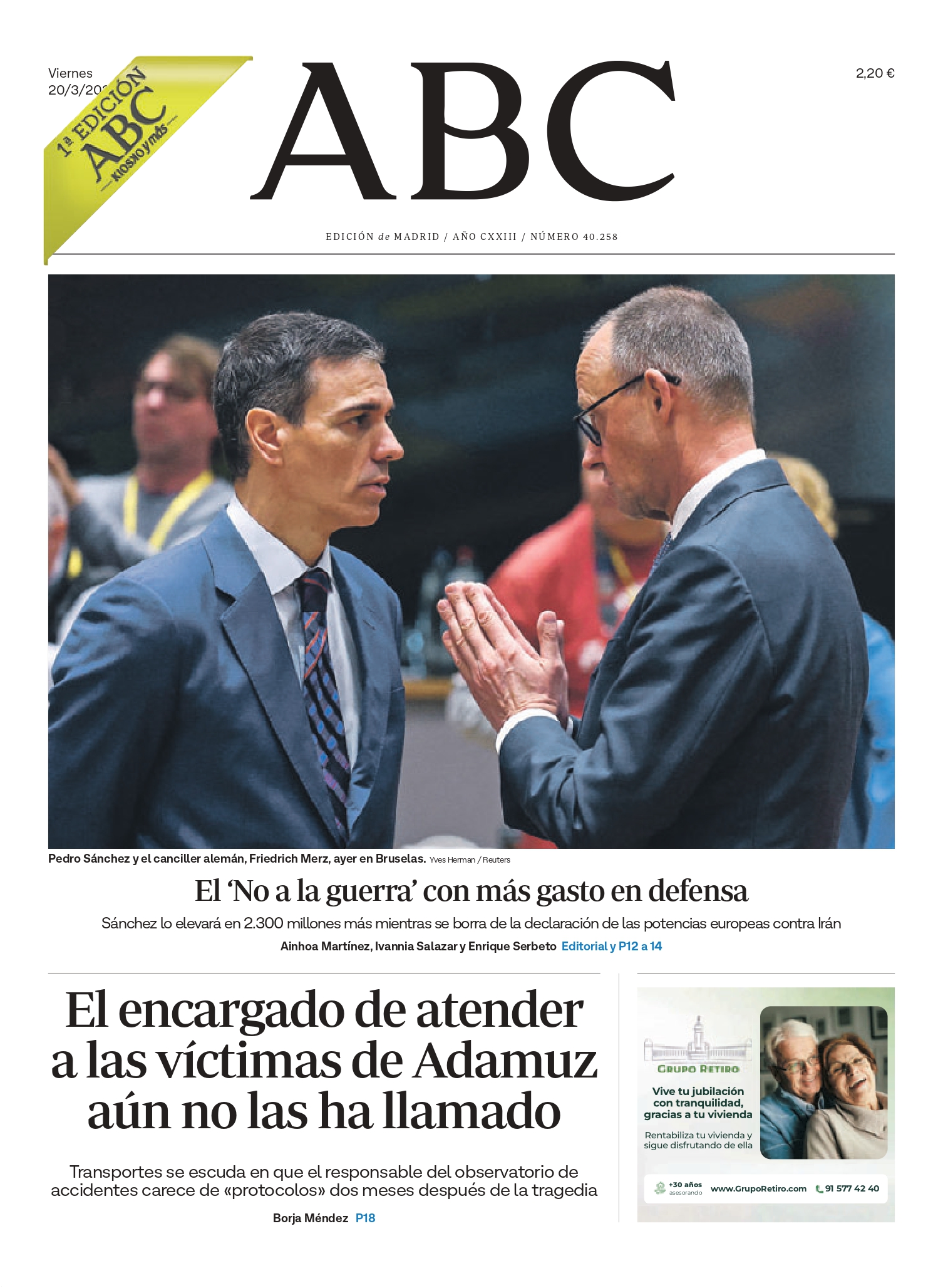
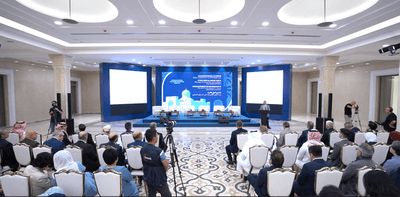
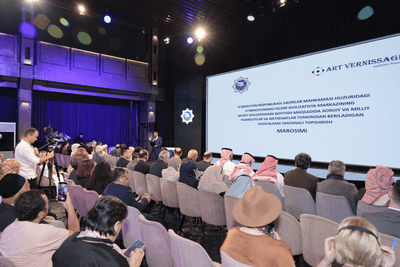
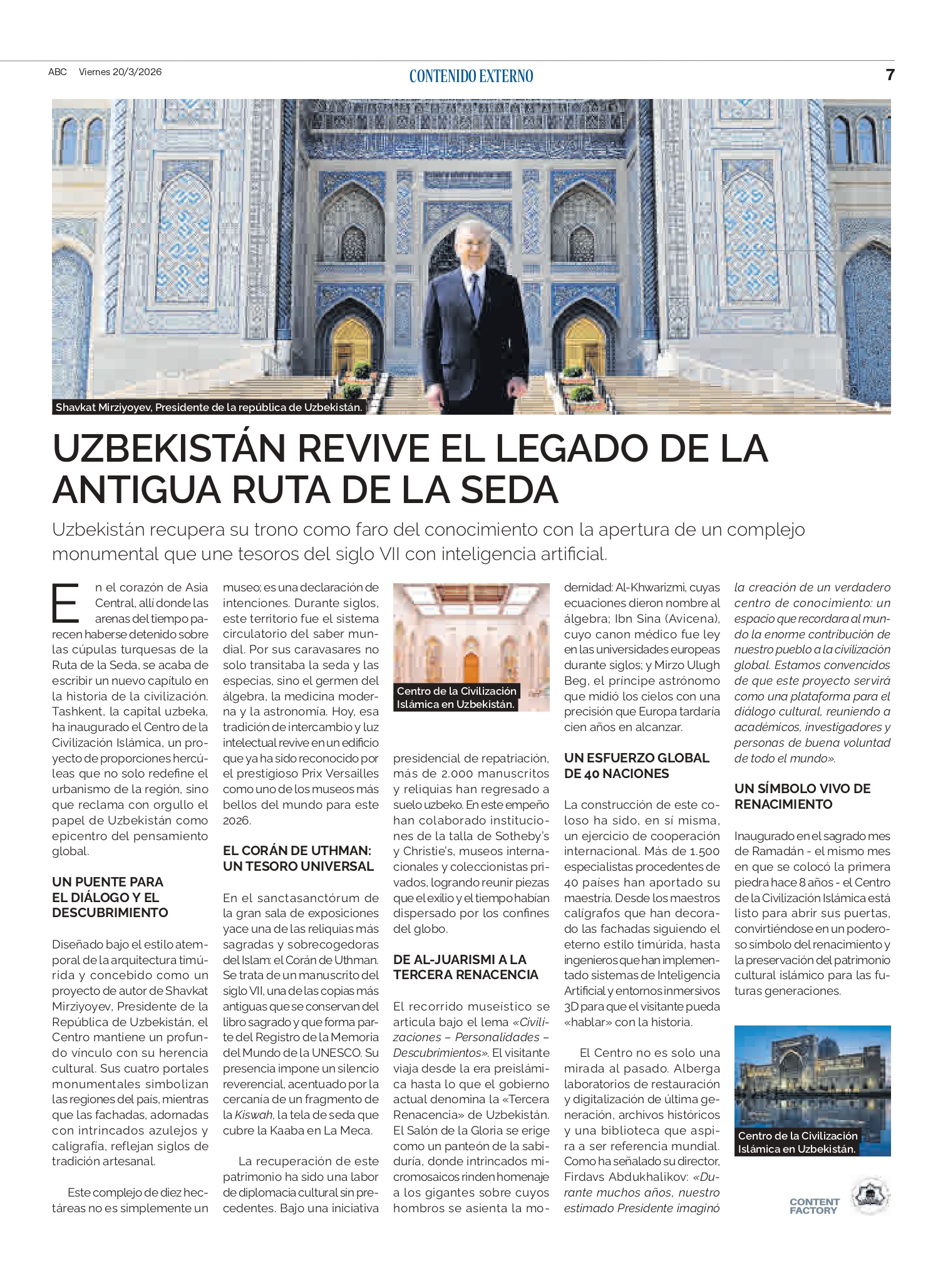 According to an article published in the prestigious Spanish newspaper ABC, the Islamic Civilization Center opened in Tashkent is described as a major cultural and scientific project that integrates the rich heritage of the Great Silk Road with modern technologies. The Center has become a focal point of international attention, where culture, science, and modern ideas converge, opening new opportunities for dialogue between civilizations. At the same time, it contributes to a renewed understanding of Uzbekistan’s role in global development.
Uzbekistan is restoring its status as a beacon of knowledge through the opening of a grand complex that harmonizes the treasures of the 7th century with artificial intelligence.
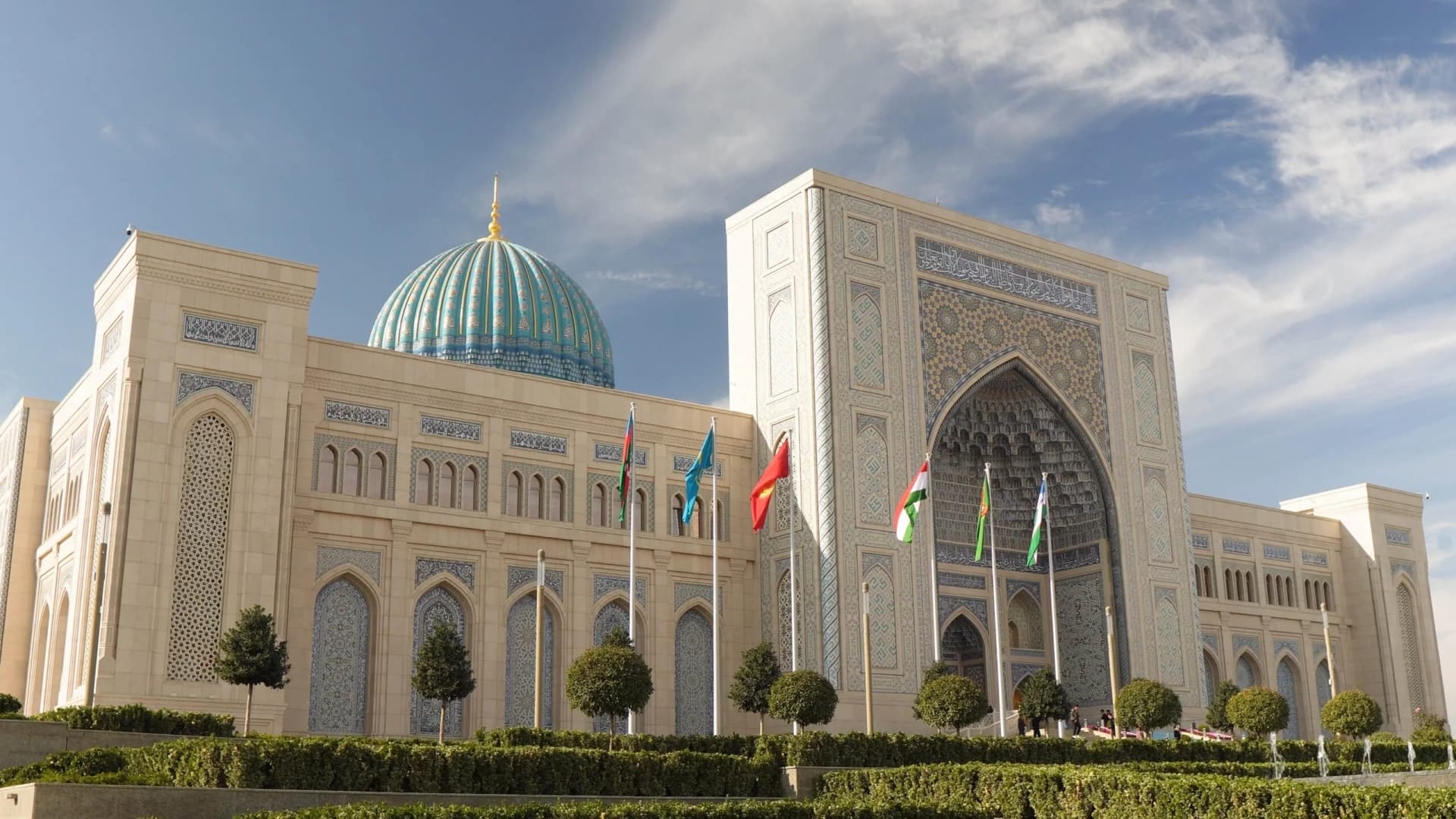
In the heart of Central Asia, in a land where time seems to stand still above the turquoise domes of the Silk Road, a new chapter in the history of civilization has begun. The Islamic Civilization Center has opened in Tashkent — the capital of Uzbekistan. This monumental project not only elevates urban development in the region to a new level but also proudly demonstrates Uzbekistan’s place as one of the centers of global intellectual thought.
A Bridge for Dialogue and Discovery
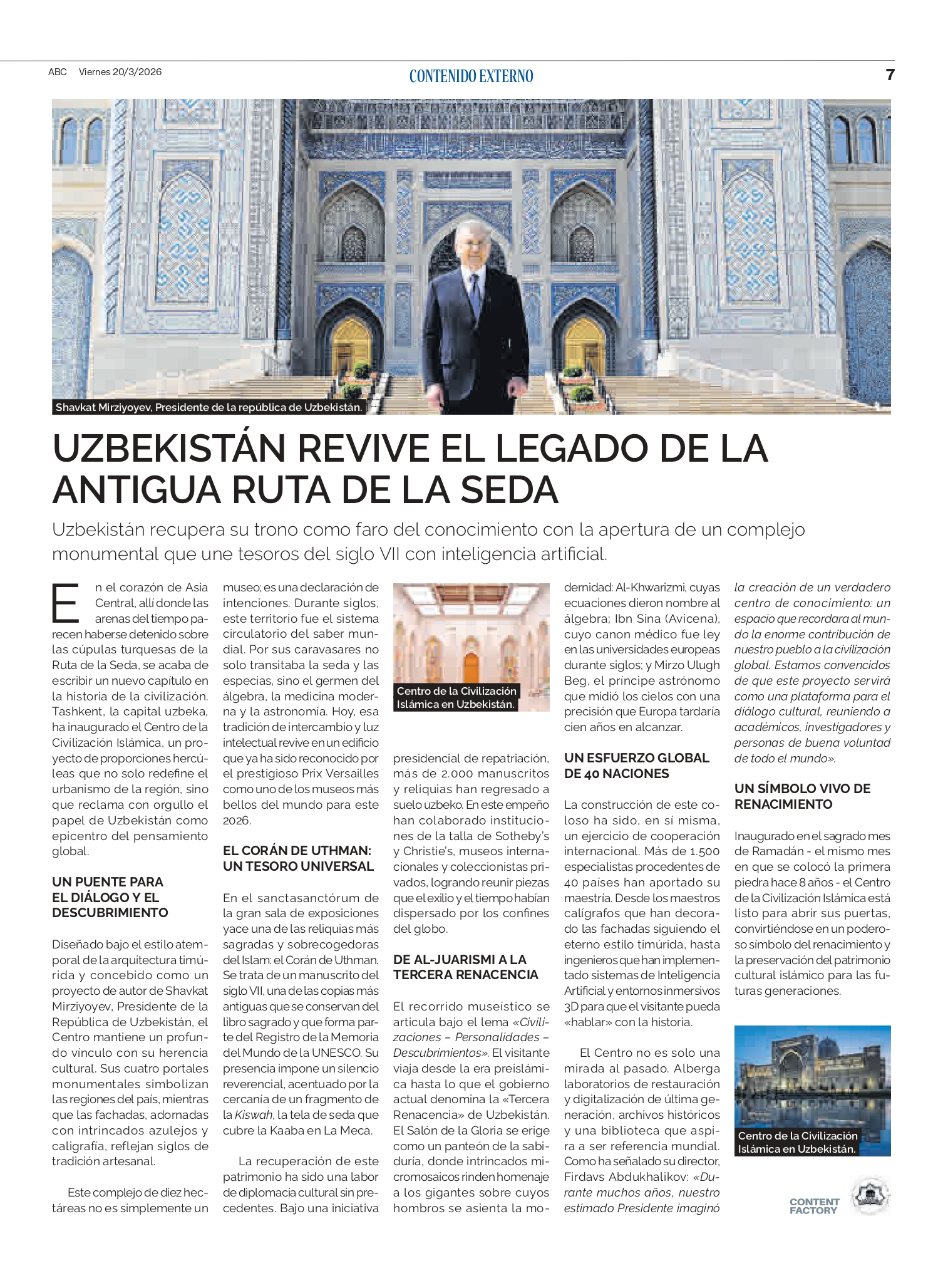
Created in the timeless style of Timurid architecture and realized at the initiative of the President of the Republic of Uzbekistan, Shavkat Mirziyoyev, the Center is deeply connected to national cultural heritage. Its four grand portals symbolize the regions of the country, while the facades, adorned with intricate tilework and calligraphy, reflect centuries-old craftsmanship traditions.
Spanning over ten hectares, this complex is more than just a museum — it is a statement of high aspirations. For centuries, this land has been a lifeline of global science. Through its caravanserais, not only silk and spices were traded, but also the foundations of algebra, modern medicine, and astronomy were transmitted. Today, this tradition of intellectual and cultural exchange is being revived. The Center has been recognized as one of the world’s most beautiful museums for 2026 as part of the prestigious Prix Versailles award.
The Uthman Qur’an: A Universal Treasure
At the center of the grand exhibition hall stands one of the most sacred and remarkable relics of Islam — the Uthman Qur’an. This 7th-century manuscript is one of the oldest surviving copies of the Qur’an and is included in UNESCO’s “Memory of the World” Register.
Its presence invites a profound and respectful silence. A fragment of the Kiswah — the cloth that covers the Kaaba in Mecca — is also on display.
The return of this cultural heritage is the result of unprecedented diplomatic efforts. Within the framework of a repatriation program initiated by the President, more than 2,000 manuscripts and historical artifacts have been brought back to Uzbekistan. Major organizations, international museums, and private collectors participated in this process, helping to reunite rare works that had been scattered across the world over time.
From Al-Khwarizmi to the Third Renaissance
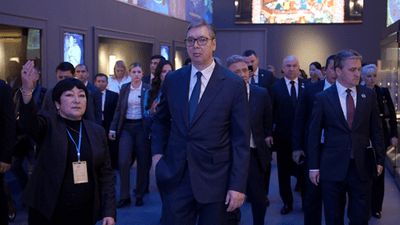
The museum’s exhibition is organized under the concept “Civilizations – Personalities – Discoveries.” Visitors embark on a historical journey from the pre-Islamic period to the present stage, often referred to as the “Third Renaissance.”
In the “Gallery of Great Figures,” the legacy of outstanding scholars is immortalized: Al-Khwarizmi, who gave the world algebra; Ibn Sina (Avicenna), whose works served as primary medical texts in European universities for centuries; and Mirzo Ulughbek, the astronomer who studied celestial bodies with remarkable precision.
A Global Project with Participation from 40 Countries
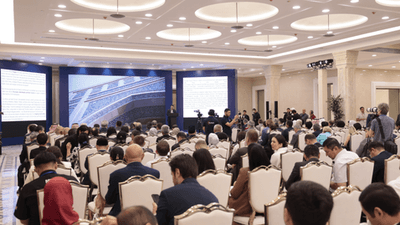
The construction of this complex has become a model of international cooperation. More than 1,500 specialists from 40 countries contributed to the project. From calligraphers who decorated the facades in Timurid style to engineers who implemented artificial intelligence and 3D technologies, all played a role.
The Center is not limited to reflecting the past. It also houses modern restoration and digitization laboratories, historical archives, and a world-class library.
As noted by the Center’s Director, Firdavs Abdukhalikov:
“For many years, our respected President dreamed of creating a true center of knowledge — this place reflects our people’s immense contribution to world civilization. We believe this project will become a platform for cultural dialogue.”
A Living Symbol of Renewal
Opened during the holy month of Ramadan — the same month in which its foundation stone was laid eight years ago — the Islamic Civilization Center is now ready to welcome the public. It stands as a vivid symbol of preserving and promoting Islamic cultural heritage for future generations.