
Diplomatic Society: “The Legacy of Amir Temur at the Islamic Civilization Center in Uzbekistan — the Intellectual Foundation of the Third Renaissance”
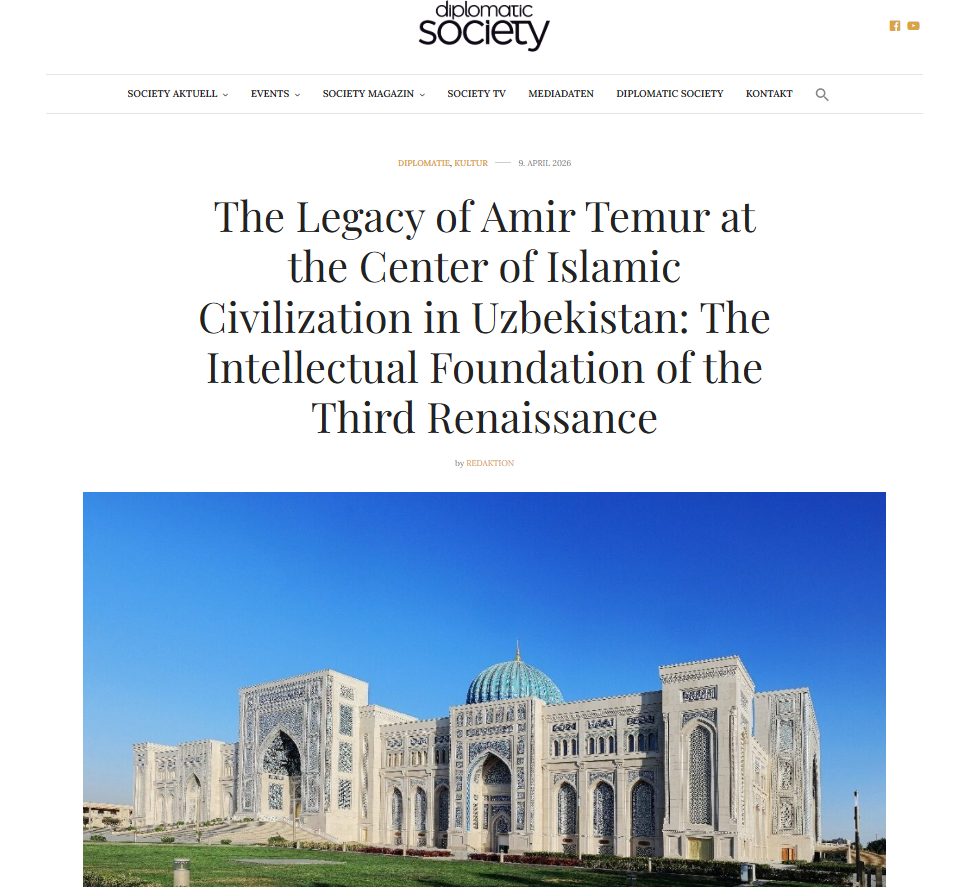
An article dedicated to the 690th anniversary of the birth of the statesman, great commander, and patron of science, culture, and arts Amir Temur was published on April 9, 2026, in the prestigious Diplomatic Society publication, at the initiative of the President of the Republic of Uzbekistan. The article discusses the place of Amir Temur’s legacy in world history through the Islamic Civilization Center in Uzbekistan, the scientific and cultural contributions of the Timurids, as well as the regional and global significance of the Center, while also highlighting its role in educational and cultural development.
At the initiative of the President of the Republic of Uzbekistan, the 690th anniversary of the birth of Amir Temur is being widely celebrated across the country on April 9, 2026.
Human history shows that great civilizations are formed through the harmony of intellectual achievements, spiritual values, and cultural heritage. Central Asia has long been a center of science, art, and philosophy, contributing significantly to the development of global civilization.
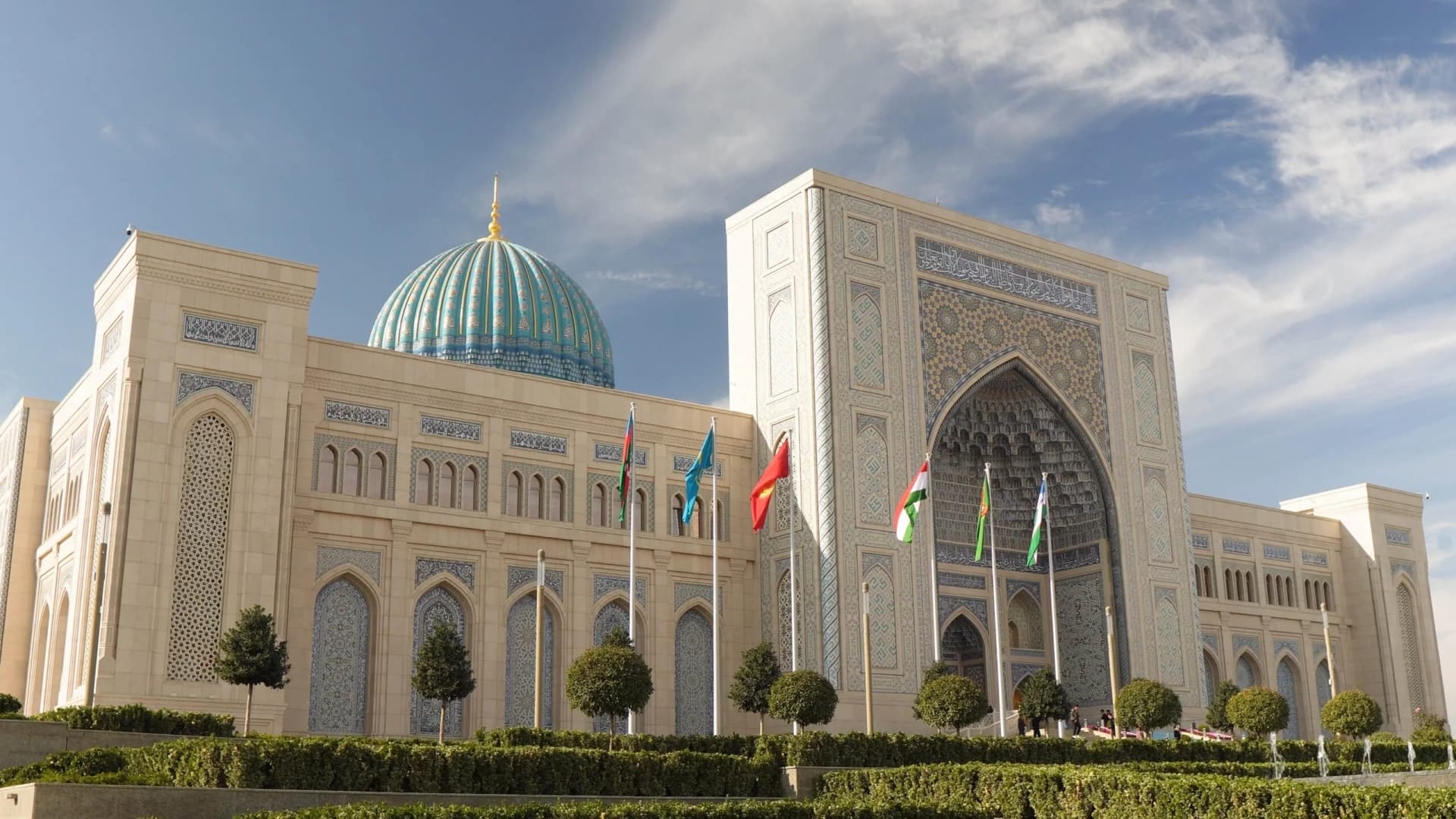
Today, this potential finds its expression in major projects such as the Islamic Civilization Center in Uzbekistan. This Center not only preserves historical heritage but also serves as a dynamic platform for science, education, and spiritual development.
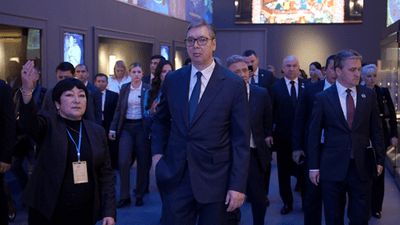
Established based on the authorial vision of the President of the Republic of Uzbekistan, Shavkat Mirziyoyev, the Center demonstrates that spiritual and educational values can serve as a solid foundation for national revival and international cooperation. Scholars, tourists, and members of the public from around the world are visiting the Center.
Amir Temur holds a special place in world history as a great statesman, commander, and founder of one of the largest empires of his time. The late 14th and early 15th centuries were a period of profound political transformation, during which Amir Temur unified vast territories from India to the Middle East and established a strong state system.
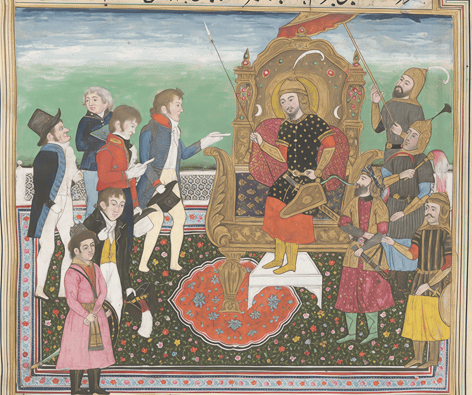 Diplomacy played a key role in his policy. Amir Temur established relations with European states such as France, England, and Castile. In 1404, the Spanish ambassador Ruy González de Clavijo, who visited Samarkand, noted the high level of governance, developed infrastructure, and the great respect shown to foreign envoys.
Amir Temur also created a well-structured legal foundation for his state. According to the “Temur’s Code,” the state was built upon four pillars — council, consultation, careful planning, and determination. Nine parts of governance were resolved through consultation and wise measures, and only one part through force. This reflects the priority of justice and balance in governance.
After Amir Temur’s death, his successors — the Timurids — continued to develop the state, placing great emphasis on science, culture, and education. This period entered history as the Second Renaissance of the East.
Among the Timurids, Mirzo Ulugbek holds a special place. As a great scholar, astronomer, and statesman, he transformed Samarkand into a major scientific center of the East. The Ulugbek Observatory, built in the 1420s, was one of the most advanced scientific institutions of its time. It was here that the “Zij-i Sultani” was created, containing precise calculations of the coordinates of more than 1,000 stars.
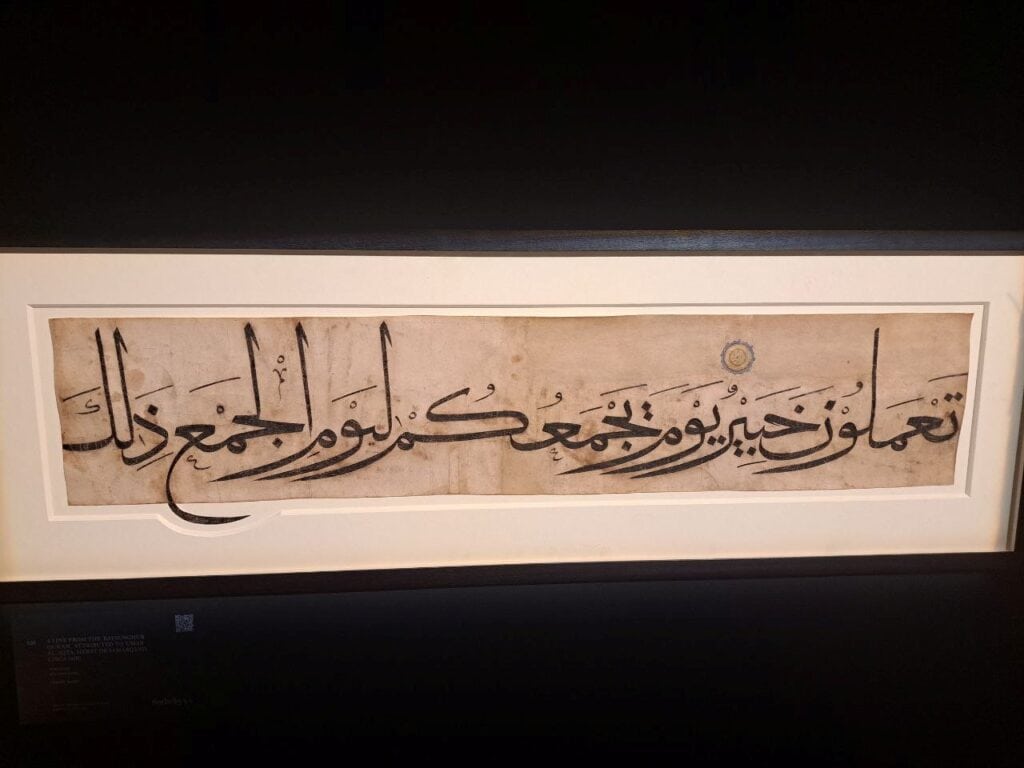 Today, the legacy of the Timurids is reflected in the Islamic Civilization Center in Uzbekistan. The Center houses unique exhibits showcasing the cultural and spiritual richness of that era. Among them is a fragment of the “Baysunghur Qur’an,” copied by the calligrapher Umar Aqta for Amir Temur, notable for its refined script and artistic excellence.
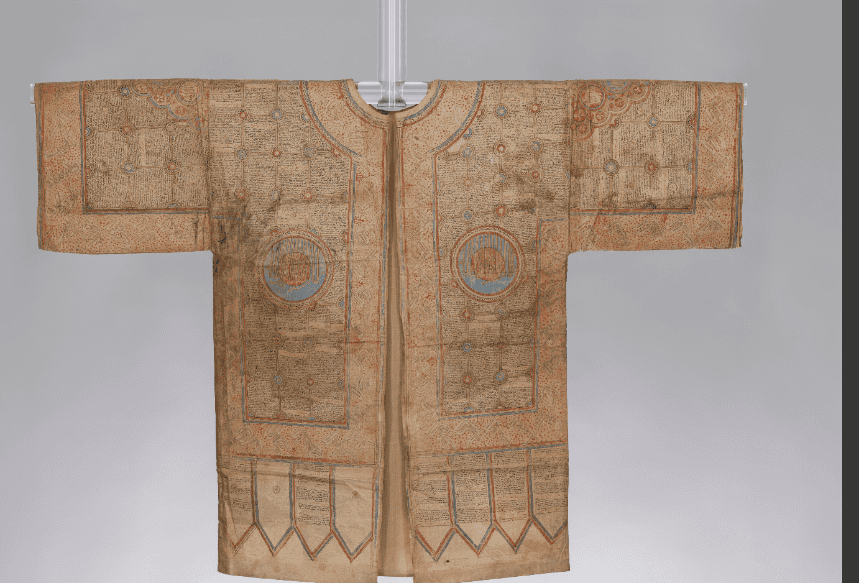 A talismanic robe from the Baburid period is also of particular significance. Made of thick cotton fabric, it features Qur’anic verses, the shahada, and the 99 names of Allah. On its back is inscribed the verse: “Allah is the best protector, and He is the Most Merciful of the merciful” (Surah Yusuf, 12:64).
The Islamic Civilization Center is not only a museum but also a modern educational space. Its architectural design harmonizes Timurid traditions with modern technologies. The 65-meter dome and monumental portals symbolize the unity of the country’s regions.
The Center’s exhibition is built on the principle of “Civilizations — Personalities — Discoveries,” covering historical stages from the pre-Islamic period to New Uzbekistan. Through VR and AR technologies, holograms, and artificial intelligence, history is brought vividly to life.
The Center includes interactive laboratories, the “1001 Inventions” children’s museum, a library housing more than 2,500 manuscripts and lithographs, over 40,000 books, and more than 350,000 digital resources, as well as a school of calligraphy and traditional arts, and offices of international organizations.
This approach transforms the Center into not only a treasury of knowledge but also a living bridge between historical renaissances and the Third Renaissance.
On April 9, the 690th anniversary of Amir Temur’s birth is being widely celebrated. This date is significant not only as a tribute to historical memory but also as a means of strengthening national identity, enhancing scientific potential, and developing cultural diplomacy.
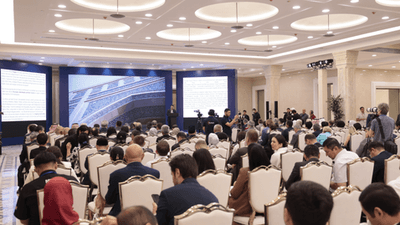
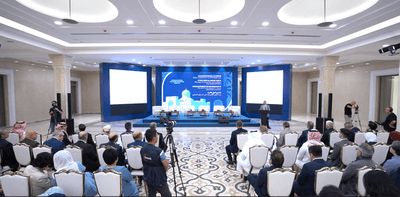
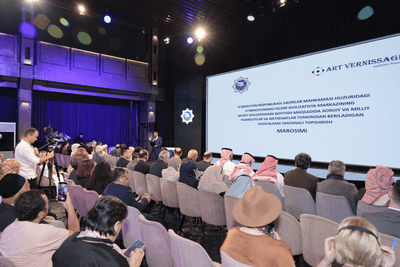
Within the framework of the anniversary, the Islamic Civilization Center is becoming a platform for international dialogue. In particular, on April 9–10, an international scientific conference is being held here with the participation of more than 300 scholars and specialists from Europe, Asia, the Middle East, and North America.
This conference is aimed at deeply studying the place of Amir Temur and the Timurid civilization in world history and culture, as well as promoting international scientific and cultural cooperation.
Today, the Islamic Civilization Center is becoming a driving force of intellectual and cultural development in the region, serving to unite humanity toward peace, solidarity, and progress. Its main motto expresses a great call: “Read in the name of your Lord who created…”