




Guides are being trained who do not merely tell history, but bring it to life
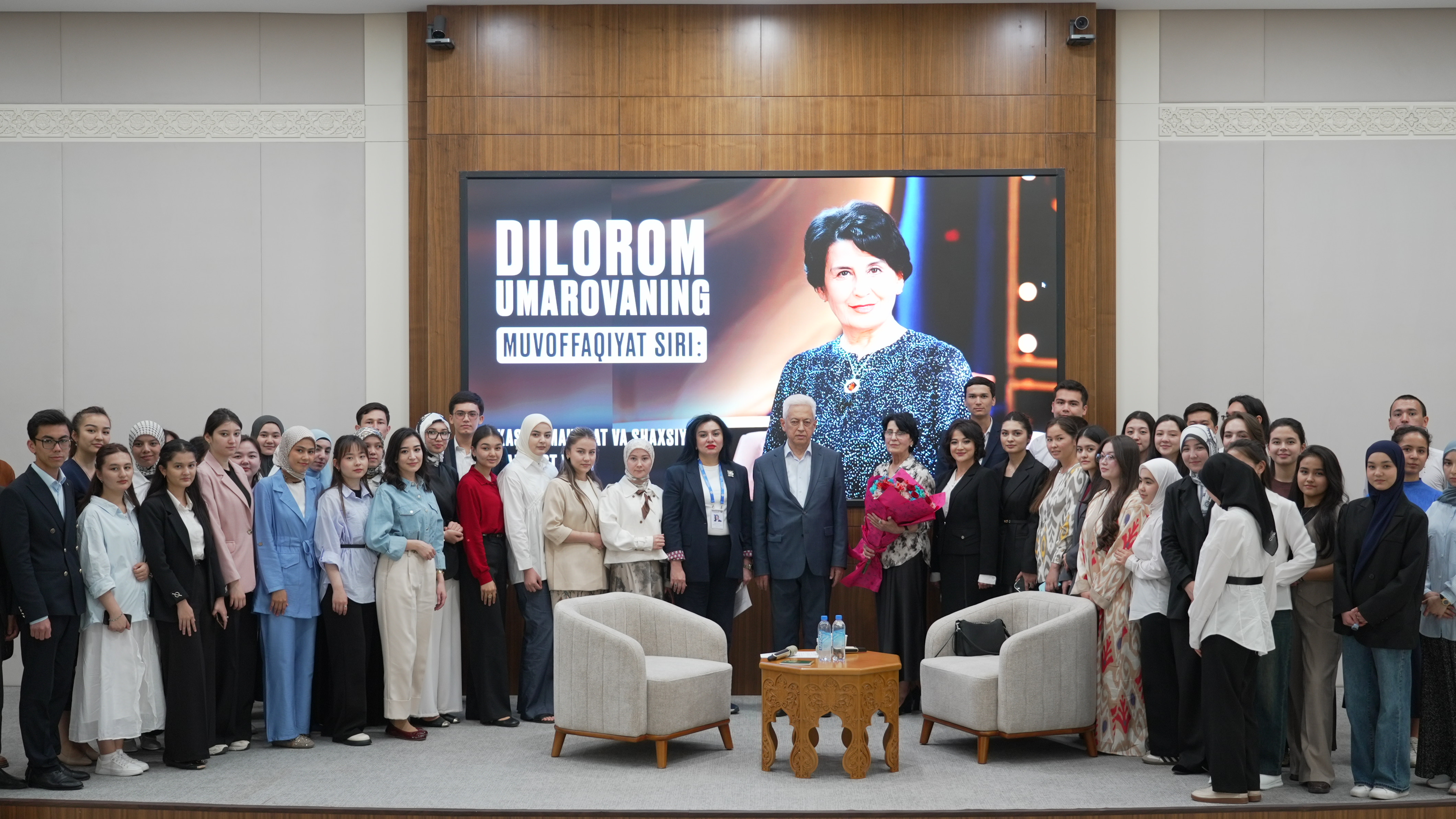
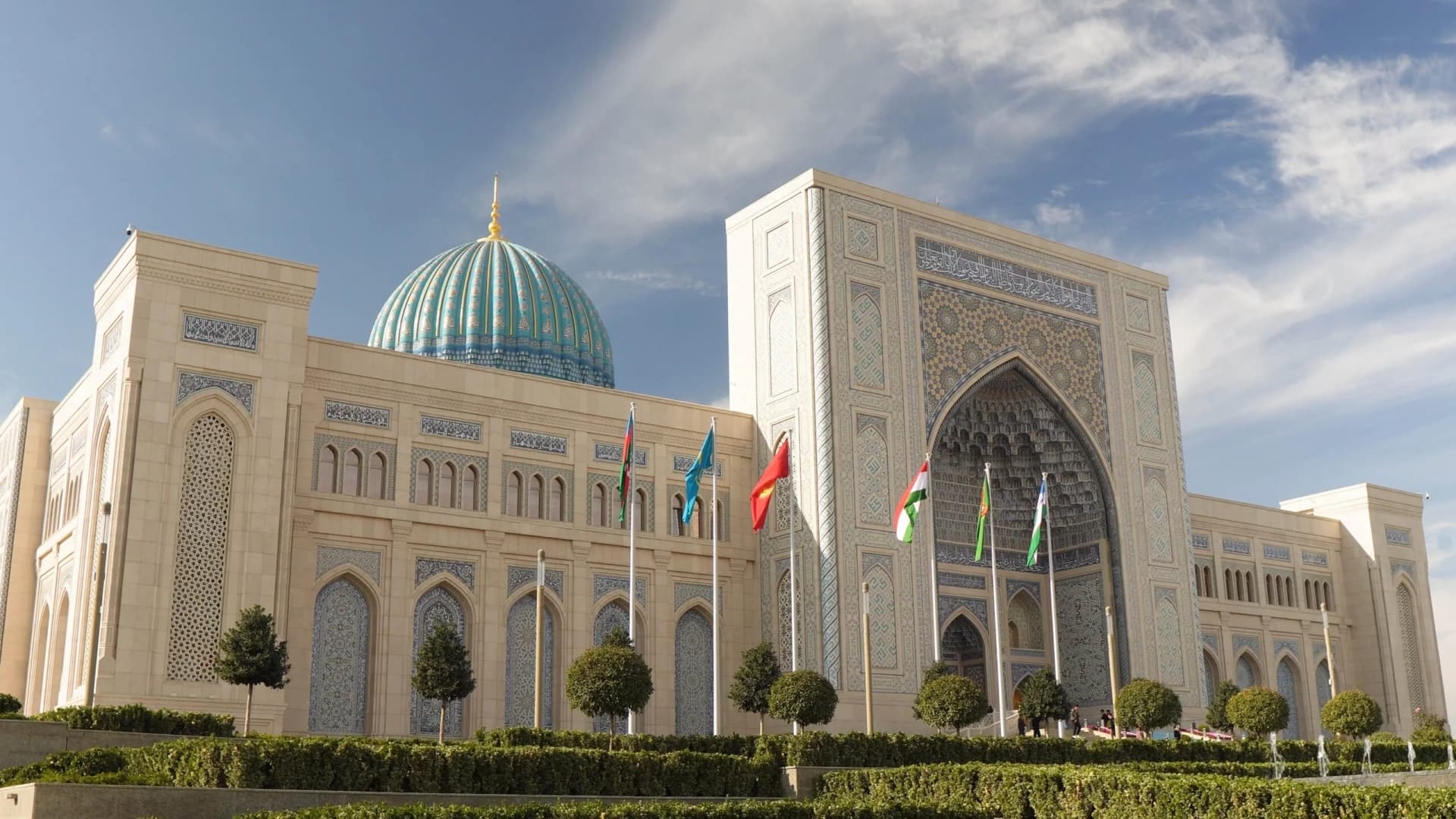
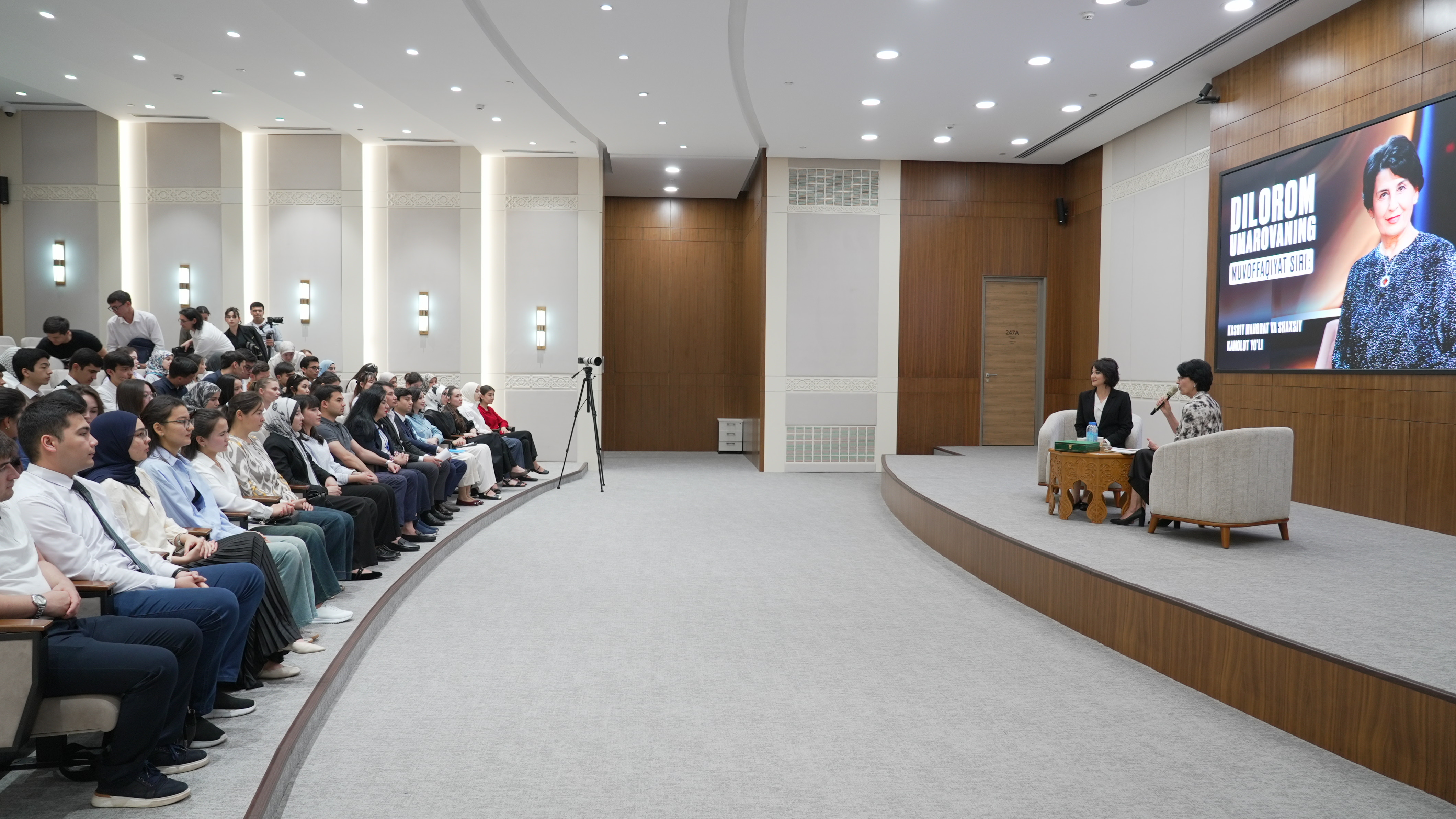 At the Islamic Civilization Center in Uzbekistan, a two-week exclusive and carefully designed seminar training session was held to ensure high-quality service for visitors in the museum exhibitions, to form a professional team of guides, and to widely attract young specialists to the field.
During the training process, detailed information was provided about the results of the selection conducted among graduating students of higher education institutions, as well as about the upcoming training and seminar activities to be carried out in the future.
As noted, in order to select talented young individuals capable of working as guides in the museum exhibitions, an initial selection competition was organized among fourth-year undergraduate students and final-year master’s students of higher education institutions across the country. More than 200 candidates participated in this competition.
The selection process was carried out based on criteria such as candidates’ historical knowledge, speech culture, ability to work with an audience, and proficiency in foreign languages. As a result, 117 of the most suitable candidates advanced to the next stage.
Special training seminars were organized for these selected candidates, and final seminar sessions were conducted with their participation.
Additionally, within the framework of the training process, a final seminar session was held with the participation of renowned announcer and public speaking expert Dilorom Umarova.
During the session, the specialist shared her many years of experience, the secrets of public speaking, methods of delivering speech clearly and effectively, and practical recommendations on establishing effective communication with an audience.
The seminar was conducted in an interactive format, allowing participants to ask questions of interest. The answers and advice provided by Dilorom Umarova contributed to further improving the participants’ professional skills.
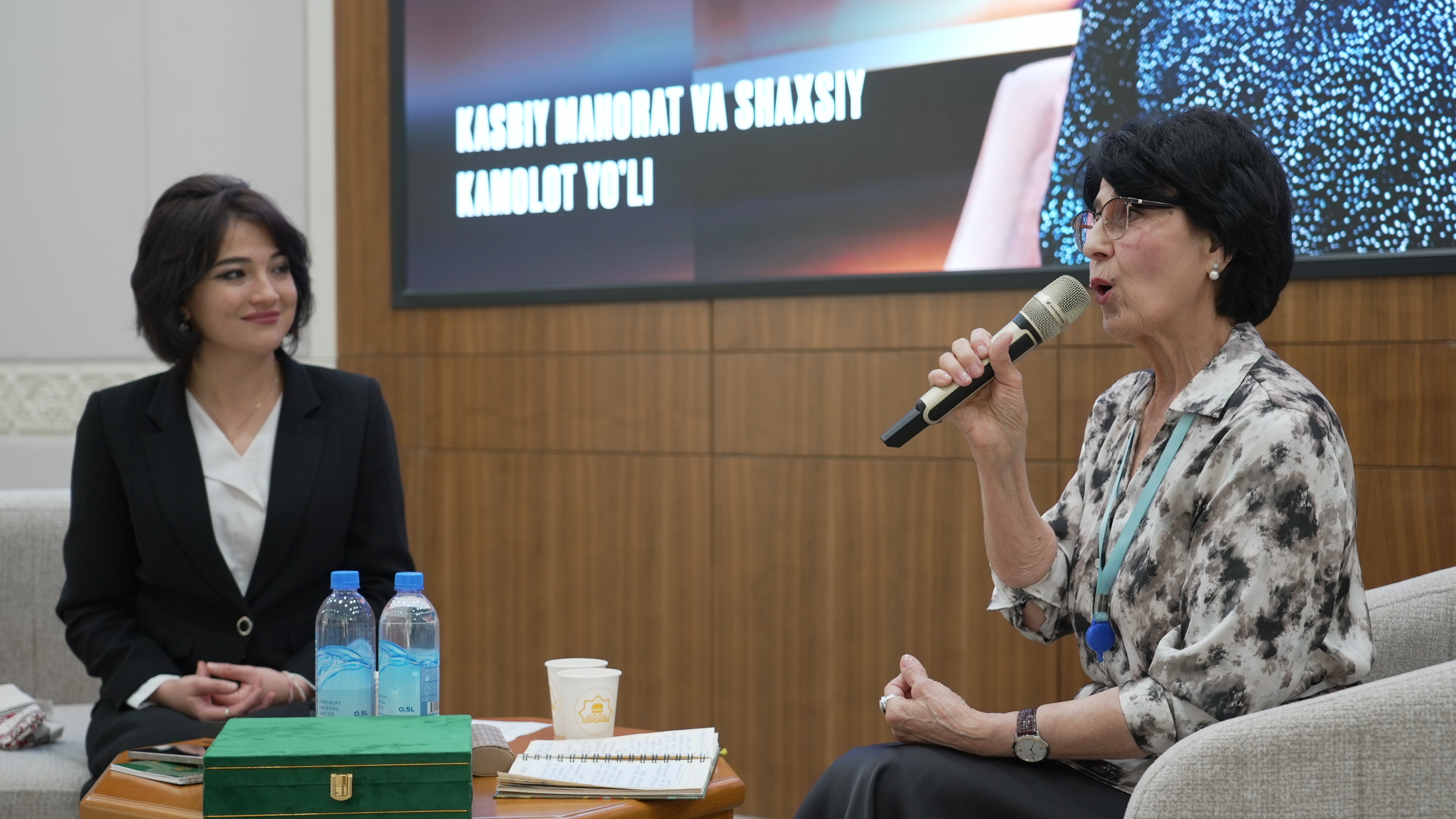 Dilorom Umarova:
“First of all, the two-week training process and its results deserve special recognition. In particular, the inclusion of the Islamic Civilization Center in the Guinness World Records became a great joy and pride for all of us. This is an important achievement not only for the Center’s team but for our entire country.
The training process was highly effective and meaningful. The youth demonstrated a strong interest in the profession, dedication, thoughtful approaches to questions, and a high level of preparation. Through their prepared texts, breadth of thinking, and responses, they showcased their potential. Therefore, no serious difficulties were observed during the training. All participants showed good results, and there is great confidence that they will develop into professionals capable of worthily representing the Center before prestigious guests.”
Izzat Ibragimov, Deputy Director for Information Technology:
“Systematic efforts are being carried out by the Islamic Civilization Center in Uzbekistan to establish high-quality guide services for visitors.
For this purpose, in cooperation with the Tourism Committee of Uzbekistan and the Ministry of Higher Education, Science and Innovation, an initial selection competition was organized among students of several higher education institutions. Talented candidates were selected through interviews from universities such as the Uzbekistan State World Languages University, the University of Oriental Studies, the Tashkent State Institute of Arts and Culture, the Kamoliddin Behzod National Institute of Fine Arts and Design, and the Chirchik State Pedagogical Institute.
As a result, 117 candidates were selected at the initial stage. Currently, they have undergone training with the participation of specialists from the Tourism Committee, as well as special two-week courses on speech culture.”
The seminar sessions were organized over two weeks and included both theoretical and practical components. In the theoretical part, participants were taught the content and essence of the Center’s exhibitions, how to work with historical sources, and how to deliver information accurately and clearly. In the practical sessions, candidates developed skills in conducting excursion directly within the museum, communicating with visitors, managing groups, and responding to various questions.
Rustam Jabborov, Scientific Secretary of the Center:
“Special attention is being paid to the development of guide activities at the Islamic Civilization Center. A guide is not just an information provider, but an important bridge that conveys the rich historical and scientific heritage embodied in the Center in an accurate and impactful way. Therefore, we prioritize content, accuracy, and expressiveness in the work of guides. Our main goal is to ensure that every visitor leaves the Center with deep impressions and enriched spiritual knowledge.”
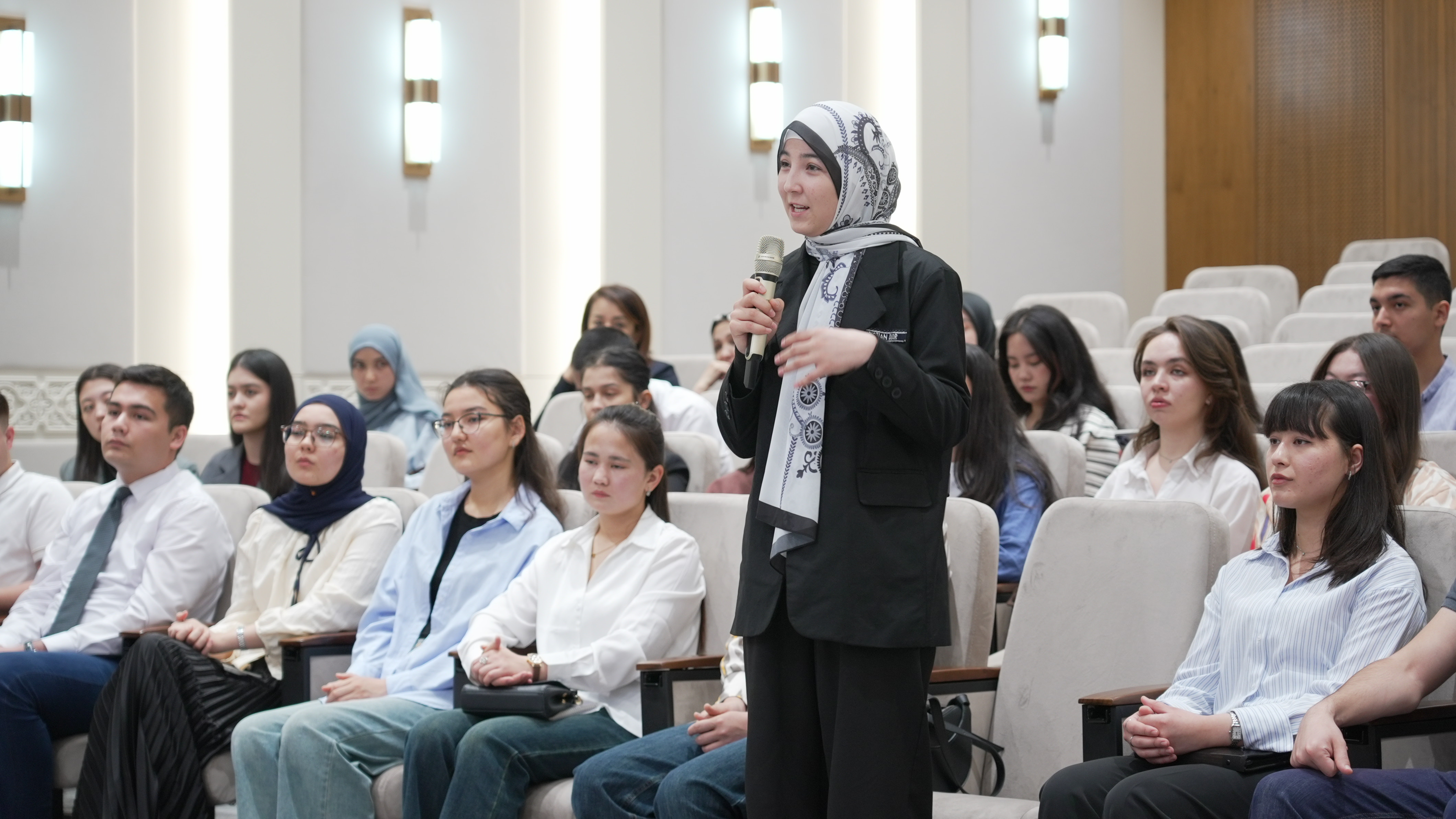 As emphasized, guides play a crucial role in conveying the Center’s activities to the wider public in a clear and impactful manner. Therefore, their thorough training and systematic development of knowledge and skills are among the top priorities.
Sardor Azizov, student:
“The guide training courses at the Center were not only an opportunity to gain knowledge but also to acquire practical experience. Seeing history and culture from a new perspective through the exhibitions and interacting with visitors inspired me greatly. Through this course, I aim not only to become a professional guide in the future but also to help people truly feel the rich cultural heritage of Uzbekistan.”
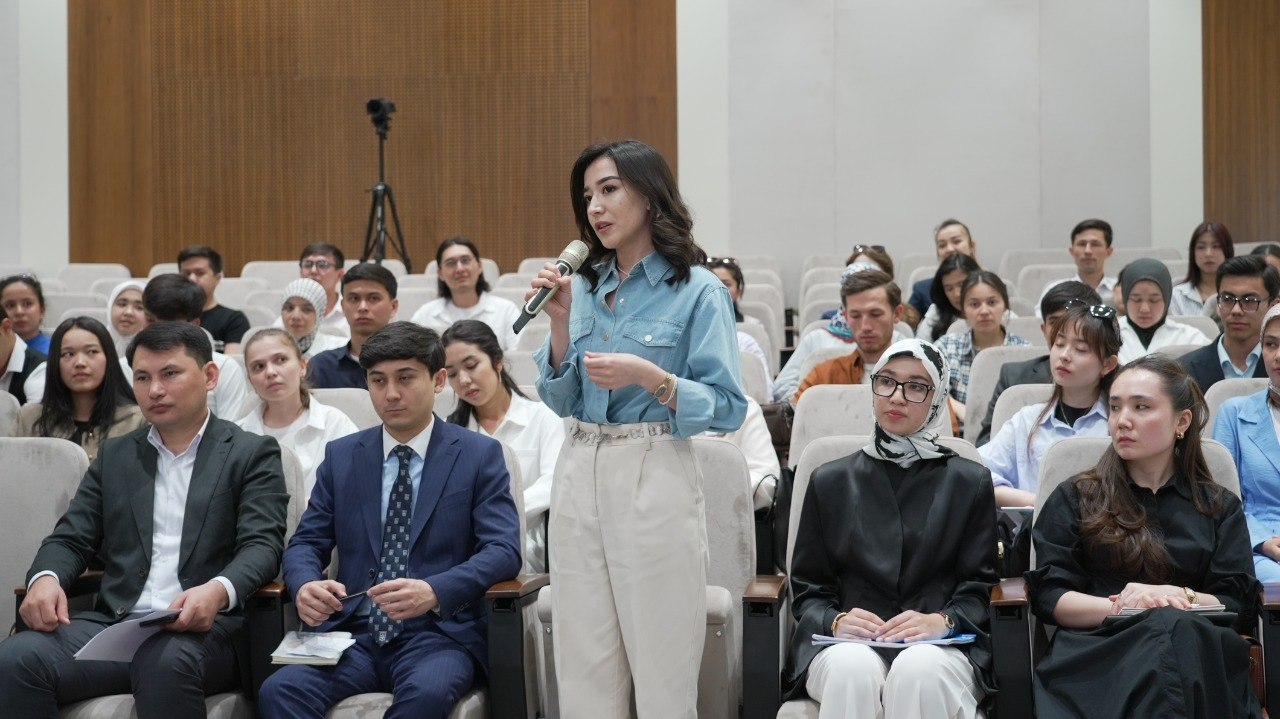 At the end of the seminar, a final examination for participants is planned. Based on the results, the candidates who achieve the highest scores and demonstrate strong potential will be involved in providing guide services in the museum exhibitions of the Center.
This initiative represents an important step aimed at supporting young specialists, providing them with practical experience, and further improving the quality of services at the Center.
At the conclusion of the seminar, participants’ suggestions and feedback were heard, and tasks were outlined to further improve the system of training guides in the future.