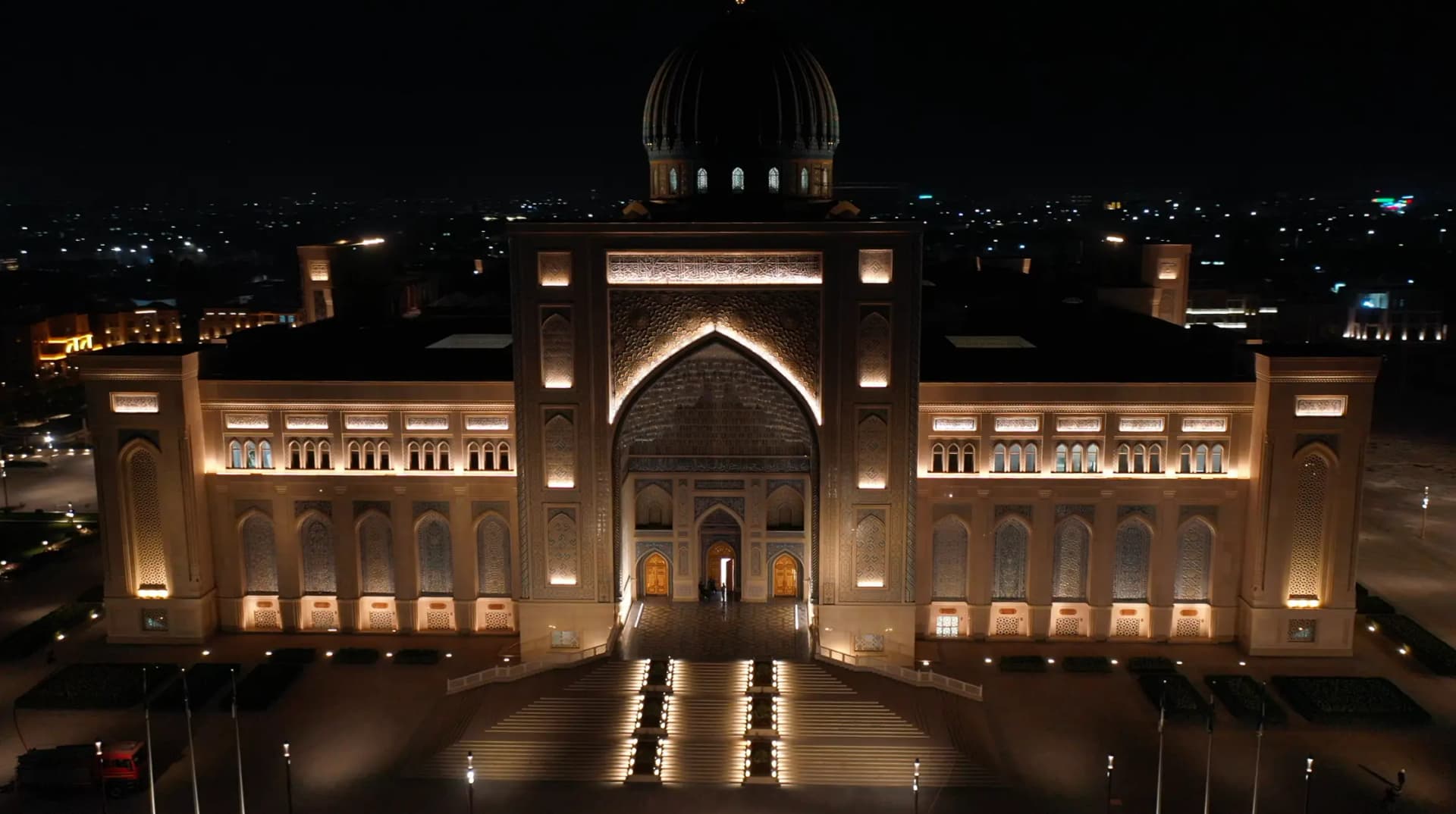
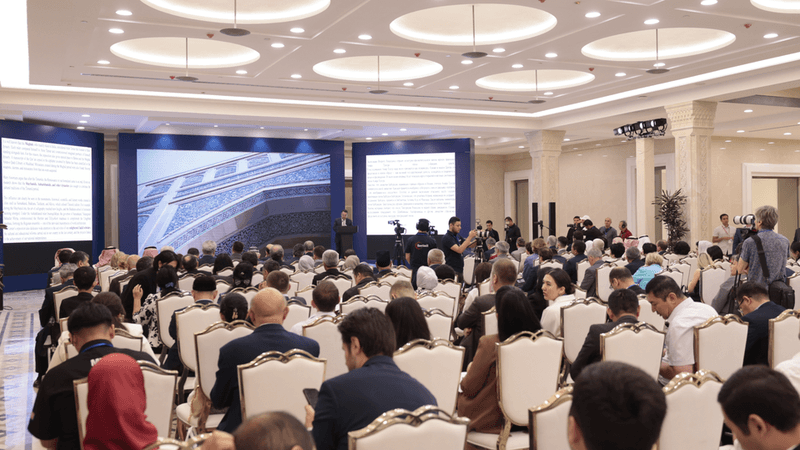
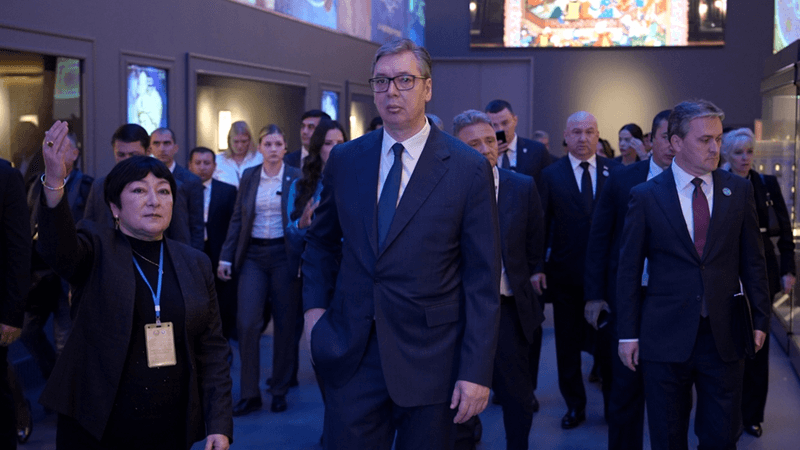
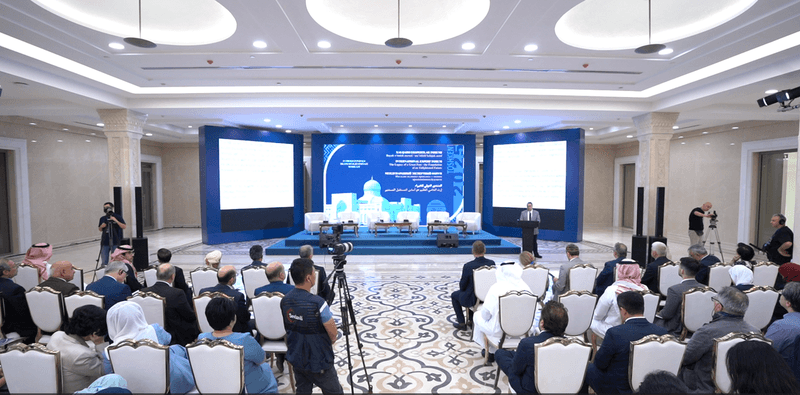
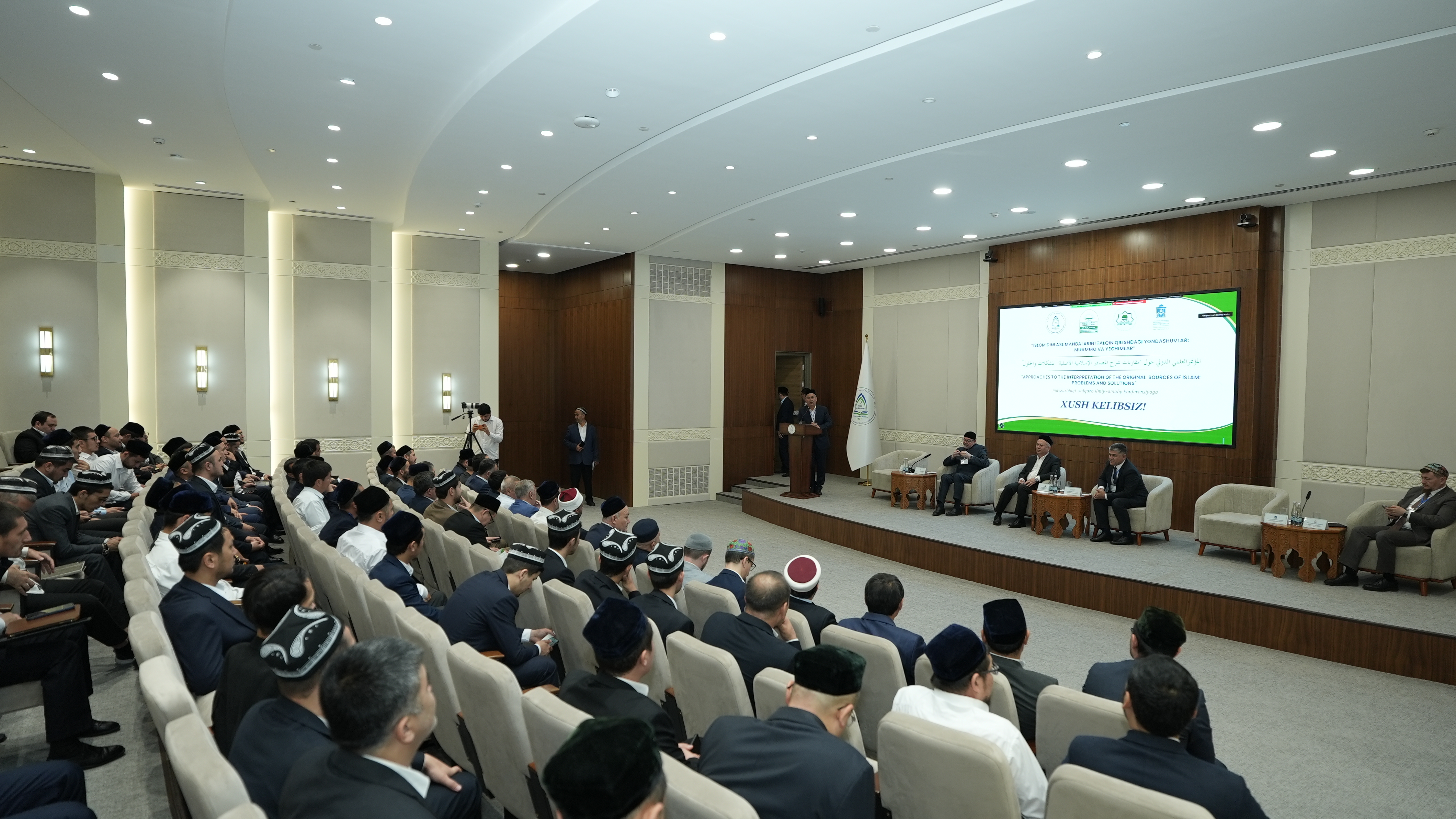
 At the Islamic Civilization in Uzbekistan Center in Tashkent, scholars from around the world gathered to address a question that is becoming increasingly urgent in today’s age of globalization: how should the Qur’an and Hadith be properly understood?
The conference, held at the Center, was organized in cooperation with the Muslim Board of Uzbekistan, the Tashkent Islamic Institute named after Imam Bukhari, and the Imam Maturidi International Scientific Research Center. More than 70 scholars, researchers, and representatives of the religious sphere from Turkey, Russia, Egypt, and other countries gathered on one platform to exchange views.
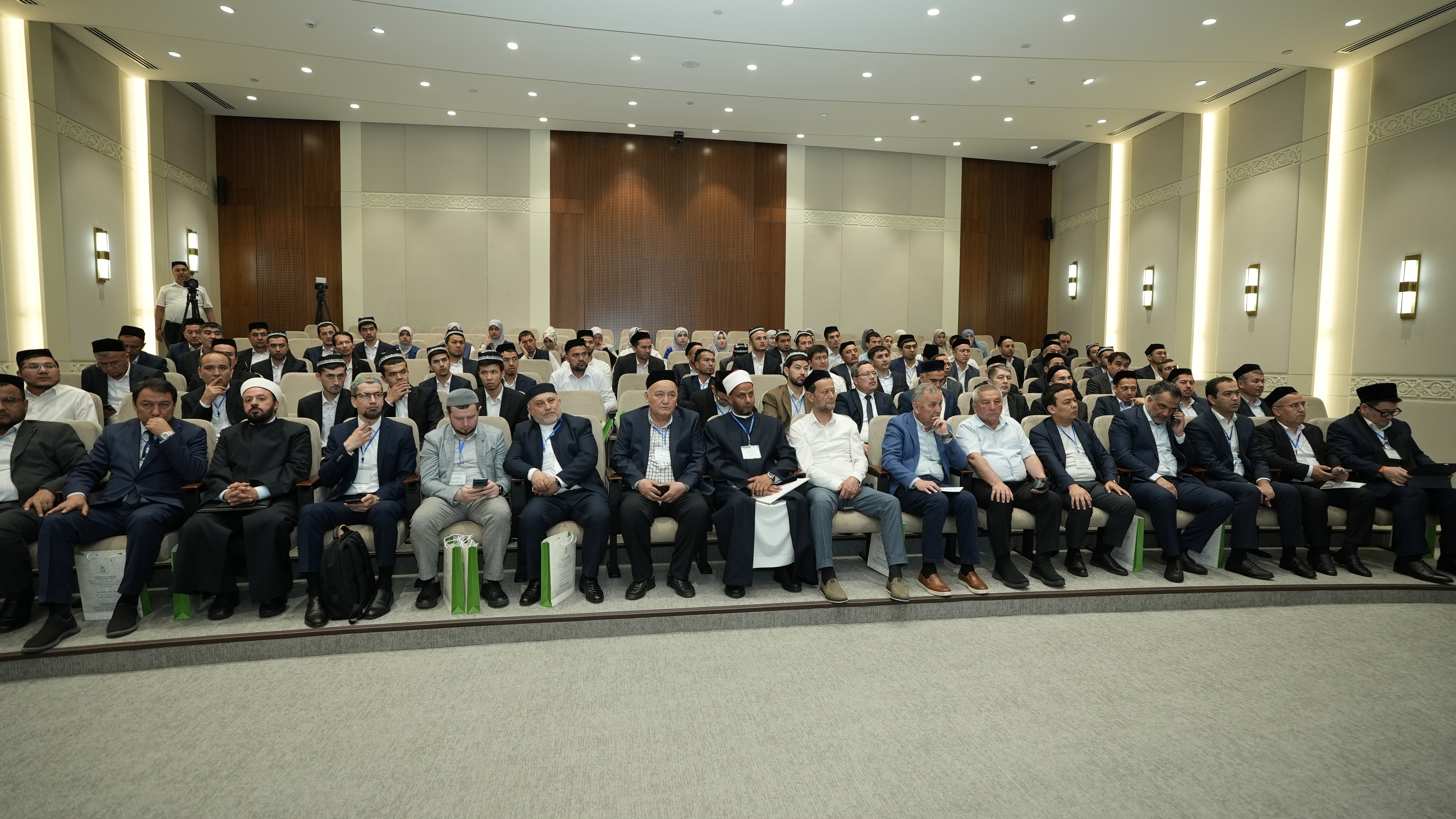 The discussions held here were not merely theoretical — they carry practical significance for modern society.
Abdurasul Toshpolatov, a specialist in Islamic history, noted:
“Misinterpretations can lead not only to misunderstanding but also to conflict. Therefore, correctly understanding the sources is extremely important today.”
This view was echoed by other participants.
According to Timur Fakhretdinov, a representative of the Moscow Islamic Institute, such conferences are important not only for Uzbekistan but for the entire Muslim world.
“Here, scholars are engaging in open and in-depth dialogue about the role of the Qur’an in society,” he said.
However, the issue is not limited to interpretation — it also extends to translation.
Rafik Mukhametshin, rector of Kazan Islamic University, stated:
“Translations of the Qur’an have increased, but not all of them are perfect. In some cases, the meaning is not fully conveyed. That is why tafsir (exegesis) is essential.”
This raises another important question: what should modern tafsir look like?
Sheikh Ibrahim Abdulkarim, an Egyptian scholar, emphasized:
“Today, misinterpretations are increasing, and this issue must be addressed on a solid scientific basis.”
At the core of these discussions lies a fundamental truth:
Understanding Islamic sources is not only a religious matter, but also one of social and cultural significance.
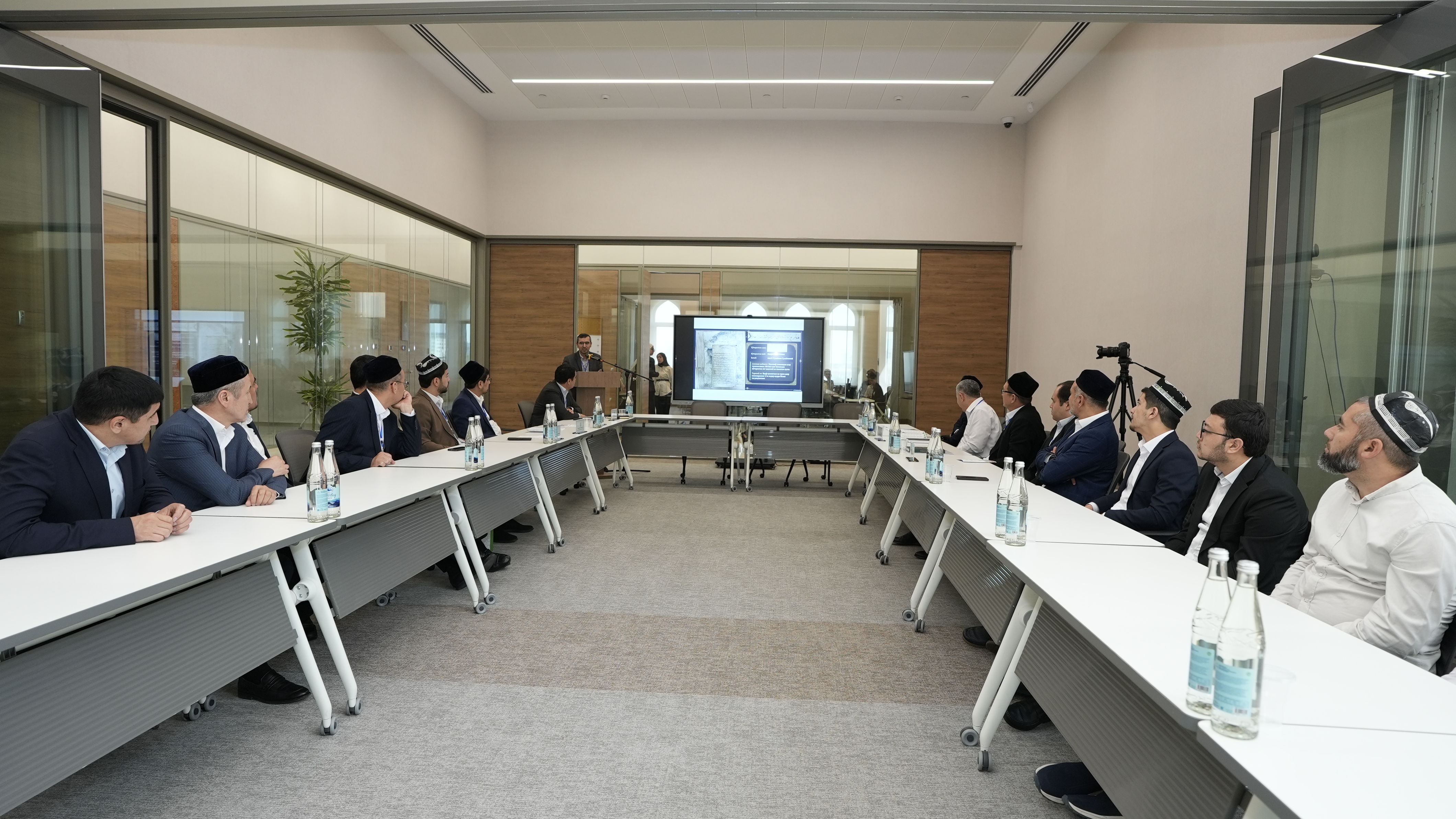 Within the framework of the conference, topics such as Qur’anic sciences, Hadith studies, tafsir methodology, and the scholarly heritage of Movarounnahr were discussed. A book exhibition and sectional sessions further enriched the academic environment.
Uygun Gafurov, rector of the Tashkent Islamic Institute named after Imam Bukhari, stated:
“Our rich scholarly heritage is preserved in hundreds of thousands of manuscripts. By studying them, we can find answers to today’s challenges.”
This conference was not just an event — it was a platform for dialogue, an exchange of ideas, and a process of seeking solutions.
The meeting in Tashkent once again demonstrated a clear truth:
properly understanding Islamic sources is not only about interpreting the past, but also about shaping the future.
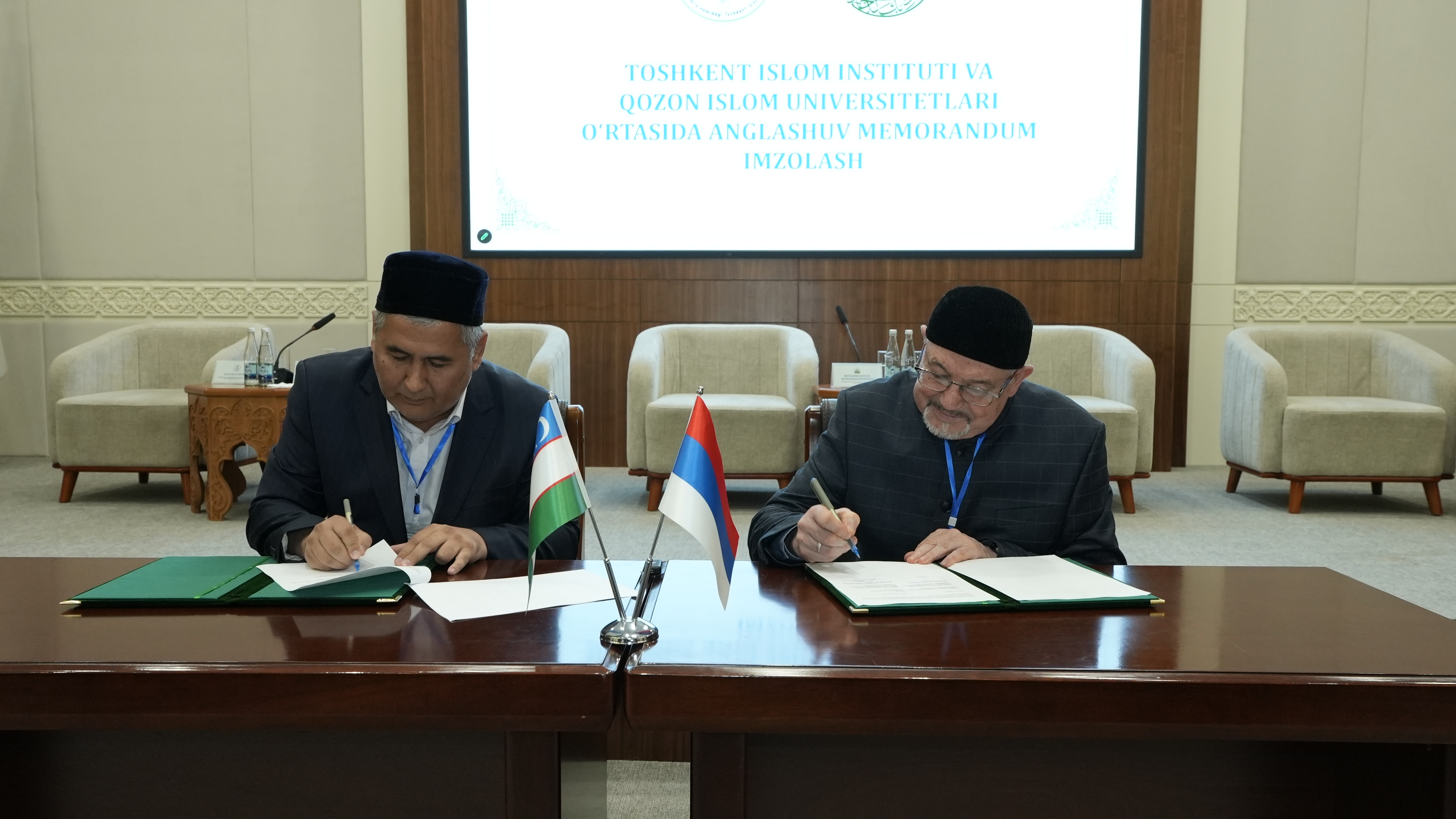 Within the framework of the conference, a Memorandum of Understanding was signed between the Tashkent Islamic Institute and Kazan Islamic University to further develop and elevate cooperation in academic and research fields.
The ideas and scholarly conclusions presented at the end of the conference are expected to serve as a solid foundation for future research.
One thing is certain: the very act of seeking answers to the questions raised here is itself the most important outcome.