

A “Report” from the 10th century: the most reliable manuscript on Transoxiana is being published in Uzbek
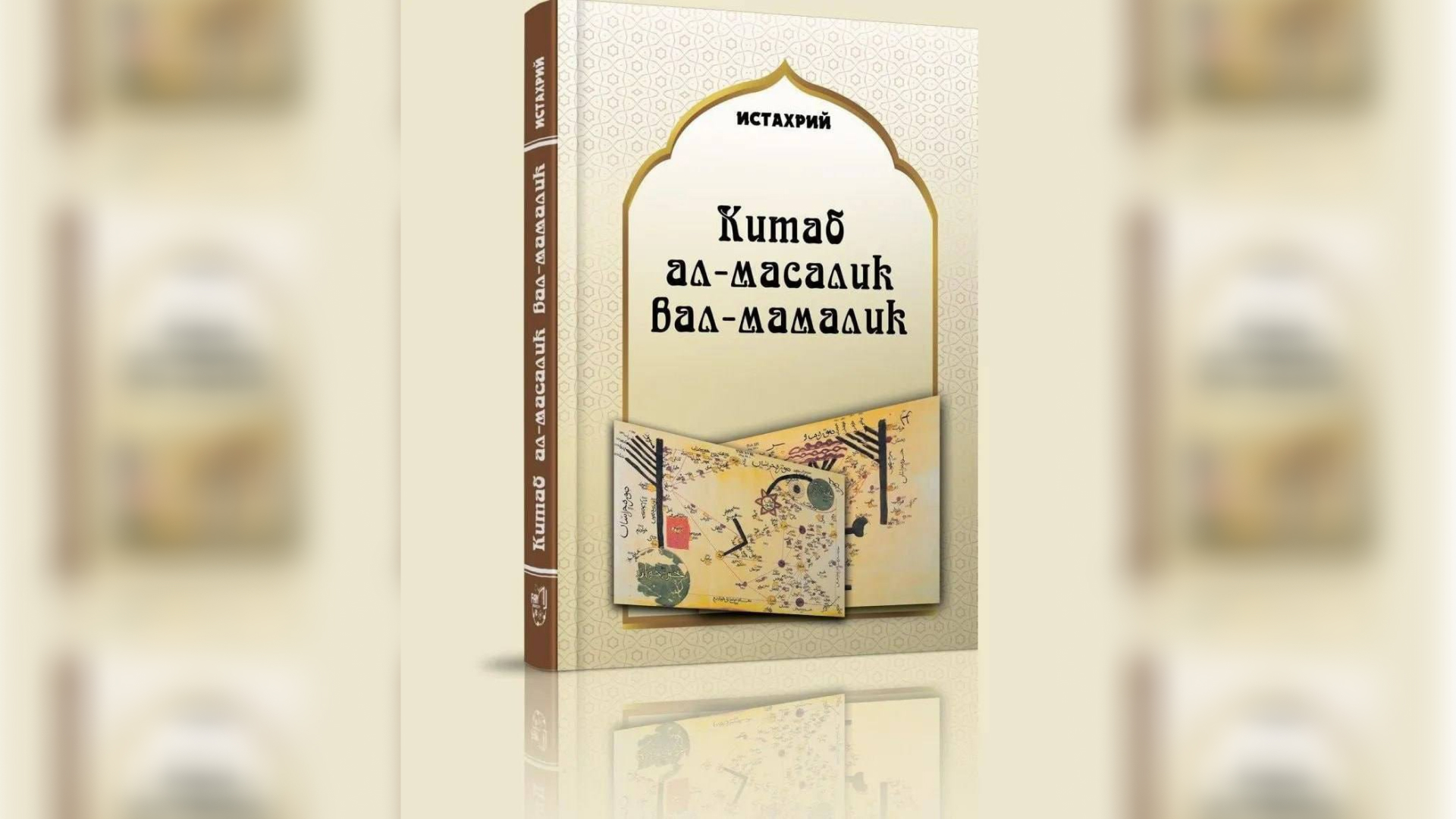 Today, Samarkand and Bukhara rank among the world's most renowned tourist destinations. But what did these cities look like a thousand years ago? How powerful were their economies? Which international trade routes did they connect? What role did they play in the development of Islamic civilization? The answers to these questions are found not in archaeological discoveries, but in the firsthand observations of a 10th-century Arab geographer and traveler. Now, this rare historical source is being presented to Uzbek readers for the first time in the form of a critical edition, accompanied by a comparative analysis of manuscripts and scholarly commentary.
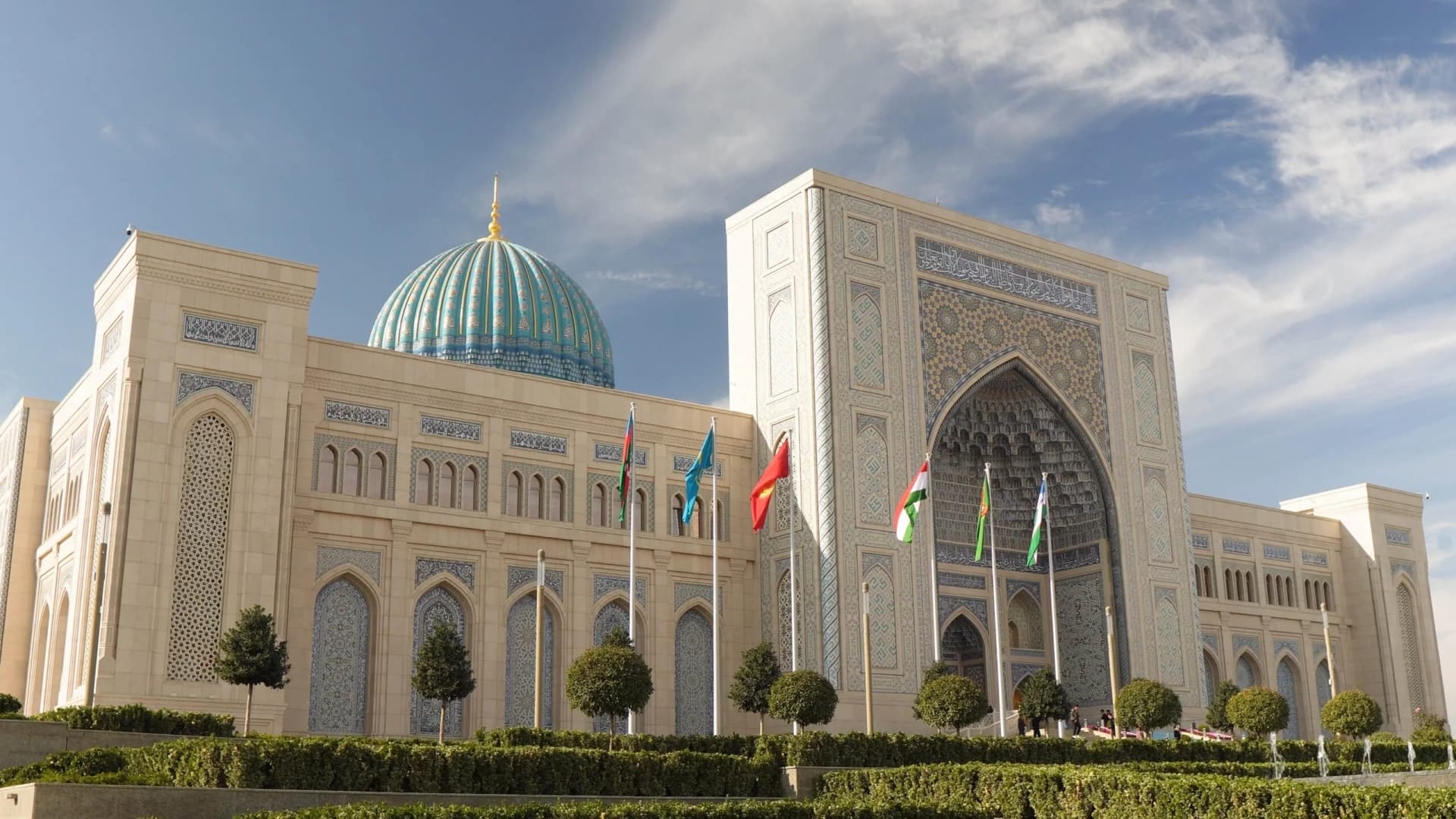
At a time when global interest in preserving cultural heritage, digitizing manuscripts, and reexamining primary sources on the history of civilizations continues to grow, another significant academic publication is being prepared in Uzbekistan. The 10th-century work Kitab al-Masalik wa al-Mamalik (The Book of Routes and Kingdoms) by the renowned Arab geographer and traveler Abu Ishaq Ibrahim al-Istakhri is being published in Uzbek by the Islamic Civilization Center in Uzbekistan, complete with a critical text and scholarly annotations.
The publication is the result of a translation and an extensive source-critical study conducted by the Department for Maintaining the State Register of Ancient Written Sources at the Islamic Civilization Center in Uzbekistan.
According to Ravshan Khudayberganov, a research fellow at the Center, this work is far more than an ordinary treatise on historical geography. It is one of the most important primary sources reflecting the political, economic, and cultural landscape of the 10th-century Muslim world. During his travels across numerous regions, Istakhri documented cities, trade routes, the daily lives of local populations, economic relations, and systems of governance based on his own firsthand observations.
The information the work provides about Transoxiana is of particular importance for contemporary historical scholarship. Samarkand, Bukhara, and other cities of the region are portrayed not only as major cultural centers of the Muslim East but also as strategic hubs within the international trade network that connected Europe, the Middle East, and Asia through the Silk Road.
Today, historians reconstruct the development of ancient cities by comparing archaeological evidence, epigraphic monuments, and manuscript sources. From this perspective, Istakhri’s work serves as a valuable firsthand source that significantly complements archaeological findings.
The book also plays a crucial role in understanding the period of civilizational flourishing in Central Asia between the 9th and 12th centuries, widely regarded by many scholars as the First Renaissance. During this era, science, urban development, commerce, culture, and education reached remarkable levels of advancement, exerting a lasting influence on the subsequent development of both Islamic civilization and world scholarship.
The publication’s principal scholarly value lies in the fact that it has been prepared as a critical edition.
Ravshan Khudayberganov, Research Fellow at the Department for Maintaining the State Register of Ancient Written Sources, Islamic Civilization Center in Uzbekistan:
“This work is one of the most important sources on the historical geography of the 10th-century Muslim world. It contains valuable information not only about Transoxiana but also about Khurasan, Iran, Iraq, Arabia, the Caucasus, and many other regions. As such, it provides a comprehensive picture of the Muslim civilization of that period. What further enhances its scholarly significance is that it has been published as a critical edition. Ancient sources are often translated on the basis of only one or two manuscript copies, which may result in certain textual variations being overlooked. In this publication, however, one of the fundamental principles of source criticism the method of comparative manuscript analysis has been applied.”
It is reported that the study involved a comparative examination of eight surviving Arabic manuscript copies of the work alongside ten manuscript copies of its later Persian translation. In total, eighteen manuscripts were analyzed, enabling scholars to reconstruct a critical text considered to be the closest to the author's original.
From the perspective of source criticism, this approach is regarded as one of the most reliable methods in international academic practice. By comparing textual variations across different manuscripts, researchers can determine how the work was edited over the centuries and identify information that was added, altered, or omitted over time.
Another significant feature of the publication is that all textual variants are documented in footnotes, while extensive commentary on historical figures, ethnonyms, toponyms, and geographical terms is compiled in the annotation section of the book. This makes the volume an important scholarly resource not only for general readers but also for historians, Orientalists, ethnologists, geographers, and researchers of economic history.
According to specialists, comprehensive source-critical studies that simultaneously examine both Arabic and Persian manuscripts remain relatively rare in the national academic environment. In this respect, the publication is regarded not merely as a translation of an ancient work but as a major scholarly project that contributes to advancing the field of source studies in Uzbekistan to a new level.
Today, the digitization of cultural heritage, the preservation of manuscripts, and their integration into international scholarly discourse have become global priorities. In this context, Istakhri’s Kitab al-Masalik wa al-Mamalik is increasingly recognized as an important academic source that contributes to a deeper understanding of Central Asia's place in the history of world civilizations.
The findings of the study demonstrate that the observations recorded by the author during his journey through Transoxiana a thousand years ago remain highly relevant today. On the contrary, they continue to provide historians with reliable evidence for reconstructing the past, help geographers identify ancient locations, and offer cultural scholars valuable insights into historical interactions among peoples. In this sense, Kitab al-Masalik wa al-Mamalik is not merely a historical monument but also a significant academic source that contributes to a scholarly understanding of Central Asia’s First Renaissance.
Durdona Rasulova
P.S. This article may be republished with a link to the official website of the Center