

Muhammad Hassan reveals the most important solution to combating islamophobia in Samarkand
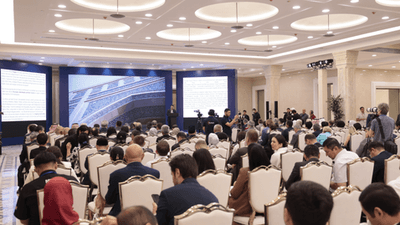
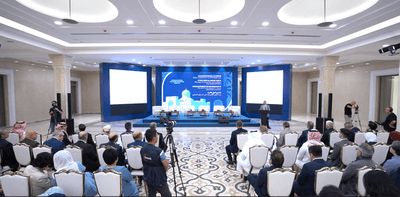
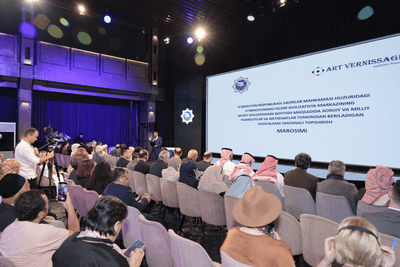
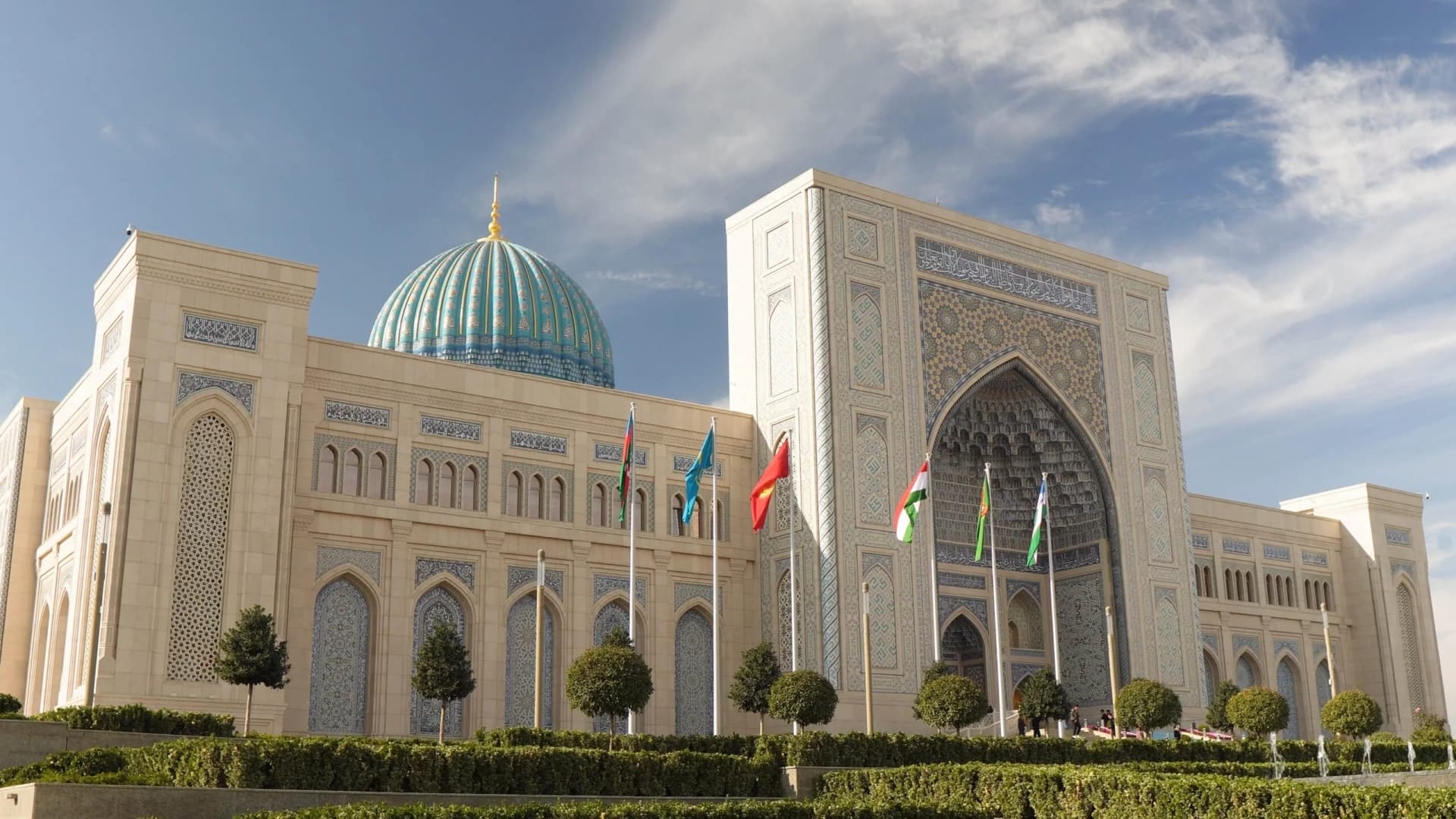
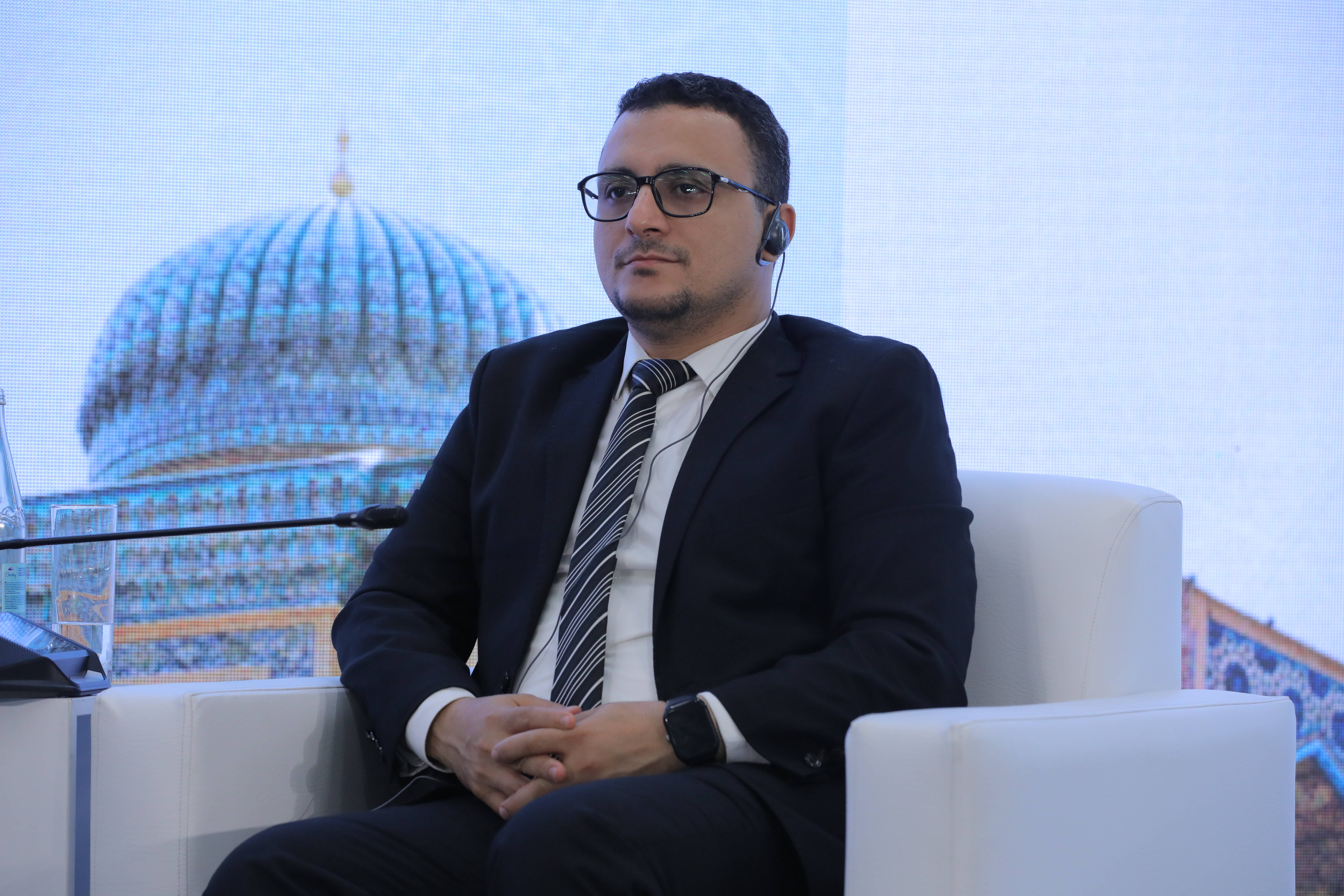 As part of the First International Islamic Civilization Forum, which commenced in Tashkent on July 7 this year, an international conference titled “The Legacy of Imam Maturidi: A Foundation for Moderation, Tolerance and Enlightenment” is being held in Samarkand. At the conference, Egyptian expert Muhammad Hassan described Imam Maturidi’s teachings, founded on reason, critical thinking and moderation, as one of the most important educational solutions to today’s challenges. He emphasized that efforts to combat extremism should not be limited to security measures, but should also involve fostering independent thinking among young people and widely promoting the humanistic essence of Islam through modern media.
Muhammad Hassan, Director of the Salam Center for the Study of Extremism and Islamophobia under Dar al-Ifta of the Arab Republic of Egypt, participated in the international conference titled “The Legacy of Imam Maturidi: A Foundation for Moderation, Tolerance and Enlightenment,” held in Samarkand as part of the First International Islamic Civilization Forum.
In his address, the Egyptian scholar emphasized that Imam Maturidi’s teachings are not merely a historical and scholarly legacy, but a living methodology capable of providing appropriate responses to the most pressing challenges facing the global community today.
“Imam Maturidi represents a school of reason. His scholarly methodology offers numerous solutions that remain relevant to contemporary realities. Many of the problems we face today stem precisely from the fact that a genuine scholarly approach based on harmony between reason and revelation has not yet become sufficiently established in our lives,” the scholar said.
Drawing on his many years of experience in monitoring extremism and radical ideologies, Muhammad Hassan noted that many of the threats facing the world today can be addressed through knowledge and enlightenment. According to him, the rational and analytical approach established by Imam Maturidi serves precisely this purpose.
In this regard, he cited international statistics on terrorism and drew attention to the deeply contradictory nature of the current situation.
“Nearly 97 percent of terrorism victims worldwide are Muslims. Yet when terrorism is discussed, Muslims are often the first to be blamed. This is an extremely complex situation that requires serious analysis,” he said.
The Egyptian scholar noted that analyses of extremist organizations show that almost all of them are founded on takfiri ideology.
“All the terrorist organizations we have studied regard Muslims outside their own ranks as unbelievers. To them, the only true Muslims are members of their small group. This approach is entirely contrary to the theological principles established by Imam Maturidi,” Muhammad Hassan said.
Referring to the idea expressed in Imam Maturidi’s Kitab at-Tawhid that “reason and reflection form the basis for understanding religion, while blind imitation does not lead a person to the truth,” he noted that this principle remains highly relevant to combating extremism today.
The scholar also paid particular attention to youth education, emphasizing the importance of developing in children not only obedience, but also the ability to think independently, reflect and ask questions.
“Obedience is a good virtue. However, it must be combined with reason, reflection and persuasion. Only then will our children be protected from the influence of various radical movements,” he said.
Muhammad Hassan also noted that one of today’s priorities is to bring Imam Maturidi’s rich scholarly legacy to the wider public through modern media rather than confining it solely to academic circles.
“We must bring Imam Maturidi’s legacy from the pages of books to social media. The time has come to present it to a broad audience through short videos, podcasts, multimedia projects and other modern formats. This is one of the most important tasks of our time,” the scholar said.
The Egyptian scholar further stressed the importance of fostering cooperation among religious scholars, researchers, journalists, media professionals and representatives of the creative industries in this field. As emphasized, widely promoting Imam Maturidi’s teachings founded on reason, tolerance and moderation—through modern means of communication is crucial to strengthening intellectual resilience against extremism, fostering sound religious thought among the younger generation and accurately conveying the humanistic essence of Islam to the global community.