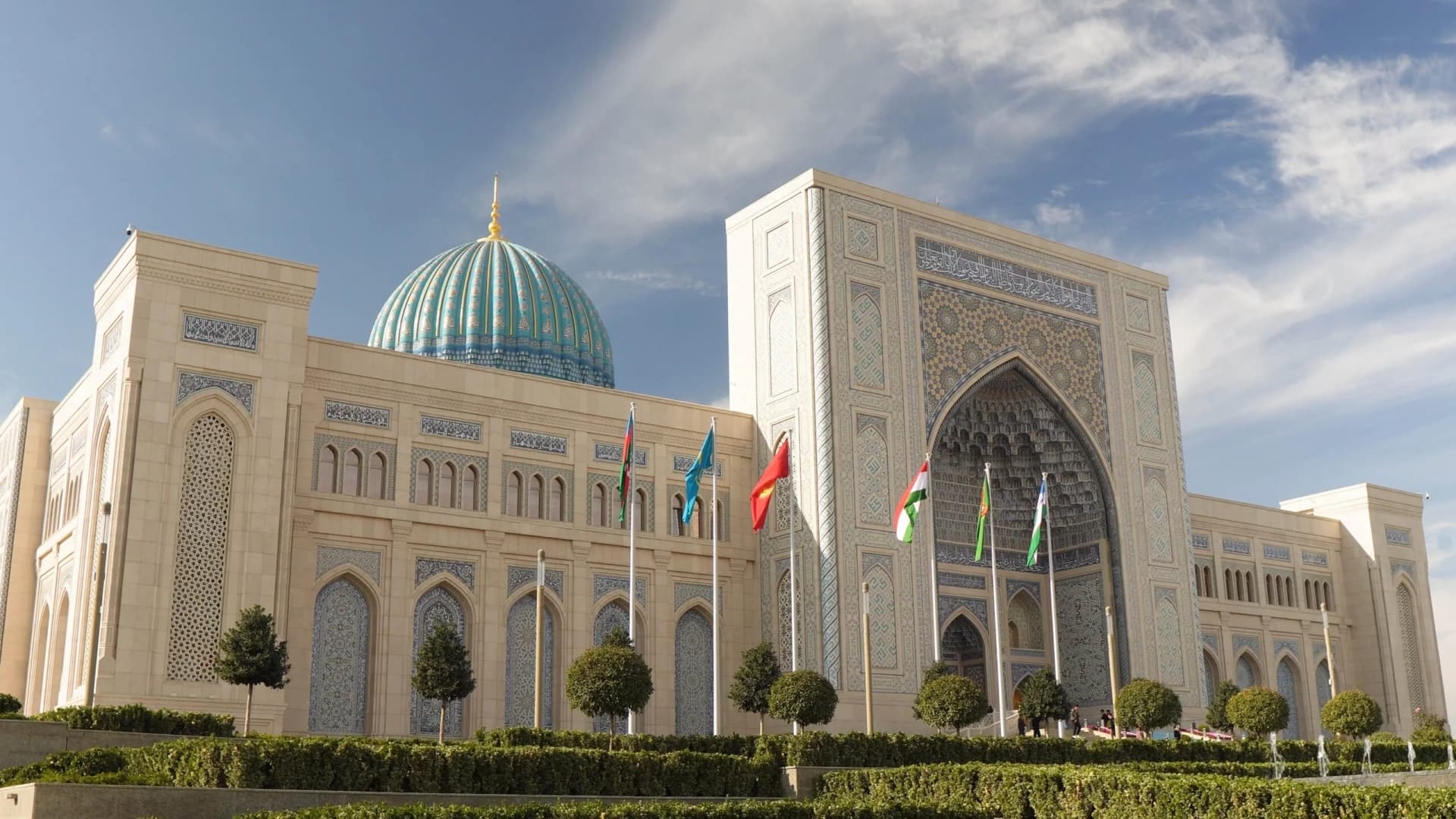


ALWATAN: “An initiative from Uzbekistan to the World: The International Islamic Civilization Forum from the past toward the future”
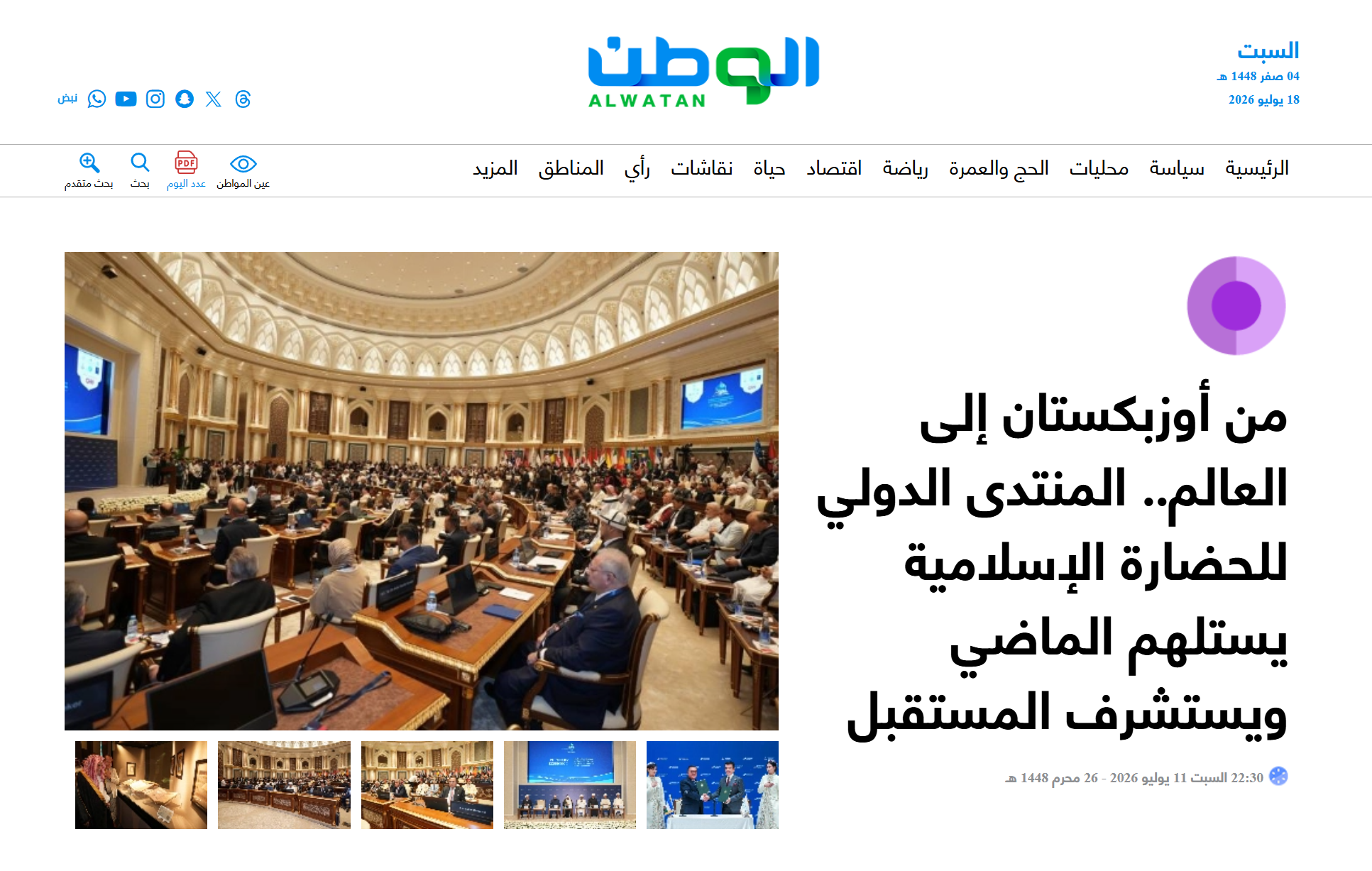 One of Saudi Arabia’s leading newspapers, ALWATAN, described the First International Islamic Civilization Forum as a landmark civilizational initiative by Uzbekistan aimed at harmonizing the country’s rich Islamic heritage with contemporary development. In addition to highlighting the international institutional initiatives introduced during the forum, the newspaper gave particular attention to the remarks of Sheikh Dr. Saleh bin Abdullah bin Humaid — Advisor to the Royal Court of Saudi Arabia, member of the Council of Senior Scholars, and Imam and Khatib of the Grand Mosque — who emphasized that the foundations of Islamic civilization are justice, knowledge, human dignity, and tolerance. The article noted that the forum further strengthened Uzbekistan’s international standing in the study, preservation, and promotion of the heritage of Islamic civilization.
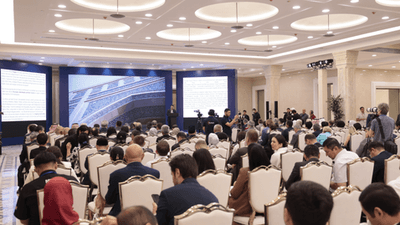
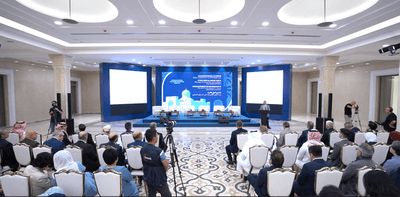
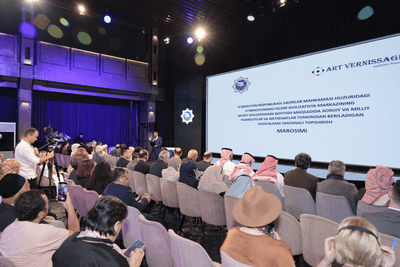
Held in the Republic of Uzbekistan from 7 to 11 July 2026 under the theme “The Path of Peace, Tolerance and Enlightenment,” the First International Islamic Civilization Forum was not merely an academic gathering that brought together scholars and experts. It was also a comprehensive civilizational initiative that once again highlighted the place of Islamic civilization in human history and presented its values rooted in knowledge and intellectual achievement as a vital foundation for dialogue, solidarity, and building the future.
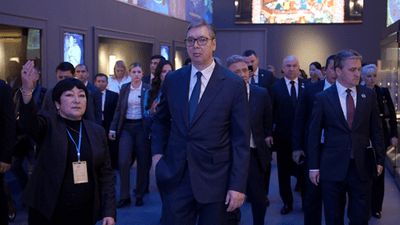
The forum was held under the patronage of President Shavkat Mirziyoyev and jointly organized by the Islamic Civilization Center in Uzbekistan and the Islamic World Educational, Scientific and Cultural Organization (ICESCO). It brought together ministers, leaders of international and religious organizations, and more than 300 speakers from 40 countries, reaffirming Uzbekistan’s status as one of the most significant historical centers of Islamic heritage.
Serving knowledge and humanity
The forum sought to connect the present with centuries-old civilizational roots. It drew inspiration from the rich scholarly legacy of the great scholars of Mawarannahr. Particular recognition was given to the contributions of Imam Bukhari, Imam Termizi, Imam Maturidi, and other eminent thinkers in the fields of hadith, Islamic jurisprudence, theology, philosophy, mathematics, and medicine. It is this remarkable intellectual heritage that transformed the region into one of the foremost centers of learning in the history of Islamic civilization.
Holding the forum in Uzbekistan was not merely an opportunity to reflect on the past. It also demonstrated that cultural heritage can serve as a driving force for contemporary development and the construction of the future.
International conferences on Islamic studies
Three major international conferences were held as part of the forum.
The first conference was dedicated to “Imam Bukhari’s Al-Jami’ as-Sahih — The Book of the Ummah.”
The second conference focused on the scholarly legacy of Imam Maturidi, with particular emphasis on his ideas of moderation and tolerance.
The third conference examined the School of Imam Termizi and its contribution to the development of the science of hadith.
Together, these conferences highlighted the pivotal role of the scholarly traditions that emerged in Uzbekistan in shaping the development of Islamic thought.
An institutional vision
The forum went beyond commemorating history. It also introduced practical initiatives aimed at preserving Islamic heritage and advancing scholarly research.
Participants announced the following major initiatives:
- Establishing the World Islamic Civilization Forum;
- Creating a Global Digital Registry of Islamic Civilization Heritage;
- Launching the international program “Islamic Civilization — A Heritage of All Humanity”;
- Establishing an International Research Institution for Islamic Civilization Studies;
- Creating a Global Digital Library;
- Preparing an International Encyclopedia of Islamic Civilization;
- Publishing an Annual Report on the State of Islamic Heritage;
- Establishing an International Platform for Youth;
- Forming an International Association of Museums of Islamic Culture, Art, and Civilization.
These initiatives demonstrated that the forum was far more than a scholarly gathering it marked the beginning of a long-term international institutional project.
The legacy of Imam Bukhari
One of the forum’s flagship events was the international conference dedicated to Imam Bukhari.
The conference explored the life and scholarly legacy of the great muhaddith, as well as the distinguished status of his masterpiece, Al-Jami’ as-Sahih, in the eyes of Islamic scholars.
Participants examined Imam Bukhari’s rigorous methodology for the authentication and classification of hadiths. They also discussed the contributions of the scholars who devoted themselves to the study and preservation of his work, while addressing several academic critiques that have been raised regarding the collection.
At the conclusion of the conference, the authors of the best scholarly papers were honored, and the conference proceedings were published as a separate volume.
The event brought together renowned scholars, grand muftis, ministers, and leaders of Islamic organizations from across the Muslim world, once again demonstrating the unparalleled stature of Imam al-Bukhari throughout the Muslim Ummah.
The unity of the ummah
In his keynote address, Sheikh Dr. Saleh bin Abdullah bin Humayd — Advisor to the Royal Court of Saudi Arabia, member of the Council of Senior Scholars, and Imam and Khatib of the Grand Mosque — highlighted the spiritual foundations of Islamic civilization.
He emphasized that Islamic civilization was built not upon power or domination, but upon the principles of human dignity, justice, knowledge, and moral integrity.
He further stressed that tolerance in Islam is not a temporary slogan but a lasting value founded on justice and respect for human rights.
He also noted that the Muslim Ummah today must revive a balanced culture of ijtihad one that remains faithful to the sources of Sharia while responding wisely and responsibly to the challenges of the modern age.
An initiative for an international award
Speaking on the significance of the forum, Dr. Salim bin Mohammed AlMalik, Director-General of ICESCO, emphasized that only nations that understand their history can successfully build their future.
According to him, Islamic civilization is not merely a historical legacy but a continuous project of progress founded on humanism and knowledge.
Dr. AlMalik noted that Uzbekistan is the homeland of such eminent scholars as Imam Bukhari, Imam Termizi, Imam Maturidi, Khwarizmi, Biruni, and Ibn Sina, describing the Islamic Civilization Center in Uzbekistan as a modern continuation of this remarkable intellectual heritage.
He proposed the establishment of an international award dedicated to Islamic civilization, the broader integration of Islamic civilization studies into educational systems, and the promotion of civilizational diplomacy.
A model of rigorous scholarship
Addressing the Imam Bukhari Conference, Dr. Salim AlMalik underscored that the great muhaddith’s outstanding scholarly achievements were the result of years of research, extensive travel, the collection of narrations, and rigorous critical analysis.
He noted that Imam Bukhari’s methodology continues to serve as a model for contemporary academic research.
Dr. AlMalik also proposed holding an annual international conference on hadith studies and establishing a special international scholarly award for distinguished service to the Prophetic Sunnah.
Ijtihad and tolerance
Participants emphasized that the significance of Islamic civilization lies not only in its glorious past but also in its capacity to address today's challenges and contribute to building a better future.
They also noted that preserving Islamic heritage is not limited to safeguarding manuscripts and historical monuments. It also requires putting into practice the values of knowledge, ijtihad, tolerance, intellectual openness, and cooperation among nations.
The initiatives, discussions, and scholarly ideas presented throughout the forum demonstrated that Islamic civilization is not merely an object of academic study, but a practical force capable of contributing to a sustainable future for humanity.
Key initiatives
- The World Islamic Civilization Forum;
- A Global Digital Registry of Islamic Heritage;
- An International Award for Islamic Civilization;
- An International Institute for Islamic Civilization Studies;
- A Digital Library of Islamic Civilization;
- An International Encyclopedia of Islamic Civilization;
- An Annual Report on the State of Islamic Heritage;
- An International Youth Forum on Islamic Civilization;
- An International Association of Museums of Islamic Culture, Art, and Civilization.
Core messages of the forum
- Islamic civilization is a universal project that continues to evolve.
- Knowledge and enlightenment are the foundations of progress.
- Tolerance and moderation are the pillars of Islamic civilization.
- Preserving Islamic heritage is a shared responsibility.
- Investing in human capital and knowledge is the surest path to the future.