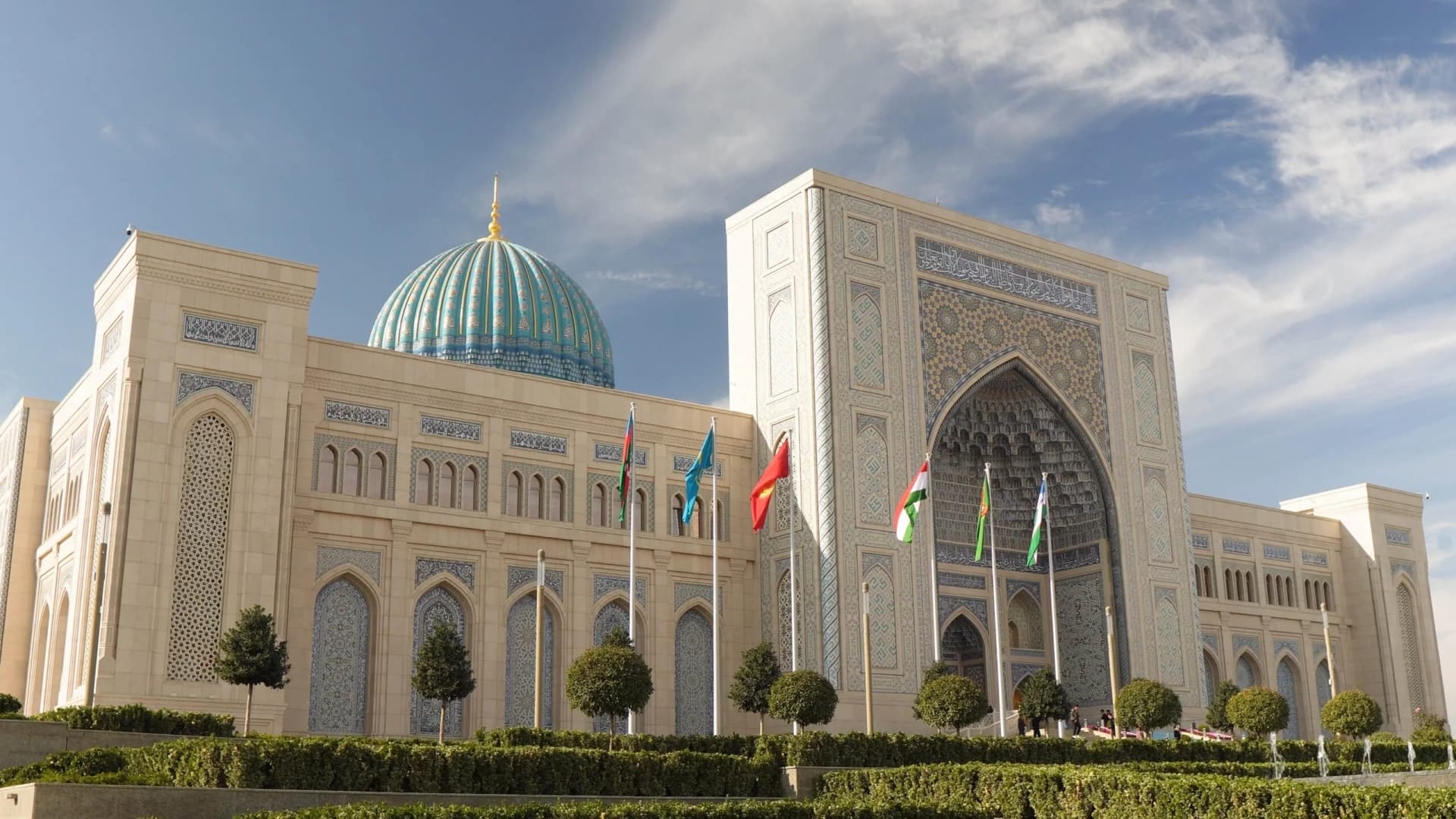

Uzbekistan’s initiative received broad support: The heritage of Islamic Civilization placed on the global cooperation agenda
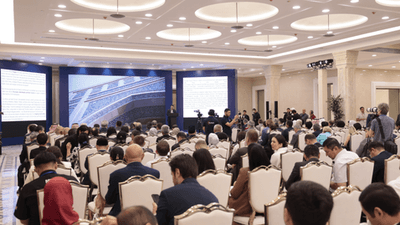
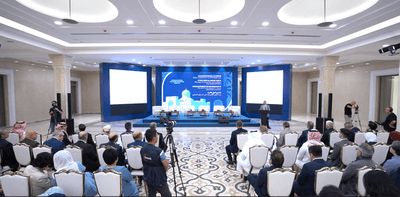
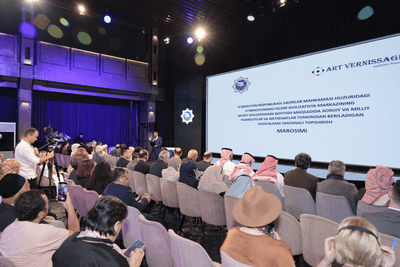
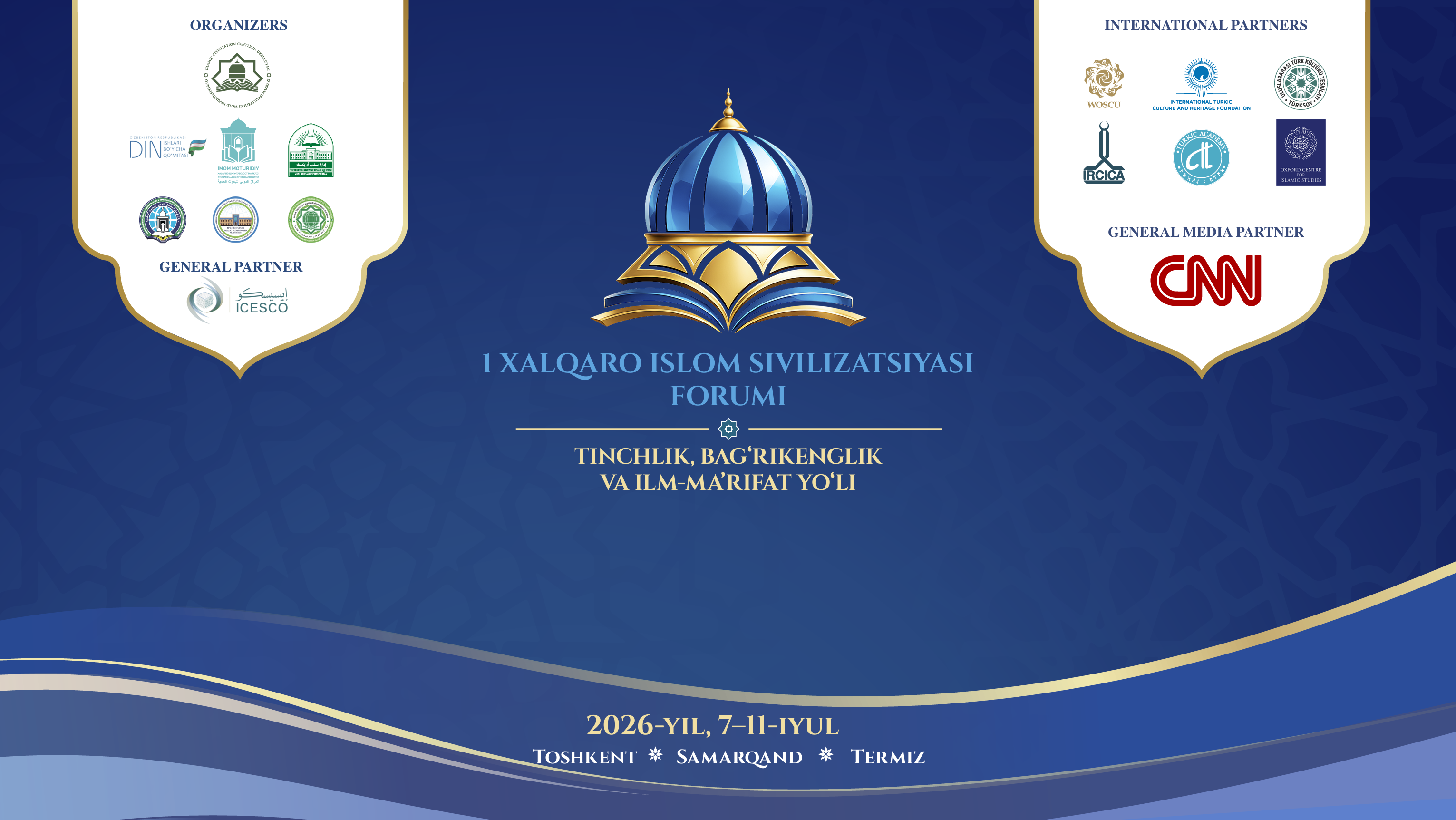 Uzbekistan introduced new initiatives aimed at transforming the heritage of Islamic civilization into a platform for peace, scientific advancement, and international cooperation. Initiated by President Shavkat Mirziyoyev, the First International Islamic Civilization Forum, held in Tashkent, Samarkand, and Termez, brought together more than 300 politicians, heads of international organizations, religious scholars, and leading academics from 46 countries. The forum established a new institutional framework for long-term international cooperation in preserving, digitizing, and transmitting the heritage of Islamic civilization to future generations.
Held under the theme “The Path of Peace, Tolerance and Enlightenment,” the First International Islamic Civilization Forum marked a significant milestone in Uzbekistan’s policy of preserving its historical heritage and promoting it as a tool of international humanitarian diplomacy. During the forum, 129 academic papers were presented, alongside international conferences, expert discussions, bilateral meetings, and the signing of a number of practical cooperation agreements.
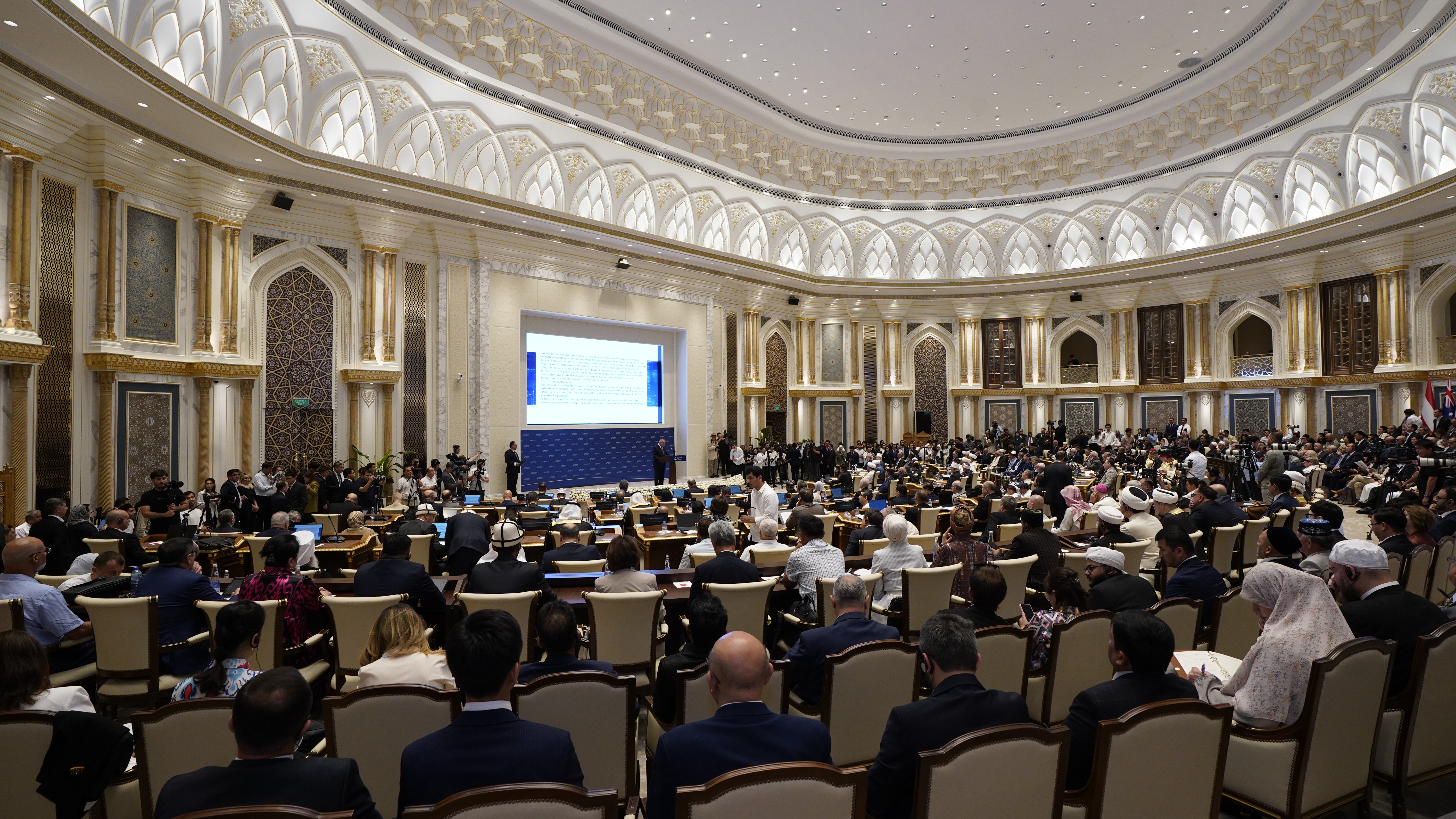 A global agenda for security and enlightenment
At the opening ceremony, a message from President Shavkat Mirziyoyev to the participants was delivered by Presidential Adviser Khayriddin Sultanov. In his address, the President emphasized that at a time when distrust in international relations, religious intolerance, extremism, and Islamophobia are on the rise, science, education, culture, and spiritual values remain the most reliable foundations for peace and sustainable development.
The message also noted that Uzbekistan’s “Enlightenment against Ignorance” initiative, first proposed at the United Nations General Assembly in 2017, continues to hold significant relevance on the international agenda today.
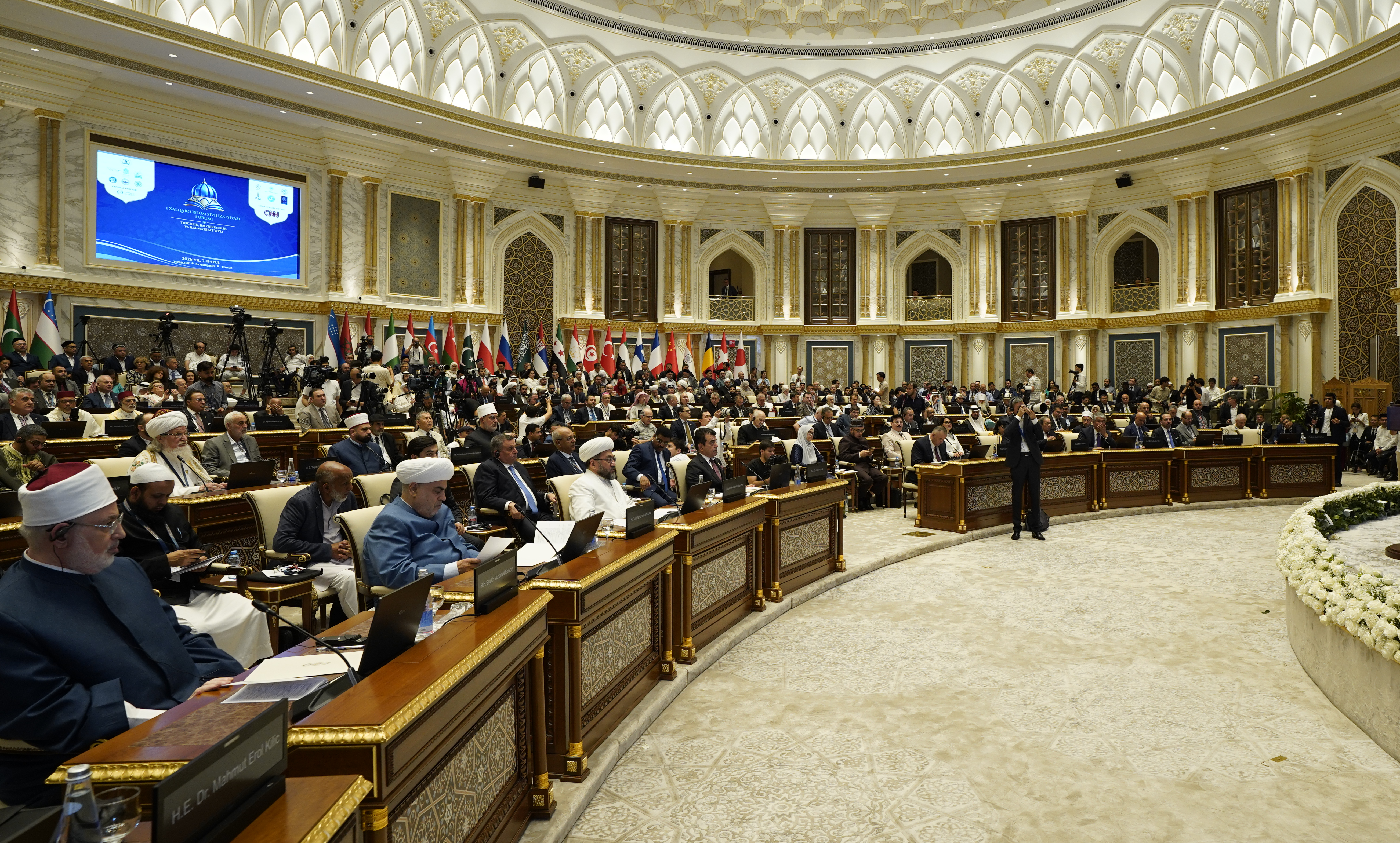
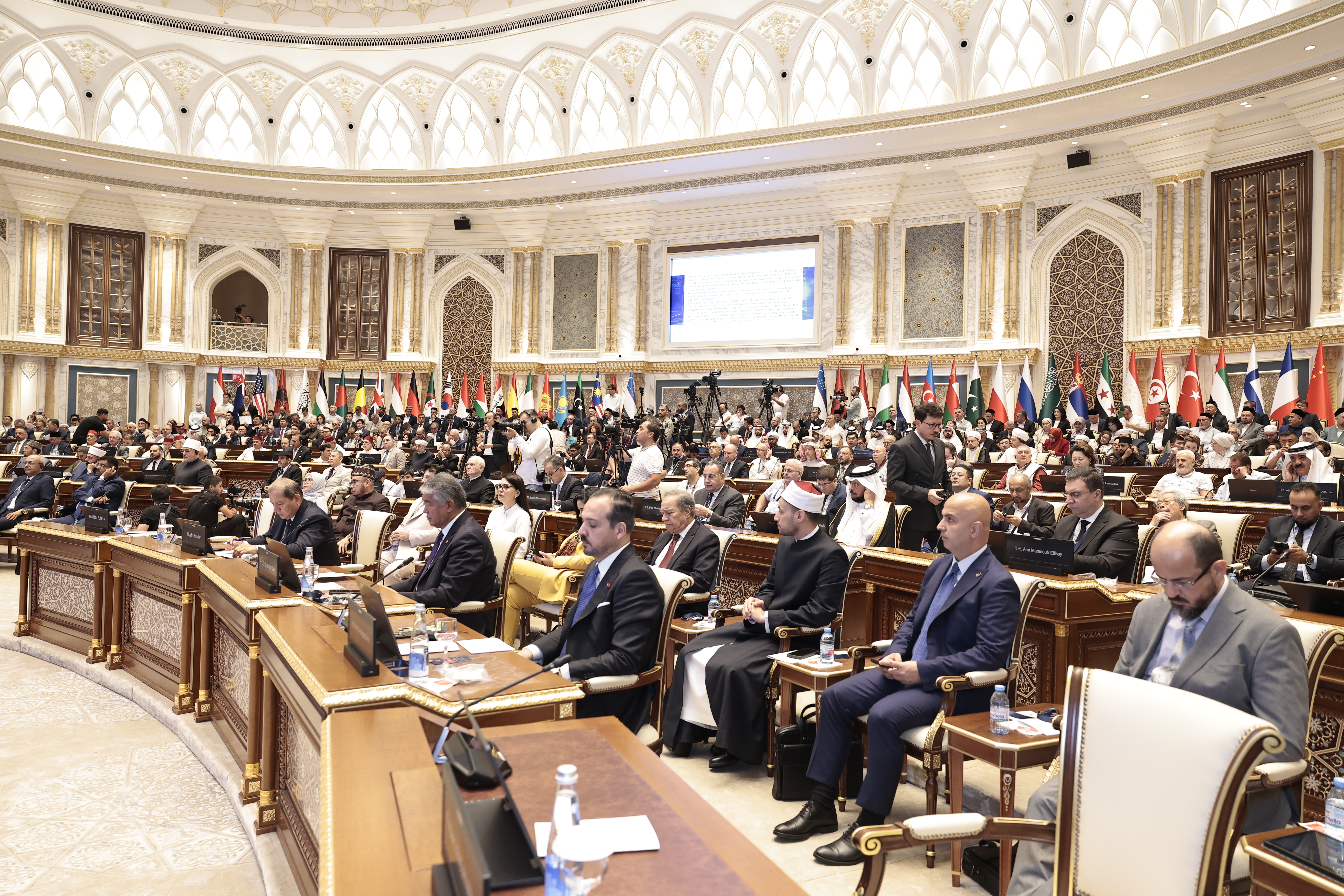 International organizations endorsed Uzbekistan’s initiatives
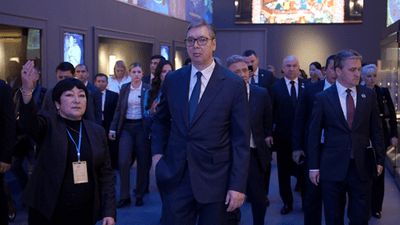
The forum brought together prominent international figures, including ICESCO Director-General Salim AlMalik, Chairman of the Caucasus Muslims Board Sheikh-ul-Islam Allahshukur Pashazade, TURKSOY Secretary General Sultan Raev, IRCICA Director General Mahmud Erol Kılıç, Chairman of the Muslim Board of Uzbekistan and Mufti Sheikh Nuriddin Kholiqnazar, as well as other distinguished international experts. Sheikh Mohammed bin Abdulkarim Al-Issa, Secretary General of the Muslim World League, addressed the participants through a video message.
The speakers highlighted the contribution of Islamic civilization to the advancement of humanity, emphasizing the preservation of cultural heritage, the promotion of religious tolerance, the development of science, and the expansion of international cooperation as key priorities.
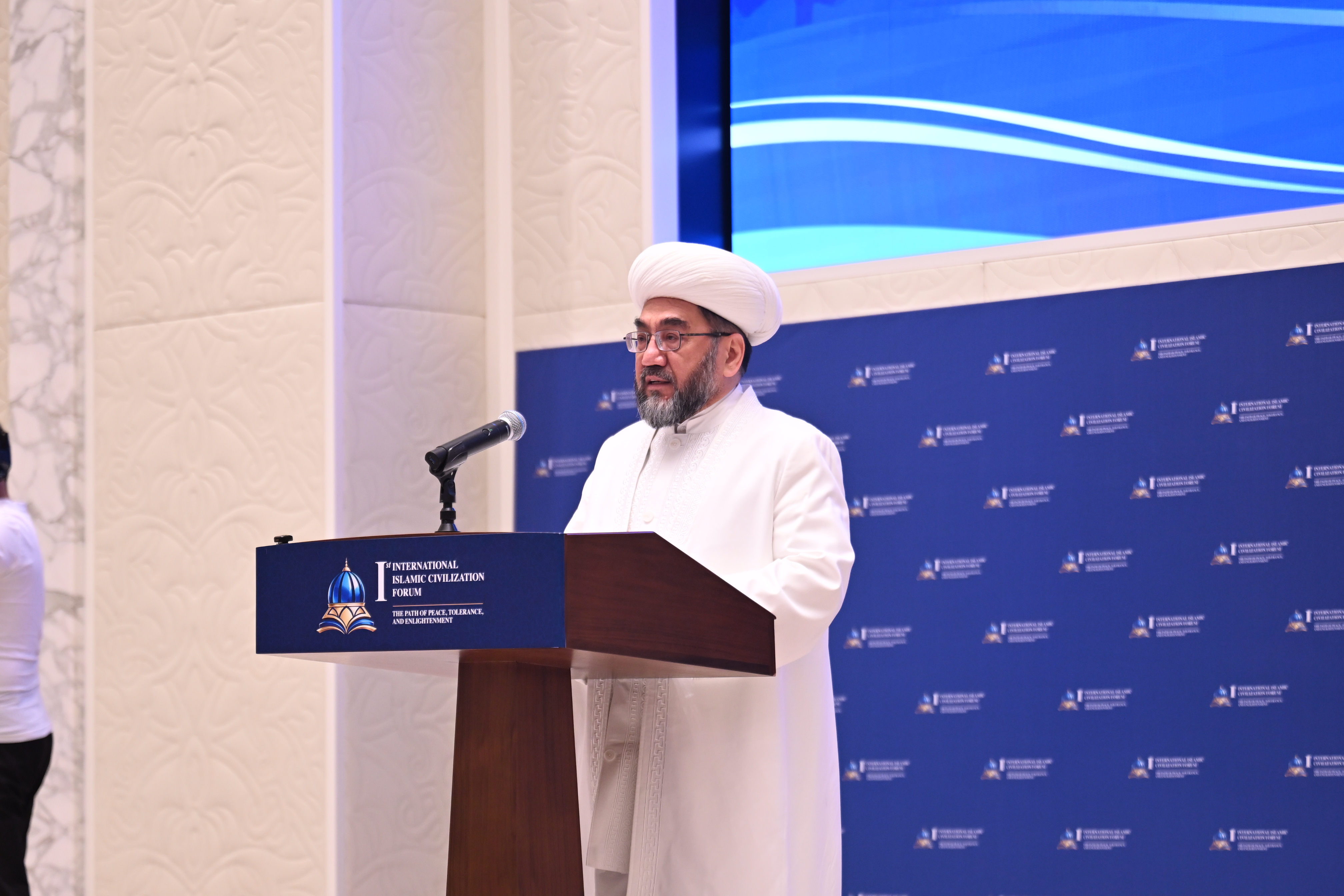
“Islamic civilization is a source of knowledge, wisdom, justice, compassion, and tolerance. Understanding its true essence and conveying these noble values to humanity is one of the most important responsibilities of our time. This forum brings together scholars and researchers from different countries around a shared goal to promote the authentic essence of Islam as a religion founded on peace, enlightenment, and humanism. The academic discussions held within the framework of the forum will foster the exchange of expertise and strengthen international cooperation,” said Sheikh Nuriddin Kholiqnazar, Chairman of the Muslim Board of Uzbekistan and Mufti of Uzbekistan.
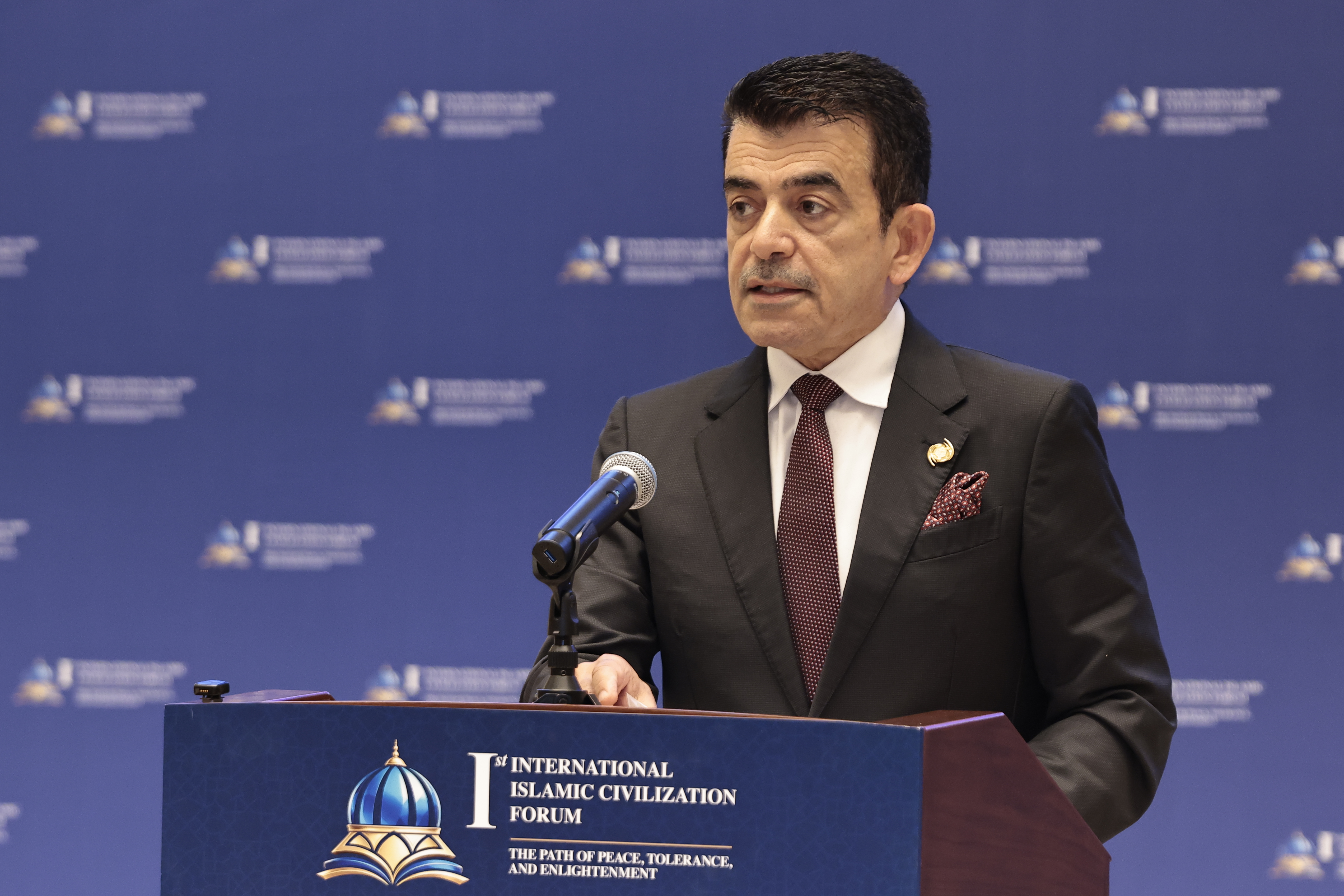
“It is no coincidence that this prestigious event was hosted by the Islamic Civilization Center in Uzbekistan, established at the initiative of the esteemed President Shavkat Mirziyoyev. The Center has become an internationally recognized institution dedicated to promoting the contribution of Islamic civilization to the progress of humanity and introducing its great scholars to the world. Today, it stands not only as a vivid symbol of a glorious past, but also as an important platform for shaping the future and strengthening dialogue among civilizations and cultures,” said ICESCO Director-General Salim AlMalik.
Digitizing scholarly heritage: A key focus of the forum
The plenary sessions featured a wide range of practical proposals on hadith studies, Islamic jurisprudence, kalam theology, the preservation of manuscripts, the development of libraries, the scholarly cataloguing of historical sources, the creation of electronic databases, and the application of artificial intelligence technologies in the humanities.
Among the key innovations presented were the INKSIGHT AI model for the automated reading of Arabic-script manuscripts, as well as digital museums, virtual platforms, and inclusive museum technologies.
The Tashkent Declaration: The forum’s most significant outcome
The Declaration of the First International Islamic Civilization Forum, adopted at the conclusion of the event, became its most important political and practical document.
The Declaration put forward several strategic initiatives, including:
- the establishment of a Global Forum on Islamic Civilization in Uzbekistan;
- the creation of a unified global digital registry covering manuscripts, archives, and archaeological heritage;
- the implementation of the international program “Islamic Civilization – The Heritage of All Humanity”;
- the establishment of an International Islamic Civilization Prize and a research fund;
- the development of a global digital library and an international encyclopedia;
- the formation of an international alliance of museums, libraries, and research institutions; and
- the preparation of a roadmap through 2030 to implement these initiatives.
A new model of institutional cooperation
The forum’s defining achievement was not merely the number of documents adopted, but its institutional approach to bringing together museums, archives, universities, research centers, and international organizations many of which had previously operated independently into a unified framework for long-term cooperation.
This approach views the heritage of Islamic civilization not as the responsibility of individual nations, but as a shared responsibility of the entire international community.
Practical agreements and new projects
Within the framework of the forum, the Islamic Civilization Center in Uzbekistan and ICESCO reached agreements to establish the Imam Bukhari International Prize, organize an international calligraphy competition, and produce a handwritten manuscript of the Holy Qur’an.
In addition, agreements were signed to digitize manuscripts, introduce artificial intelligence technologies into humanities research, develop unified electronic platforms, and expand cooperation among research institutions.
The scholarly schools of Mawarannahr at the center of global dialogue
During the Samarkand and Termez sessions of the forum, participants examined the contemporary significance of the scholarly traditions of Imam Bukhari, Imam Termizi, and Imam Maturidi.
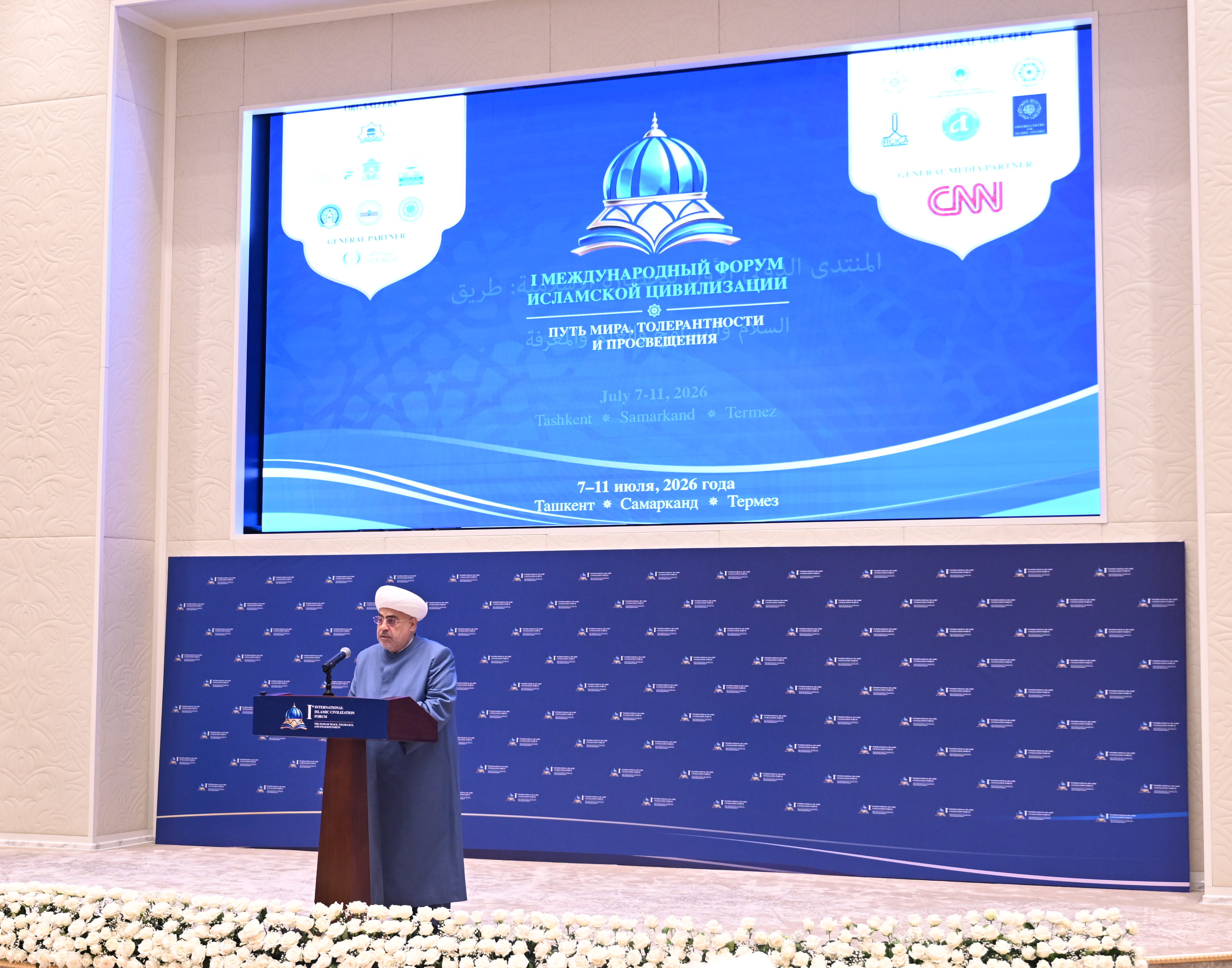
“Uzbekistan is one of the blessed lands favored by the Creator and has served as a beacon of Islamic enlightenment for centuries. Today, under the leadership of President Shavkat Mirziyoyev, the systematic scholarly study of Islamic heritage in New Uzbekistan, the construction of the magnificent Imam Al-Bukhari Complex, and the establishment of an international research center in his honor are truly commendable. These initiatives contribute to preserving the legacy of the great scholars, promoting its in-depth study, and passing it on to future generations,” said Sheikh-ul-Islam Allahshukur Pashazade, Chairman of the Caucasus Muslims Board.
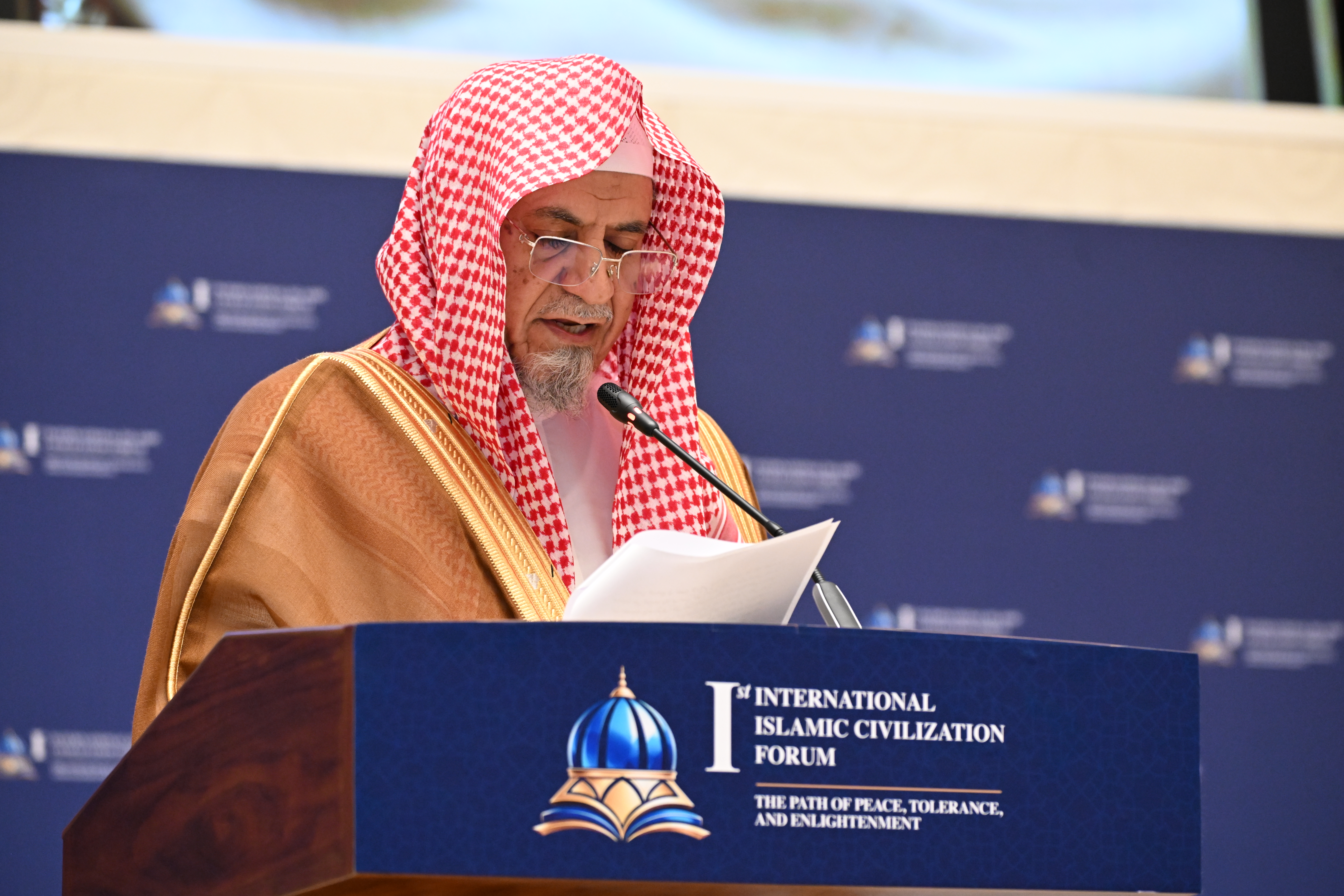
“Imam Bukhari devoted his entire life to collecting, verifying, and faithfully preserving the noble hadiths of the Messenger of Allah, peace and blessings be upon him, for future generations. As a result of this extraordinary dedication, Al-Jami' al-Sahih was compiled a work universally recognized as the most authentic source after the Holy Qur’an. His life demonstrates that true success is achieved through a love of knowledge, unwavering determination, sincerity, and tireless effort. It is an inspiring example, especially for today’s youth,” said Sheikh Saleh bin Abdullah bin Humaid, Imam of Masjid al-Haram in Makkah.
Experts emphasized that this heritage is significant not only for the history of Islamic scholarship, but also for global humanitarian thought, intercultural dialogue, religious tolerance, and intellectual security.
Forum outcomes
The participants unanimously endorsed the adopted Declaration and Roadmap and proposed the establishment of the World Alliance for Islamic Civilization to expand cooperation in joint research, academic exchanges, international publications, and the digitization of cultural heritage.
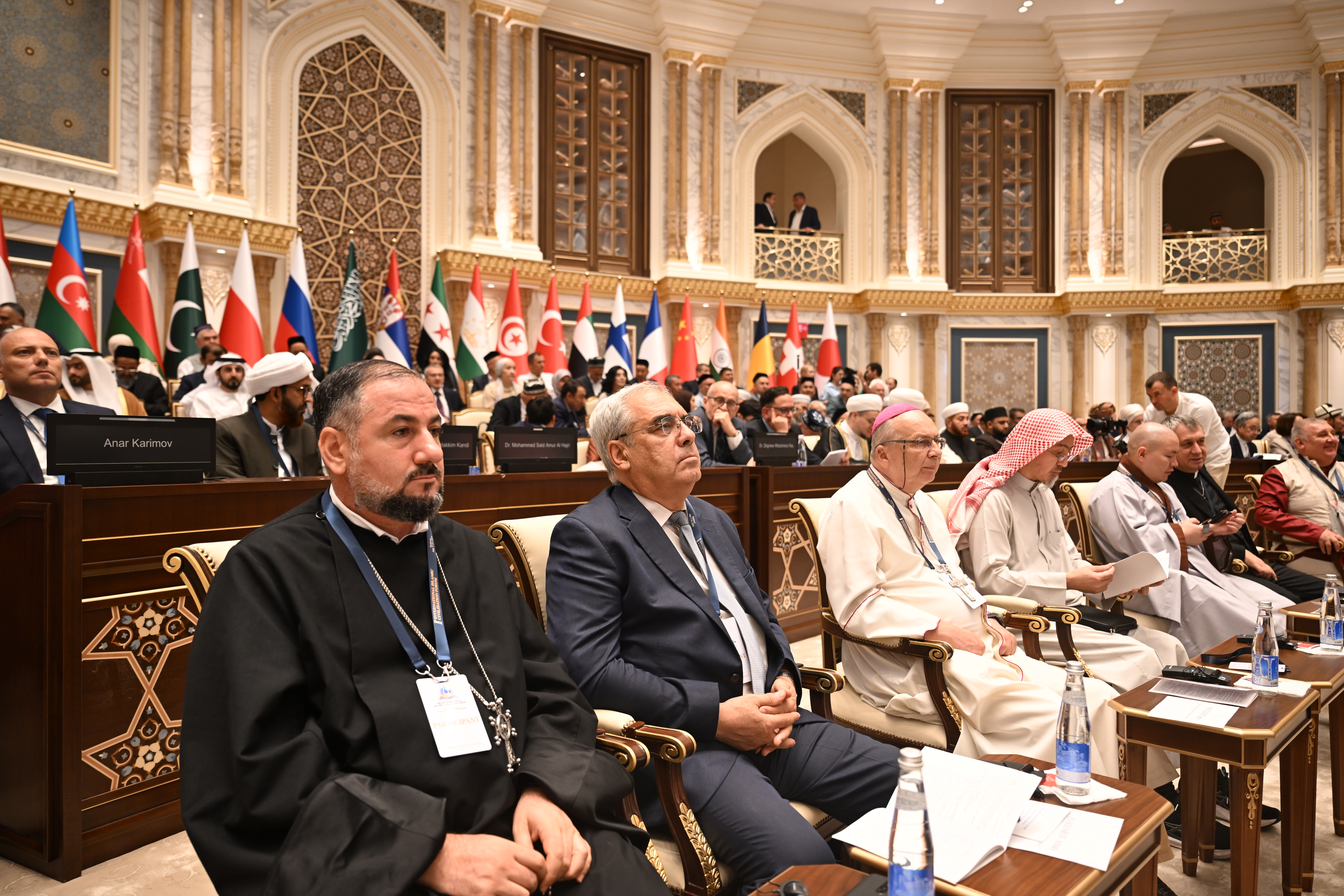 The First International Islamic Civilization Forum went beyond the scope of a multi-day event or academic conference, becoming a practical expression of Uzbekistan’s long-term strategy to advance cultural diplomacy, strengthen humanitarian cooperation, and integrate historical heritage into the global development agenda.
The adopted Declaration, the initiatives extending through 2030, the international agreements signed during the forum, and the launch of new digital projects have reinforced Uzbekistan’s position as one of the leading countries promoting the study, preservation, and global dissemination of the heritage of Islamic civilization. At the same time, the forum further strengthened the country’s role as a new global platform that brings together academic dialogue, cultural diplomacy, and international humanitarian cooperation.