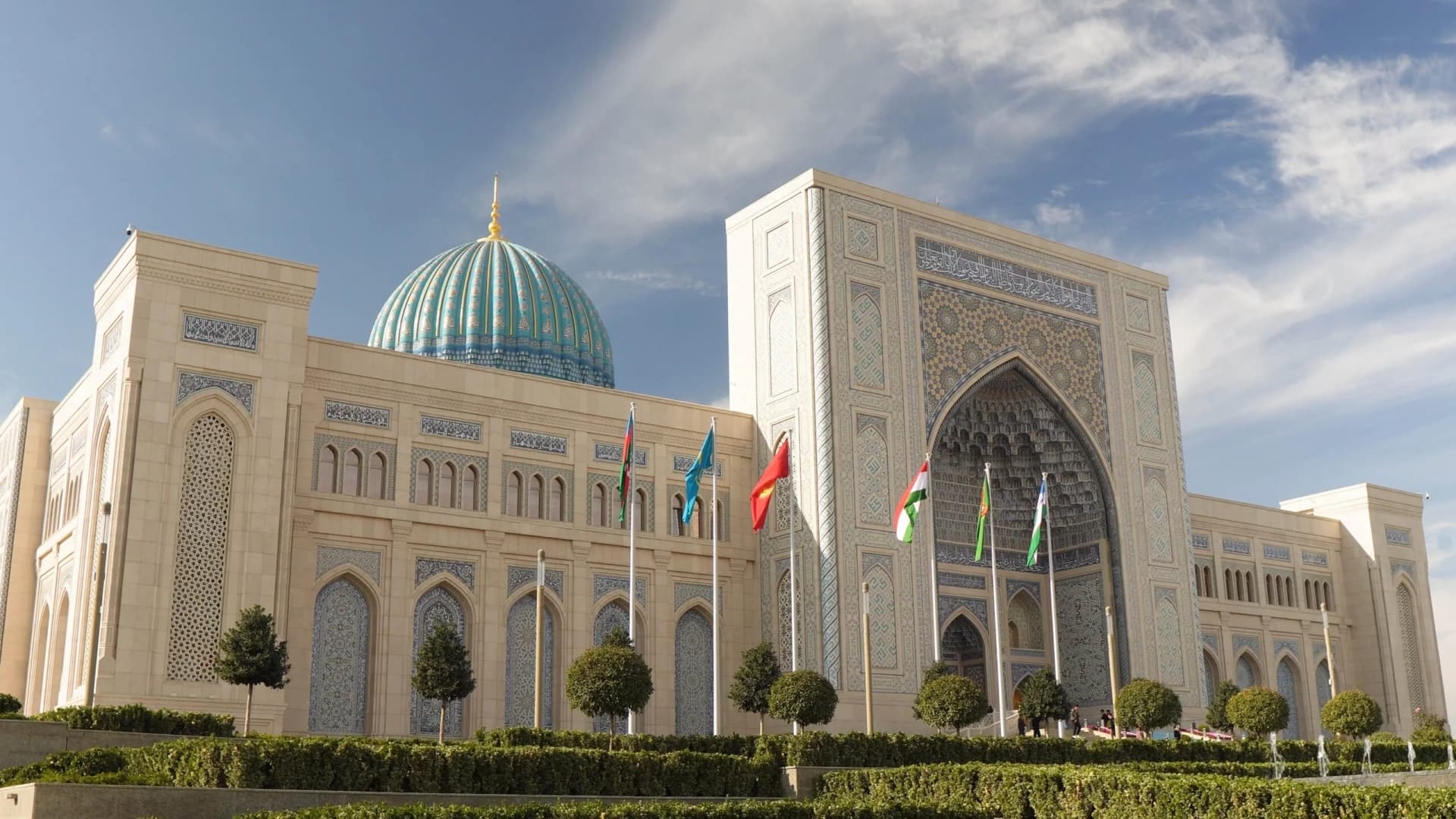
The Islamic Civilization Center in Uzbekistan discussed joint projects with China’s Emperor Qin Shi Huang Museum
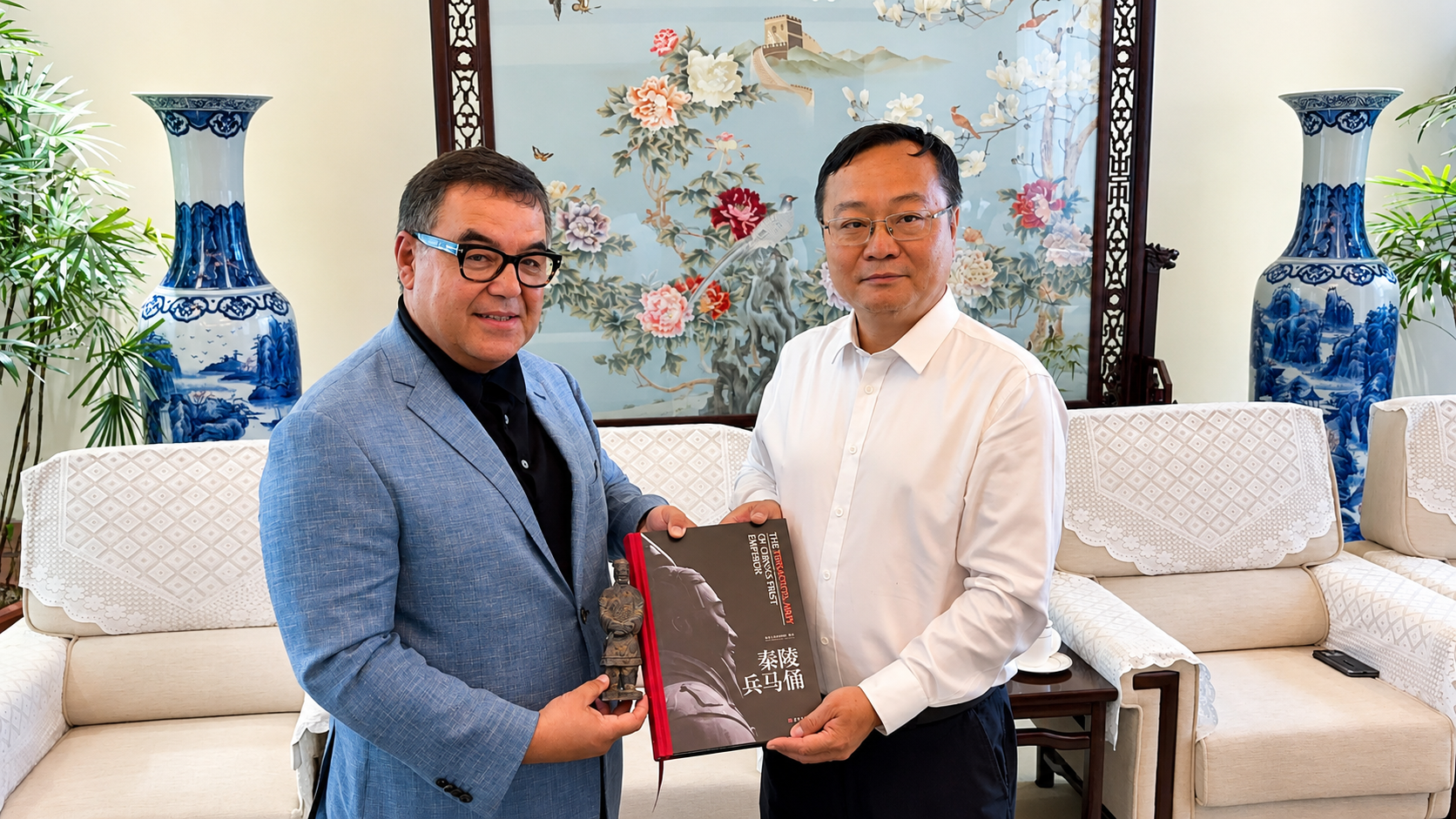 As part of an official visit to the People’s Republic of China, a delegation led by Firdavs Abdukhalikov, Director of the Islamic Civilization Center in Uzbekistan, visited the Emperor Qin Shi Huang Mausoleum Museum, one of the world’s most renowned museum complexes.
The primary purpose of the visit was to further strengthen cooperation between Uzbekistan and China in the study, preservation, and promotion of cultural heritage, as well as to discuss prospects for implementing joint research and exhibition projects between the two museums.
Museum officials provided the delegation with a detailed presentation on the world-famous Terracotta Army, created in the 3rd century BC by decree of Qin Shi Huang, the founder of the Qin Dynasty and the first Emperor of China. The museum complex houses more than 8,100 terracotta warriors, horses, and chariots. These remarkable sculptures were created to symbolically preserve the Emperor’s power and authority after his death.
Buried underground for centuries, the figures were accidentally discovered by local farmers in 1974 and were subsequently recognized as one of the most significant archaeological discoveries in human history. Today, the site is inscribed on the UNESCO World Heritage List.
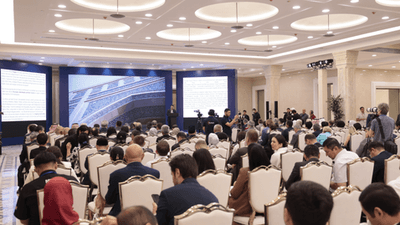
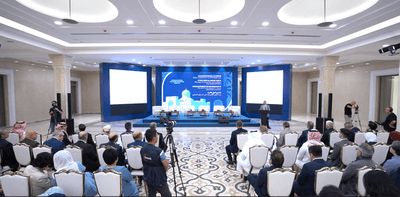
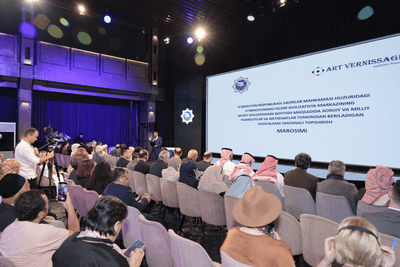
During the meeting, Firdavs Abdukhalikov, Director of the Islamic Civilization Center in Uzbekistan, presented an overview of the Center, established at the initiative of the President of the Republic of Uzbekistan, Shavkat Mirziyoyev. He highlighted its core mission, principal activities, and the international cooperation projects it has developed with leading museums and academic institutions around the world.
The Director of the Center noted that productive cooperation with China’s academic community is steadily expanding and emphasized the importance of extending this partnership to the museum sector.
“Uzbekistan and China are connected by a shared history spanning thousands of years, the civilization of the Great Silk Road, and a rich cultural heritage. Establishing cooperation with the Emperor Qin Shi Huang Mausoleum Museum, including joint exhibitions, research initiatives, and professional exchange programs, will elevate cultural ties between our two countries to a new level,” the Director of the Center said.
Professor Li Gang, Curator of the Emperor Qin Shi Huang Mausoleum Museum, spoke about the museum’s history, the creation of the Terracotta Army, and its significance as part of the world’s cultural heritage.
“Our museum preserves more than 8,100 unique terracotta warriors. This remarkable complex is inscribed on the UNESCO World Heritage List. Uzbekistan and China have long maintained strong cooperation in the study and preservation of cultural heritage. We are pleased to further develop academic and museum cooperation with the Islamic Civilization Center in Uzbekistan,” Professor Li Gang said.
Farhod Maksudov, Director of the National Center of Archaeology of the Academy of Sciences of the Republic of Uzbekistan, also emphasized that the histories of the two nations are deeply intertwined and that cooperation between scholars plays a vital role in the academic study of their shared cultural heritage.
At the conclusion of the meeting, the Director of the Center formally presented the leadership of the Emperor Qin Shi Huang Mausoleum Museum with a collection of book albums published by the Islamic Civilization Center in Uzbekistan.
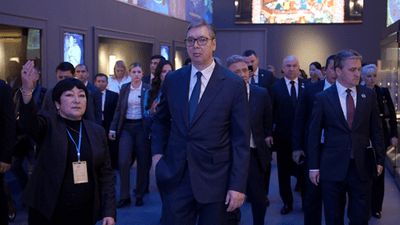
During the visit, the delegation toured the museum’s exhibitions, closely examined the Terracotta Army and other exceptional archaeological discoveries, and learned about the advanced exhibition techniques and conservation technologies used to preserve the museum’s priceless artifacts.
The visit serves as an important step toward expanding cooperation between Uzbekistan and China in the fields of cultural heritage preservation, museology, archaeology, and academic research, while also laying a solid foundation for future joint exhibitions and international collaborative projects.