
Uzbekistan’s 150-year-old museum reopened with a new exhibition
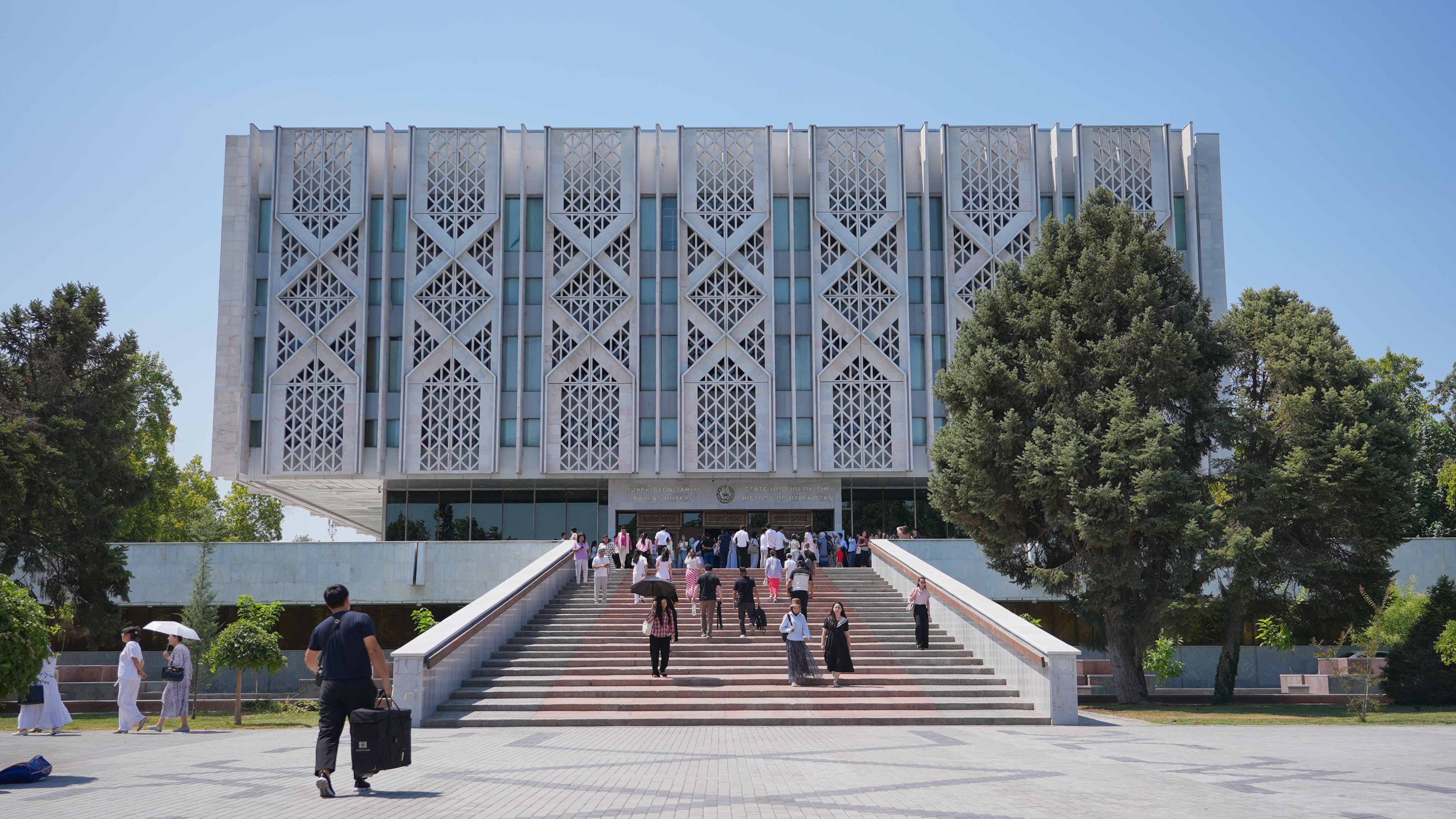 On the eve of the 35th anniversary of Uzbekistan’s independence, one of the country’s oldest and most prestigious museums the State Museum of the History of Uzbekistan was ceremonially reopened following two years of extensive reconstruction and modernization. With a history spanning 150 years, the institution has begun a new chapter as a cultural and educational center, presenting a renewed exhibition that unites the story of Uzbekistan’s millennia-old civilization with the reforms of New Uzbekistan under a single scholarly concept.
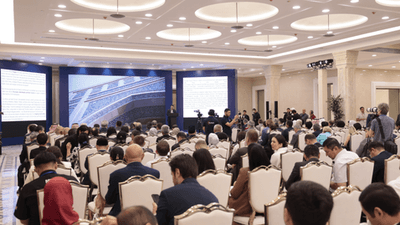
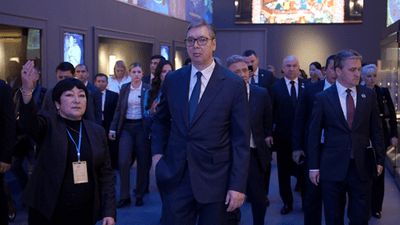
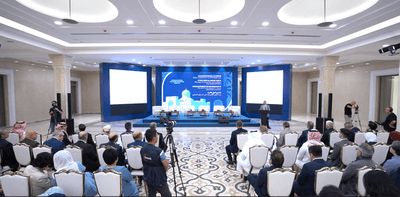
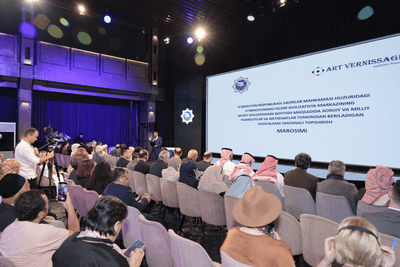
The opening ceremony was attended by representatives of government and public institutions, scholars, museum professionals, cultural experts, international organizations, and the media.
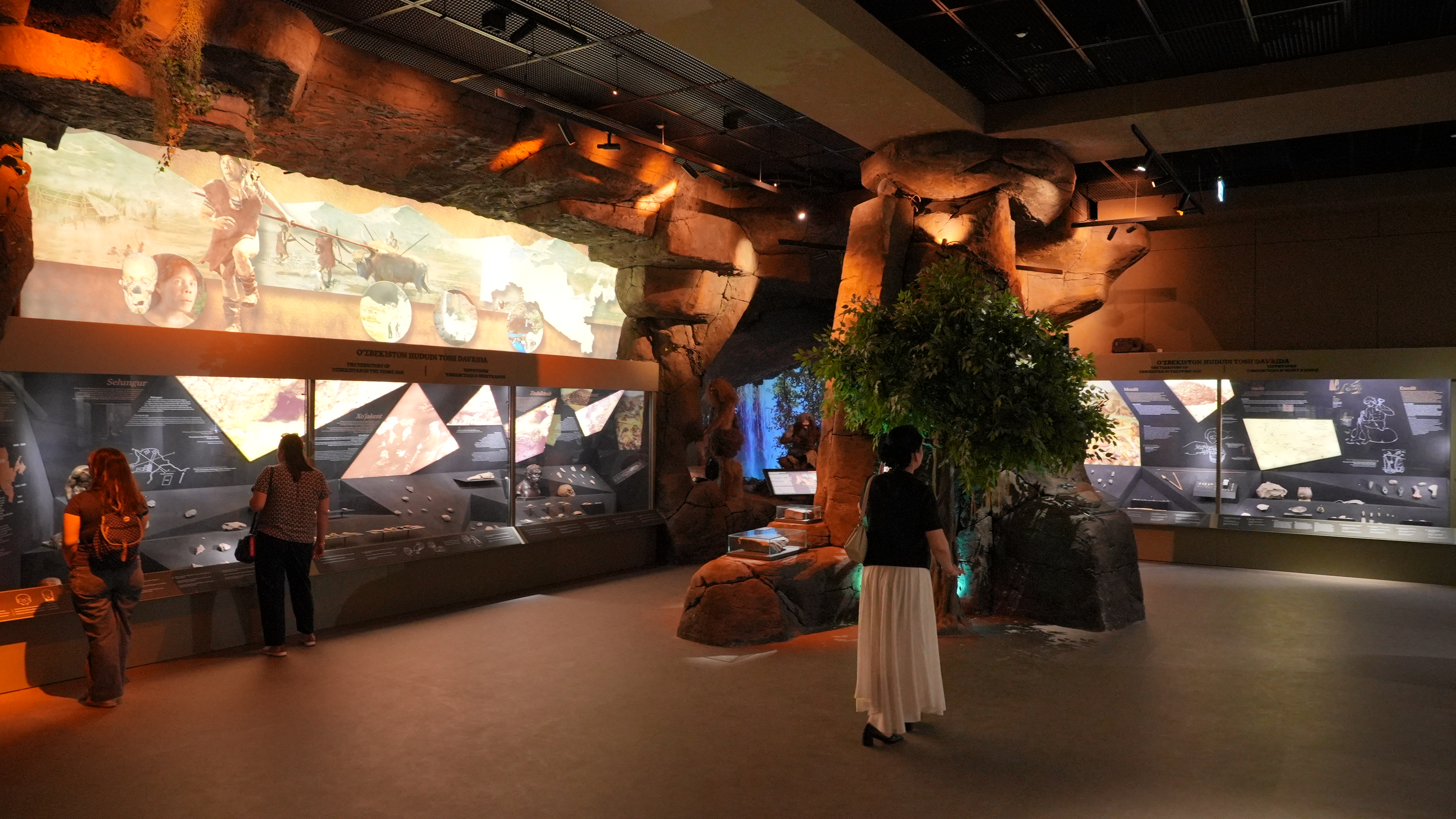
With its 150-year history, the museum is one of the largest historical and educational institutions in Uzbekistan. Its renewed exhibition presents the country's history as a continuous process, tracing its development from the earliest Stone Age through to the progress of New Uzbekistan, based on a comprehensive scholarly approach.
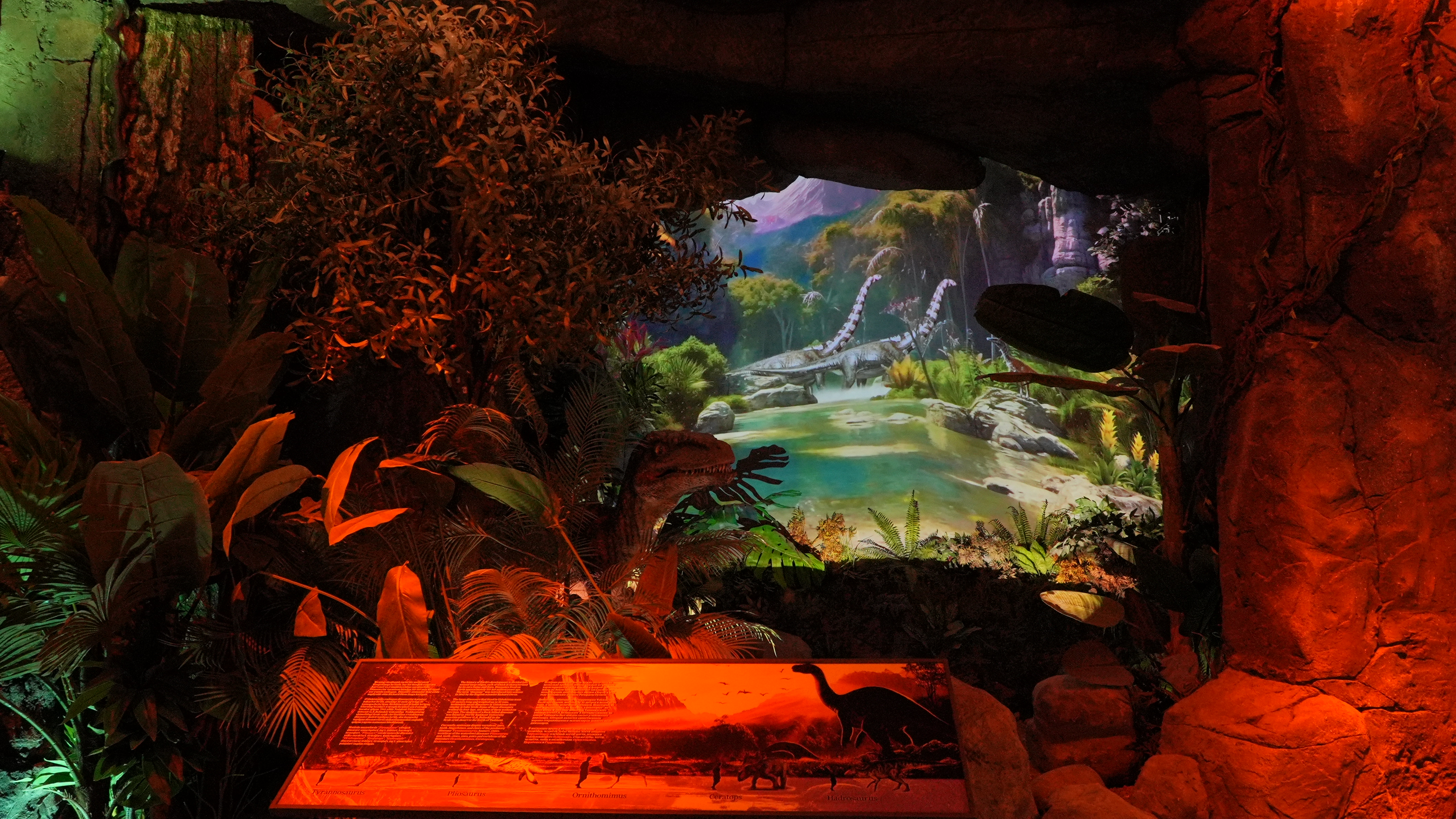
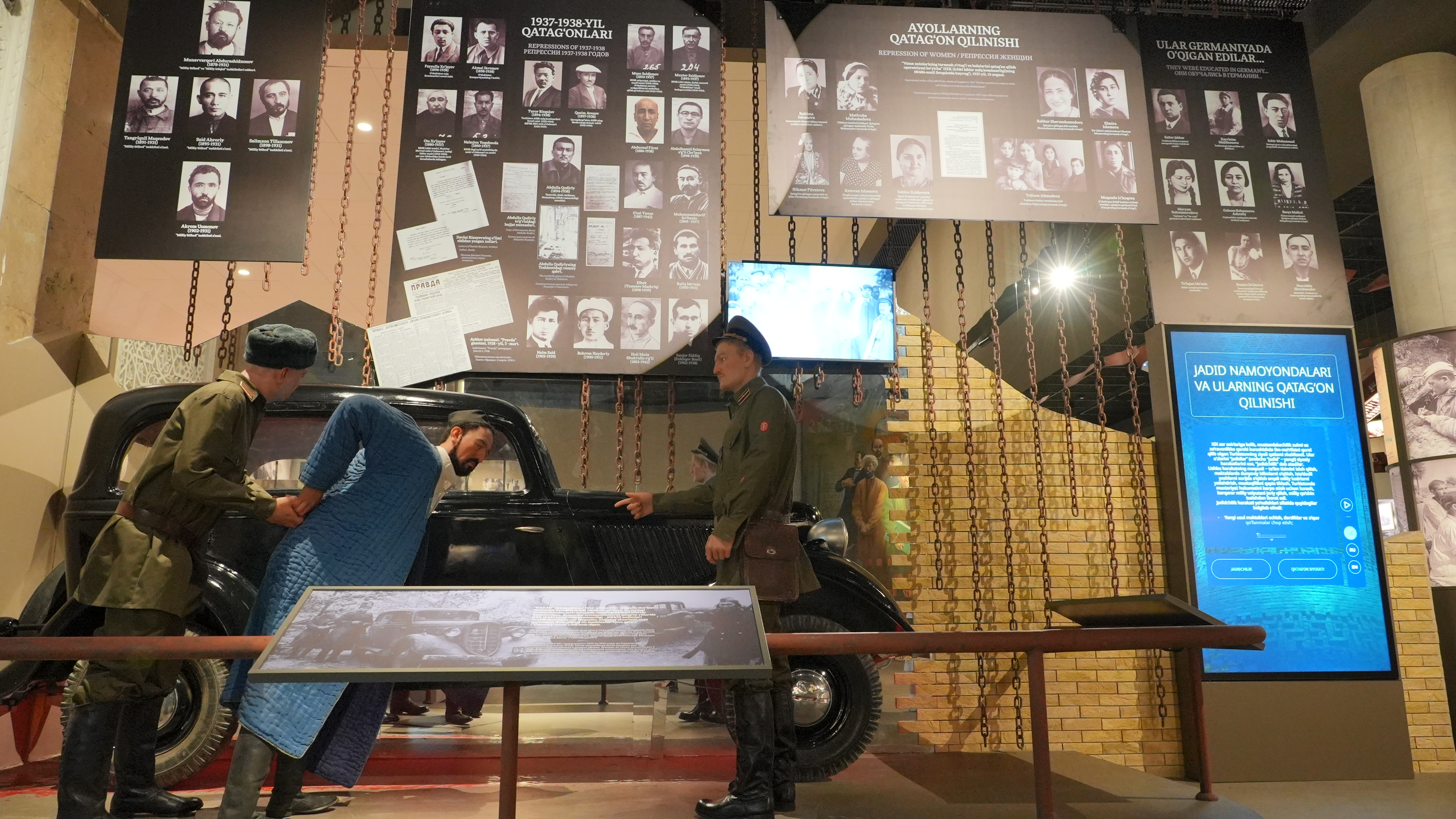
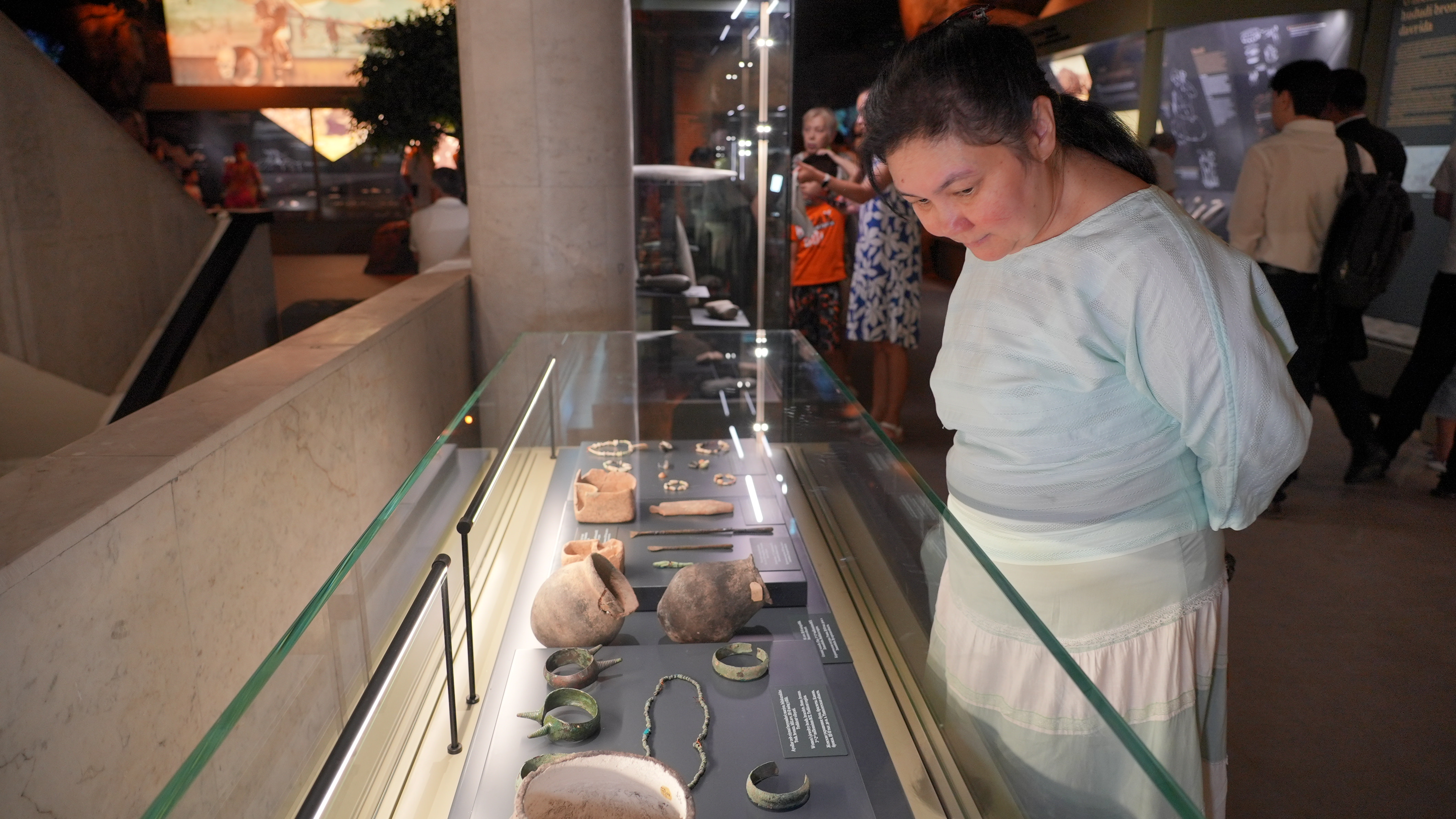 The exhibition features artifacts from the Stone and Bronze Ages, the emergence of early statehood, archaeological discoveries from the ancient states of Khorezm, Kang, Davan, and Kushan, treasures from the Dalvarzintepa Gold Hoard, the history of the Silk Road, exhibits related to Buddhist culture, the First Renaissance, the legacy of Amir Temur and the Timurid dynasty, the history of the Uzbek khanates, the periods of Russian imperial and Soviet colonial rule, the Jadid reform movement, the years of independence, and the successive stages of development in New Uzbekistan.
One of the key features of the renewed exhibition is its use of interactive screens, multimedia installations, historical reconstructions, and audiovisual technologies, enabling visitors to experience and explore historical developments through a modern and engaging format.
 The final section of the exhibition is dedicated to the transformations achieved during the years of independence, with particular emphasis on the large-scale reforms implemented between 2016 and 2026, the New Uzbekistan Development Strategy, and the vision of the Third Renaissance.
According to Jannat Ismailova, Director of the State Museum of the History of Uzbekistan, the renewed exhibition was created through the joint efforts of scholars from the Academy of Sciences of Uzbekistan, experts from higher education institutions, designers, and museum professionals.
“After two years of extensive reconstruction, we have once again opened the museum’s doors to visitors. Seeing the joy in our guests’ eyes today has confirmed that our efforts were worthwhile. In designing the exhibition, we sought to present every historical period in a way that is clear, accessible, and engaging for visitors,” the museum director said.
She noted that the growing attention devoted to the museum sector in recent years has ushered in an entirely new stage of development.
“This has been a landmark year for the museum sector. The opening of the Islamic Civilization Center in Uzbekistan, the inauguration of the Imam Bukhari Complex, and the modernization of both the State Museum of the History of the Timurids and the State Museum of the History of Uzbekistan are tangible results of the reforms being carried out to preserve and promote our cultural heritage. Today, new museums are being established, while existing ones are being transformed in line with international standards,” Jannat Ismailova said.
Participants at the ceremony also highly praised the museum’s transformation. Actress Tamara Hazratqulova emphasized that the museum plays an important role in educating the younger generation in the spirit of respect for national values.
“There can be no future without history. Today, I was delighted to see so many people visiting the museum with genuine interest. In the past, I was always amazed to see long queues outside museums abroad. Now, seeing people eagerly visiting museums in our own country fills me with pride. This is a remarkable achievement. When young people come here and see history with their own eyes instead of only reading about it in books, the impact is completely different,” the actress said.
Saidakbar Agzamkhodjayev, Professor at the International Islamic Academy of Uzbekistan and Doctor of Historical Sciences, highlighted that all the major stages of the country's history are presented in the museum’s exhibition through the use of modern technologies.
“Today, the museum presents the ideas of the First, Second, and Third Renaissances as a unified historical narrative. The vivid presentation of historical events through modern information technologies is particularly effective in engaging young people. There is a profound difference between reading about history in a book and seeing authentic artifacts in a museum,” the professor said.
According to the scholar, the reforms implemented in recent years under the leadership of President Shavkat Mirziyoyev to advance the museum sector have ushered in a new era in the country’s cultural life.
“The establishment of the Islamic Civilization Center in Uzbekistan, the Imam Bukhari Complex, as well as the creation of new museums and the modernization of existing exhibitions across the country, all contribute to preserving our national heritage and presenting it to the world. Today, foreign tourists are also showing great interest in our museums, which reflects the growing international recognition of Uzbekistan’s cultural heritage,” said Saidakbar Agzamkhodjayev.
In short, the ceremonial reopening of the museum stands as one of the most significant cultural events held on the eve of the 35th anniversary of Uzbekistan’s independence, offering the nation yet another meaningful contribution to the preservation and promotion of its rich historical and cultural legacy.