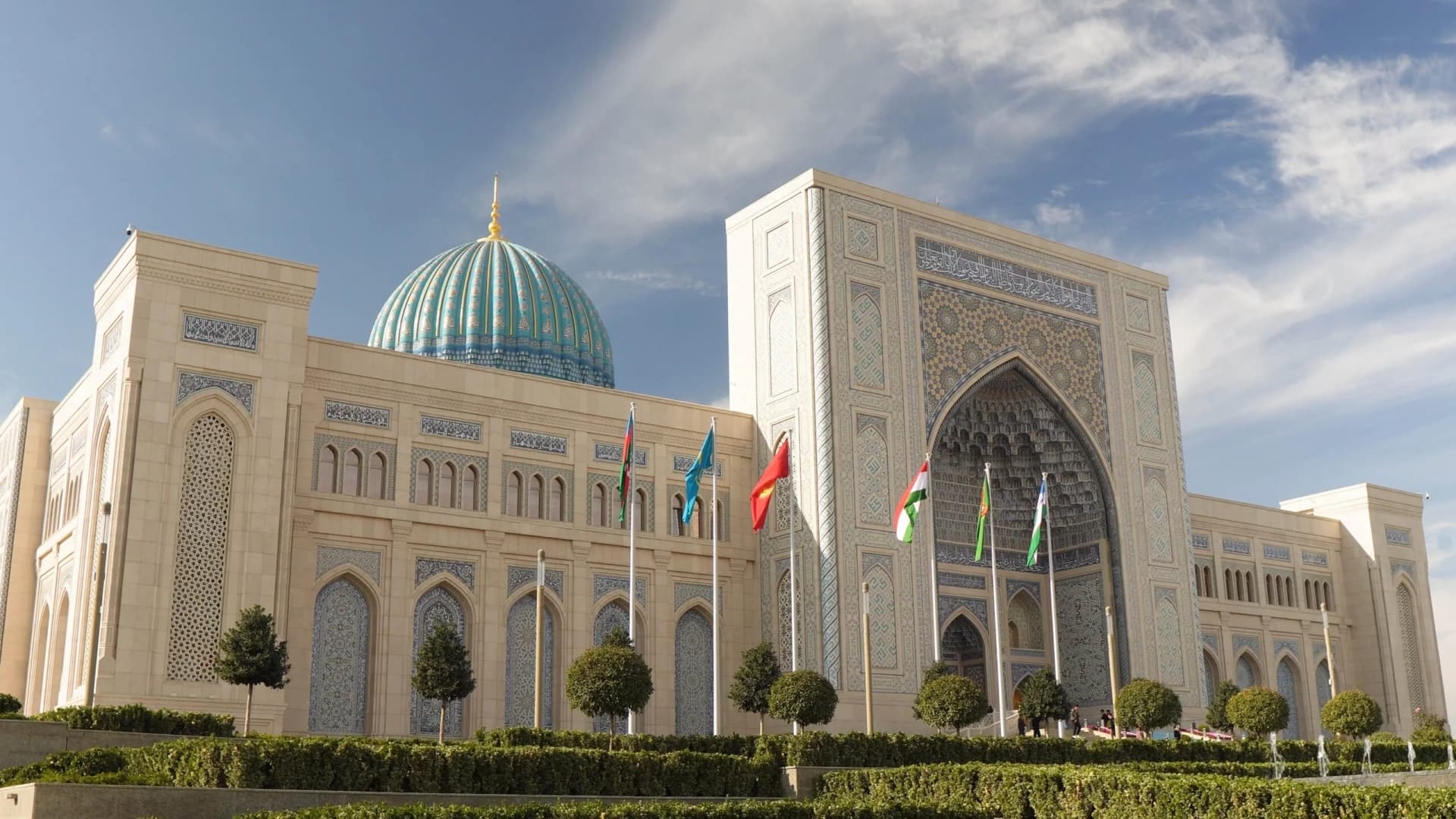

Uzbekistan presented new approaches to the digitalization of Islamic heritage at the ICESCO conference
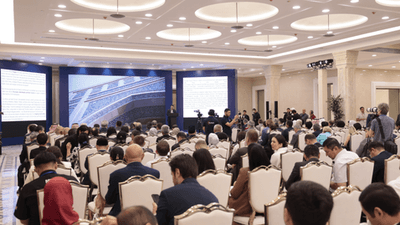
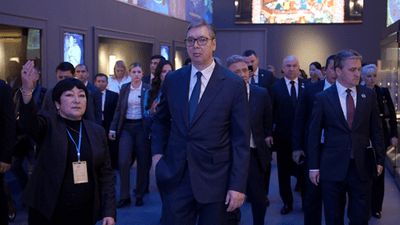
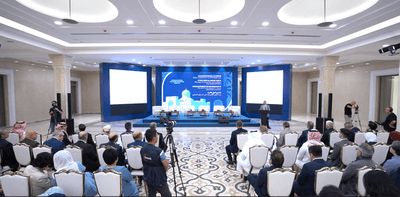
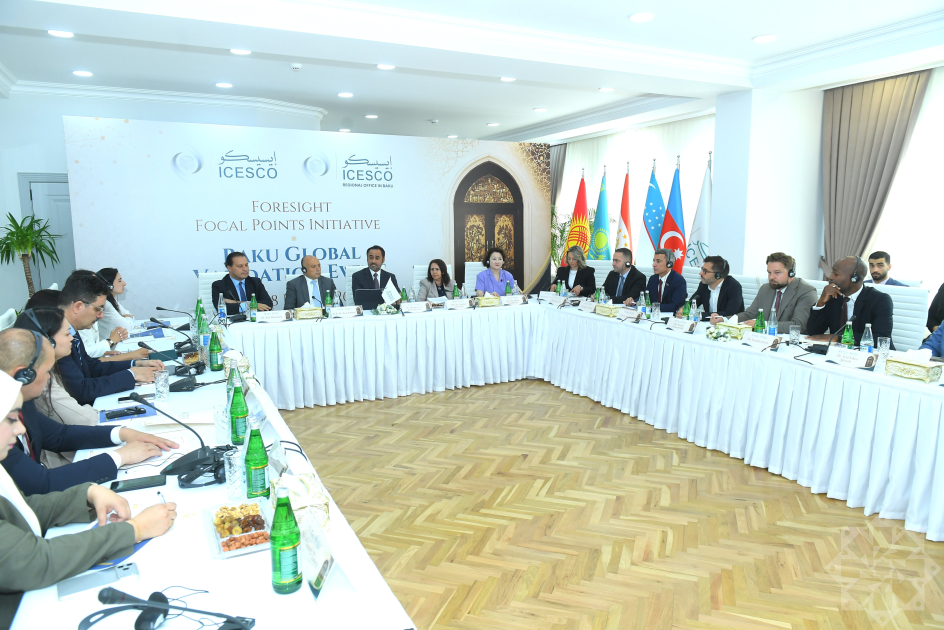
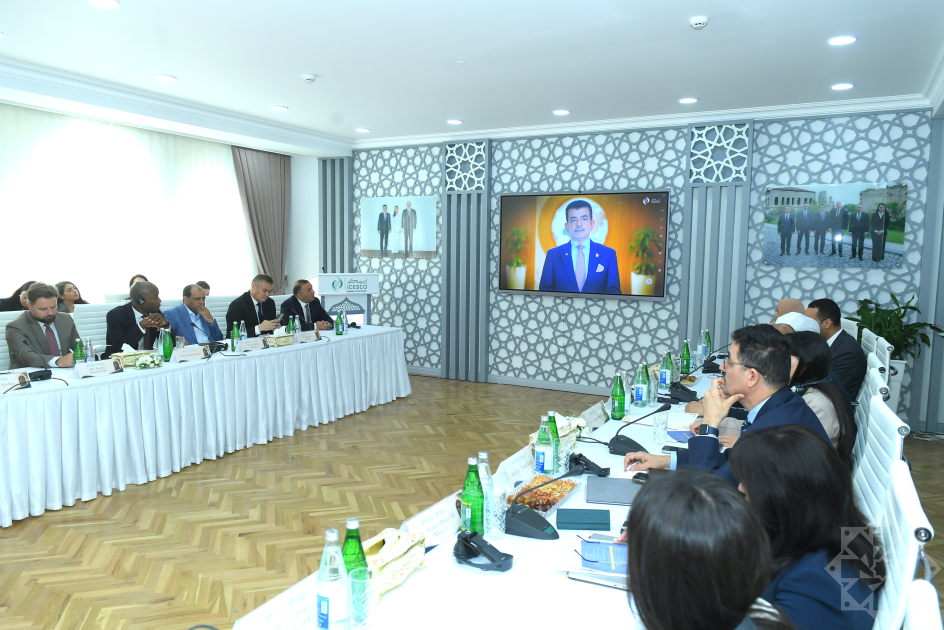 The city of Baku, the capital of the Republic of Azerbaijan, hosted the international conference “Equipping the Islamic World for the Future: Presentation and Adaptation of the Strategic Foresight Guide,” jointly organized by the ICESCO Baku Regional Office and the Center for Foresight and Artificial Intelligence (CFAI).
The opening ceremony featured remarks by Abdulhakeem Fahad AlSenan, Director of the ICESCO Regional Office in Baku; Dr. Salim bin Mohammed AlMalik, Director-General of ICESCO (via video message); Nouzha Chekrouni, Senior Fellow at the Policy Center for the New South; Aktoty Raimkulova, President of the Turkic Culture and Heritage Foundation; and Kais Hammami, Director of the Center for Foresight and Artificial Intelligence. The speakers addressed the role of strategic foresight in public governance, the opportunities presented by artificial intelligence, and the importance of strengthening international cooperation.
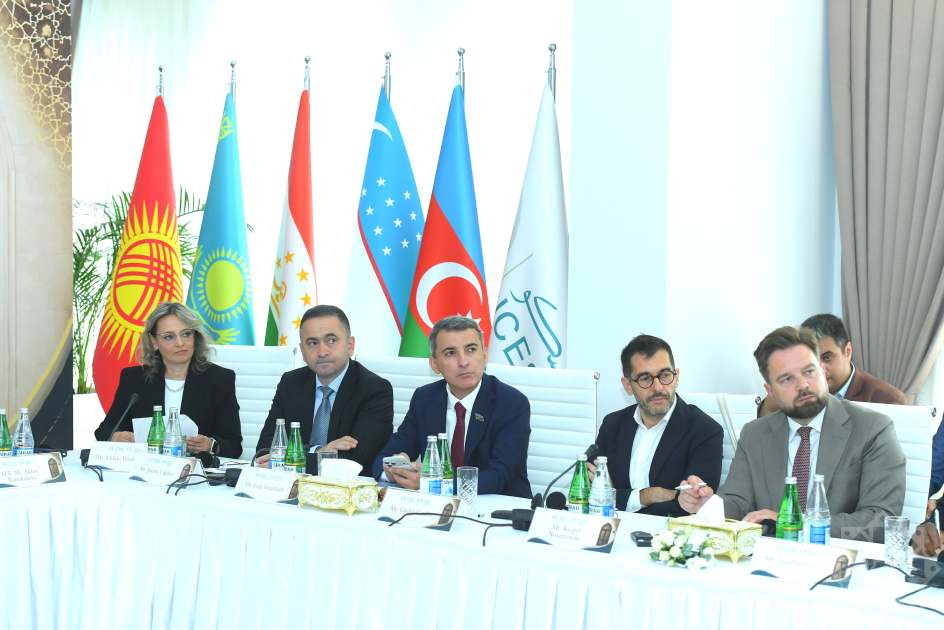
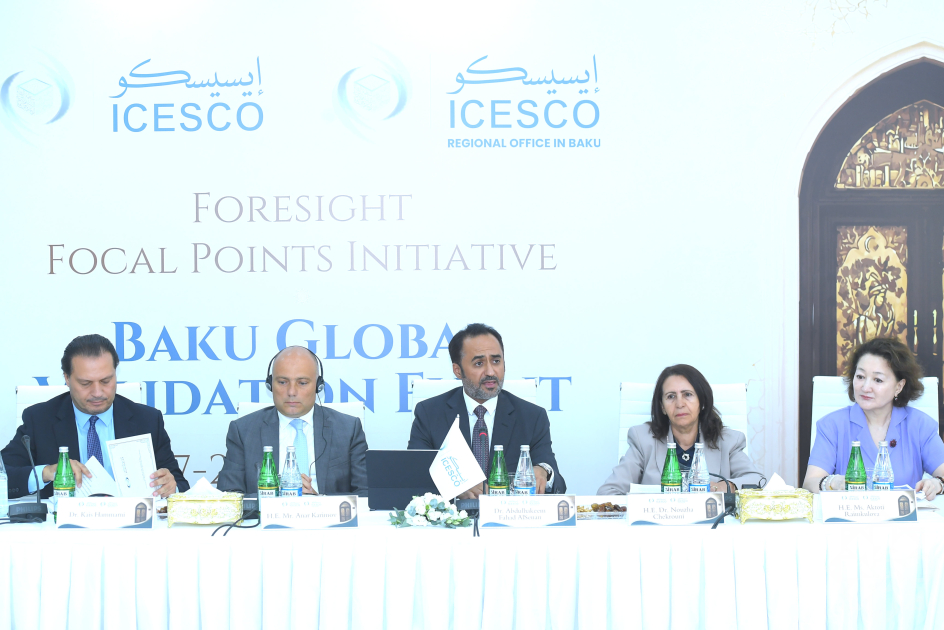 The conference focused on enhancing strategic foresight capacities in ICESCO Member States, integrating modern forecasting methodologies into public administration and decision-making processes, and developing adaptive approaches to respond to global transformations. It also served as an important platform for strengthening scientific, cultural, and innovation cooperation among Muslim countries, promoting the exchange of experience, and advancing joint initiatives aimed at preserving the heritage of Islamic civilization.
As part of the conference, ICESCO officially presented its Strategic Foresight Guide, a comprehensive framework for strategic foresight planning. The document serves as an institutional policy framework aimed at strengthening national foresight capacities in ICESCO Member States and integrating advanced forecasting methodologies into public policy, strategic planning, and governance systems. Participants also exchanged views on further refining the Guide by incorporating the experiences, academic approaches, and national priorities of Member States.
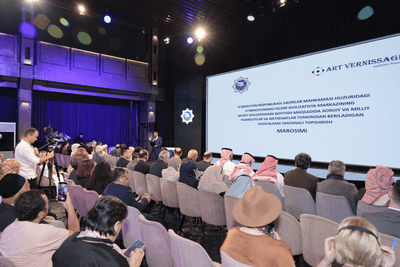
Rustam Jabbarov, Scientific Secretary of the Islamic Civilization Center in Uzbekistan, participated in the international conference and delivered a presentation titled “Islamic Civilization in the Age of Artificial Intelligence: Heritage Preservation, Digital Transformation, and International Cooperation.”
In his presentation, he emphasized that the Islamic Civilization Center in Uzbekistan, established on the initiative of the President of the Republic of Uzbekistan, Shavkat Mirziyoyev, plays a significant role in the scholarly study, preservation, and promotion of the heritage of Islamic civilization through modern digital technologies. He noted that the Center serves as a contemporary academic and educational platform that integrates museums, research, education, digital technologies, and international cooperation.
The presentation also highlighted that, in an era marked by the rapid advancement of artificial intelligence, big data, digital technologies, and virtual environments, preserving the heritage of Islamic civilization and transmitting it accurately and comprehensively to future generations has become an urgent priority. It further stressed that the growing spread of unreliable information on social media, the rise of Islamophobia, and the fragmentation and sale of rare manuscripts on international markets require new approaches to safeguarding cultural heritage.
“Today, safeguarding cultural heritage is no longer solely the responsibility of museums or archives. It is a shared responsibility that requires the integration of international cooperation, legal protection, digital technologies, and the capabilities of artificial intelligence. Artificial intelligence should not replace scholars but serve as their reliable assistant,” Rustam Jabbarov stated.
His presentation also emphasized that the Islamic Civilization Center in Uzbekistan, established on the initiative of the President of the Republic of Uzbekistan, Shavkat Mirziyoyev, is making a significant contribution to the scholarly study, preservation, and promotion of the heritage of Islamic civilization through modern digital technologies. As noted, the Center is a contemporary academic and educational platform that brings together museums, research, education, digital technologies, and international cooperation.
The presentation further highlighted that over the next 20–25 years, artificial intelligence technologies are expected to play a key role in the digitization, analysis, restoration, and translation of manuscripts into various languages. Museums, it was noted, will evolve from repositories of artifacts into intellectual centers that generate knowledge.
 The conference was recognized as an important step toward strengthening strategic foresight planning, safeguarding cultural heritage, promoting the effective use of artificial intelligence, and further enhancing scientific and cultural cooperation among ICESCO Member States and the wider Muslim world.