
From historical heritage to global dialogue: what did the international media forum bring to Uzbekistan and the world?
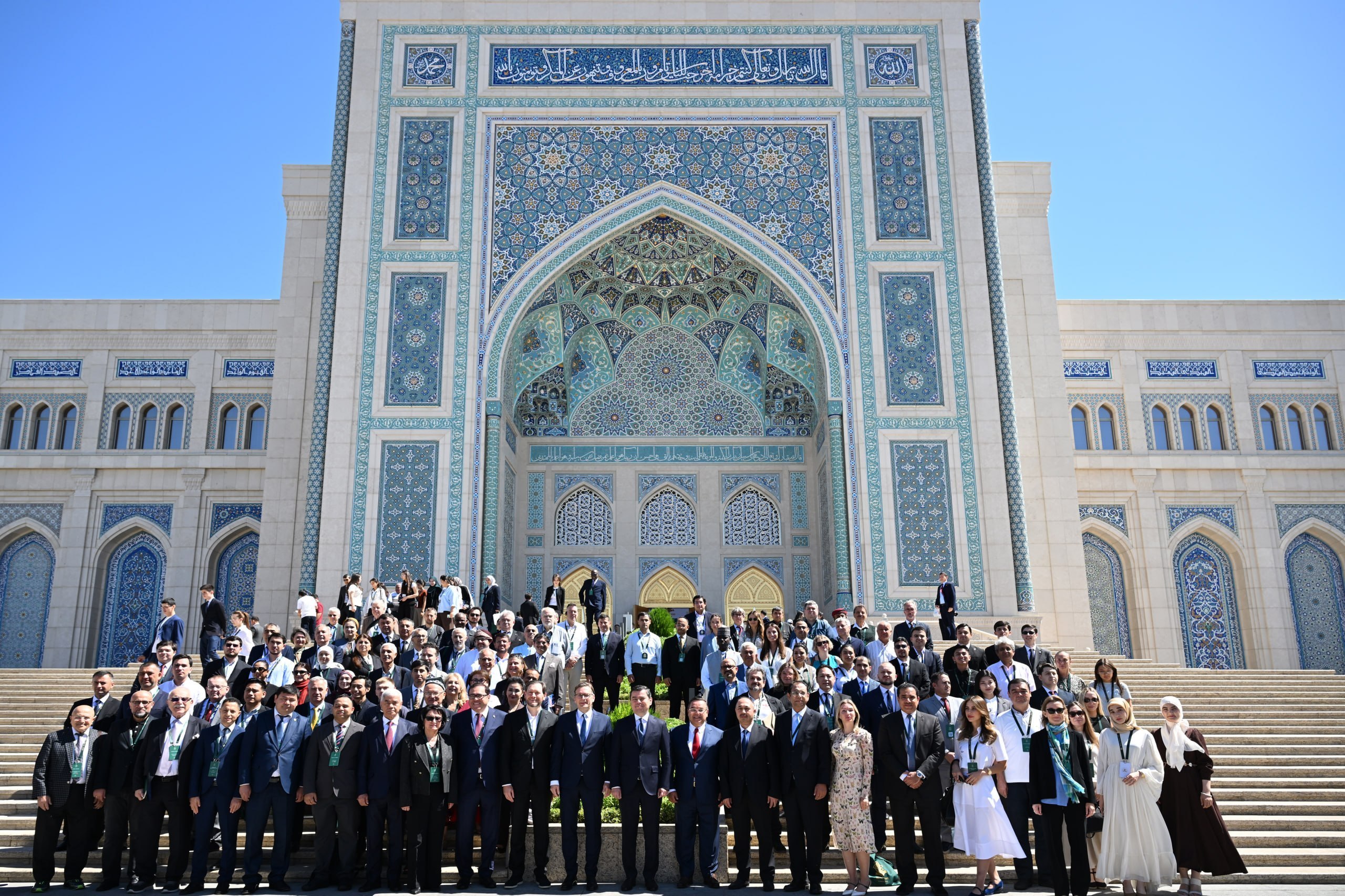 Nearly 300 representatives of the media, academia, and creative industries from almost 50 countries gathered in Tashkent and Samarkand to discuss how the history, culture, and intellectual heritage of Uzbekistan and Islamic civilization can be presented to the modern world. However, the most significant outcome of the five-day forum was not the number of events held, but the foundation it laid for long-term international cooperation. New films, books, digital projects, educational programs, and media initiatives will offer new ways of telling Uzbekistan’s story to the world.
From August 25 to 29, the international media forum “Islamic Civilization: New Perspective — New Discoveries” was held in Tashkent and Samarkand at the initiative of President of the Republic of Uzbekistan Shavkat Mirziyoyev, on the eve of the 35th anniversary of the country’s state independence.
The forum brought together leaders and representatives of the world’s leading international television networks, news agencies, publishing houses, and media companies, as well as journalists, documentary filmmakers, producers, scholars, museum professionals, and experts in digital technologies. CNN and Euronews served as the forum’s principal media partners. Representatives of BBC Studios, TRT World, Oman TV, Report.az, The London Post, and other international media organizations also took part.
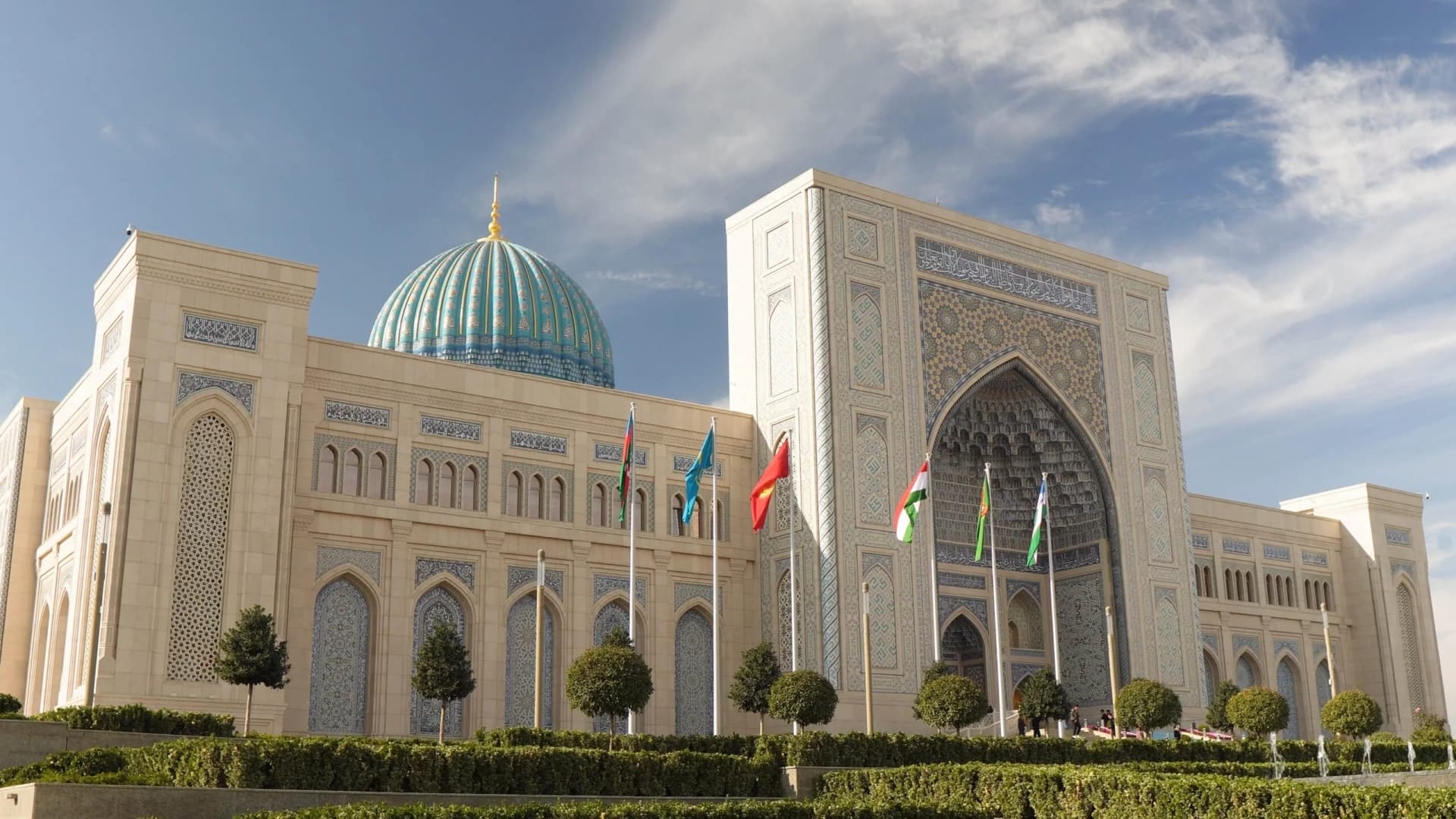
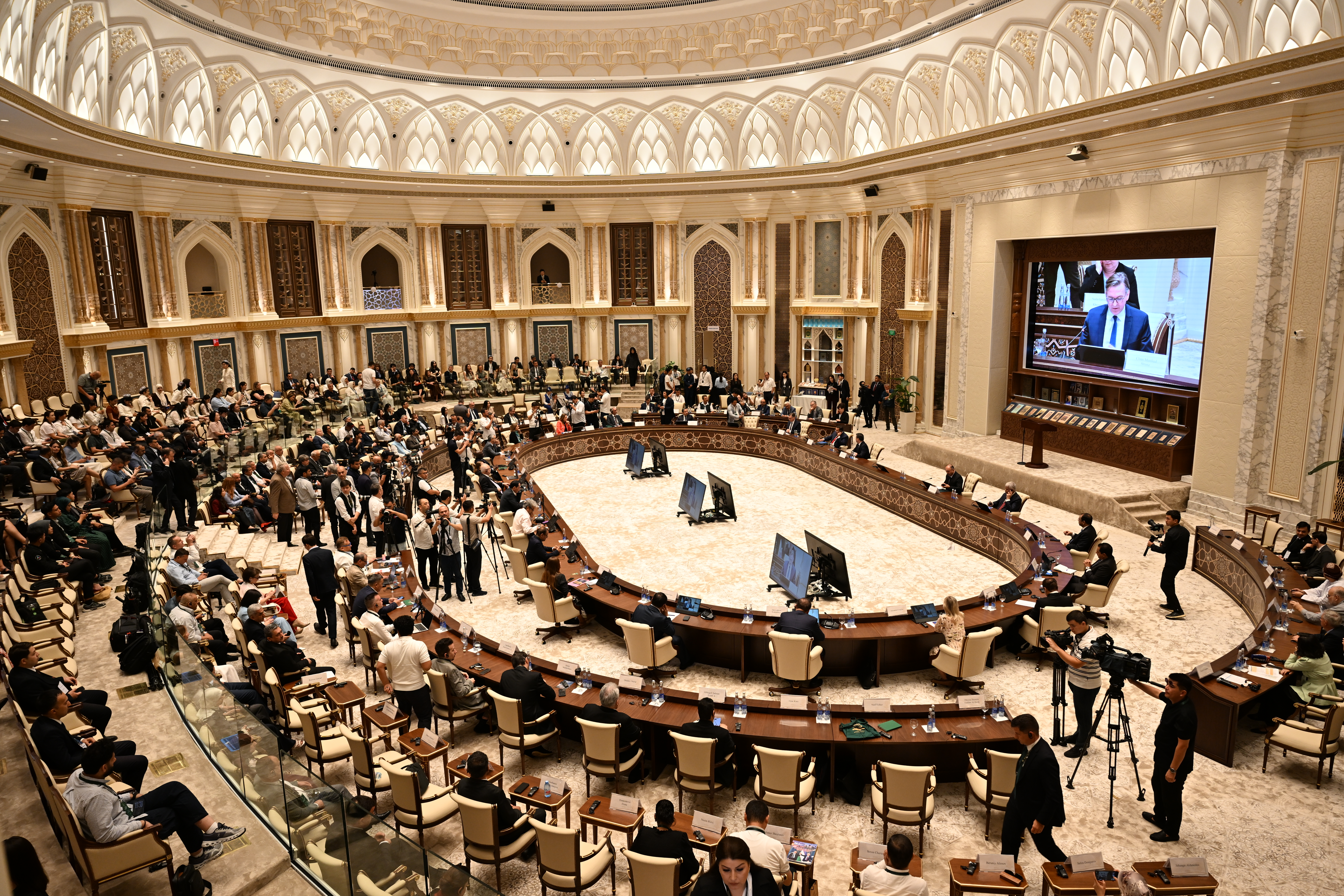
The Islamic Civilization Center in Uzbekistan served as the main venue of the forum. It was here that participants saw firsthand how historical heritage can provide a foundation for contemporary international media dialogue.
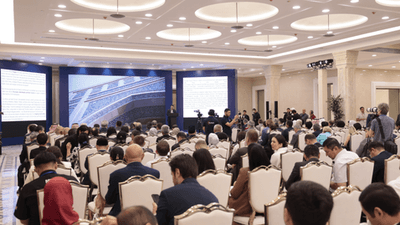
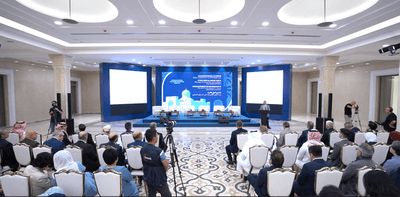
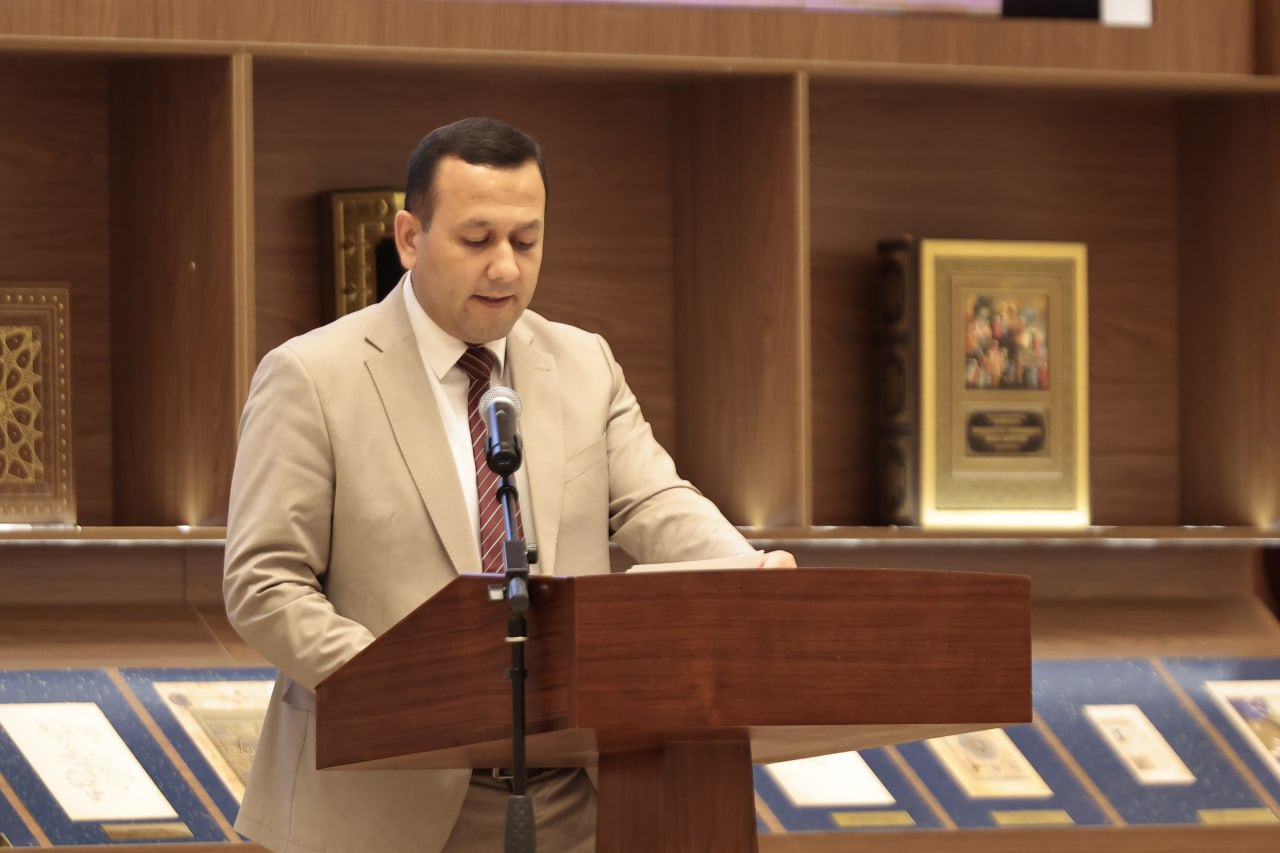
The forum’s official opening ceremony took place in the Grand Conference Hall of the Islamic Civilization Center. Sherzod Asadov, Press Secretary of the President of the Republic of Uzbekistan and Head of the Communications Department of the Presidential Administration, delivered welcoming remarks. He outlined the key tasks facing the modern media community: to present Uzbekistan’s historical and cultural heritage to global audiences in an objective and contemporary manner, to make effective use of new technologies and the potential of artificial intelligence, while maintaining the highest standards of professional responsibility in journalism.
Continuing the theme, Firdavs Abdukhalikov, Director of the Islamic Civilization Center in Uzbekistan, presented the Center’s activities to the forum participants. He described the Center as an original project of President of the Republic of Uzbekistan Shavkat Mirziyoyev and a unique institution created to study, preserve, and widely promote the country’s historical and intellectual heritage.
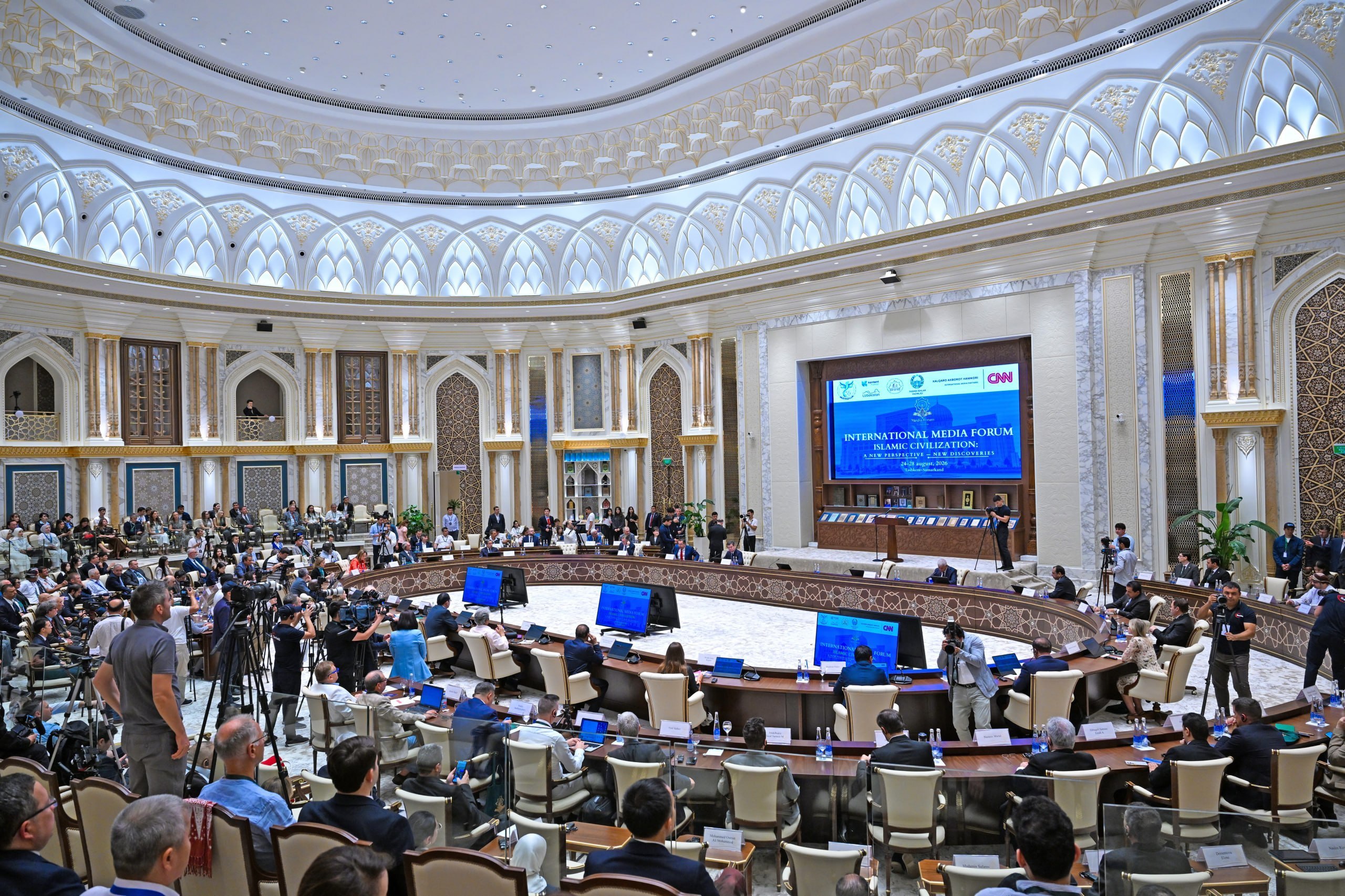 The Center is emerging not only as a museum or research institution, but also as an international cultural, educational, and media platform that brings together museum activities, science, education, television, documentary filmmaking, book publishing, digital technologies, and artificial intelligence.
This concept became one of the forum’s central ideas: heritage should not merely be preserved; it should continue to live and serve as a source for new stories, films, books, research, and modern digital projects.
Claus Strunz, CEO and Editorial Director of Euronews, shared his vision for making cultural heritage part of the global news agenda and proposed holding the international media forum in Tashkent annually.
 CNN representatives also placed particular emphasis on Uzbekistan. Phil Nelson, Executive Vice President of CNN International Commercial, highlighted the importance of cooperation with the Islamic Civilization Center in Uzbekistan and the prospects for jointly promoting Uzbekistan’s heritage across CNN’s global media platforms. CNN regional representative Imran Ahmad, in turn, noted the strong interest among international audiences in the country’s history, its great scholars and thinkers, its culture, and the transformations taking place in Uzbekistan today.
These ideas took on practical form through the projects presented at the forum.
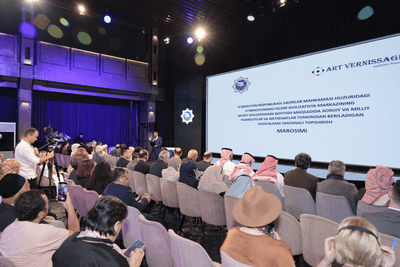
Film director Shokhrukh Rasulov presented the “Those who changed the world” project and screened a fragment from the film “Whispers of Wisdom,” featuring Oscar-winning actor Ben Kingsley. Ahmed Salim, founder of the international 1001 Inventions initiative, spoke about new ways of presenting the achievements of Islamic civilization through modern media.
Bakhodir Adilov, a representative of the Uzbekfilm Cinema Concern, presented documentary projects including “The civilization of Transoxiana,” “Imam Bukhari,” and “The Islamic Civilization Center: a new universe.” These projects aim to bring historical material to a broad audience through the language of contemporary cinema.
In the digital sphere, Almos Fakhriddinov and Sirojiddin Ubaydullaev, Director of NeoVex, presented the projects “Digital avatar: heroes of Islamic civilization speak to a new generation” and “Uzbekistan 360°: a living heritage platform.”
Particular attention was also given to ancient manuscripts and the art of calligraphy. Alexander Wilhelm, Vice President of Mueller & Schindler, presented the international project “114 Qur’ans: 114 masterpieces of Islamic calligraphy,” while Rustam Jabborov, Academic Secretary of the Islamic Civilization Center in Uzbekistan, presented the project “The Great Langar Qur’an: facts and legends.”
Vladimir Koch, Executive Director of Sberbank’s Advanced Technologies Development Office, and Professor Zohidullo Munavvarov, Chief Research Fellow at the Islamic Civilization Center in Uzbekistan, presented the project “Artificial intelligence — a digital key to reading ancient manuscripts.”
In the publishing sphere, Firdavs Abdukhalikov and Hasan Kondu, Chairman of the Board of Mega Basim Publishing House, presented the unique illustrated publication “Great figures in the history of Uzbekistan in oriental miniatures.” Professor Mario Taddei, Charlotte Kramer, President of Kulturalis Publishing House, and other experts introduced international publishing and research initiatives.
Thus, within a single forum, ancient manuscripts and artificial intelligence, Oriental miniatures and modern publishing, the great scholars of the past and digital technologies, as well as museums and global television, all converged on one platform.
However, one of the most important audiences for these initiatives was the younger generation.
Nearly 40 master classes, creative meetings, and presentations were held at 20 higher education institutions in Tashkent and Samarkand, engaging more than 5,000 students. Speakers addressing young people included CNN representative Imran Ahmad, BBC Studios representative Sergey Stanovkin, TRT World representative Umesh Kumar Vohra, Report.az representative Fuad Huseynaliyev, The London Post representative Raza Syed, Mario Taddei, Hasanbey Kondu, Charlotte Kramer, Robert Frantsev, and other international experts.
For the Islamic Civilization Center in Uzbekistan, work in this area will become an ongoing priority. In cooperation with the University of Journalism and Mass Communications of Uzbekistan, the Center is launching a joint program aimed at encouraging young journalists to study and promote the country’s cultural heritage. Scholarships and professional internship opportunities are planned for the most talented students.
Another important outcome of the forum was the transition from discussions to concrete agreements.
Nearly 20 agreements and memoranda were signed within the framework of the forum. The final declaration outlined the key areas of future cooperation. These include establishing an international media alliance, organizing the international “Voice of Civilizations” media competition, launching educational programs and professional exchanges for journalists, jointly producing content, and ensuring the Center’s ongoing cooperation with the world’s leading media organizations.
Participants also proposed establishing the international “Voice of Islamic Civilization” media club under the auspices of the Islamic Civilization Center in Uzbekistan and holding the international media forum annually in Tashkent.
To date, more than 100 media projects dedicated to the history and culture of Uzbekistan, the country’s reforms, and the activities of the Islamic Civilization Center in Uzbekistan have been implemented jointly with international media partners. At the next stage, nearly 50 additional joint international media projects are planned.
An important part of the program was dedicated to Samarkand.
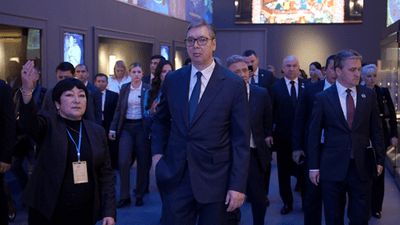
Foreign journalists, media executives, producers, and experts visited the Imam Bukhari Memorial Complex, the International Scientific Research Center for Hadith Studies, the innovative museum named after Imam Bukhari, and Samarkand’s renowned historical monuments.
For many guests, it was their first opportunity to see firsthand the heritage they had previously encountered only through books, films, and articles.
Samarkand effectively became an open-air filming location.
Journalists conducted interviews, filmed reports, and prepared content for television channels, news agencies, documentaries, and digital platforms.
The Appeal addressed by the forum participants to President of the Republic of Uzbekistan Shavkat Mirziyoyev gave the forum particular significance and meaning.
Representatives of the media and expert community from nearly 50 countries emphasized that the principle of “Enlightenment against ignorance,” put forward by the President of Uzbekistan from the rostrum of the United Nations General Assembly in 2017, remains highly relevant today.
At a time when conflicts, religious intolerance, and Islamophobia are intensifying around the world, presenting Islamic civilization in an objective and accessible manner is becoming more than a matter of preserving historical memory. It is also part of the broader mission of helping people of different cultures and faiths better understand one another.
The forum’s most significant outcome was the emergence of an international network bringing together media professionals, scholars, filmmakers, publishers, digital technology specialists, and young journalists around the idea of fostering a new dialogue on the heritage of Islamic civilization. This network is expected to continue its activities beyond the forum, developing joint projects, films, books, research initiatives, and digital products.
From ancient manuscripts to artificial intelligence, from the great scholars of the past to contemporary cinema, from museum halls to global television networks, and from university classrooms to the global news agenda. The forum demonstrated that heritage is not merely a treasure inherited from the past. It is a vast intellectual and creative resource capable of shaping the future.
In this sense, Uzbekistan today is doing more than simply telling the world about its great history. The country is opening its heritage to a new international dialogue and setting a distinctive example in this field. Together with the world’s leading media organizations, scholars, and representatives of the creative industries, new languages, new formats, and new narratives are being developed to make the heritage of Central Asia and Islamic civilization accessible and understandable to millions of people around the world.
The international media forum “Islamic Civilization: New Perspective — New Discoveries” was not the culmination of this major endeavor, but its starting point — opening a path from the heritage of the past toward the knowledge, meanings, and opportunities of the future.