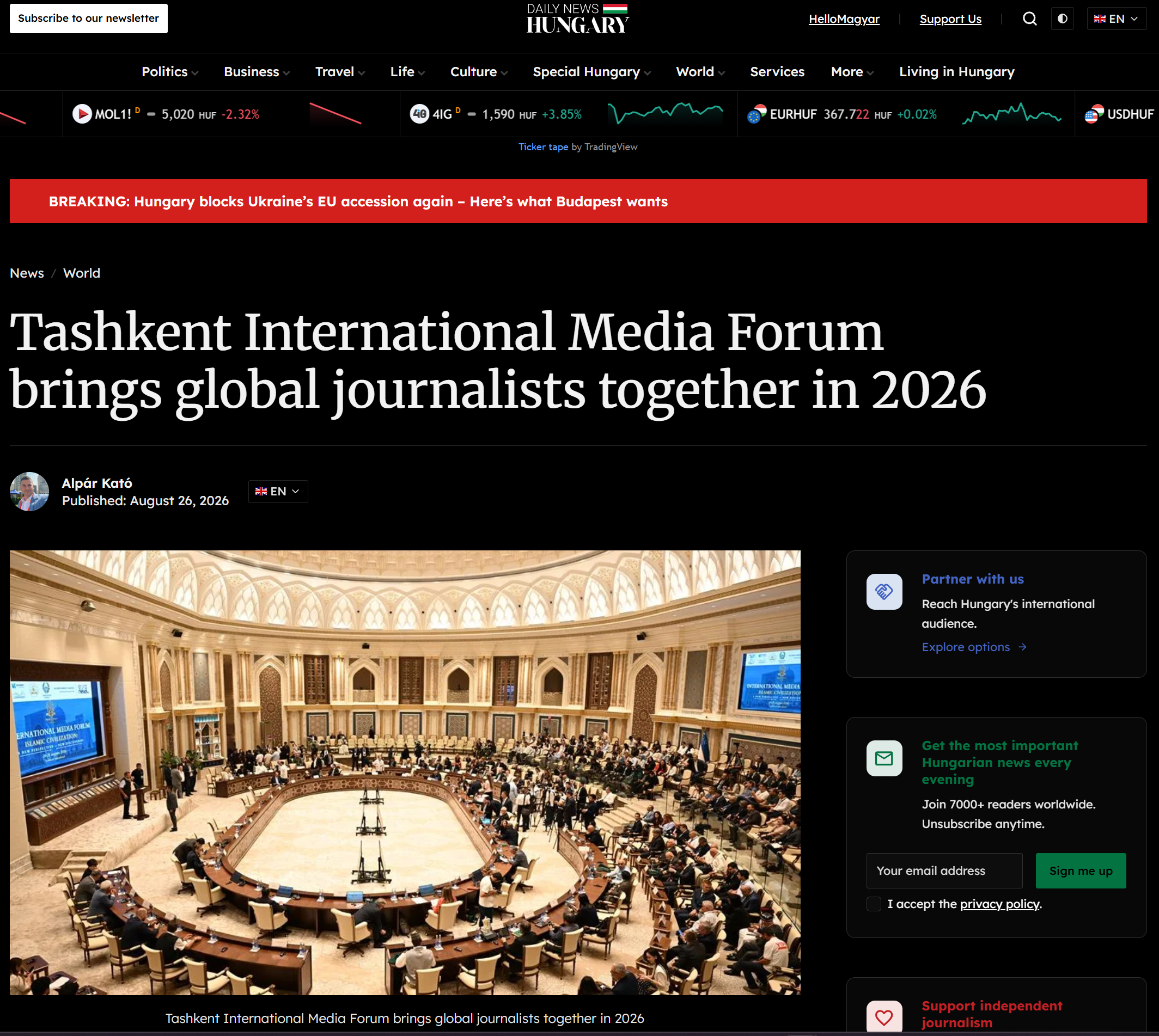
 Alpár Kató, Founder and Publisher of Hungary’s Daily News Hungary, took part in the international media forum held in Tashkent, where he focused on ways of presenting Uzbekistan’s historical and cultural heritage to international audiences through modern media tools. An article published by the outlet noted that nearly 200 media representatives and experts from around 46 countries participated in the forum. It also highlighted that the event featured discussions on the current role of journalism, artificial intelligence, digital technologies, and new approaches to presenting the heritage of Islamic civilization to the world. Alpár Kató’s participation in Tashkent was also viewed as an opportunity to further strengthen media and professional ties between Uzbekistan and Hungary.
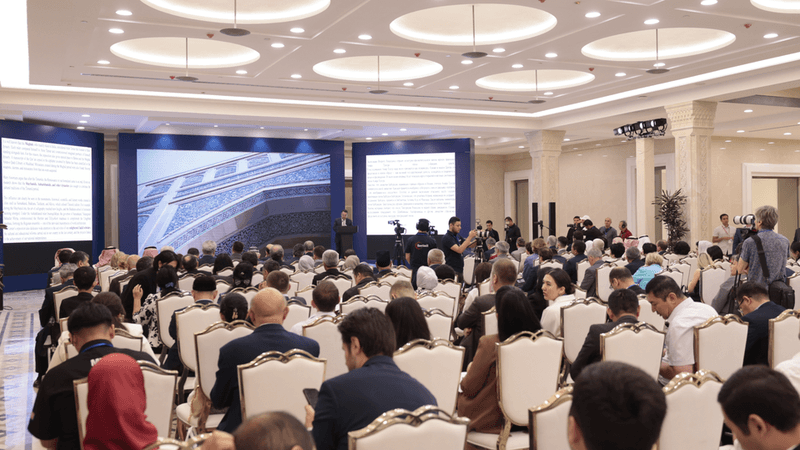
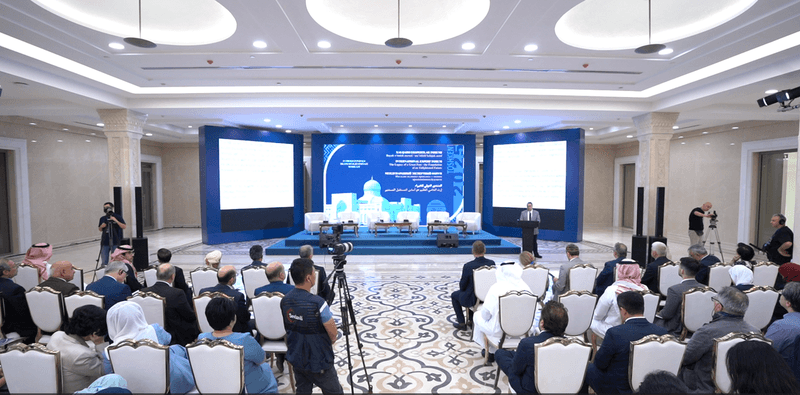
The main Tashkent sessions of the Tashkent international media forum (August 24-25, 2026) concluded on Wednesday after bringing together hundreds of journalists, media executives, filmmakers, researchers and digital specialists from around the world to discuss how the heritage of Islamic civilization can be presented to modern global audiences. Daily News Hungary was also present at the event, reporting directly from Tashkent.
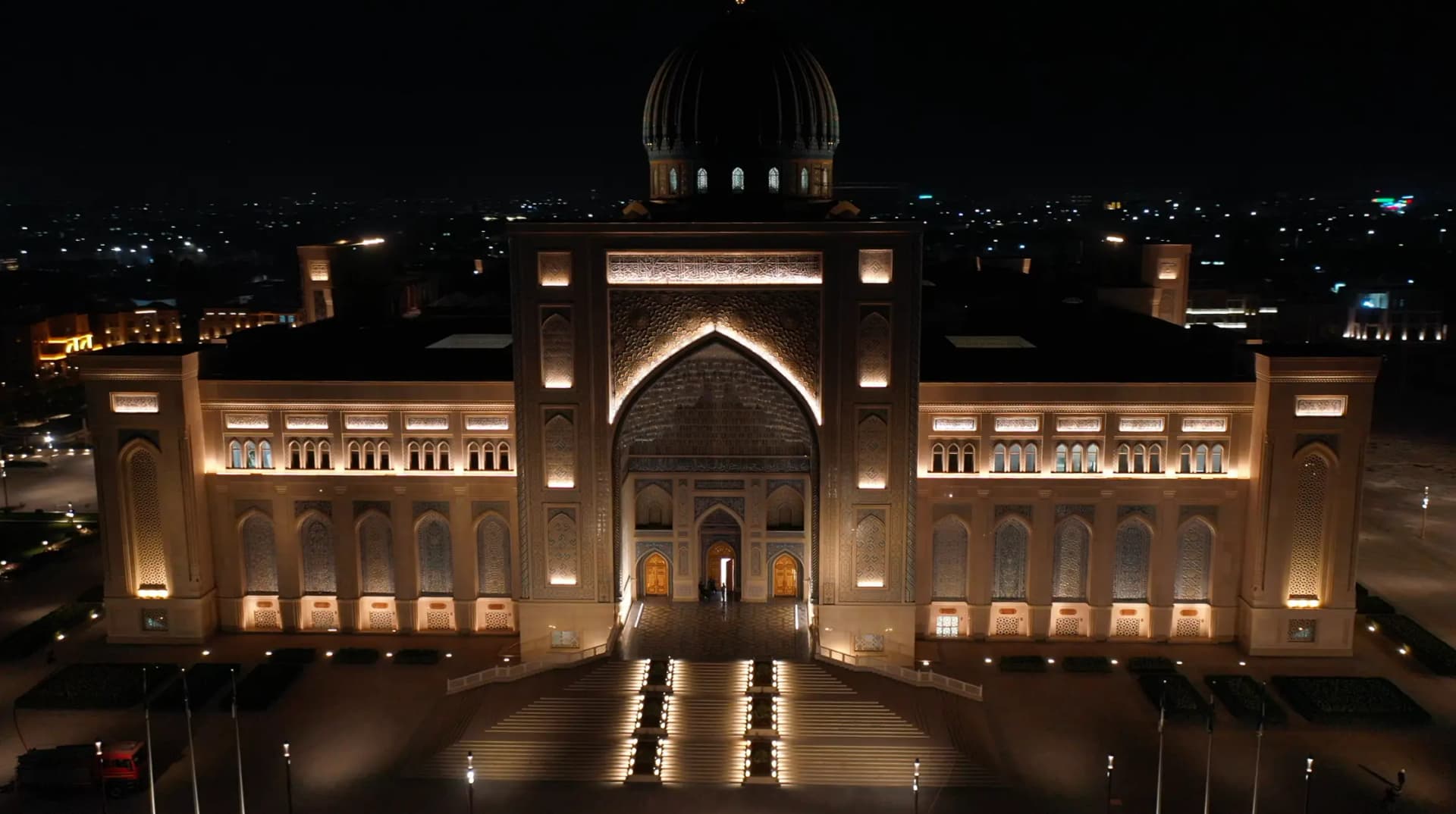
Held under the title Islamic Civilization: New Perspective – New Discoveries, the forum brought together around 200 media representatives and experts from nearly 46 countries. Its main events in the Uzbek capital were hosted by the Islamic Civilization Center in Uzbekistan, one of the country’s most ambitious new cultural institutions.
Tashkent international media forum focuses on a new way of telling history
Across the professional sessions in Tashkent, one theme returned repeatedly: preserving history is no longer enough. The challenge is also to make that history accessible and relevant to generations that increasingly encounter the world through smartphones, streaming platforms, social media and artificial intelligence.
The programme therefore went far beyond traditional discussions of museums and historical research. Participants examined documentary filmmaking, publishing, digital storytelling, artificial intelligence and immersive technologies, as well as new international media projects capable of bringing the intellectual, scientific and cultural achievements of Islamic civilization to a wider audience.
The final sessions on Wednesday also addressed the media’s role in overcoming stereotypes, hate speech and Islamophobia, while stressing the importance of professional standards and objective reporting when dealing with cultural and religious issues. Participants discussed how heritage can connect different eras and how Uzbekistan can present its civilizational legacy through contemporary media.
Uzbek presidential press secretary highlights journalism’s core values
At the opening session, Sherzod Asadov, Press Secretary to the President of the Republic of Uzbekistan, addressed some of the most important challenges facing journalism today. His remarks focused on the rapidly changing information landscape, the growing role of artificial intelligence, the responsibility of journalists and the importance of presenting Uzbekistan’s rich historical heritage to international audiences.
Asadov stressed that technological change should not weaken the fundamental standards of the profession.
Press Secretary Asadov at Tashkent international media forum 2026
“No matter how much technology changes, the fundamental principles of journalism will remain truth, impartiality, integrity, and the interests of people,” the Presidential Press Secretary said.
He also highlighted the broader role of domestic media in the relationship between citizens and public institutions.
“National media, serving as a bridge between the state and society, is an important force that contributes to our country’s development, protects human rights, and brings our future achievements to the attention of the world,” he said.
If you missed it: Tashkent International Investment Forum 2026 opens with major investor pledges from Uzbekistan
Uzbekistan puts cultural heritage at the center of its international image
For foreign participants, the forum also offered a closer look at the way Uzbekistan is increasingly using its historical and cultural heritage as part of the country’s international profile.
Central Asia was home to some of the Islamic world’s most influential scholars, scientists and thinkers, while cities such as Samarkand and Bukhara occupied key positions in the intellectual and commercial networks of the Silk Road. Uzbekistan is now seeking to make this legacy more accessible to international audiences through museums, research, digital technology and global media cooperation.
The Islamic Civilization Center is central to this effort. The institution combines manuscripts and historical artefacts with interactive exhibitions and modern technologies, while also seeking partnerships with international media organizations, filmmakers and publishers.
Hungary represented at the Tashkent international media forum
The forum program included representatives from CNN International Commercial, Euronews, BBC Studios, TRT World, Oman TV, Oman Observer, Tunisia’s TAP news agency, Yemen’s Saba news agency, and other international media outlets.
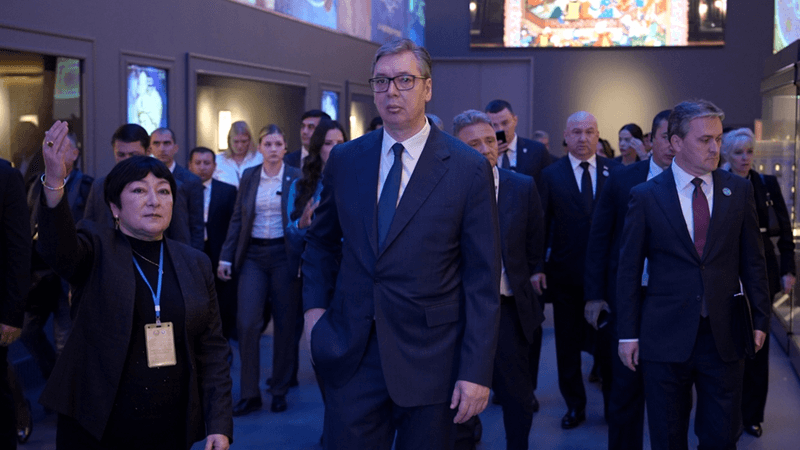
Hungary was represented at the Tashkent international media forum by Alpár Kató, owner of Daily News Hungary, who participated in the professional events and discussions in the Uzbek capital. His attendance also provided an opportunity to strengthen media and professional connections between Hungary and Uzbekistan.
Alpár Kató, owner of Daily News Hungary at Tashkent international media forum
During his stay in Tashkent, Kató also delivered a presentation at Tashkent International University on Wednesday. His programme in Uzbekistan includes a number of business meetings aimed at developing new professional and commercial contacts alongside his participation in the international media gathering.
Kató has previously spoken publicly about Uzbekistan’s transformation and the development of Hungarian-Uzbek relations. In a recent interview with Uzbekistan’s Dunyo Information Agency, he highlighted the country’s greater openness to the outside world, economic liberalization and expanding international cooperation.
Media cooperation expected to continue beyond Tashkent
The forum has been presented by its organizers not simply as a one-off conference, but as a platform for longer-term professional cooperation.
Asadov said the organizers viewed the gathering as the beginning of lasting dialogue between media professionals and institutions. He said the discussions and initiatives launched during the forum could help bring Uzbekistan’s civilizational heritage into the global information space.
The wider programme extends beyond the main professional sessions in Tashkent and also includes activities linked to Uzbekistan’s historical and cultural heritage, including events in Samarkand.
For the journalists and media professionals gathered in Uzbekistan, however, the central question raised by the Tashkent international media forum will remain relevant long after the event itself: how can rapidly changing technologies be used to reach new audiences without losing accuracy, context and the fundamental principles of journalism?
The message emerging from Tashkent was that heritage and innovation do not have to compete. Used responsibly, modern media and new technologies can instead offer new ways to bring centuries of history to a global audience.