



How were children’s rights protected in the 13th century?
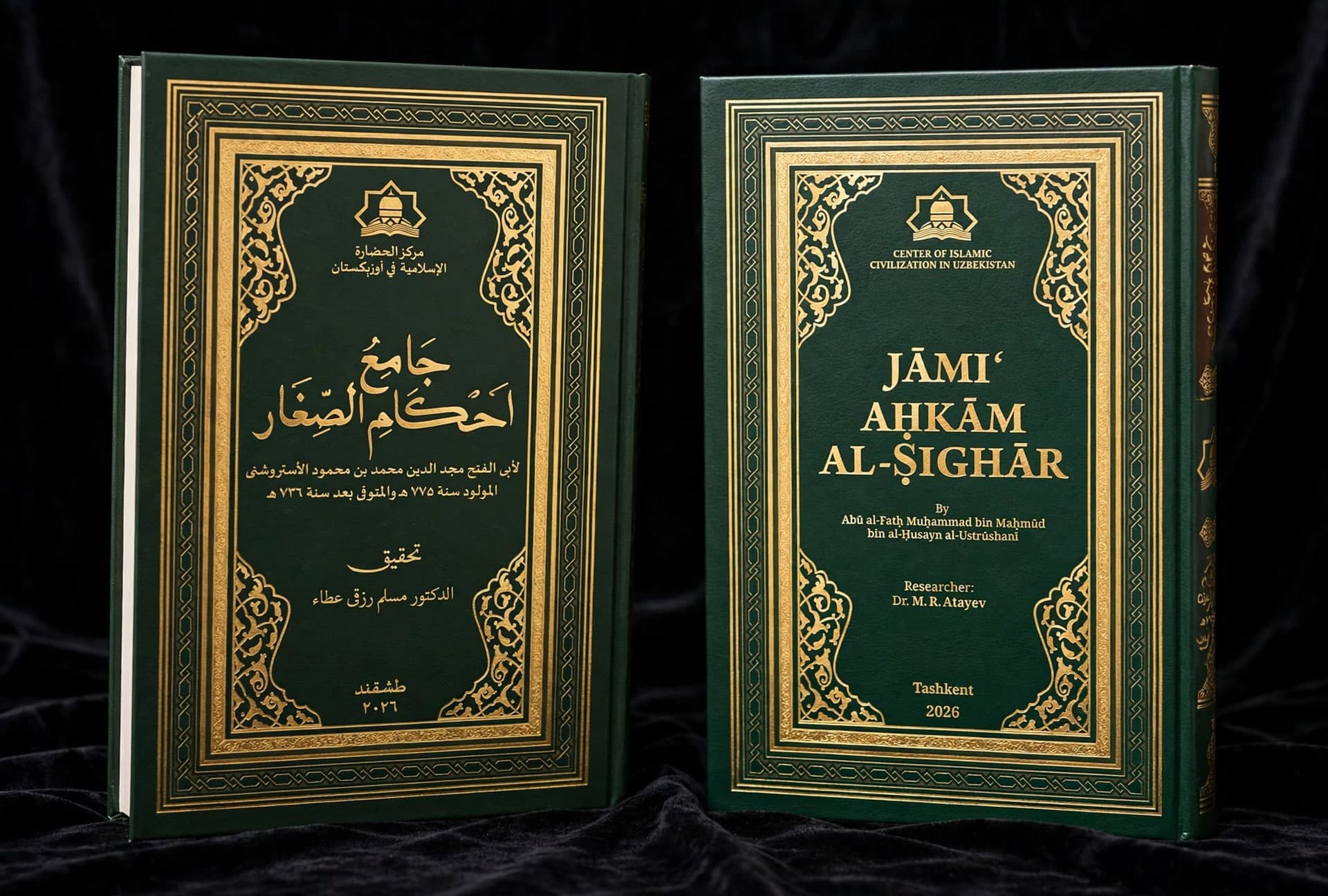
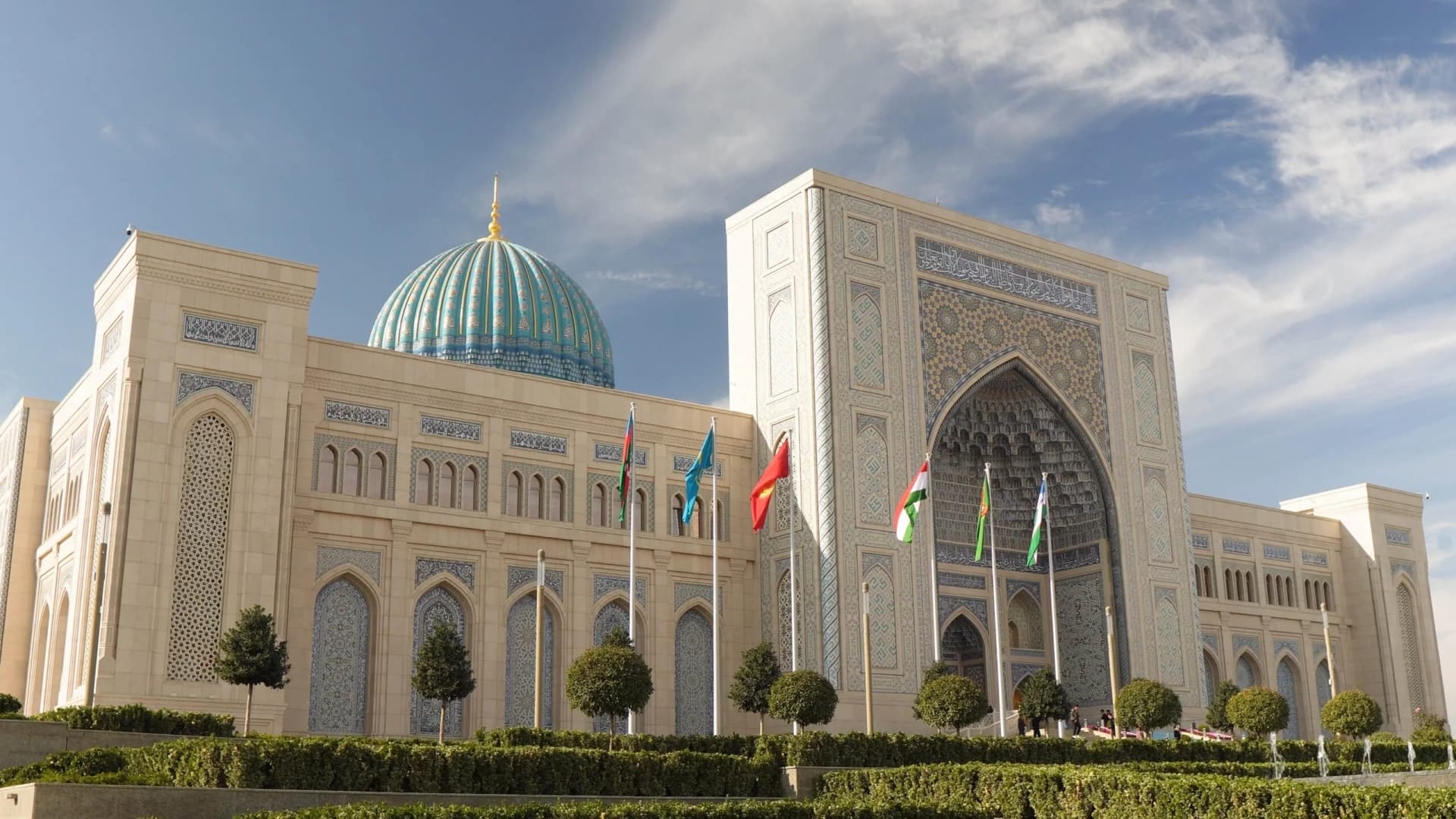
Historical Mawarannahr is a land that left a remarkable scholarly legacy not only in science and culture, but also in the field of jurisprudence. In this regard, the scholarly heritage of the great jurist Majduddin Muhammad ibn Mahmud al-Ustrushani, who lived and worked in Ustrushana in the 13th century, in the territory of present-day Jizzakh, is of particular significance. His work Jami‘ Ahkam al-Sighar, completed on 28 July 1228 (625 AH), is recognized as a unique legal and jurisprudential source devoted to children’s rights.
The work:
- systematically organizes 1,280 fatwas concerning children under 45 legal issues;
- provides, for the first time, a comprehensive legal classification of children’s rights;
- divides the stages of childhood into the prenatal period, infancy, puberty, and adolescence;
- examines children’s personal, family, social, economic, civil, property, labor, and inheritance rights;
- addresses not only legal matters, but also social and moral solutions, ethical norms, and the harmony between national and religious customs.
Interestingly, in the Western world, the legal development of children’s rights largely took shape during the 19th and 20th centuries. For example, of the 2,281 articles in the French Civil Code of 1804, only five concerned children’s rights. In 1908, the foundations of the juvenile justice system were laid in the United States, while in 1924 the League of Nations adopted the Geneva Declaration of the Rights of the Child. This was followed by the United Nations Declaration of the Rights of the Child in 1959 and the Convention on the Rights of the Child in 1989.
Thus, traditions of systematically studying children’s rights from a legal perspective had already emerged in historical Mawarannahr, particularly in Ustrushana, as early as the 13th century. Al-Ustrushani’s legacy is an invaluable part of the history of our national legal thought. By studying this scholarly heritage and making it widely accessible to the public today, we not only demonstrate the advanced legal thinking of our great ancestors, but also show that concern for children’s rights on the territory of Uzbekistan has deep historical roots.