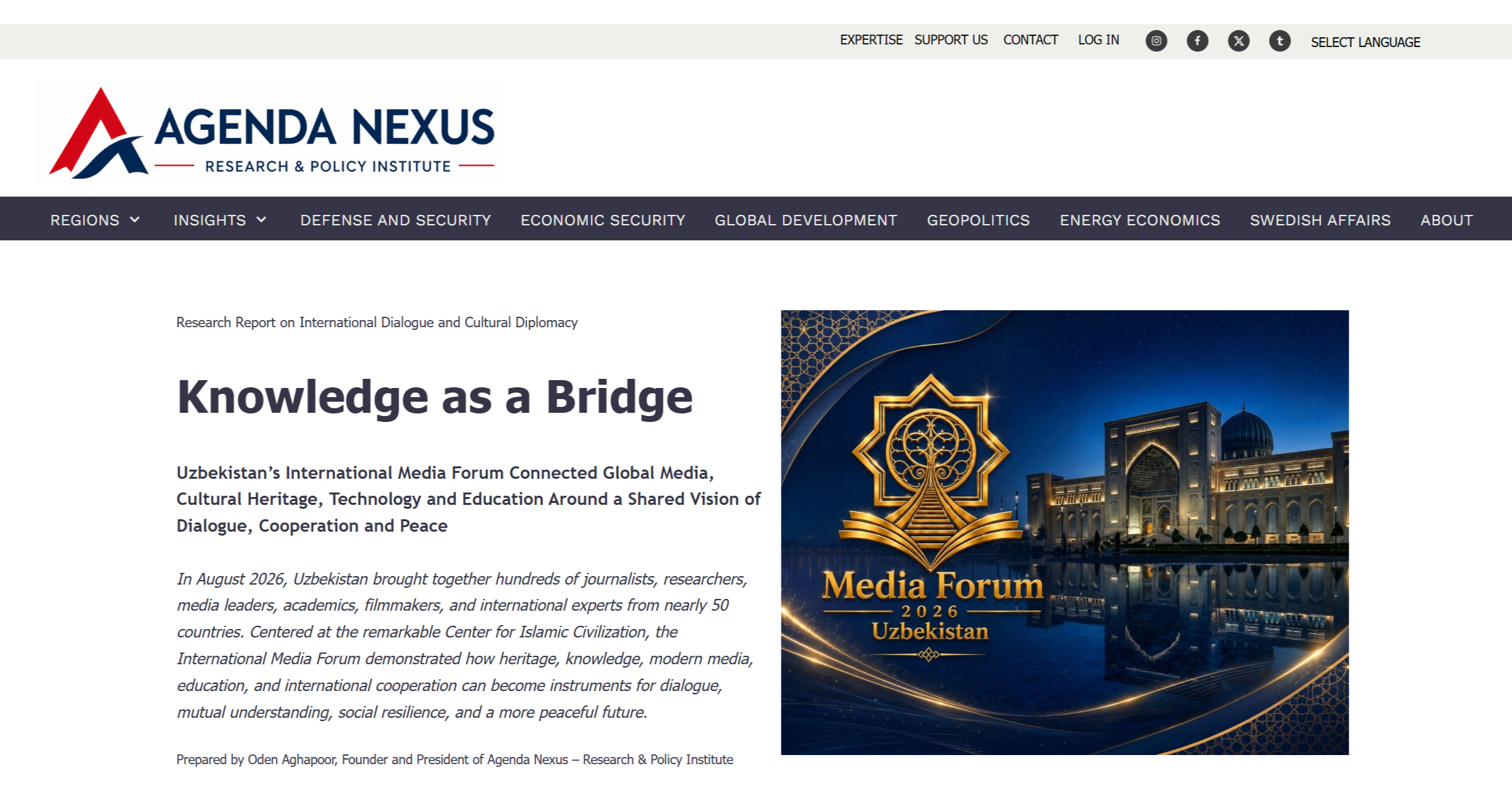
 Sweden’s Agenda Nexus research institute reflected on its impressions of the international media forum in Uzbekistan in an article titled “Knowledge as a Bridge,” highly praising the country’s experience in integrating cultural heritage, modern technology, education, and international cooperation. Drawing on examples from the Islamic Civilization Center and meetings held in Tashkent and Samarkand, the author, Oden Aghapoor, emphasizes that knowledge and dialogue can serve not only as important tools for bringing cultures closer together, but also for countering extremism and promoting peace and stability.
The international media forum in Uzbekistan brought together global media, cultural heritage, technology, and education around a shared vision of dialogue, cooperation, and peace.
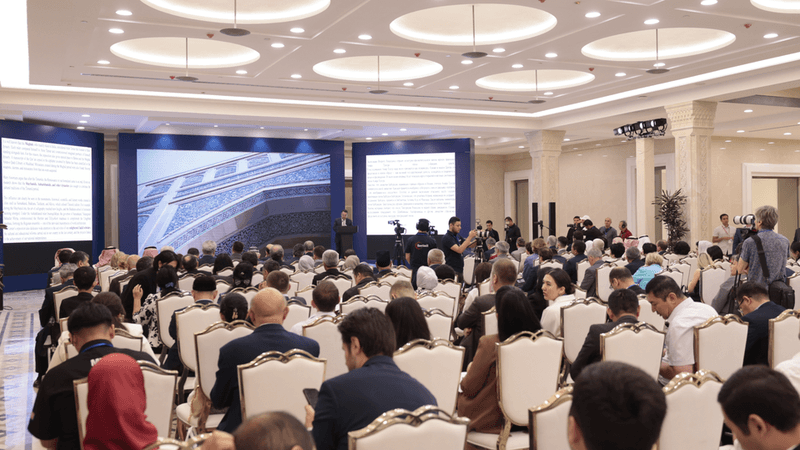
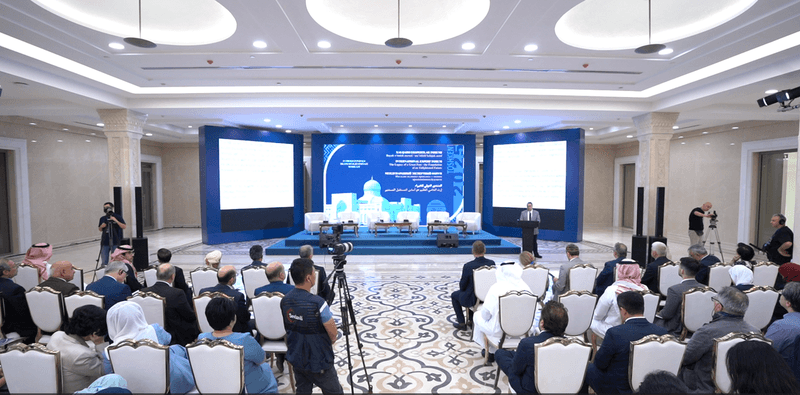
In August 2026, Uzbekistan brought together hundreds of journalists, researchers, media executives, academics, filmmakers, and international experts from nearly 50 countries. Held at the Islamic Civilization Center in Uzbekistan, the International Media Forum demonstrated how cultural heritage, knowledge, modern media, education, and international cooperation can serve as tools for dialogue, mutual understanding, social stability, and a more peaceful future.
Prepared by Oden Aghapoor, Founder and President of Agenda Nexus — Institute for Research and Policy
A week rich in dialogue, encounters, and new discoveries
My participation in the international media forum titled “Islamic Civilization: New Perspective — New Discoveries” turned into a meaningful and memorable week filled with meetings, discussions, press events, cultural dialogue, and intellectual exchange.
Participating on behalf of Sweden and Agenda Nexus — Institute for Research and Policy, I came not merely to observe the presentation of Uzbekistan’s historical heritage, but also to contribute to broader reflections on international cooperation, universal human values, education, dialogue, and peace.
The forum brought together approximately 300 participants from nearly 50 countries, including journalists, scholars, researchers, media executives, documentary filmmakers, representatives of publishing houses, producers, as well as specialists in digital technologies and artificial intelligence. CNN and Euronews participated as key media partners, while representatives of organizations such as BBC Studios and TRT World also took part in the forum.
The diversity of the participants was particularly significant. People of different nationalities, cultures, religions, professional backgrounds, and political perspectives gathered in one place. Despite these differences, one idea emerged repeatedly throughout the discussions: knowledge and dialogue should contribute to building a better and more sustainable world for future generations.
Ambitions beyond a conventional media forum
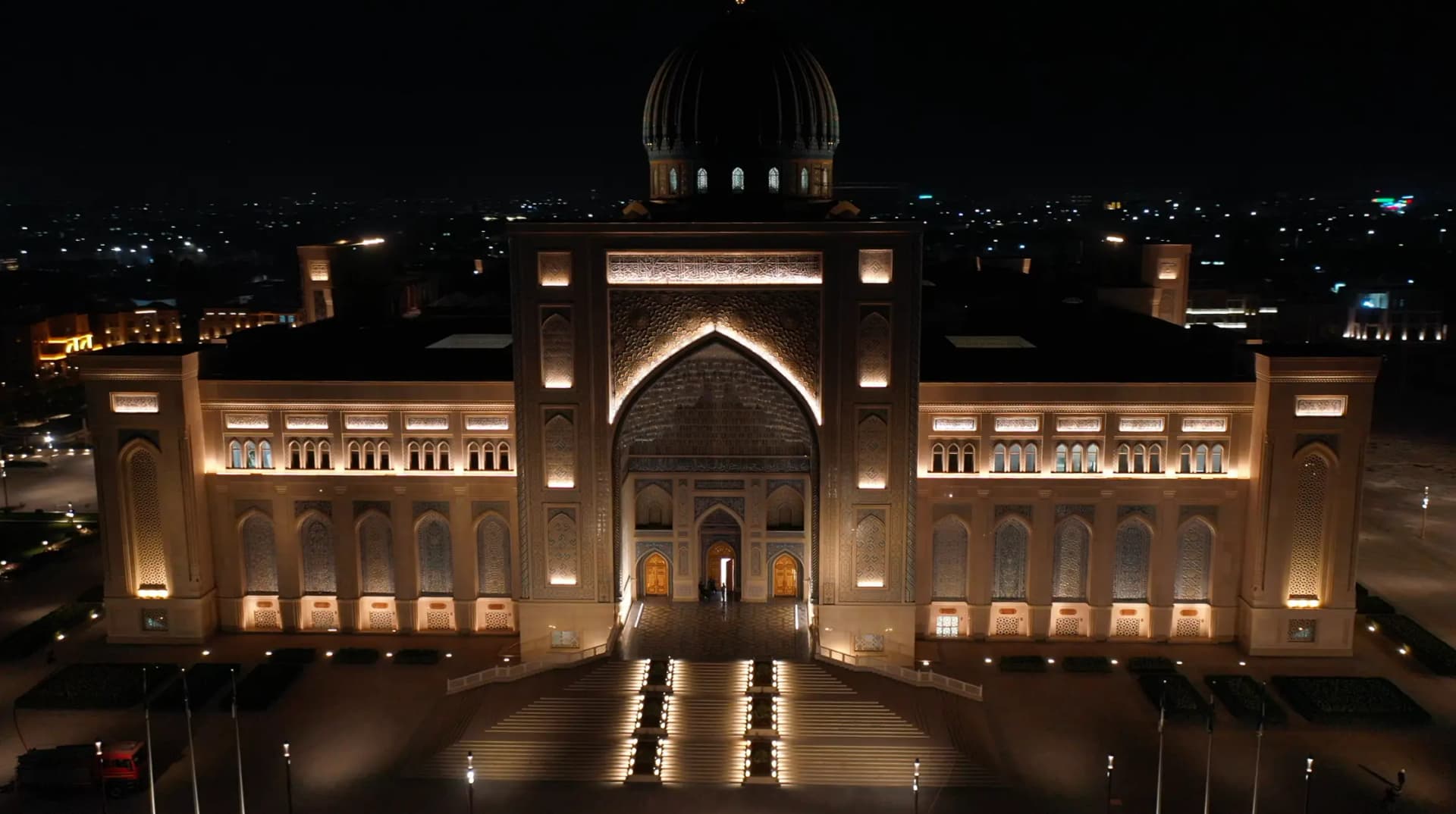
The forum was held primarily at the Islamic Civilization Center in Uzbekistan. The impressive scale of this unique institution reflects the far-reaching vision and ambition behind its creation.
The Center’s architecture is both monumental and modern. Historical manuscripts, scholarly heritage, museum technologies, multimedia, artificial intelligence, research, and education are brought together within a single intellectual environment.
This integration reflects a feature of modern Uzbekistan that Agenda Nexus has previously highlighted: cultural heritage and modernization do not have to compete with one another. On the contrary, they can reinforce each other.
Our previous research has shown the same pattern in Tashkent, Samarkand, Bukhara, and Khiva. While historical identity is being preserved, infrastructure, universities, public spaces, digital systems, tourism, and international cooperation are continuing to develop steadily.
The Center embodies this philosophy within a single space.
President Shavkat Mirziyoyev has described the Center’s mission in connection with the concepts of knowledge and enlightenment. From the very beginning, the institution has aimed not only to preserve historical artifacts, but also to study the intellectual contributions of Islamic civilization and convey its humanistic essence to modern society.
This is particularly important today, when religion can be exploited by extremist movements for their own purposes and misinformation can further deepen divisions between societies.
The most effective response to extremism is not limited to security measures. Above all, it is also knowledge.
Leadership behind the Center
The ambitious goals of the Islamic Civilization Center are also closely linked to the work of the leadership responsible for turning its vision into practice.
During the International Media Forum, Firdavs Abdukhalikov, Director of the Islamic Civilization Center in Uzbekistan, demonstrated a remarkable level of personal dedication and responsibility. This made a strong impression on me and on many of the international participants with whom I spoke.
From early morning until late at night, Abdukhalikov was personally involved in every stage of the forum — meeting international guests, taking part in discussions, overseeing events, addressing organizational matters, and working alongside his team to ensure the successful delivery of a highly complex international event.
What impressed me was not only the scale of his workload, but also the energy, competence, responsibility, openness, and leadership he brought to the process.
This matters because institutions of such scale cannot succeed through architecture and policy ambitions alone. They require leadership capable of translating a vision into practical programs, international cooperation, scholarly research, education, media projects, and meaningful dialogue between people.
Abdukhalikov’s personal vision for the Center also reflects this very objective. He has consistently emphasized that history should not remain confined behind museum displays, but should become a living source of knowledge and a foundation for new ideas for future generations. Under his leadership, the Center is seeking to integrate scholarly heritage and cultural treasures with documentary filmmaking, publishing, multimedia, artificial intelligence, and international media cooperation.
My experience during the forum added another, distinctly human dimension to this institutional ambition. Seeing the Director personally at the heart of the process throughout long and demanding days sent an important message to international participants: leadership is not merely about representing an institution; it also means being directly involved in the work, assuming responsibility, and working alongside those entrusted with carrying out the institution’s mission.
For this reason, the success of the international media forum should also be recognized as an organizational achievement. Abdukhalikov and the Center’s young, dynamic, and highly dedicated team demonstrated the institutional capacity Uzbekistan needs for the Center to develop into a long-term international platform for scholarly research, public education, intercultural dialogue, peace, and cooperation.
Enlightenment against extremism
In this regard, Uzbekistan’s approach deserves serious international attention.
The principle of “Enlightenment against ignorance,” associated with the work of the Center, reflects an important policy approach. Preventing radicalization requires understanding why extremist ideas become appealing, strengthening education, promoting reliable scholarly knowledge, creating opportunities for young people, and ensuring that religion is not left in the hands of forces seeking to exploit it for their own interests.
The forum discussions addressed issues such as stereotypes, Islamophobia, misinformation, historical knowledge, and the responsibility of modern media. Participants examined how journalism and new technologies can present Islamic civilization to international audiences while also countering distorted interpretations.
From this perspective, the Center has the potential to become far more than a national museum.
It can become an international platform for scholarly research, public education, intercultural dialogue, religious literacy, as well as the study and prevention of extremist ideologies.
This vision is closely aligned with President Mirziyoyev’s broader approach to tolerance, education, social stability, and international cooperation. Uzbekistan’s leadership has repeatedly promoted enlightenment and knowledge as long-term tools for countering ignorance and radicalization.
The strategic principle is simple but powerful: a society becomes more resilient when people are not merely urged to reject extremism, but are equipped with sufficient knowledge to critically assess and question it.
Young people — Uzbekistan’s strongest signal
Institutions are defined, above all, by the people who work within them.
For this reason, one of my strongest impressions of the Center was connected not only with its monumental architecture or technological capabilities, but also with its young staff.
Many of the employees I met were highly educated, multilingual, disciplined, internationally minded, hospitable, and eager to learn. Their professionalism highlighted another important dimension of Uzbekistan’s transformation: investment in buildings matters, but it is investment in human capital that ultimately determines whether institutions succeed.
Tashkent: a capital looking toward the future
Tashkent itself further reinforces this impression.
As Agenda Nexus has previously noted, there is still a noticeable gap between some external perceptions of Uzbekistan and the reality that visitors encounter when they come to the country.
Tashkent is becoming increasingly modern, orderly, green, dynamic, and open to international engagement. New developments coexist with historical and cultural institutions, while public spaces and infrastructure reflect a city undergoing continuous modernization.
Uzbekistan does not appear to be seeking modernization by abandoning its national identity.
On the contrary, it is increasingly pursuing modernization through its national identity.
This distinction is important.
Countries do not have to choose between preserving cultural memory and embracing technology, global cooperation, education, sustainability, and economic development.
Samarkand: a place where history is still alive
The visit to Samarkand as part of the forum made this connection even more evident.
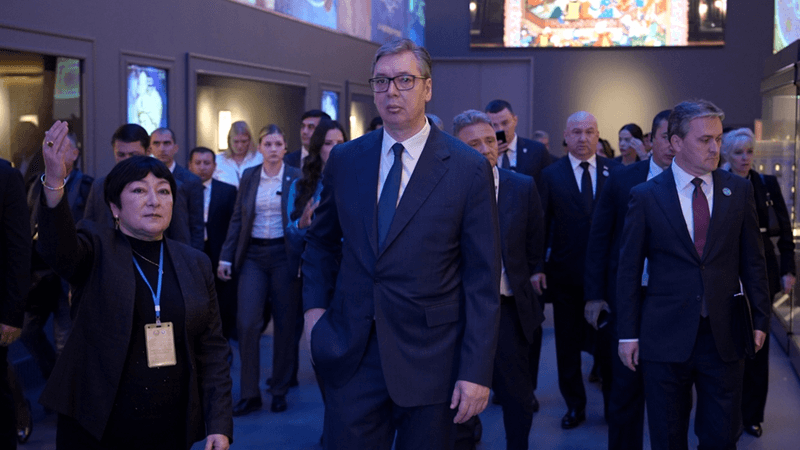
Participants were given the opportunity to experience one of the great historical centers of Eurasian civilization firsthand and to visit the Imam Bukhari Complex. The program deliberately combined discussions of contemporary issues such as artificial intelligence, digital media, filmmaking, and communications with direct encounters with centuries-old scholarly heritage and cultural history.
Samarkand demonstrates why Uzbekistan has such significant soft power potential.
Its architecture does more than represent national history. It tells a broader story of mathematics, astronomy, religion, trade, scholarship, architecture, and the exchange of ideas among different civilizations.
The key challenge is to ensure that this heritage remains alive and relevant.
The international media forum demonstrated one way of doing so: connecting historians with filmmakers, scholars with journalists, museums with artificial intelligence, and cultural institutions with international audiences.
Mirziyoyev’s investment in knowledge
The Islamic Civilization Center is closely connected to President Shavkat Mirziyoyev’s broader national vision for the country’s development.
He laid the Center’s symbolic foundation stone in 2018, and the project was developed over nearly eight years. His stated objective was not limited to constructing a monumental building. The Center was envisioned as a scholarly and educational institution capable of showcasing Uzbekistan’s contribution to human civilization while promoting knowledge, tolerance, and enlightenment.
Such leadership attention is important.
Governments can counter extremism through law enforcement measures and legislation. However, a sustainable strategy also requires education, opportunity, trusted institutions, historical awareness, social inclusion, and spaces where complex ideas can be discussed openly.
The Center has the potential to contribute to building precisely such an ecosystem.
From cultural heritage to global cooperation
The forum also demonstrated Uzbekistan’s growing recognition of culture as a powerful instrument of international cooperation.
International participants did more than simply listen to presentations. The program created broad opportunities for bilateral meetings, media cooperation, academic exchange, educational initiatives, documentary film projects, publishing ventures, and potential international partnerships.
This reinforces another conclusion drawn from Agenda Nexus’s previous research: Uzbekistan is increasingly strengthening its role as a “connecting power.”
Its geographical position places the country at a crossroads between major regions. But geography alone does not create connectivity. Connections are built through relationships between people.
By bringing together journalists, academics, cultural institutions, researchers, and media organizations from dozens of countries, Uzbekistan is helping to build networks that can endure far beyond individual conferences.
A shared responsibility for the future
As I returned to Sweden, therefore, the most profound lesson I took with me was not about a single building, a single conference, or even a single country.
It was about responsibility.
We live in a time marked by wars, geopolitical rivalry, polarization, disinformation, declining religious tolerance, and diminishing trust. Media can deepen these divisions — or help societies understand one another better.
Universities can remain confined within their own boundaries — or connect knowledge across borders.
Cultural heritage can become an instrument of nationalism — or serve as a bridge between civilizations.
Religion can be manipulated by extremists — or understood properly through education, scholarship, tolerance, and respect for human dignity.
The international media forum demonstrated the possibilities offered by the second path.
For Agenda Nexus, the message is clear: international cooperation begins when people meet, listen to one another, exchange knowledge, reconsider their own perspectives, and discover shared values while recognizing that everyone does not have to think alike.
The Islamic Civilization Center now carries an important responsibility. Its monumental architecture and rich collections have created the physical institution. The next and greatest achievement must be intellectual: the Center should become an internationally respected platform for scholarly research, public education, dialogue, cultural diplomacy, and cooperation in confronting ignorance and extremism.
Uzbekistan’s greatest asset in achieving this goal may not be its monuments.
Rather, it may be its people — especially the educated, multilingual, ambitious young generation I encountered throughout this remarkable week.
During the journey from Tashkent to Samarkand, one message was difficult to miss:
cultural heritage can help guide the future, knowledge can counter extremism, dialogue can overcome division, and international cooperation can help build the peaceful world that future generations deserve.