


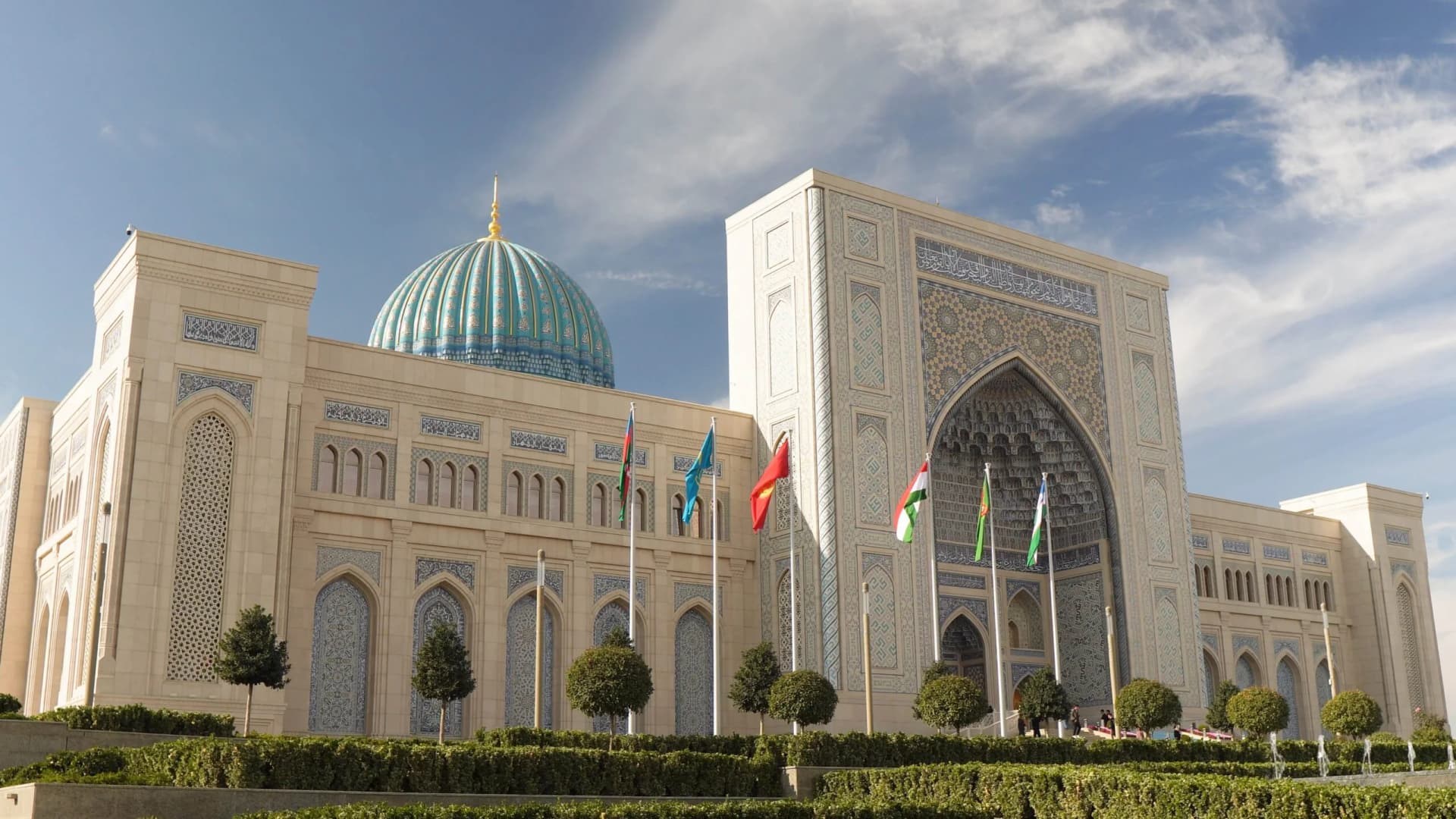

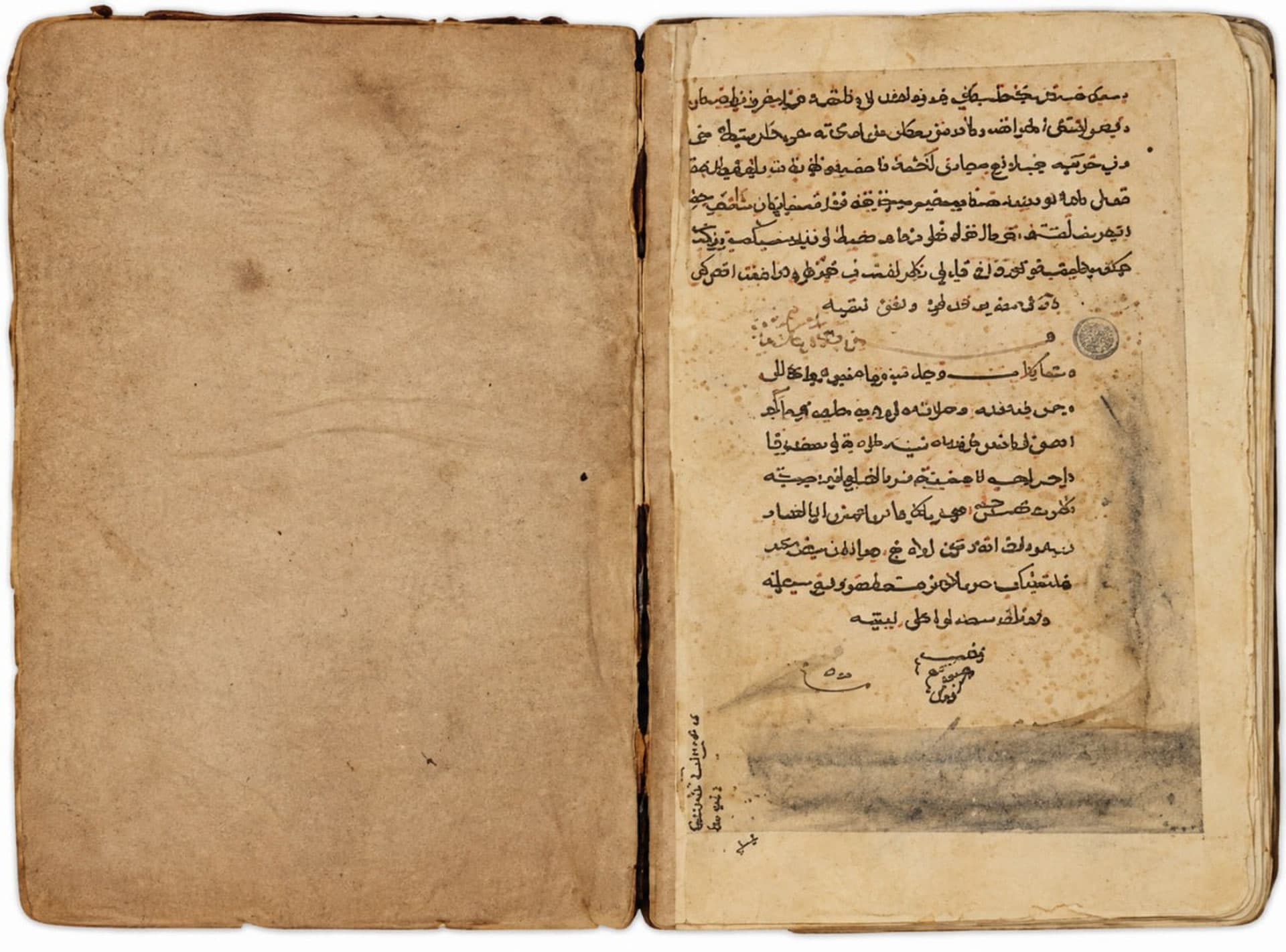
A 1311 manuscript on the history of the Ghaznavids is on display at the Islamic Civilization Center in Uzbekistan
“Tarjuma-i Yamini” is a Persian translation by Nasih ibn Zafar al-Jurbadqani, based on Abu Nasr Muhammad ibn Abd al-Jabbar al-Utbi’s Arabic work “Tarikh al-Yamini”. The work describes events during the reigns of Sabuktigin (977–997), one of the founders of the Ghaznavid dynasty, and his son Sultan Mahmud of Ghazni (998–1030). Covering historical developments up to 1021, it provides important information about Mahmud of Ghazni’s campaigns into the Indian subcontinent and his relations with the Samanids and Buyids.
As al-Utbi served as Sultan Mahmud’s secretary, he provided first-hand accounts of many of the events described in the work. The translation itself also developed into an independent historical work. Al-Jurbadqani translated the text into Persian in 1206–1207 while serving Abu Bakr, the Eldiguzid ruler of Azerbaijan. Rather than merely translating the original text, he expanded it by adding information on the history of the Seljuks and Atabegs, as well as poetry and his own commentary.
For this reason, “Tarjuma-i Yamini” is valued not simply as a translation, but also as an independent historical and literary work. The manuscript itself is likewise a rare historical source. The copy displayed in the Center’s exhibition was transcribed in 1311, approximately a century after the Persian translation was produced.
The manuscript was completed on 11 Rajab 711 AH — 30 November 1311 — in the region of Persia during the Ilkhanid period. It was written in Persian on paper in naskh script. The manuscript consists of 154 folios, with 19–21 lines of text on each page. Black and brown inks were used for the writing, while the binding is made of brown leather.
Another important feature of the manuscript is that it is a relatively early copy, transcribed only about a century after the work itself was produced. The opening section of the manuscript, particularly the part up to folio 27b, is also noteworthy for certain features that closely resemble the Khorasan style.