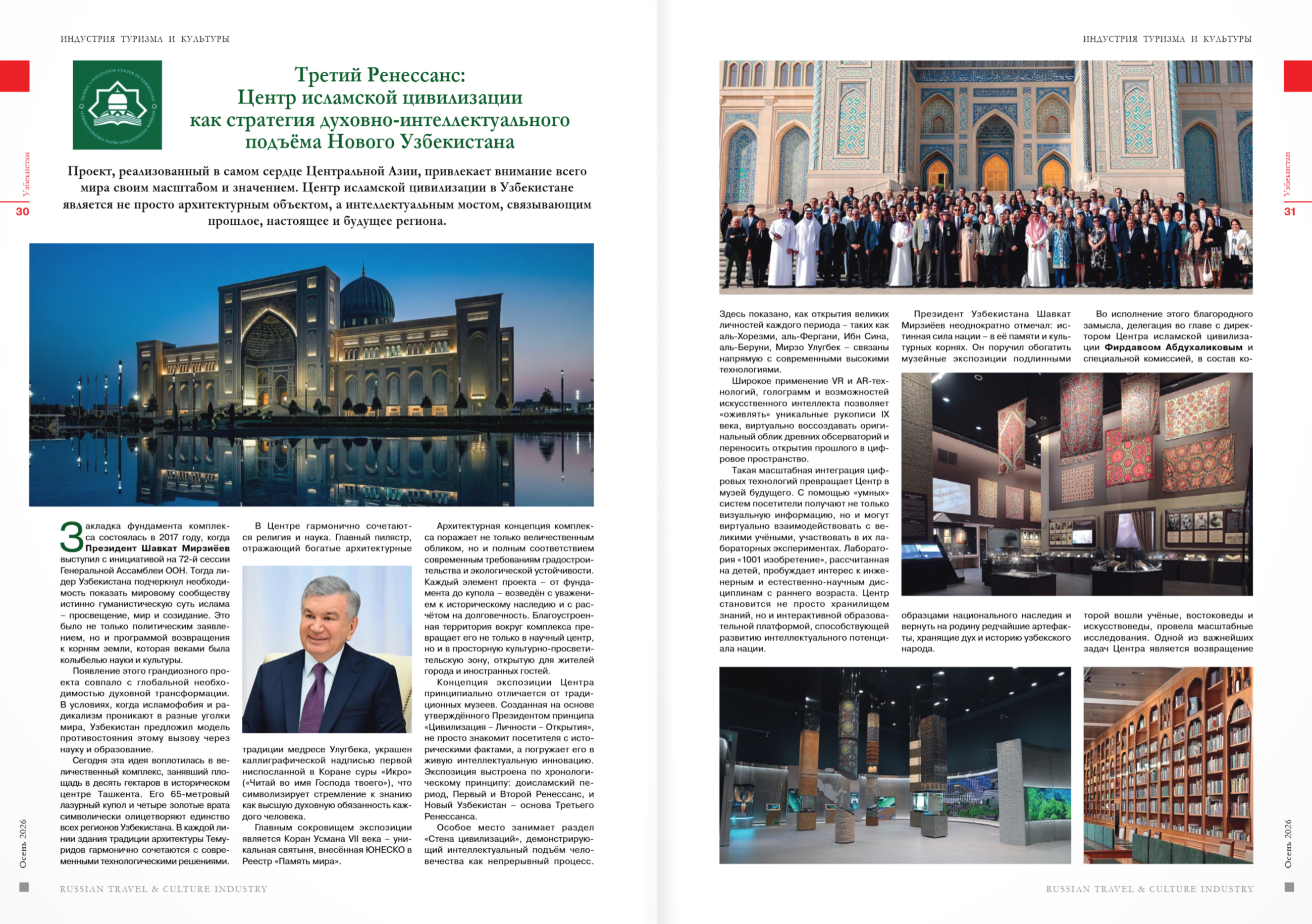
 An article dedicated to the activities of the Islamic Civilization Center in Uzbekistan has been published in Russia’s prestigious “Индустрия туризма и культуры” magazine. The article presents the Center, established on the initiative of President Shavkat Mirziyoyev, as an important symbol of the Third Renaissance and extensively highlights its modern museum concept, scholarly and educational potential, digital technologies, and international recognition.
Implemented in the very heart of Central Asia, this project is attracting global attention due to its scale and significance. The Islamic Civilization Center in Uzbekistan is not merely an architectural structure, but an intellectual bridge connecting the region’s past, present, and future.
The foundation of the complex was laid in 2017, following President Shavkat Mirziyoyev’s initiative at the 72nd Session of the United Nations General Assembly. At that time, the President of Uzbekistan emphasized the need to demonstrate to the international community the true humanistic essence of Islam — the ideals of enlightenment, peace, and constructive endeavor. This was not merely a political statement, but also a program aimed at returning to the roots of a land that had served for centuries as a cradle of science and culture.
The emergence of this monumental project coincided with a period of growing global demand for spiritual transformation. At a time when Islamophobia and radicalism are spreading across different parts of the world, Uzbekistan has proposed a model of responding to these challenges through science and education.
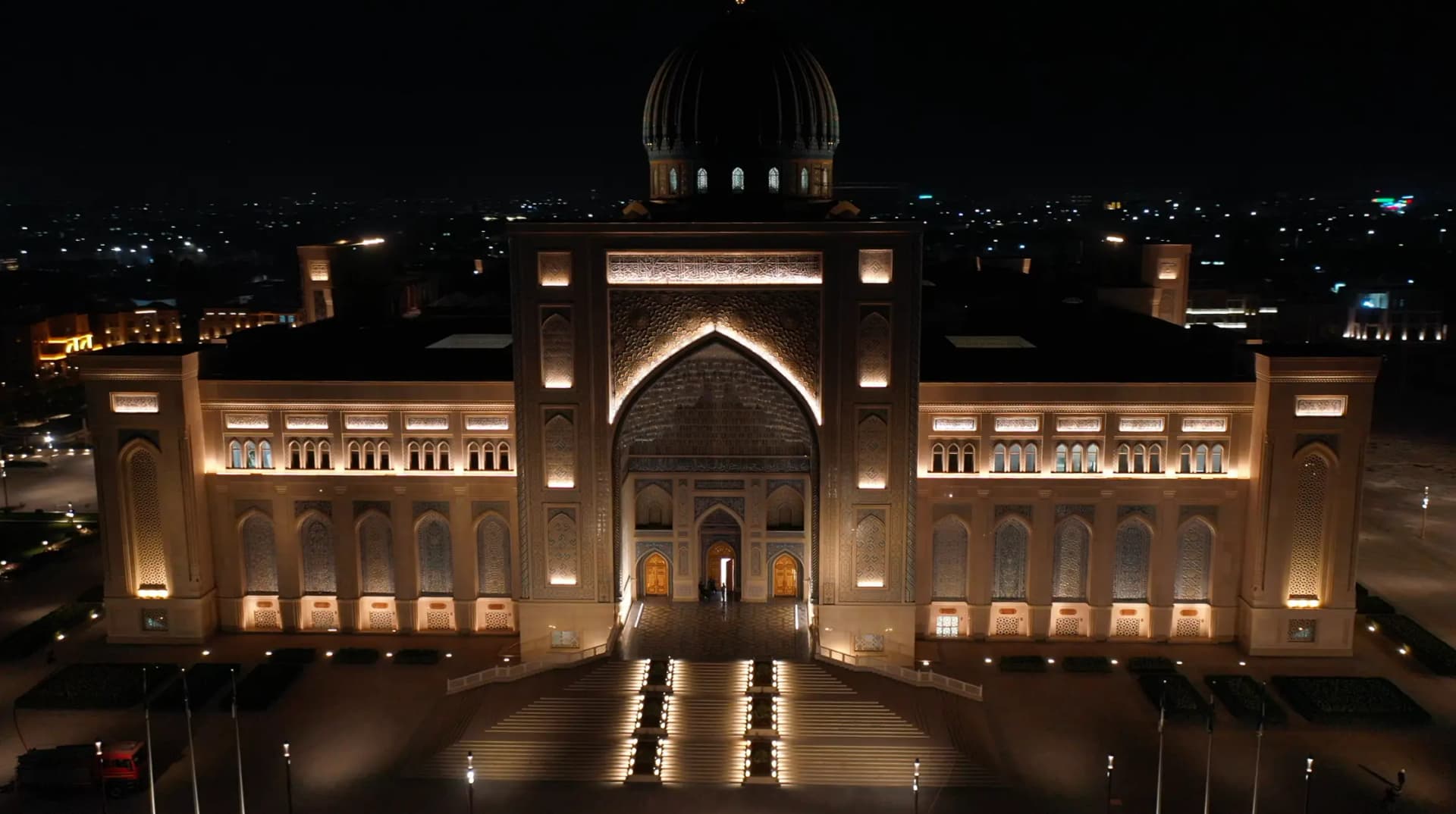
Today, this idea has taken tangible form in a magnificent complex covering 10 hectares in the historic center of Tashkent. Its 65-meter blue dome and four golden gates symbolically represent the unity of all regions of Uzbekistan. Every line of the building combines the architectural traditions of the Timurid era with modern technological solutions.
The Center embodies the harmony between religion and science. The main pilaster, reflecting the rich architectural traditions of Ulugbek’s madrasas, is adorned with calligraphic inscriptions from the first revealed passage of the Qur’an — «Iqra» («Read in the name of your Lord»). This symbolizes the pursuit of knowledge as one of humanity’s highest spiritual duties.
The principal treasure of the exhibition is the seventh-century Uthman Mushaf, a unique sacred manuscript inscribed on UNESCO’s «Memory of the World» Register.
The architectural concept of the complex is impressive not only for its monumental appearance, but also for its full compliance with modern urban planning and environmental sustainability requirements. Every element of the project, from its foundations to its dome, has been designed with respect for historical heritage and long-term use in mind. The landscaped area surrounding the complex transforms it not only into a scholarly center, but also into a broad cultural and educational space open to city residents and international visitors.
The concept of the Center’s exhibition differs fundamentally from that of traditional museums. Created on the basis of the «Civilization — Personalities — Discoveries» principle approved by the President, the exhibition does more than simply acquaint visitors with historical facts; it immerses them in a dynamic intellectual journey. The exhibition is structured chronologically: the pre-Islamic period, the First and Second Renaissances, and New Uzbekistan as the foundation of the Third Renaissance.
The «Wall of Civilizations» section occupies a special place. It presents humanity’s intellectual advancement as a continuous process.
Here, the discoveries of such great figures of their respective eras as al-Khwarizmi, Farghani, Ibn Sina, Biruni, and Mirzo Ulugbek are shown to be directly connected with modern high technologies.
The extensive use of VR and AR technologies, holograms, and artificial intelligence makes it possible to «bring to life» rare ninth-century manuscripts, virtually reconstruct ancient observatories in their original form, and transfer the discoveries of the past into the digital realm.
Such large-scale integration of digital technologies transforms the Center into a museum of the future. With the help of «smart» systems, visitors can not only access visual information, but also engage in virtual interaction with great scholars and even participate in their laboratory experiments. The «1001 Inventions» laboratory for children is designed to foster an interest in engineering and the natural sciences from an early age. The Center is becoming not merely a repository of knowledge, but an interactive educational platform serving the development of the nation’s intellectual potential.
As President of Uzbekistan Shavkat Mirziyoyev has repeatedly emphasized, the true strength of a nation lies in its memory and cultural roots. He set the task of enriching museum exhibitions with authentic examples of the national heritage and returning to the homeland unique artifacts that embody the spirit and history of the Uzbek people.
As part of efforts to realize this noble objective, a delegation led by Firdavs Abdukhalikov, Director of the Islamic Civilization Center in Uzbekistan, together with a special commission comprising scholars, Orientalists, and art historians, carried out extensive research. One of the Center’s key missions is to return to the homeland elements of the national cultural heritage that had been dispersed abroad. In recent years, systematic cooperation has been established with prominent auction houses and private collectors in this regard. As a result of these efforts, more than one thousand rare manuscripts and artifacts have been returned to Uzbekistan. The international WOSCU community has also contributed numerous unique objects related to the art of Transoxiana and Khorasan to the Center’s collection.
Scientific expeditions and diplomatic missions organized by the Government of Uzbekistan have contributed to the creation of facsimile copies of manuscripts preserved in major museums and libraries around the world. This process confirms that the rich cultural heritage of the Uzbek people is not only the legacy of the Central Asian region, but also an integral part of the Islamic world and human civilization. Each treasure returned to the country reflects New Uzbekistan’s determination to restore and preserve its cultural identity.
The Islamic Civilization Center has been established not only as a museum, but also as an active scholarly and educational platform. It provides researchers with comprehensive facilities, including a library holding more than 200,000 books, restoration laboratories, a school of calligraphy, and digital archives. Representative offices of such prestigious organizations as ICESCO, IRCICA, and OCIS (the Oxford Centre for Islamic Studies) also operate within the Center. This further underscores the Center’s role as a major scholarly and educational platform.
More than 1,500 specialists from over 40 countries took part in the development of the project. In particular, international experts such as UNESCO Director-General Khaled El-Enany described the Center as «a unique civilizational complex that brings together a new-generation museum, advanced research infrastructure, a modern library, national and international archives on the history of Central Asian civilizations, digital humanities technologies, and an extensive network of global scholarly and cultural cooperation».
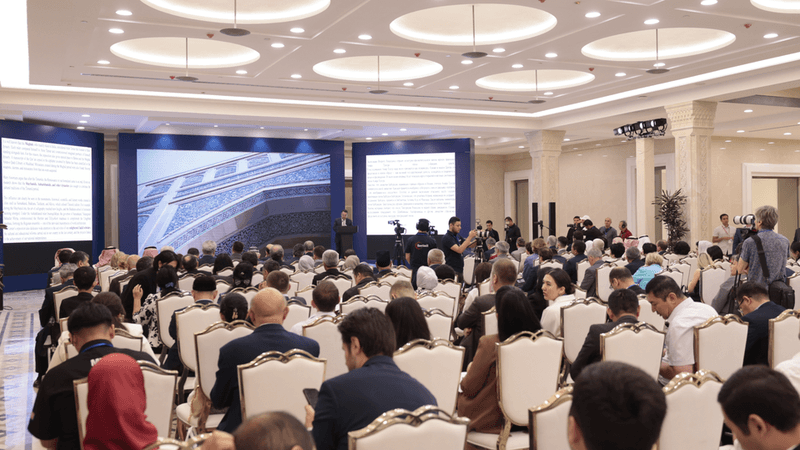
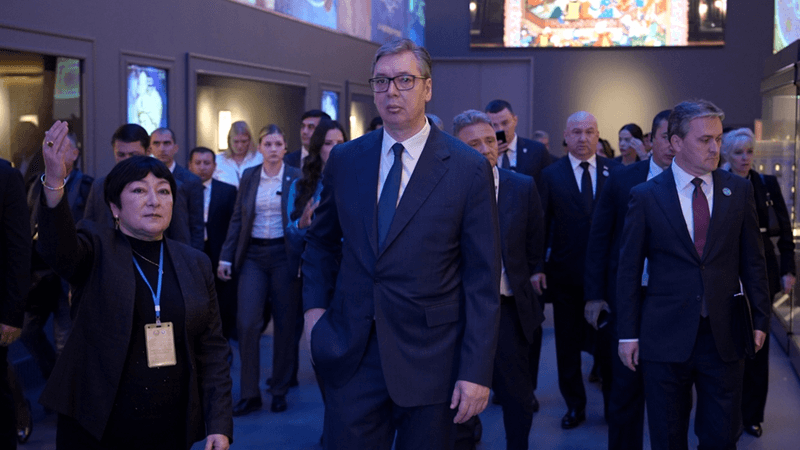
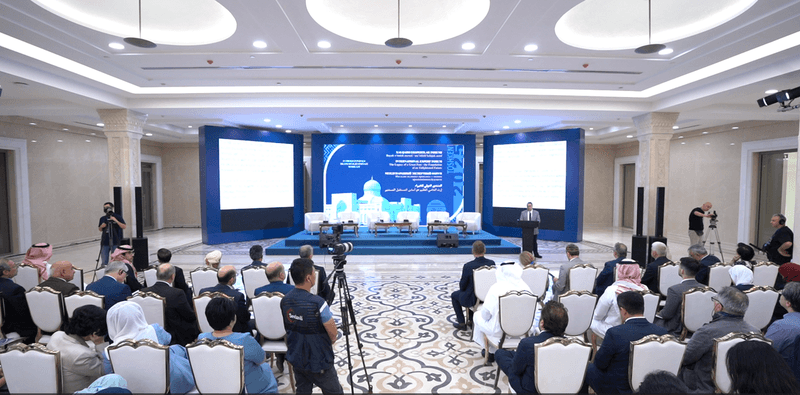
As part of the congress «Central Asia: a common spiritual and educational heritage — a common future», five presidents visited the Center. This became a symbol of shared regional pride. The event also brought together more than 300 scholars and cultural figures from the countries of Central Asia and Azerbaijan.
In February 2026, news from Paris further strengthened the project’s international standing: the international committee of the «Prix Versailles» included the Islamic Civilization Center in Tashkent on its list of the «World’s Most Beautiful Museums 2026».
The Center’s recognition in prestigious international publications and rankings, including «Smithsonian Magazine», «BBC Travel», «BBC History», and «National Geographic», further reinforces this acclaim. It is bringing the Center into the ranks of the world’s most significant museum initiatives.
Such recognition is significantly enhancing the Center’s scholarly and tourism potential, turning it into a must-visit destination of global importance. These achievements clearly demonstrate the creative potential of New Uzbekistan and its innovative approach aligned with international standards.
It is no coincidence that the opening of the Center coincided with the blessed month of Ramadan. It was precisely during this sacred month in 2018 that the foundation stone of the grand project was laid. Now, eight years later, on March 17 of this year, the Center officially began its activities in its magnificent building. It is becoming an important symbol of the restoration and preservation of Islamic cultural heritage for future generations.
As President of Uzbekistan Shavkat Mirziyoyev emphasized: «The Islamic Civilization Center should become not only a guardian of history, but also an intellectual space that connects the past, present, and future and defines the key directions of our development».
Abdurahmon Mahmudov, Consul General of the Republic of Uzbekistan in Saint Petersburg.