
The Uzbek lesson in tolerance
Tolerance often begins not with grand slogans but with simple human relationships: asking after a neighbor’s well-being, respecting a colleague’s opinion, recognizing the dignity of a person of another faith. The centuries-long history of Uzbekistan shows how harmony took shape in a space where different peoples, languages, cultures, and beliefs met one another.
For centuries, the cities between the Amu Darya and the Syr Darya stood at the crossroads of trade and cultural routes linking East and West. Along the Great Silk Road, travelers, craftsmen, and scholars came to this region together with merchants. Besides goods, they brought their languages, customs, knowledge, and beliefs.
In this sense, it is not enough to regard the Silk Road merely as a trade route. It also created a space for cultural exchange between cities and communities. Buying and selling in the bazaar, conversation in the caravanserai, collaboration in the workshop, and scholarly dialogue all required trust and mutual understanding among different people.
In this environment, understanding the language, customs, and views of a person from another land was not merely a matter of cultural curiosity but became part of everyday life.
Historical Traces of Religious and Cultural Diversity
Archaeological and historical monuments on the territory of Uzbekistan show that the religious and cultural life of the region was not uniform.
The monuments of Fayaztepa and Karatepa near Termez are studied as important examples of the Buddhist heritage. Historical traces connected with Zoroastrianism, Judaism, and Christianity likewise show that the region was one of the areas where different religious traditions intersected.
Studying this history is important not in order to idealize the past, but to understand how diverse and multilayered Uzbekistan’s cultural heritage is.
At the same time, the history of the region did not consist solely of peaceful and tranquil periods. There were wars, political conflicts, and complex social processes. Yet the experience of dialogue and cooperation among different communities continued in its own forms in different eras.
The important lesson to be drawn from this history is that mutual respect and compromise are among the factors necessary for the stability of society.
Enlightenment as the Foundation of Tolerance
The spread of Islam in Transoxiana opened a new stage in the spiritual life of the region. Values such as the pursuit of knowledge, justice, honest labor, doing good to others, and helping those in need blended with local traditions.
Islamic sources, too, give particular attention to just and good treatment of people. Verse 8 of Surah al-Mumtahanah in the Holy Quran approves of showing kindness and being just toward those who have not fought against Muslims and have not expelled them from their homes. Verse 46 of Surah al-Ankabut emphasizes a courteous manner of dialogue with the People of the Book.
In the Hanafi tradition formed in Central Asia as well, approaching religious and legal questions on the basis of knowledge, evidence, and reasoning held an important place.
The legacy of scholars such as Imam al-Maturidi and Burhan al-Din al-Marghinani had a great influence on the development of theological and legal thought. Their scholarly heritage shows the importance of understanding religious questions not through superficial views, but on the basis of knowledge and evidence.
Another important pillar of tolerance is enlightenment.
Knowledge enables a person to understand differences, to avoid hasty conclusions, and to approach other cultures with awareness.
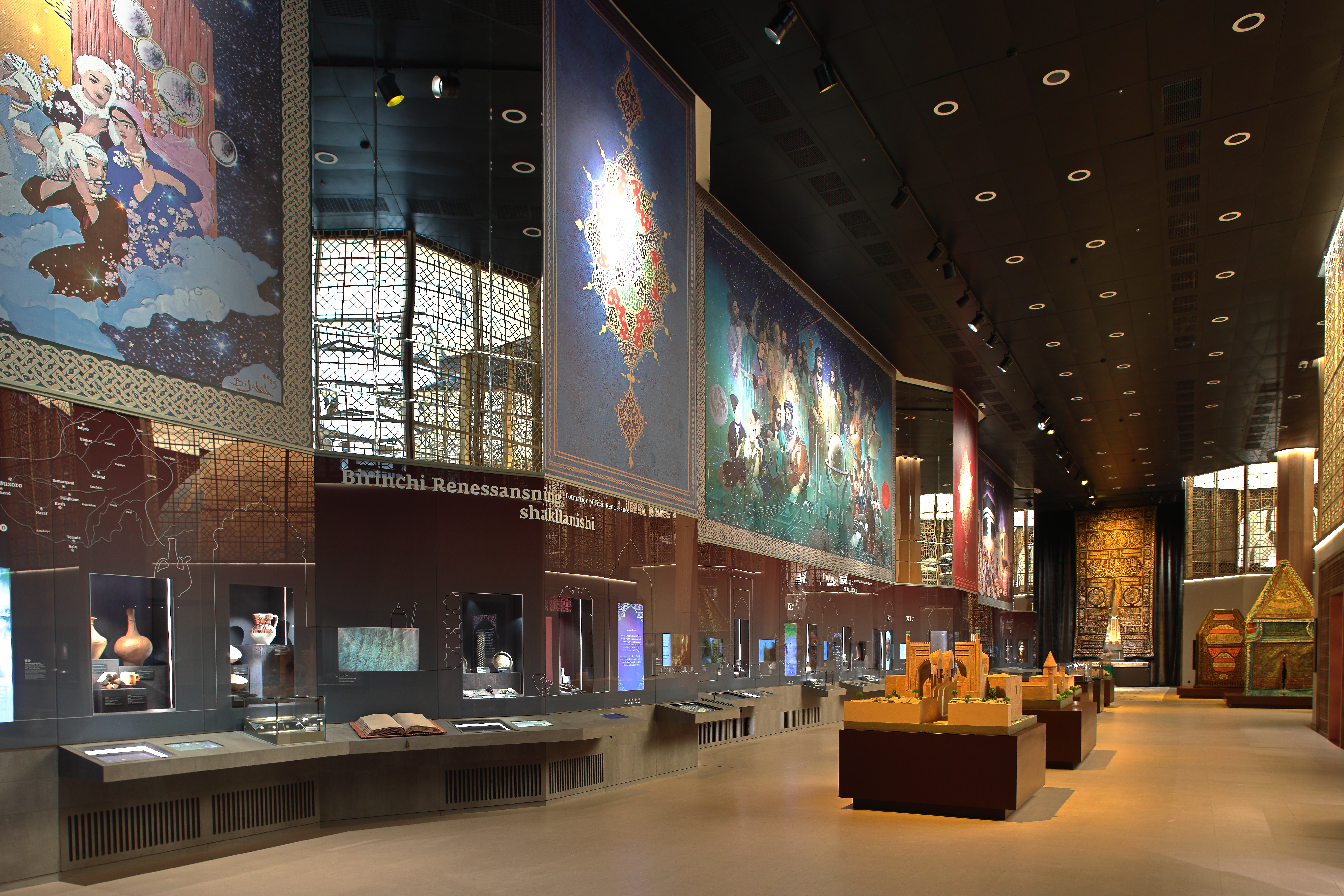
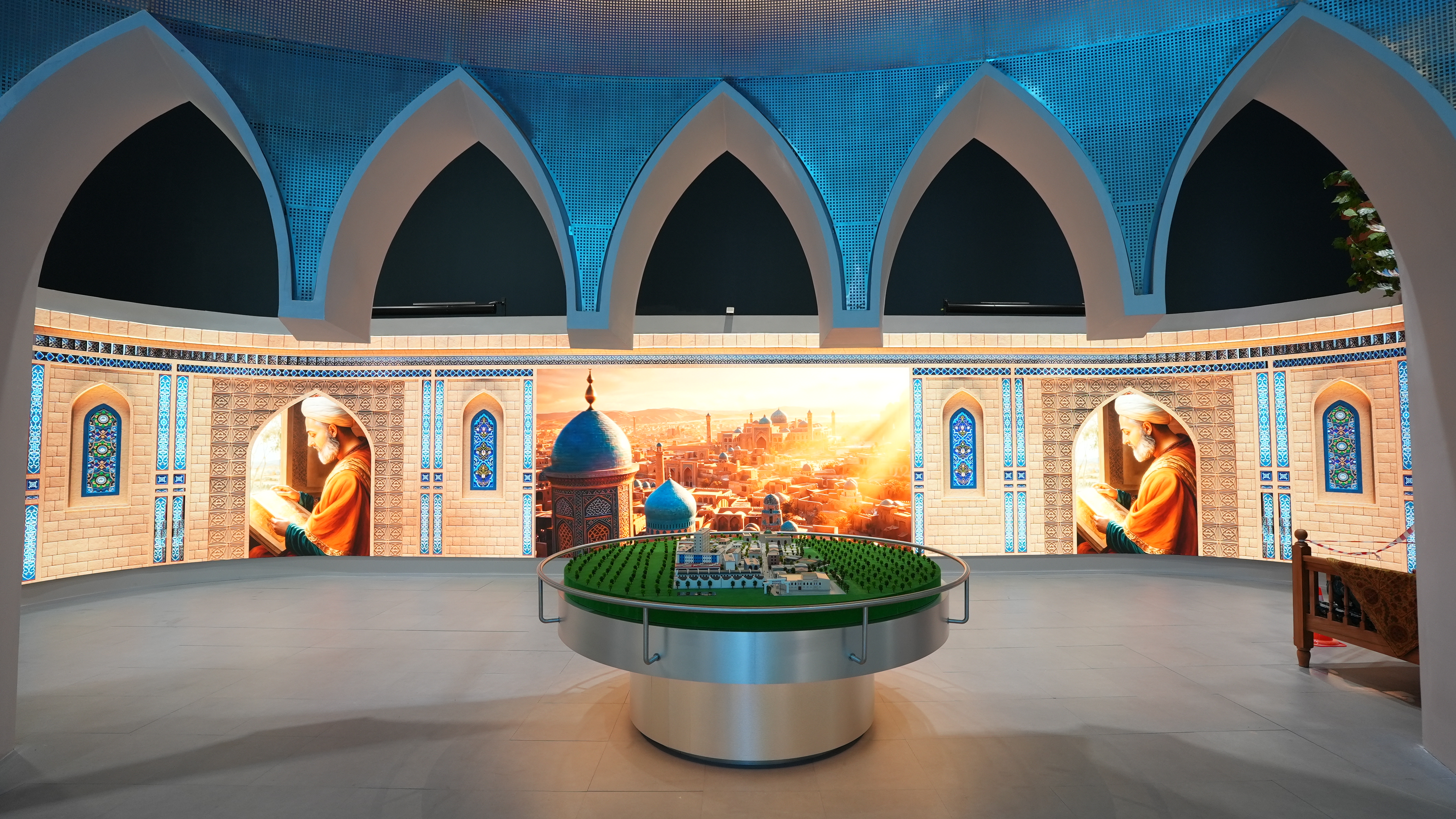
The scholarly legacy of figures such as al-Khwarizmi, al-Farabi, Biruni, and Ibn Sina is a vivid example of this. Their works were not confined to the framework of a particular region or people, but became a shared treasure of human thought.
Tolerance Does Not Mean Abandoning One’s Own Faith
Religious tolerance cannot be understood as forcing everyone to think the same way.
A person can remain faithful to their own beliefs while respecting another person’s conscience, religious views, or attitude toward religion. The purpose of dialogue is not to make everyone accept the same opinion, but to find common ground for living in peace and mutual respect while differences exist.
For this, it is important not to demean the interlocutor, not to ridicule their beliefs, and not to impose one’s personal views by force.
In this sense, tolerance is not only a religious matter but also a matter of everyday culture.

Solidarity Begins in the Mahalla
Families living in the same mahalla may differ in their customs or beliefs. Yet a peaceful street, a well-kept neighborhood, the upbringing of children, and a safe life are shared values for all of them.
Helping a neighbor in a hard time, sharing in their joy, checking on the elderly, and assisting a family in need are the simplest yet most powerful expressions of solidarity.
In such relationships, a person’s humanity is valued before their nationality or religious affiliation.
The traditions of hashar, mutual assistance, and neighborliness in the mahalla strengthen this trust. Trust that begins with small human gestures of care can, over time, grow into a society’s great spiritual capital.
Uzbekistan’s historical memory also preserves the experience of people of different faiths living side by side. The cultural heritage of the Bukharan Jews, the history of Christian communities, and the spiritual traditions of the Muslim population reveal different facets of the country’s history.
Studying these legacies together shows that the history of the Motherland does not consist of the history of only one community or one era.
Legal Guarantees
Alongside the spiritual foundations of tolerance, its legal guarantees are also important.
Article 35 of the Constitution of the Republic of Uzbekistan guarantees freedom of conscience. Accordingly, everyone has the right to profess any religion or to profess none. The forcible imposition of religious views is not permitted.
This principle protects a person’s individual choice in matters of belief, and it means that the concept of tolerance embraces not only people who hold religious beliefs but also those who profess no religion.
The constitutional principle of Uzbekistan as a secular state is also important from this standpoint. The shared life of citizens with differing views is organized on the basis of law, mutual respect, and responsibility.