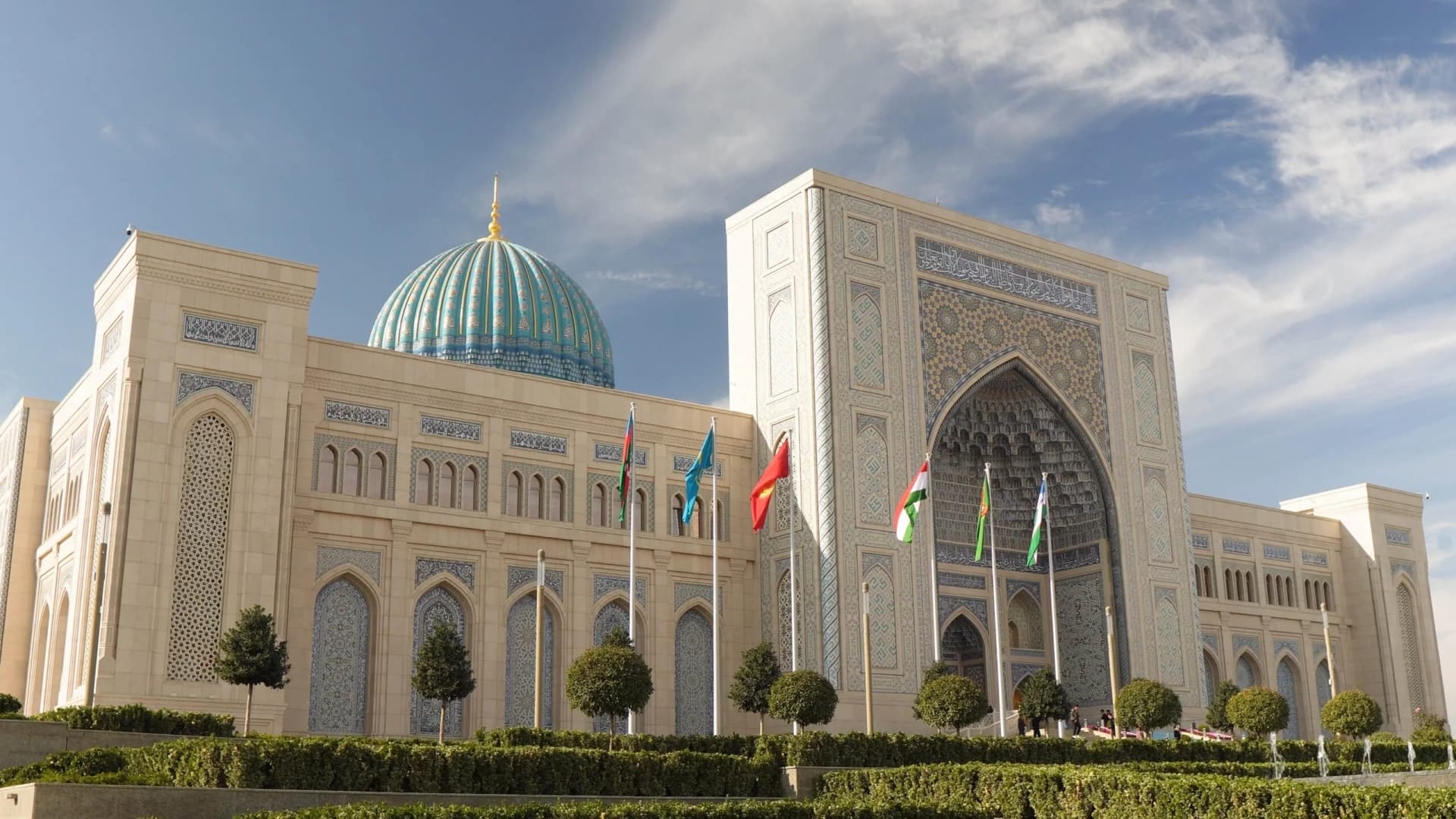

The heritage of Mawarannahr on the UNESCO stage: The great scientific and spiritual legacy of Islamic civilization presented to the international community
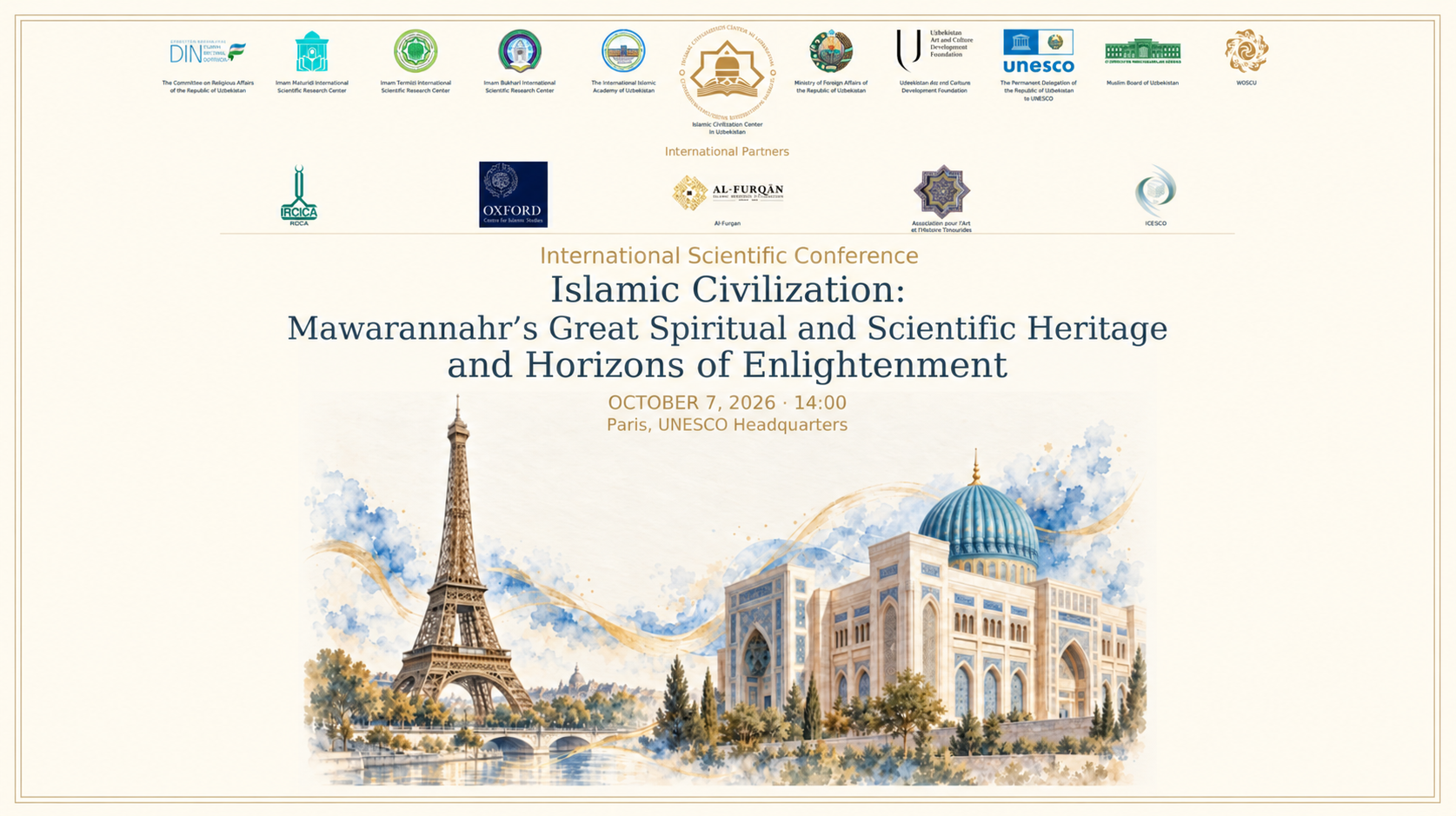 An international conference organized in Paris at the initiative of the President is highlighting Uzbekistan’s unparalleled role in the history of Islamic civilization, the legacy of its great ancestors, and the new opportunities offered by the Islamic Civilization Center in Uzbekistan as an international scientific and educational platform.
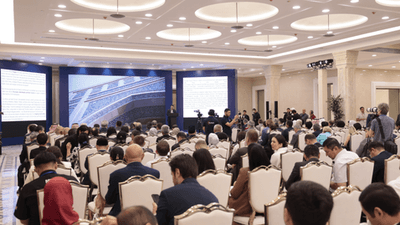
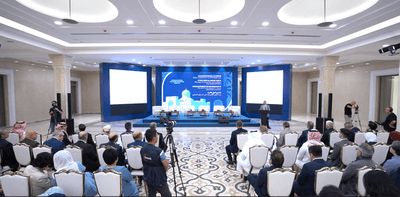
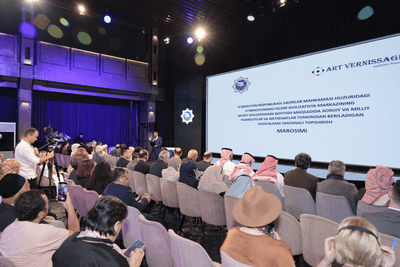
Today, October 7, an international conference titled “Islamic Civilization: Mawarannahr’s Great Spiritual and Scientific Heritage and Horizons of Enlightenment” is being held at UNESCO Headquarters in Paris.
Organized at the initiative of President Shavkat Mirziyoyev, this prestigious conference aims to promote Uzbekistan’s rich historical, scientific, and spiritual heritage on the international stage, further highlight the contributions of the great scholars and thinkers of Mawarannahr to the development of world civilization, and strengthen international cooperation in the fields of science, culture, and education.
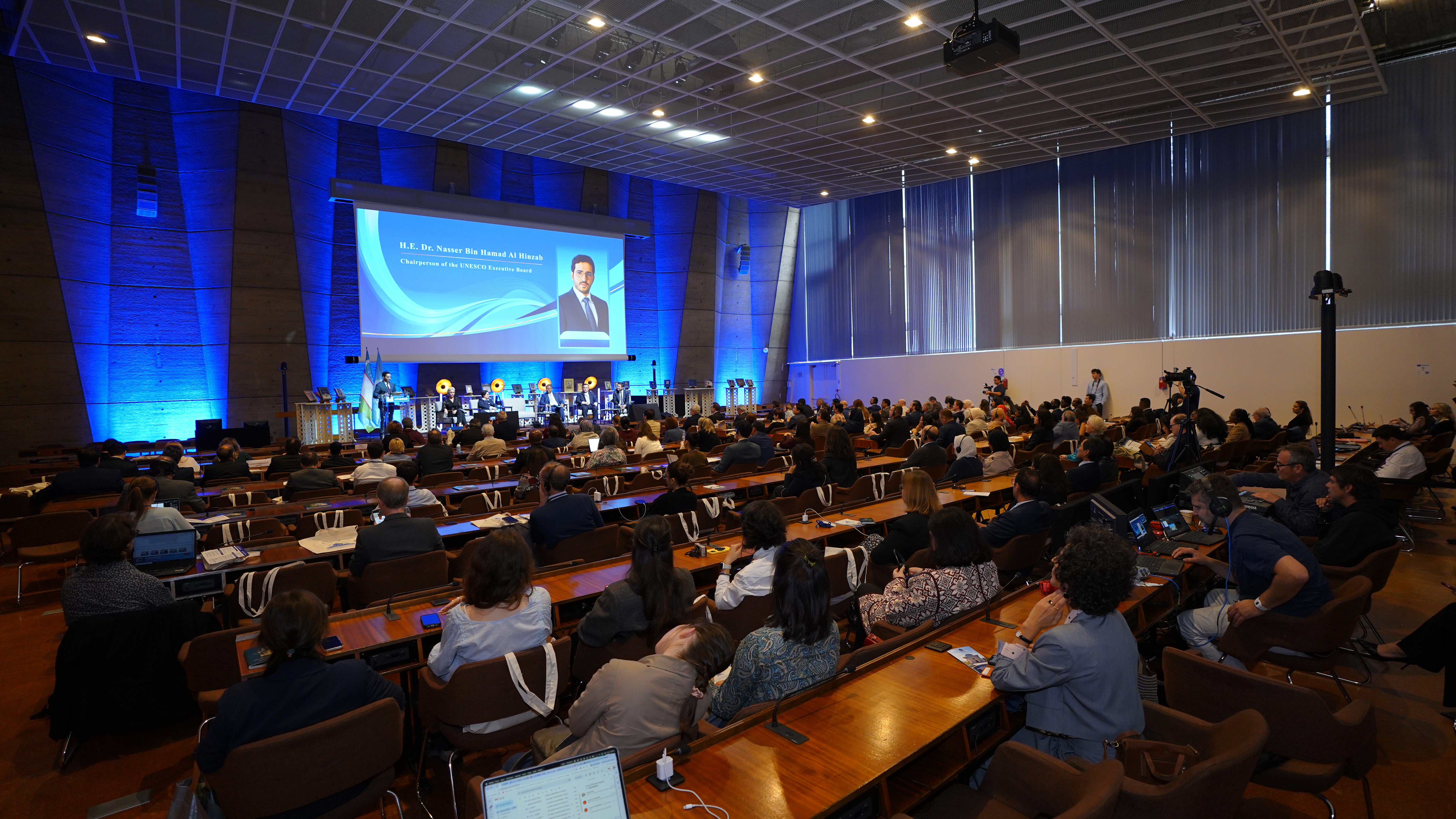 The event began with the screening of a special video highlighting Uzbekistan’s historical heritage, the large-scale educational reforms being implemented in the country, and the initiatives put forward by President Shavkat Mirziyoyev on the international stage. The video also featured the principle of “Enlightenment against Ignorance,” advanced by the Head of State in his address to the 72nd session of the United Nations General Assembly.
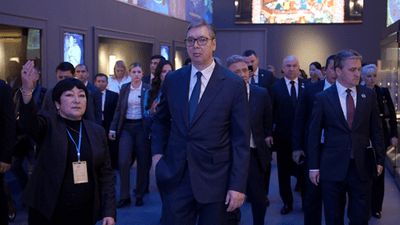
The opening ceremony of the international conference was attended by Khondker M. Talha, President of the 43rd session of the UNESCO General Conference; Dr. Nasser Bin Hamad Al Hinzab, Chairperson of the UNESCO Executive Board; Kamol Mukhtarov, Permanent Delegate of the Republic of Uzbekistan to UNESCO; and Professor Denise Pires de Carvalho, UNESCO Assistant Director-General for Sciences.
The keynote address was delivered by Firdavs Abdukhalikov, Director of the Islamic Civilization Center in Uzbekistan and Chairman of the World Society for the Study, Preservation and Popularization of the Cultural Legacy of Uzbekistan.
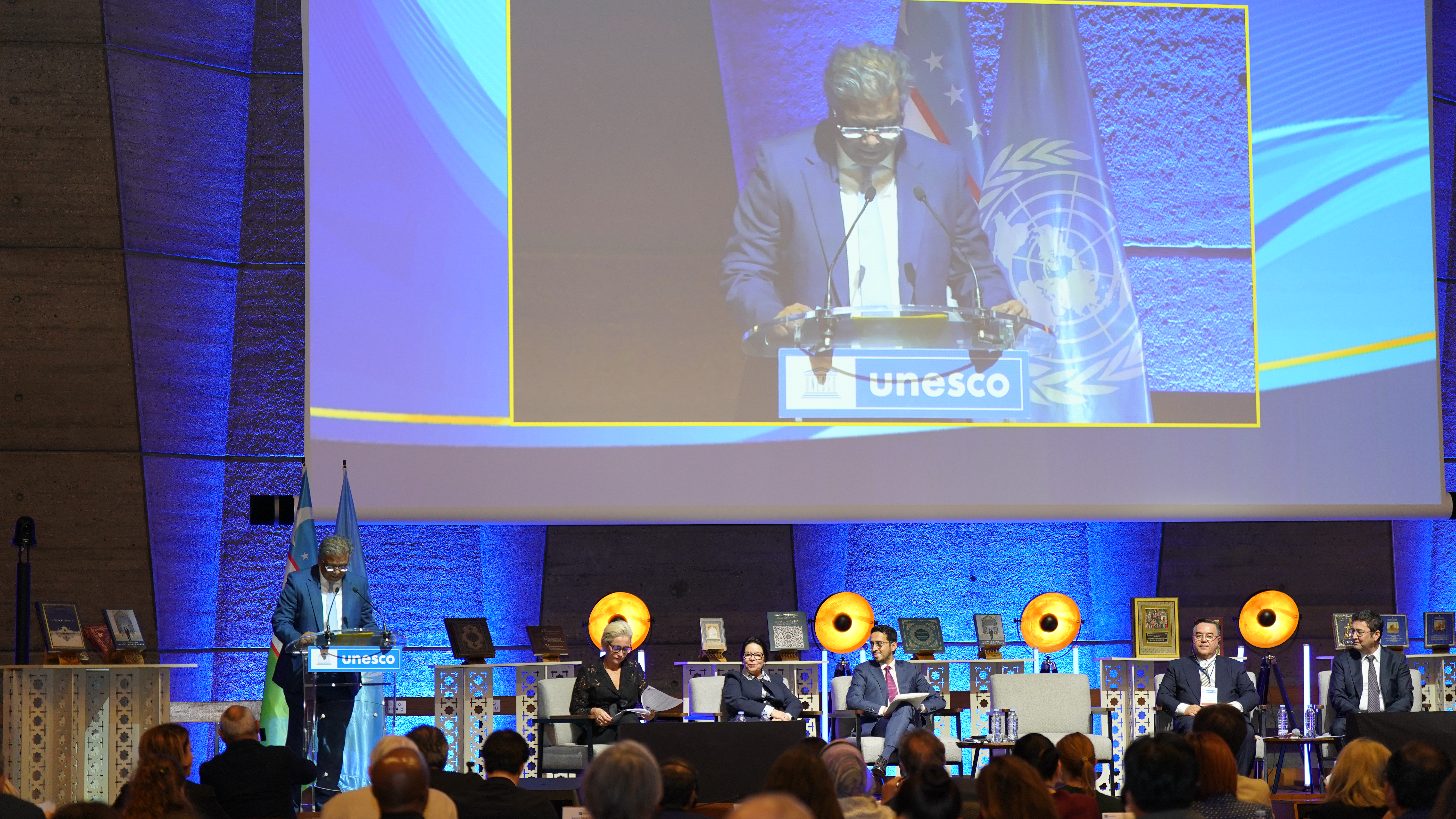 The first panel of the conference was dedicated to “New Uzbekistan: Spiritual and Intellectual Heritage and Modern Development.” Discussions focused on Uzbekistan’s aspirations towards a new Renaissance, the universal values of Islamic civilization, and the significance of the scientific legacy of great scholars in promoting the principles of enlightenment and tolerance.
The panel featured presentations by Professor Mahmud Erol Kılıç, Director General of the Research Centre for Islamic History, Art and Culture (IRCICA) of the Organisation of Islamic Cooperation; Dr. Farhan Ahmad Nizami, Director of the Oxford Centre for Islamic Studies; Professor Davronbek Maksudov, First Deputy Chairman of the Committee on Religious Affairs of the Republic of Uzbekistan; Robert F. Blum, President of the Diplomatic Circle of Geneva; and other international experts.
The second panel of the conference focused on the role of the Islamic Civilization Center in Uzbekistan as an international platform for science, culture, and dialogue.
Discussions highlighted the Center’s activities as a new-generation museum, an international scientific and educational hub, and a platform dedicated to advancing scholarship and fostering intercultural dialogue on a global scale.
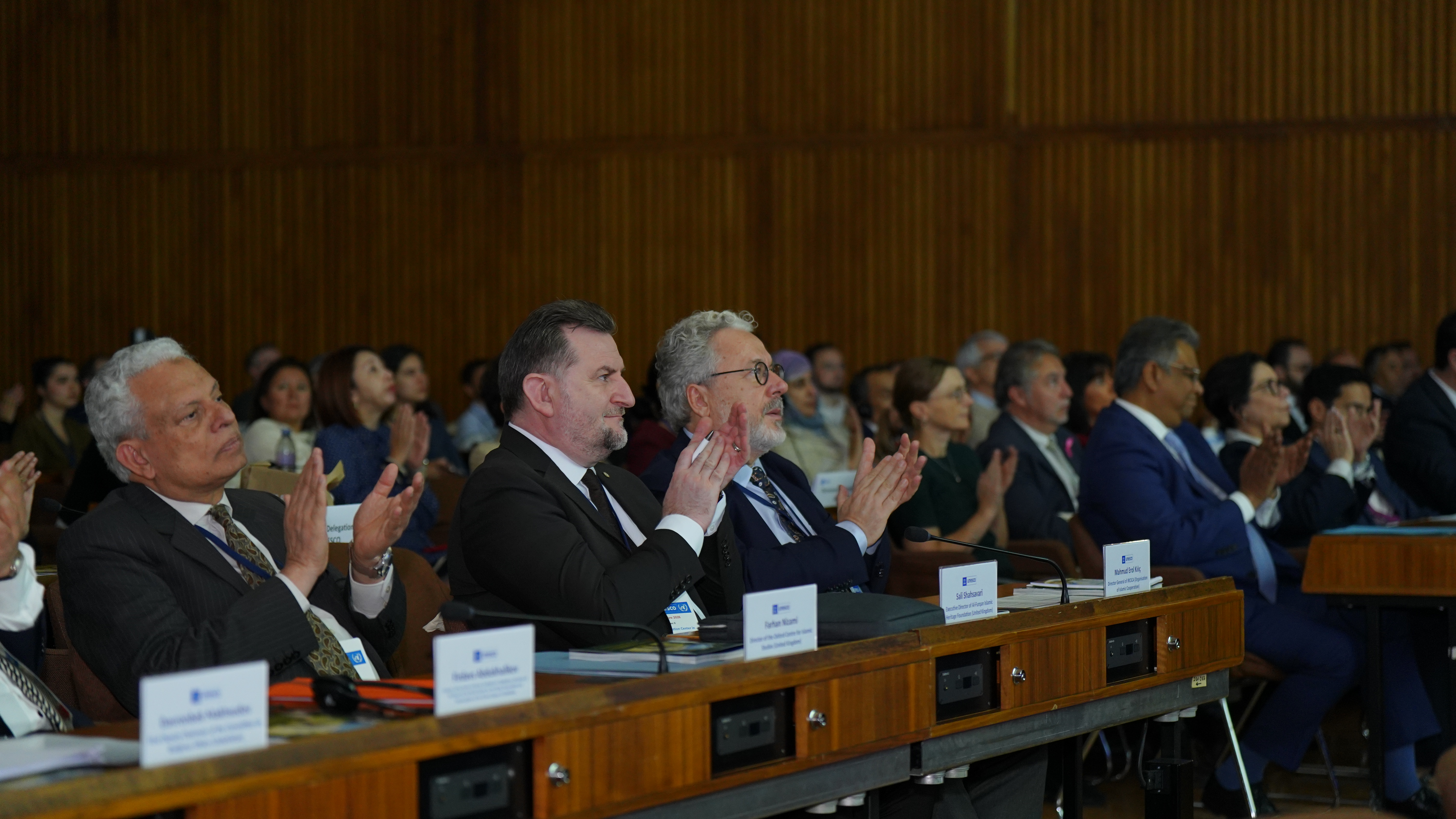 Representatives of Italy, Uzbekistan, and the Permanent Observer Delegation of the Organisation of Islamic Cooperation to UNESCO also discussed the relationship between Islamic scholarship and the Renaissance, interreligious and intercultural dialogue, opportunities for international cooperation involving the Islamic Civilization Center in Uzbekistan, and prospects for implementing joint scientific projects with the Academy of Sciences of Uzbekistan.
The third panel of the conference was dedicated to “The Great Scholars and Thinkers of Mawarannahr: A Legacy That Shaped the Development of World Civilization.”
Particular attention was paid to the contributions of Mawarannahr’s scholars to the development of world civilization, Imam Bukhari’s legacy of authentic knowledge, ethics, and scholarly responsibility, Imam Maturidi’s philosophy of tolerance and moderation, Imam Tirmidhi’s role in the development of Hadith studies, and the study of Alisher Navoi’s literary and intellectual heritage in Europe.
Presentations on these topics were delivered by Sali Shahsavari, Executive Director of the Al-Furqan Islamic Heritage Foundation (United Kingdom); Otabek Muhammadiyev, Deputy Director of the Imam Bukhari International Scientific Research Center; Komiljon Shermuhamedov, Director of the Imam Maturidi International Scientific Research Center; Dr. Muzaffar Joniev, Director of the Imam Tirmidhi International Scientific Research Center; and Rustam Jabborov, Scientific Secretary of the Islamic Civilization Center in Uzbekistan.
Thus, the international conference at UNESCO Headquarters is showcasing Mawarannahr’s rich scientific and spiritual heritage not merely as a historical treasure, but as an invaluable legacy of universal significance that continues to promote peace, tolerance, enlightenment, and dialogue among civilizations in today’s world.
As the conference draws to a close, discussions are focusing on identifying new avenues for international cooperation in science, culture, and education, implementing joint scientific and cultural projects, and exploring opportunities to further expand the Islamic Civilization Center in Uzbekistan’s international scholarly and educational partnerships.