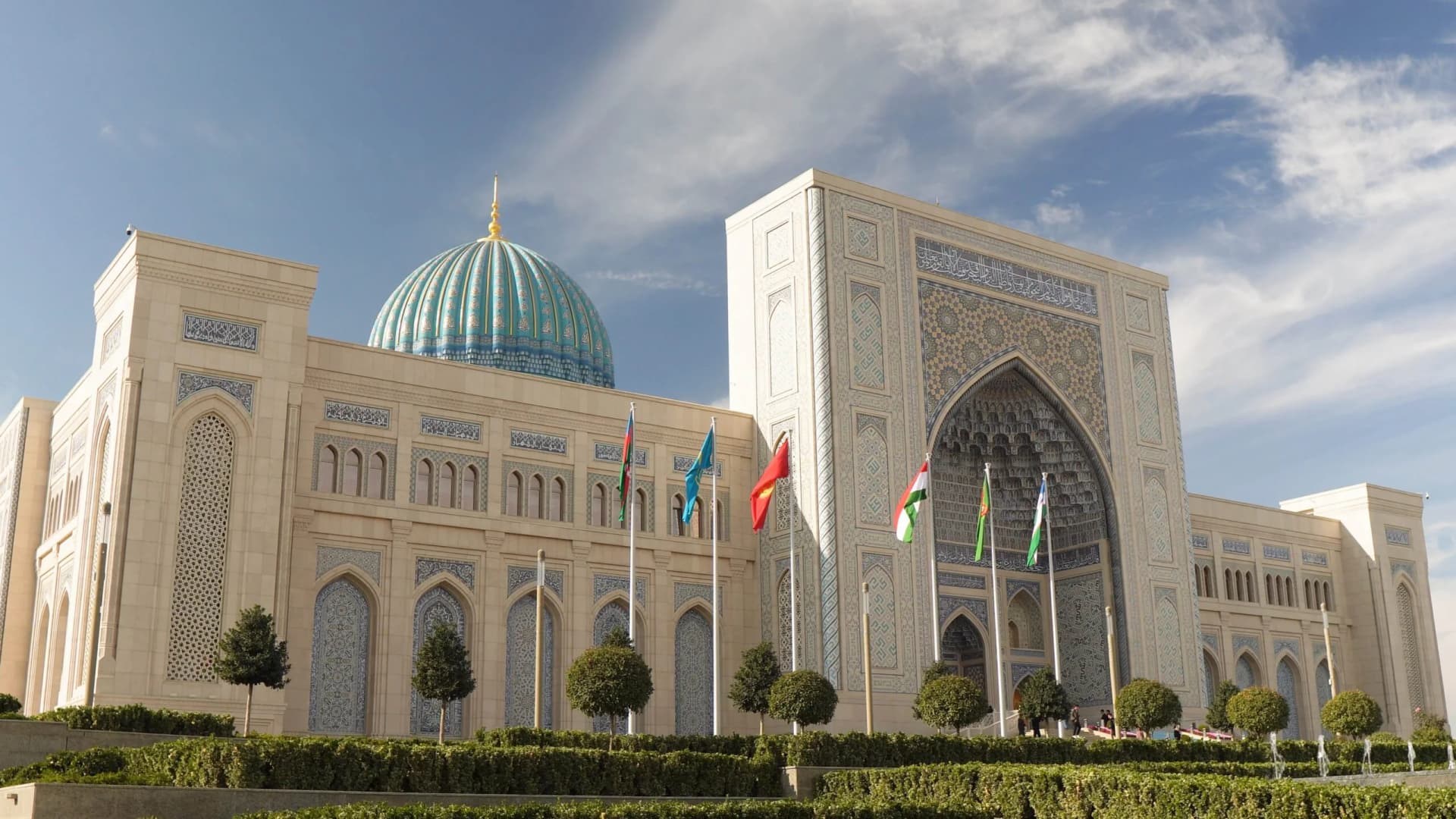
Knowledge is the shared heritage of all humanity
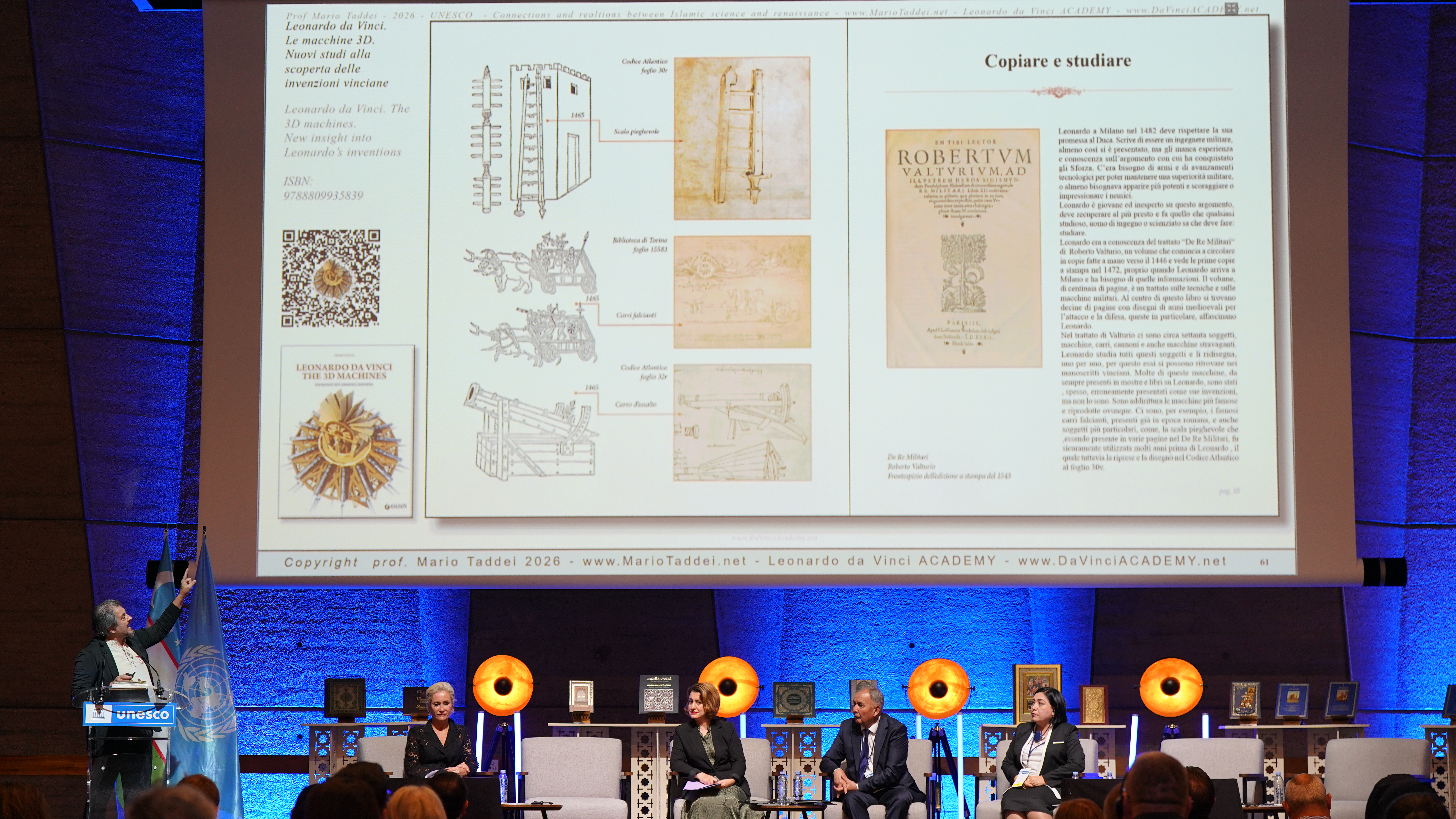
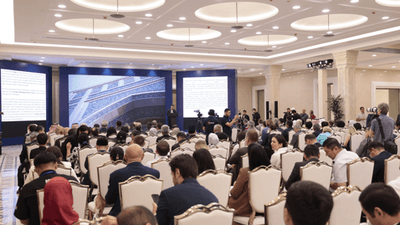
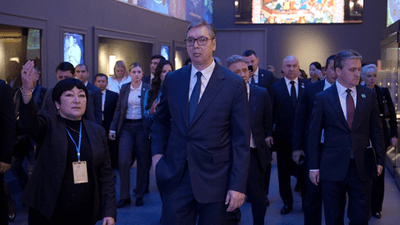
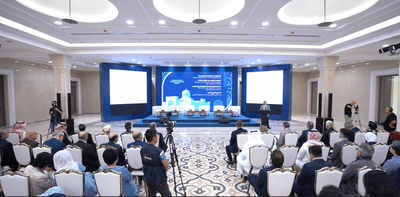
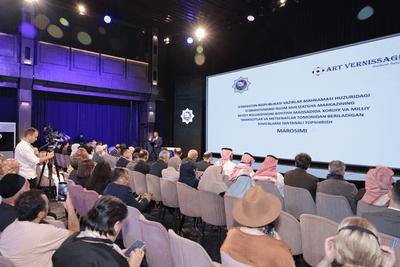
An international scholarly conference entitled “Islamic Civilization: Mawarannahr’s Great Spiritual and Scientific Heritage and Horizons of Enlightenment” began its work today at UNESCO Headquarters in Paris, France. Initiated by President Shavkat Mirziyoyev, the conference was organized by the Islamic Center Civilization in Uzbekistan in cooperation with several other institutions, including the Imam Maturidi and Imam Bukhari research centers and the Committee on Religious Affairs.
The international conference is discussing Uzbekistan’s great scholarly and spiritual heritage, the contribution of scholars from Mawarannahr to the development of world civilization, and the Center’s institutional role in fostering international academic exchange.
Participants include Mahmud Erol Kılıç, General Director of the Research Center for Islamic History, Art, and Culture (IRCICA); Farhan Nizami, Director of the Oxford Centre for Islamic Studies; Sali Shahsivari, Managing Director of the Al-Furqan Islamic Heritage Foundation in London; Frederic Bressand, President of the Association for the Study of History and Art of the Timurid in France; Professor Mario Taddei; and Kamol Mukhtarov, Permanent Representative of Uzbekistan to UNESCO.
Three plenary sessions are included in the conference’s program for today. In it, Professor Mario Taddei delivered a lecture devoted to the connections between Islamic science and Renaissance engineering, the reconstruction of ancient machines, and the use of artificial intelligence in restoring fragile scholarly heritage.
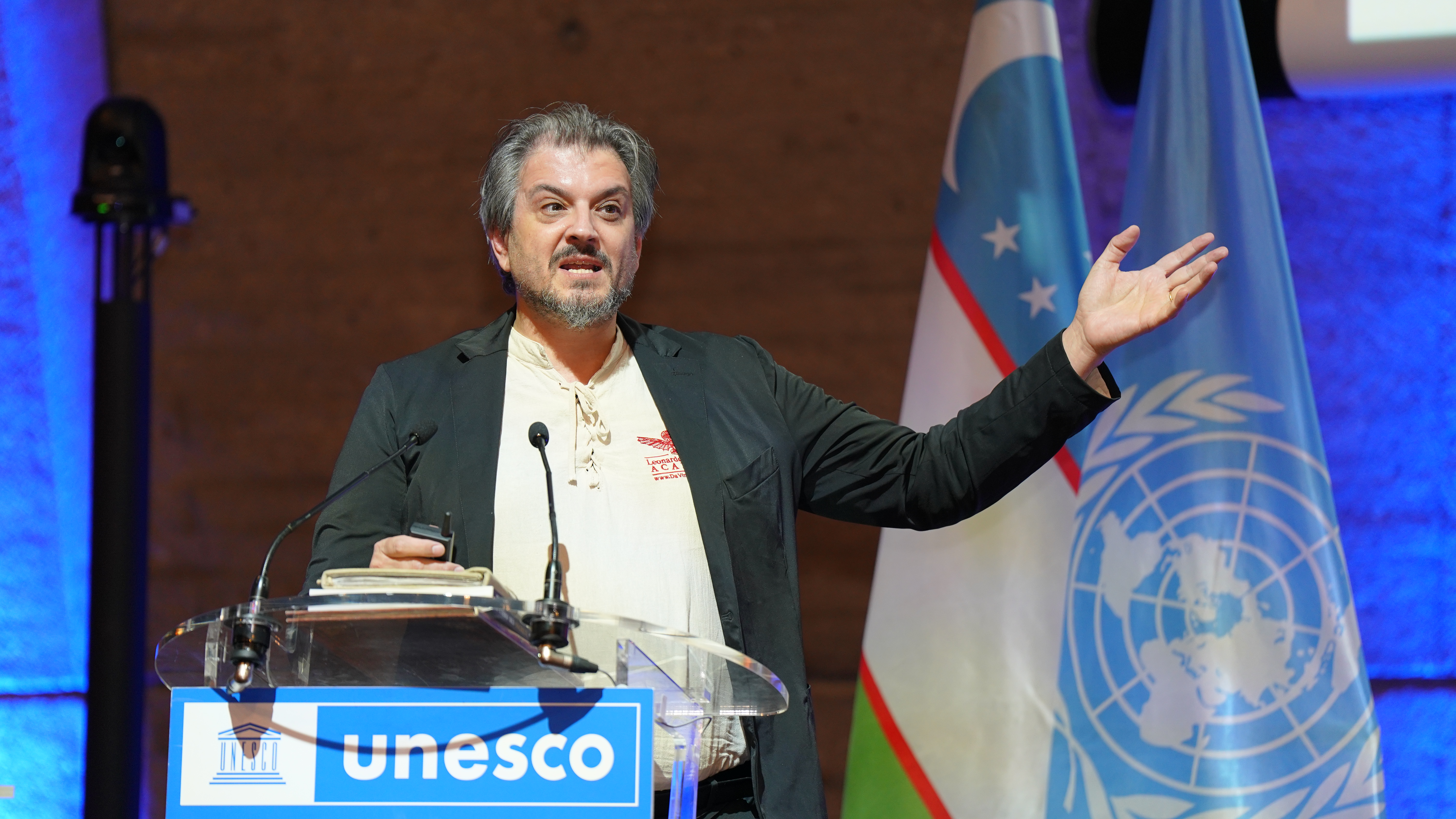
In the presentation, Abu Rayhan Biruni’s astronomical and mechanical research was compared with Leonardo da Vinci’s designs, and how knowledge was transmitted between different civilizations and centuries was analyzed.
“The main question is to understand how scientific knowledge was transmitted between divergent cultures and centuries,” the professor noted while presenting his research.
In addition, Professor Mario Taddei presented another unprecedented research project to the world for the first time as part of the international conference:
“As the world premiere of my ongoing investigations, I am presenting a groundbreaking study of Muradi’s Book of Secrets, one of the most important medieval Islamic manuscripts devoted to machines, clocks, automata, and mechanical devices.
The manuscript that has reached us is seriously damaged. On many pages, vital textual passages are lost, the drawings are incomplete, and some entire elements of the mechanisms have not survived.
Until recently, such losses have been a serious obstacle for researchers.
Today, artificial intelligence is opening up new possibilities. However, it can be effective only when it is used together with historical knowledge, engineering analysis, and human interpretation.
In the methodology I am developing, artificial intelligence is not used to invent missing information. Instead, a process of continuous verification and feedback is established between artificial intelligence and human research.
The surviving Arabic text is analyzed simultaneously with the geometry of the drawings, the terminology in the manuscript, similar mechanisms, the technical connections between components, and the engineering logic of the machine.
In this way, various hypotheses can be tested, rejected, corrected, and refined.
The goal is not to create a fantastical reconstruction, but to identify the most coherent and mechanically plausible interpretation based on the surviving evidence.
This approach is particularly important in the study of al-Muradi’s legacy, as the text and the machines are closely interconnected. To understand a damaged text, it is often necessary first to understand how the mechanism itself works. At the same time, reconstructing the mechanism may require restoring the meaning of the lost or damaged parts of the text.
For this reason, the research becomes a genuine process of collaboration between philology, engineering, digital reconstruction, and artificial intelligence.
After many years of studying these machines, I am now working on a new and complete reconstruction of the surviving mechanisms. The goal is to prepare the most accurate interpretation of these unique devices created so far.”
As Professor Taddei emphasized, scientific advancement does not develop within a single culture alone, but emerges from the cross-cultural exchange of knowledge and sustained dialogue across civilizations.
“There are no absolute boundaries in science, art, and technology.
Knowledge does not belong to a single nation, culture, or historical period.
Every great discovery is connected to the discoveries, experiments, and ideas that came before it.
Leonardo da Vinci himself is one of the brightest examples of this process.
He studied, observed, copied, modified, tested, and improved the knowledge that already existed before him.
This is precisely one of the great secrets of Leonardo’s genius.
To become genuine innovators, our first imperative is to learn how to learn.
We should learn to look at the past with curiosity, understand how people who lived before us worked, and transform inherited knowledge into innovation.
That is why ancient manuscripts retain such profound relevance today.
They are not merely historical documents. They are tools that can inspire curiosity.
They show us that genius is not an isolated miracle. It can also be the result of a particular method: systematic observation, rigorous study, comparison, experiment, visionary imagination, and a drive to understand.
This is the foundational insight I would especially like to convey to the younger generations.
Our children should not merely memorize the names of the great scholars, engineers, and artists of the past.
They should understand how these people thought, how they acquired, what mistakes they made, how they absorbed knowledge from others, and how they turned it into new ideas.
If we can reawaken that curiosity in them, perhaps the great innovators of the future are already walking among our children today.
The next Leonardo da Vinci may not emerge from just one country, one culture, or one tradition.
The next great scholar, inventor, engineer, or artist of the future may emerge through the ability to unite different fields of knowledge.
That is why studying history, science, technology, and art remains of incomparable importance.
It helps young people understand that cultures do not live separately from one another, but are constantly connected through knowledge.
For this reason, rediscovering and studying ancient Islamic science is of special significance today.
This shows that some of the foundations of modern science and technology were shaped through exchange, transmission of knowledge, and collaboration between diverse civilizations.
The ultimate objective of my work is to bring these connections to life through manuscripts, machines, reconstructions, and new digital technologies.
My highest aspiration is that these ancient discoveries can inspire younger generations to be curious enough to study the past, creative enough to renew it, and responsible enough to use knowledge to create something new.”
As a reminder, from October 7 to 9, an international scientific conference titled “Islamic Civilization: Mawarannahr’s Great Spiritual and Scientific Heritage and Horizons of Enlightenment” is being held at UNESCO Headquarters in Paris, France, on the initiative of President Shavkat Mirziyoyev. The conference is exploring Uzbekistan’s outstanding role in the history of Islamic civilization, the legacy of its great ancestors, and the new opportunities offered by the Islamic Civilization Center as an international platform for scholarly and educational exchange.