
The Peninsula: “Uzbekistan presents initiative to advance Central Asia’s scientific heritage at UNESCO”
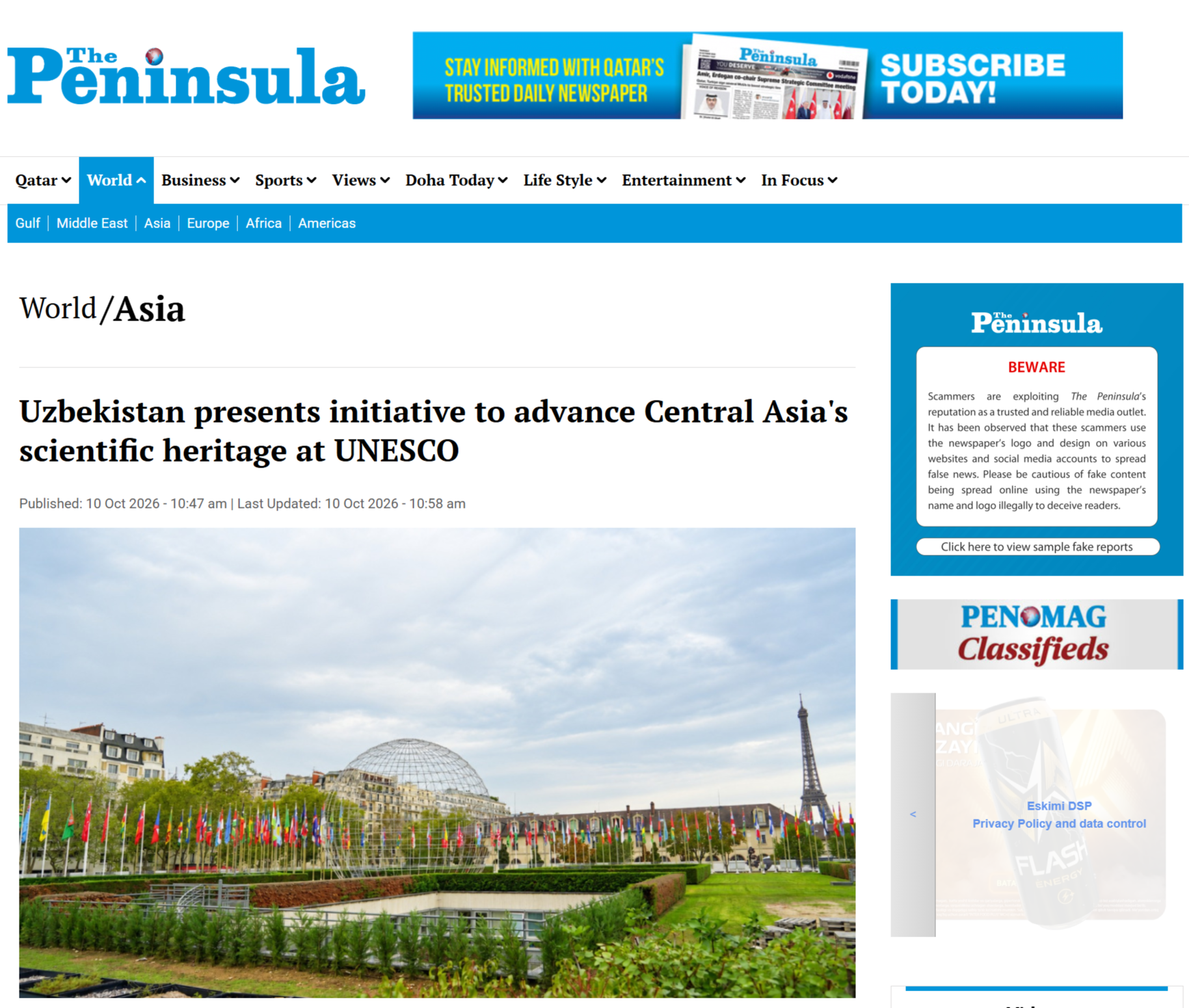 Uzbekistan’s initiative to study and promote Central Asia’s rich scientific and spiritual heritage on the international stage has received coverage in the Qatari press. According to The Peninsula, an English-language Qatari newspaper specializing in politics, society, economics, and international affairs, the initiative presented at UNESCO headquarters in Paris aims to digitize historical sources, study rare manuscripts using artificial intelligence, and expand international scientific cooperation. More than 300 representatives attended the event.
More than 300 participants took part in Paris event on preserving, studying, and promoting the region’s scientific and spiritual legacy.
Paris: Uzbekistan presented an international initiative at UNESCO Headquarters on October 7 to preserve, study, and promote the scientific and spiritual heritage of Central Asia, highlighting the region’s enduring contribution to world civilization.
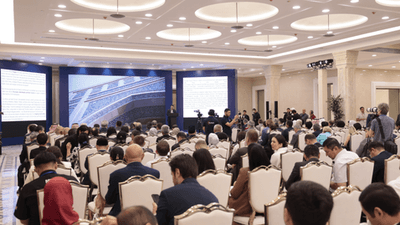
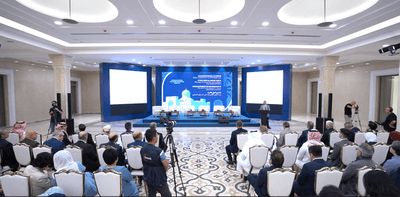
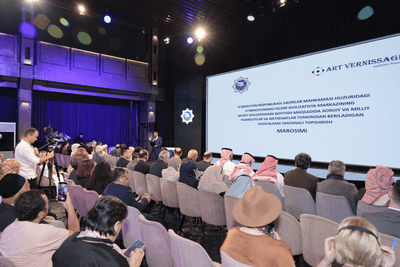
The event, titled “Islamic Civilization: Mawarannahr’s Great Spiritual and Scientific Heritage and Horizons of Enlightenment,” brought together more than 300 representatives of international organizations, the diplomatic corps, scientific institutions, cultural organizations and expert communities, in person and online.
The presentation advanced the international agenda outlined by President of Uzbekistan Shavkat Mirziyoyev in his address to the 80th session of the United Nations General Assembly in September 2025.
That agenda calls for greater recognition of Central Asia’s intellectual heritage, expanded international scientific cooperation and stronger dialogue among cultures.
Participants discussed opportunities for UNESCO and the United Nations system to support collaborative projects focused on historical sources, manuscript preservation, digital technologies and broader access to scientific knowledge. The initiative seeks to connect the region’s historical legacy with contemporary priorities in education, research and intercultural dialogue.
Dr. Firdavs Abdukhalikov, Director of the Islamic Civilization Center in Uzbekistan and Chairman of the World Society for the Study, Preservation and Popularization of the Cultural Legacy of Uzbekistan (WOSCU), presented the initiative’s principal areas of focus. He emphasized the importance of coordinated efforts by researchers, libraries, museums, universities, and international organizations to make the work of Central Asia’s leading thinkers more accessible to scholars and future generations.
The conference was joined by heads of leading international scientific, cultural and diplomatic organizations who traveled to Paris to deliver presentations. They included Dr. Farhan Nizami, Director of the Oxford Centre for Islamic Studies; Dr. Salim M. AlMalik, Director-General of the Islamic World Educational, Scientific and Cultural Organization (ICESCO); Prof. Dr. Mahmud Erol Kilıç, Director General of the Research Centre for Islamic History, Art and Culture (IRCICA); Sali Shahsavari, Executive Director of the Al-Furqan Islamic Heritage Foundation; Robert F. Blum, President of the Diplomatic Circle of Geneva; Prof. Mario Taddei of the Design University of Milan; Dr. Salima Dalibey of the Permanent Observer Delegation of the Organization of Islamic Cooperation to UNESCO; and Frederic Bressand, President of the Association for the Study of History and Art of the Timurid (France).
The initiative includes plans for an international digital platform for historical sources, the application of artificial intelligence to manuscript research, the establishment of a scientific consortium, support for early-career researchers and the use of cultural diplomacy to advance global educational and scientific projects.
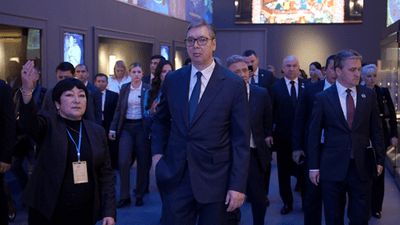
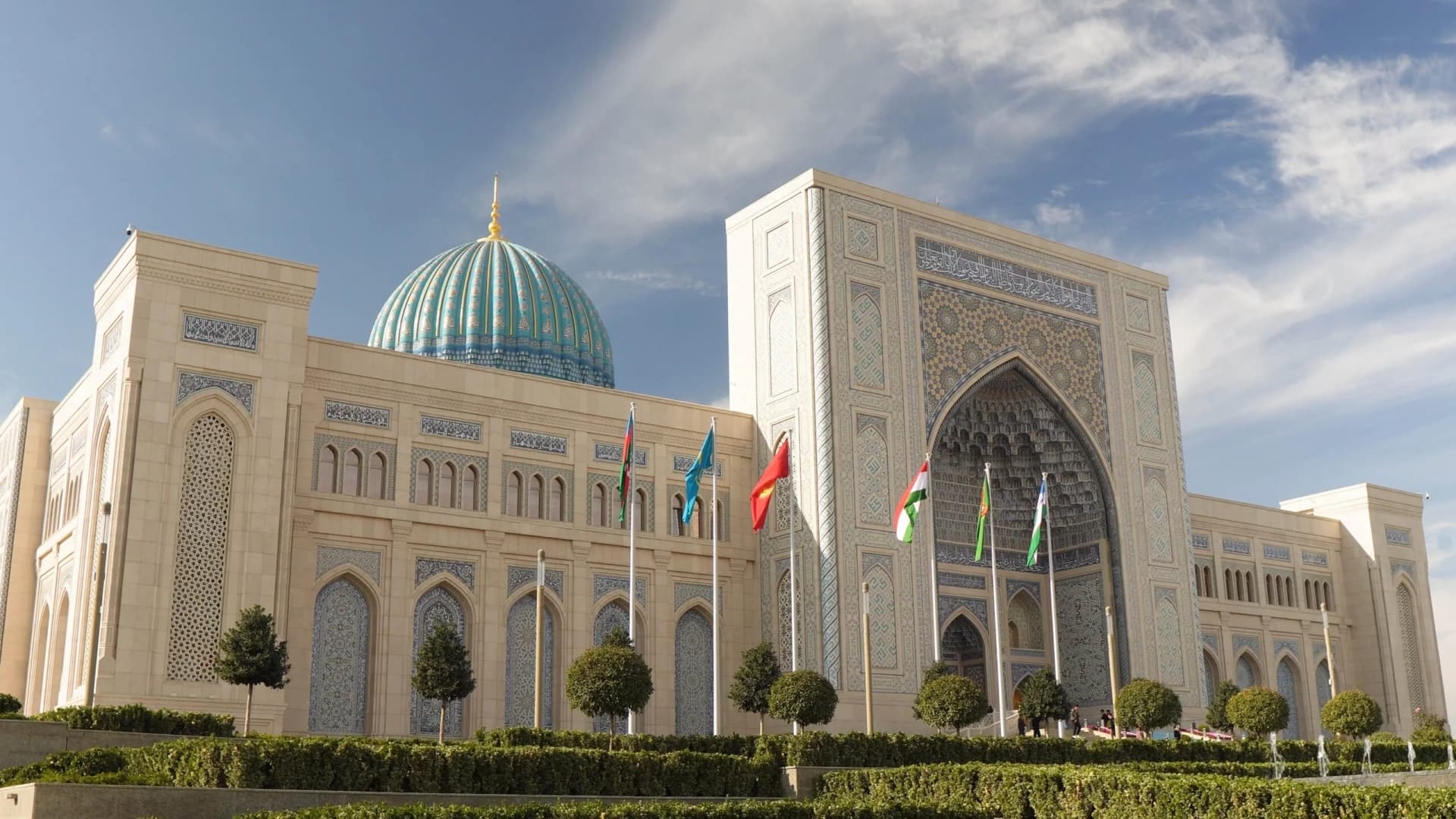
The Islamic Civilization Center in Uzbekistan, which opened in Tashkent in March 2026, was also highlighted. Covering approximately 15,000 square meters, the Center presents materials spanning the region’s history of science, education, spiritual thought and cultural exchange. Its collections include the Qur’an of Uthman, a significant monument of early Islamic written heritage listed in UNESCO’s Memory of the World Programme.
The Center is intended to serve as an international scientific and educational platform, combining historical collections with contemporary research methods, digital tools and educational programming. Its mission extends beyond preservation to include knowledge exchange, academic partnerships and cultural dialogue.
Further engagement with UNESCO, United Nations bodies and scientific and cultural institutions worldwide is planned. The initiative will also support the presentation of Central Asia’s heritage at international venues, including events in Paris and Geneva, with the goal of expanding cooperation globally. The presentation reaffirmed Uzbekistan’s commitment to strengthening international cooperation in cultural heritage preservation and expanding the presence of Central Asia’s scientific heritage in the global intellectual landscape. By combining historical knowledge, modern technologies and international expertise, the initiative aims to create new opportunities to study and share the common cultural heritage of humanity.
The event was organized by the Islamic Civilization Center in Uzbekistan, the Permanent Delegation of the Republic of Uzbekistan to UNESCO, the National Commission of the Republic of Uzbekistan for UNESCO, the Ministry of Foreign Affairs of the Republic of Uzbekistan, the Embassy of the Republic of Uzbekistan in France and specialized scientific, educational and cultural organizations of Uzbekistan.