Polish mufti’s recognition: Uzbekistan is showcasing the scientific and cultural heritage of Islamic civilisation to the world
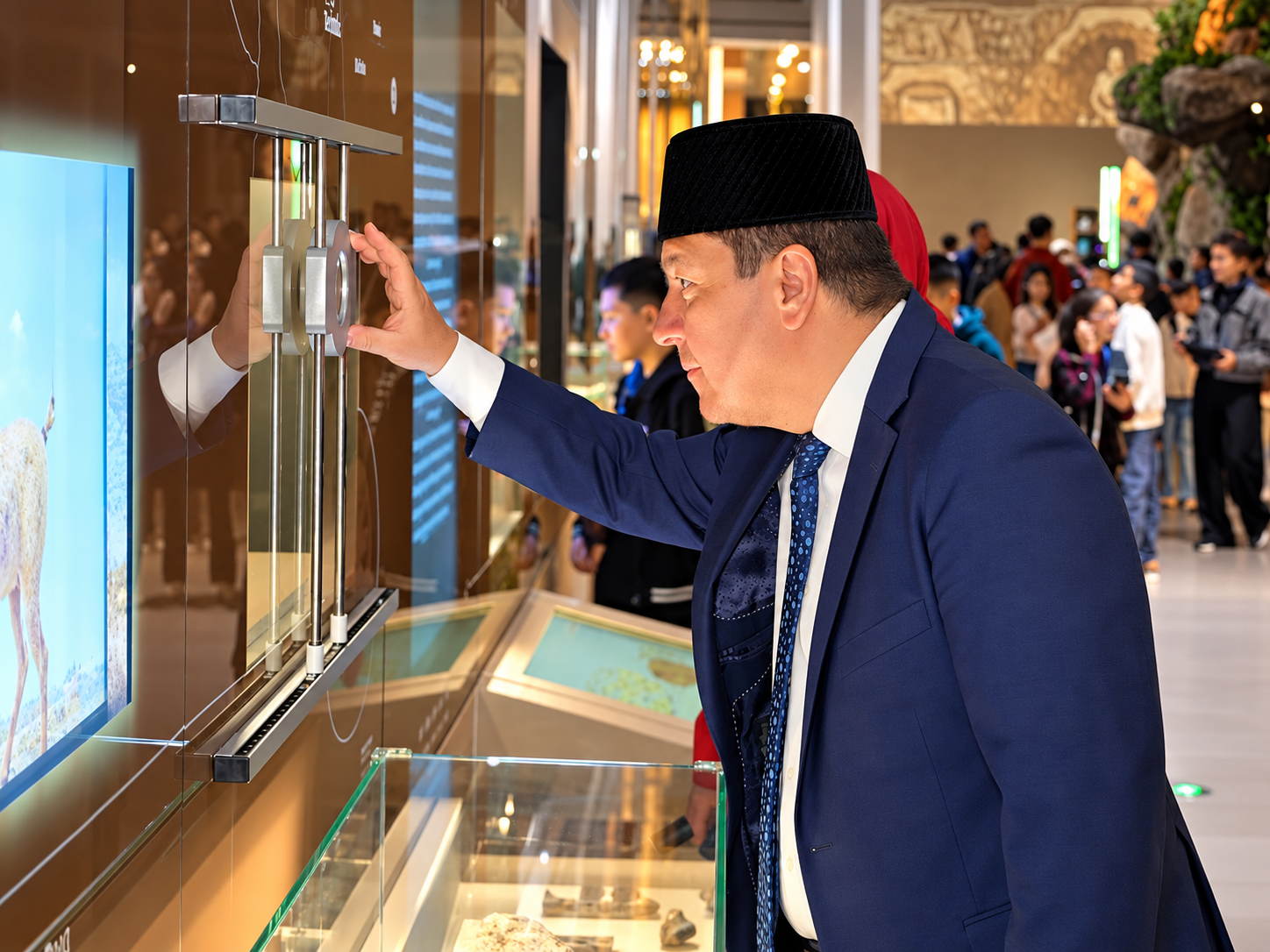
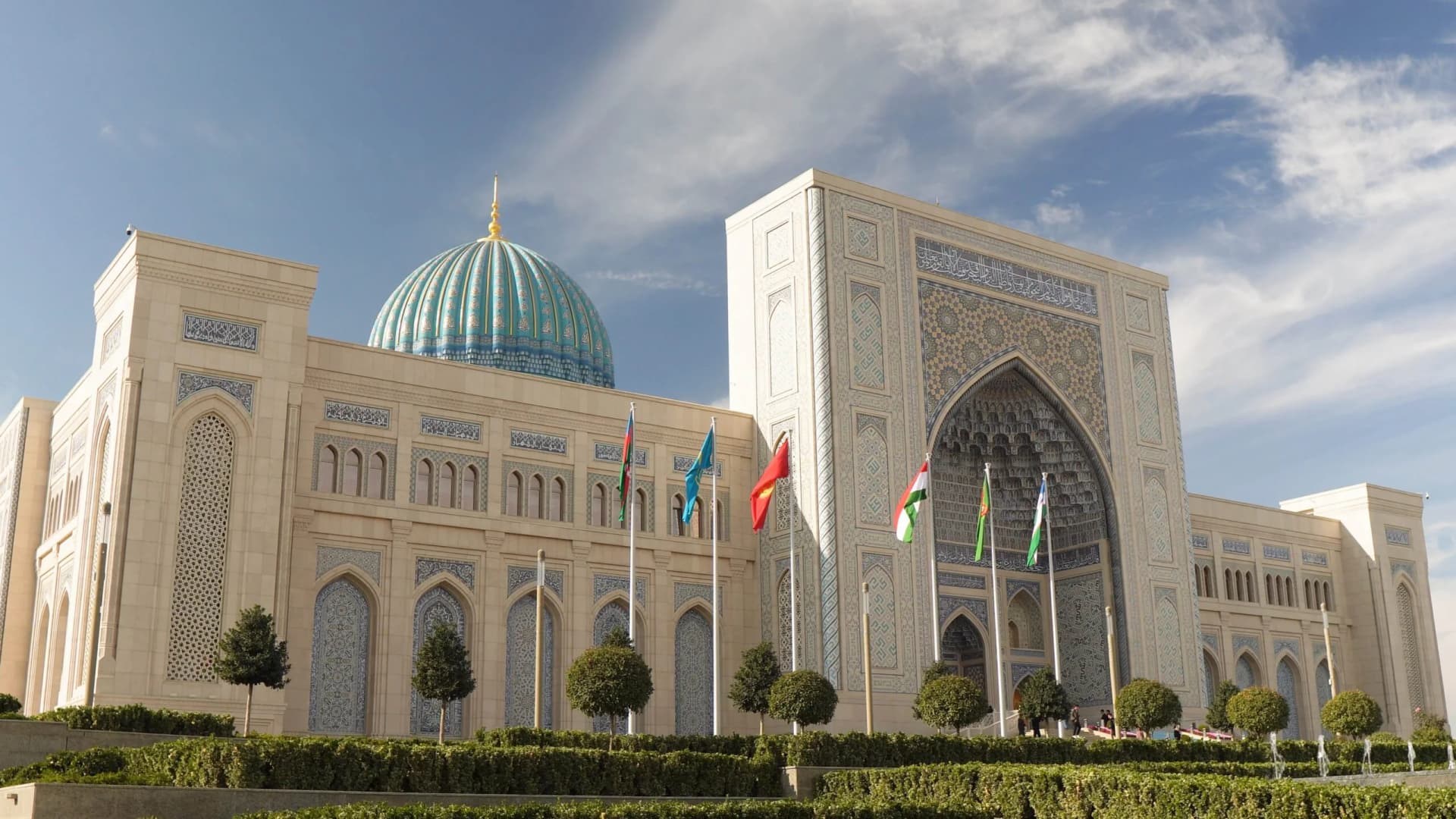
The Islamic Civilization Center in Uzbekistan is emerging as a vital platform for international scientific and educational dialogue and for studying the heritage of Islamic civilization from a modern perspective. This was stated by Tomasz Miskiewicz, Mufti and Chairman of the Muslim Religious Union in Poland, during his official visit to the Center.
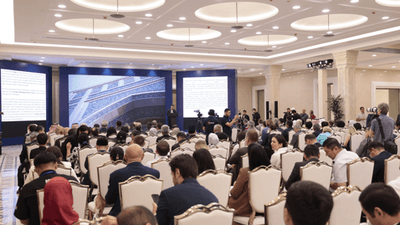
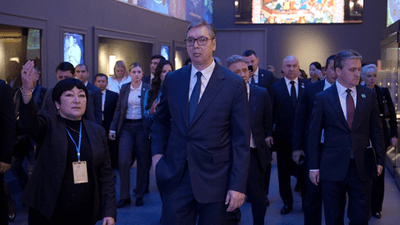
During the visit, the delegation led by the Mufti familiarized itself with the Center’s rich heritage related to history, science, culture, and religion, as well as its role in fostering international scientific cooperation.
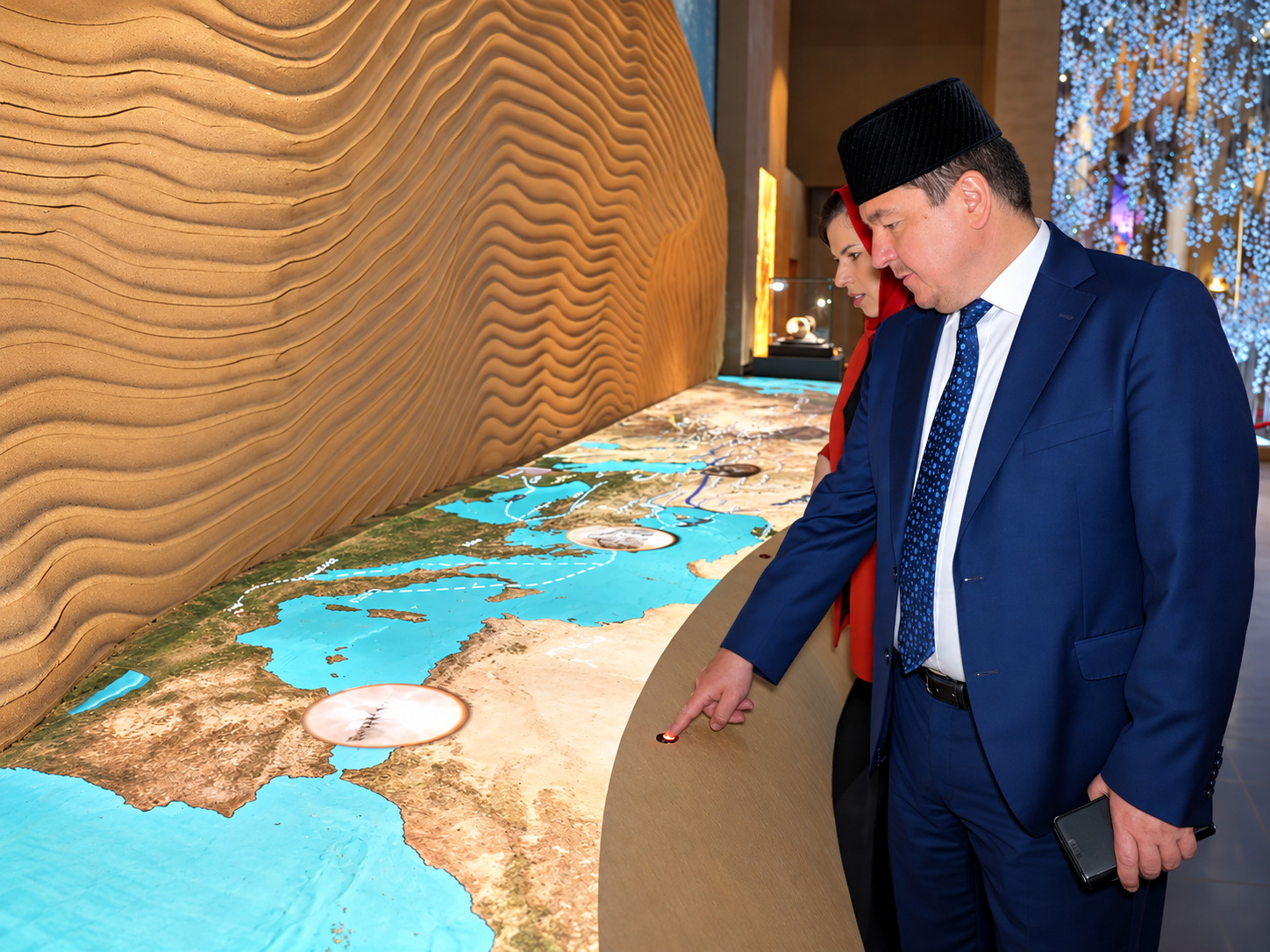
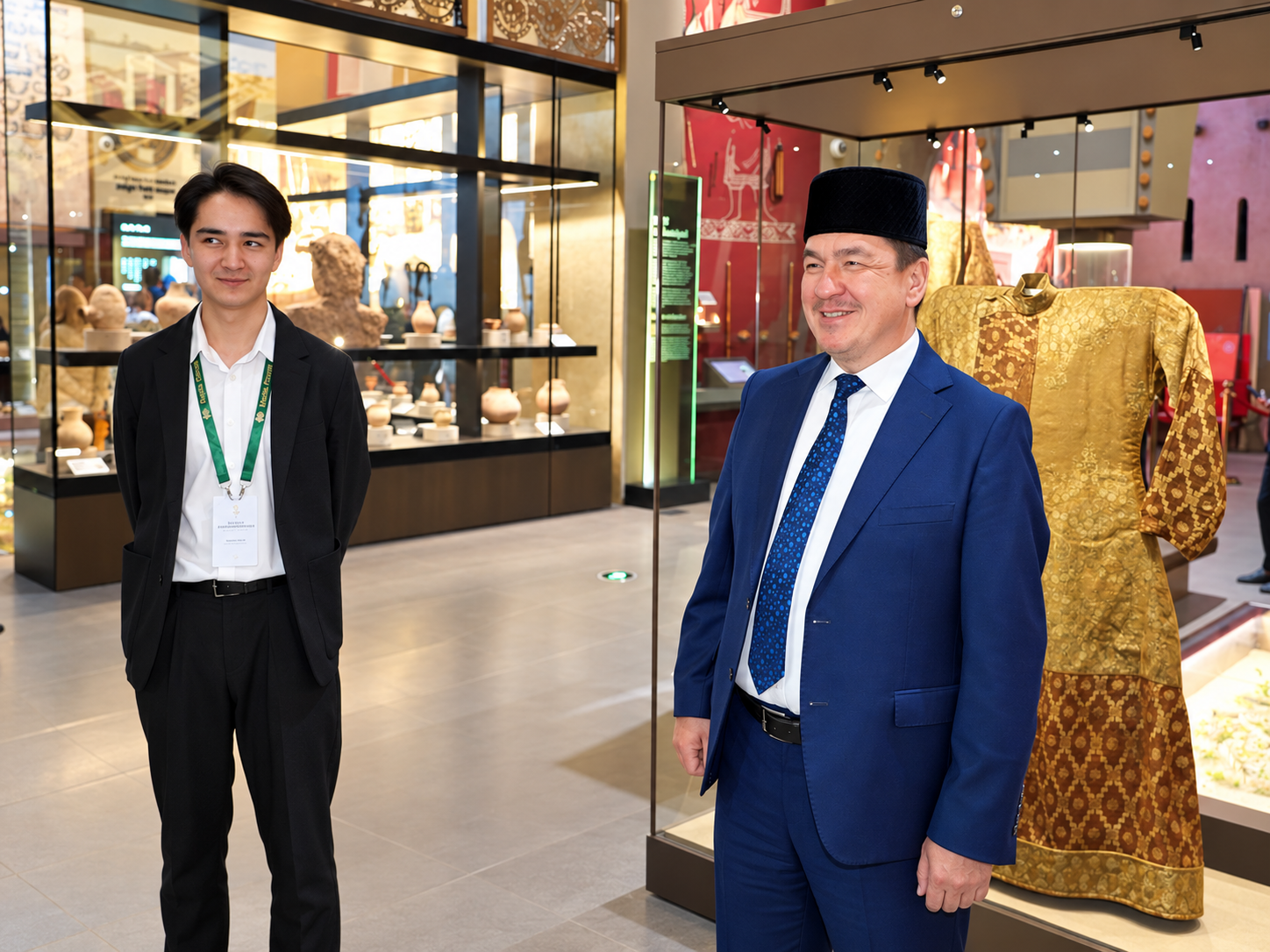
Tomasz Miskiewicz, Mufti and Chairman of the Muslim Religious Union in Poland:
“The Islamic Civilization Center in Uzbekistan embodies an extraordinary legacy related to history, science, culture, and religion. It represents the civilization not only of Uzbekistan but of the entire Islamic world. Through the Center’s work, a modern, rigorous scientific interpretation of Islamic civilization and its significance for today is being revealed to the world.
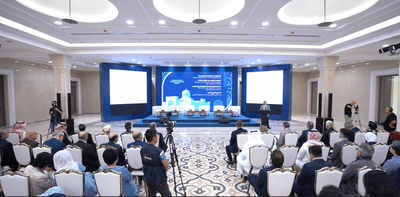
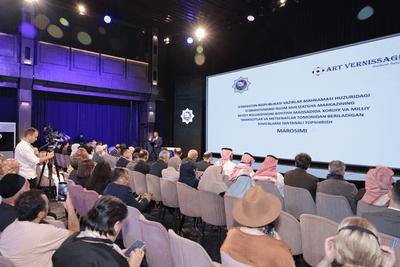
Today, the Center holds a prominent place on the international stage, serving as an active voice across global forums and high-level conferences dedicated to science and history. It is successfully shaping a dynamic platform for cross-border scientific dialogue and international cooperation. I express my gratitude to the President of Uzbekistan, the Uzbek people, and everyone contributing to this noble cause for the establishment of this Center and for its effective work today,” said the Polish Mufti.
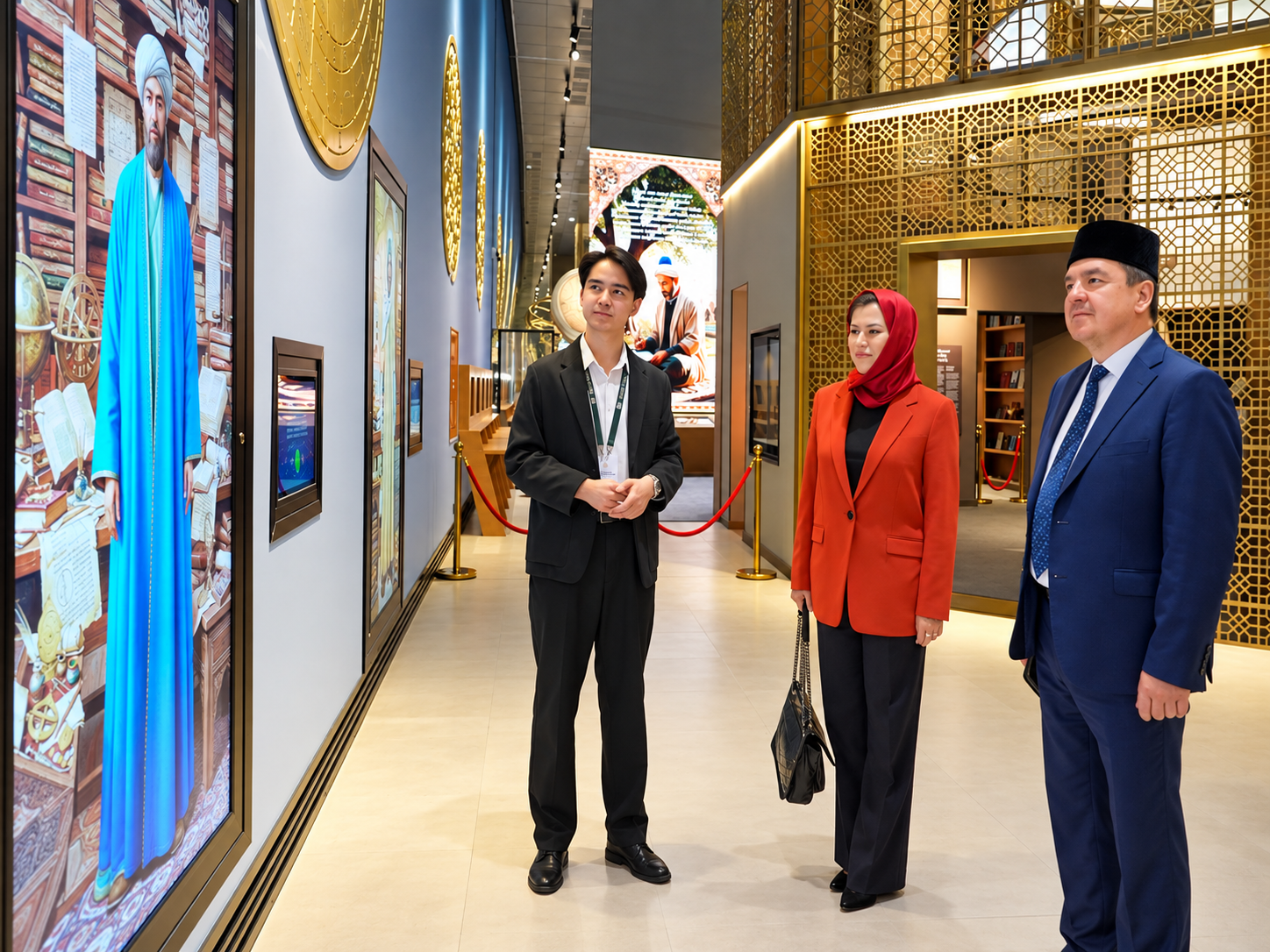
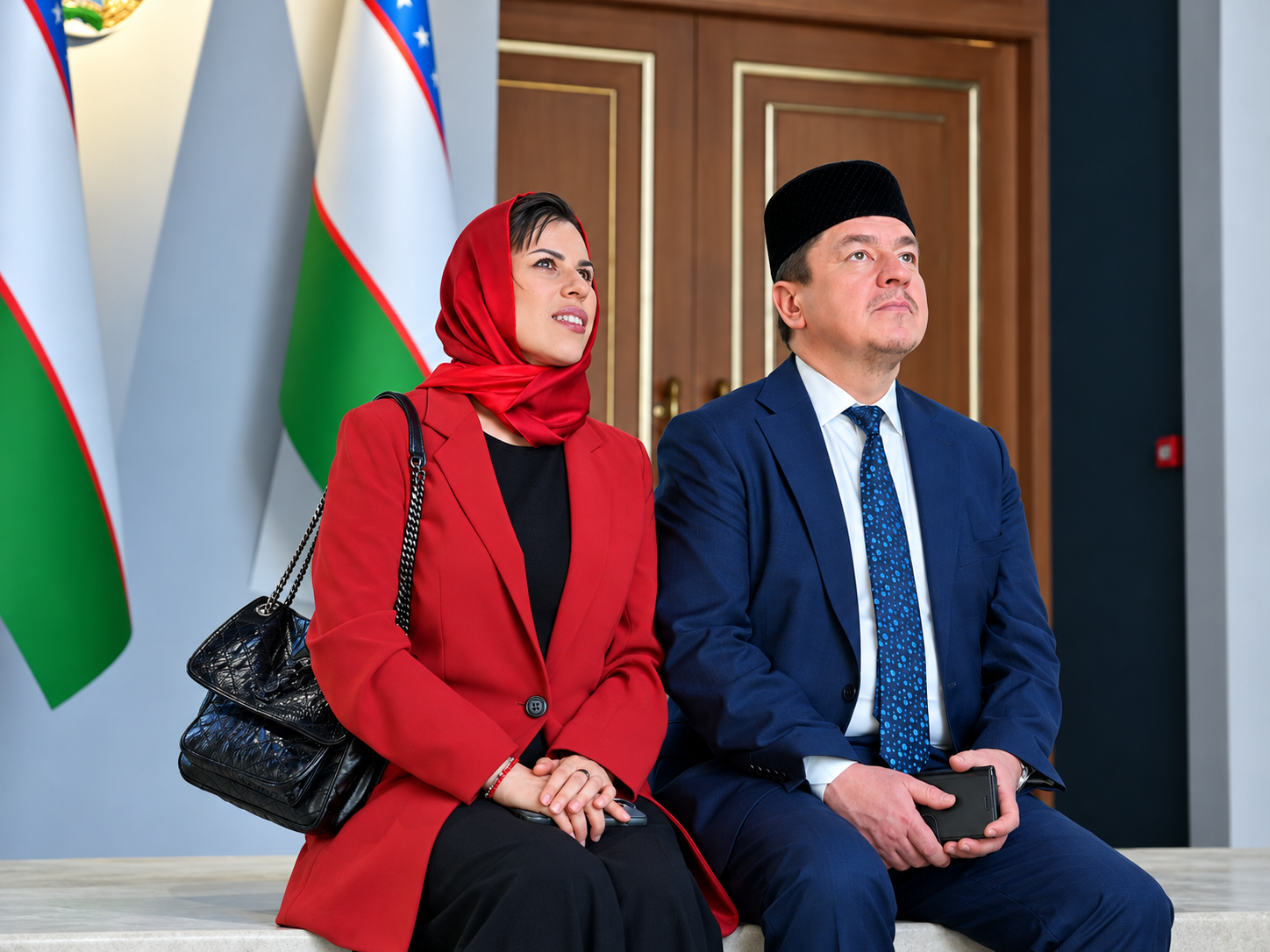
At the end of the visit, Tomasz Miskiewicz also left his impressions in the Center’s Book of Honored Guests. In it, the guest particularly emphasized the religious, cultural, and historical resonance of the Center:
“It was a profound honor and privilege for me to visit such a magnificent place, which is of great importance for our religion, Islam, as well as for our shared culture and history.”
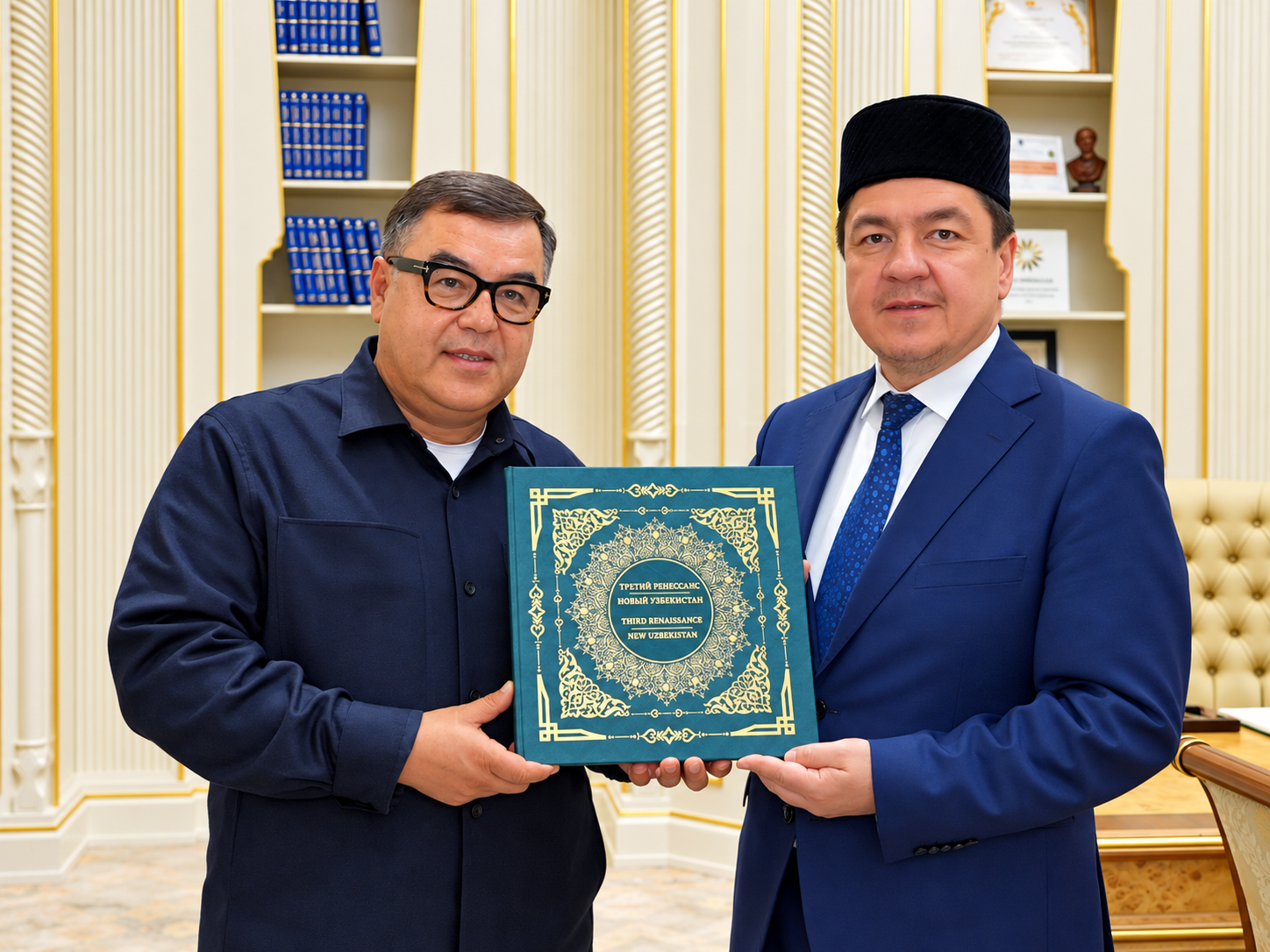
Afterward, a meeting was held with Firdavs Abdukhalikov, Director of the Center. The discussion centered on strengthening the Center’s role across the global scientific and educational landscape and outlining prospective areas for cooperation.
At the end of the meeting, commemorative gifts were presented to the guest.