Russia News: “Uzbekistan presented initiatives at UNESCO combining science, artificial intelligence, and cultural diplomacy for the study of central asian heritage”
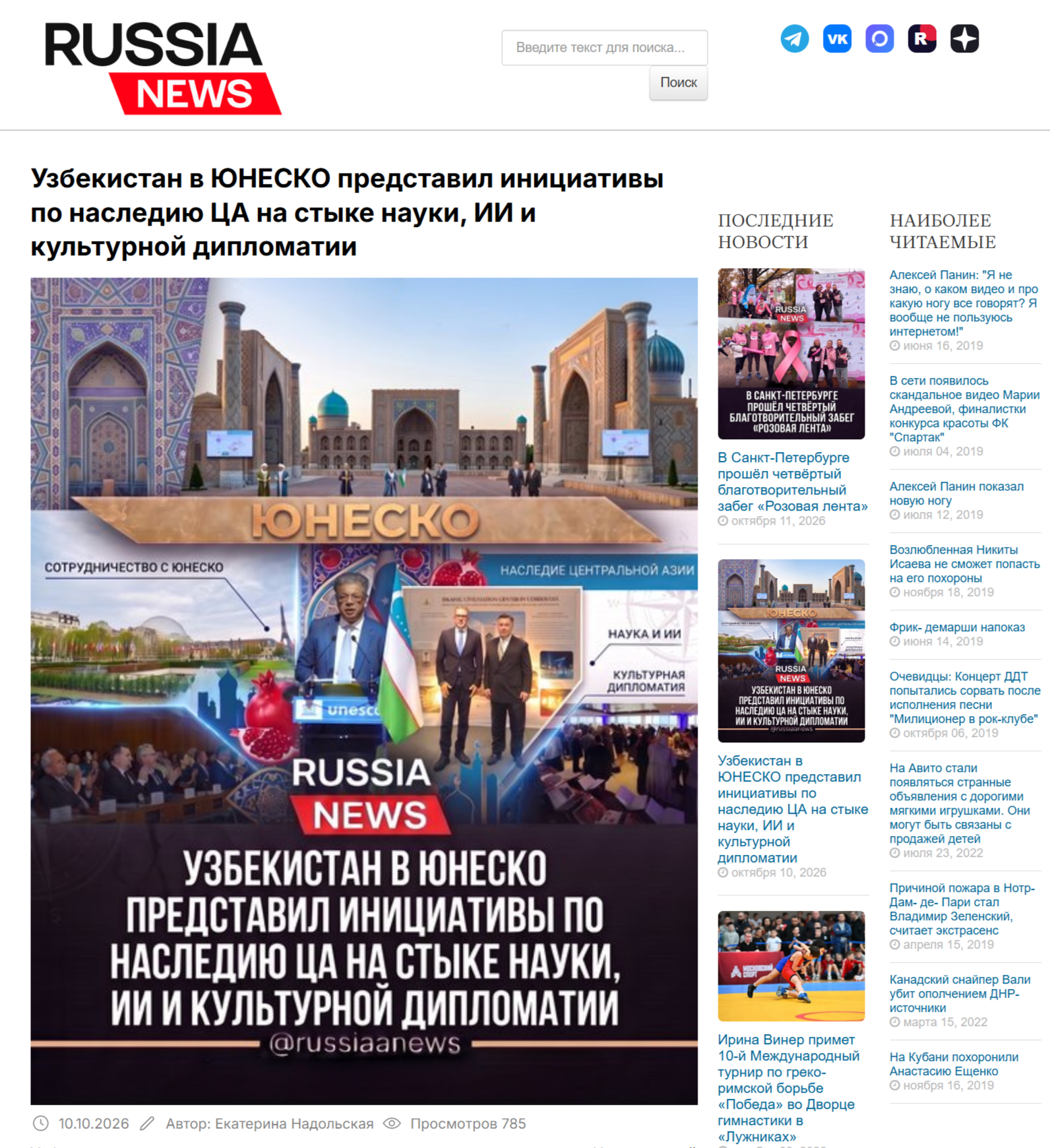
Studying the rich scientific and spiritual heritage of Central Asia through modern technologies, digitizing historical manuscripts, and expanding their accessibility to the global academic community remain among Uzbekistan’s international priorities. An article published by the Russian outlet Russia News covers the initiatives presented at UNESCO Headquarters in Paris, including the prospects for integrating science, artificial intelligence, and cultural diplomacy, based on ideas advanced by President Shavkat Mirziyoyev.
Uzbekistan is advancing an international agenda for the comprehensive study and preservation of Central Asian heritage. At UNESCO Headquarters, initiatives combining science, artificial intelligence, and cultural diplomacy were presented.
The international program, developed on the initiative of the President of Uzbekistan, aims to unite the global scientific community, accelerate the digitization of historical sources, and expand opportunities for the worldwide use of the intellectual heritage of Mawarannahr.
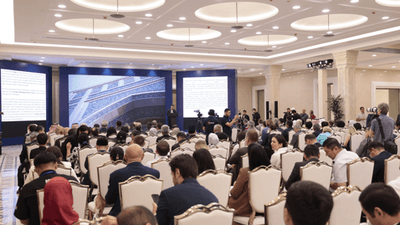
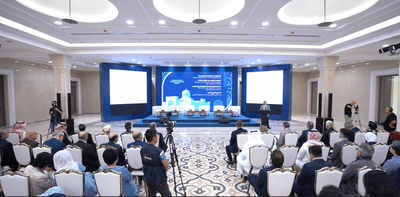
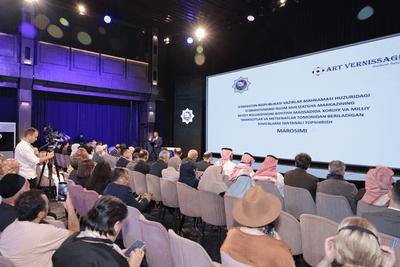
The conference in Paris forms part of broader efforts to promote internationally the initiative put forward by the President of the Republic of Uzbekistan, Shavkat Mirziyoyev, at the 80th session of the United Nations General Assembly in September 2025. This initiative is designed to expand the international study and popularization of Central Asia’s scientific and spiritual heritage, as well as to strengthen cooperation among countries, scientific institutions, and international organizations.
The initiatives of New Uzbekistan are becoming the foundation for shaping a coherent international program that unites the scientific, cultural, and diplomatic spheres. The holding of a conference at UNESCO Headquarters in Paris, along with associated events across the United Nations system, shows that the Islamic Civilization Center in Uzbekistan, established on the initiative of the President of Uzbekistan, is seeking to bring the study of Central Asian heritage to a new stage of international cooperation.
In parallel, the Palais des Nations, home to the United Nations Office at Geneva, serves as a vital platform in advancing these cultural diplomacy efforts and broadening international engagement.
Presenting the region’s heritage at leading centers of international diplomacy helps broaden professional dialogue, attract the attention of the international scientific community, and create new opportunities for interinstitutional cooperation.
“For us, it is of fundamental importance that the initiative of the President of Uzbekistan gains strong recognition on the international stage, serving as a cornerstone for substantive collaboration among nations, academic institutions, and international organizations. We view the events held at UNESCO and United Nations venues as consistent stages in a large-scale mission to make the scientific and spiritual heritage of Central Asia more accessible to the global scientific community and the wider international audience.
Our task is not only to tell the story of the great thinkers of the past, but also to open up new opportunities for collaborative research, the digitization of manuscripts, the integration of artificial intelligence, and the training of a new generation of scholars,” said Firdavs Abdukhalikov.
Promoting Central Asian heritage on the global stage marks a transition from isolated cultural events to enduring international cooperation. Such cooperation will integrate scientific research, the preservation of historical sources, digital innovation, and educational programs.
For centuries, Mawarannahr was one of the major centers where science, philosophy, theology, and education flourished. The thinkers of the region made a significant contribution to the formation of intellectual traditions that influenced lands well beyond the borders of Central Asia.
Today, manuscripts, scholarly treatises, and religious and theological works are attracting great interest not only as historical evidence, but also as important primary sources for studying the evolution of knowledge, intercultural dialogue, and scholarly traditions.
The international agenda pays special attention to the legacy of the great thinkers of the Islamic world, including Imam Bukhari, Imam Termizi, and Imam Maturidi. Their foundational treatises occupy a vital place in the intellectual history of the Muslim world and remain highly relevant to contemporary research in theology, ethics, pedagogical traditions, and intercultural exchange.
Many sources related to the history of Central Asia are currently preserved in the libraries, archives, and museums of various countries. Studying them comprehensively requires establishing sustainable international cooperation, conducting comparative analysis of manuscript traditions, and pooling the scholarly capacity of researchers across the globe.
For this reason, advancing the legacy of Mawarannahr on the international stage represents more than an effort to preserve historical memory. It serves as a vital platform to expand global access to shared intellectual heritage, deepen institutional academic partnerships, and create conditions for pioneering scientific research.
The presented initiative encompasses establishing an international digital platform for historical sources, applying artificial intelligence in the study of manuscript heritage, creating an international scientific consortium, supporting a new generation of researchers, and expanding cultural diplomacy through global educational and scientific projects.
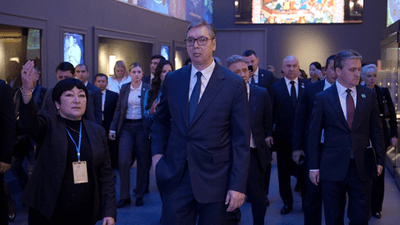
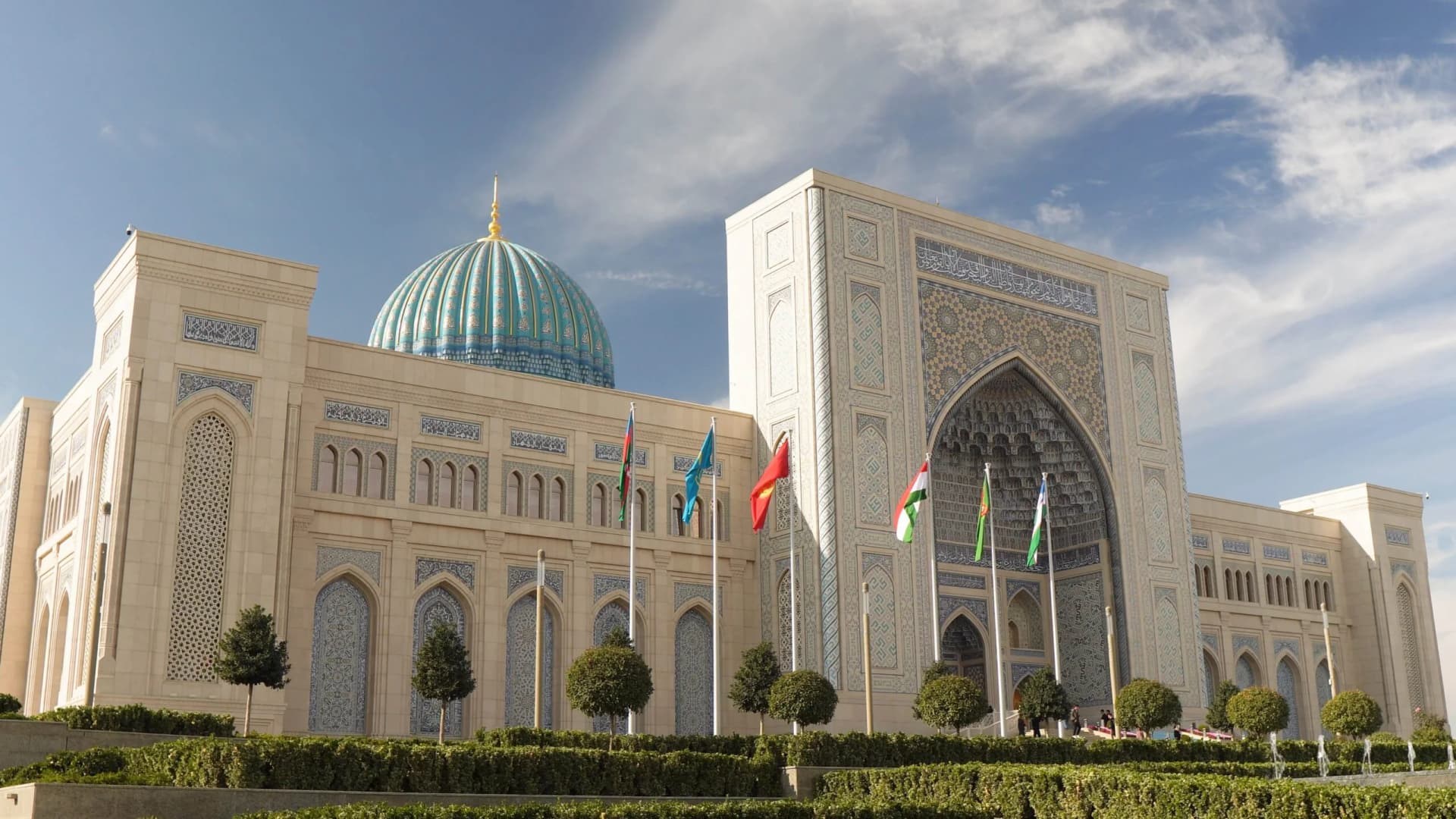
The practical embodiment of this approach is the Islamic Civilization Center in Uzbekistan, which opened in Tashkent in March 2026. The Center integrates museum, research, educational, and enlightenment activities, presenting the regional history within the broader context of world civilization.
The exhibition area, covering approximately 15,000 square meters, introduces visitors to the key stages of Central Asia’s development, its scientific schools, great thinkers, intercultural connections, and its contribution to global intellectual traditions.
Among the most important exhibits, the Uthman Mushaf holds a special place. Inscribed in UNESCO’s International Memory of the World Register, it is one of the oldest surviving manuscript copies of the Holy Qur’an.
However, the Center’s mission is not limited to its museum exhibition halls. Scholarly engagement with manuscripts, their preservation and restoration, the digitization of historical sources, and the development of research projects create a solid foundation for sustainable international cooperation.
Cooperation with international institutions that preserve manuscripts and archival materials related to the history of Central Asia is of particular importance. Since numerous primary sources are held abroad, studying them comprehensively requires cooperation among countries, scholarly schools, and cultural institutions.
On the international stage, the Center can serve not only as a place for showcasing historical heritage, but also as a platform for exchanging scholarly experience, developing digital solutions, training specialists, and building international research partnerships.
Integrating museum infrastructure with modern scientific methods makes it possible to view heritage as a basis for creating new knowledge and expanding access to historical sources.
Holding the conference at UNESCO Headquarters gave the discussions additional international significance. The organization, whose work spans education, science, culture, and the promotion of intercultural understanding, became a forum for discussing opportunities to further strengthen cooperation between scientific and cultural institutions.
Continuing international dialogue at United Nations venues, including Geneva, further broadens the circle of participants and presents Central Asian heritage within the wider context of global intellectual and cultural exchange.
One of the key tasks is to move from separate, individually implemented initiatives to sustainable forms of cooperation. This helps pool research capacity, share scientific findings, and expand access to historical sources.
For Uzbekistan, these efforts carry strategic significance. Advancing the country’s and the region’s intellectual legacy globally opens new pathways for national scientific development, strengthens academic cooperation, and actively integrates young researchers into the international scientific arena.
At the same time, the international agenda is not limited to presenting historical achievements; it also envisions creating the necessary conditions for studying them more deeply, interpreting them scientifically, and passing them on to future generations.
The conference in Paris has become part of a broad effort dedicated to presenting the scientific and spiritual heritage of Central Asia internationally. Its significance lies in the aspiration to bring together historical sources, scholarly experience, modern technologies, and international cooperation within a single long-term agenda.
The pathways presented open up new prospects for developing joint research programs, digital platforms, educational projects, and manuscript preservation initiatives. Their further development will rely on the active engagement of research institutions, universities, libraries, museums, technology partners, and international organizations.
The core objective is to make Central Asia’s intellectual heritage an open and integral part of the global scientific community and to ensure its rigorous academic study. It also seeks to create conditions in which the knowledge accumulated by previous generations contributes to the advancement of education and science, while fostering mutual understanding among peoples.
The conference was organized by the Islamic Civilization Center in Uzbekistan in cooperation with the Permanent Delegation of the Republic of Uzbekistan to UNESCO, the National Commission of the Republic of Uzbekistan for UNESCO, the Ministry of Foreign Affairs of the Republic of Uzbekistan, the Embassy of the Republic of Uzbekistan in France, the Committee on Religious Affairs of the Republic of Uzbekistan, the Imam Bukhari, Imam Termizi, and Imam Maturidi Research Centers, the International Islamic Academy of Uzbekistan, Uzbekistan Art and Culture Development Foundation (ACDF), the Muslim Board of Uzbekistan, and the World Society for the Study, Preservation and Popularization of the Cultural Legacy of Uzbekistan (WOSCU).