The “Tumardon” preserved from the Timurid Era
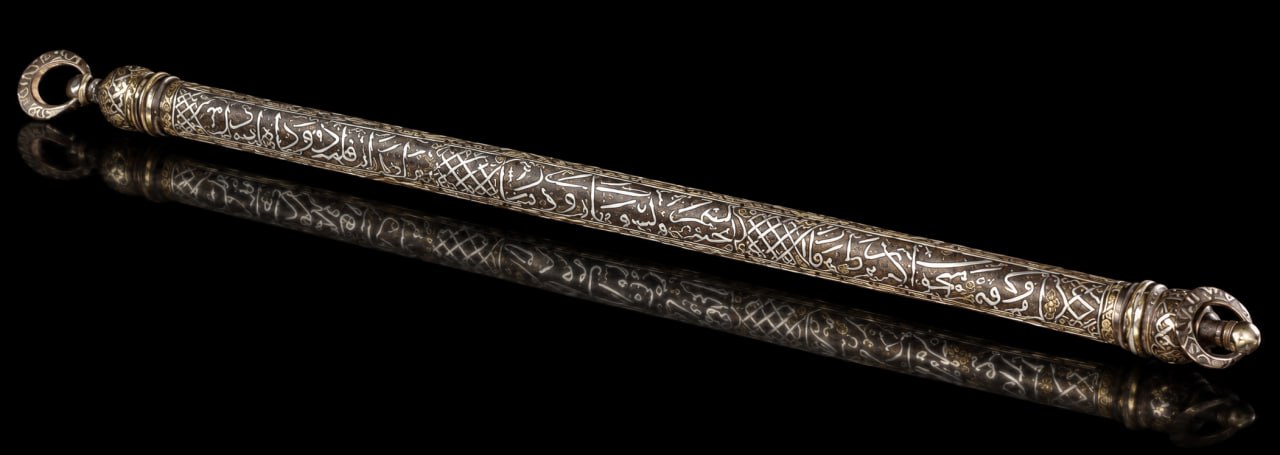
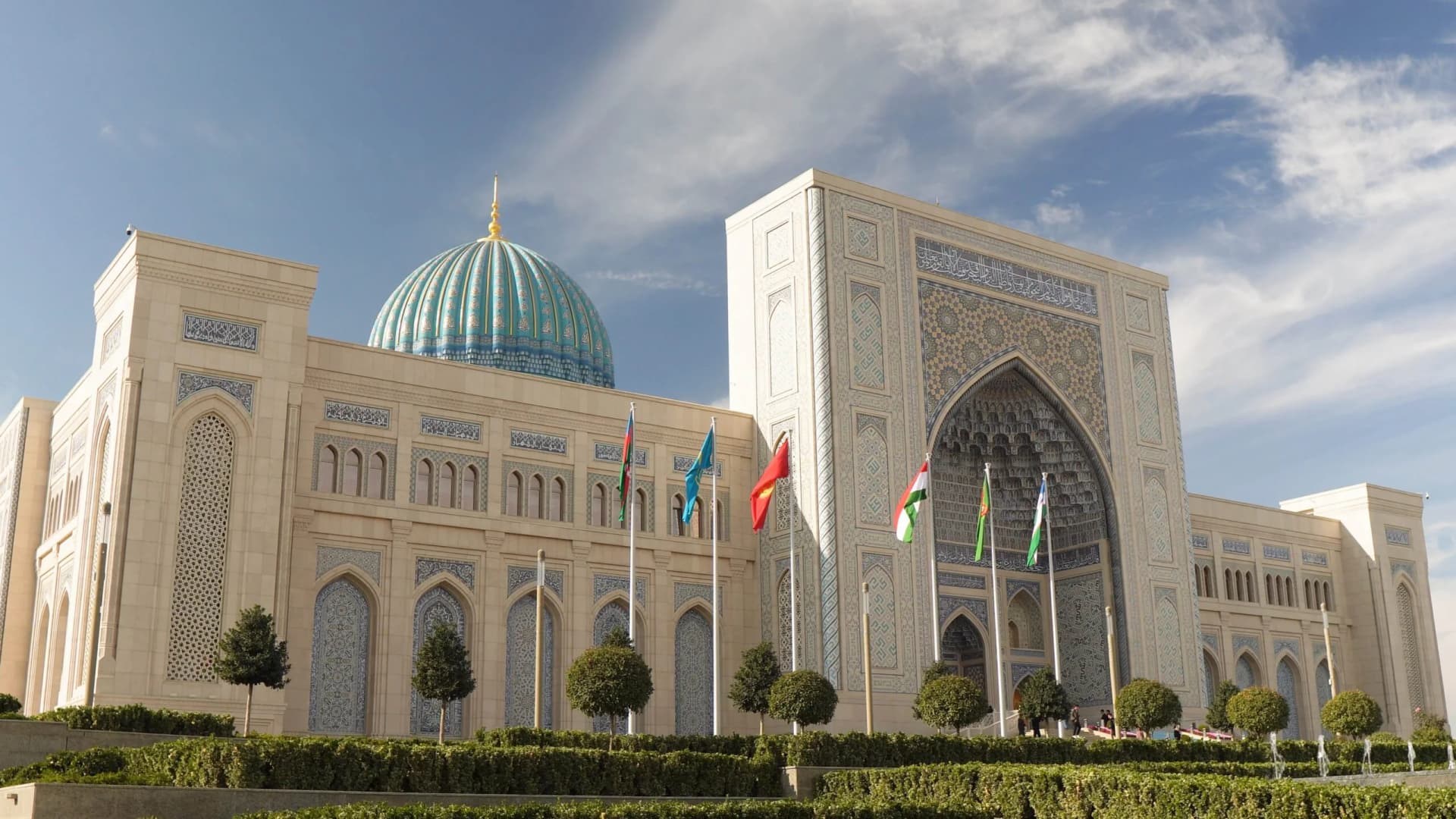
This exquisite object, featured in the exhibition of the Islamic Civilization Center in Uzbekistan, testifies to how highly developed writing culture, calligraphy, and applied arts were in the Timurid era.
This scroll case for letters dates to the 15th century and is made of bronze. The object, 32 centimeters in length, has a surface decorated with delicate engraved patterns and silver inlays. On its surface are Persian poetic inscriptions in thuluth script.
Such cases, called "Tumardon" in Persian, served for storing and transporting rolled documents and texts. Official correspondence, state decrees, contracts, and poetic and religious writings were placed in them. The rings at both ends made it possible to carry the object suspended.
The value of this scroll case is not limited to its practical function. In it, metalworking, calligraphy, and poetry achieve a single artistic harmony. The delicate patterns, silver decorations, and Persian poetic inscriptions reflect the refined taste and elegant aesthetic outlook of the Timurid era.
Displayed in the Second Renaissance exhibition, this unique item shows that our great cultural heritage found expression not only in monumental architectural landmarks and manuscripts, but also in objects used in everyday life.