Uzbekistan and India to study historical heritage together
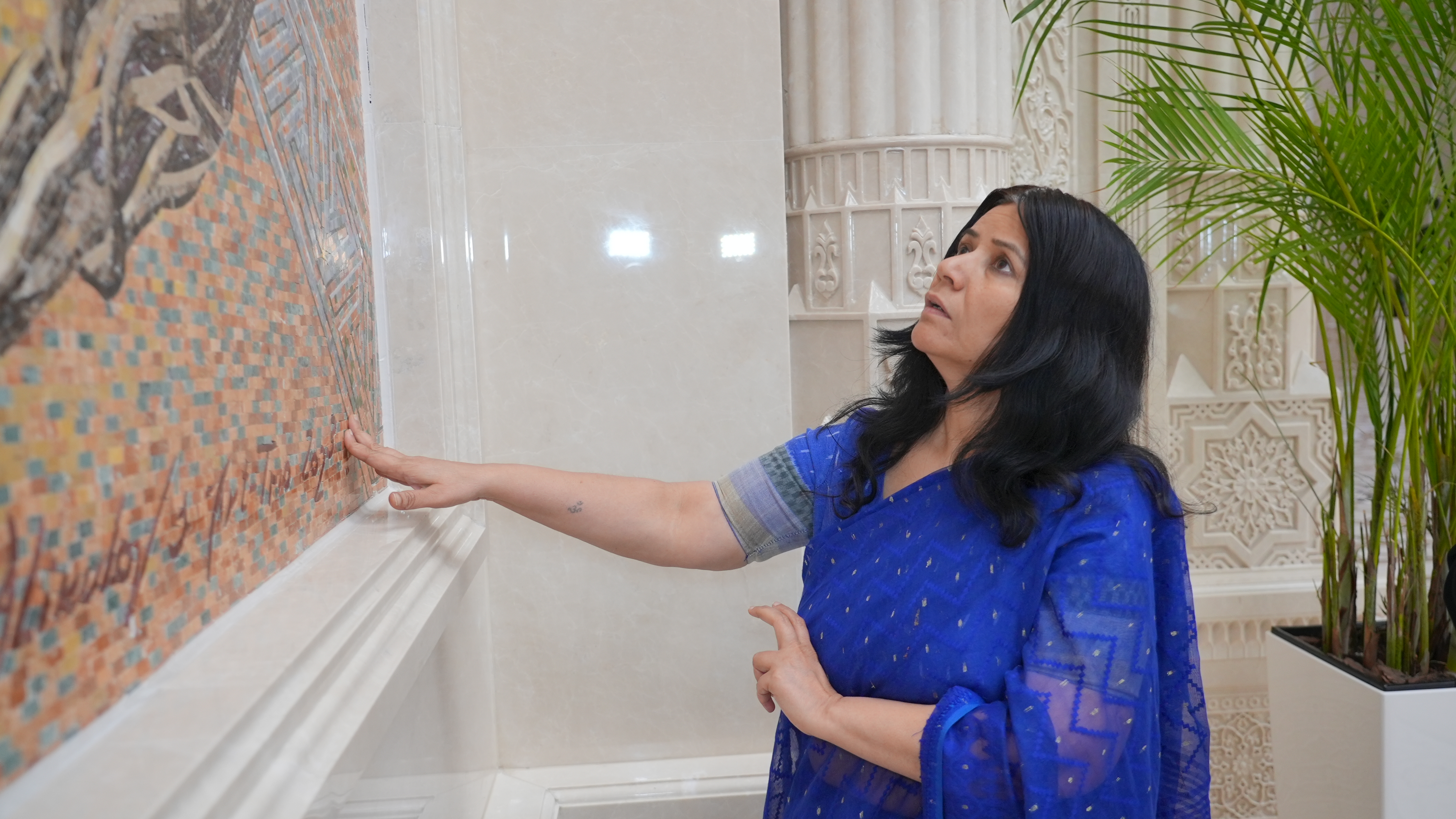
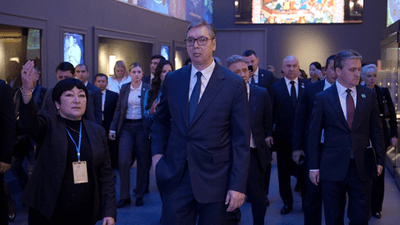
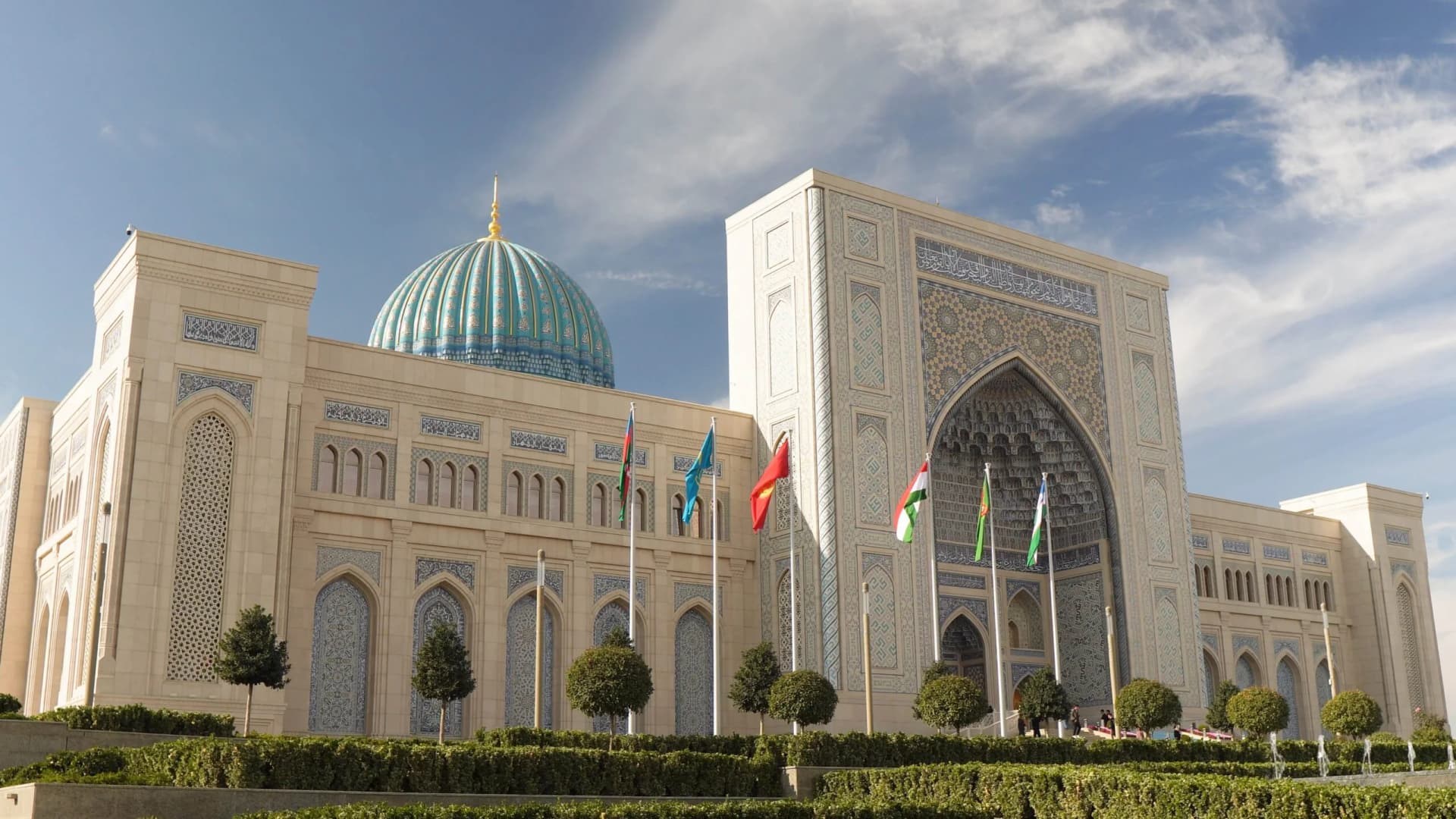
A delegation led by Smita Pant, Ambassador Extraordinary and Plenipotentiary of the Republic of India to Uzbekistan, visited the Islamic Civilization Center in Uzbekistan.
At the Center, established on the initiative of the President of the Republic of Uzbekistan, Shavkat Mirziyoyev, the guests explored exhibitions reflecting nearly three thousand years of our country’s history, as well as rare manuscripts and historical artifacts. They were also briefed on modern museum technologies and on the work being carried out to preserve historical and cultural heritage, study it scientifically and pass it on to future generations.
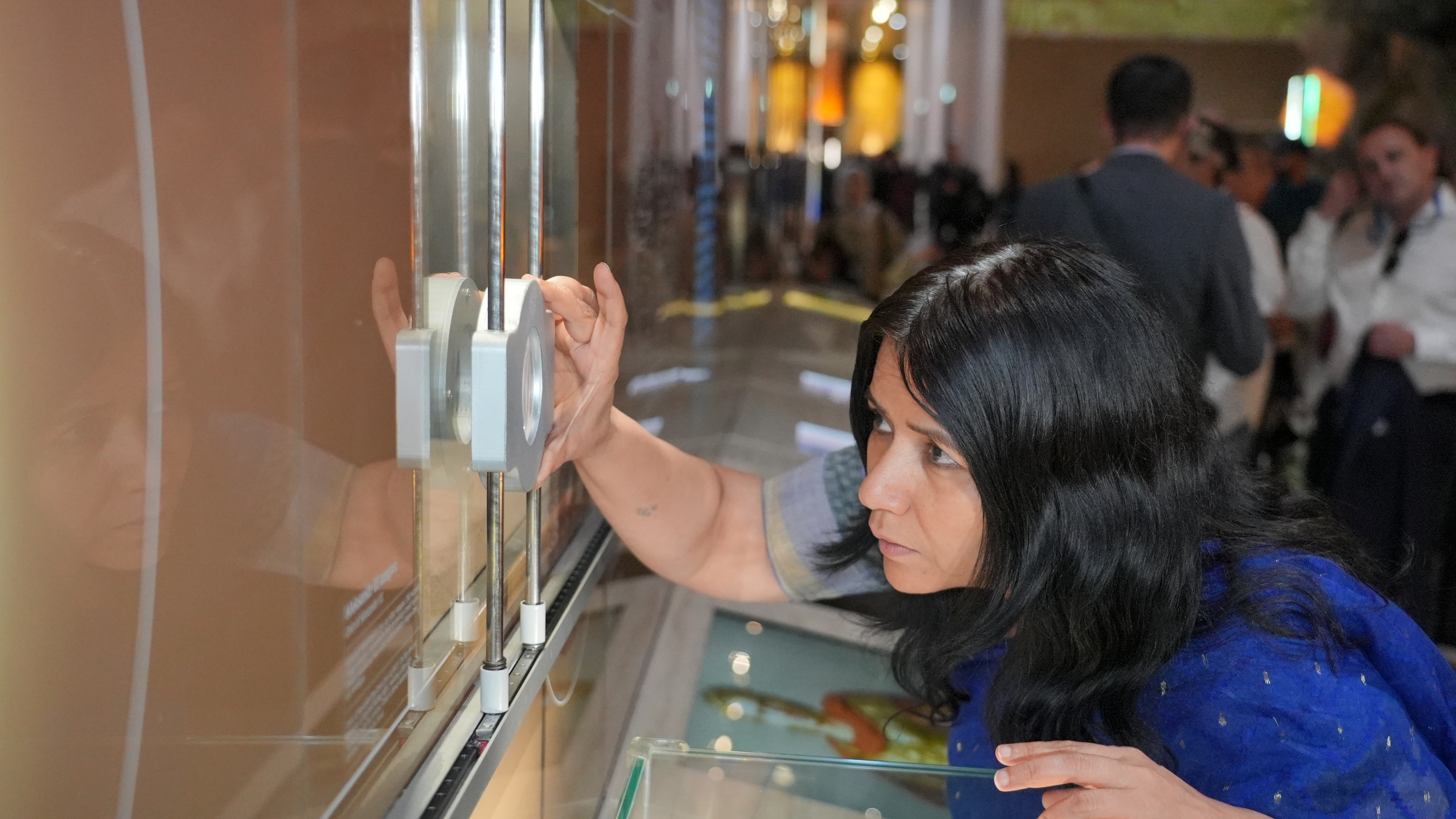
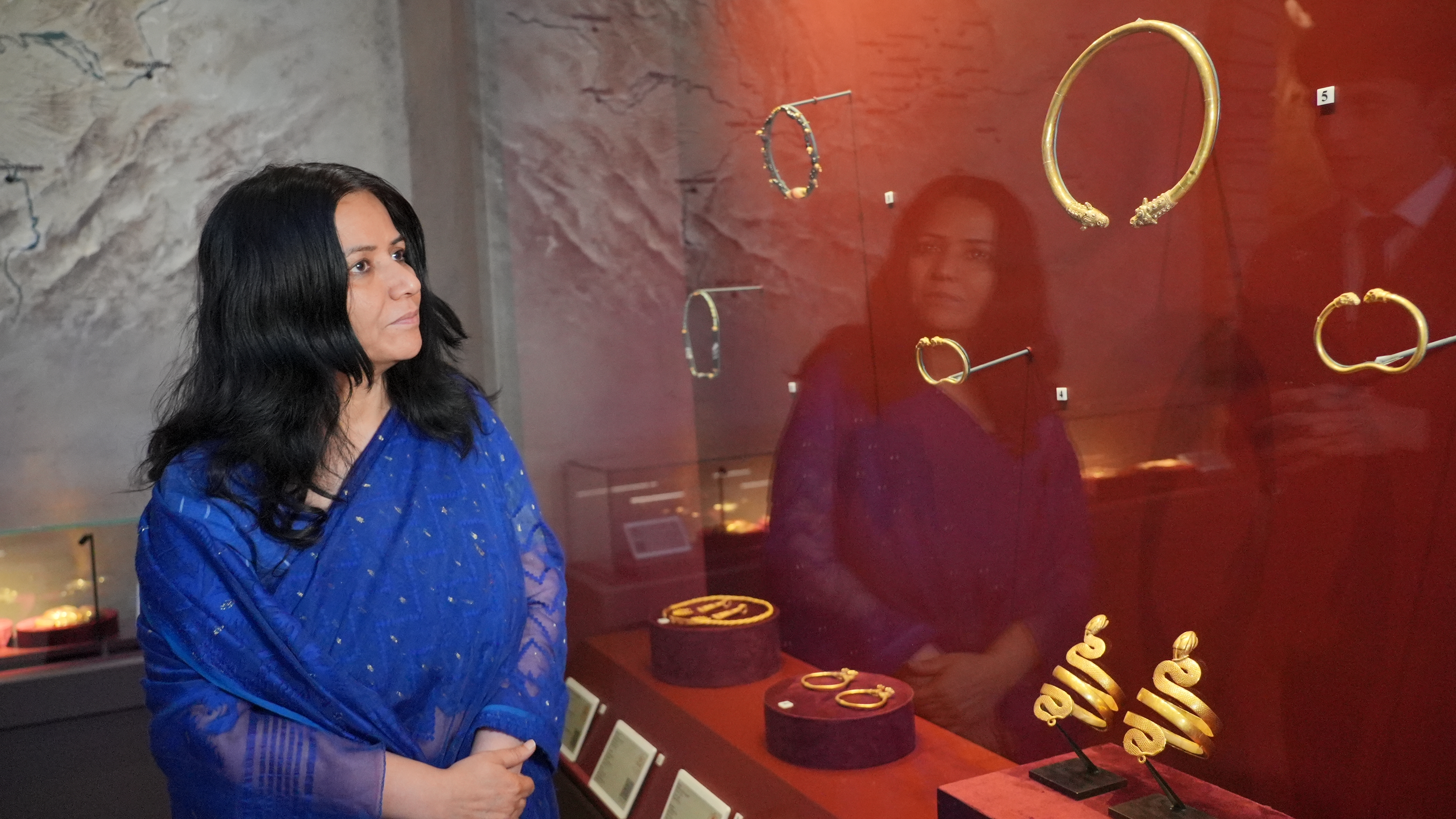
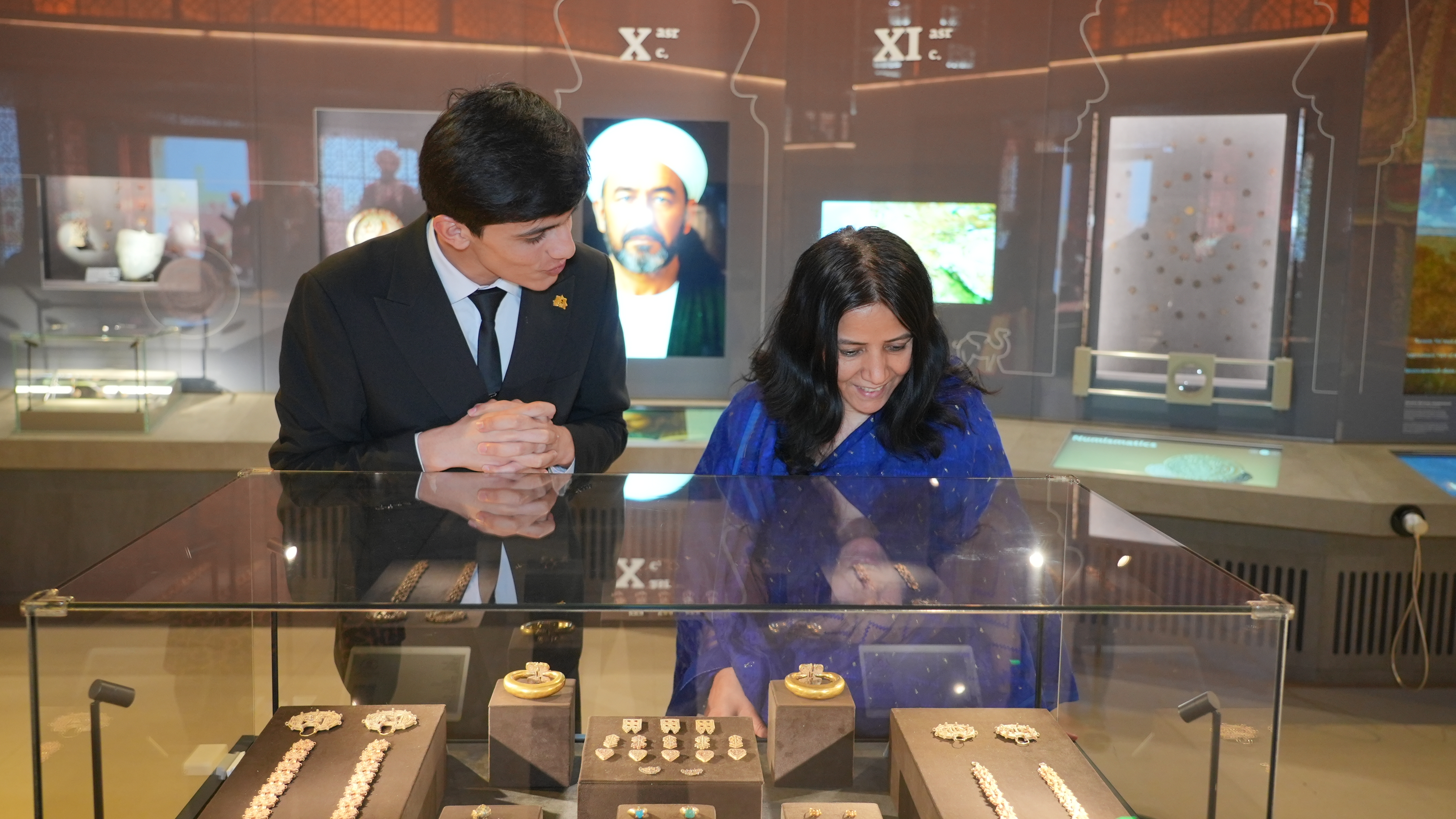
The Center’s exhibitions also feature historical heritage that sheds light on the centuries-old cultural ties between Uzbekistan and India. In particular, the legacy of Zahiriddin Muhammad Babur and the Baburid dynasty holds a special place in the history of both countries. Materials from this period offer a deeper understanding of the mutual influence between Central Asia and India in science, literature, art and architecture. The study of these historical connections helps to promote the rich cultural heritage of the two peoples widely on the international stage.
During the visit, a meeting was held between Firdavs Abdukhalikov, Director of the Center, and Ambassador Smita Pant. The parties discussed joint research into the historical and scholarly heritage that unites the two countries, the study of rare manuscripts, the preparation of joint publications, and the development of cooperation between museums, libraries and research institutions.
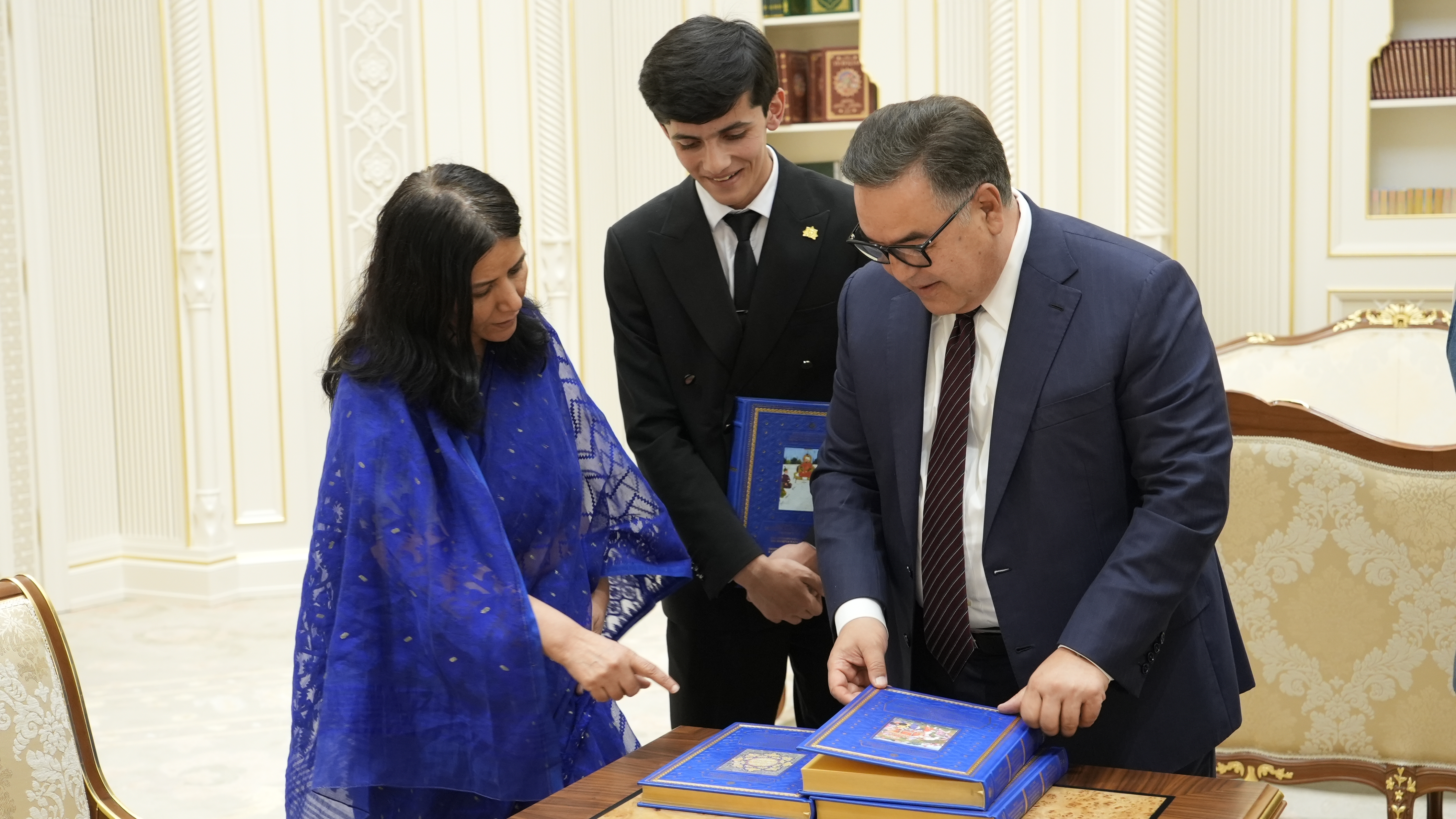
Particular attention was paid to the study of rare manuscripts kept in India’s Rampur Raza Library and Khuda Bakhsh Oriental Library, research into the scholarly legacy of great thinkers such as Abu Ali ibn Sina, and a more in-depth exploration of the history of ancient ties between Central Asia and India. The parties also discussed the possibility of implementing joint research and publishing projects on the history of ancient trade and cultural relations based on academician Edvard Rtveladze’s work “The Great Indian Road”.
Special attention was also given at the meeting to the international publishing projects carried out by the World Society for the Study, Preservation and Popularization of the Cultural Heritage of Uzbekistan (WOSCU). The Ambassador was presented with book-albums from the series “Cultural Legacy of Uzbekistan in the Collections of the World”, prepared in cooperation with Indian research institutions. These publications, which bring together examples of Uzbekistan’s cultural heritage held in museums and libraries in India, aroused great interest from the guest.
The parties also considered prospects for a broader study of historical sources held in Indian collections, as well as for preparing and publishing further volumes of the book-albums with the support of the Embassy. Such joint research creates opportunities to shed light on the historical and cultural ties between the two countries on the basis of new scholarly sources and to introduce examples of cultural heritage into international academic circulation.
Sharing her impressions of the visit and the prospects for future cooperation, Ambassador Smita Pant said:
“This is my third visit to the Center, and each time I wish I could spend even more time here. The Center clearly reflects New Uzbekistan’s forward-looking vision. This place is not only about history but also about the future. Through our history, we educate the younger generation and prepare them to contribute to the development of the country. The Center showcases Uzbekistan’s important place in the development of world civilization, as well as the bonds of friendship between the peoples of India and Uzbekistan. The four-volume publications highlighting the historical ties between our peoples, prepared in cooperation with Indian libraries, are a practical result of these relations. However, this is not the end but only the beginning — ahead of us lies a vast historical heritage that we can study together and share with our peoples, as well as new opportunities for cooperation.”
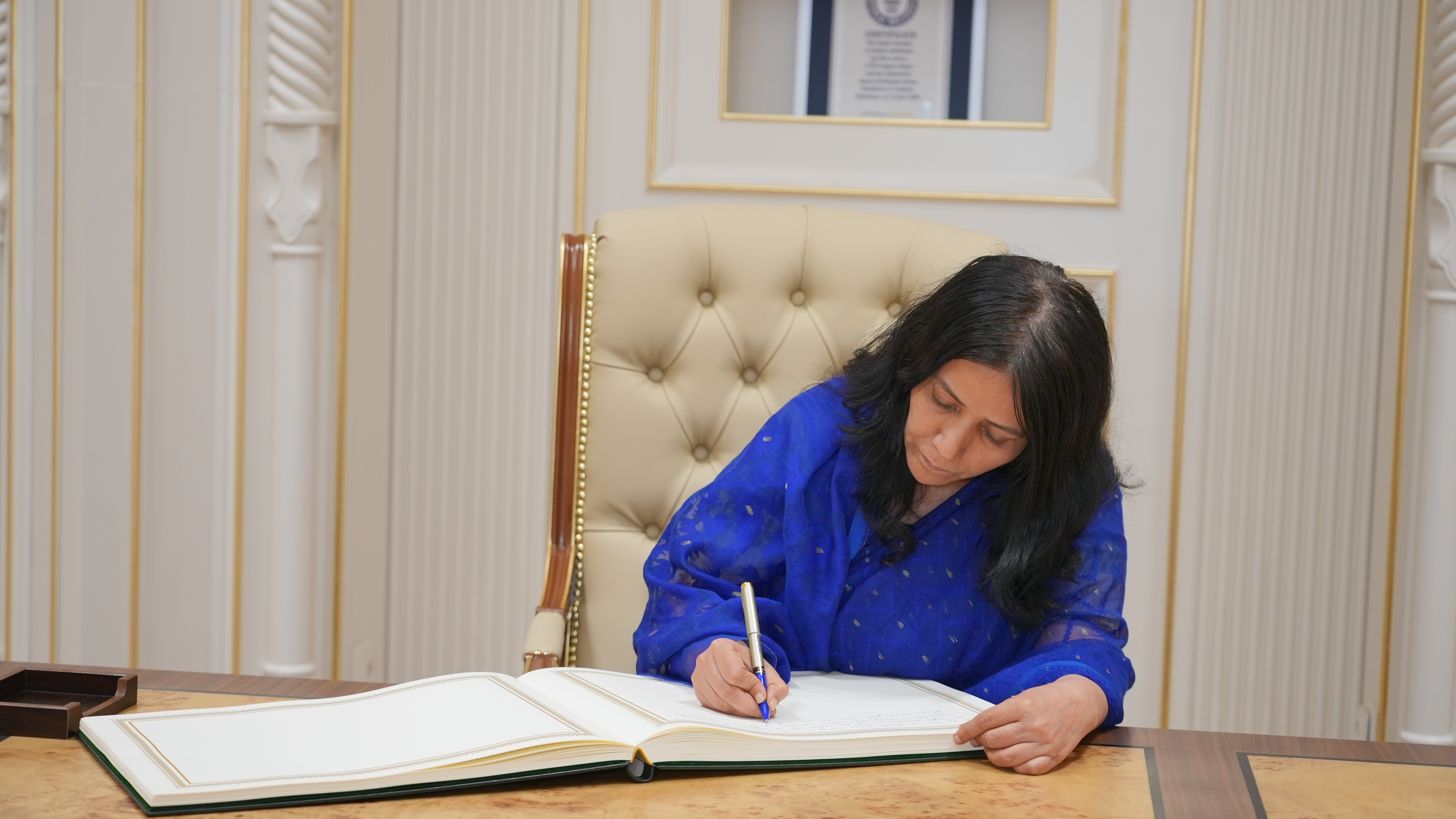
In her entry in the Center’s Honored Guests Book, the Ambassador also highlighted Uzbekistan’s rich cultural heritage, the embodiment of the President’s initiative in this institution, and the importance of strengthening friendly ties between the two countries through joint scholarly research.
The visit will help enrich the historical and cultural ties between Uzbekistan and India with practical areas of scholarly cooperation. Prospects for joint research on rare manuscripts, the preparation of new scholarly publications, and the expansion of cooperation between research institutions lay the groundwork for further strengthening the role of the Islamic Civilization Center in international scholarly and educational cooperation.
This article was automatically translated using artificial intelligence.