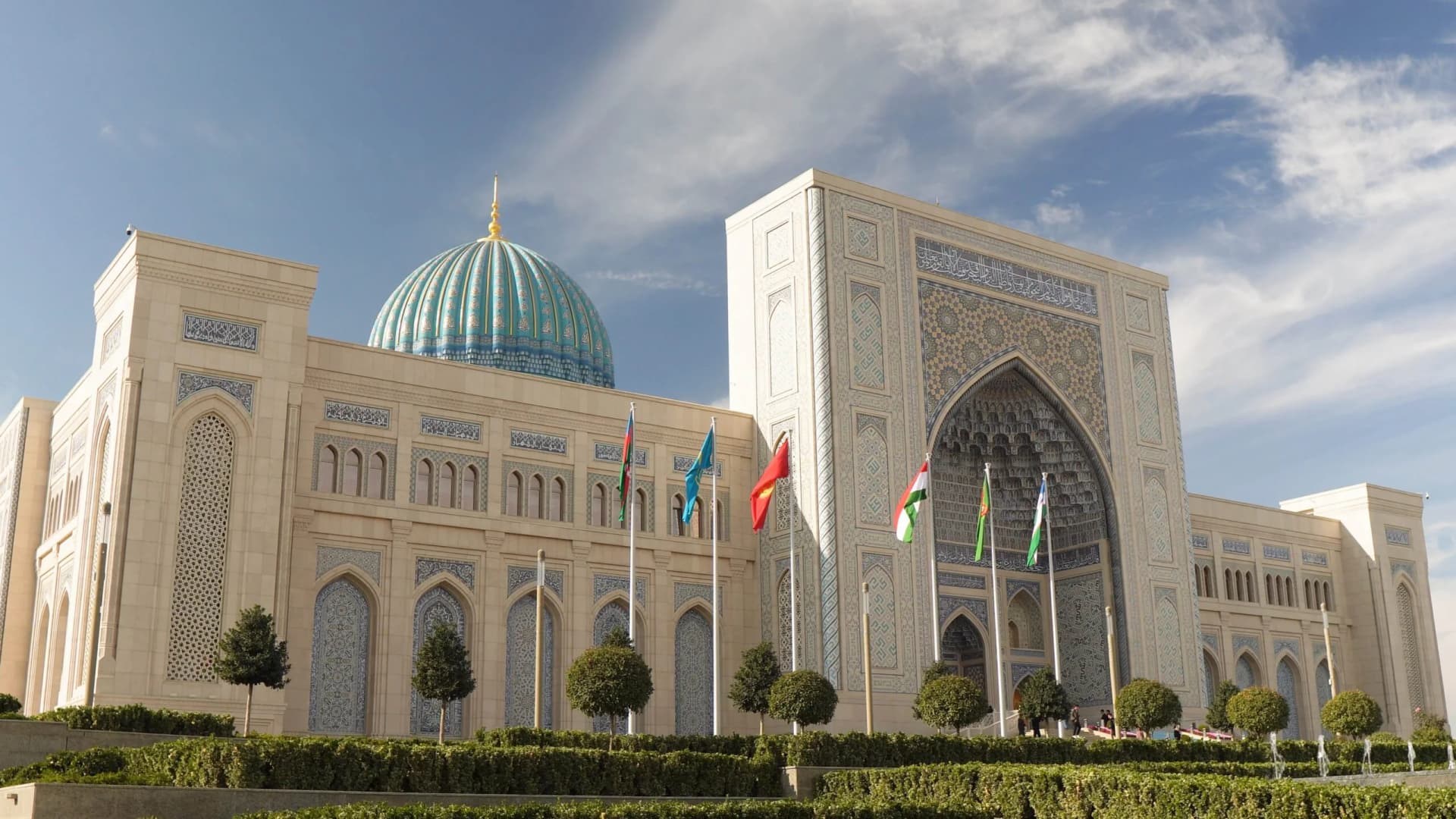
Children are discovering the world of great scholars: UNICEF representative praises the Islamic Civilization Center’s new approach
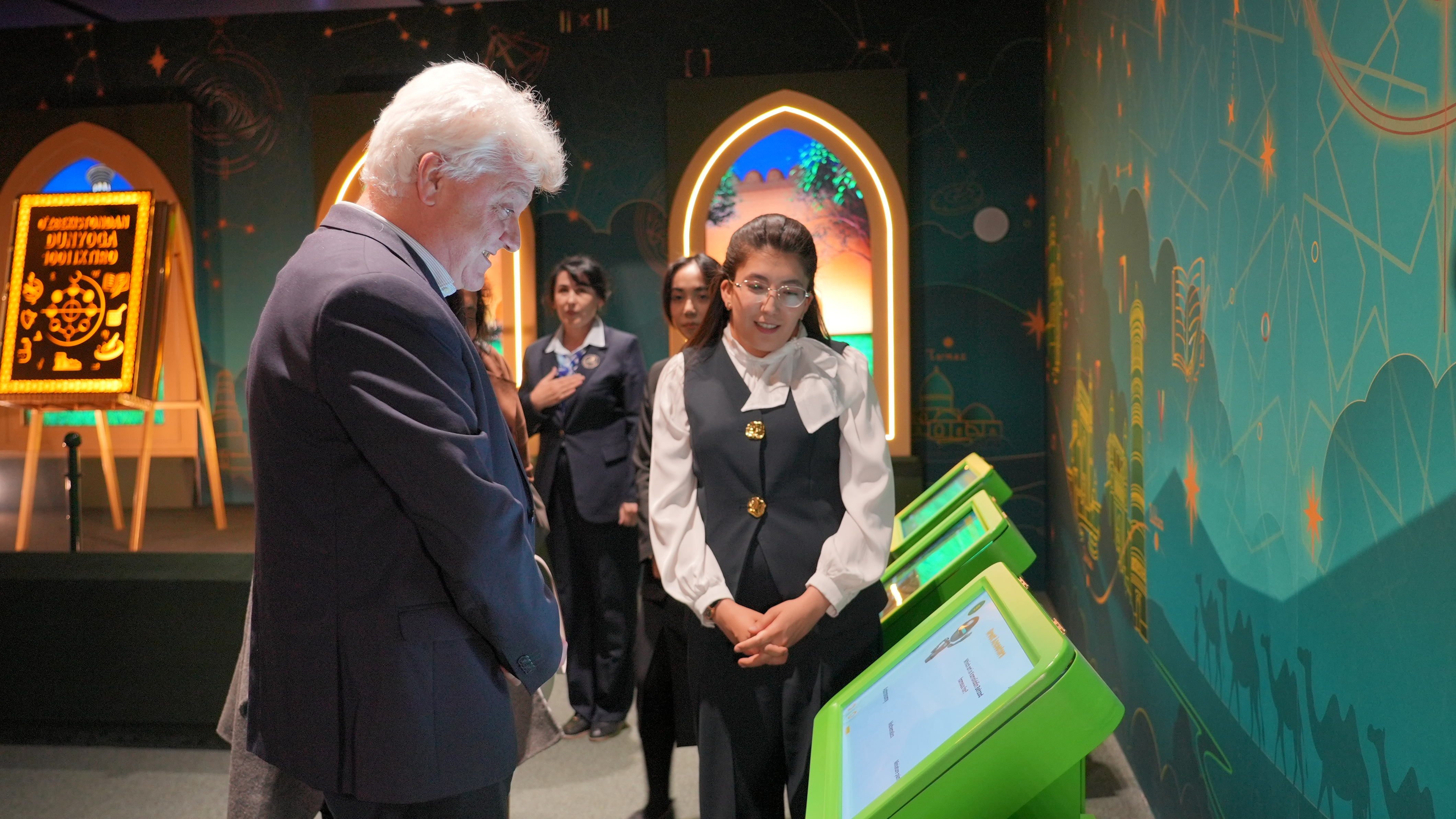
Children can discover history not only by reading books, but also through interactive exhibits, hands-on experiments, and modern technology. During his visit to the Islamic Civilization Center in Uzbekistan, Edouard Beigbeder, Regional Director of the United Nations Children’s Fund (UNICEF) for the Middle East and North Africa, highly commended the educational environment created for young visitors, emphasizing the importance of raising global awareness about this unique institution.
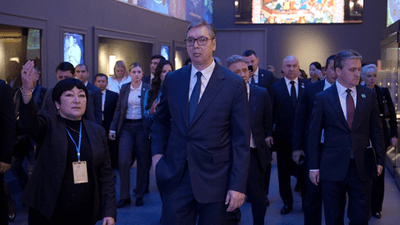
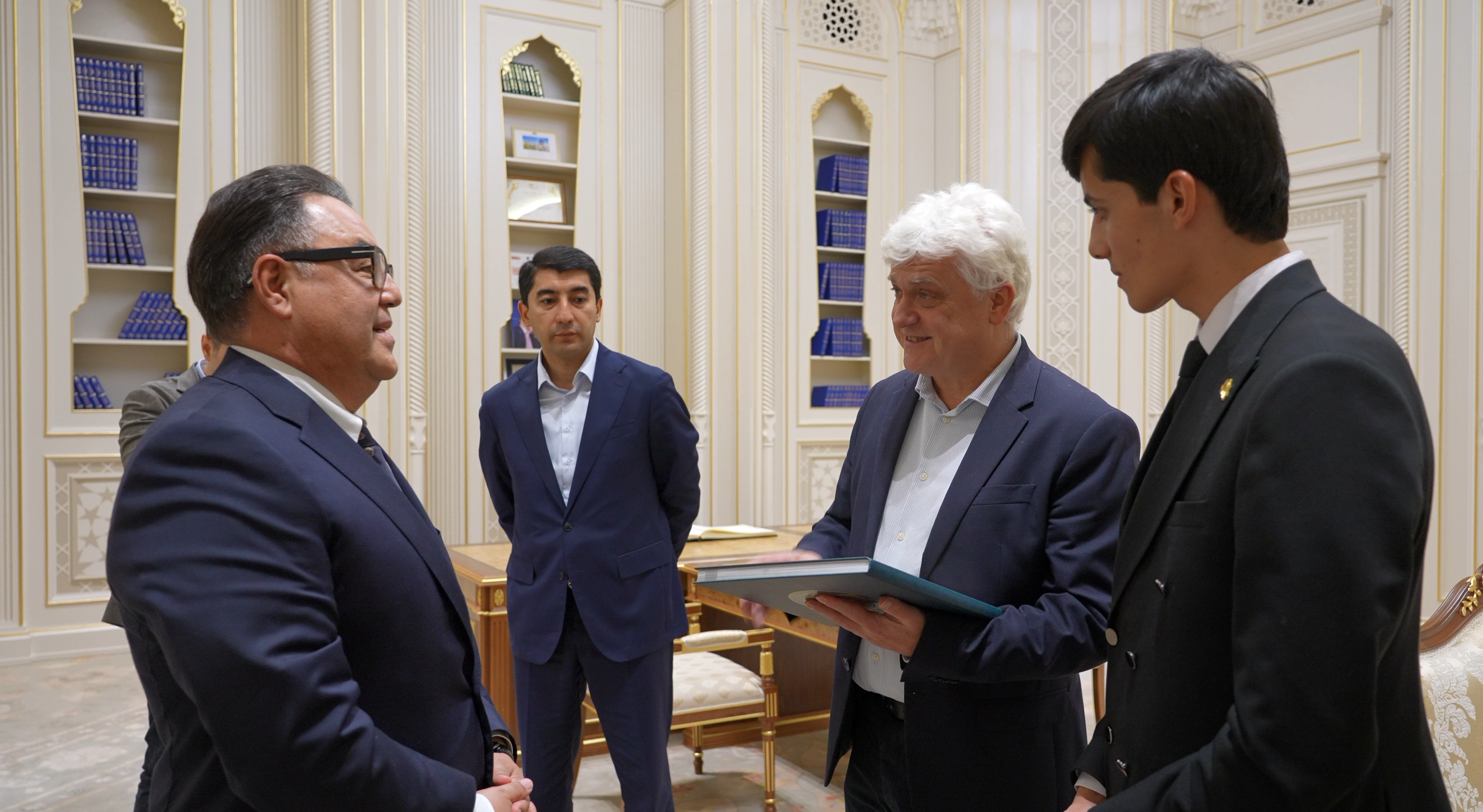
The delegation visiting the Center, which was established on the initiative of President Shavkat Mirziyoyev, was accompanied by the Director of the Center, Firdavs Abdukhalikov. The guests familiarized themselves with the interactive exhibition designed for children, the museum halls, and the Center’s innovative approaches to showcasing historical and cultural heritage through modern technology.
The visit centered on inspiring curiosity about history among children and adolescents, encouraging critical thinking, and transforming education into an engaging, interactive journey.
The itinerary began with a tour of the children’s exhibition at the Center. Featuring four thematic zones and over 15 interactive resources, this space brings together history, science, and creativity.
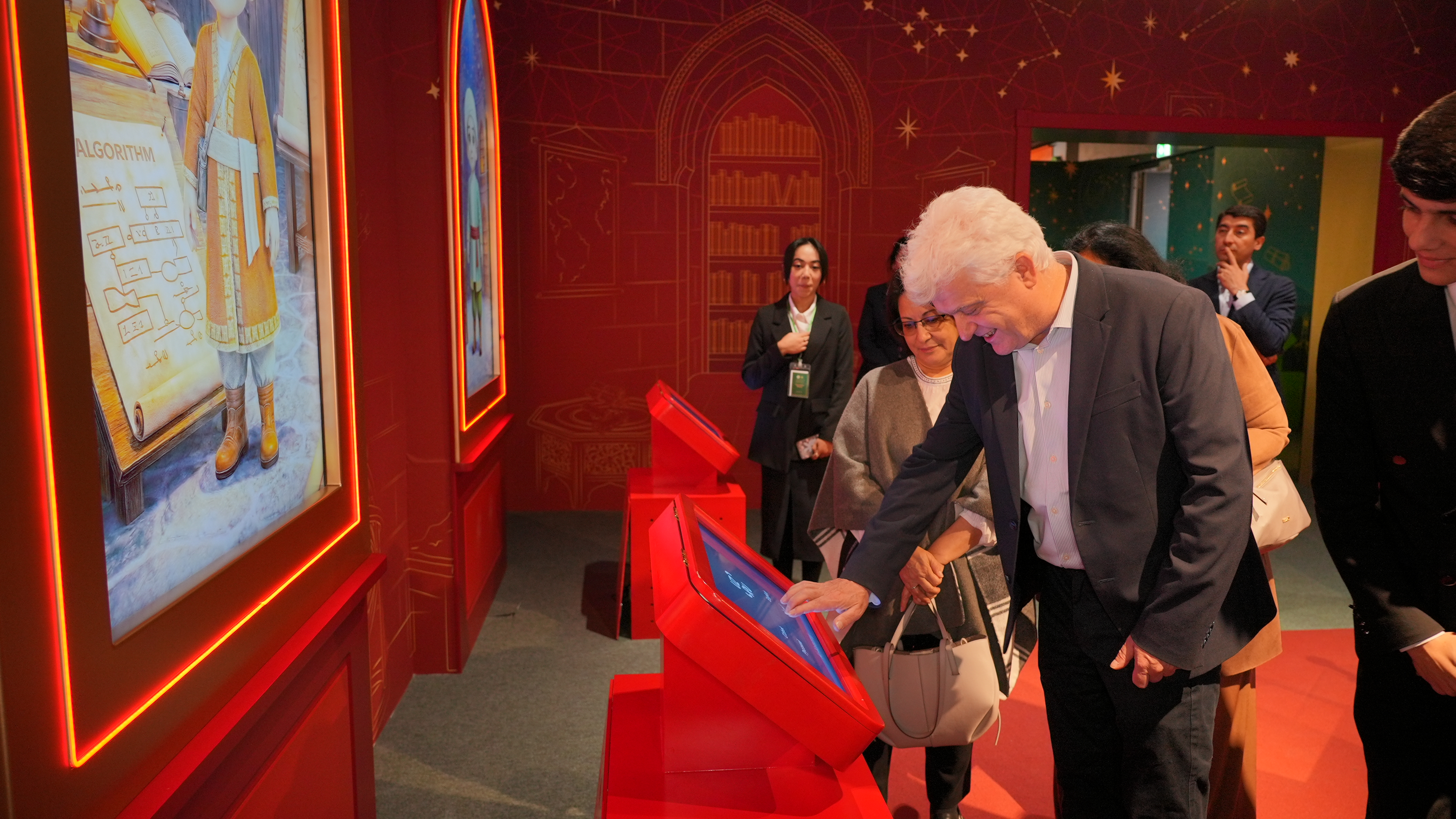
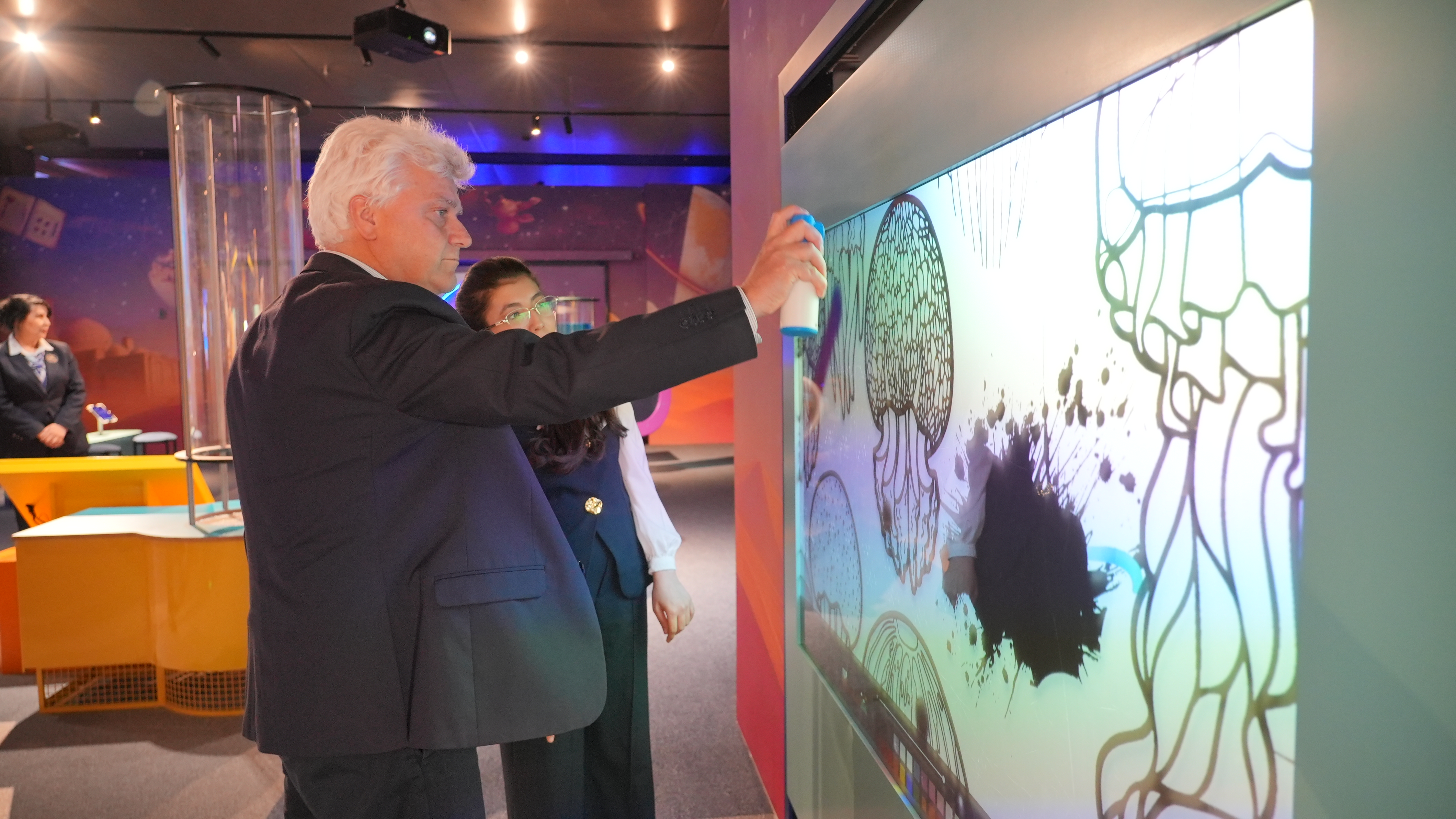
Interactive avatars of great scholars portrayed in their childhood, animated presentations, and hands-on experiment areas allow young visitors to connect directly with historical figures and scientific breakthroughs. Here, education transcends passive learning, actively engaging children through observation, exploration, and direct participation.
Beigbeder particularly highlighted the setting designed for children to play, learn, and discover new concepts simultaneously. In his view, one of the important features of such a space is its friendly environment, where children, teenagers, and parents can explore history and culture together.
“I was deeply impressed. Here, visitors can gain a much deeper understanding of not only Uzbekistan’s history, but also its rich culture. The exhibitions are designed to help guests discover the past interactively, turning the learning process into a journey that brings cultural heritage closer to people. In particular, from a UNICEF perspective, I want to emphasize that the Center offers a truly welcoming, child-friendly environment where children, youth, and parents can explore history and culture together. Understanding one's roots is vital to shaping the future. I believe it is important that more people around the world learn about such a place and visit it,” said the UNICEF Regional Director.
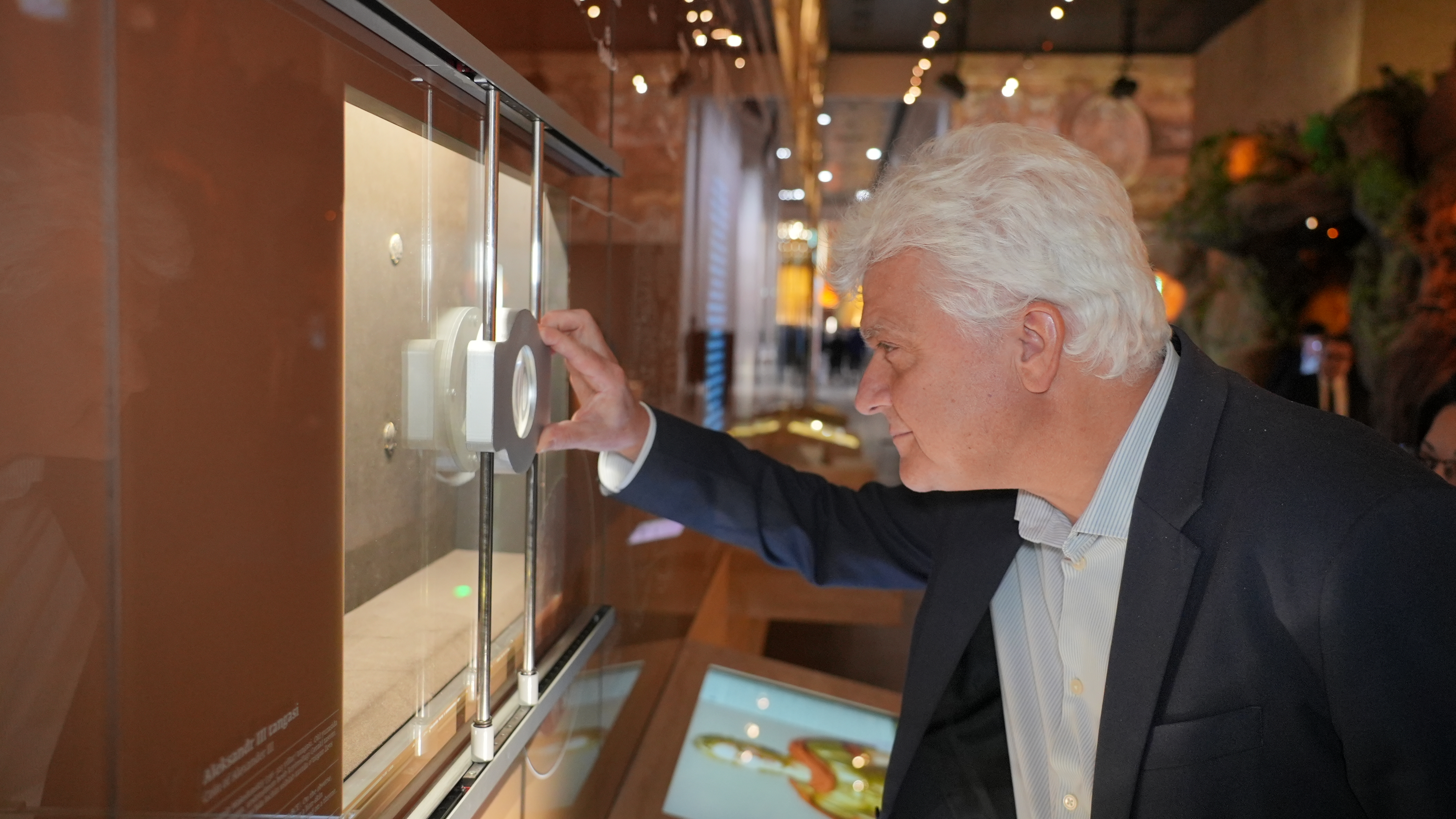
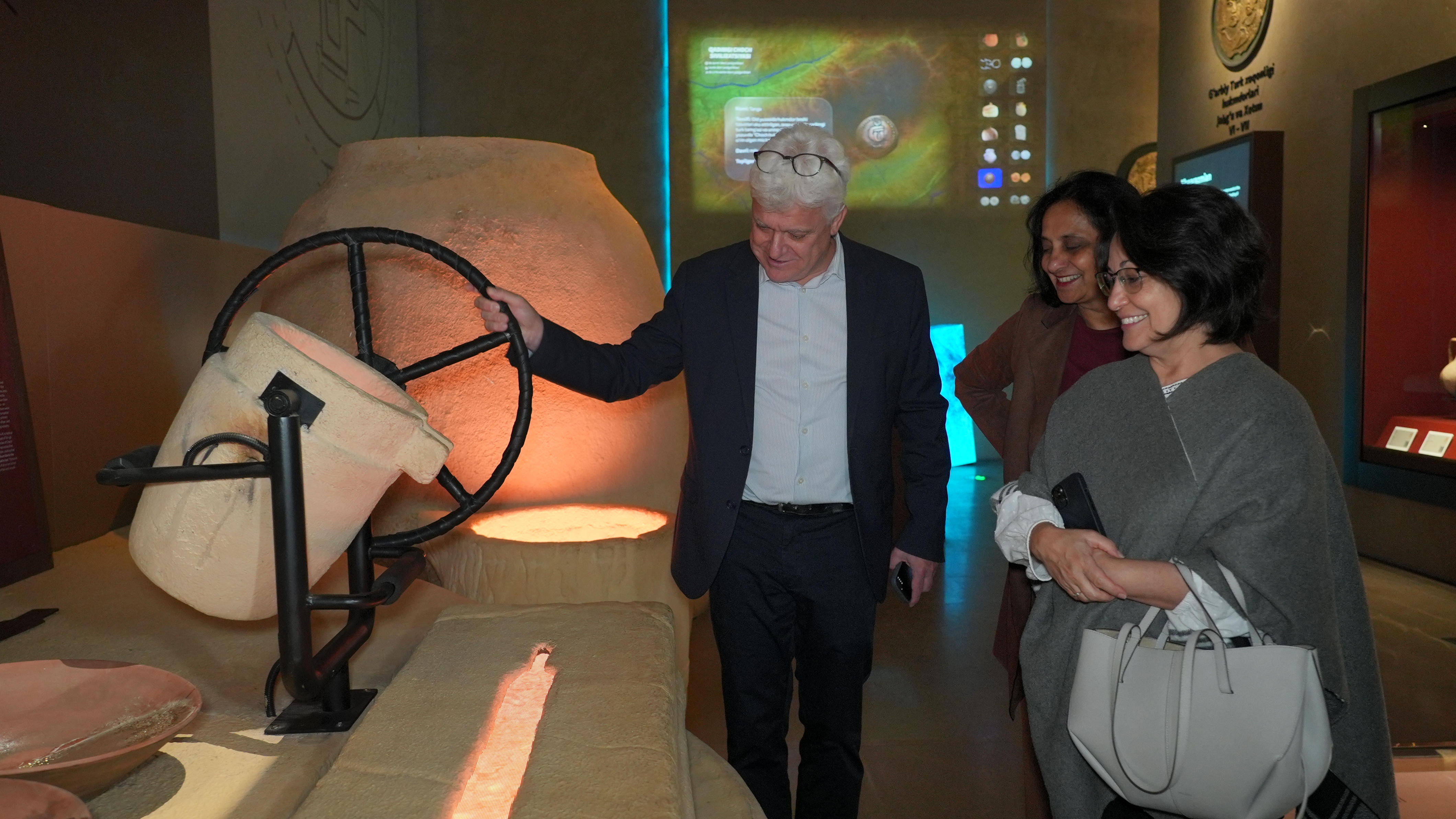
In the next part of the visit, the delegation toured the main museum exhibitions at the Center. The guests were shown the three-thousand-year historical and cultural heritage formed in Central Asia, the contribution of the region’s great scholars to the development of world science and civilization, and ways of presenting historical processes through modern interactive solutions.
The head of the delegation also viewed the ancient Quran manuscripts displayed in the Holy Quran Hall, including the Quran manuscript attributed to Caliph Uthman. The guest was particularly impressed by the advanced conservation techniques used to safeguard these manuscripts, illuminate their historical weight, and preserve them for future generations.
Beigbeder noted that the Center’s innovative approach transcends traditional museum displays, presenting historical heritage in a way that is engaging, accessible, and intuitive for visitors of all ages.
During the dialogue held as part of the visit, children’s education, passing historical and cultural heritage on to the younger generation, and prospects for international cooperation were discussed.
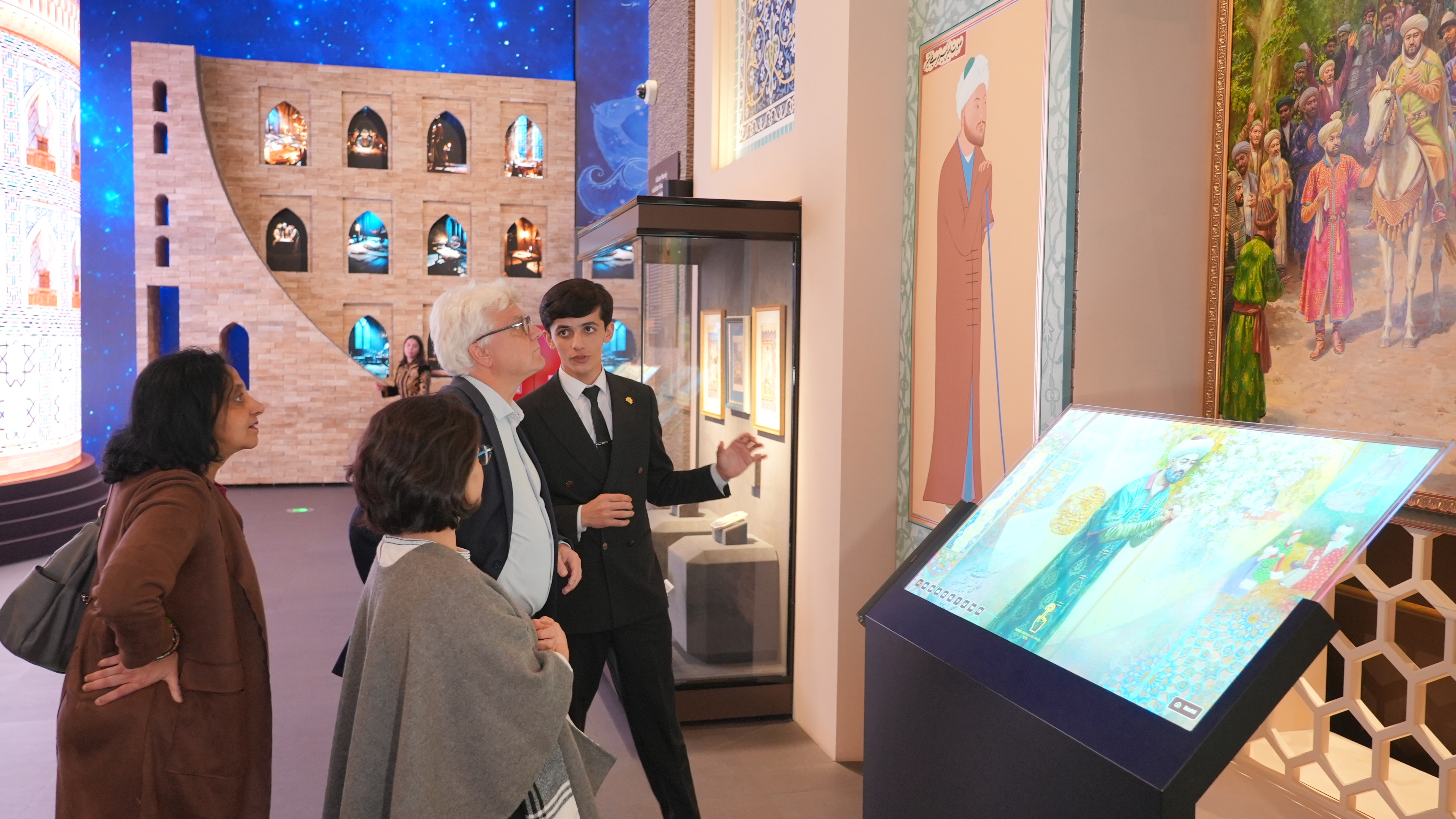
The discussion focused on enhancing interactive learning environments, sparking youth interest in history, culture, and science, and facilitating international knowledge exchange through shared cultural and educational initiatives.
The parties exchanged views on modern pedagogical methods supporting children’s well-rounded development and on prospects for using the Center’s scientific and educational potential.