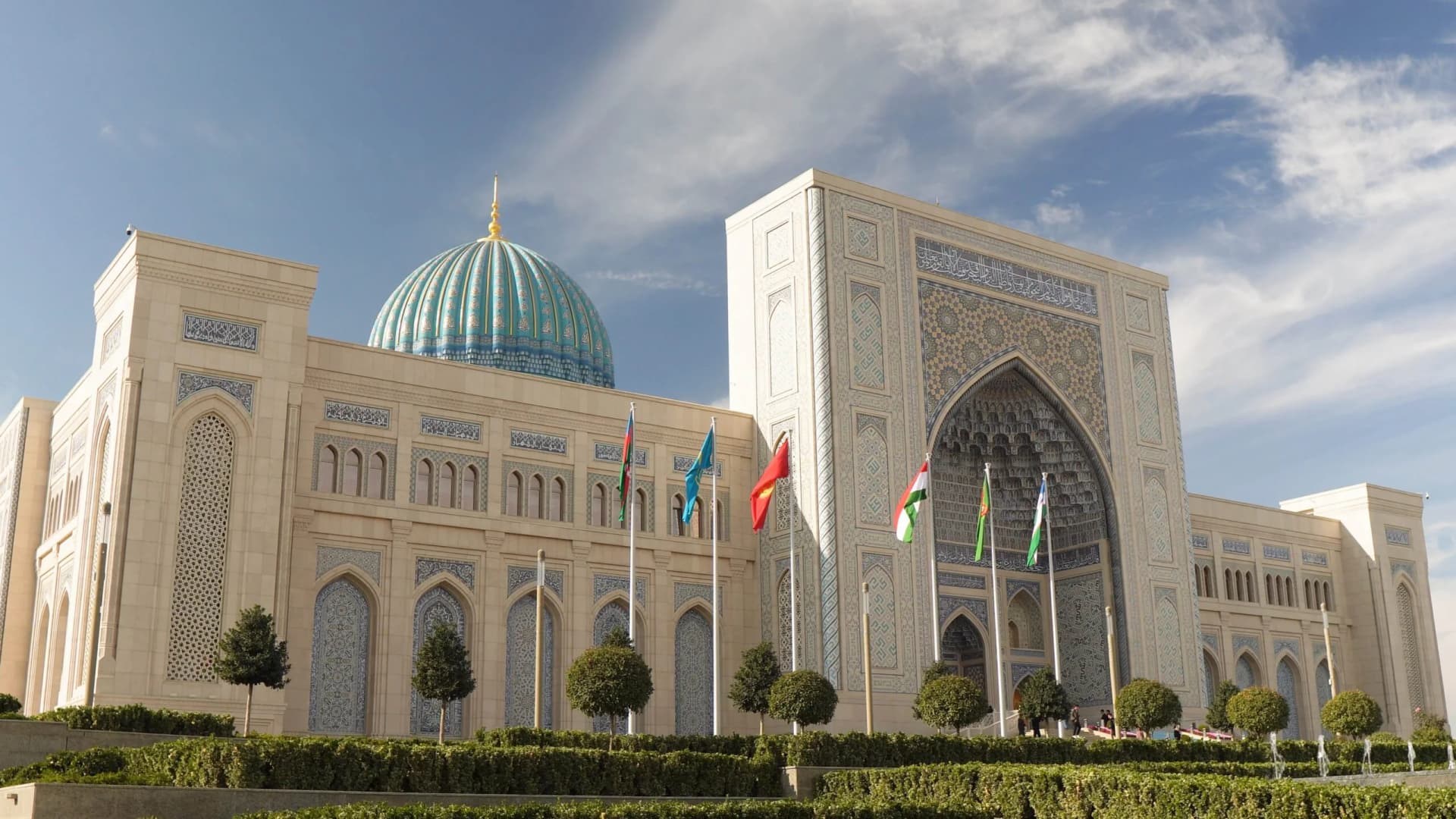
At the Islamic Civilization Center, priorities for international presentations and scientific cooperation were discussed at the Scientific Council Meeting
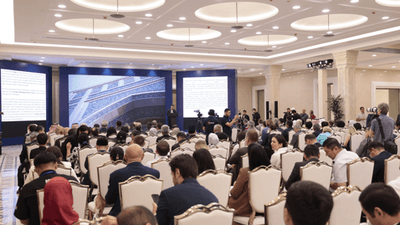
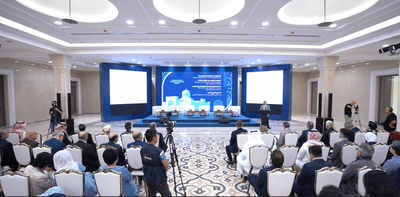
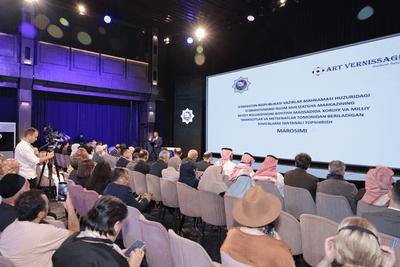
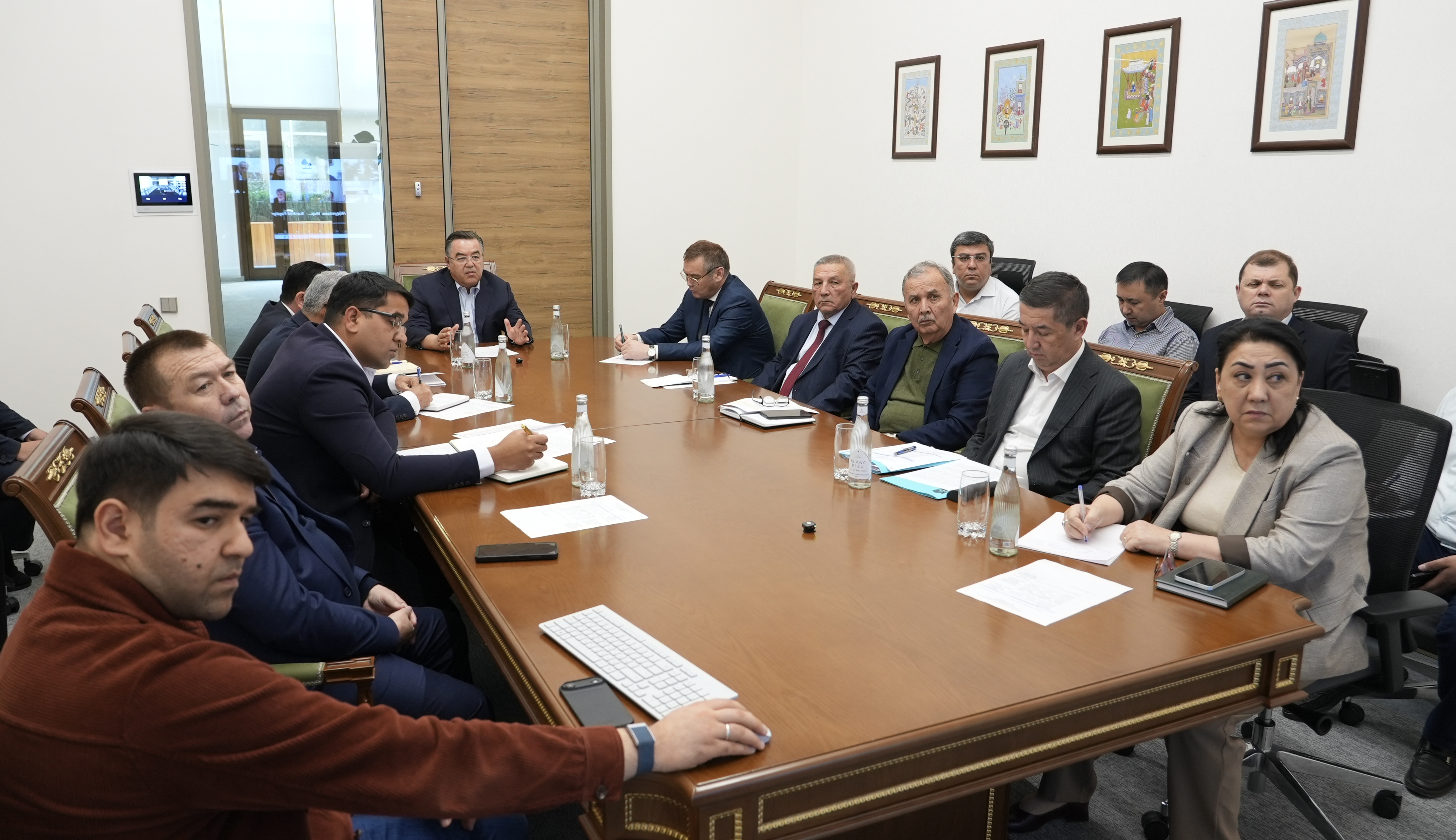 The Scientific Council of the Islamic Civilization Center in Uzbekistan held its latest meeting to discuss ongoing preparations for presenting the Center across 55 countries worldwide, organizing upcoming international conferences, and launching new scientific projects, on the initiative and instructions of President Shavkat Mirziyoyev.
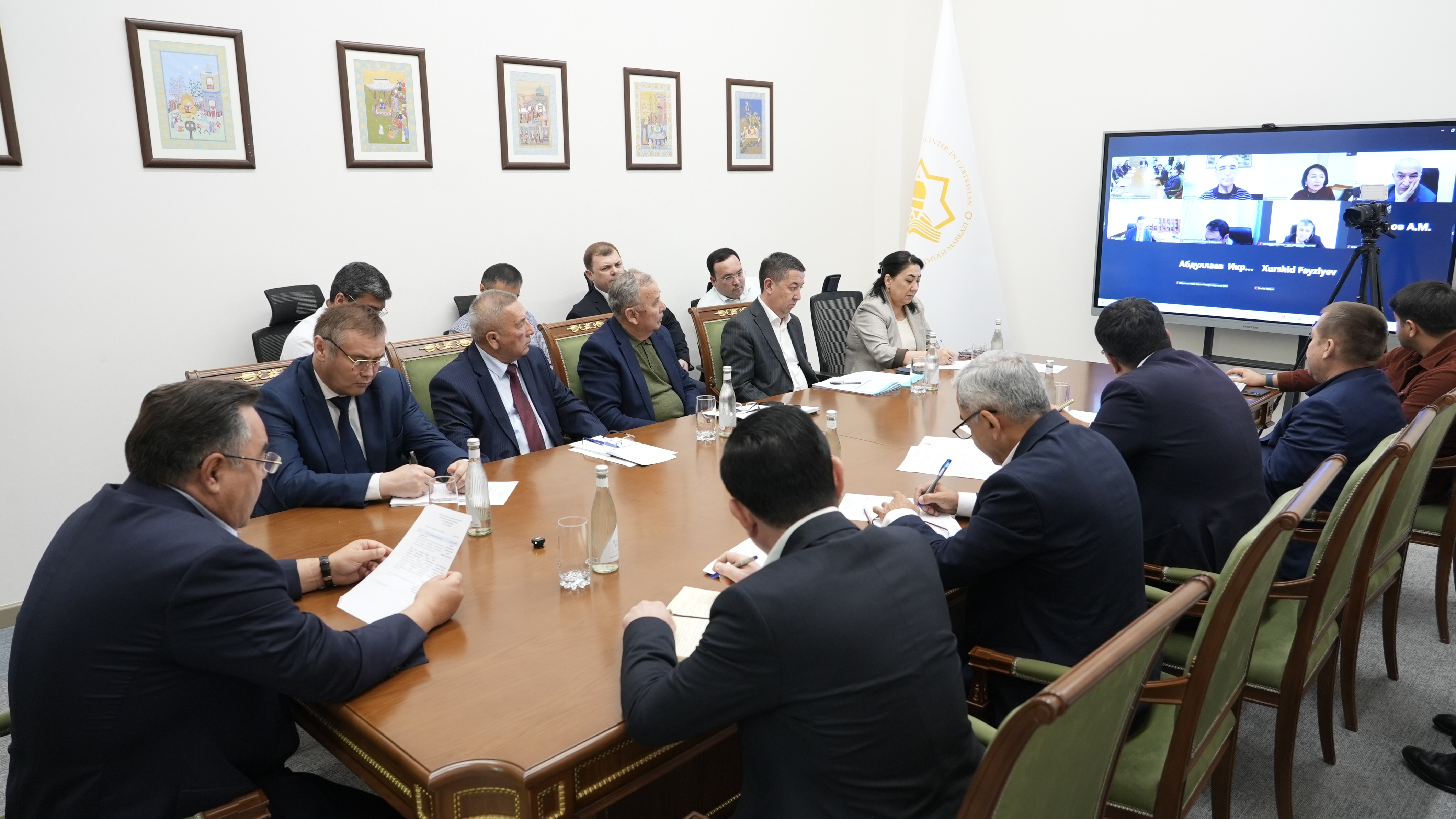
The meeting was chaired by Firdavs Abdukhalikov, Director of the Center and Chairman of the Scientific Council, and brought together Council members, prominent scholars, heads of research institutions, and representatives from partner organizations.
The primary objective of these international presentations is to introduce the world community to the reforms being carried out in science, culture, education, and religious and educational spheres in New Uzbekistan, to widely promote the contribution of our great ancestors to the development of human civilization, and to develop international scientific cooperation.
 In this regard, the council reviewed the outcomes of the international scientific conference and presentation held on October 7 at UNESCO Headquarters in Paris. At the prestigious event, scholars, diplomats, and international experts from various countries were presented with the rich scientific and spiritual heritage of Mawarannahr, the contribution of our great scholars to world science, and the work being done in Uzbekistan to study this heritage. The event also received extensive international media coverage, including broadcasts on Euronews and collaborative informative segments currently in production with CNN.
As a continuation of the Paris presentation, an international scientific conference is scheduled for October 22 at the United Nations Office at Geneva. The program will feature a dedicated exhibition highlighting the mission of the Islamic Civilization Center alongside the enduring intellectual legacies of Imam Bukhari, Imam Maturidi, and Imam Termizi.
Additionally, the council reviewed preparations for upcoming presentations scheduled before the end of the year in Azerbaijan, Qatar, Oman, Türkiye, and Jordan. Notably, the Center plans to display its latest scientific publications, traditional miniatures, and historical cultural artifacts at an international book fair and the International Mugham Center in Baku. Throughout these events, significant emphasis will be placed on establishing new collaborative initiatives and research projects with international partners.
Another key item on the Scientific Council’s agenda was the preparation for the Scholars’ Forum and the upcoming international congress of the World Society for the Study, Preservation, and Popularization of the Cultural Legacy of Uzbekistan (WOSCU).
Scheduled to take place before the end of the year, these conferences will focus on generating new scholarly ideas by engaging local and international researchers, supporting promising studies, and integrating their findings into the Center’s ongoing initiatives. Expanding cooperation among scientific institutions, museums, and libraries is also envisaged.
During the meeting, participants also emphasized the advancement of the Center’s international scientific platform, established in accordance with the President’s instructions.
In this area, the key tasks discussed included developing cooperation roadmaps with foreign countries for 2027–2030, establishing joint research, and gradually supporting promising scientific projects. It was emphasized that it is important to turn the results of the international presentations into long-term scientific cooperation programs and to ensure their practical effectiveness.
Within the Center’s scientific and publishing activities, the meeting considered having a special expert group re-review 104 book projects being prepared for publication, assess their scientific content and quality, and accelerate their publication. It was reported that final decisions have been made on 8 of these projects.
The Council also addressed new initiatives dedicated to researching and promoting the heritage of the Jadid enlighteners.
As part of President Shavkat Mirziyoyev’s initiatives aimed at deeply studying the legacy of the Jadids and widely promoting their historical contributions, a scientific and educational meeting with descendants of the Jadids was organized at the Islamic Civilization Center. It discussed the role of the representatives of the Jadid movement in national awakening and in the development of science and education, and shared new historical information and family memories about their lives and activities.
As a result of the meeting, an initiative was proposed to establish a dedicated museum exhibition honoring the Jadids at the Center. To achieve this, organizers plan to collaborate closely with the descendants of Jadid scholars to gather rare historical artifacts, archival documents, and family records, establishing a specialized exhibition over the next six months.
At the end of the meeting, relevant tasks were outlined to accelerate preparations for upcoming international presentations and scientific conferences, to develop cooperation roadmaps, and to implement newly approved research and publication projects.
These comprehensive efforts reflect the broader initiatives of President Shavkat Mirziyoyev to advance science, promote enlightenment, and safeguard cultural heritage on the global stage. Ultimately, they serve to strengthen the Islamic Civilization Center’s role as a leading international platform for scholarly research and cross-cultural dialogue.