“Roadmap” approved for the in-depth study and international promotion of Ibn Sina’s scientific legacy
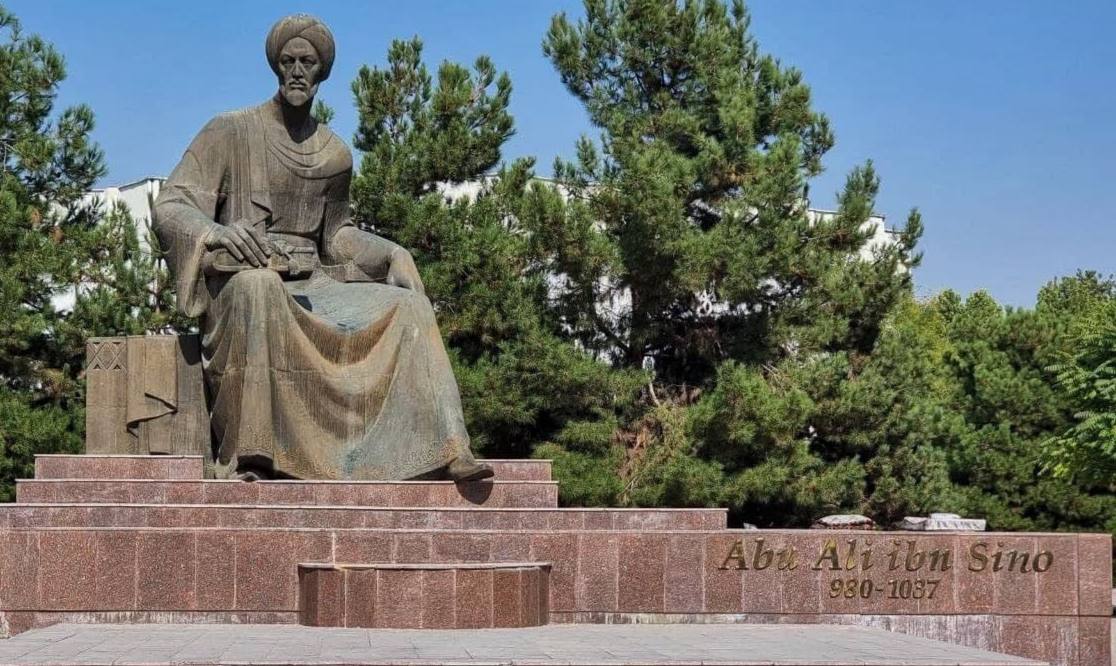
By government resolution, a “roadmap” through 2030 has been approved for the in-depth study of the rich scientific legacy of the great physician and encyclopedic scholar Abu Ali ibn Sina (Avicenna), the wide promotion of his works, and a broader demonstration of his contribution to the development of world science.
The document sets out a number of important tasks aimed at preparing for the 1050th anniversary of the scholar’s birth, to be celebrated in 2030, strengthening international scientific cooperation, and studying Ibn Sina’s legacy on the basis of modern research.
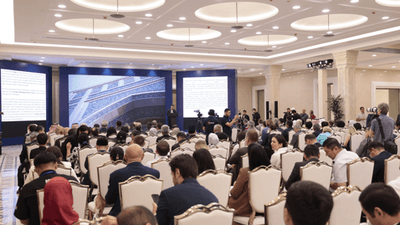
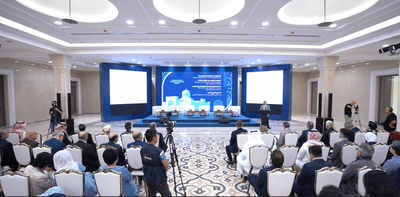
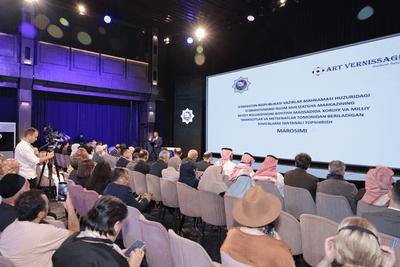
In particular, it is planned to hold an international scientific conference in Tashkent in October 2026 titled “Ibn Sina - A great representative of Western and Eastern philosophical thought,” and to organize scientific and practical conferences, exhibitions, and public lectures at higher medical education institutions, research centers, libraries, and medical and preventive care facilities.
The initiatives also envisage conducting scientific expeditions abroad, collecting manuscripts of the scholar’s works preserved in foreign countries, translating works such as “Mujaz al-Qanun”, “Qanuncha”, “Al-Isharat wa al-Tanbihat”, “Danishnama”, “Kitab al-Shifa”, and “Eastern Philosophy” into Uzbek, preparing their print and digital editions, and establishing the International Ibn Sina Prize.
In accordance with the resolution, the Abu Ali ibn Sina Scientific Research Center will be established as a state institution affiliated with Bukhara State Medical Institute. The Center will focus on investigating Ibn Sina’s medical treatises, integrating historical insights with modern healthcare, translating rare manuscripts into an open digital repository, and conducting specialized masterclasses in the history of medicine.
These initiatives are important for preserving the great scholar’s rich scientific legacy, studying in greater depth his enormous contribution to world civilization and the development of medicine, and passing it on to future generations.