Uzbekistan and Korea seek to expand cooperation in the digitization of historical heritage
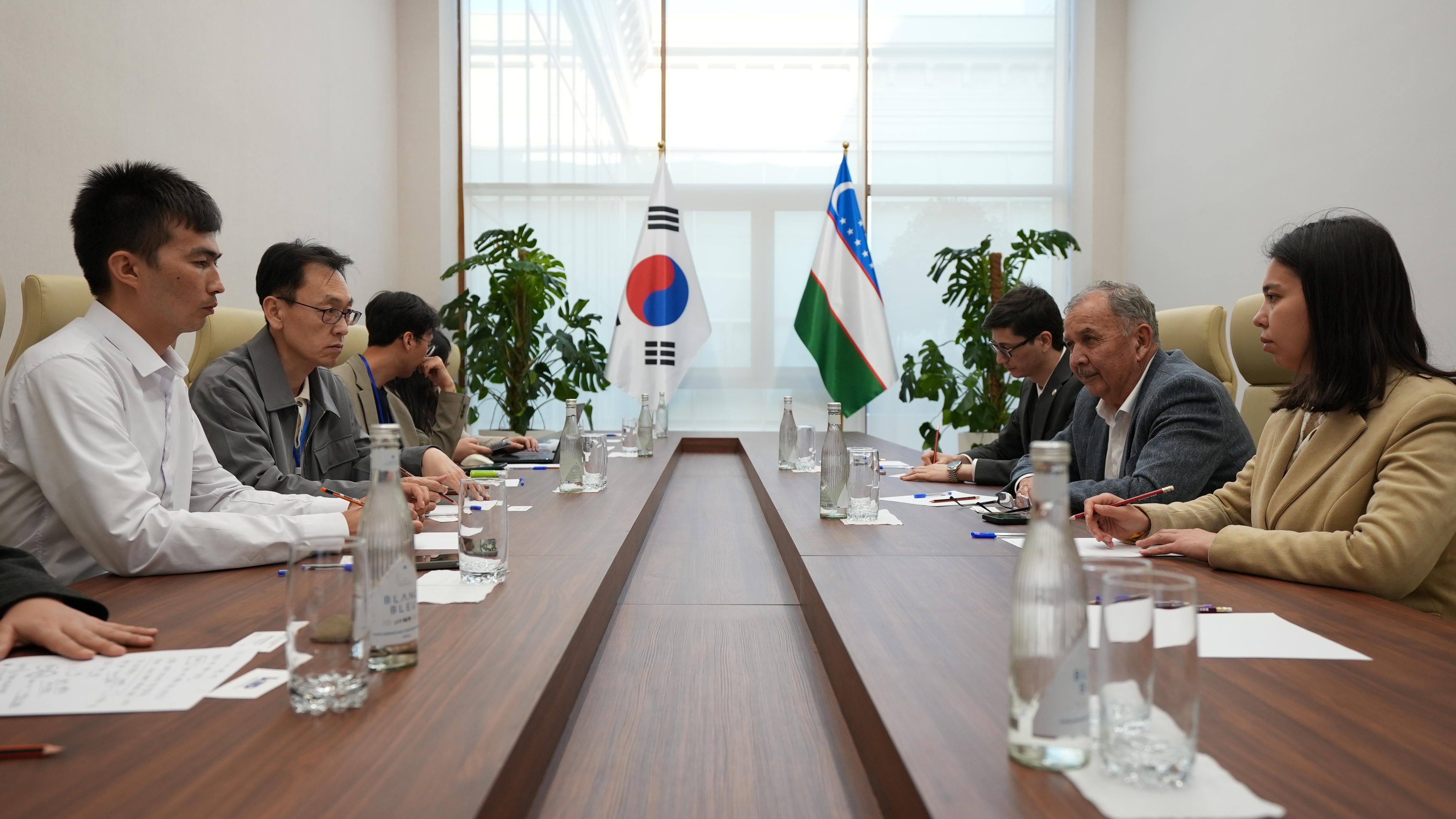
Preserving historical monuments and unique artifacts today also requires documenting them with digital technologies, creating virtual reconstructions, and presenting them interactively to new generations. Islamic Civilization Center in Uzbekistan recently explored international cooperation in this field, discussing advanced methods for studying and showcasing cultural heritage alongside experts from the Korea National University of Heritage.
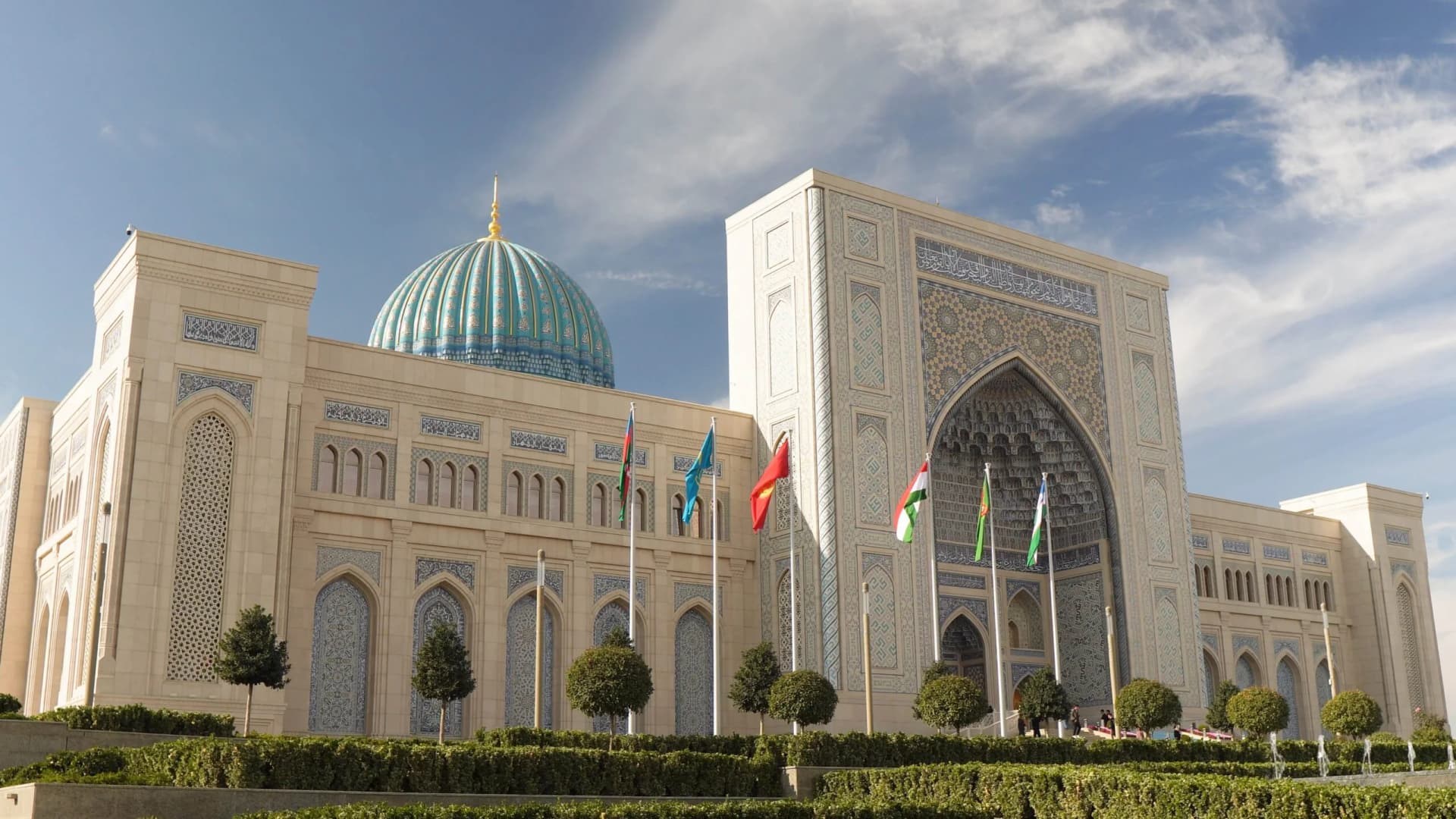
During their visit to the Islamic Civilization Center in Uzbekistan, experts from the Korea National University of Heritage became closely acquainted with the Center’s exhibitions, the methods used to display historical artifacts, and the multimedia content created with digital technologies.
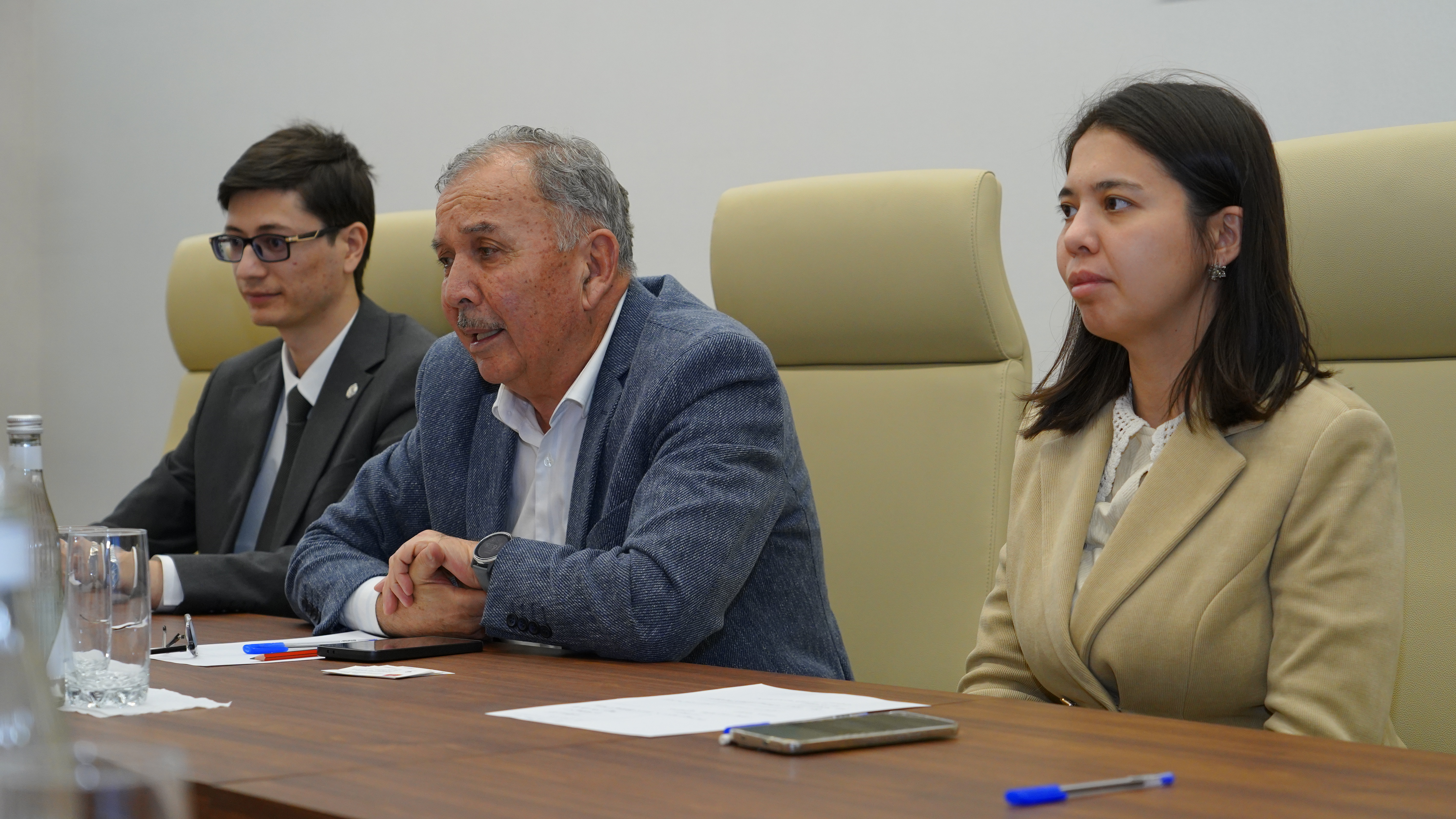
After the tour, a meeting was held with Zohidulla Munavvarov, the Center’s Chief Researcher. The discussion covered the digital documentation of cultural heritage, the creation of virtual reconstructions of historical objects, the development of research-based digital exhibits, and the exchange of international experience in these areas.
Jeongmin Yu, Associate Professor and Doctor of Philosophy at the Department of Digital Heritage and Cultural Technologies of the Korea National University of Heritage, emphasized how the Center’s exhibitions integrate historical heritage and modern technologies. He said this approach lets visitors not only see historical objects but also better understand their origins, the period in which they were created, and their cultural significance. The expert also spoke about the Center’s founding and its international importance, acknowledging both its scale and the opportunities it creates for studying historical heritage with modern methods and making it accessible to the wider public. Jeongmin Yu affirmed that the Korea National University of Heritage looks forward to establishing a results-oriented partnership with both the Center and the Cultural Heritage Agency of Uzbekistan.
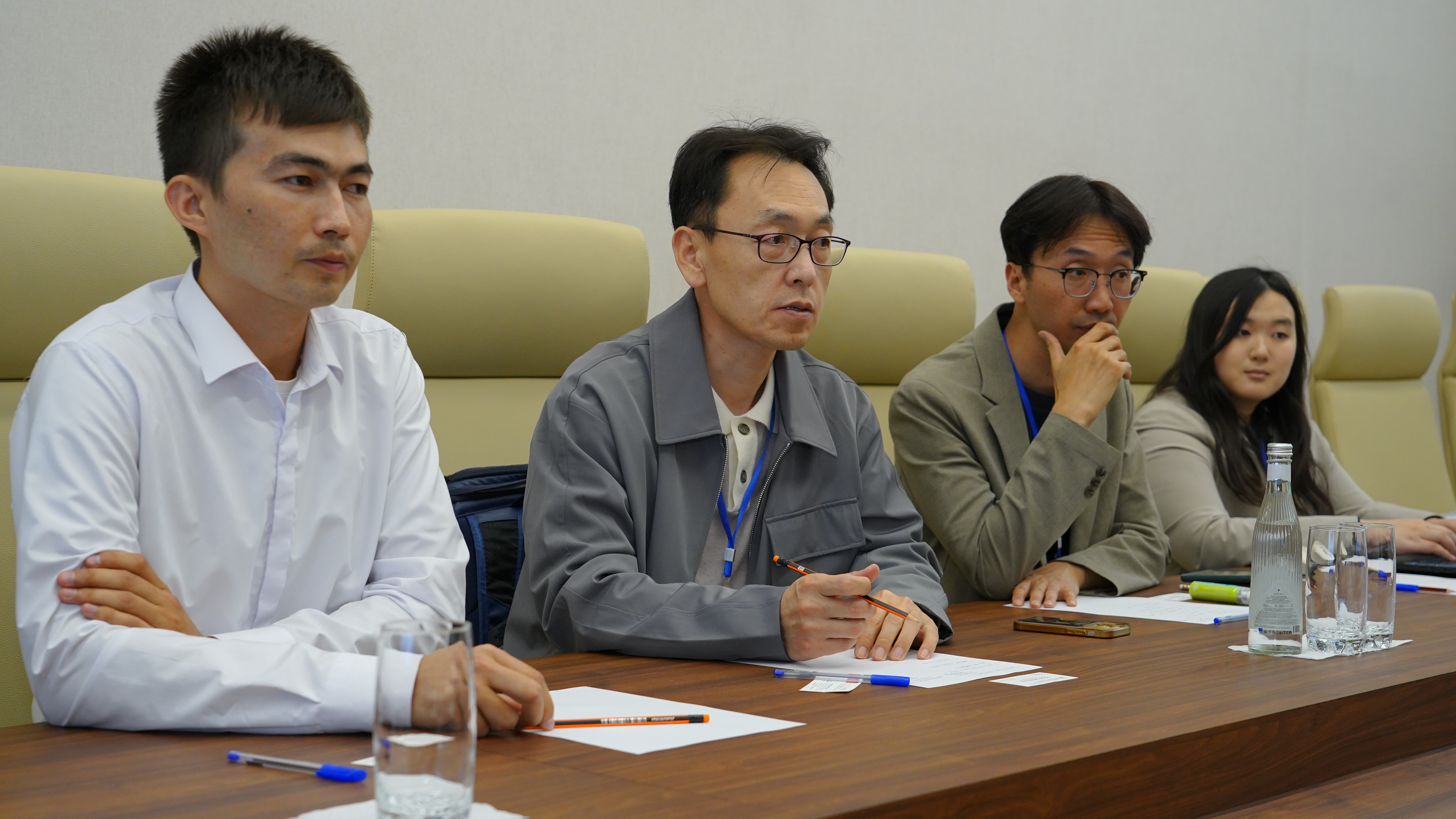
“At the Islamic Civilization Center, I observed an exceptional approach to presenting historical heritage through modern technology. I was particularly impressed by how the original artifacts and digital installations complement one another. Here, visitors do not merely view an exhibit; they gain a comprehensive understanding of its historical context, the era of its creation, and its broader cultural significance.
The Center’s inclusion in the Guinness World Records, an achievement realized through the initiative and dedicated support of the President of Uzbekistan, clearly reflects its grand scale and international standing. In my view, the true value of this institution lies not only in the breadth of its exhibitions, but also in the unique opportunities it provides to explore and study a rich civilizational legacy using modern technologies.
Our objective is to achieve tangible, practical outcomes in collaboration with the Cultural Heritage Agency of Uzbekistan and the Islamic Civilization Center. Specifically, we intend to establish key initiatives focused on the digital documentation of artifacts, the creation of accurate virtual reconstructions, and the development of evidence-based digital exhibits.
To achieve this, it is first of all important to develop a roadmap that covers shared goals and priority tasks. Moving forward, we look forward to building a sustained, mutually beneficial partnership with the Center across these fields,” stated the representative of the Korea National University of Heritage.
The dialogue between the Islamic Civilization Center in Uzbekistan and the experts from the Korea National University of Heritage is a significant step toward uniting scientific expertise, applying advanced technologies, and identifying strategic areas of joint research.
The next important task for both sides is to turn the proposals discussed into clear priority areas, actionable tasks, and a cooperation roadmap. This is expected to lay the foundation for innovative projects dedicated to preserving cultural heritage, deepening its scholarly study, and promoting it more widely on the international stage through modern technologies.