The secret behind the call for enlightenment resounding from Uzbekistan to the world
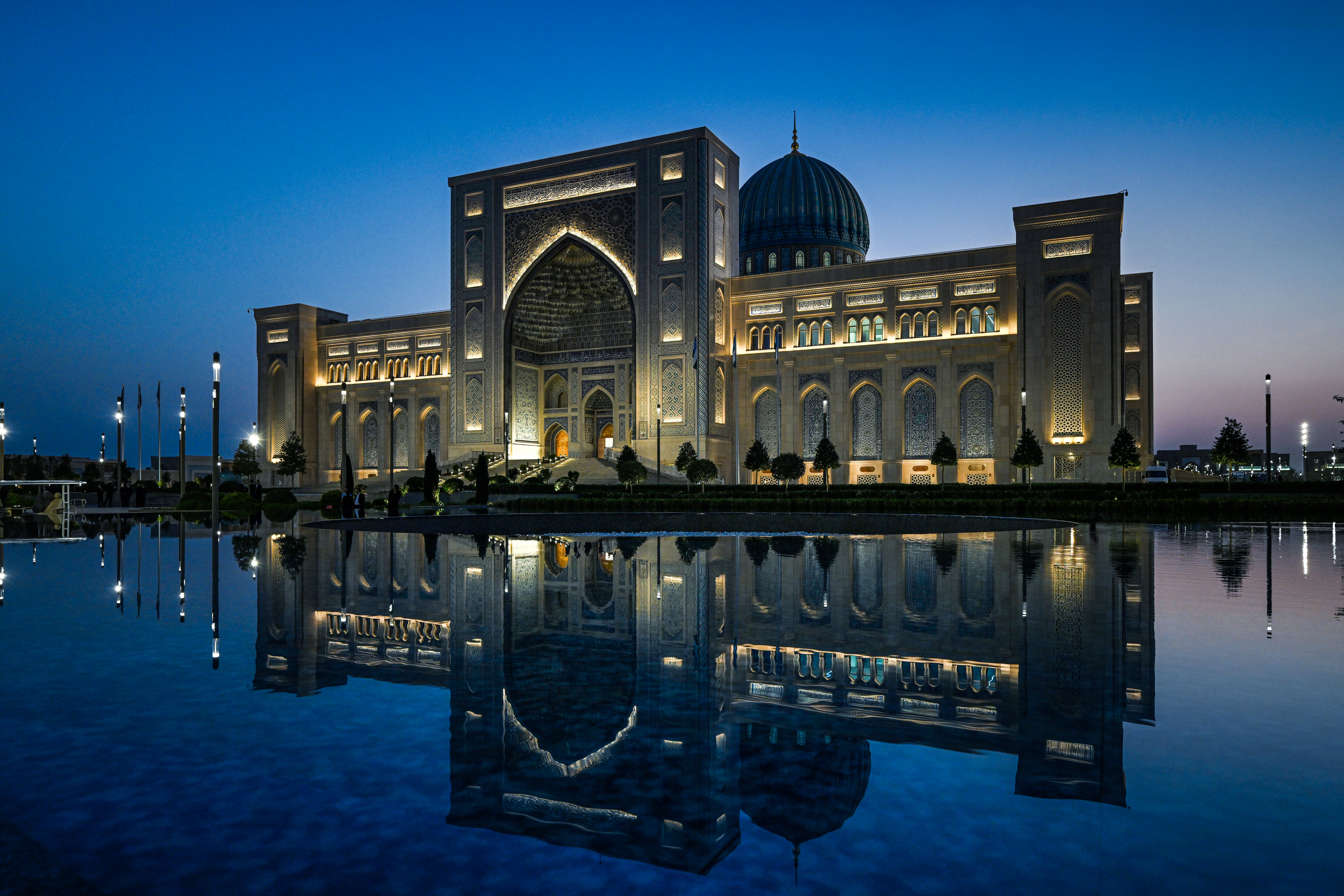
The greatness of Islamic civilization lies not only in historical monuments or the names of famous scholars. Its most important contribution to world progress is manifested in the tradition of gathering knowledge, analyzing it critically, and laying the ground for new scientific discoveries. Central Asia was one of the important centers of this intellectual ascent. And today, the Islamic Civilization Center is proclaiming this truth loudly to the whole world.
In human history, civilizations are often judged by powerful states, great rulers, vast cities, and military victories. Yet historical experience shows that the true potential of a civilization is also determined by the extent to which it developed human thought, the conditions it created for producing knowledge, and its ability to pass this knowledge on to subsequent generations.
From this standpoint, Islamic civilization holds a special place in world history. It cannot be confined to the history of religious teachings, political dynasties, or architectural monuments. It was also a broad intellectual space that contributed to the development of knowledge in mathematics, medicine, astronomy, optics, geography, philosophy, and many other fields.
The significance of this heritage is not limited to the past. From the terms derived from Khwarizmi's mathematical works to Ibn Sina's medical legacy, this historical experience raises important questions related to the development of science, education, and technology today: how is a knowledge environment that leads society to progress formed, and how can it be sustained?
Attitude toward knowledge: the foundation of civilizational progress
To understand the scientific potential of Islamic civilization, one must first grasp its attitude toward knowledge. In the Middle Ages, in various regions of the Muslim world, mosques, madrasas, libraries, scholarly gatherings, and hospitals played an important role in the process of acquiring and disseminating knowledge.
The waqf system made it possible, in some regions, to provide material support for educational institutions, libraries, scholars, and students. Some hospitals, besides treating patients, also served as centers for studying medical knowledge and applying it in practice.
Such experience shows that, in the advancement of science, besides the talent of scholars, scientific ascent also requires a demand for knowledge, institutions that disseminate it, mechanisms of patronage, and intellectual exchange among representatives of different generations.
In this sense, one of the important features of Islamic civilization is the formation of an environment that served to turn knowledge from the personal achievement of an individual into a broader social process.
Baghdad: a center where different knowledge traditions met
The rise of Baghdad as a major scientific and cultural center in the eighth and ninth centuries, under the Abbasid Caliphate, was an important stage in this process. Here, works from the Greek, Syriac, Persian, and Indian scholarly heritage were translated into Arabic and studied, and they served as a basis for new research.
The name "Bayt al-Hikma," the House of Wisdom, has become one of the symbols of the historical tradition associated with scholarly and translation activity in Baghdad. However, to assume that all translation work of that period was carried out solely in this institution would oversimplify the complexity of the historical process. The exchange of knowledge took place through various cities, libraries, scholars, and networks of patronage.
The significance of this process is that ancient knowledge was not merely preserved. Ideas in mathematics, medicine, astronomy, and philosophy were discussed, critically reviewed, and enriched with new results.
Such experience reveals one of the important laws of civilizational progress: the movement of knowledge is not limited to simple transfer from one culture to another. It develops through new questions, new needs, and new research methods.
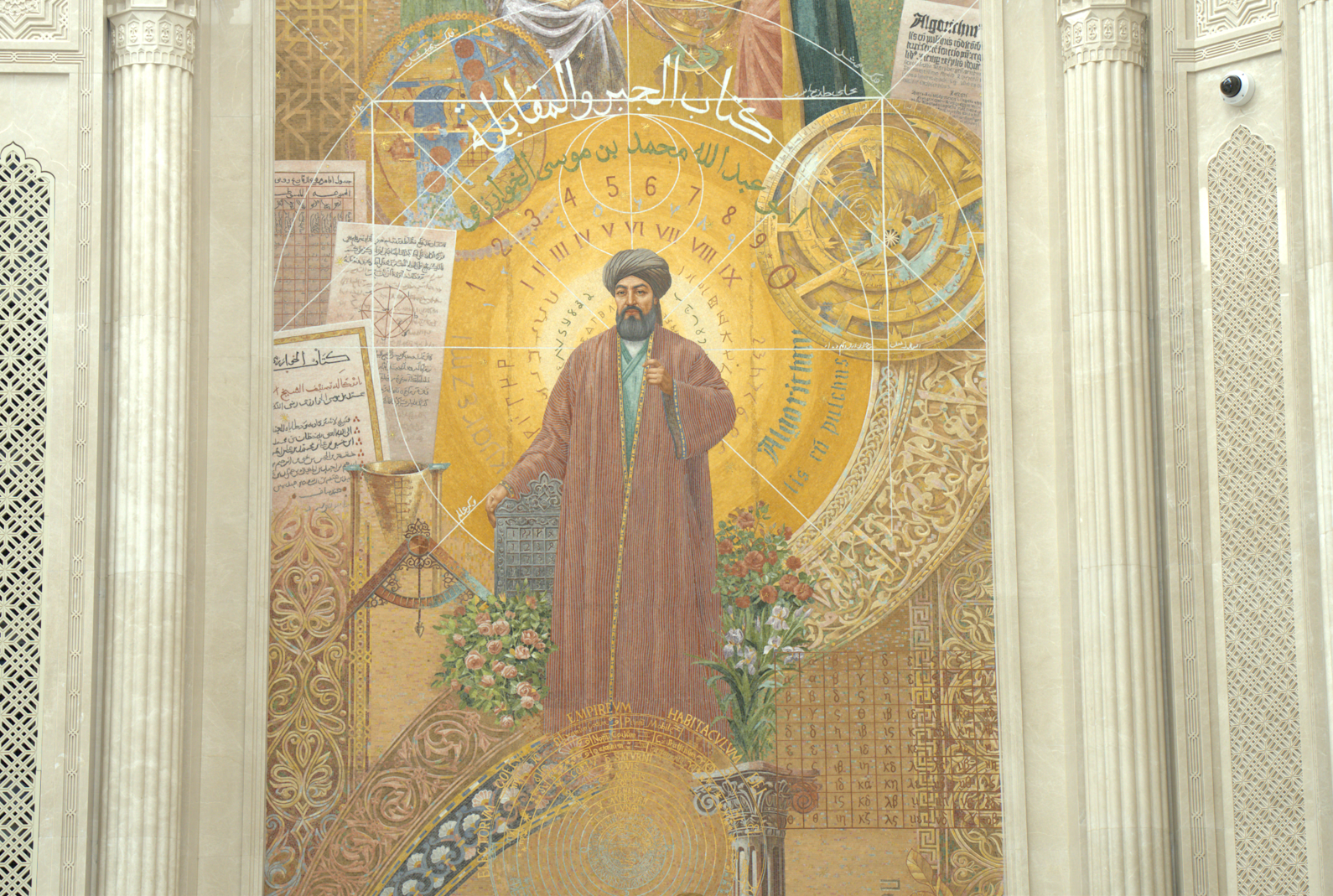
Khwarizmi: from algebra to the world of algorithms
The name of Muhammad ibn Musa Khwarizmi holds a special place in the history of world mathematics. His ninth-century work on algebra made an important contribution to the development of systematic methods for solving equations.
Today, the term "algorithm" is one of the core concepts of computer science, programming, and artificial intelligence. It entered European languages through the Latinized form of Khwarizmi's name. The term "algebra," in turn, derives from the word "al-jabr" in the title of the scholar's work.
This connection clearly shows the modern significance of historical heritage. Of course, today's computer algorithms are not a simple continuation of ninth-century mathematics: they rely on knowledge created over centuries by various scholars and schools. Yet Khwarizmi's legacy holds an important place in the tradition of ordering problems, carrying out operations consistently, and systematizing solutions.
In the present era of the digital economy and artificial intelligence, this history offers us another lesson: to make effective use of scientific heritage, it is necessary not merely to remember it but to connect it with modern research, education, and innovation.
Biruni and Ibn Sina: observation, analysis, and systematization
The scholarly activity of Abu Rayhan Biruni shows that in the Middle Ages the boundaries between fields of knowledge were not as rigid as they are today. He conducted research in astronomy, geography, mineralogy, history, and other areas.
Biruni's work on India is significant also because it is devoted to studying the religious views, customs, science, and culture of another people. It reveals a commitment to observation, comparison, and analysis of available information. This approach is a reminder that, in intercultural dialogue, it is important to study another society not only by one's own standards but by trying to understand its internal logic.
Abu Ali ibn Sina, for his part, is a scholar who left a deep mark on the history of medicine and philosophy. His "Canon of Medicine" is one of the major works that systematized medical knowledge, and for centuries it held an important place in medical education in the East and in Europe.
The significance of Ibn Sina's legacy is also evident in his effort to gather and classify existing knowledge and to link theoretical views with practical experience. Modern medicine, of course, differs fundamentally from the knowledge of his time. Nevertheless, the need to systematize scientific information and critically reexamine it remains relevant today.
Ibn al-Haytham: a culture of verifying the truth
It is not enough to judge the history of science only by discoveries and results. The methods by which they were achieved are also important.
Ibn al-Haytham, who lived in the eleventh century, is famous for his research in optics. In studying the phenomena of light and vision, he attached great importance to mathematical analysis, observation, and experiment. His work made an important contribution to the development of optics, as well as to the tradition of testing scientific problems through evidence.
Ibn al-Haytham's legacy recalls one of the fundamental principles of science: the value of an idea is determined not only by the authority of its author but also by how well it is supported by evidence.
Today, when false information, unverified claims, and material generated by artificial intelligence are on the rise, the importance of this principle grows even greater. Relying on evidence, verifying sources, and reconsidering conclusions are intellectual skills necessary not only for scholars but for society as a whole.
An important intellectual center of Islamic civilization
Regions such as Bukhara, Samarkand, Khorezm, and Fergana were important centers where different peoples, trade routes, and knowledge traditions met.
The scholarly legacy of figures such as al-Khwarizmi, Biruni, and Ibn Sina shows the place of these regions in world intellectual history. In the periods when they worked, science was not concentrated in a single center but developed through ties among different cities and regions.
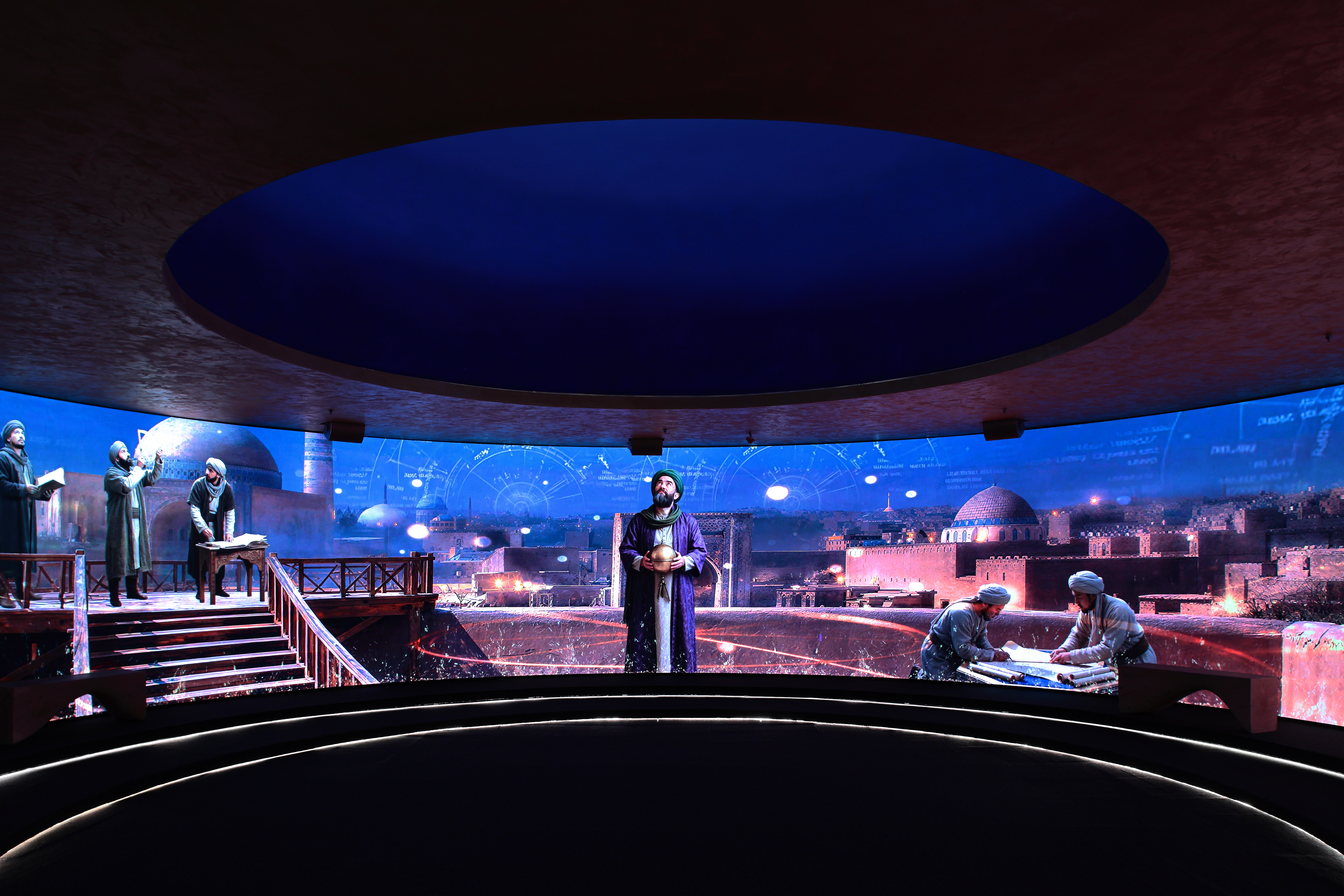
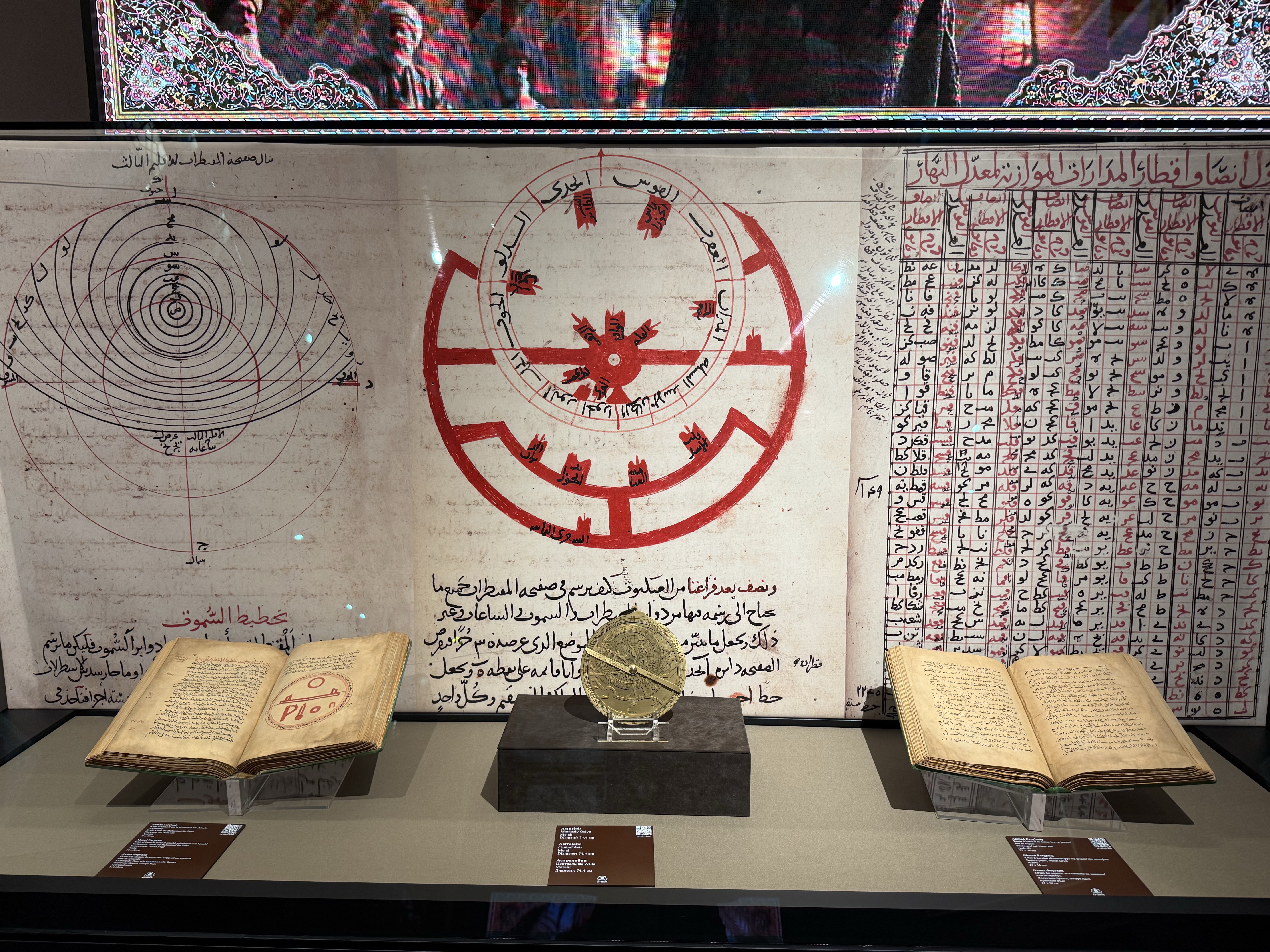
In the fifteenth century, under Mirzo Ulugbek, Samarkand became one of the important centers of astronomical and mathematical research. The observations carried out at the observatory and the work "Zij-i Jadid-i Kuragani" hold an important place in the history of astronomical calculations.
Ulugbek's activity shows that the scientific traditions in Central Asia were not confined to a single period. Intellectual centers, scholars, and environments of patronage in different centuries shaped the region's standing in the history of science.
How does knowledge transform cities and society?
Looking for the development of science only in books and manuscripts does not give a complete picture. The true impact of knowledge is also manifested in its application to everyday life, the economy, infrastructure, and human health.
Mathematics helps improve methods of trade and calculation. Geography expands knowledge about territories. Astronomy develops the calculations needed for calendars and navigation. Medicine improves the understanding and treatment of diseases. Engineering, in turn, is of great importance in creating solutions for water supply, buildings, and other infrastructure.
The architectural monuments, water structures, and other engineering solutions in historical cities reveal the interconnection of the knowledge, economic capabilities, and social needs of their time.
Thus, science is not an adornment of civilization. It is a means of solving a society's practical problems, using resources effectively, and creating new opportunities for progress.
Why did the standing of scientific centers change?
The loss of their former standing by some scientific centers of Islamic civilization in later centuries is one of the questions widely debated among historians. This process cannot be explained by a single cause.
The capture of Baghdad by Mongol forces in 1258 dealt a heavy blow to the political center of the Abbasid Caliphate. However, to interpret this event as the sudden end of science throughout Islamic civilization would oversimplify the historical process.
In the following centuries, too, scientific, philosophical, medical, and literary activity continued in various regions of the Muslim world. Under the Ottoman, Safavid, and Mughal states as well, various forms of producing and disseminating knowledge existed.
The development of scientific centers was influenced by political stability, economic opportunities, systems of patronage, educational institutions, international ties, and technologies. To understand the pace of scientific and technological progress in Europe and Asia, too, it is necessary to study the historical changes comparatively in precisely these factors.
For this reason, rather than depicting the history of Islamic civilization as a “golden age followed by complete decline,” it is more accurate to analyze its achievements, problems, and transformations in different periods as a complex historical process.
Europe and Islamic civilization: across what borders did knowledge travel?
In the history of world science, ties between civilizations hold an important place. Knowledge from the Greek, Indian, Persian, and other traditions was translated, studied, and developed in the Muslim world. Later, many scientific works in Arabic were translated into Latin and reached the European intellectual environment.
These ties influenced the spread of knowledge in mathematics, medicine, astronomy, optics, and philosophy. However, it would also be incorrect to explain the European Renaissance solely by the influence of Islamic civilization: Europe’s own internal social, economic, and intellectual processes were also of great importance.
An important aspect of the historical picture is that knowledge often does not remain within a single cultural or political boundary. It moves through translation, trade, travel, education, and scholarly dialogue.
The Silk Roads are significant from this standpoint as well. Along with the exchange of goods, they created conditions for the spread of ideas, technologies, and cultural experience. In studying the history of civilizations, besides the question “which people was superior?”, it is necessary to ask “how was knowledge created and how did it spread?”
From historical heritage to modern development
If we value the mathematical traditions associated with the name of Khwarizmi, we must also pay attention to developing modern education in mathematics, informatics, and artificial intelligence. If we exalt the legacy of Ibn Sina, it is important to broaden the conditions for medical research, biotechnology, and quality medical education. If we draw on Biruni’s inquiries, it is necessary to encourage the study of different cultures, observation, and evidence-based analysis. The legacy of Ulugbek, for its part, reminds us of the importance of inspiring young people’s interest in astronomy, physics, mathematics, and engineering.
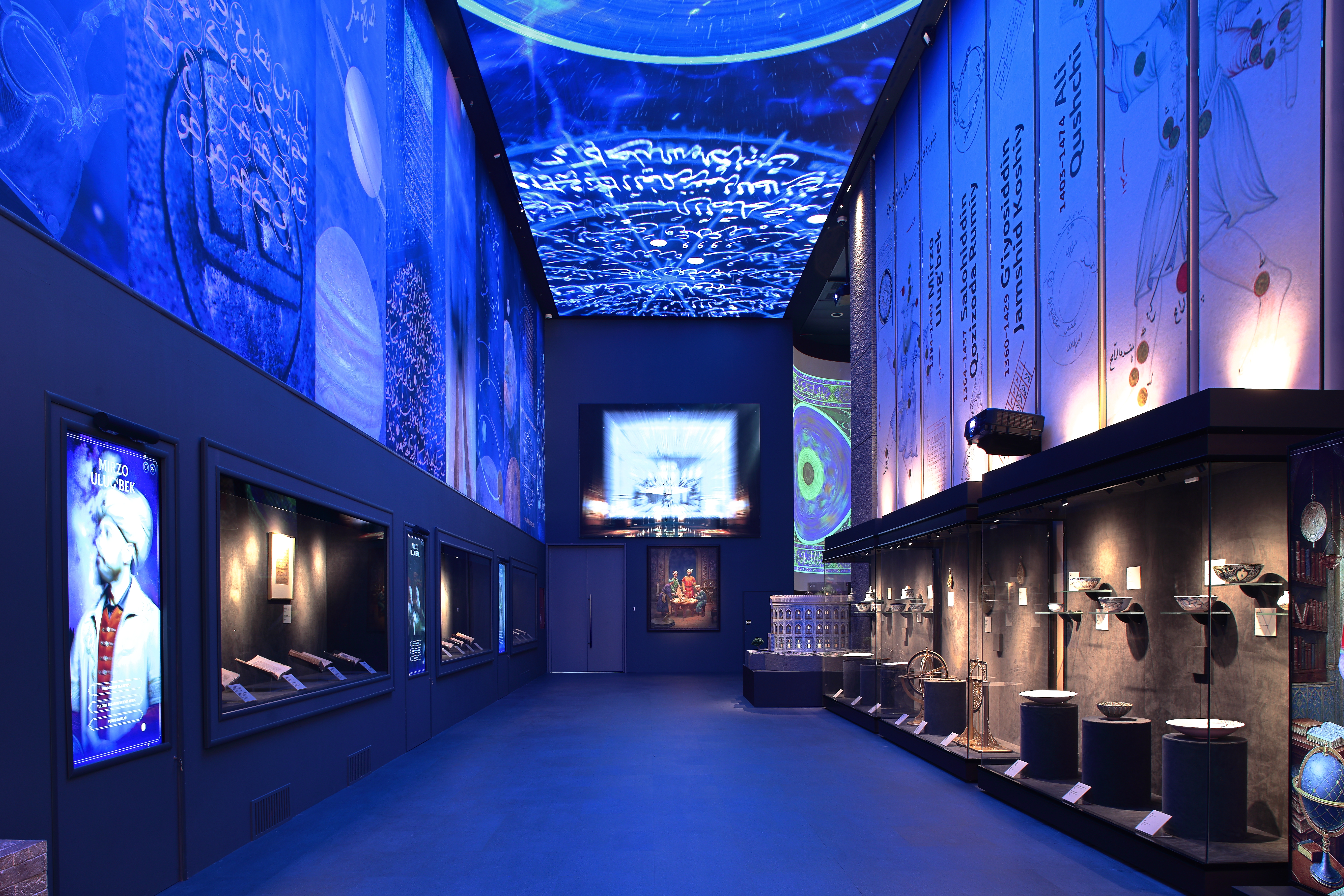
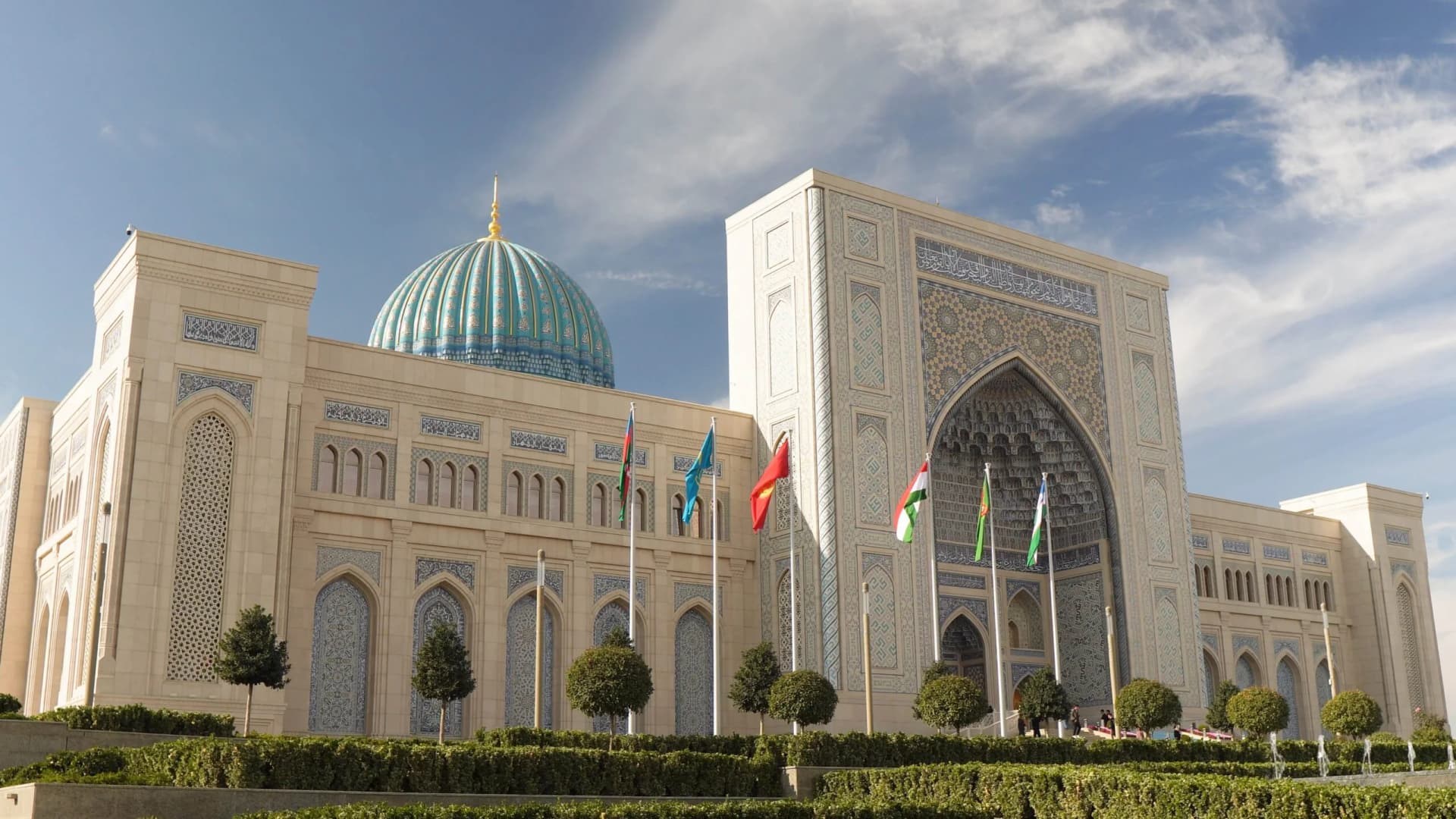
From this standpoint, the Islamic Civilization Center in Uzbekistan, established on the initiative of President Shavkat Mirziyoyev, is likewise an important venue for conveying knowledge to society by uniting the study of historical sources, scientific research, educational programs, modern technologies, and international scientific cooperation.
The Center’s scientific and educational mission is defined by presenting historical heritage to a modern audience in an accessible way, awakening young people’s interest in research, and helping them understand national scientific traditions in the context of world progress.
Conclusion
There are sufficient historical grounds to regard Islamic civilization as an important part of the history of science and progress. However, its contribution to world progress cannot be confined to individual inventions or a list of great scholars.
One of the important aspects of this heritage is manifested in the processes of uniting different knowledge traditions, translating and analyzing them, and laying the ground for new scientific results. Central Asia, as one of the important centers of these intellectual ties, has its place in the history of world science.
For today’s generation, the most important part of the legacy of Khwarizmi, Biruni, Ibn Sina, and Ulugbek is not merely remembering their names. It is the capacity to ask questions, verify evidence, unite knowledge from different fields, think independently, and seek new solutions.
Only when these principles are harmonized with modern education, scientific research, and innovation does historical heritage become a practical source of future progress. Then the idea that “Islamic civilization is a civilization of knowledge and progress” emerges not merely as an assessment of the past but as an intellectual program that holds meaning for today’s and future generations.
Abulfayz Sayidasqarov
P.S.: The article may be reproduced and published with a link to the Center’s official website.
This article was automatically translated using artificial intelligence.