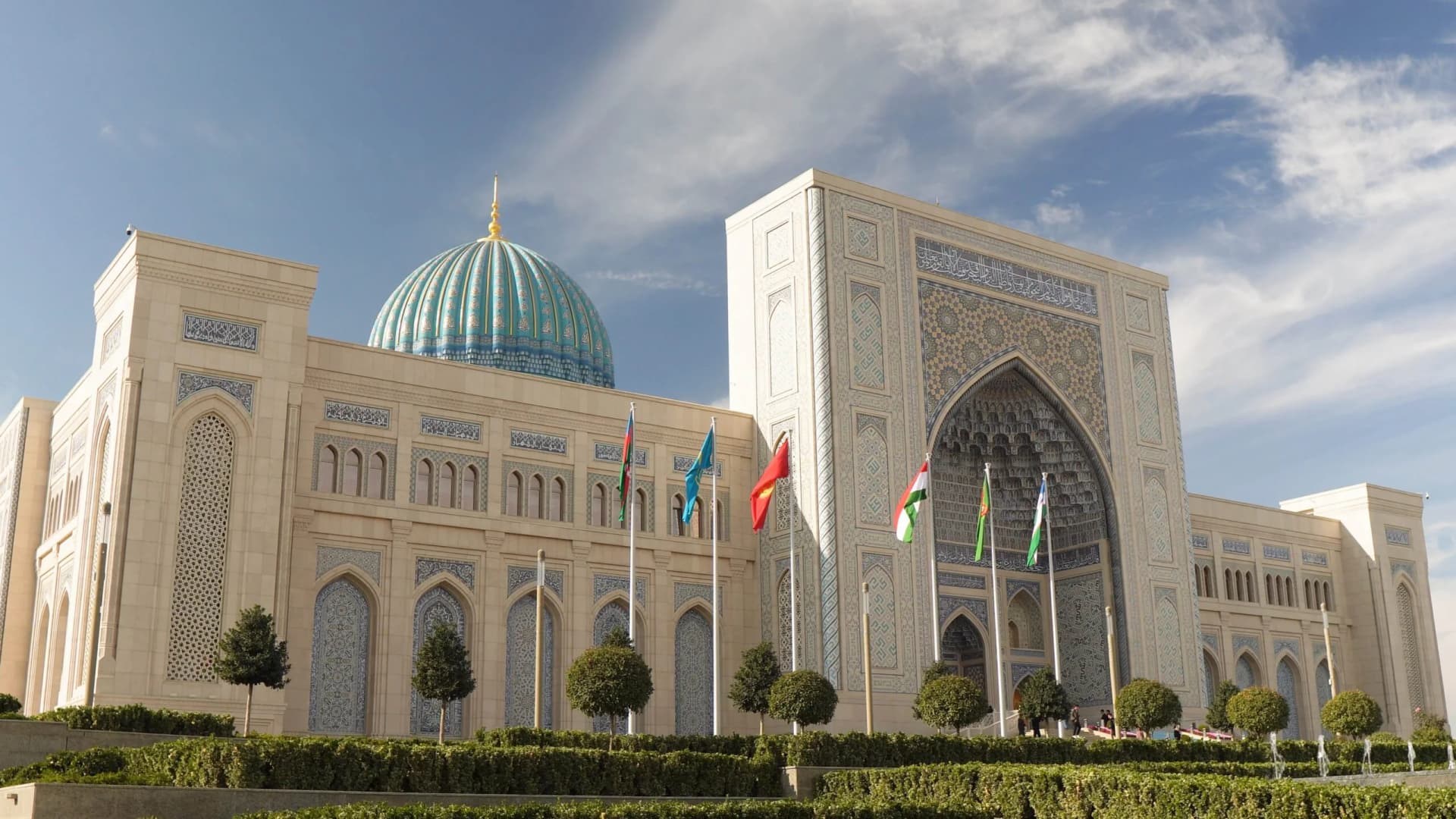
An international conference devoted to the shared historical heritage and scholarly cooperation of Uzbekistan and Azerbaijan was held in Baku
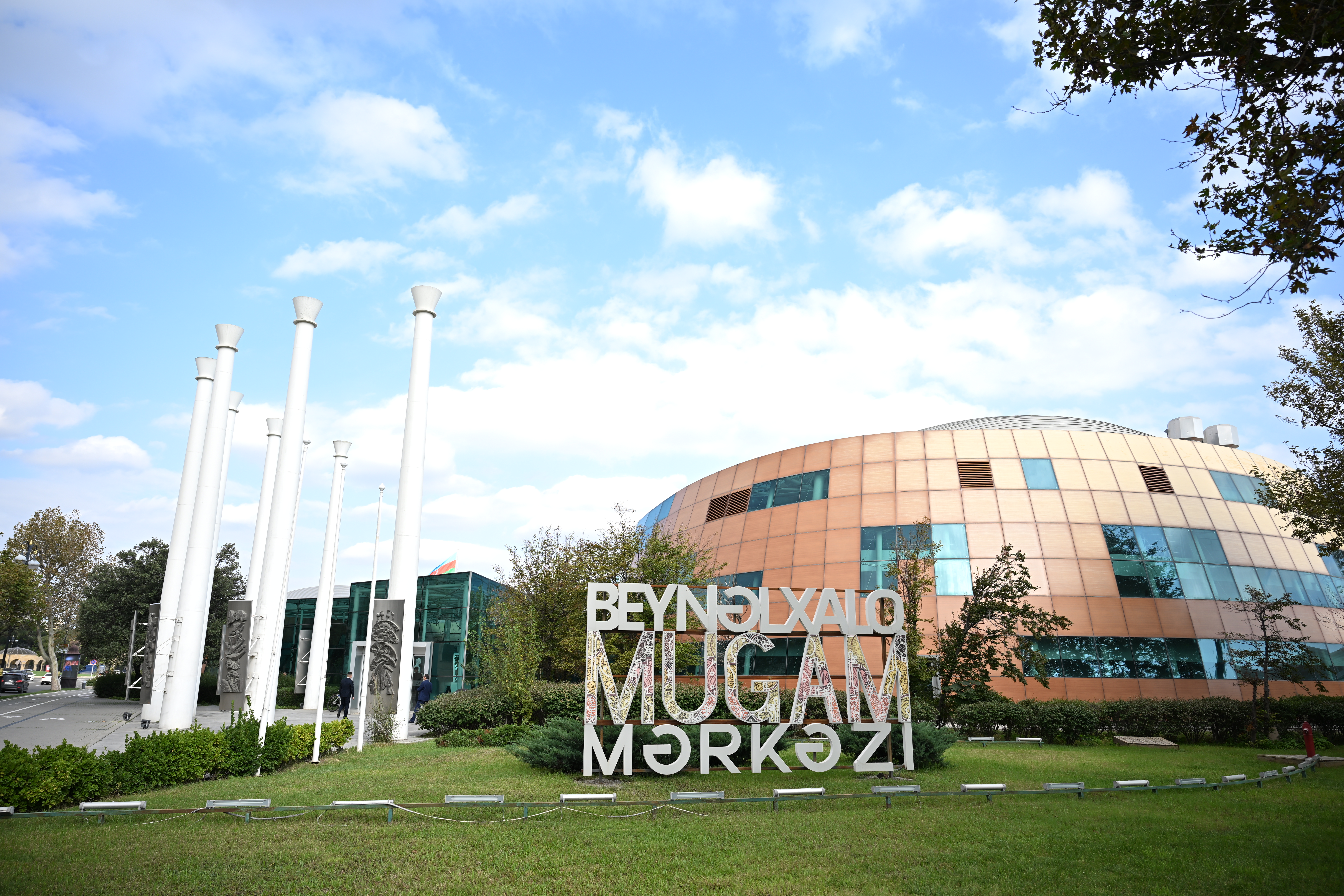
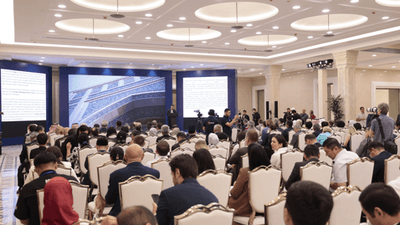
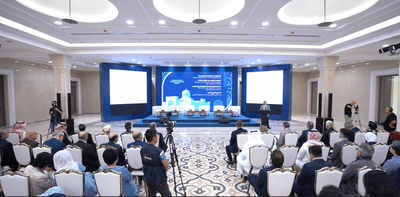
On October 26 of this year, an international conference titled “Uzbekistan and Azerbaijan: Shared Historical Heritage, Islamic Civilization, and Modern Scholarly Cooperation” was held at the International Mugham Center in Baku, the capital of Azerbaijan. The event focused on in-depth study of the historical and spiritual ties between the two countries, promotion of the legacy of great scholars internationally, and further development of research and cultural-humanitarian cooperation.
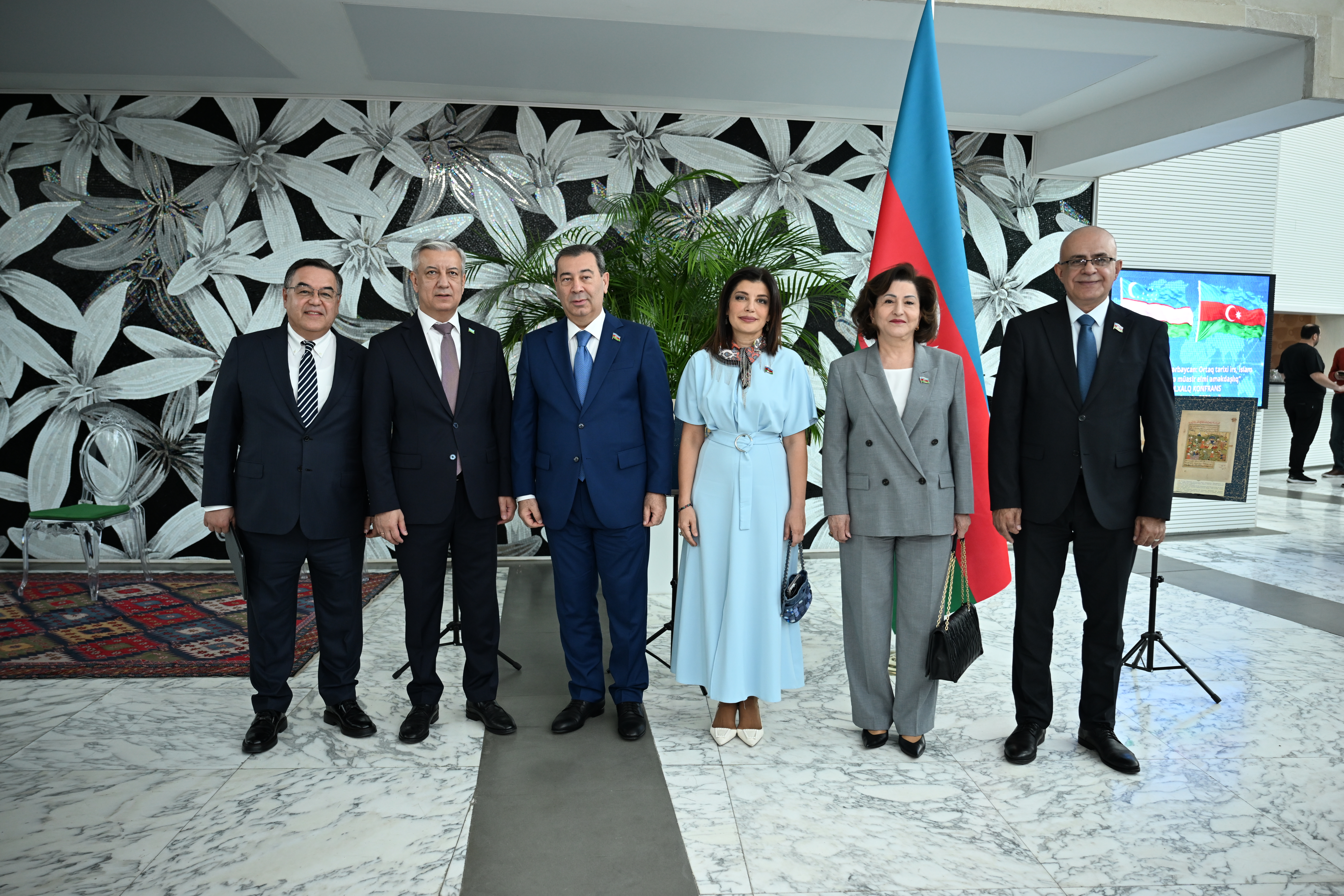
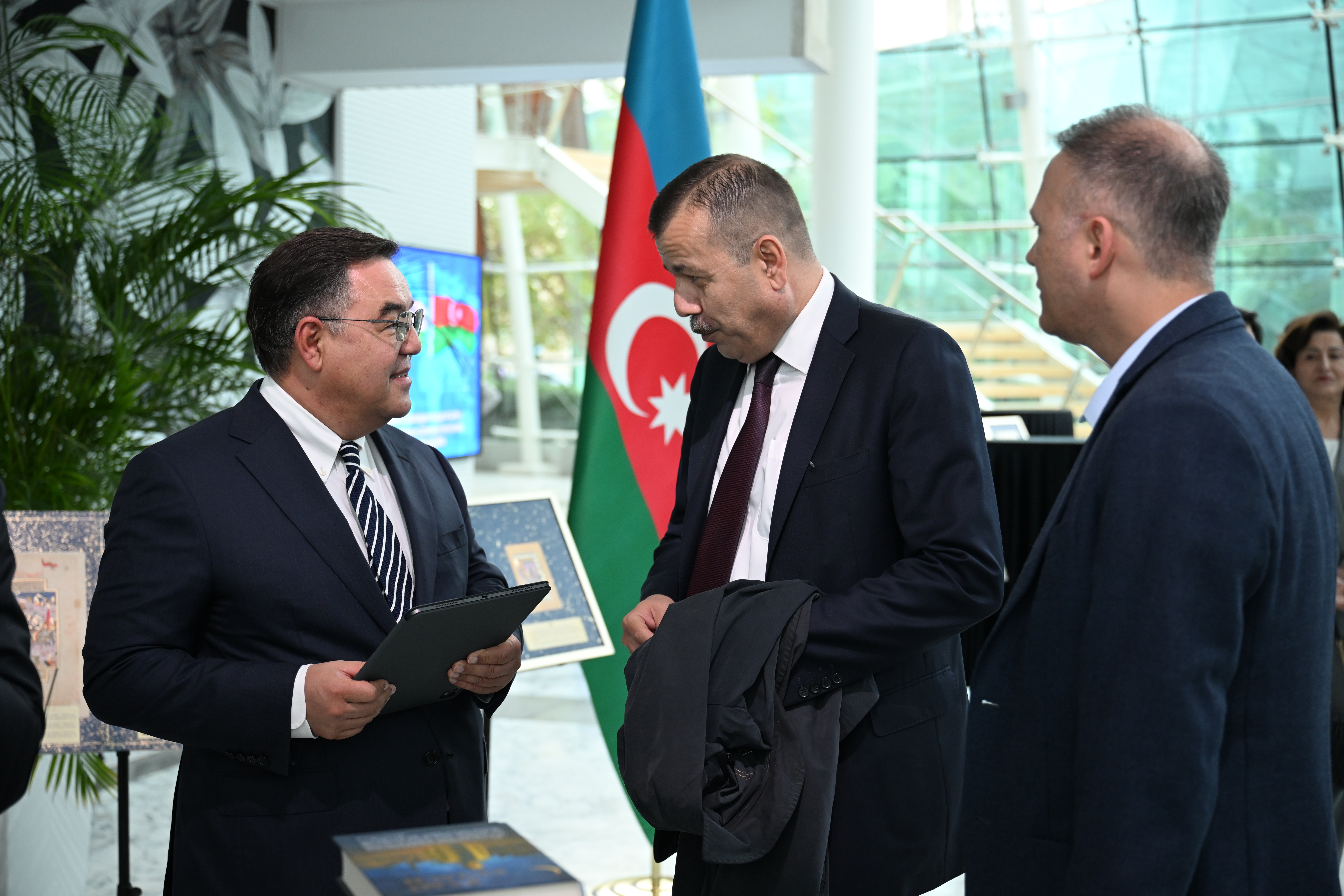
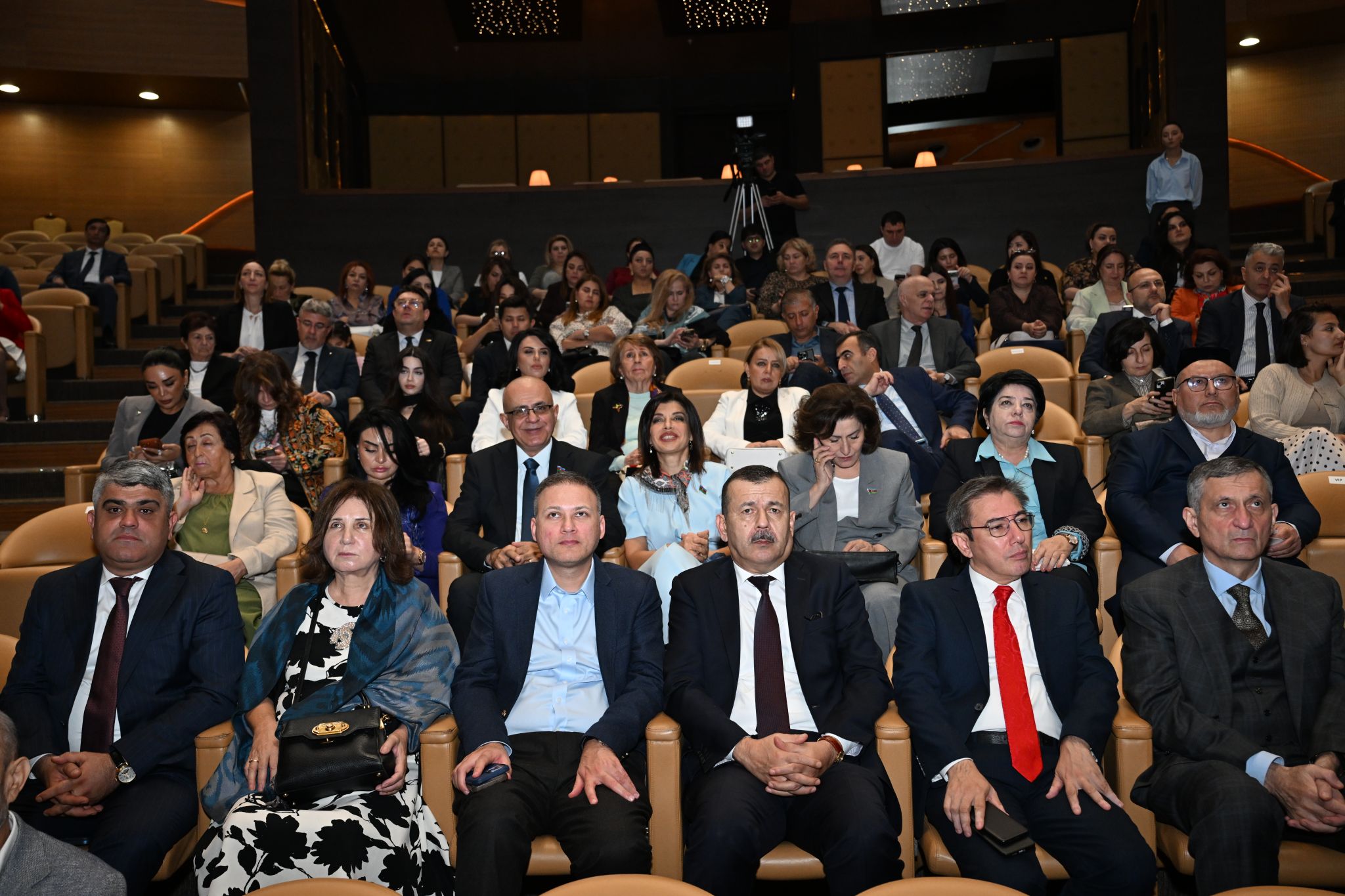
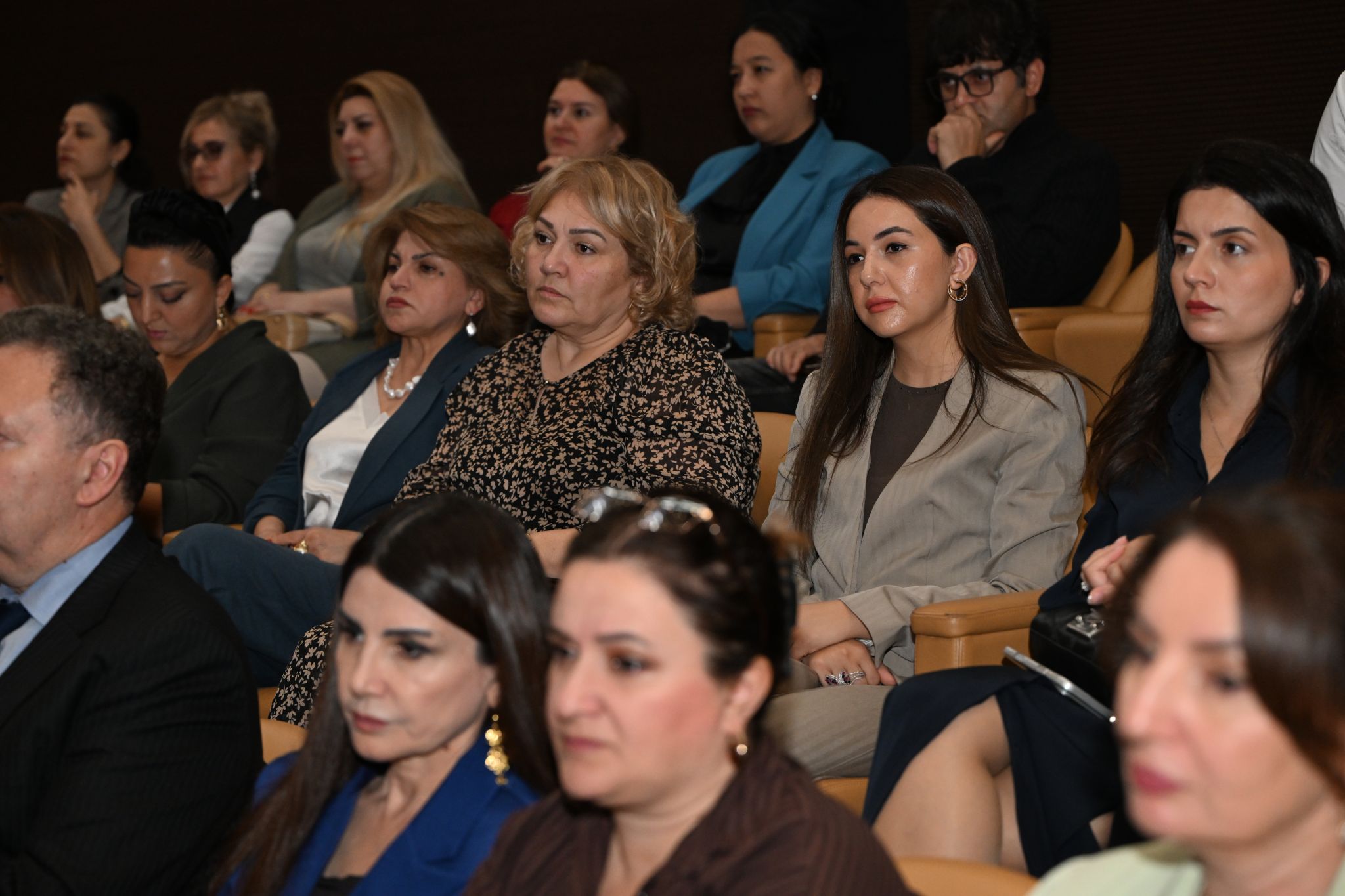
The conference was attended by Bahrom Ashrafkhonov, Ambassador Extraordinary and Plenipotentiary of the Republic of Uzbekistan to the Republic of Azerbaijan; Isa Habibbeyli, President of the Azerbaijan National Academy of Sciences; Firdavs Abdukhalikov, Director of the Islamic Civilization Center in Uzbekistan; representatives of the Muslim Board of Uzbekistan; heads of museums; scholars; and figures from the world of culture and the arts.
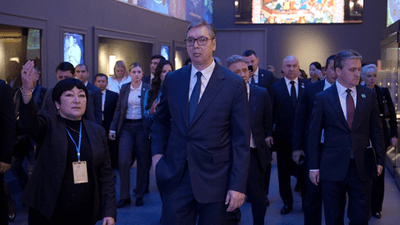
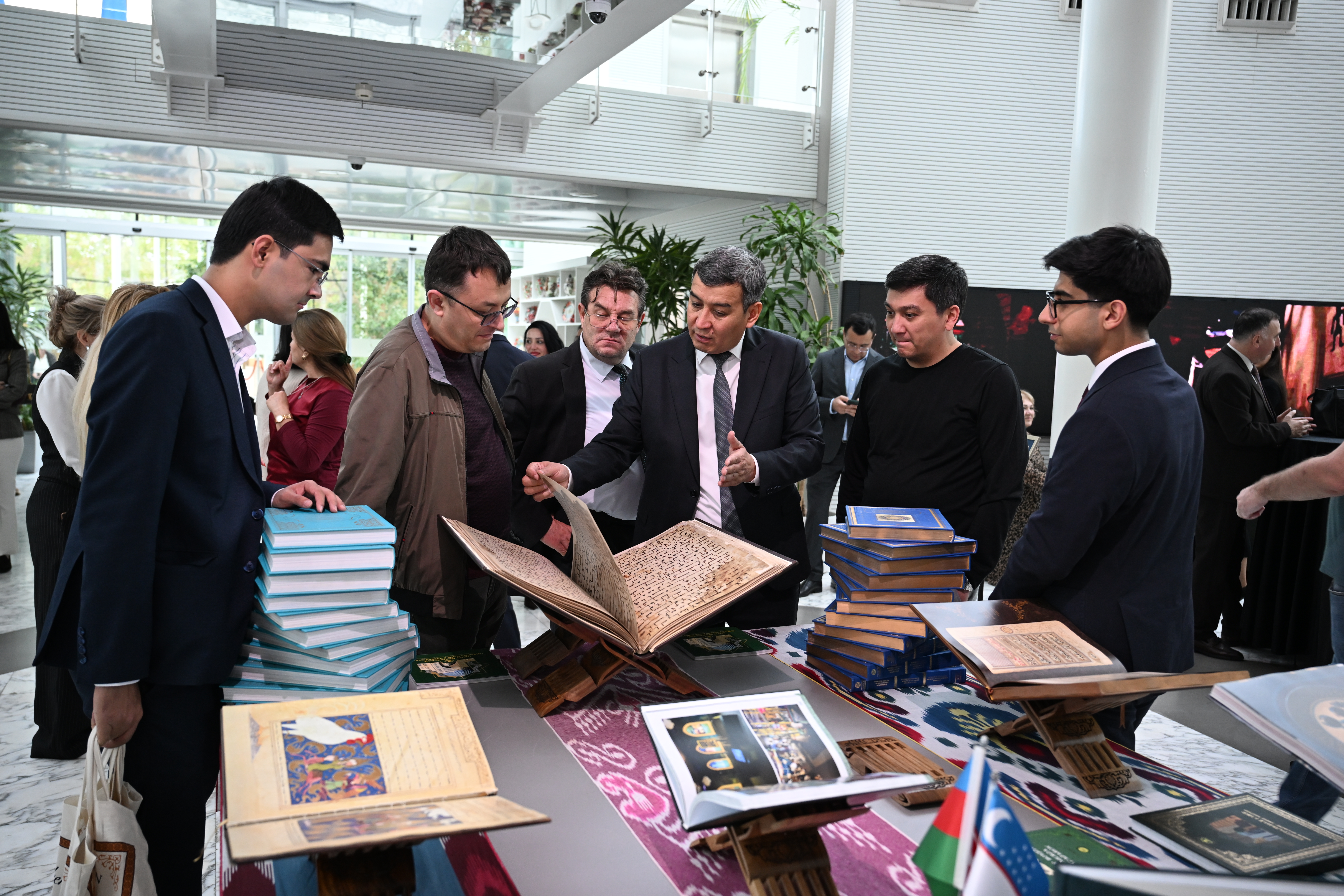
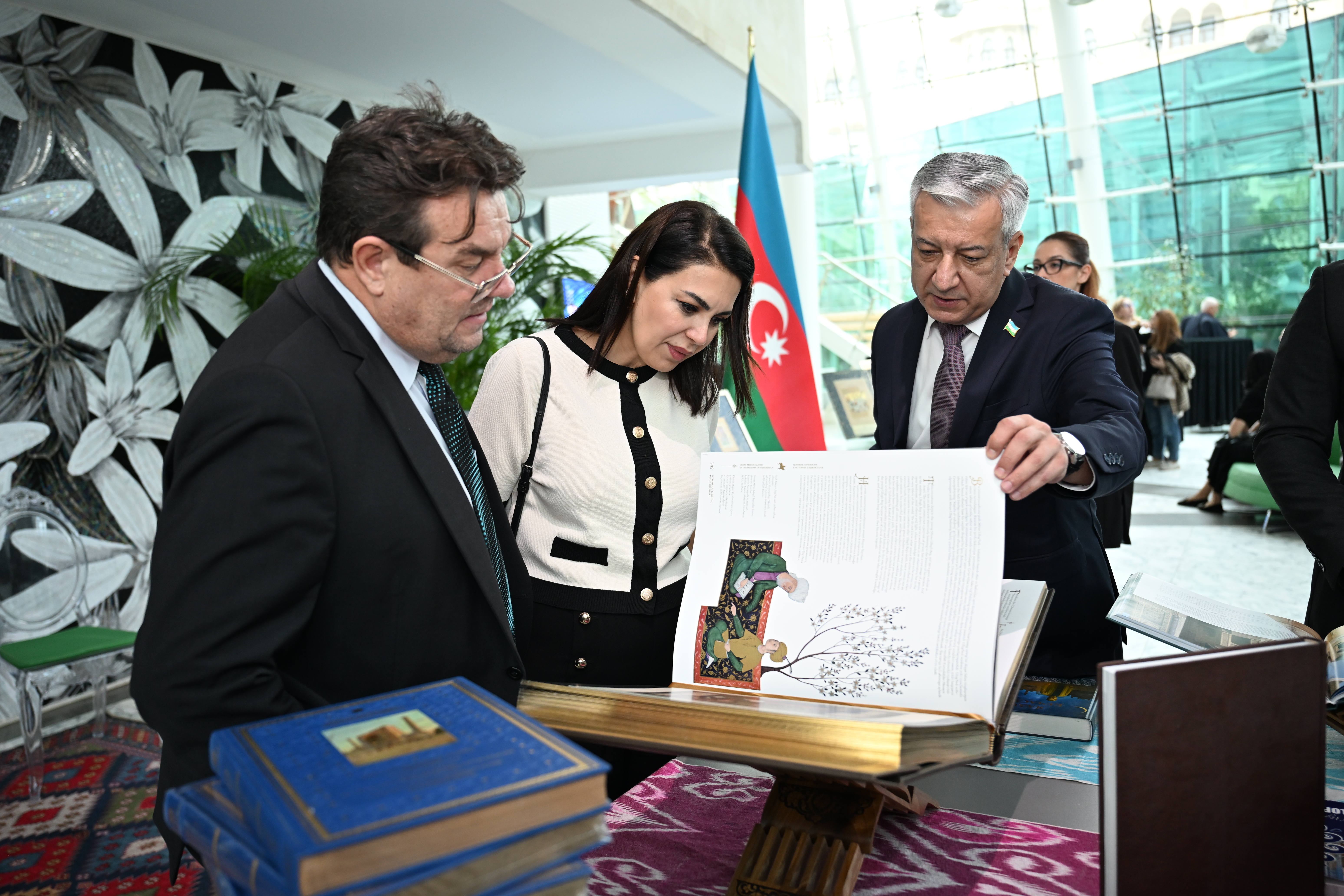
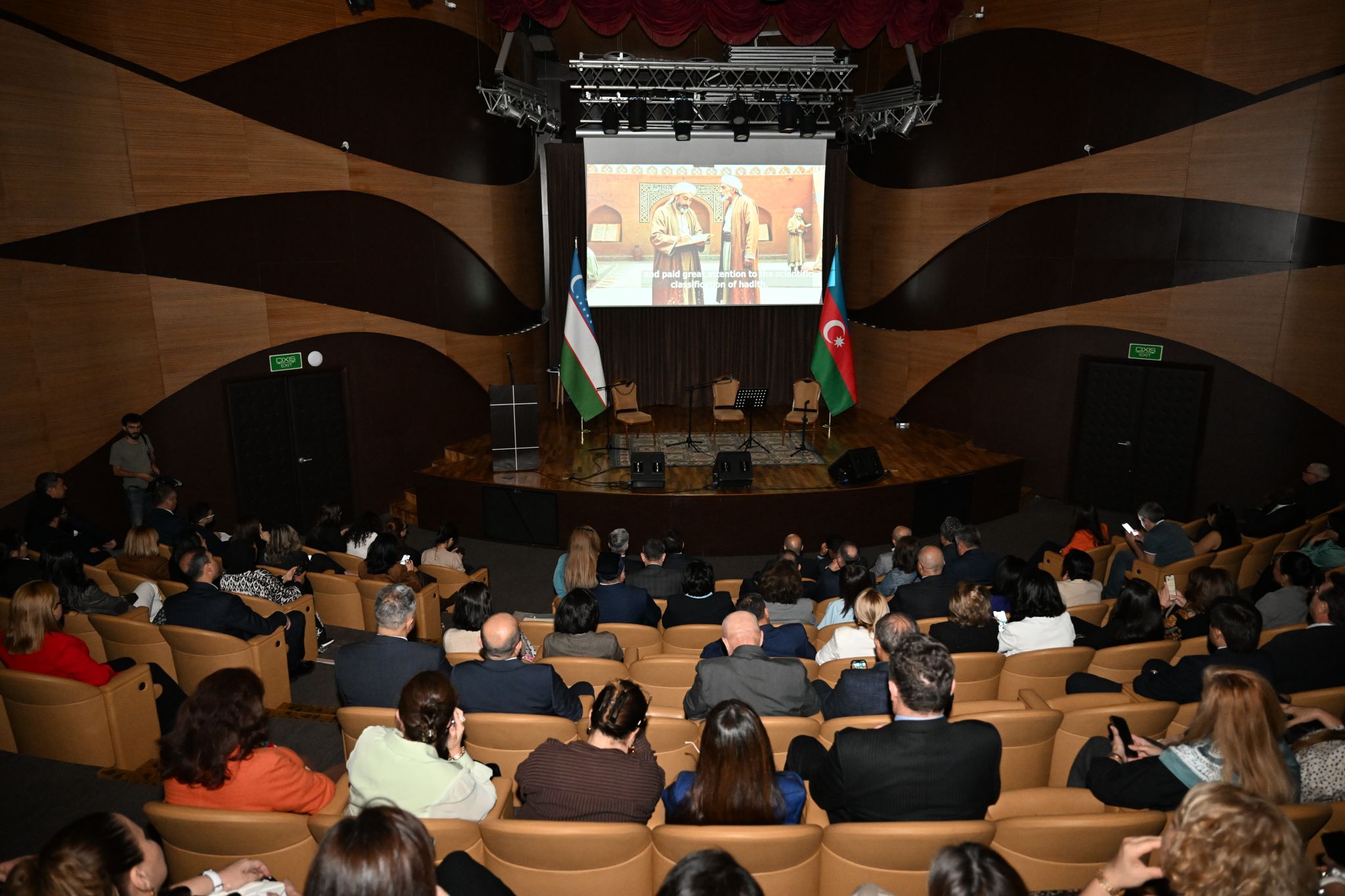
At the beginning of the event, a video on Uzbekistan–Azerbaijan relations was screened. A documentary on the activities of the Islamic Civilization Center in Uzbekistan was also presented to the participants. Through an exhibition of books published by the Center, guests had the opportunity to become acquainted with our country’s rich historical, scientific, and spiritual heritage.
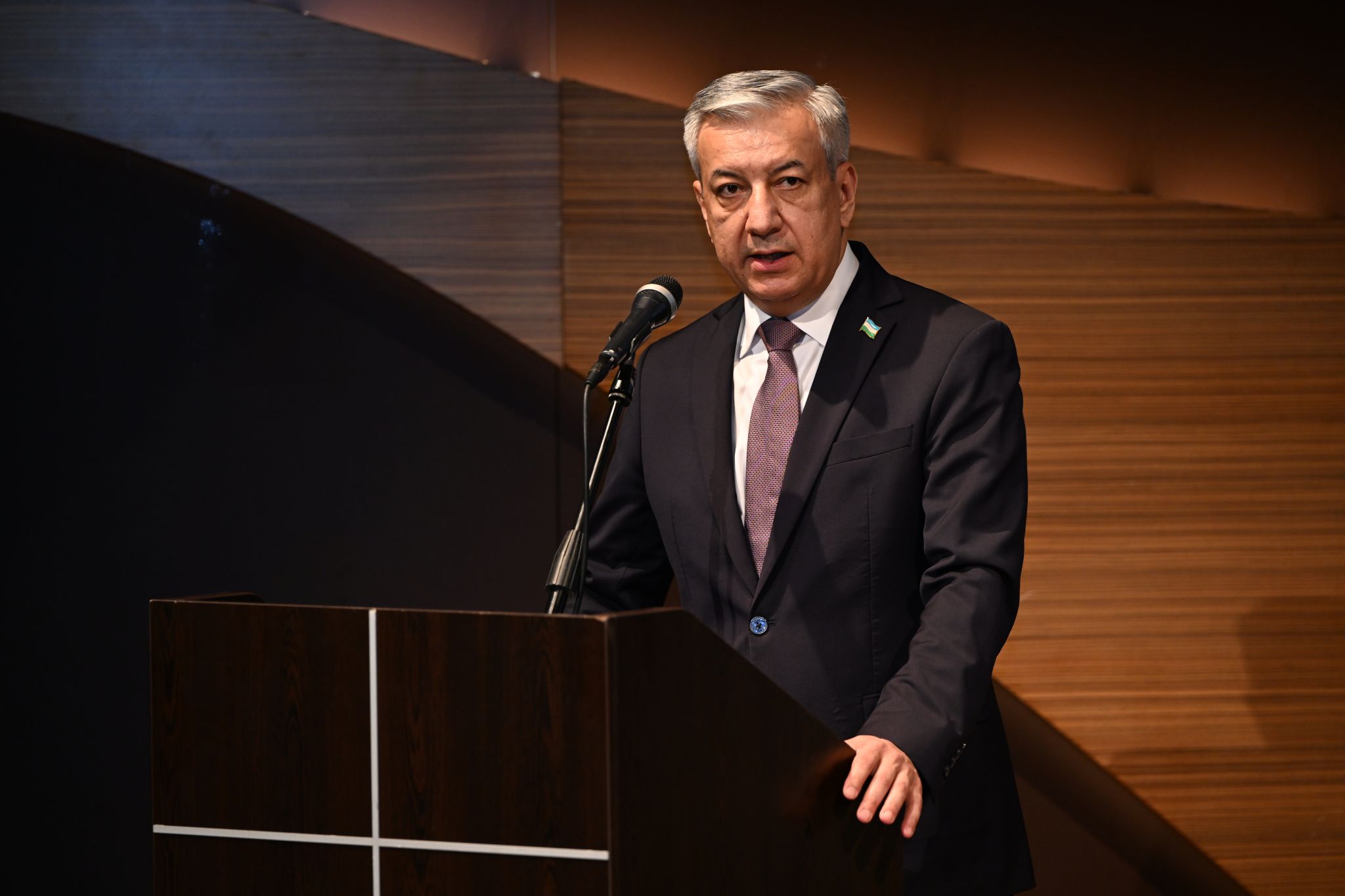
Speaking at the conference, Bahrom Ashrafkhonov, Ambassador Extraordinary and Plenipotentiary of Uzbekistan to Azerbaijan, emphasized the importance of the historical closeness, shared values, and strategic partnership between the two peoples. Noting that the Great Silk Road served for centuries as a channel for the exchange of knowledge and cultural achievements among peoples, he stressed that the legacy of scholars such as Muhammad Khwarazmi, Abu Rayhan Biruni, Ibn Sina, Mirzo Ulugbek, Nizami Ganjavi, Imadaddin Nasimi, and Muhammad Fuzuli is a universal treasure that unites the two peoples.
“We, scholars, researchers, and colleagues, are together strengthening the sacred bonds of our cooperation between academic faculties and institutes. We are interested in jointly studying and developing our shared historical memory, implementing programs for young researchers, and bringing joint projects to life. Most importantly, today’s conference serves precisely this purpose directly.
The doors of diplomacy are open. Scientific exhibitions are operating. The galleries of cultural heritage are waiting for the time to come to demonstrate their potential. This being so, let the Islamic Civilization Center become a new and truly unique platform for dialogue in this regard! May scientific, cultural, and humanitarian ties between Baku and Tashkent be further strengthened!” the ambassador said.
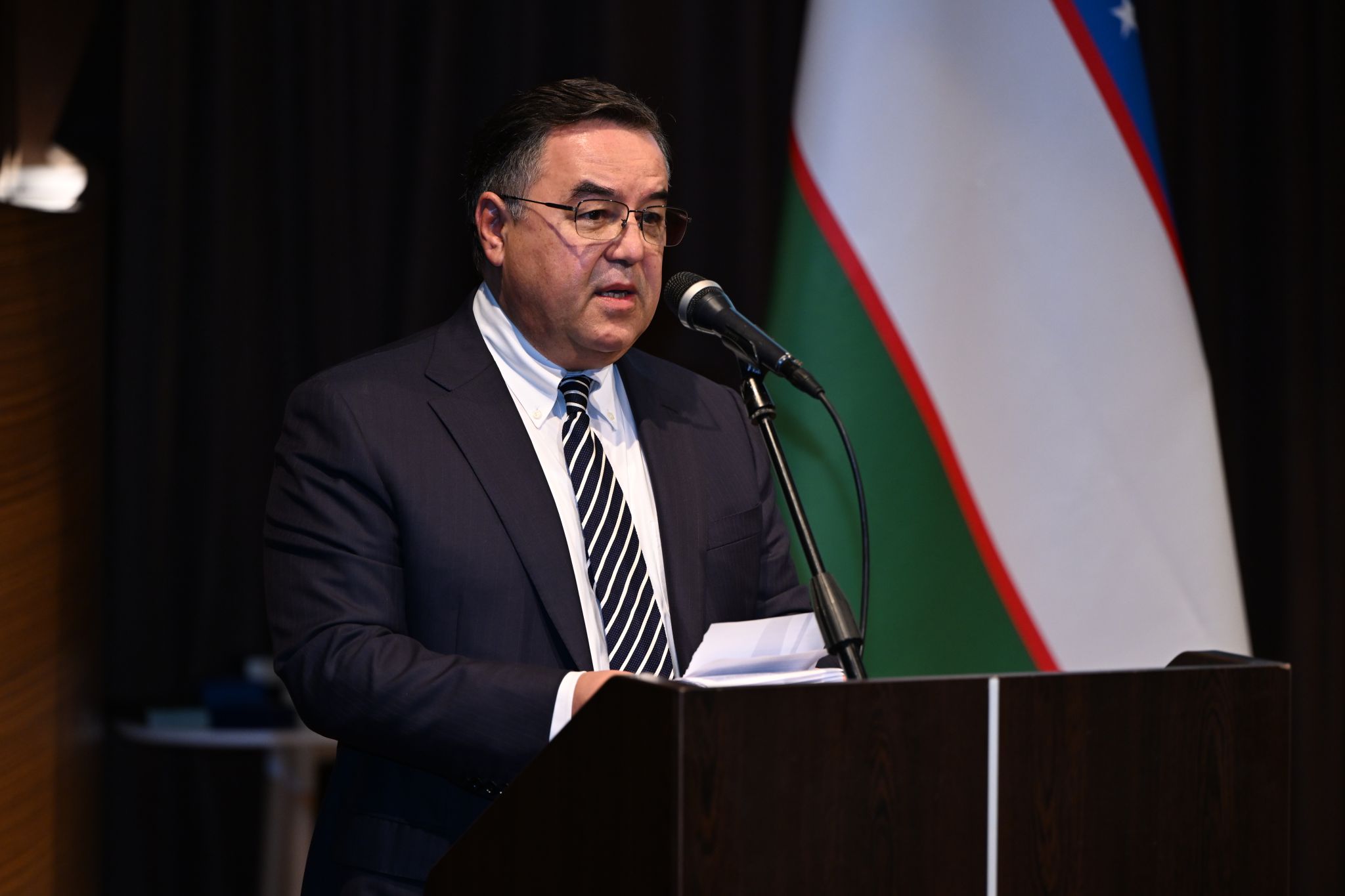
Firdavs Abdukhalikov, Director of the Islamic Civilization Center in Uzbekistan, spoke in his address about the Center's core idea and its role in promoting knowledge and enlightenment and passing the legacy of ancestors on to future generations.
"The historical ties between our peoples go back to pre-Islamic times. In the following centuries, Islamic civilization further enriched these ties. Scholars learned from one another, books spread from one land to another, and ideas born in one land developed in another. Ibn Sina and his Azerbaijani student Bahmanyar, and the scholarly schools of Nasiriddin Tusi in Maragha and Mirzo Ulugbek in Samarkand, are shining examples of this connection. Nizami Ganjavi's "Khamsa" inspired Alisher Navoi. Navoi created his own "Khamsa" in the Turkic language. His work, in turn, strongly influenced the Azerbaijani poet Kishvari.
In a manuscript preserved in Tashkent, the works of Navoi and Fuzuli are gathered under a single binding. Two great poets in one book! Today this closeness continues in the mutual trust and practical work of our esteemed Presidents, Shavkat Mirziyoyev and Ilham Aliyev. The two heads of state jointly opened the school named after Mirzo Ulugbek in the city of Fuzuli. A city named after Fuzuli. A school named after Ulugbek. Children studying in it. This is how history meets the present day. The names of our great ancestors call the new generation to knowledge," said Firdavs Abdukhalikov, Director of the Islamic Civilization Center in Uzbekistan.
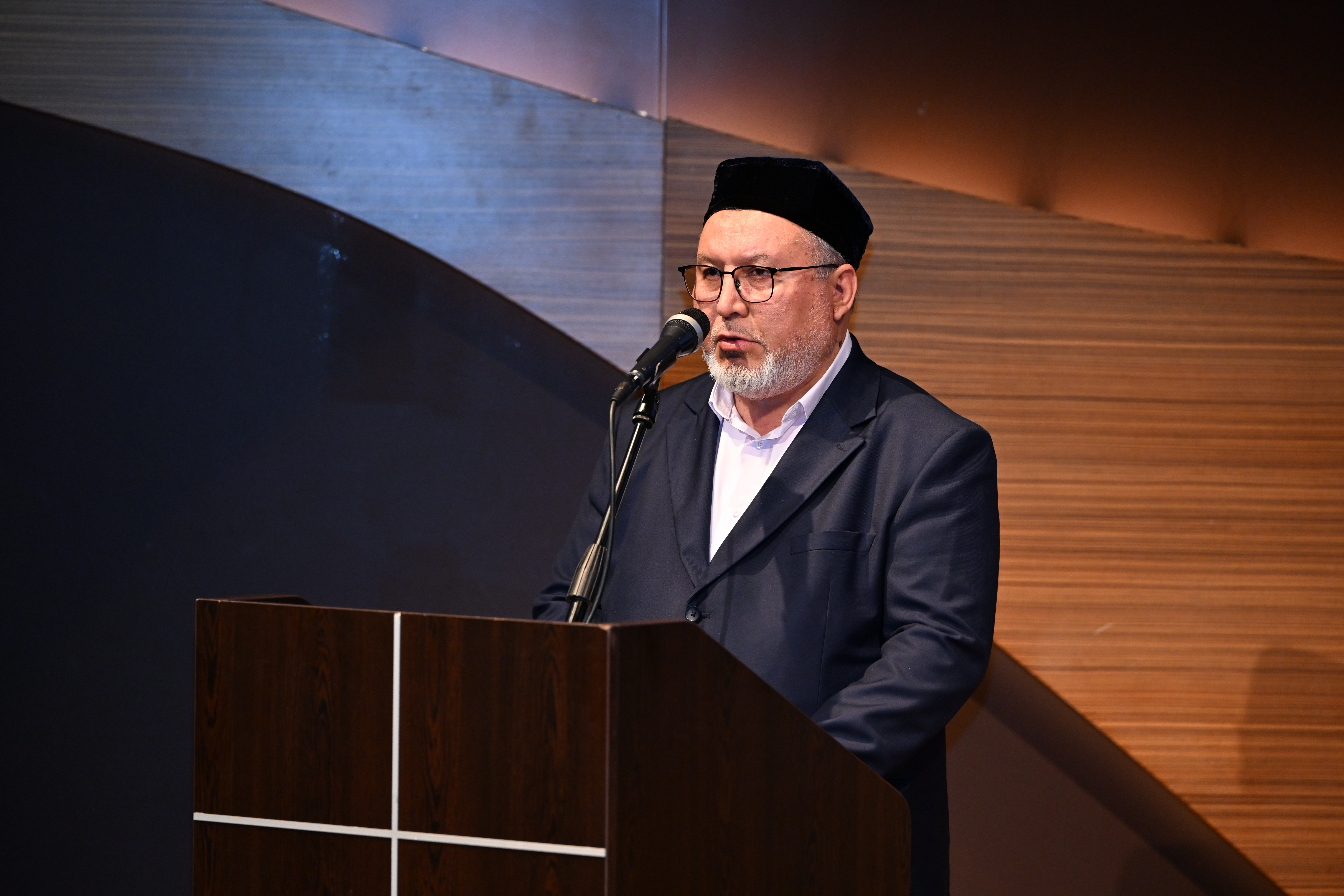
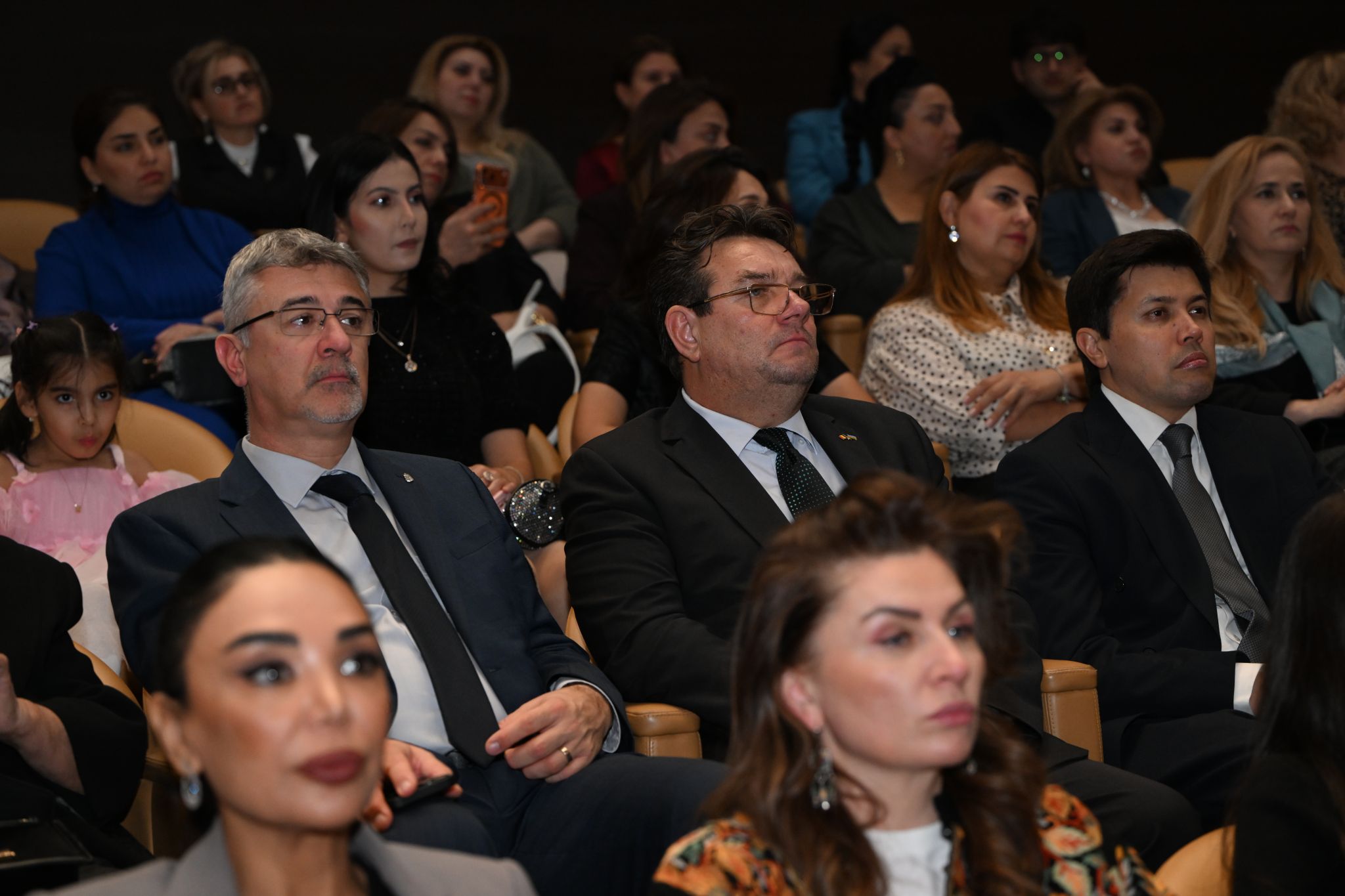
The conference also acknowledged the commonality between the musical heritage of the two peoples, in particular between Azerbaijani mugham and Uzbek maqom. National musical traditions emerged as an important cultural treasure expressing the spiritual closeness of the peoples.
"Today, relations between Uzbekistan and Azerbaijan are creating new opportunities for cooperation in the regions of Central Asia and the Caucasus. Historical closeness, shared culture, spiritual values, and belonging to a single cultural space are bringing our states and peoples even closer together. It is precisely in these respects that we see the strong spiritual ties uniting the fraternal peoples of Uzbekistan and Azerbaijan. The legacy of scholars such as Ahmad Yasawi, Bahauddin Naqshband, and Sayyid Yahya Bakuvi clearly demonstrates how strong the religious and spiritual relations among the Turkic peoples have been for centuries. The ideas of great thinkers about spiritual perfection, humanism, and moral principles retain their significance today. The Muslim Board of Uzbekistan is ready to further strengthen religious and spiritual cooperation with Azerbaijan's religious institutions and religious scholars," said Homidjon Ishmatbekov, First Deputy Chairman of the Muslim Board of Uzbekistan.
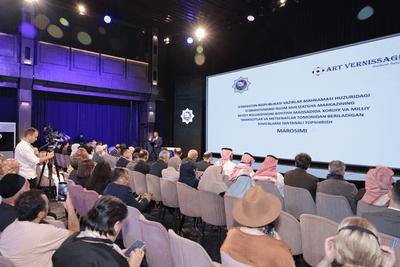
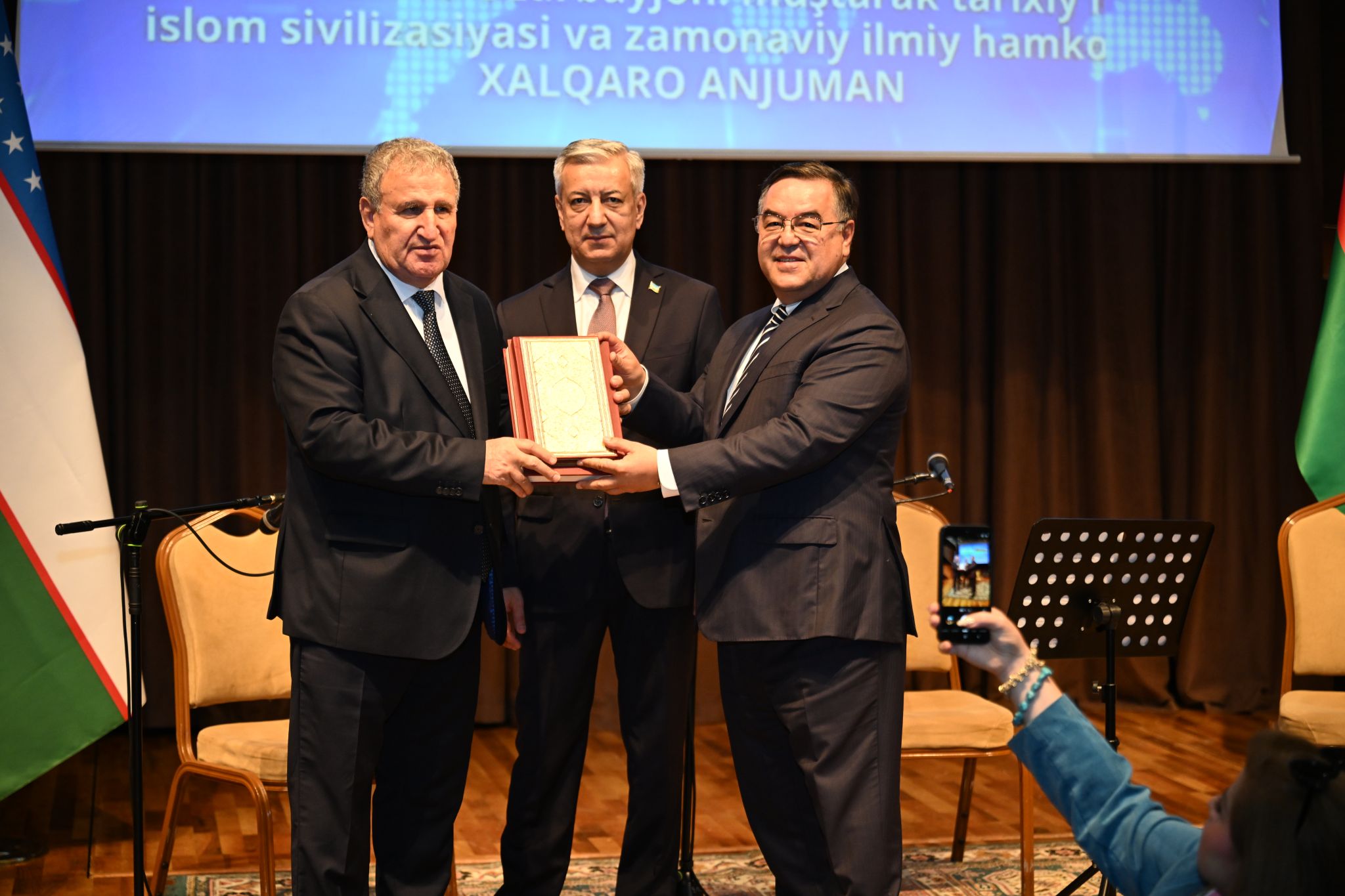
One of the important outcomes of the event was the signing of a memorandum of cooperation between the Islamic Civilization Center in Uzbekistan and the Azerbaijan National Academy of Sciences. This agreement serves to create new opportunities for the joint study of historical heritage, the strengthening of ties between scientific institutions, and the development of joint research.
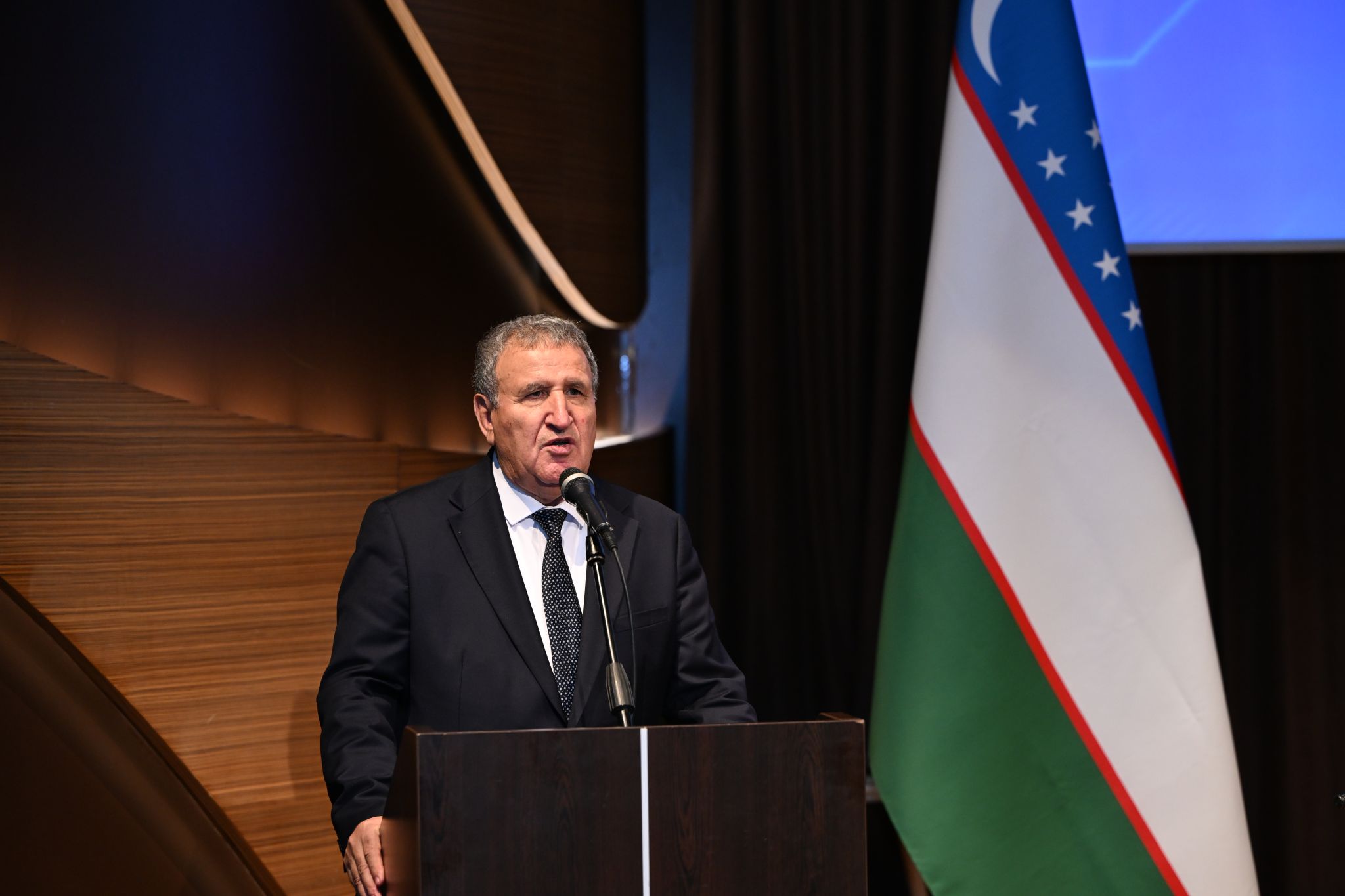
"Since ancient times, various eras and dynasties have united us. During the Timurid, Safavid, Khwarazmshah, and many other dynasties, our ancestors lived on one land and developed on the basis of shared history, religion, culture, and spiritual values. Today, continuing their rich legacy and noble traditions, we are further strengthening our cooperation through joint projects, scholarly meetings, and international conferences.
The mutual visits and scholarly dialogue between scholars and researchers of Uzbekistan and Azerbaijan attest to the steady development of these ties. The Islamic Civilization Center in Uzbekistan is a mega-project of enormous significance not only for your country, but for the entire Turkic world. Especially noteworthy is the presentation of the rich historical heritage through modern technologies and formats suited to the younger generation. I believe that today's event, too, serves to strengthen the historical bonds between our peoples, expand scholarly ties, and create new opportunities for future cooperation," said Isa Habibbeyli, President of the Azerbaijan National Academy of Sciences.
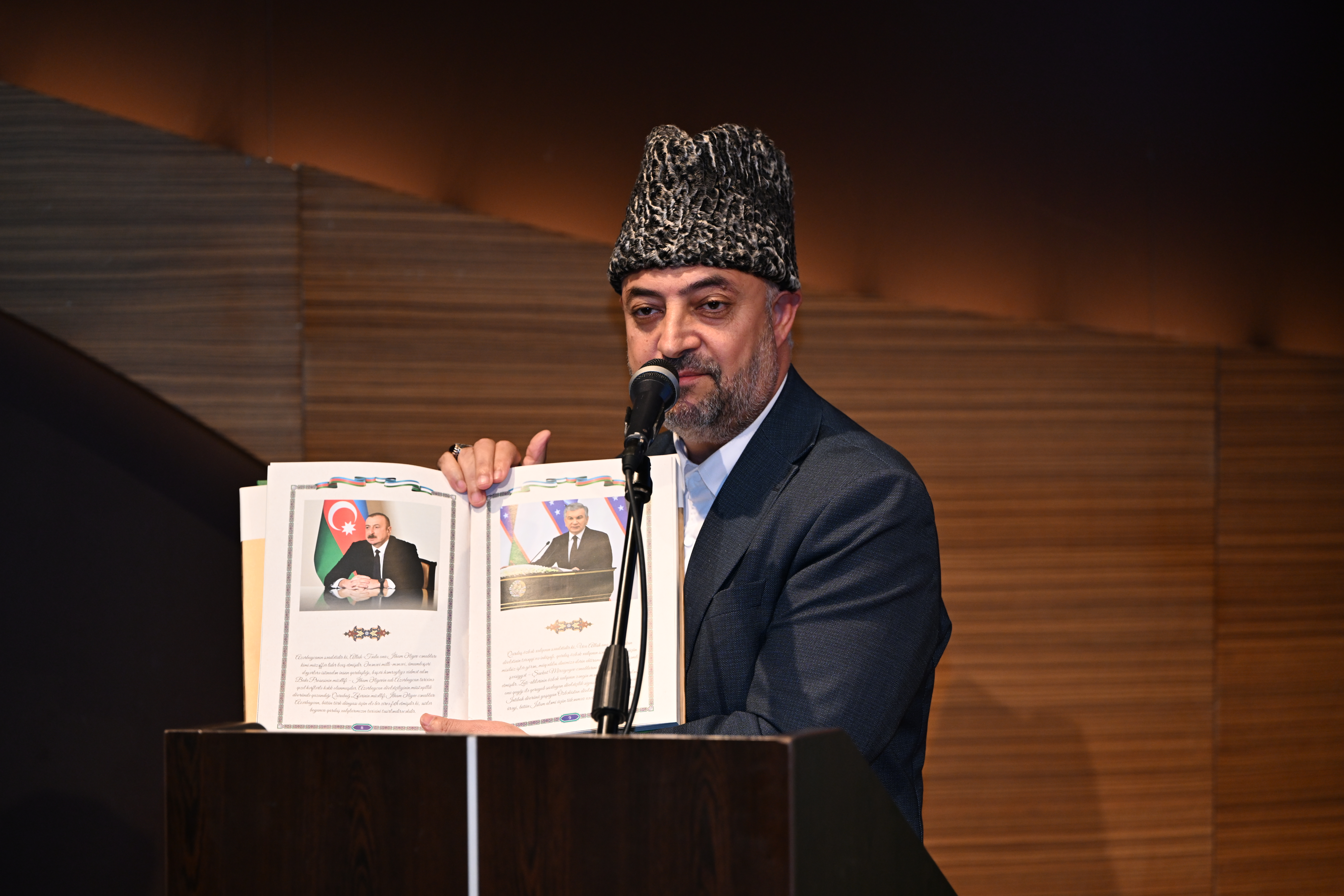
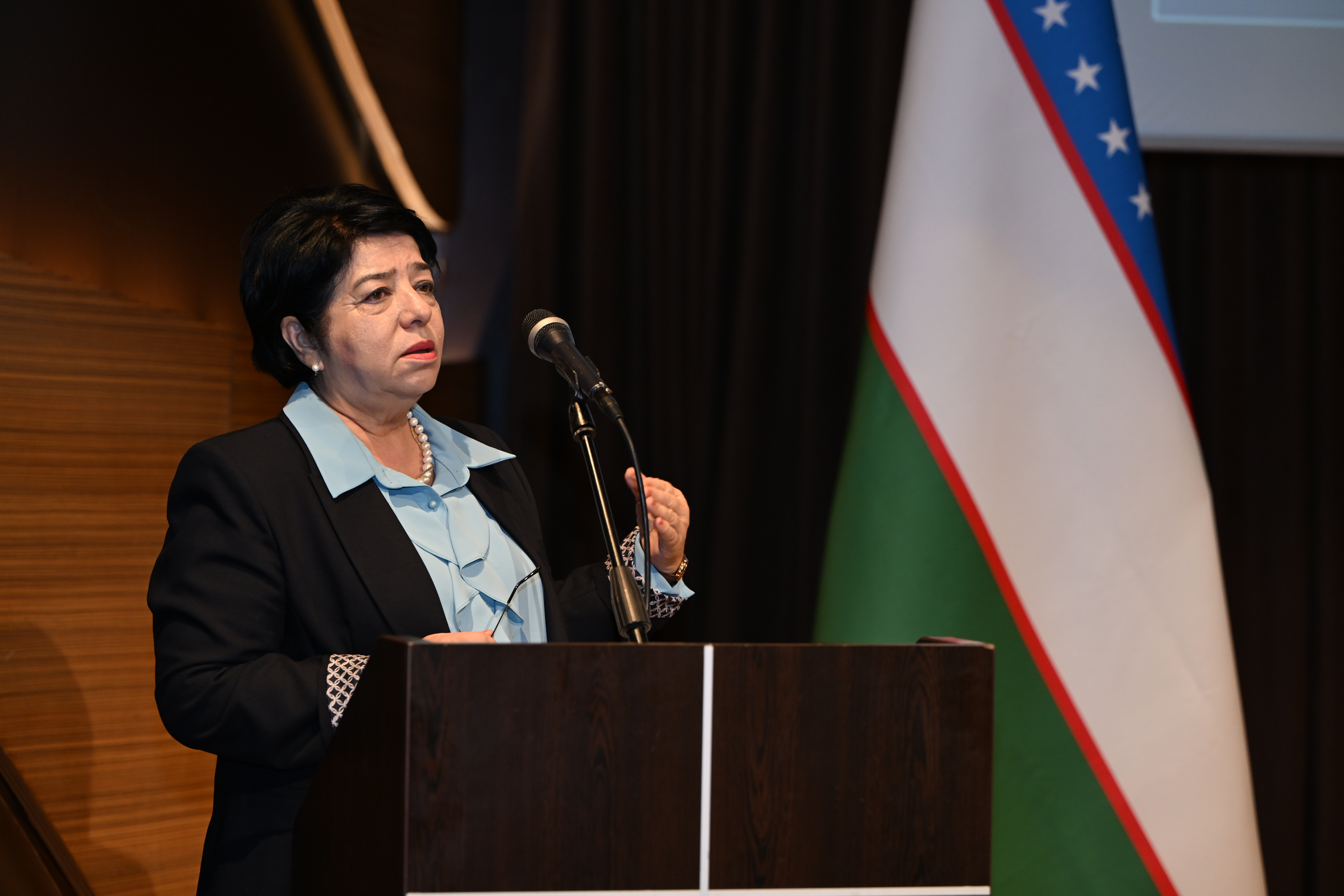
At the end of the conference, a concert program was organized featuring performers of Azerbaijani mugham and Uzbek maqom. Examples of national art once again showcased the rich cultural heritage and shared spiritual values of the two peoples.
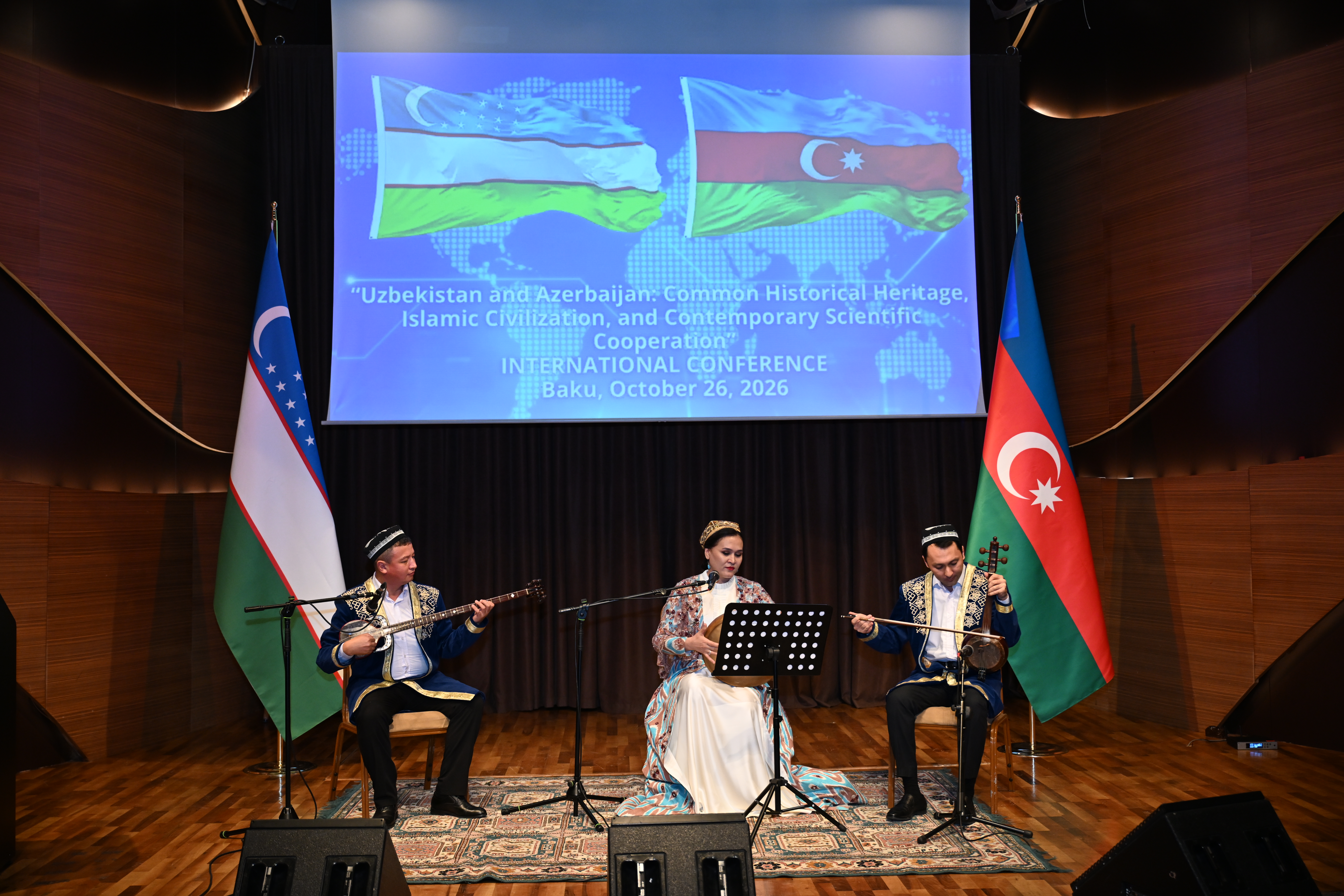
The international conference held in Baku was an important step toward strengthening the historical and cultural ties between Uzbekistan and Azerbaijan, widely promoting the legacy of great ancestors, and developing modern scholarly cooperation.
This article was automatically translated using artificial intelligence.