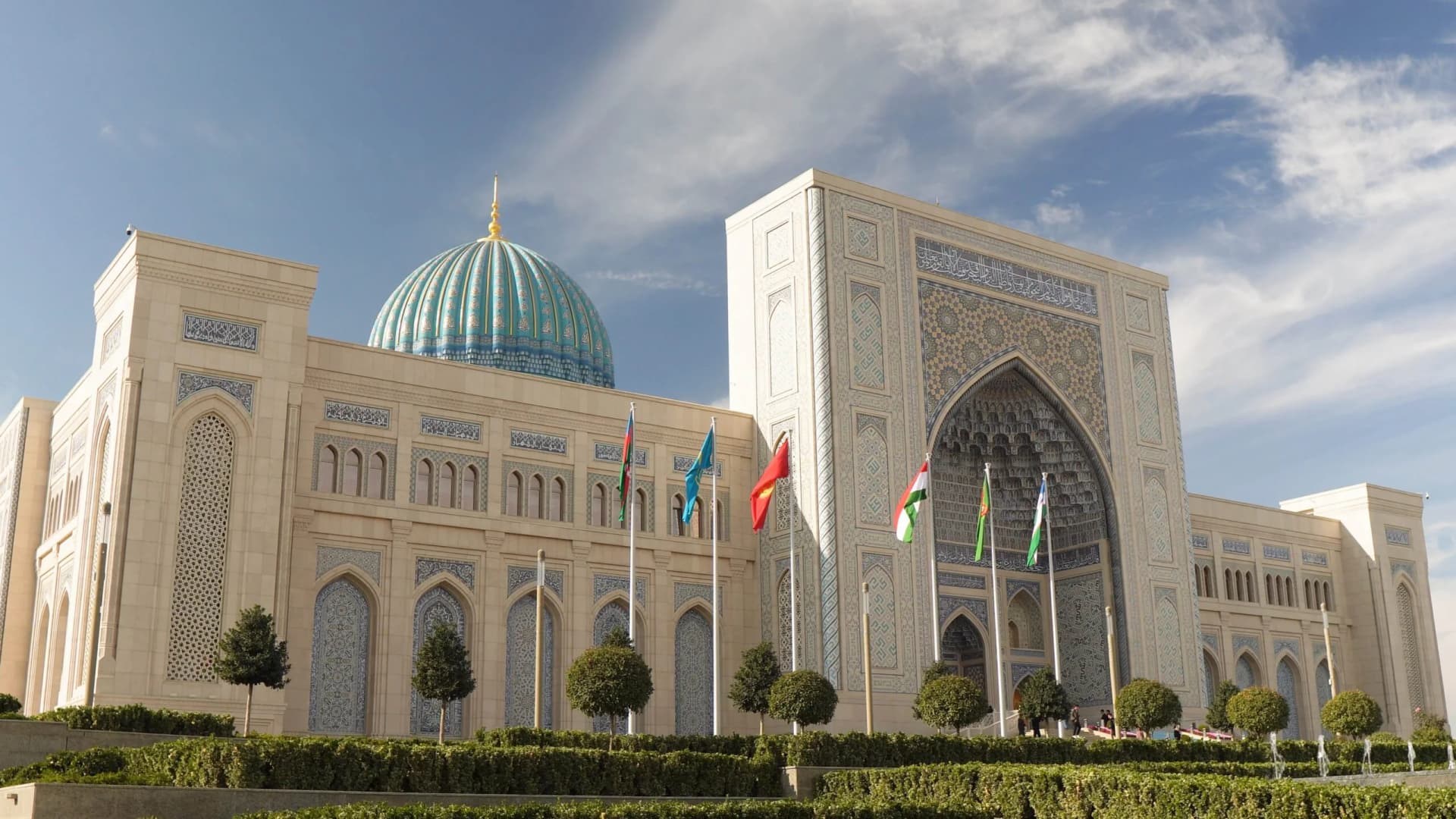

Librarians from Uzbekistan’s regional universities explored a new experience at the Islamic Civilization Center
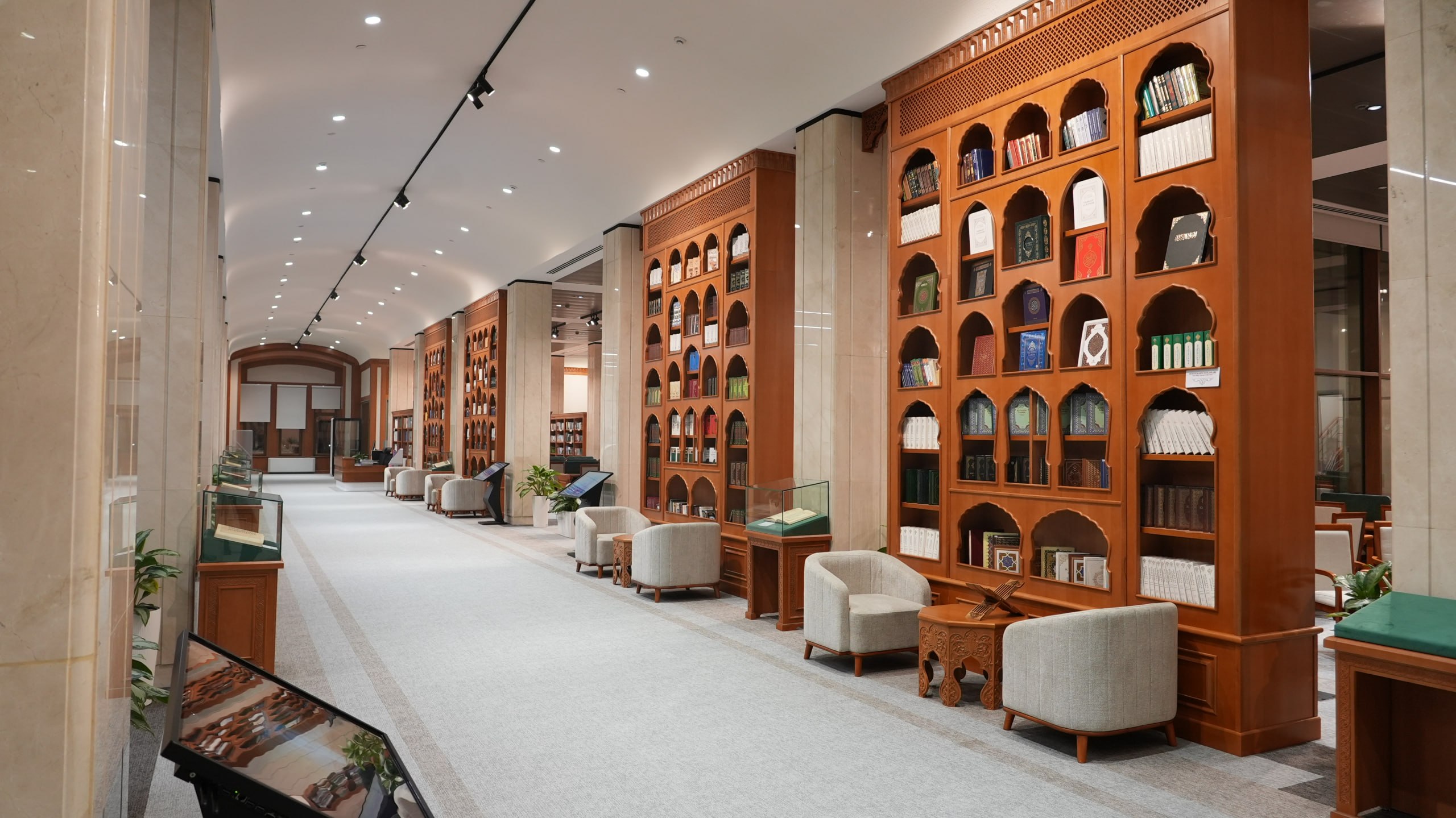
Librarians from higher education institutions across various regions of Uzbekistan visited the Islamic Civilization Center, where they familiarized themselves with its electronic information resources, modern technical equipment, facilities designed for visually impaired readers, and distinctive approaches to building its book collection. The practical sessions aimed to introduce best practices in modern library services and support their implementation in regional information-resource centers.
The sessions brought together heads and specialists of university information-resource centers of higher education institutions from various regions of the country at the library of the Islamic Civilization Center, established on the initiative of President Shavkat Mirziyoyev.
The sessions were conducted as part of the advanced training courses in “Information and library activities” offered by the Institute for Retraining and Advanced Training of Personnel of the Higher Education System under the Ministry of Education and Science of the Republic of Uzbekistan. The program aims to familiarize specialists with modern library services, digital resources, and facilities created for readers, as well as to reinforce theoretical knowledge with practical experience.
What new approaches to library services were explored?
At the beginning of the session, Ravshan Kadirov, Head of the Library and Archival Documents Department at the Islamic Civilization Center, provided an overview of the library’s collections, technological capabilities, and service infrastructure.
The specialists became acquainted with the collection of scholarly literature, electronic information resources, modern technical equipment and the facilities created for visitors with special needs.
The attendees showed particular interest in practical solutions designed to enhance user accessibility, optimize book shelving systems, and streamline literature search processes for readers.
Odil Khusanov, staff member of the Information Resource Center of Namangan State University:
“Holding today’s session at the Center of Islamic Civilization was both a valuable experience and a true source of inspiration for us. We were especially impressed by the scholarly literature here, the attention paid to the heritage of our great ancestors and the facilities created for readers. We would like to apply these practices at our own educational institutions as well,” he said.
Following the tour of the library, the participants continued their training sessions under the advanced training program. The courses focus on digital technologies, the capabilities of artificial intelligence and the development of modern library services.
Nargiza Mirkhojaeva, Senior Lecturer at the Institute for Retraining and Advanced Training of Personnel of the Higher Education System:
“With the rapid advancement of technology today, artificial intelligence is increasingly transforming the field of librarianship. For this reason, our training program places particular emphasis on introducing participants to emerging technologies and modern service delivery methods. The technical capabilities and facilities of the library at the Islamic Civilization Center sparked great interest among the participants. Most importantly, they are expressing a desire to put the innovations they have seen here into practice at their own institutions,” she said.
The session participants also showed particular interest in the library’s inclusive services and its systematic approach to organizing and managing book collections.
Munojat Juraeva, Chief Specialist of the Information Resource Center of Namangan State Technical University, noted:
“National identity and modernity are harmoniously integrated here. We were especially impressed by the modern technical equipment and the specialized facilities dedicated to visually impaired readers. For me, one of the most engaging aspects was the creative approach to shelving and categorizing books by color. This is a new concept for us, and we could apply this approach in our own library as well,” she said.
Throughout these practical sessions, the specialists also exchanged practical insights and discussed actionable methods that can be applied to enhance services at their own institutions.