
Seven historical works based on rare manuscripts presented to the public in Uzbekistan
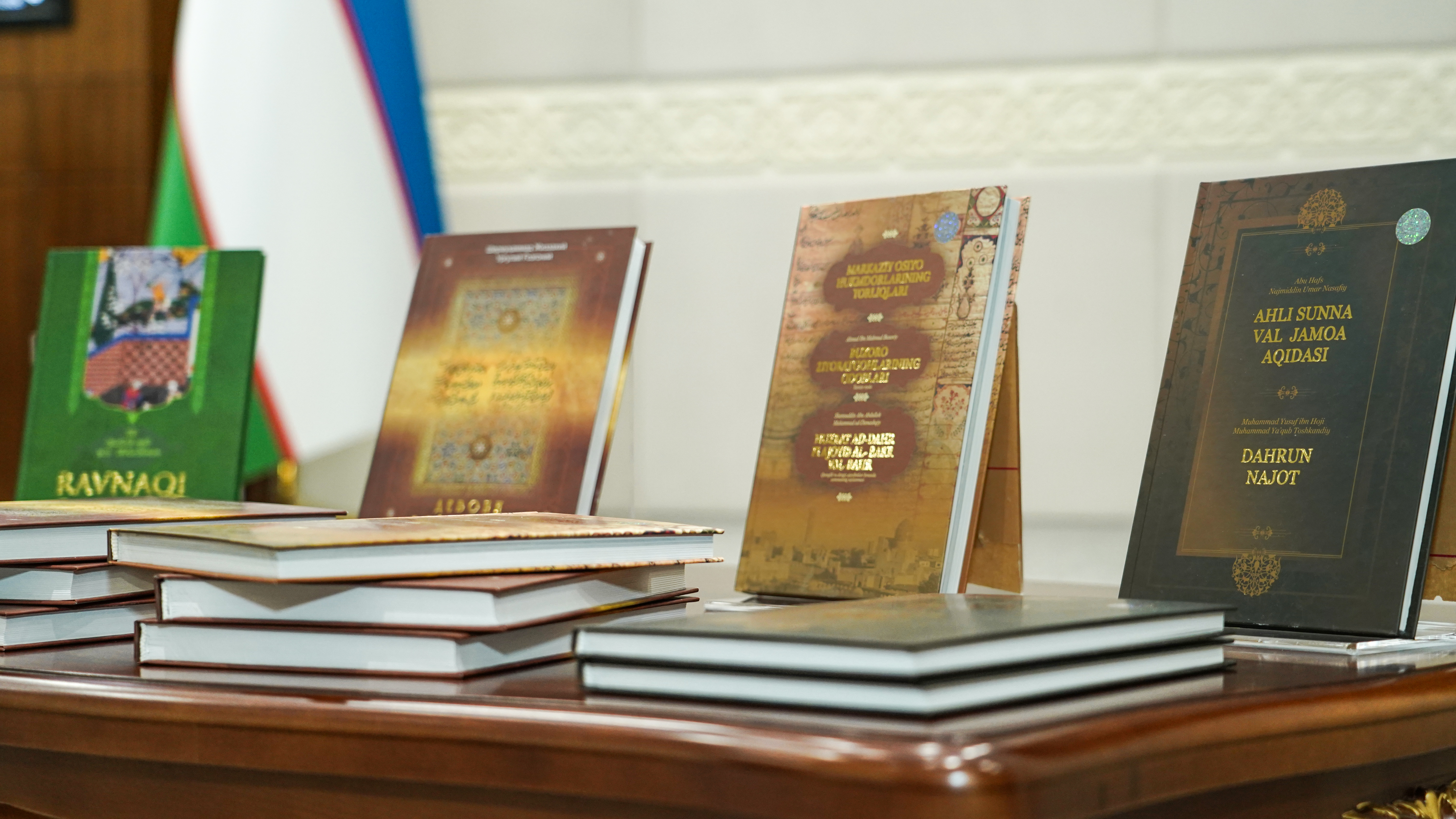
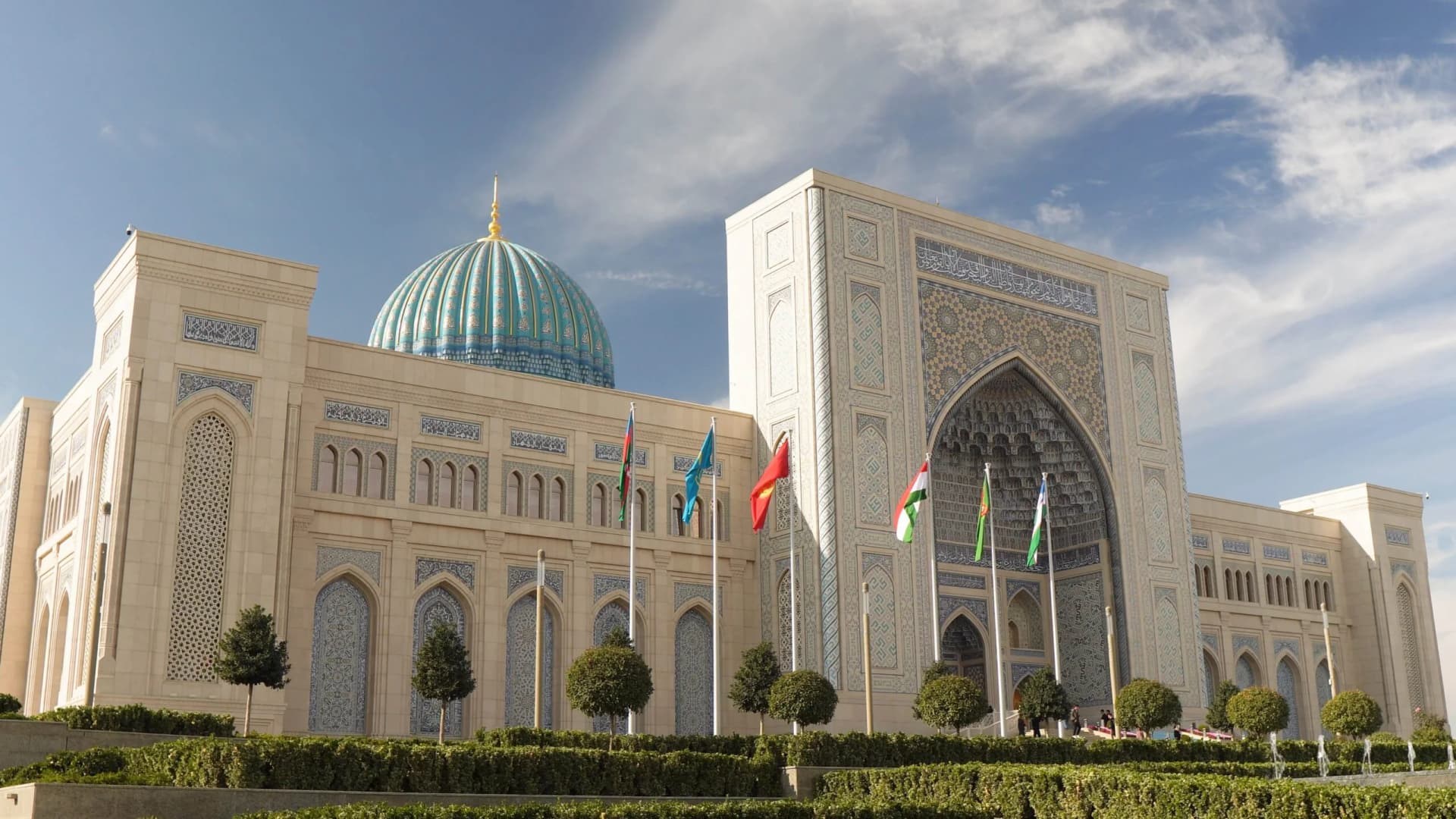
What ideas existed about the Aral Sea and the cosmos in the 14th century? How were citizens’ rights and the protection of property reflected in the decrees of Central Asian rulers? In what ways can classical poetry be introduced to contemporary readers while remaining faithful to its original meaning? The new educational books presented at the Islamic Civilization Center in Uzbekistan, established on the initiative of President Shavkat Mirziyoyev, make it possible to seek answers to such questions on the basis of historical sources. These publications, prepared by the Center, were presented to the public as the practical outcome of work on the scholarly study, translation, and adaptation of written heritage in the fields of literature, creed, the history of statehood, cosmography, and natural science.
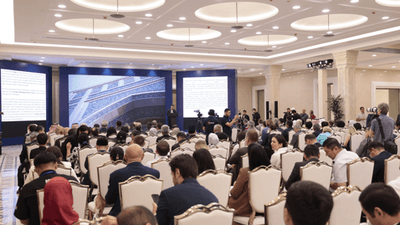
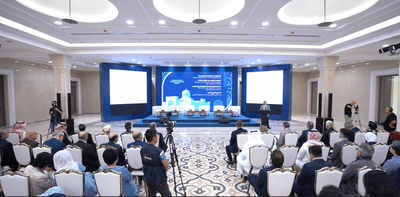
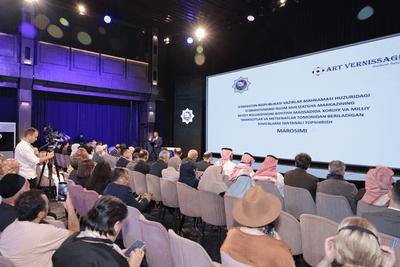
A special presentation of seven books was held at the Islamic Civilization Center in Uzbekistan, aimed at researching the legacy of eminent scholars and thinkers, introducing historical manuscripts into active scholarly circulation, and making them accessible to a wide readership.
During the event, researchers and guests were introduced to works on classical literature, Islamic creed, Central Asian statehood and the history of law, medieval geography, and natural science.
The presentation featured information about “Devoni Mahzun” by Shermuhammad Jizzakhi Urguli Ghozi, “Dahrun Najot” by Muhammad Yusuf ibn Haji Muhammad Yaqub Tashkandi, “The creed of ahl al-sunna wa’l-jama’a” by Abu Hafs Najmiddin Umar Nasafi, “Decrees of the rulers of Central Asia” by Ahmad ibn Muhammad Bukhari, “The choice of the age on the wonders of land and sea” by Shamsuddin Abu Abdullah Muhammad ad-Dimashqi, and “Ravnaqi bo’ston” by Ali Qushchi’s son, Judge Abdurahmon, as well as the historical treatise “The Etiquette of the shrines of Bukhara” by Ahmad ibn Mahmud Bukhari.
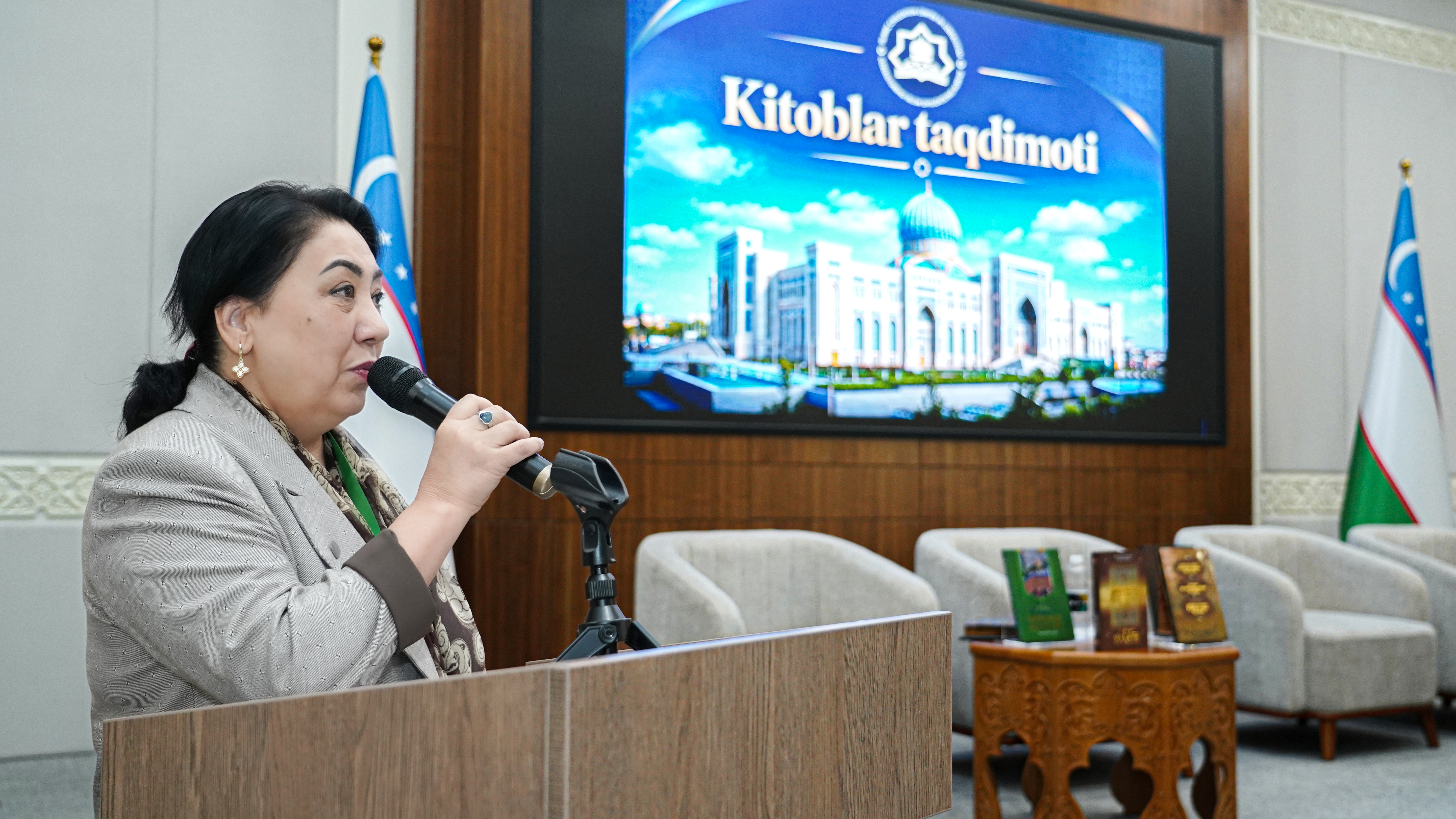
Gulnora Ganieva, Deputy Director of the Center, opened the event with an introductory speech. As part of the program, the documentary film “Men” was also screened.
Beyond introducing the contents of the publications, the presentation highlighted the rigorous source-study research involved in their preparation — particularly the complex processes of reading original manuscripts, translating and adapting historical texts, and enriching them with detailed scholarly commentary.
“Devoni Mahzun”: conveying a historical text to the modern reader without alteration
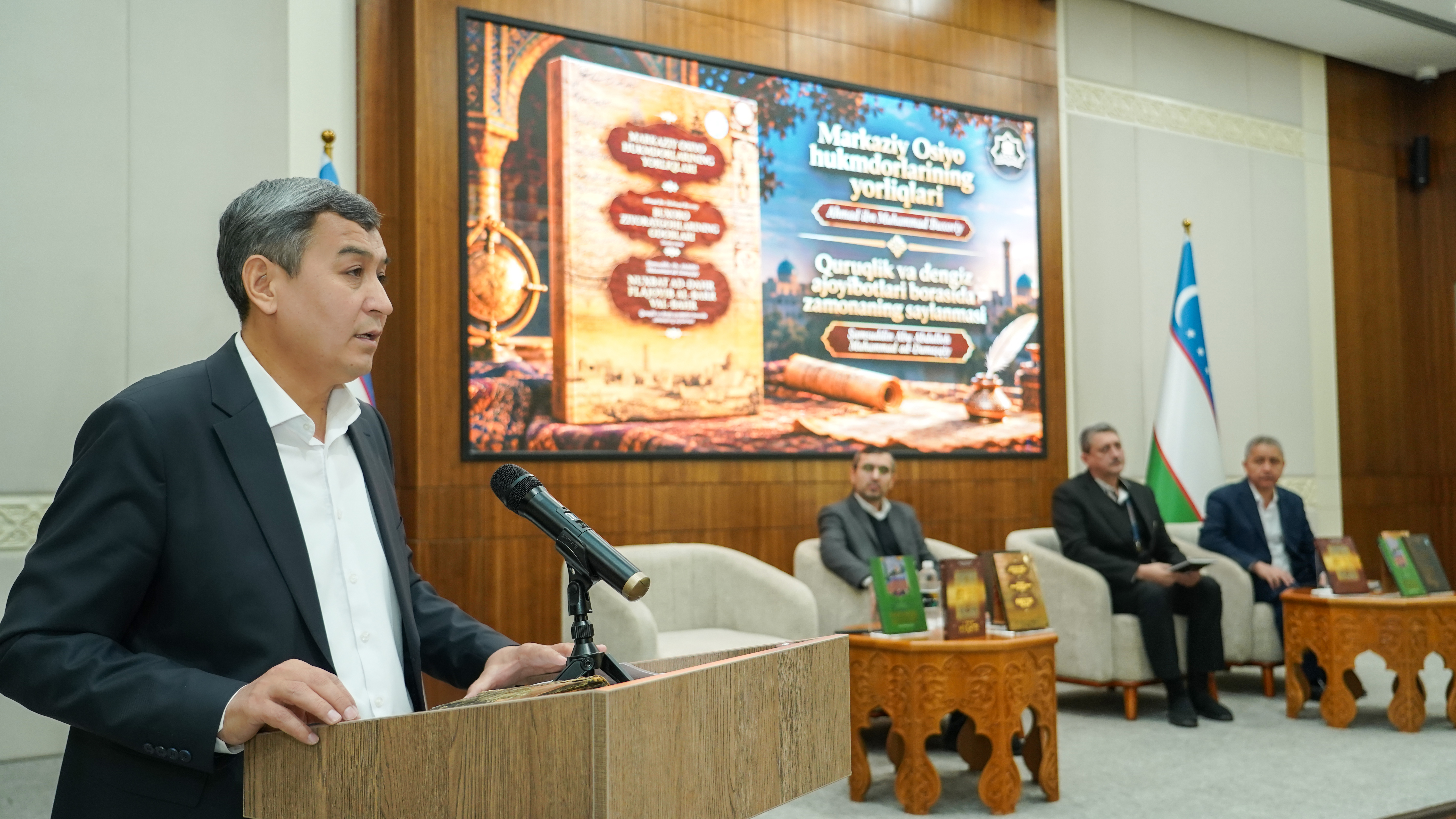
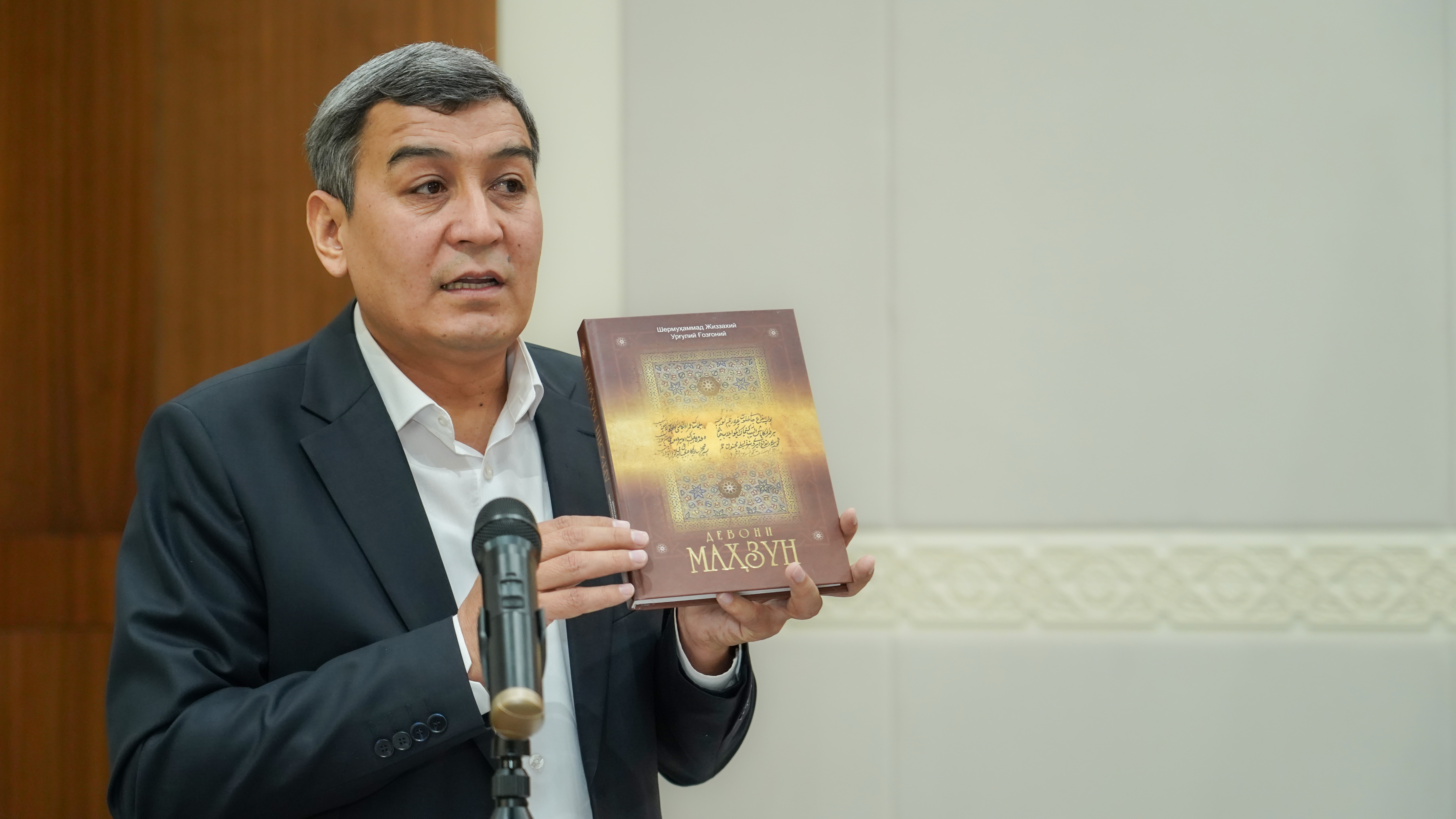
Abdurasul Yakhshiboyev, a researcher at the Center, spoke about “Devoni Mahzun” by Shermuhammad Jizzakhi Urguli Ghozi, its history of creation, and its literary significance.
Shermuhammad Jizzakhi Urguli Ghozi was one of the eminent literary figures who lived and worked in the Jizzakh oasis and who had mastered both religious and secular knowledge. His ghazals and works of spiritual and moral content are considered an essential source for studying the literary environment of the region.
The presentation noted that the divan reflects stylistic and thematic influences drawn from the works of Alisher Navoi and Mashrab, while also offering valuable insight into the poet’s life, philosophy, and worldview.
In preparing the work for publication, special attention was paid to preserving the authentic meaning of the historical text. Explanatory glossaries were prepared for words and expressions characteristic of Old Uzbek writing, as well as for concepts borrowed from Arabic and Persian.
Abdurasul Yakhshiboyev, researcher at the Islamic Civilization Center:
“Even during the process of establishing the Islamic Civilization Center, our President repeatedly stressed the importance of conducting in-depth research into our ancestors' profound heritage, preserving it with care, and delivering it faithfully to our people and the global community through scholarly translations and adaptations. The scholarly work being carried out at our Center today, particularly the study of manuscript books and their preparation for publication, is the practical expression of this noble goal. “Devoni Mahzun” is one of the significant outcomes of this ongoing effort. Throughout the adaptation process, our priority was to safeguard the integrity of the text and convey the author’s original message in an accessible form without distortion. We paid special attention to preparing this book so that it would be comprehensible to our people and our researchers. The author’s authentic text was preserved exactly as it was, and no changes were made to its content. Only explanatory notes and glosses were provided for Arabic and Persian words so that the reader could understand easily. After all, our mission extends beyond mere publication; it is about passing down this profound scholarly and spiritual legacy fully to future generations.”
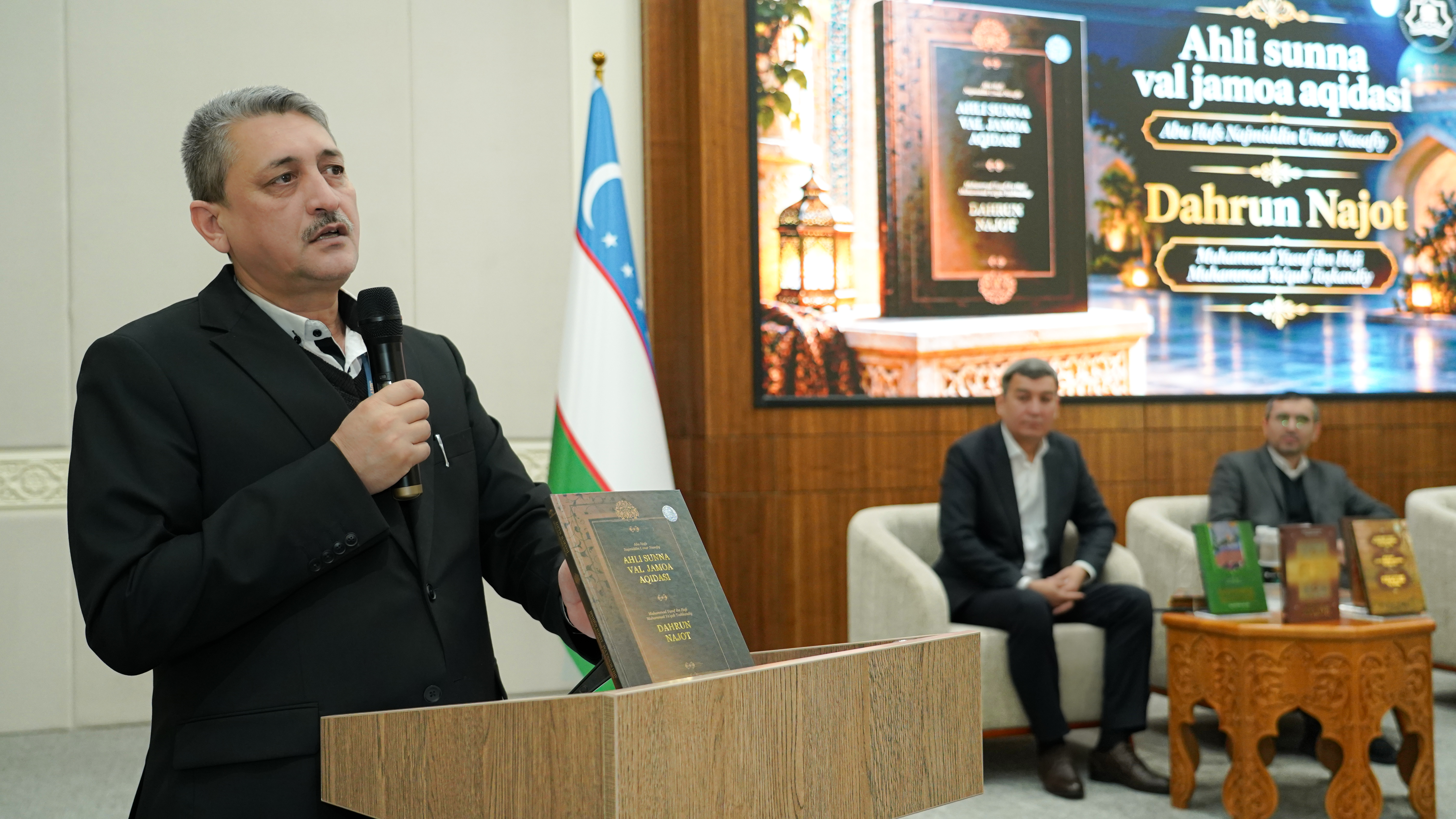
The presentation also showcased “Dahrun Najot” by Muhammad Yusuf ibn Haji Muhammad Yaqub Tashkandi. Alongside well-known narratives related to the Prophets, this work includes excerpts from educational verses by Hazrat Alisher Navoi, the sultan of the realm of poetry, and others.
The essence of the hadiths is explained through the wise sayings of scholars and eXamples from life. The book offers commentary in a question-and-answer format, consisting of ninety-nine questions and ninety-nine answers on etiquette, morality, human qualities, and the fine character traits a Muslim should possess. Some words are annotated so that the reader does not come across unclear expressions while reading. Notably, the information presented in verse is explained in detail in terms of meaning and content. In particular, it addresses important issues such as establishing harmony among people and fine human qualities, nurturing love for the homeland, living with fellow members of society always as members of one family, abandoning spiritual ailments of the heart, and adorning oneself with praiseworthy qualities.
“Decrees of the rulers of Central Asia”: written evidence of the history of statehood and law
A core theme of the presentation was devoted to the history of Central Asian statehood and legal relations.
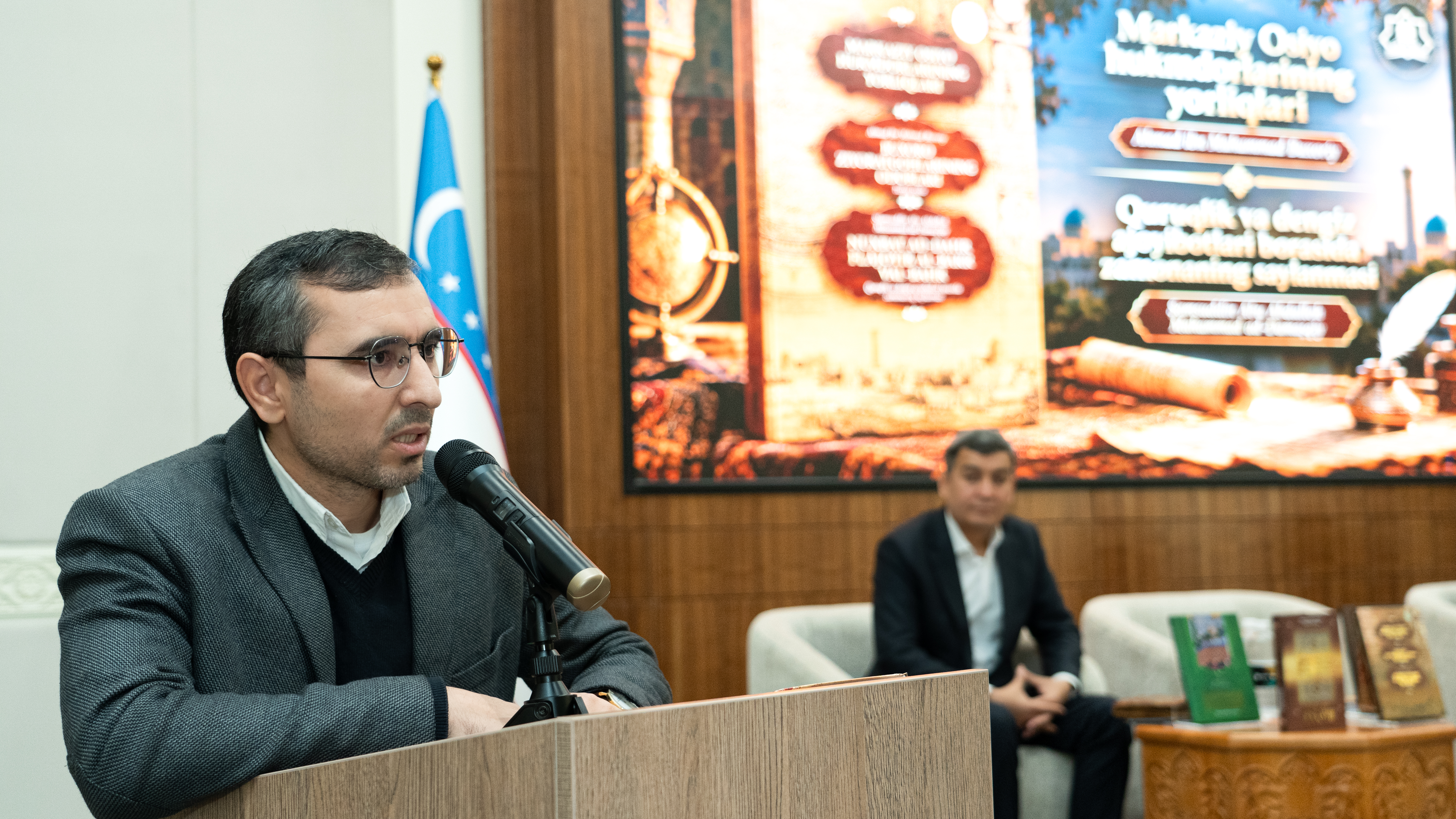
Nasriddin Mirzaev, Doctor of Philosophy in Historical Sciences, speaking about the book “Decrees of the rulers of Central Asia,” emphasized that the edicts and decrees issued by sultans, emirs, and Xans are indispensable primary source for studying the practical mechanisms of historical state governance.
According to him, many decrees of rulers in the region have survived in historical archives, manuscript collections, and various compilations.
These records provide invaluable insight into state governance, property relations, legal privileges, and relations between the population and the authorities in a given period.
Nasriddin Mirzaev, Doctor of Philosophy in Historical Sciences:
“Our book “Decrees of the rulers of Central Asia,” which is being presented today, was prepared mainly to make public the most unique written heritage left by our ancestors concerning the history of Central Asian statehood, our judicial and legal system, and, in general, the history of our legal thought. The roots of the judicial and legal system in our land go back a long way. Thousands of decrees and edicts of sultans, emirs, khans, and other rulers have survived to this day in various collections, archives, and manuscript centers. By studying these documents, one can better understand our ancestors’ approach to state governance, legal relations, and public welfare. Readers will observe that honoring human dignity, safeguarding individual rights, and ensuring the protection of private property were core priorities of state governance. For eXample, documents issued by Subhonqulikhan, the Emir of Bukhara Haydar, or the Khan of Khiva Muhammad Rahimkhan Bahodirkhan reflect the protection of citizens’ rights and property, and the prevention of situations that could harm their welfare. In this respect, this book can be regarded not only as a historical source but also as an important publication serving to raise our legal awareness today.”
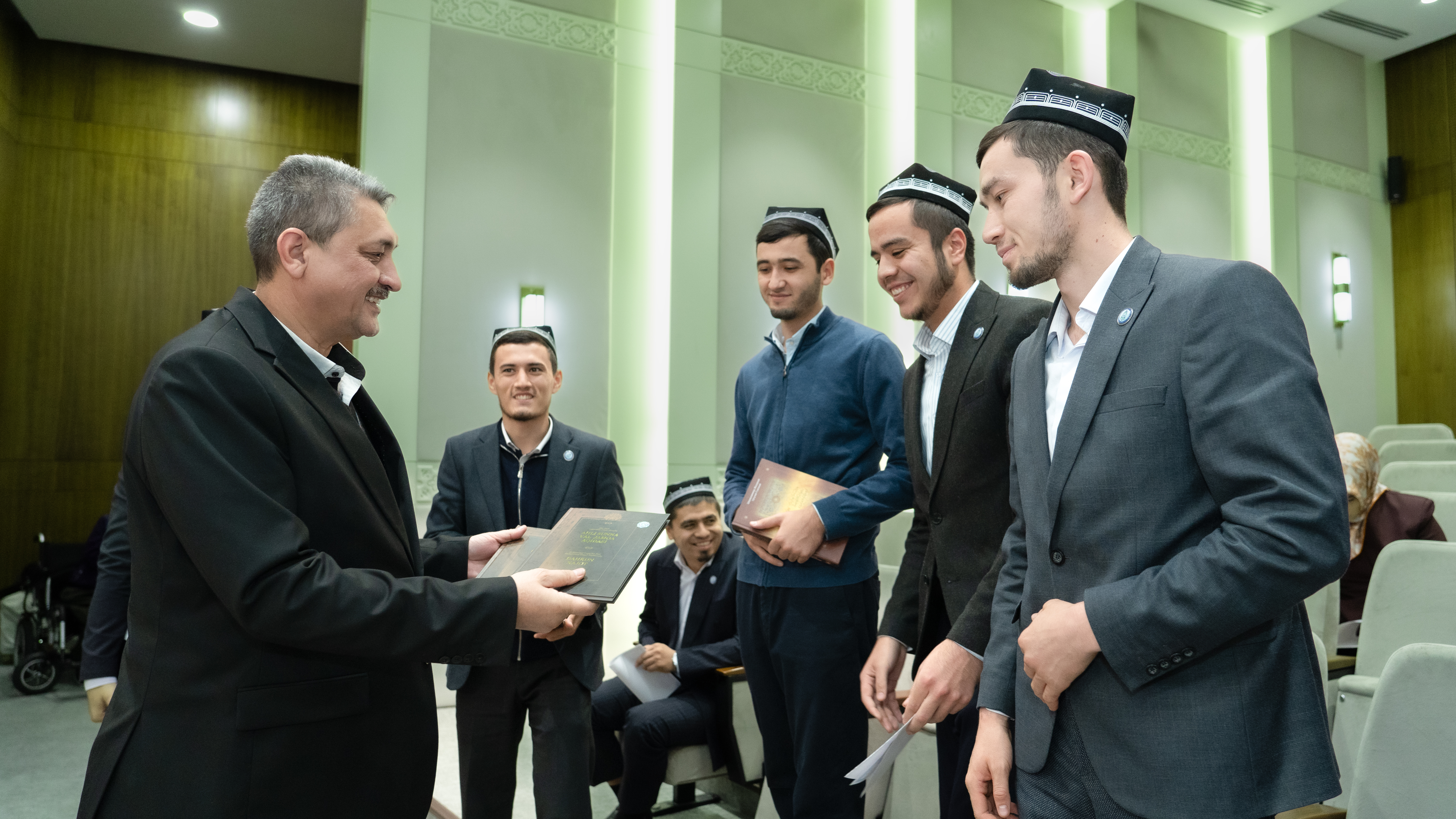
According to the scholar, “Decrees of the rulers of Central Asia” is being presented for the first time as a complete edition. The book brings together the original texts of the documents, their readings, and their Uzbek translations. This is invaluable for historians, legal scholars, and source specialists who will use the publication.
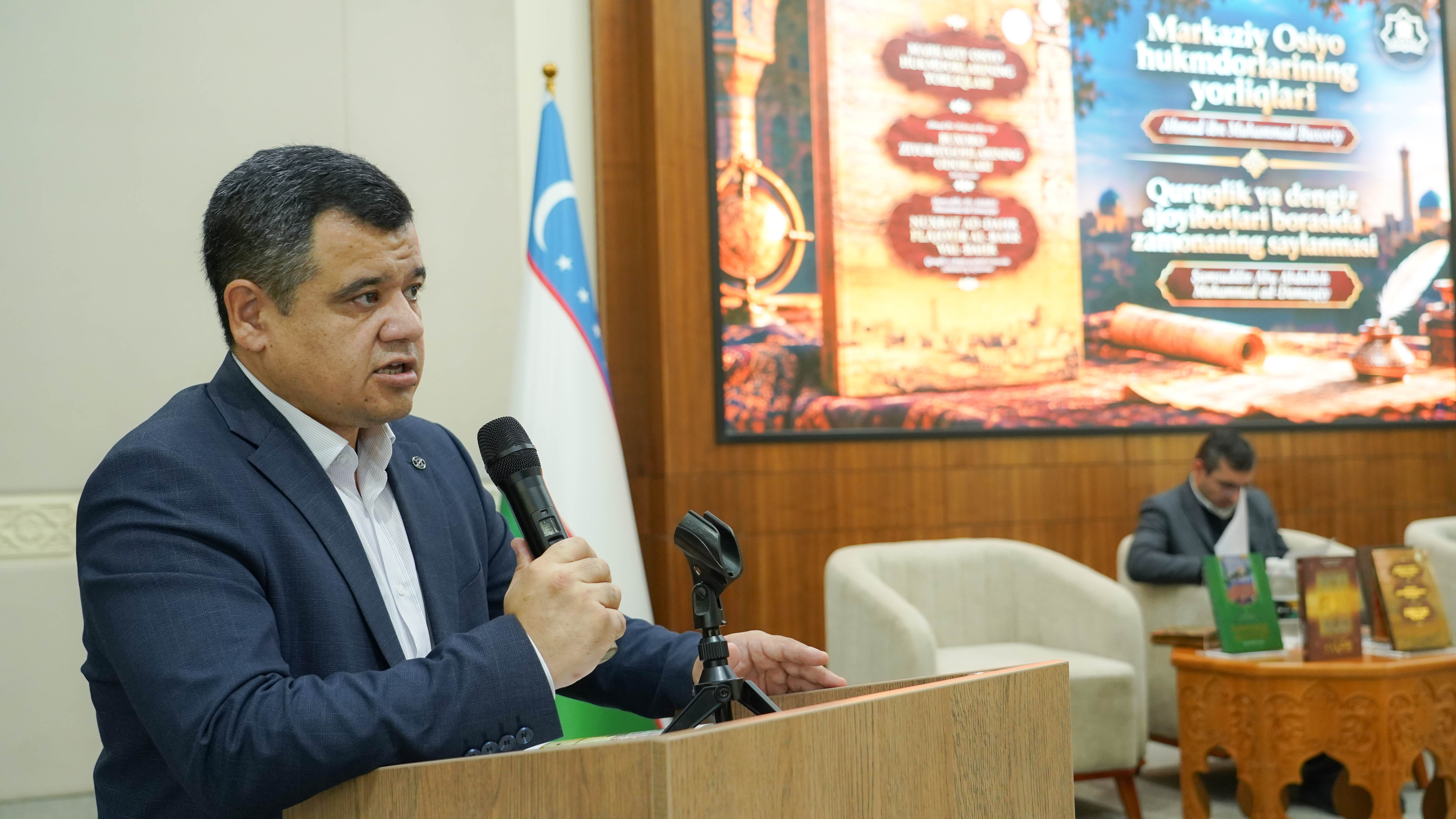
The scholar also spoke about the historical treatise “The Etiquette of the shrines of Bukhara” by Ahmad ibn Mahmud Bukhari, prepared by the Center. The author lived and worked during the era of Timur and the Timurids. The work is also known as “Mullozoda.” To date, specialists have identified more than 200 manuscript copies of it worldwide. We, too, prepared it for publication on the basis of the copy held in our Center’s collection, which has been entered into the state register.
This book can serve as a very essential and useful guide, especially in the field of pilgrimage tourism, because it provides information about the shrines of Bukhara and the etiquette of visiting them. Throughout the editorial process, we tried to present together the text of the Arabic prayers given in the original source, their modern reading, and their Uzbek translation. This dual approach makes the work accessible and practical for researchers, pilgrims, and ordinary readers alike.
What was known about the Aral Sea and the cosmos in the 14th century?
Another work that aroused particular interest at the presentation was “The choice of the age on the wonders of land and sea” by Shamsuddin Abu Abdullah Muhammad ad-Dimashqi.
Ravshan Khudoyberganov, a researcher at the Center, noted that this work belongs to the realm of cosmography and reflects ideas formed in the Middle Ages about the cosmos, the Earth, nature, and geography.
In his view, studying such historical sources enables researchers to compare today’s scientific achievements with the knowledge of the past and to understand the stages in the development of scientific thought.
Ravshan Khudoyberganov, researcher at the Islamic Civilization Center:
“This treatise belongs to cosmography and brings together medieval knowledge concerning both the cosmos and the Earth. One of the primary objectives of preparing it for publication is to show what people’s ideas about the world, the cosmos, and nature were like in the 14th century. Today we have a great deal of information about the Earth and the cosmos. But humanity went through long historical stages and made many discoveries to attain this knowledge. Each era had its own scientific views and level of thought. This work is an essential source providing summarizing information about precisely that knowledge in the 14th century.
Another vital aspect of the work is its direct relevance to our region. In particular, when discussing seas and waterways, the author provides information about the Aral Sea and Lake Aral. There are also interesting notes about the Turkic peoples who lived in the Aral Sea region. During the translation process, we paid special attention to preserving the historical precision of this regional information.”
According to the researcher, the manuscript preserved in the Islamic Civilization Center’s collection under inventory number 73 was also used in preparing the work for publication.
Based on the research conducted, Ravshan Khudoyberganov stated that the only known manuscript copy of this work in Uzbekistan is held in the Center’s collection.
He noted that this work was published in Europe in the 19th century and was later studied by foreign researchers as well.
Another distinctive feature of the book is that it belongs to the “ajoyibot” (wonders) genre of Eastern literature. In such works, geographical information, natural phenomena, historical observations, and the people’s ideas of the world of that time come together.
For this reason, this source holds substantial value not only for the study of medieval geography but also for researching the history of science, literary genres, and the worldview of society.
Through this publication, the Center’s specialists aim to bring historical sources of the “ajoyibot” genre into wider scholarly circulation and to draw researchers’ attention to them.
The presentation also introduced the public to “The creed of ahl al-sunna wa’l-jama’a” by Abu Hafs Najmiddin Umar Nasafi.
This book sets out the fundamental principles of the creed of ahl al-sunna wa’l-jama’a. Its presentation in Uzbek is significant for those interested in studying religious and educational knowledge on the basis of scholarly sources.
The work is also considered one of the valuable sources for studying the religious and scholarly traditions formed in Central Asia, doctrinal views, and their historical development.
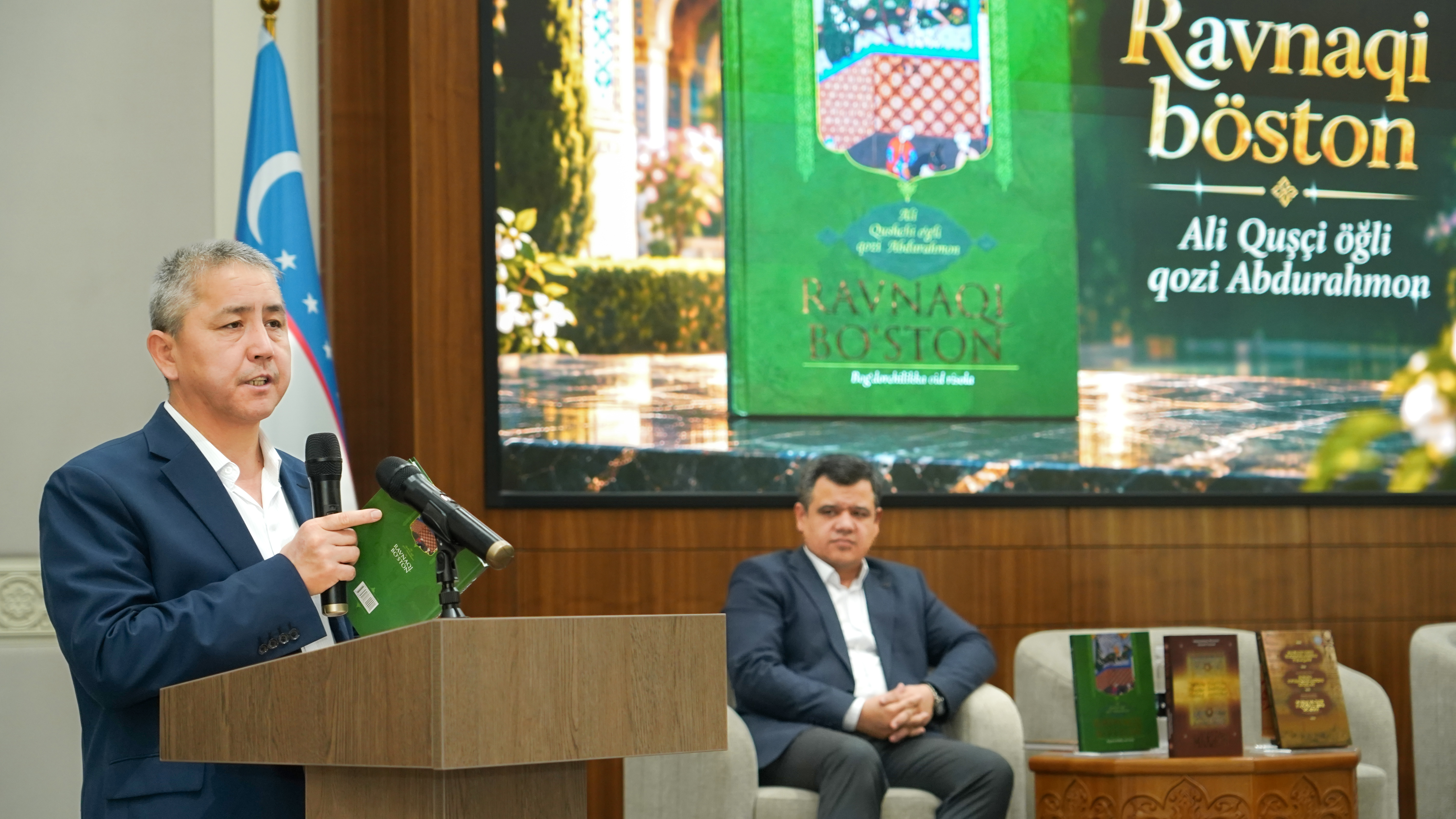
“Ravnaqi bo’ston” by Ali Qushchi’s son, Judge Abdurahmon, by contrast, is notable for its profound insights on gardening and natural science. At the presentation, Alimardon Hayitov, a researcher at the Center, spoke about the content of the work, the author’s scholarly interests, and the sources used in it.
The book “Ravnaqi bo’ston” was written by Judge Abdurahmon, son of Ali Qushchi, one of the scholars from our land. Comprising six major sections, the treatise examines soil classification and characteristics, optimal schedules and methods of planting trees, the influence of moonlight and starlight on the planting process, methods of pruning and grafting, the healing properties of vegetables and fruits against various diseases, the cultivation of melon crops and flowers, the order of fertilizing them, and the harvesting, collecting, and storing of fruits.
According to research findings, it is considered the oldest Turkic work written in the field of agriculture, particularly gardening, in the city of Anatolia in Turkey. Given the scarcity of works written on this subject, “Ravnaqi bo’ston” is all the more significant.
Studying historical works such as “Ravnaqi bo’ston” offers profound insights into how botanical knowledge, agricultural practices, and scientific perspectives on nature developed and were applied across the region.
Thus, although the scholarly and educational books presented differ from one another in subject matter, they are united by a common scholarly task: to study historical sources using modern research methods and to convey their content to readers.
More than two thousand sources: a scholarly foundation for new publications
As the presentation of these books shows, work on researching manuscript and lithograph sources, translating and adapting them, enriching them with scholarly commentary, and preparing them for publication is being actively carried out at the Islamic Civilization Center.
As noted during the event, more than two thousand manuscripts, lithographs, and archival documents are held in the Center’s collection.
These sources create significant opportunities for research in literature, history, philosophy, law, religious sciences, natural science, and other fields.
However, publishing a historical manuscript is not limited to putting its text into book form. Such a process includes stages such as determining the origin and period of the source, comparing existing copies, scholarly reading of the text, preparing the necessary commentary, and ensuring the accuracy of the translation.
In “Devoni Mahzun,” the focus was on preserving and explaining a classical literary text; in “Decrees of the rulers of Central Asia,” on compiling and translating historical legal documents; and in ad-Dimashqi’s work, on re-researching information related to medieval science.
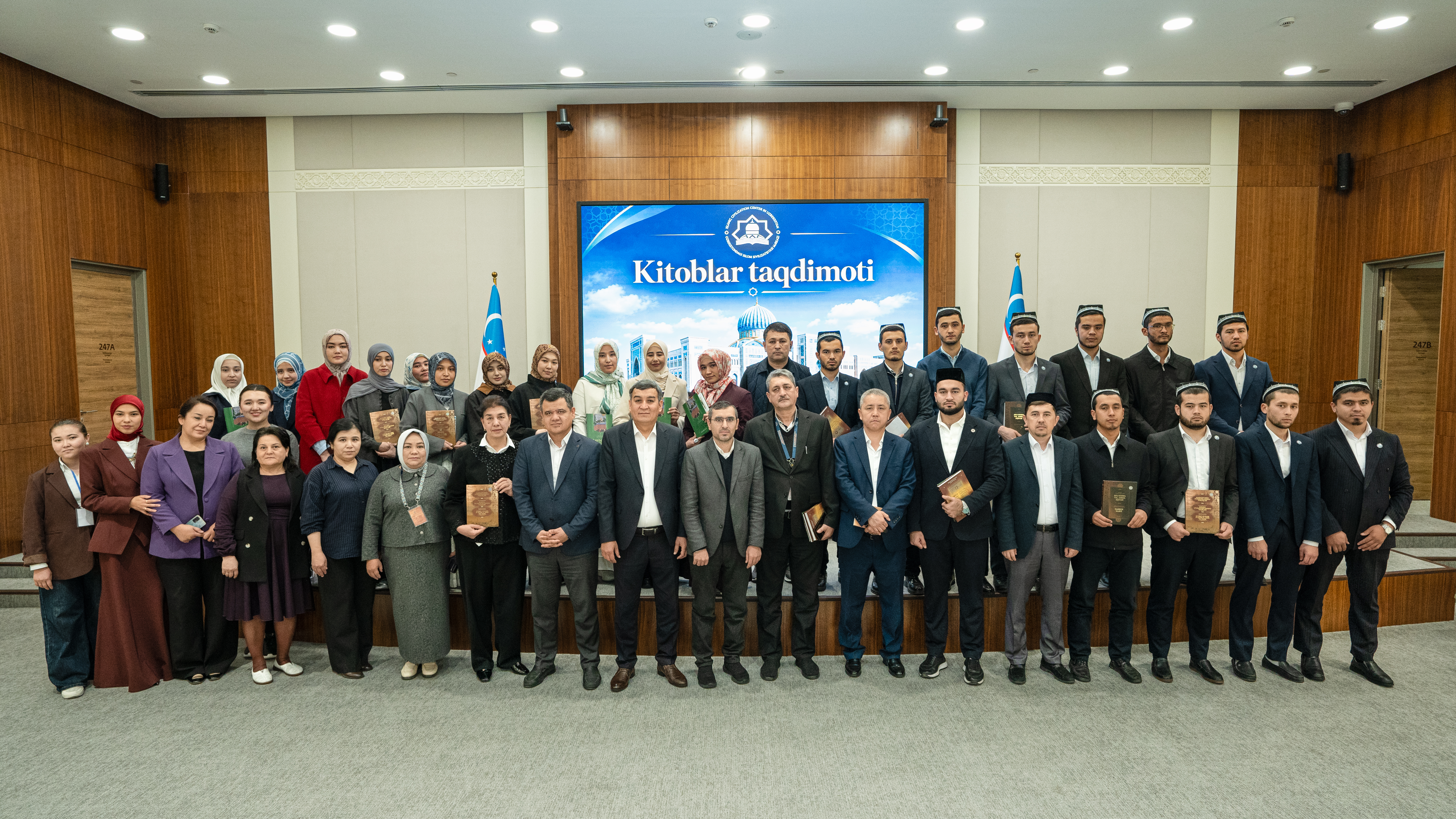
The publications presented demonstrated an strategic direction of the Center’s publishing activity: that is, an active process is under way to turn manuscripts preserved for centuries from objects kept only in museum and archive collections into a source of knowledge usable for new scholarly research, modern publications, and a wide readership.
The presented publications open new opportunities for studying various facets of the national written heritage, from literature to law and from creed to cosmography.