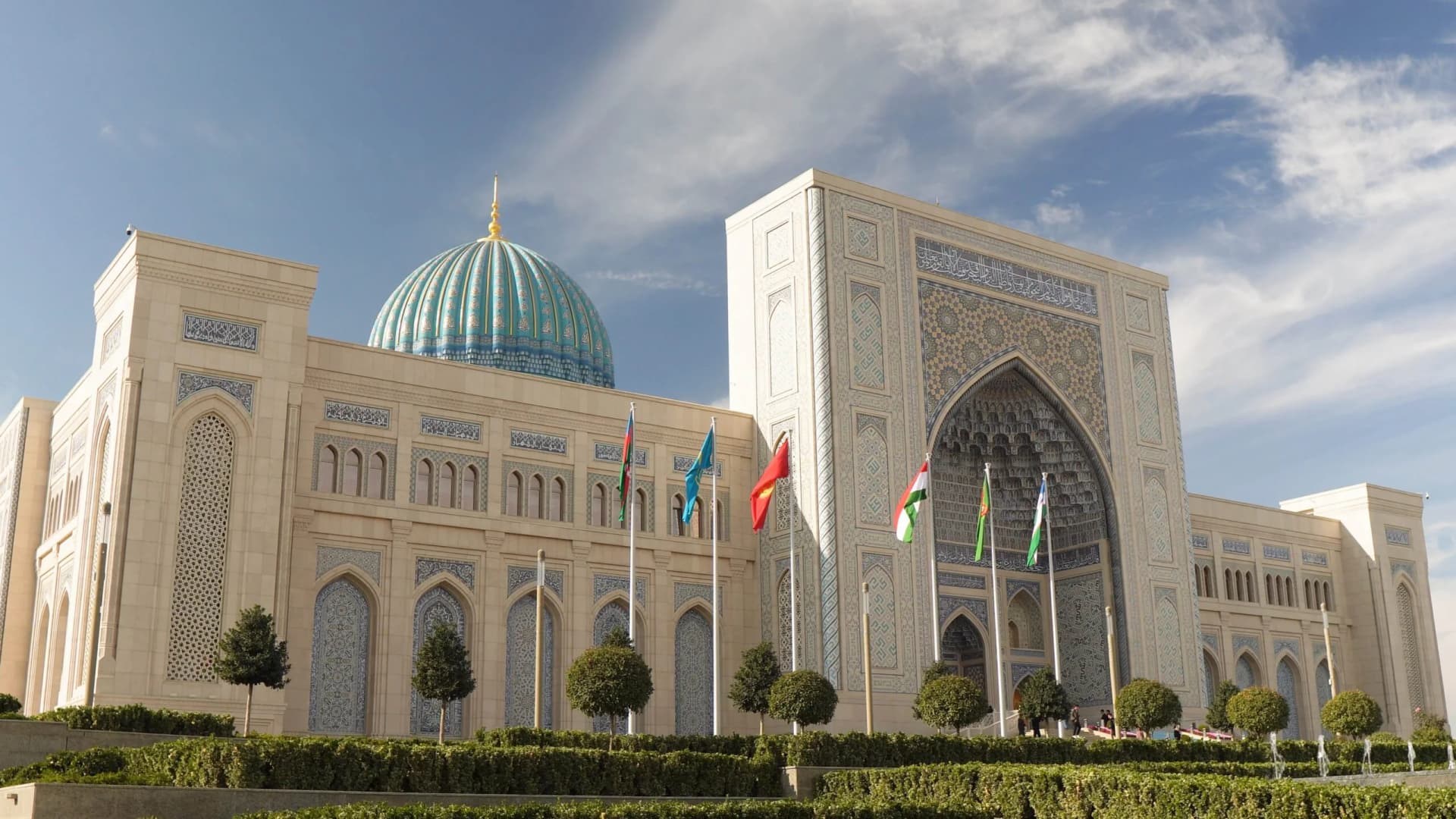
Delegation of the Islamic Civilization Center in Uzbekistan began a working visit to the Sultanate of Oman
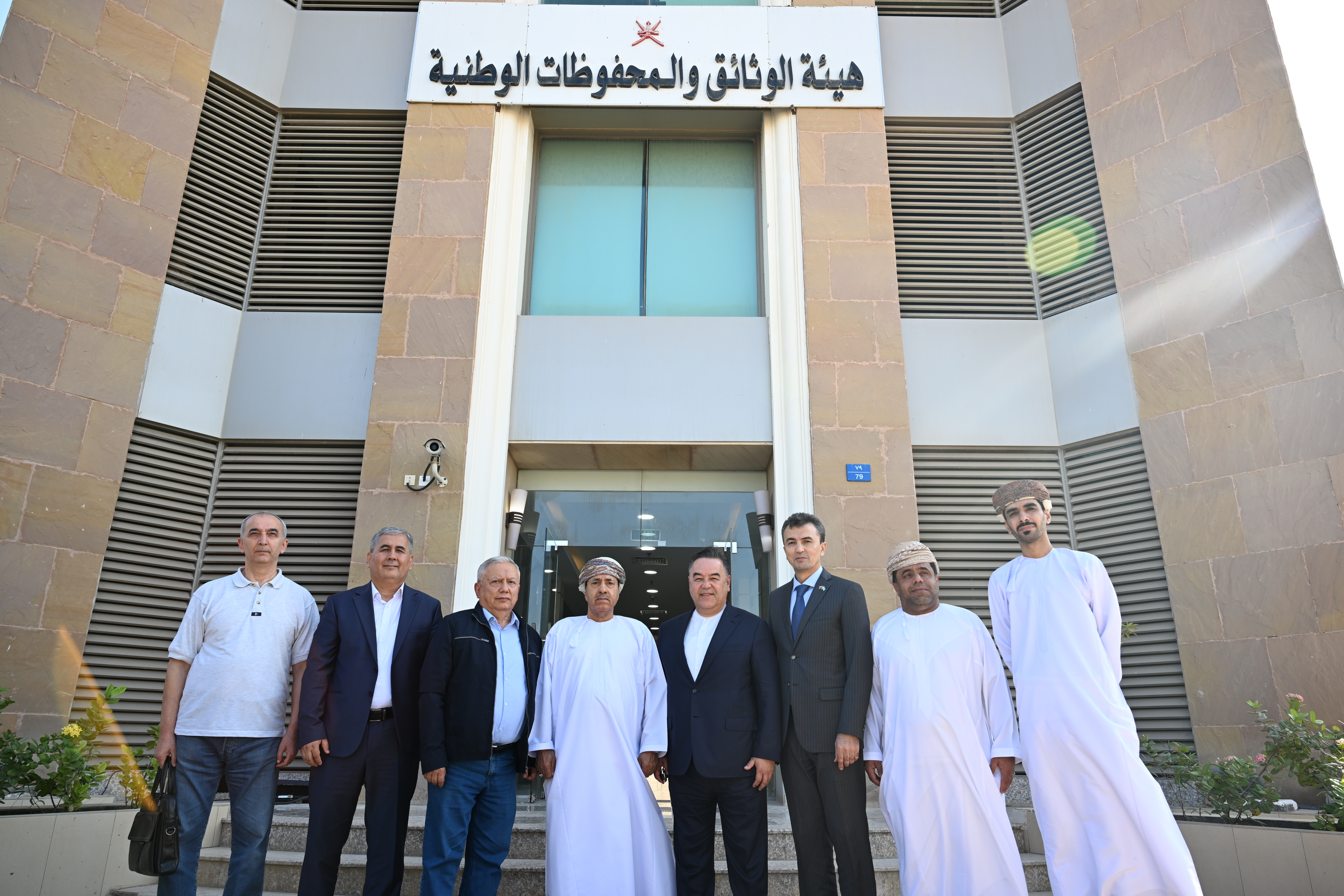
Muscat, November 3, 2026. A delegation led by Firdavs Abdukhalikov, Director of the Islamic Civilization Center in Uzbekistan, has begun a working visit to the Sultanate of Oman. Taking part in the visit are Abdusalom Khatamov, Ambassador Extraordinary and Plenipotentiary of the Republic of Uzbekistan to the Sultanate of Oman, representatives of the Ministry of Foreign Affairs of the Republic of Uzbekistan, and members of the Center’s Scientific Council: Bahrom Abduhalimov, Vice President of the Academy of Sciences of the Republic of Uzbekistan; Uygun Gafurov, Rector of the Islamic Institute named after Imam Bukhari; and Shorustam Shomansurov, a researcher at the Islamic Civilization Center.
As part of the visit, the delegation met with Dr. Hamad bin Muhammad al-Dhuwayani, Chairman of the National Records and Archives Authority of the Sultanate of Oman.
During the meeting, the Omani side provided information on the Authority’s primary areas of activity, as well as the modern technologies and advanced practices used in the restoration, preservation, systematization, and digitization of historical documents. The institution’s scholarly publications and book collections were also presented. Additionally, members of the delegation viewed a documentary video about the Authority’s work and its major projects.
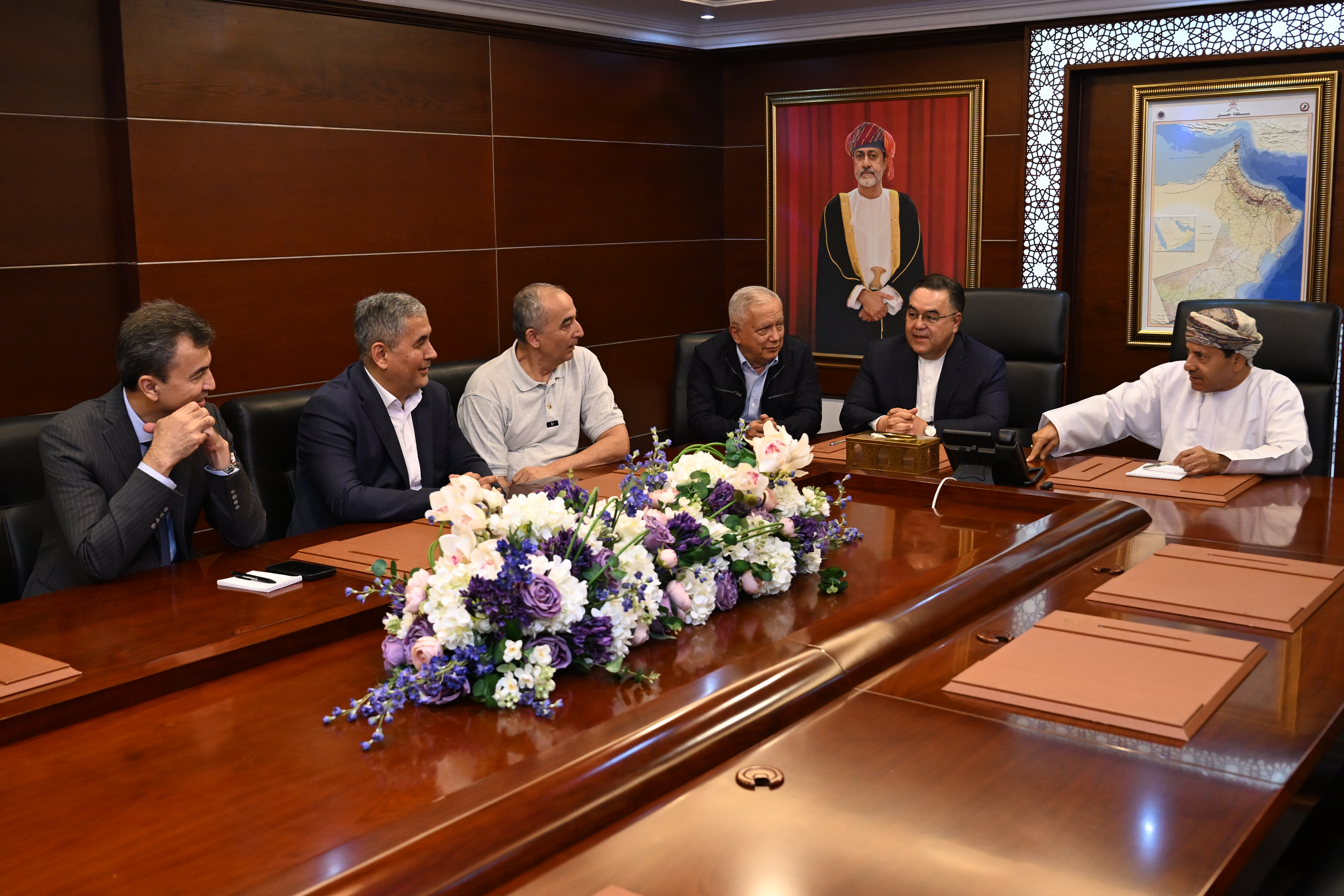
During the talks, prospects were discussed for developing scholarly and cultural-historical cooperation, exchanging experience in the field of archival studies, preserving documentary heritage, and implementing joint research projects.
One of the key topics of the dialogue was the initiative to hold a joint international conference dedicated to the historical, cultural, and social ties between Uzbekistan and Oman.
Dr. Hamad bin Muhammad al-Dhuwayyani proposed in-depth research into the historical commonalities of the two peoples, highlighting shared traditions in lifestyle, religious and spiritual heritage, architectural traditions, and ties in the field of historical numismatics.
Speaking about the prospects for cooperation, Dr. Hamad bin Muhammad al-Dhuwayyani stated the following:
“The Islamic Civilization Center in Uzbekistan is creating great opportunities for studying the region’s profound historical, scholarly, and spiritual heritage and for promoting it widely on the international stage. We deeply value the efforts of the President of the Republic of Uzbekistan, Shavkat Mirziyoyev, in the country’s development, the preservation of historical and cultural heritage, and the implementation of large-scale educational initiatives. We sincerely wish for the Head of State’s noble goals and plans to be realized. We are confident that cooperation between the Islamic Civilization Center and Omani institutions will serve to carry out new scholarly research, exchange historical sources, and implement joint exhibition projects.”
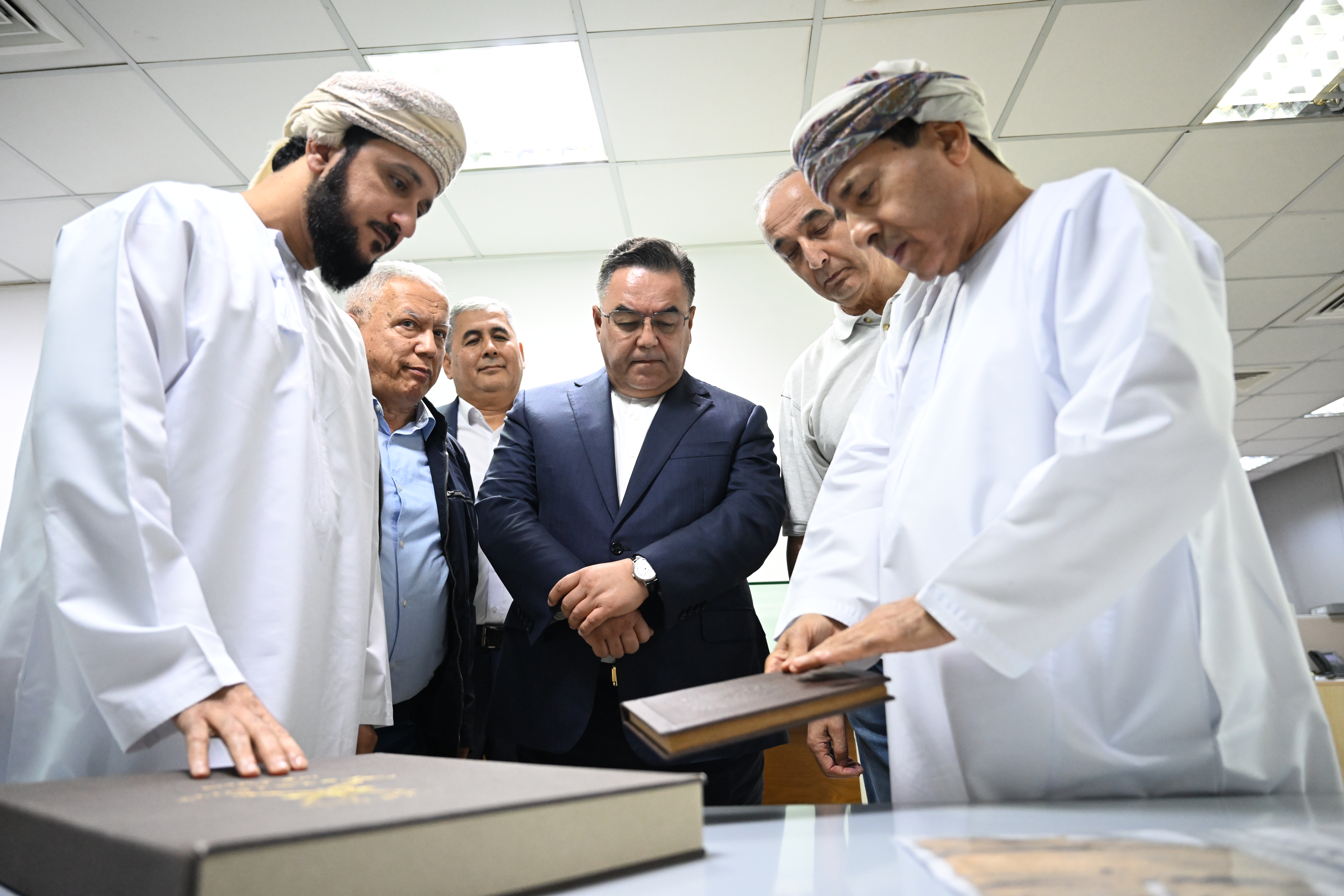
For his part, Firdavs Abdukhalikov, Director of the Islamic Civilization Center, stressed that expanding international cooperation is one of the institution's priorities.
“In accordance with the instruction of the President of the Republic of Uzbekistan, Shavkat Mirziyoyev, we have begun developing a three-year program of activities for the Islamic Civilization Center. One of the main directions of this program is expanding international scholarly and cultural cooperation, strengthening partnerships with foreign institutions, and putting joint initiatives into practice. I am confident that the experience of the Omani National Records and Archives Authority, particularly in working with historical documents and manuscripts, will be important within this program and will take cooperation between specialists to a new level,” said Firdavs Abdukhalikov.
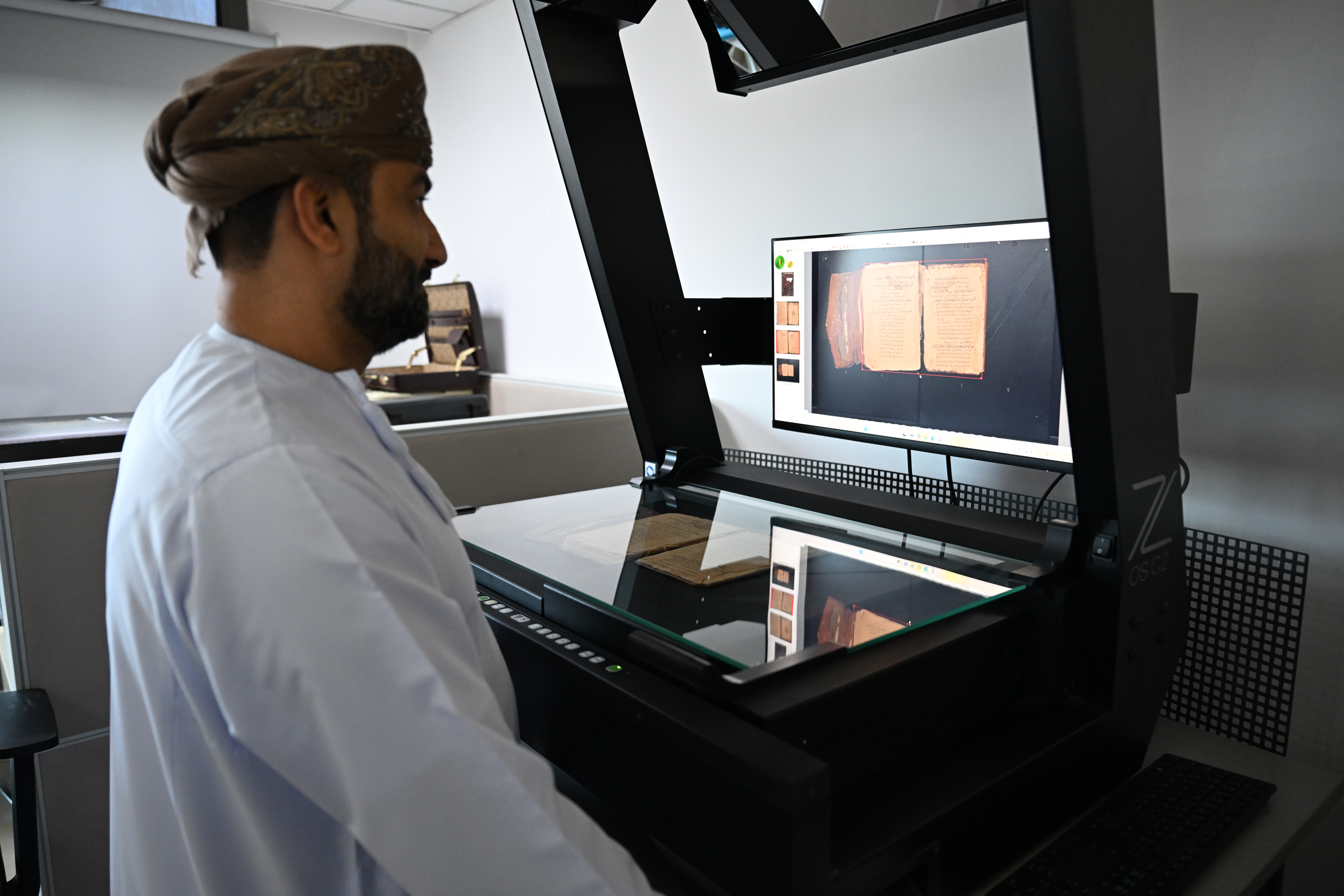
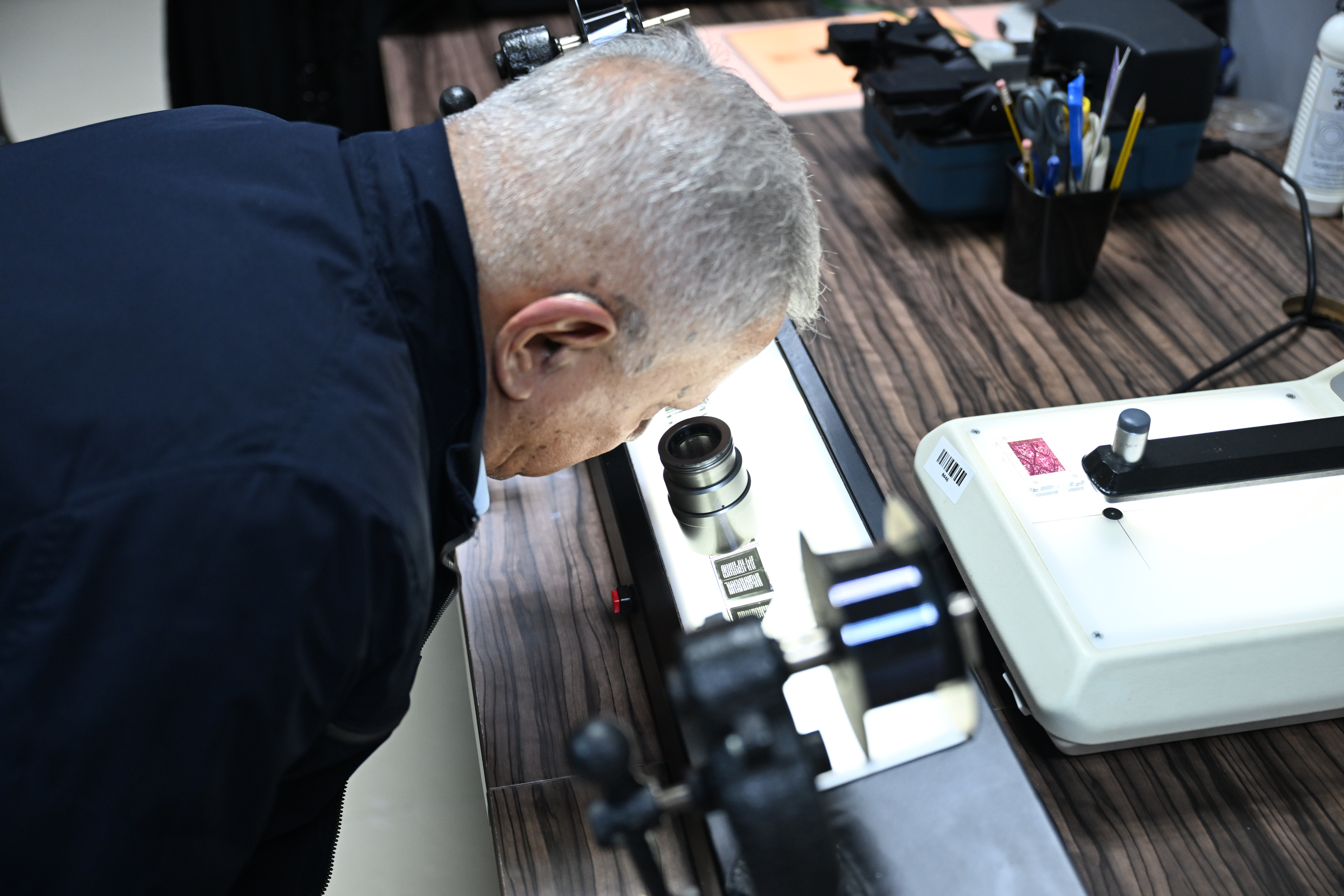
The visit program continued with a tour of the specialized divisions of the Omani National Records and Archives Authority. Members of the delegation visited the departments specializing in the decontamination, restoration, and preservation of historical documents, and became acquainted with modern methods of protecting archival materials, specialized laboratory equipment, and technological processes.
The department specializing in treatment against fungi, bacteria, and insects that can damage historical documents aroused particular interest. Specialists demonstrated the practical methods and special equipment used to protect archival materials from the effects of biological factors.
Fahd bin Mubarak al-Damdami, a leading specialist at the Omani National Records and Archives Authority, emphasized the vital role of exchanging experience and training specialized personnel:
“During my 16 years of work in this field, I have become convinced of how important modern laboratory technologies and the professional training of specialists are in preserving archival heritage. We have the necessary equipment and a team of experienced specialists. Therefore, we are ready to organize practical internships for Uzbek specialists and to familiarize them with the methods used in the workplace.”
The working visit of the delegation of the Islamic Civilization Center in Uzbekistan to the Sultanate of Oman continues.