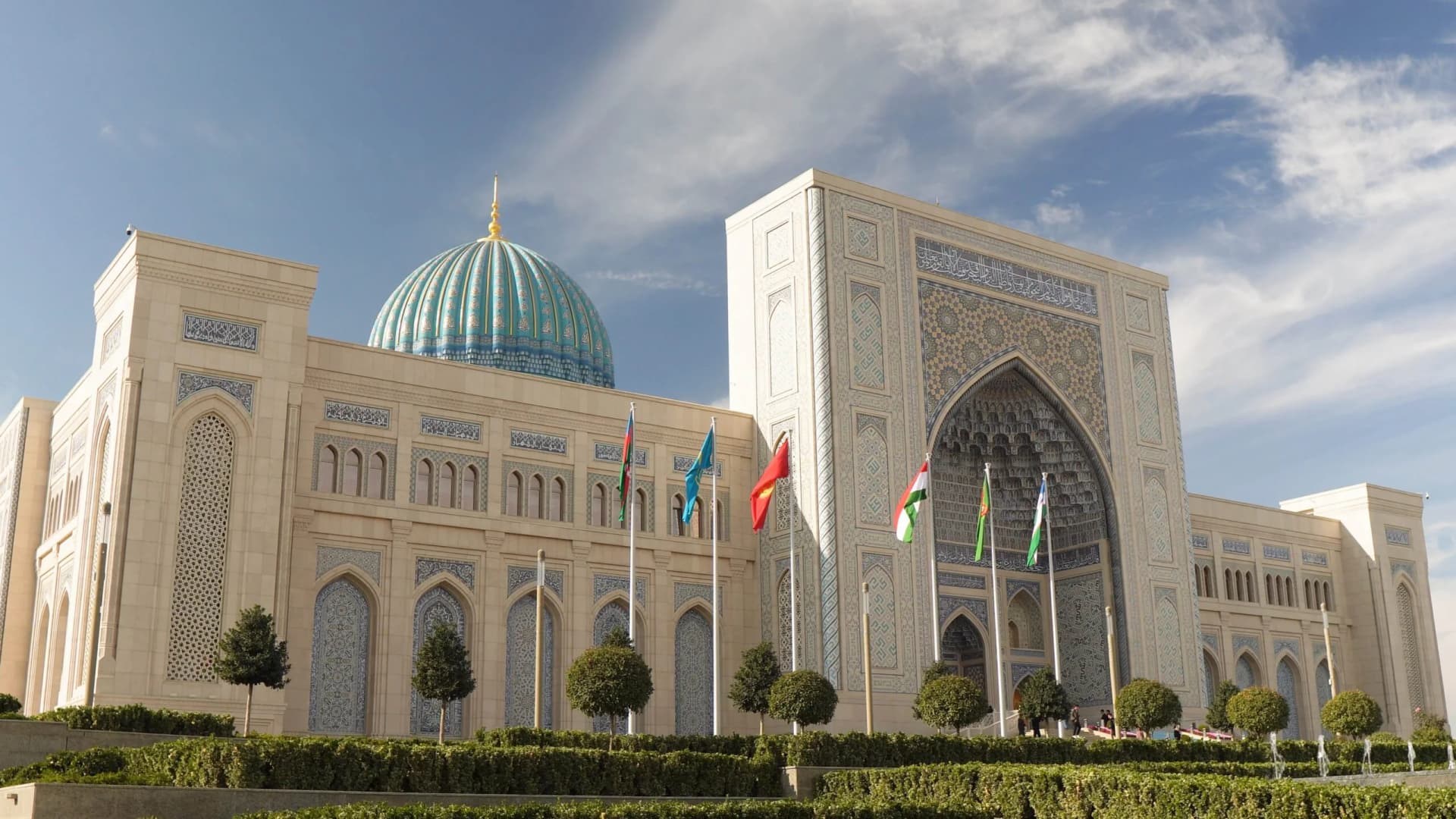
From Mawarannahr to Oman: Uzbekistan expands international dialogue on Islamic civilizational heritage
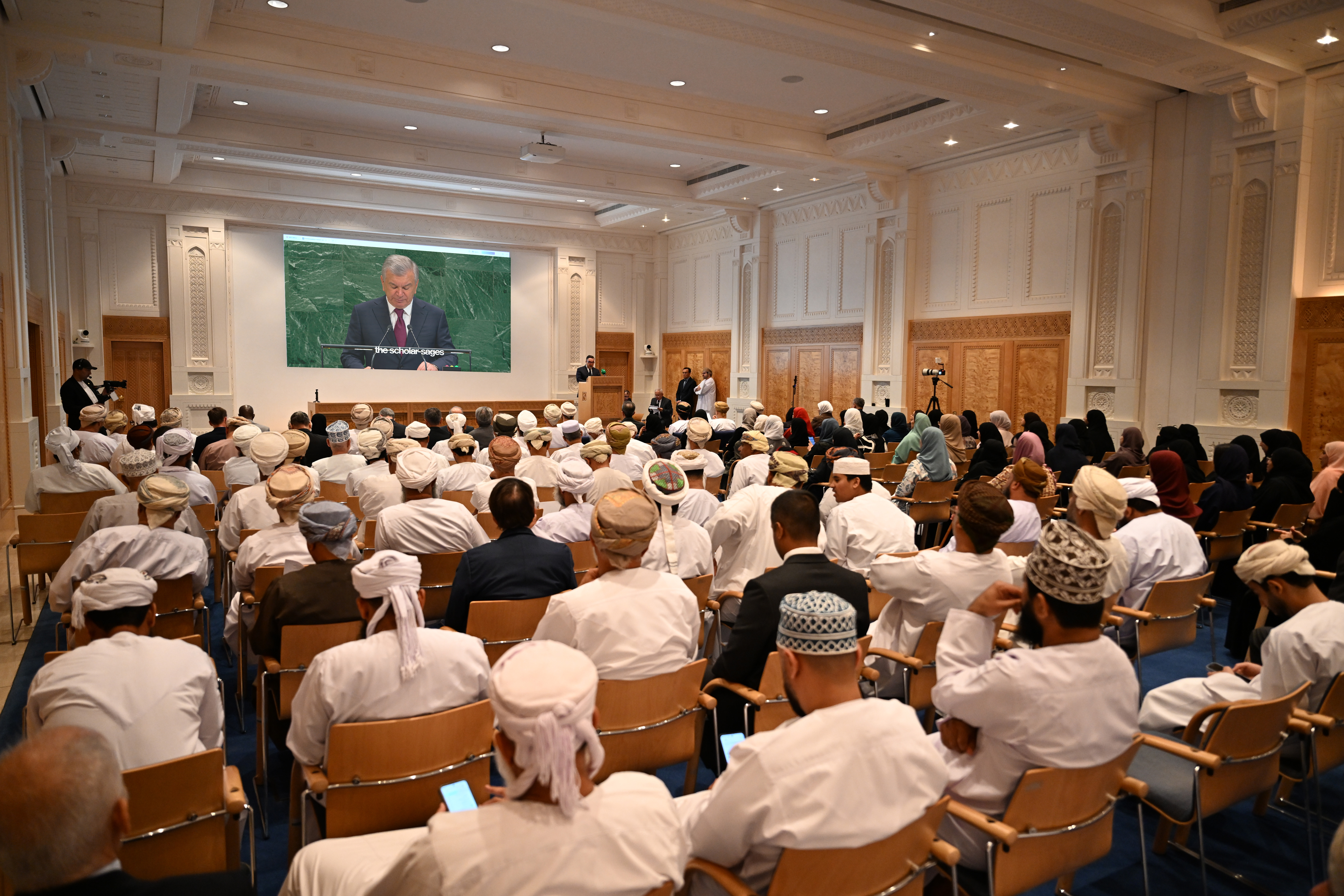
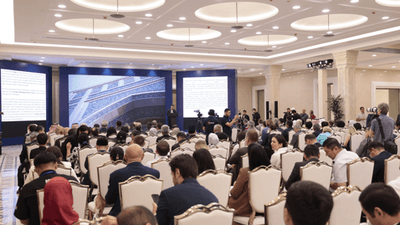
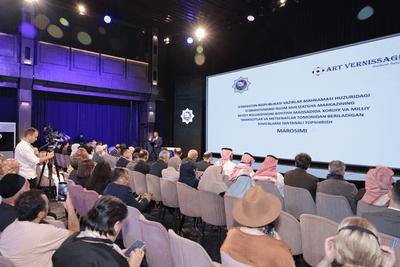
On November 4, 2026, an international symposium titled “Cultural ties between Uzbekistan and Oman. Mawarannahr – the Light of Islamic Civilization Spread Across Centuries” was held in Muscat, the capital of the Sultanate of Oman. The event continued the series of international presentations of the Islamic Civilization Center in Uzbekistan, a project initiated by the President of the Republic of Uzbekistan, Shavkat Mirziyoyev. These events are being held as part of the President’s initiative to promote the heritage of Islamic civilization widely on the international stage.
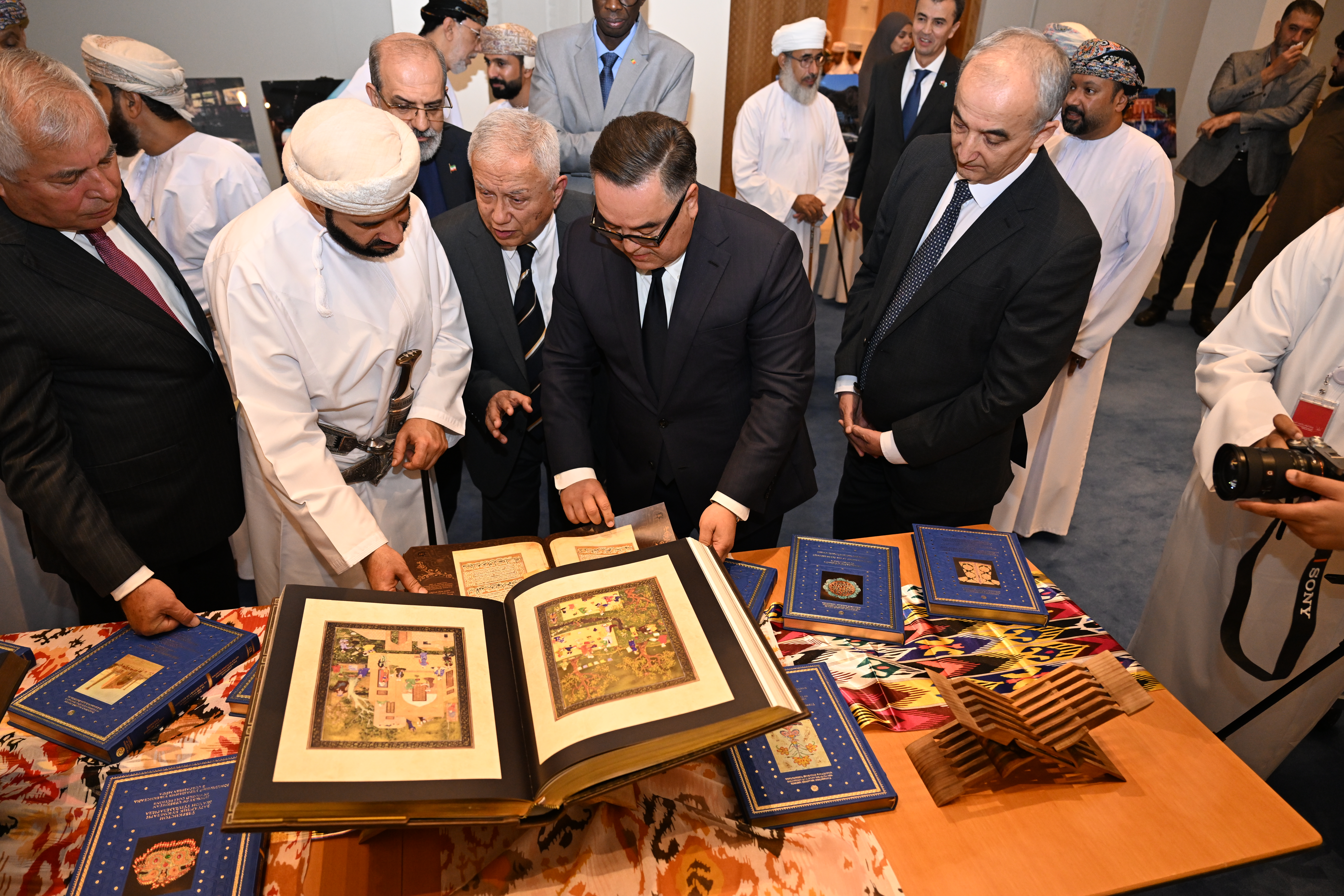
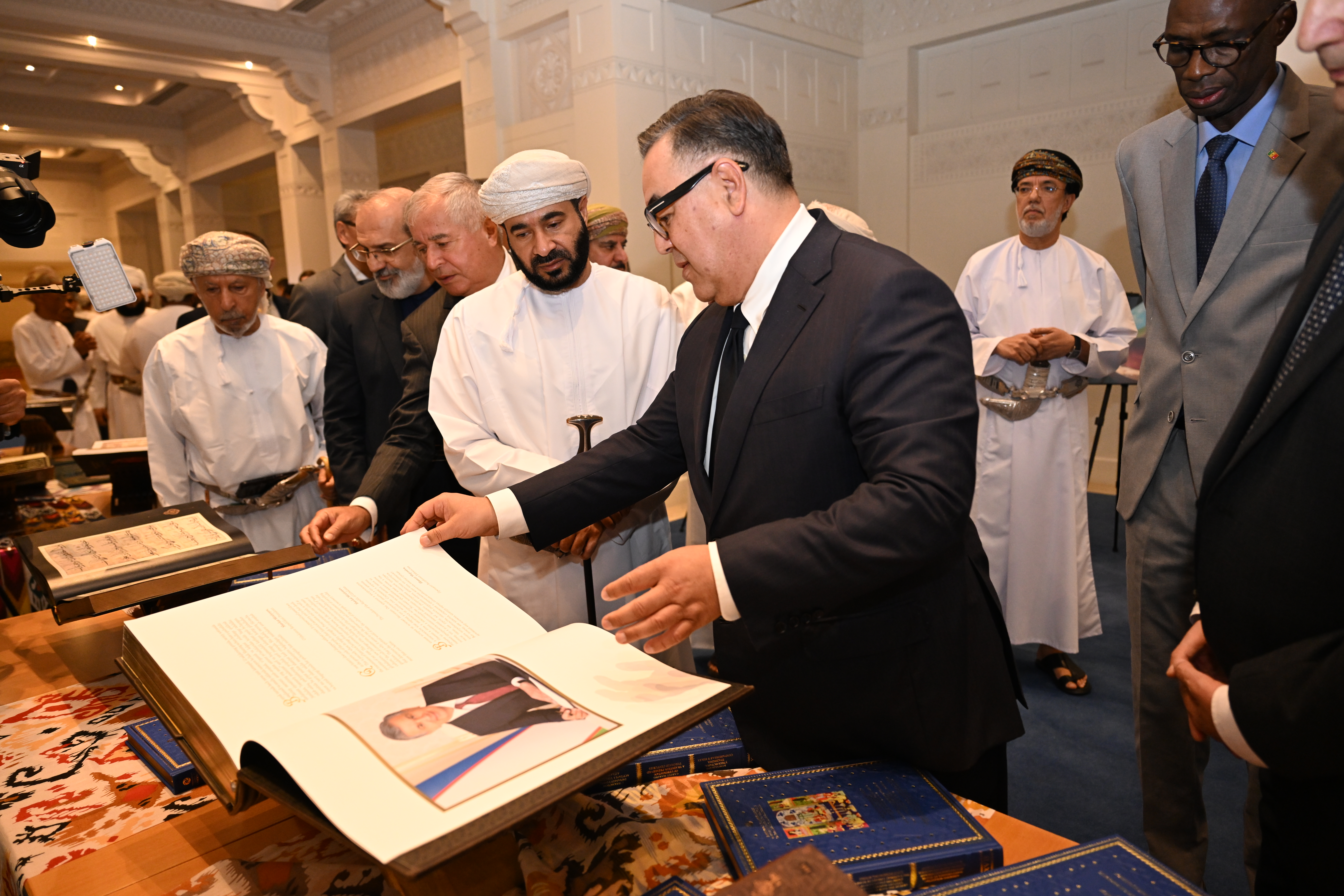
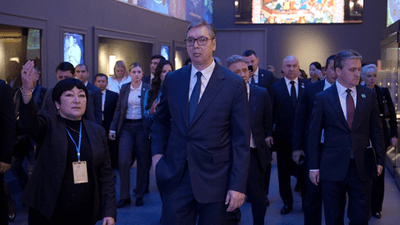
Before the opening of the symposium, the distinguished guests toured an exhibition prepared by the Center. Among the first to view the exhibition was the guest of honor of the symposium, Dr. Muhammad bin Said bin Khalfan Al Maamari, Minister of Endowments and Religious Affairs of the Sultanate of Oman. He was accompanied by Habib bin Muhammad Al Riyami, Secretary General of the Sultan Qaboos Higher Centre for Culture and Science; Dr. Muhammad Said Amur Al Hajri, Member of the State Council of the Sultanate of Oman; and representatives of academic and cultural circles.
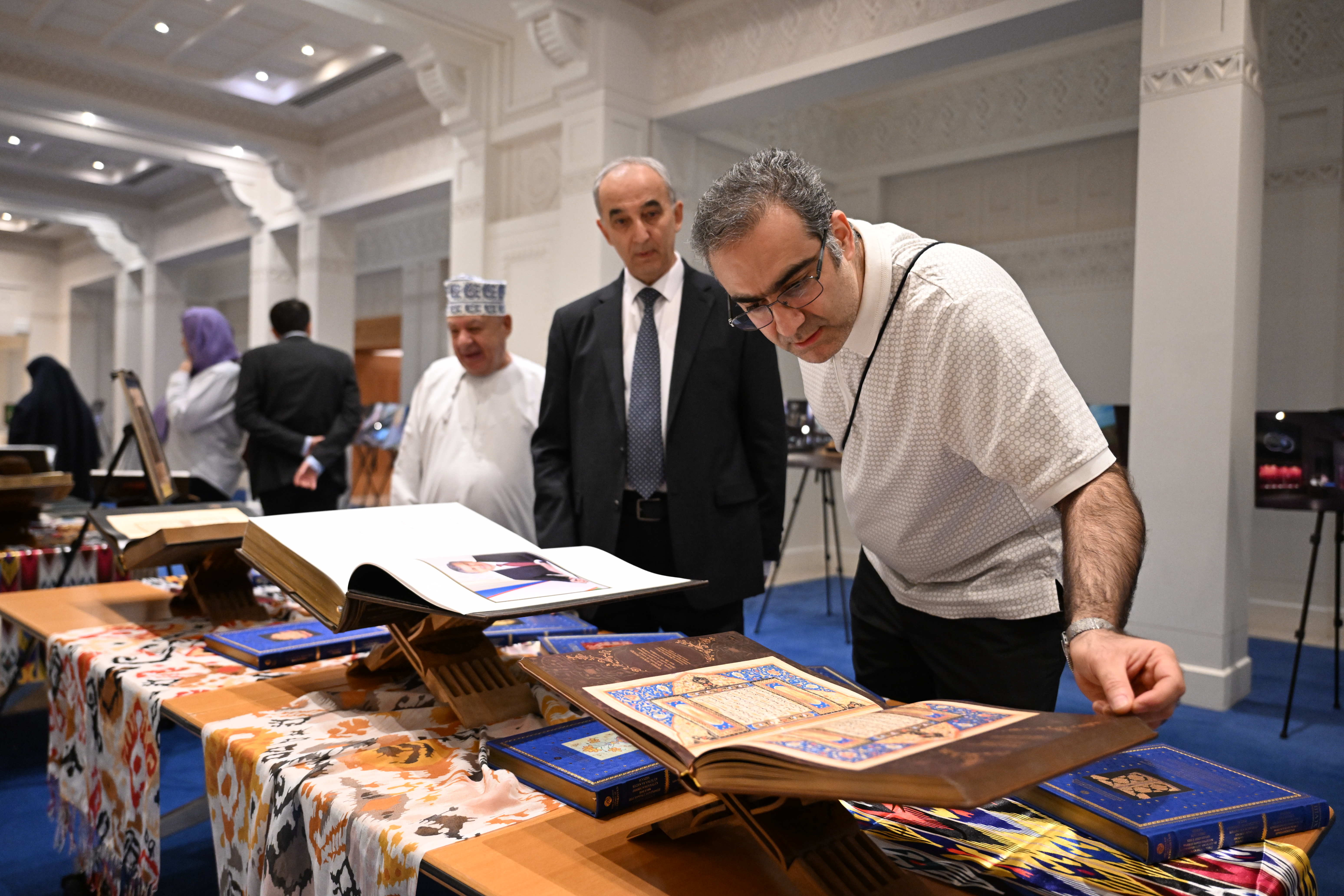
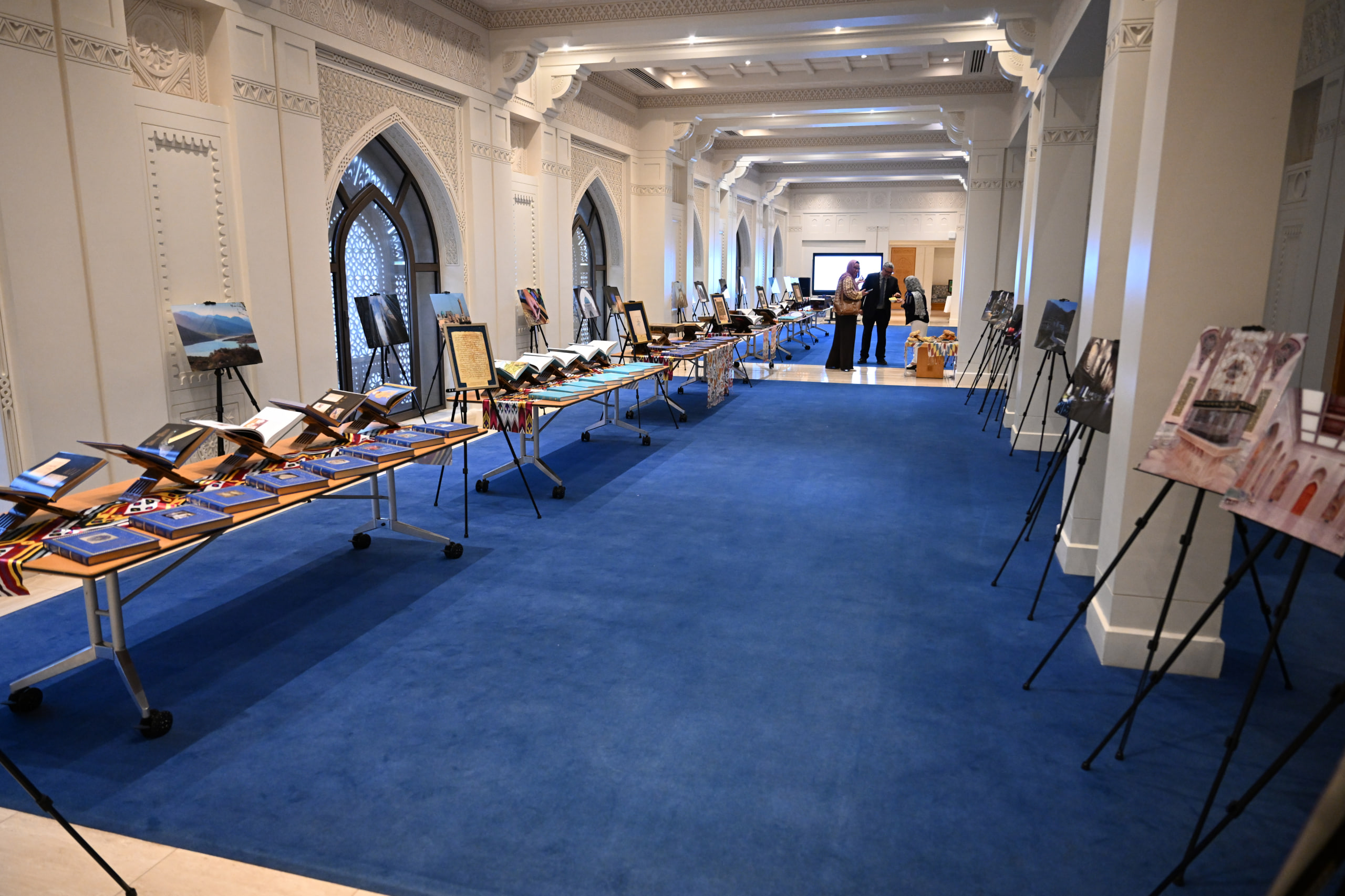
The exhibition showcased more than 150 scholarly publications highlighting the historical, scientific, spiritual and artistic heritage of Uzbekistan, as well as miniatures, sculptures and other exhibits. The guests showed particular interest in the Center’s publishing projects and its work in studying and popularizing the heritage of Mawarannahr.
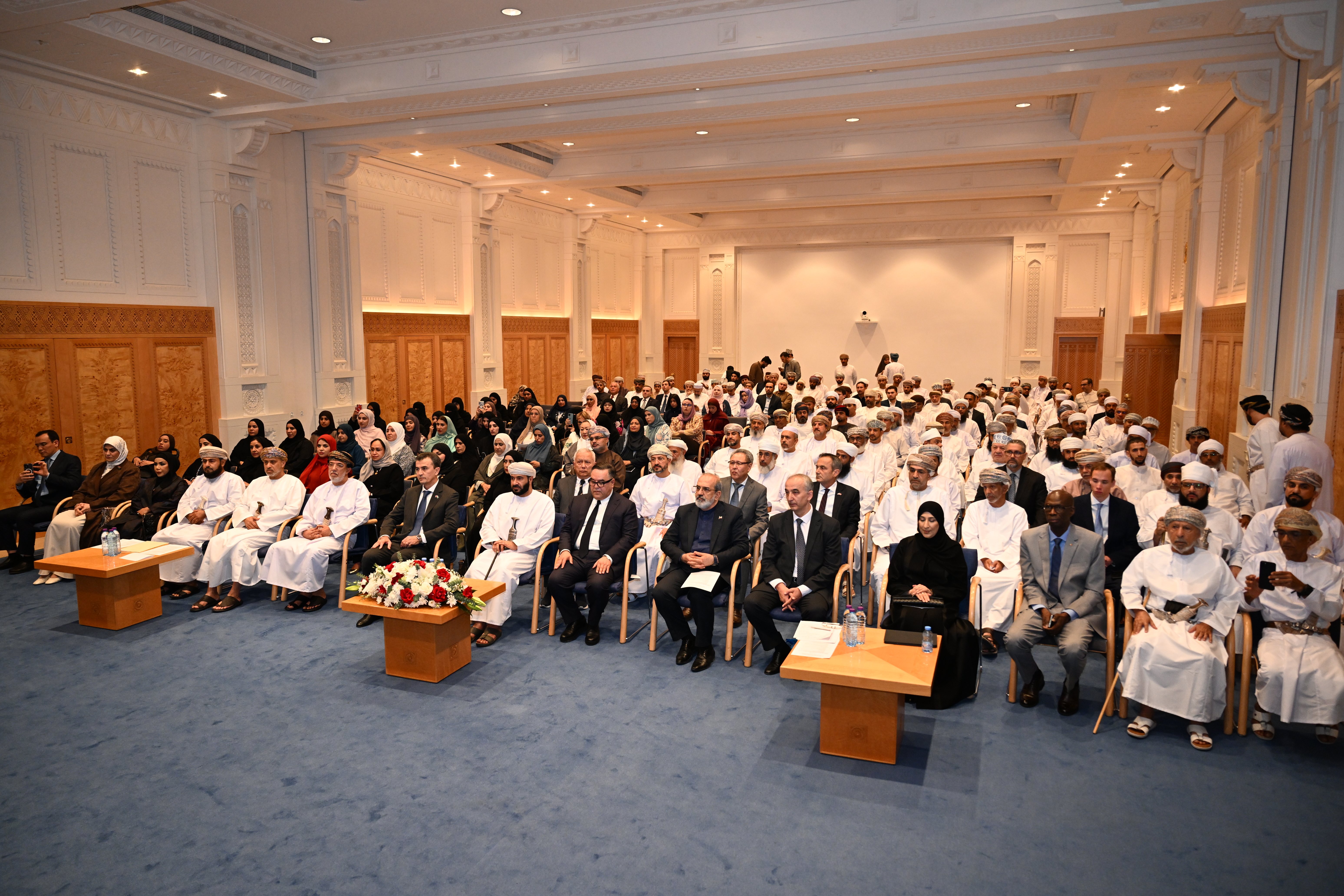
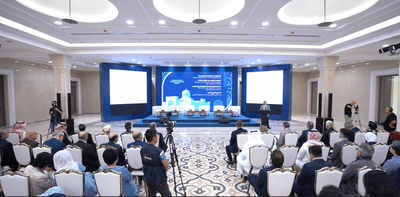
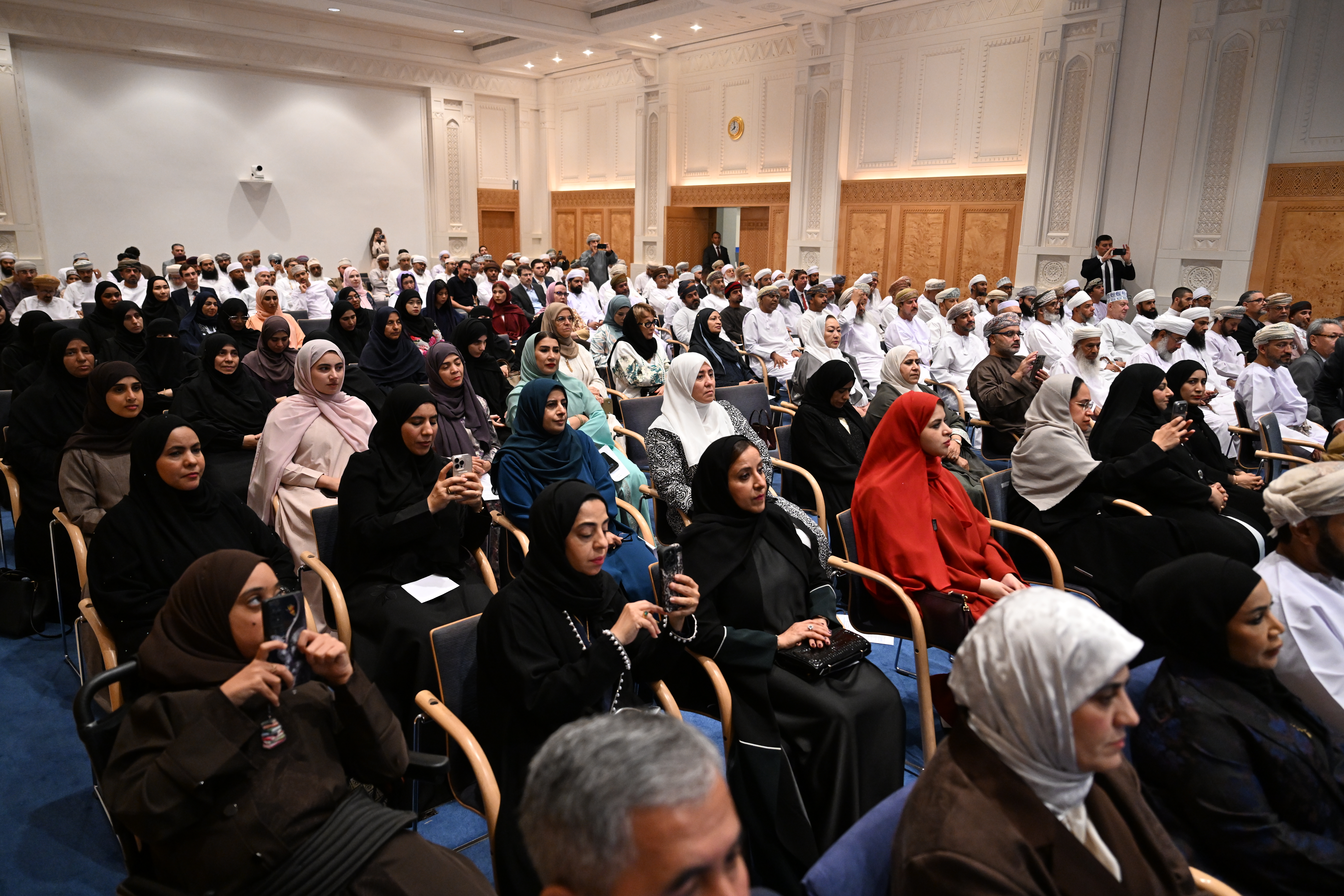
The symposium was organized by the Islamic Civilization Center in Uzbekistan, the Ministry of Foreign Affairs of the Republic of Uzbekistan and the Embassy of the Republic of Uzbekistan in the Sultanate of Oman, with the participation of members of the Center’s Academic Council. The forum brought together nearly 250 participants, including senators, representatives of government institutions and academic and cultural organizations, ambassadors of foreign diplomatic missions, and prominent scholars and cultural figures from both countries.
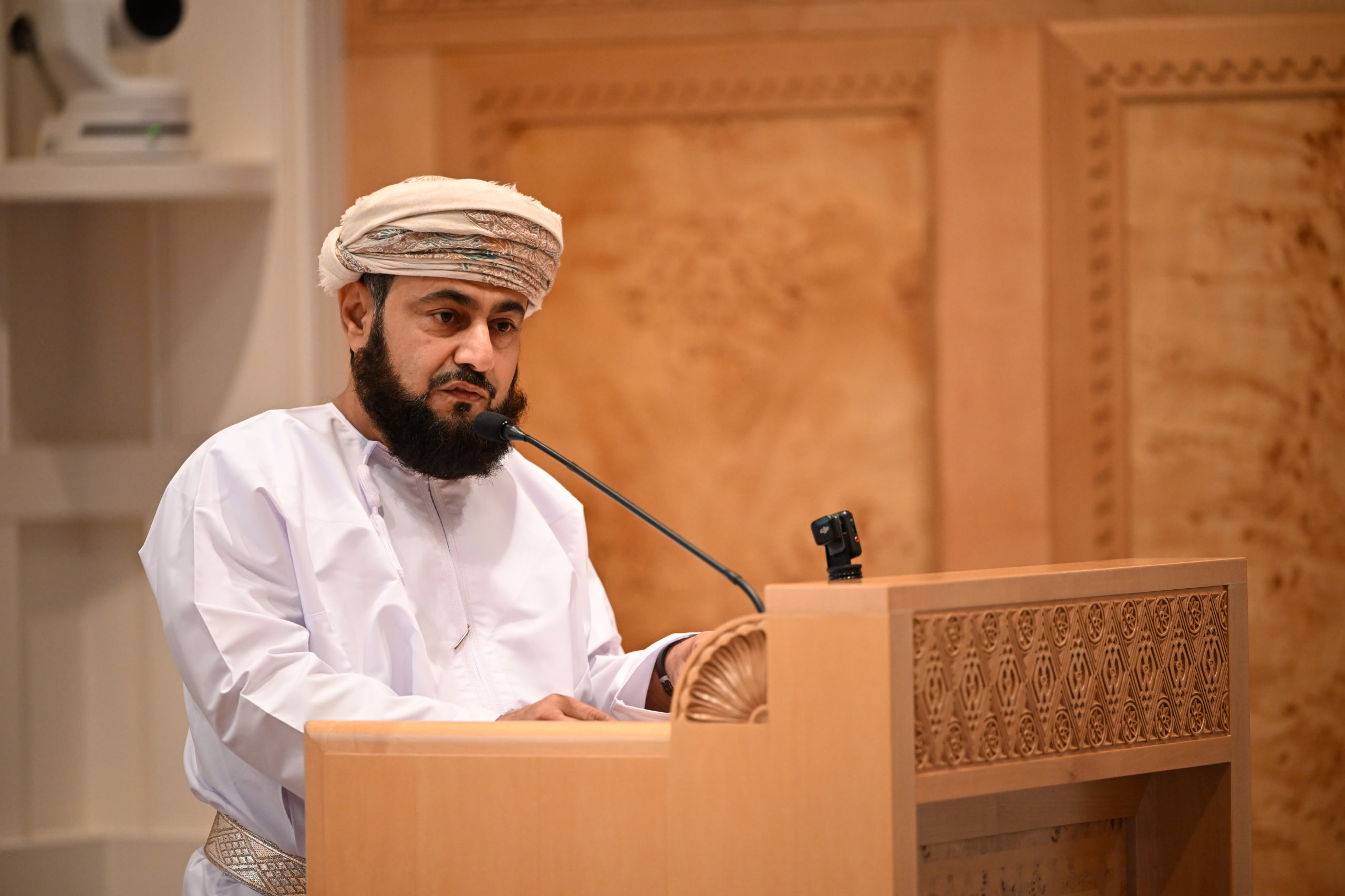
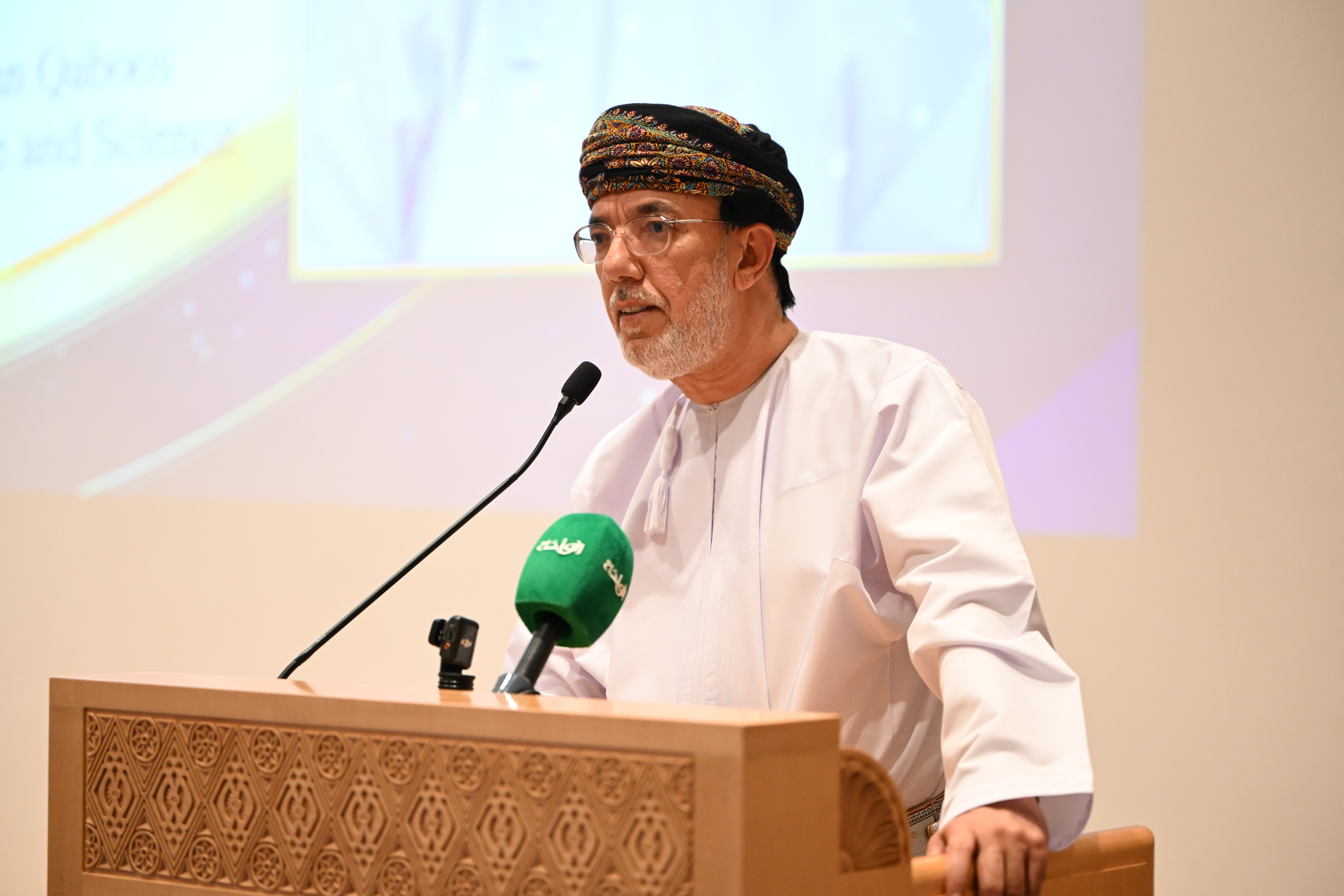
Welcoming remarks were delivered by Firdavs Abdukhalikov, Director of the Islamic Civilization Center in Uzbekistan; Abdusalom Khatamov, Ambassador Extraordinary and Plenipotentiary of the Republic of Uzbekistan to the Sultanate of Oman; and Habib bin Muhammad Al Riyami, Secretary General of the Sultan Qaboos Higher Centre for Culture and Science. As part of the program, participants were shown a video presentation on the Center’s academic and educational activities and projects.
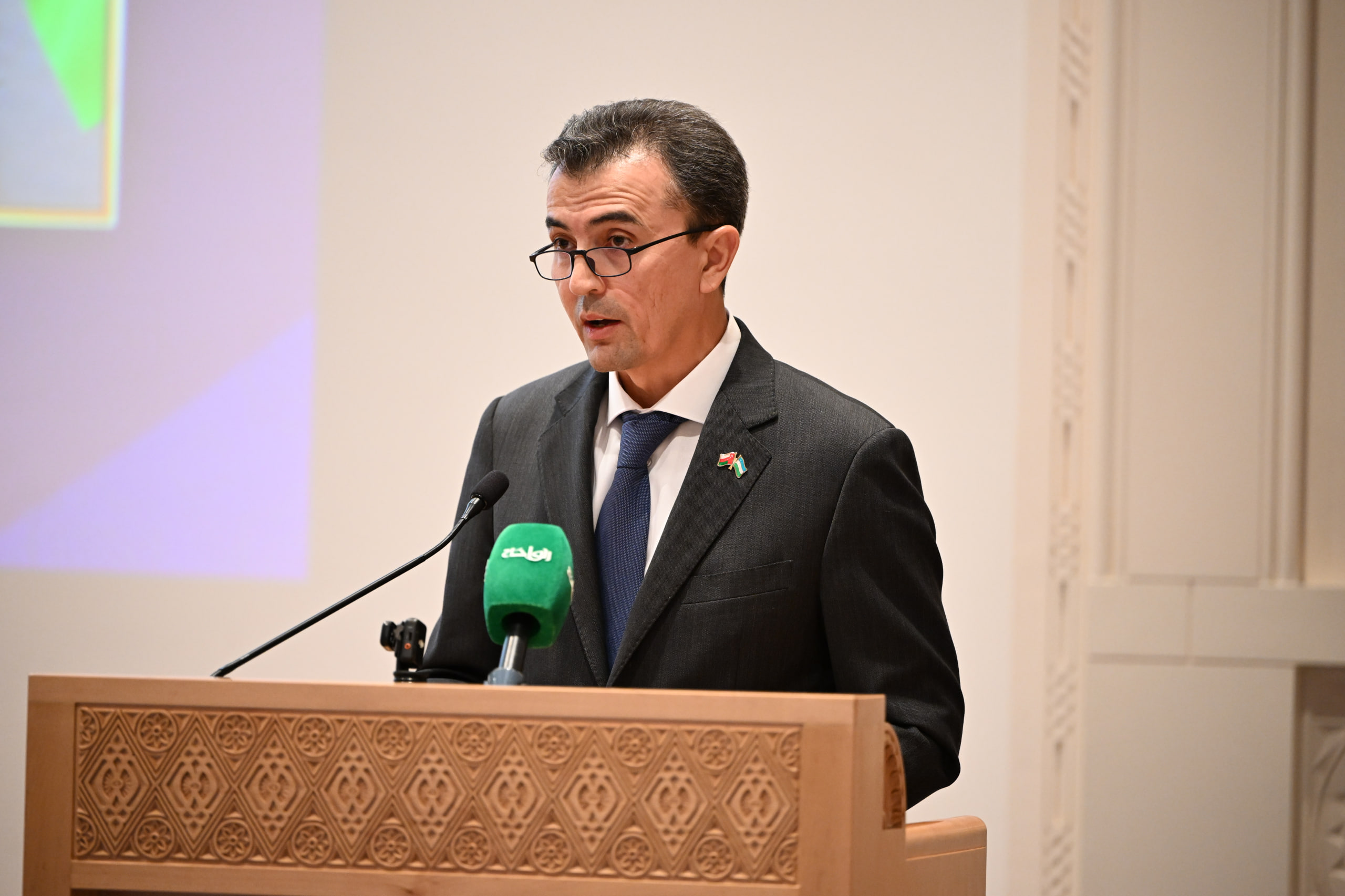
During the academic session, Omani and Uzbek scholars discussed the contributions of the two countries to the development of Islamic civilization and the prospects for cooperation. The speakers from the Omani side included Dr. Muhammad Said Amur Al Hajri, Member of the State Council of the Sultanate of Oman, and Dr. Saif bin Salim bin Saif Al Hadi, Professor at Sultan Qaboos University and consultant and expert on media and intellectual programs. Dr. Al Hadi devoted his presentation to peaceful coexistence and harmony in Omani society.
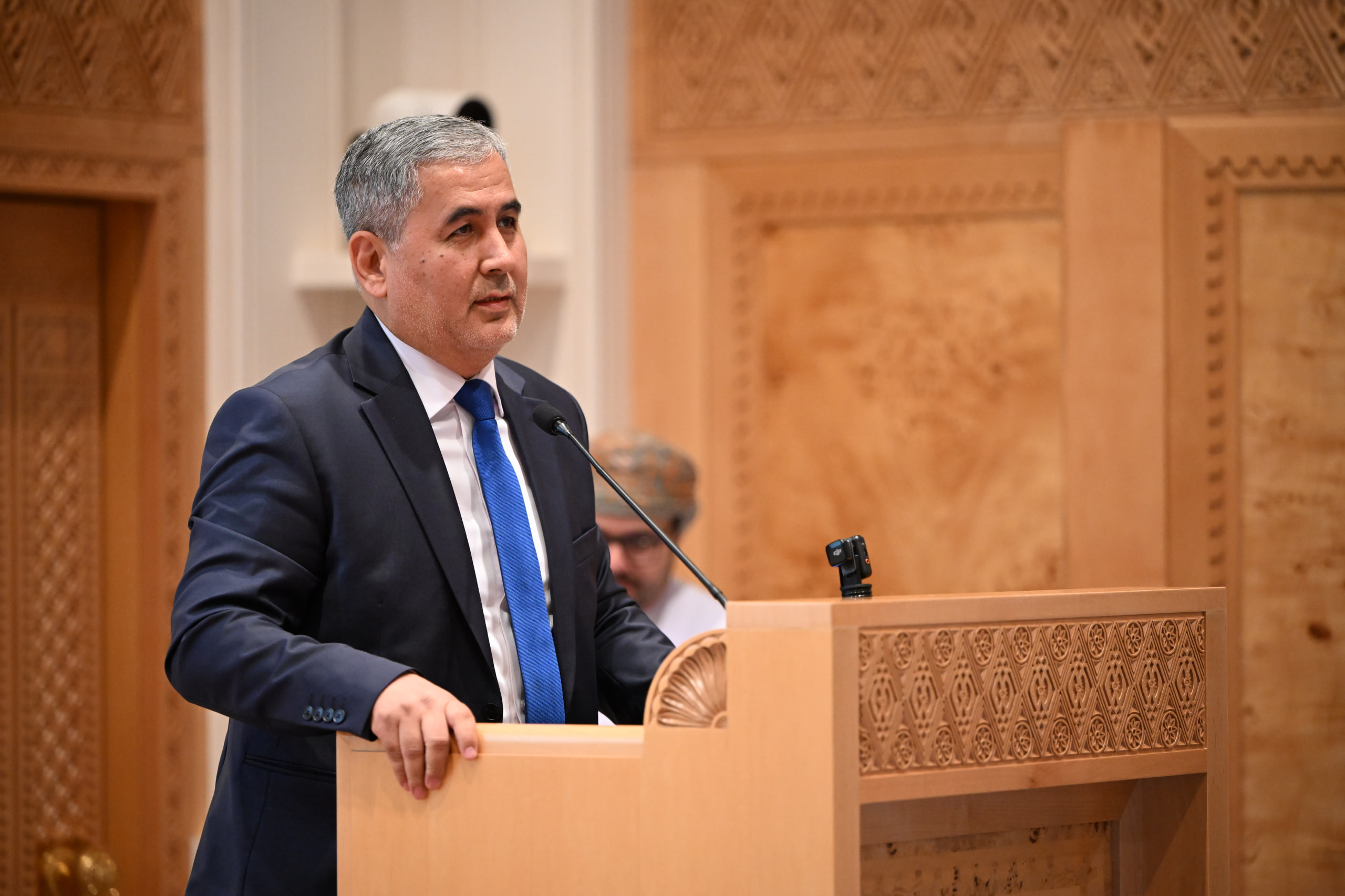
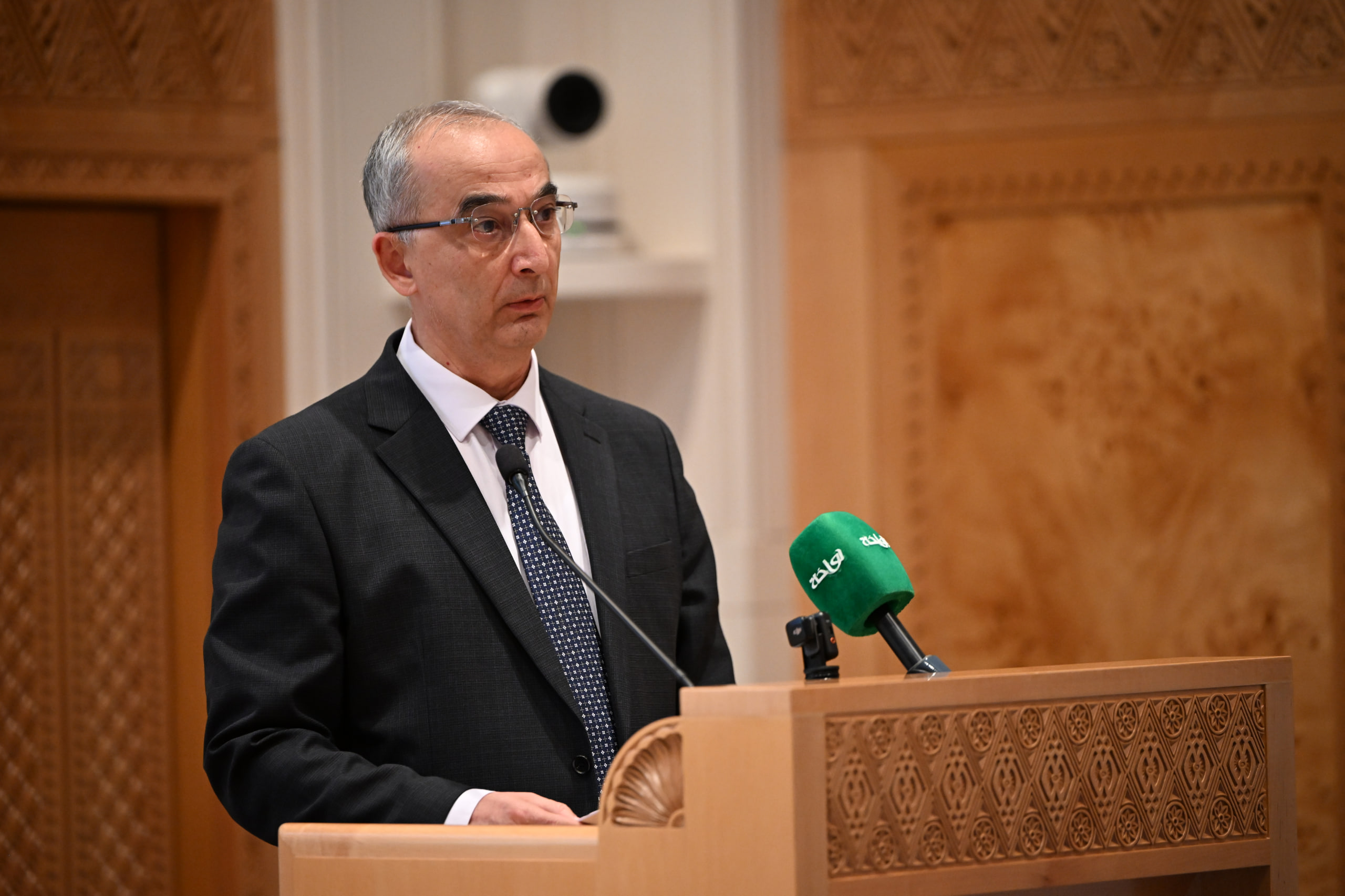
Bakhrom Abdukhalimov, Vice President of the Academy of Sciences of the Republic of Uzbekistan, spoke about the prospects for preserving and digitizing the manuscript heritage of Uzbekistan and Oman and introducing it into academic circulation. Uygun Gafurov, Rector of the Tashkent Islamic Institute named after Imam Bukhari, outlined the history of Islamic education in Uzbekistan and its contemporary practice. Shorustam Shomansurov, Professor at Tashkent State University of Oriental Studies, presented the prospects for academic partnerships between the higher education institutions of the two countries.
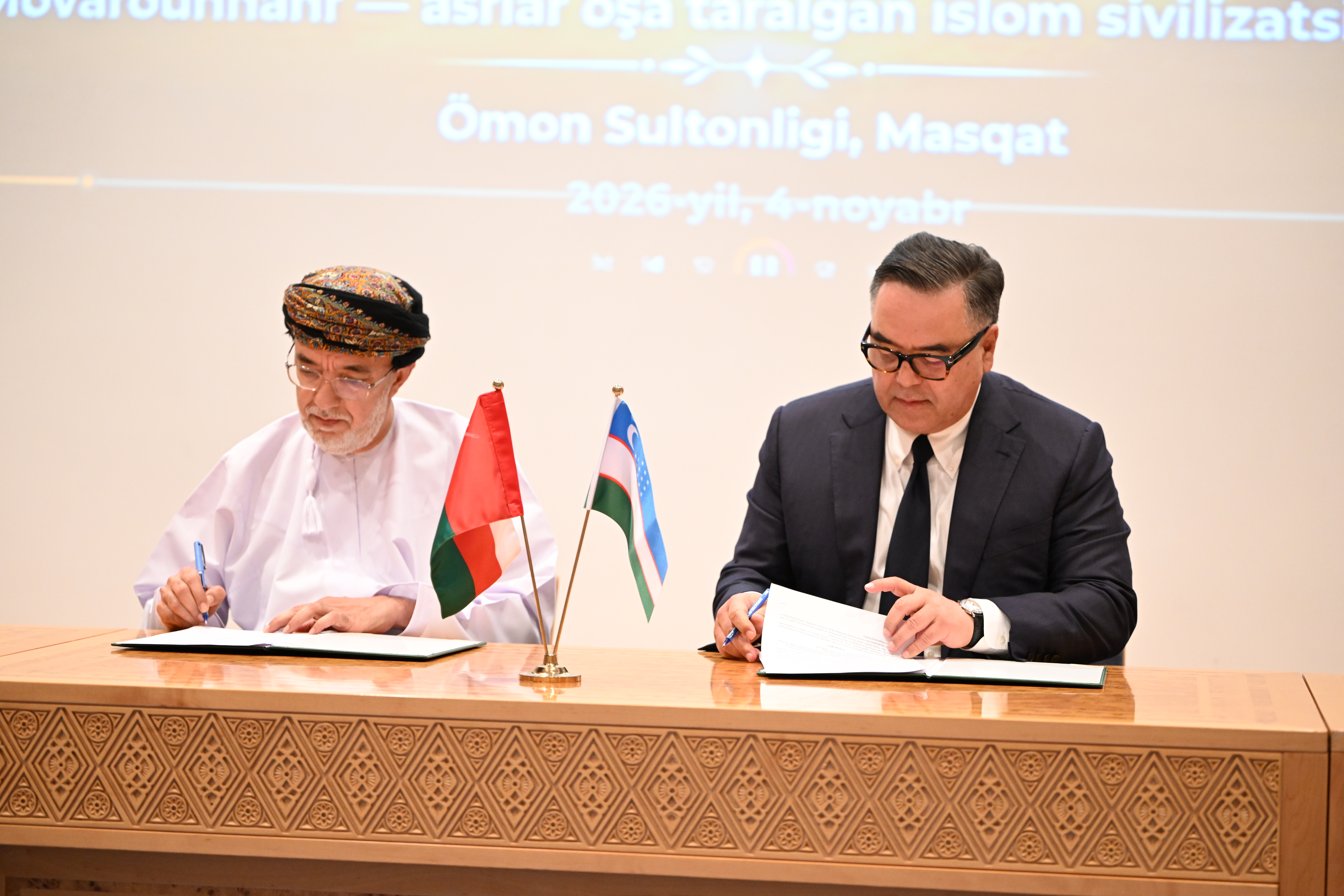
One of the key practical outcomes of the symposium was the formal signing of memoranda of cooperation between the Islamic Civilization Center in Uzbekistan and the Sultan Qaboos Higher Centre for Culture and Science, as well as the Bait Al Zubair Museum. These agreements lay the legal and organizational foundation for joint research initiatives, exhibitions and the exchange of professional expertise between institutions of the two countries.
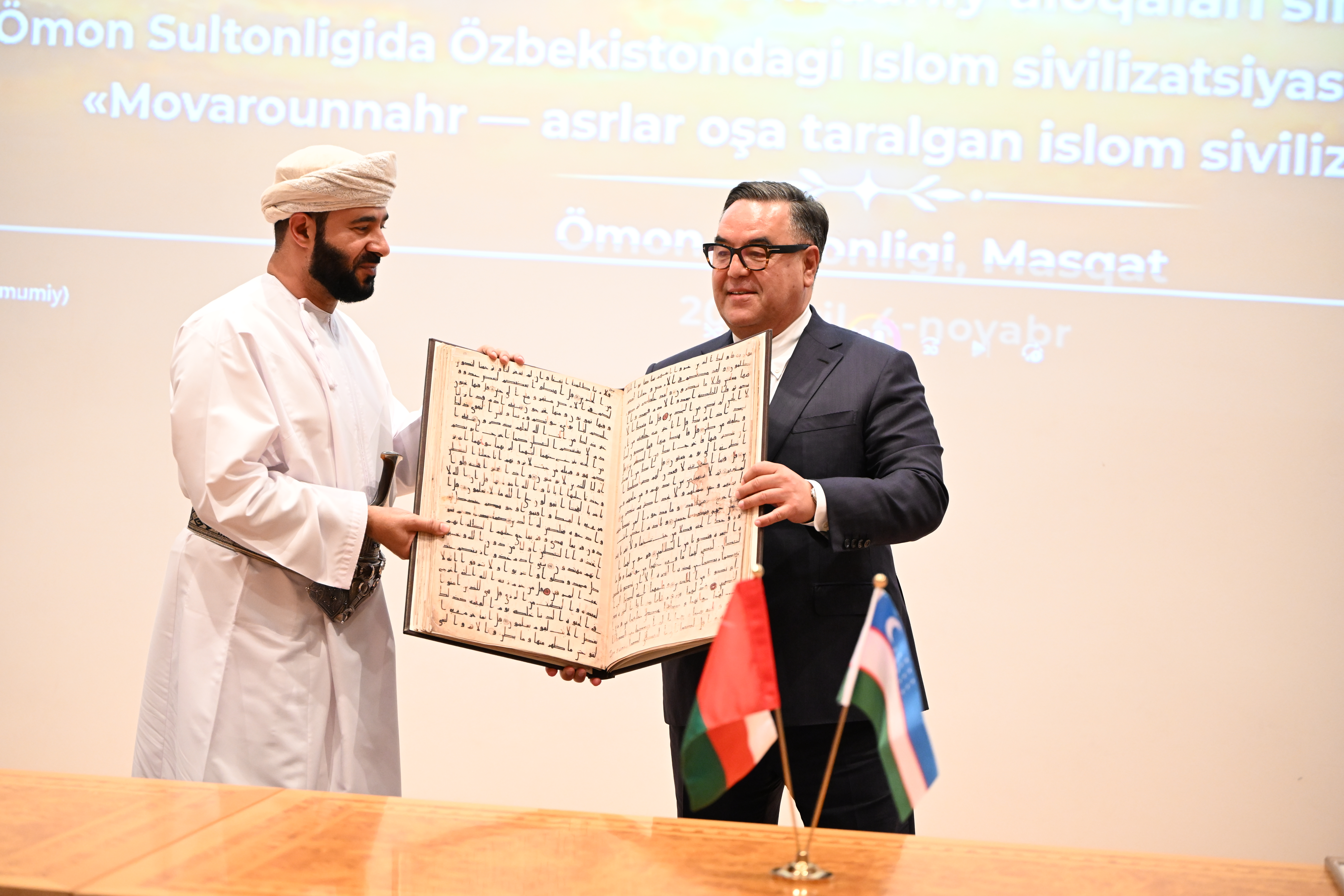
The symposium also featured an exchange of books and commemorative publications. Dr. Muhammad bin Said bin Khalfan Al Maamari, Minister of Endowments and Religious Affairs of the Sultanate of Oman, was presented with a facsimile edition of the Katta Langar Quran. Habib bin Muhammad Al Riyami, Secretary General of the Sultan Qaboos Higher Centre for Culture and Science, received the book “The Foundation of the Third Renaissance,” a certificate for 120 books published by the Islamic Civilization Center in Uzbekistan, and commemorative gifts from the Center.
The Center’s publications were also donated to the library of the Sultan Qaboos Complex and to the National Records and Archives Authority of the Sultanate of Oman.. Representatives of the National Records and Archives Authority and the Bait Al Zubair Museum were also presented with certificates confirming the donation of the publications.
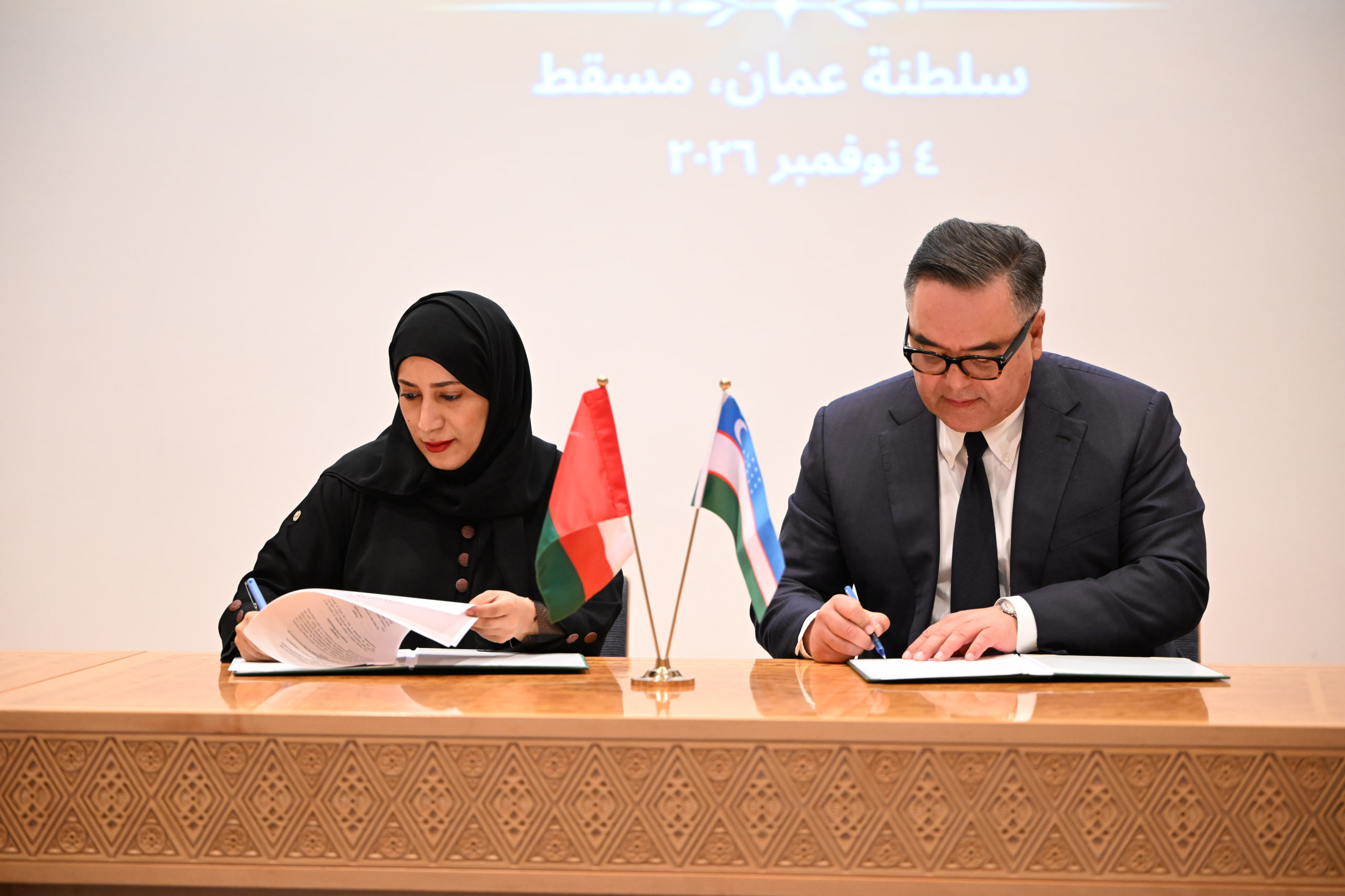
The symposium in Muscat continued the centuries-old cultural dialogue between Uzbekistan and Oman. While the exhibition and the academic session introduced the Omani public to Mawarannahr’s contribution to the development of Islamic civilization, the newly signed agreements gave this dialogue practical substance.
During the visit, the Uzbek delegation also visited several leading cultural and academic institutions, museums, and libraries across the Sultanate, including the National Museum of the Sultanate of Oma. During these meetings, the parties discussed museology, the preservation of cultural heritage, academic research and the development of bilateral cooperation, exchanged experience and signed several memoranda of cooperation.
In addition, a separate meeting was held between the Minister of Endowments of the Sultanate of Oman and the leadership of the Islamic Civilization Center in Uzbekistan. The parties exchanged views on establishing and developing bilateral cooperation, sharing experience and potential joint projects in the future.