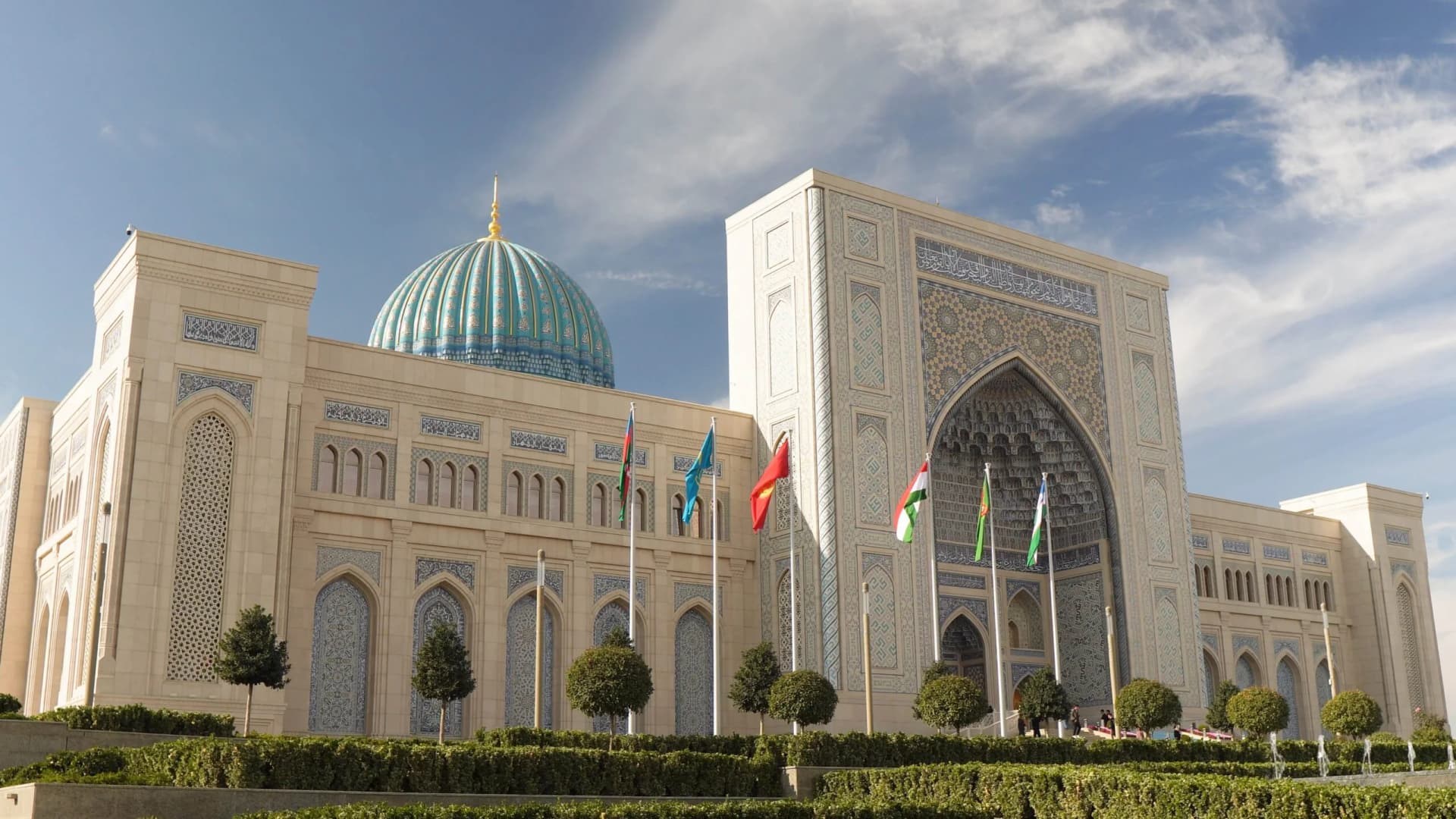
ICESCO Director-General: "The Islamic civilization center is a symbol of the Islamic world"
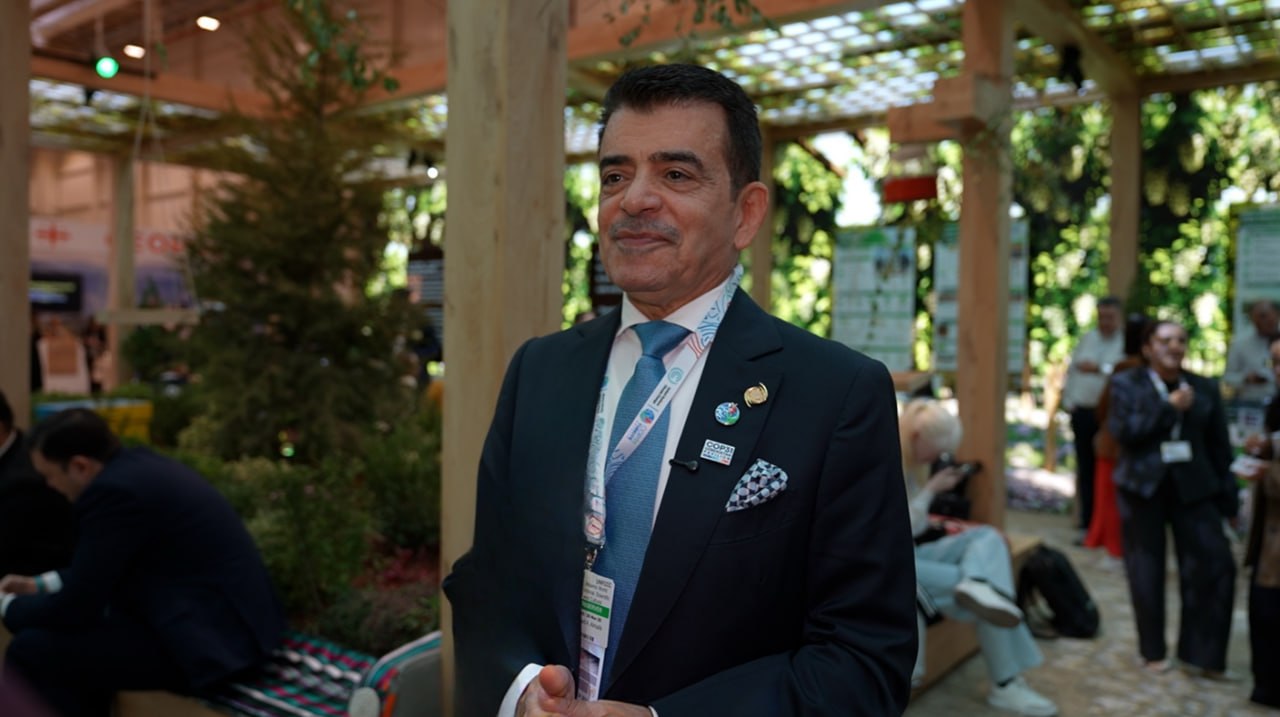
Salim AlMalik, Director General of the Islamic World Educational, Scientific and Cultural Organization (ICESCO), has highly praised the international significance of the Islamic Civilization Center in Uzbekistan.
In an interview with the Dunyo news agency, Salim AlMalik shared his views on the large-scale reforms being implemented on the initiative of the President of the Republic of Uzbekistan, Shavkat Mirziyoyev, as well as on our country’s place in the Islamic world and its rich historical and cultural heritage. In particular, he emphasized that cooperation between Uzbekistan and ICESCO has reached a new level since Samarkand was named the Cultural Capital of the Islamic World in 2025.
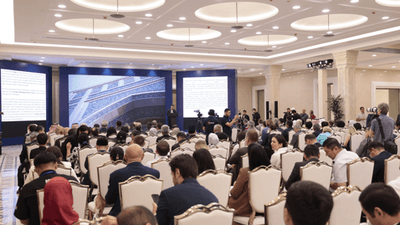
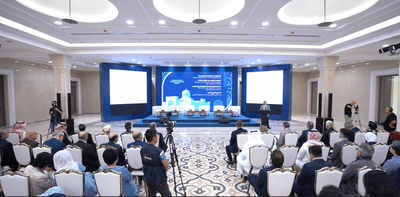
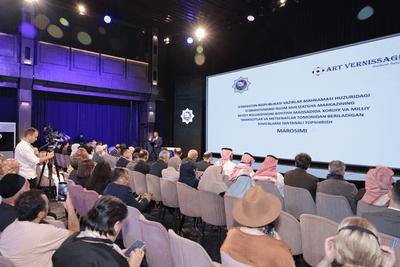
“This year, we took part in an international conference dedicated to the legacy of Imam Bukhari at the Islamic Civilization Center, a symbol of the Islamic world. Such reforms, implemented on the initiative of President Shavkat Mirziyoyev, demonstrate how rich Uzbekistan’s historical heritage is for the Islamic world,” — said the ICESCO Director General.
Salim AlMalik also commended the initiatives put forward by the President of Uzbekistan on the international stage and announced that the Organization is developing a joint action plan with our country for the next two years. According to him, Uzbekistan’s initiatives are aimed not only at advancing national interests but also at addressing global challenges and promoting science, education and sustainable development.
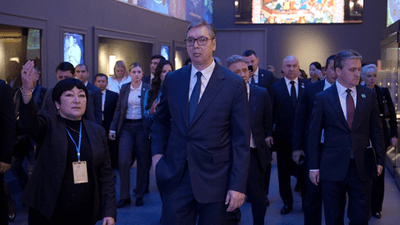
This recognition by the head of ICESCO once again highlights the importance of the Islamic Civilization Center in Uzbekistan as a platform for international scholarly and educational dialogue. Established on the basis of a project authored by President Shavkat Mirziyoyev, the Center serves to introduce the rich scholarly and spiritual heritage of our people to the global community, to study the scholarly legacy of our great thinkers, and to develop international cultural and educational cooperation.