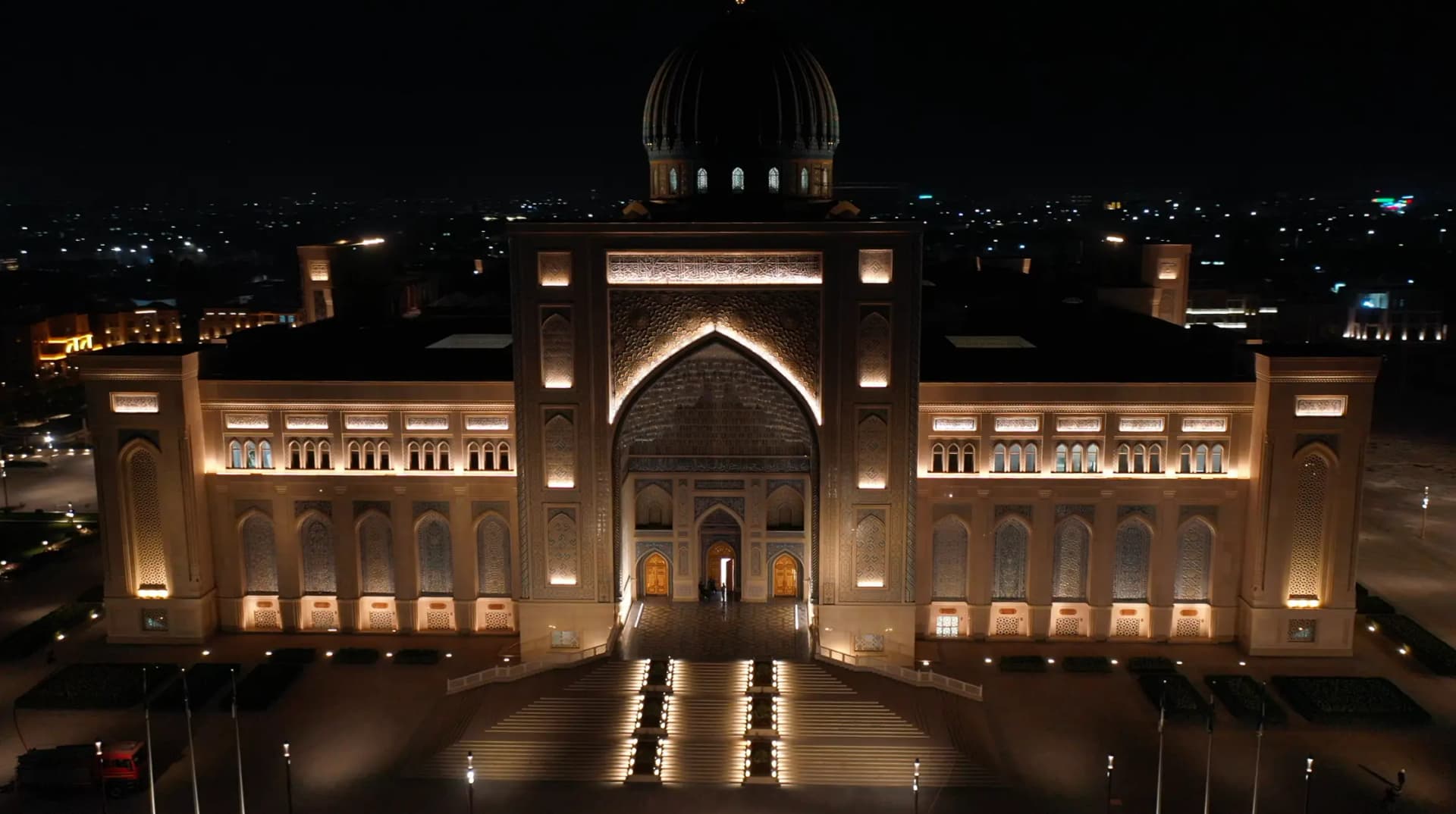
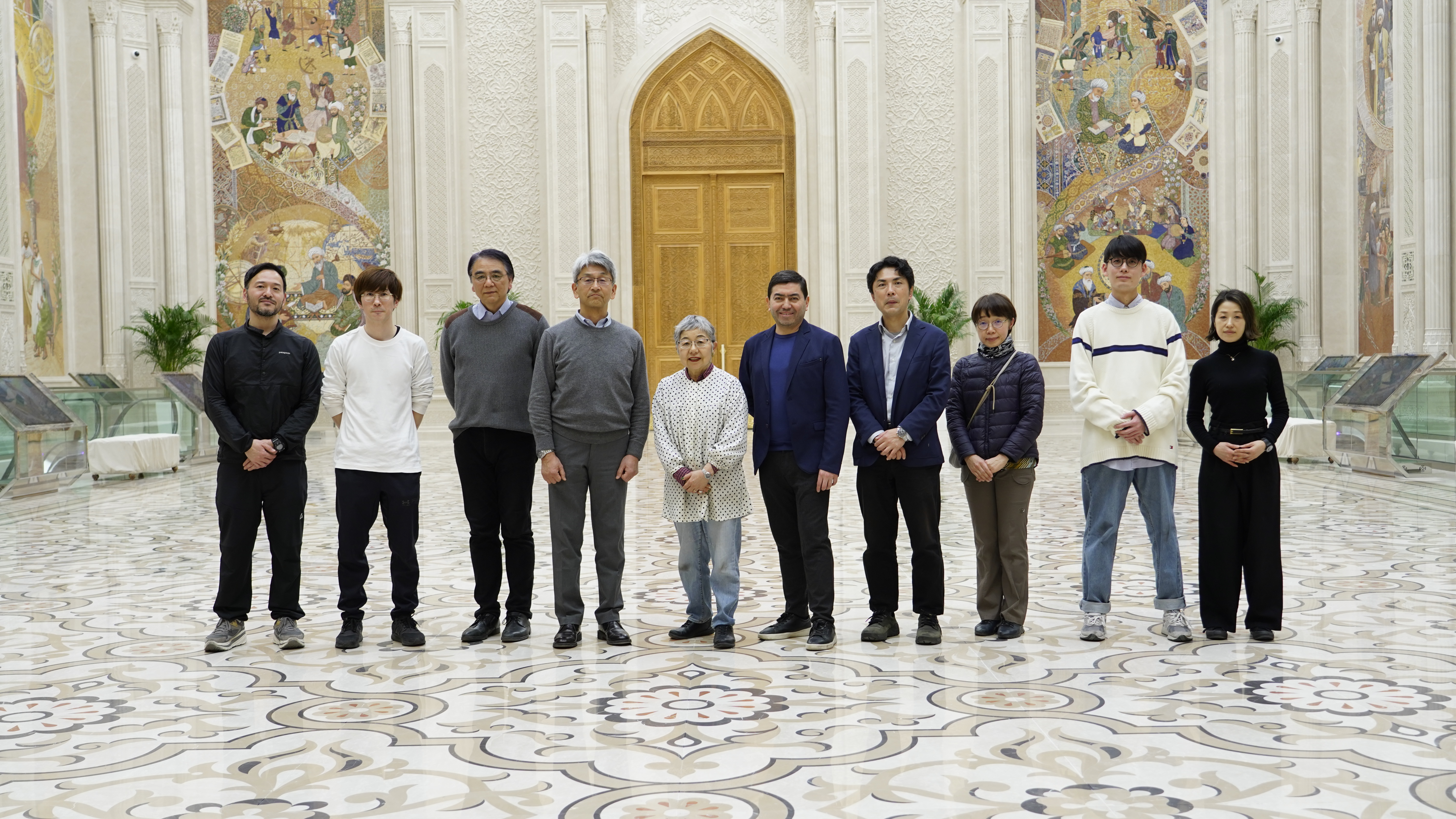
 According to Japanese scholars, the Islamic Civilization Center established on the initiative of President Shavkat Mirziyoyev is becoming a symbol of Uzbekistan’s cultural and educational strength.
Established on the historic initiative of President Shavkat Mirziyoyev, the Islamic Civilization Center in Uzbekistan is today becoming a major scientific and cultural hub reflecting the dialogue of world civilizations. By presenting centuries-old history, science, and spiritual heritage in a vivid and systematic manner through modern technologies, this center is increasingly attracting the attention of the international community.
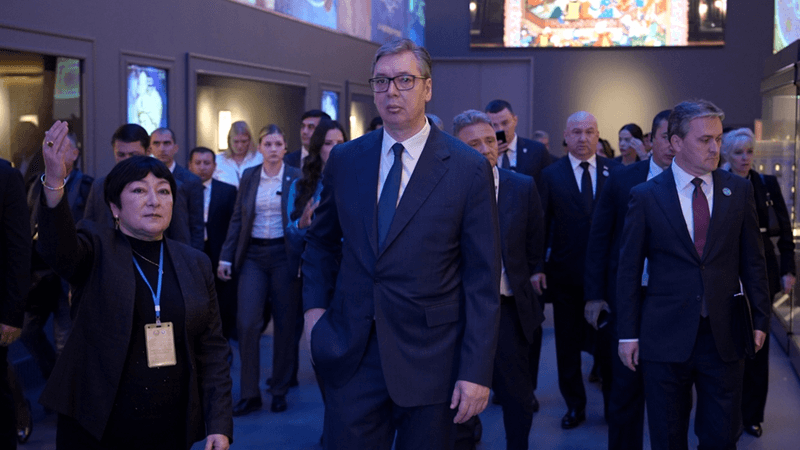
Within this framework, scholars and museum specialists from Japan visited the Center and familiarized themselves in detail with its exhibitions.
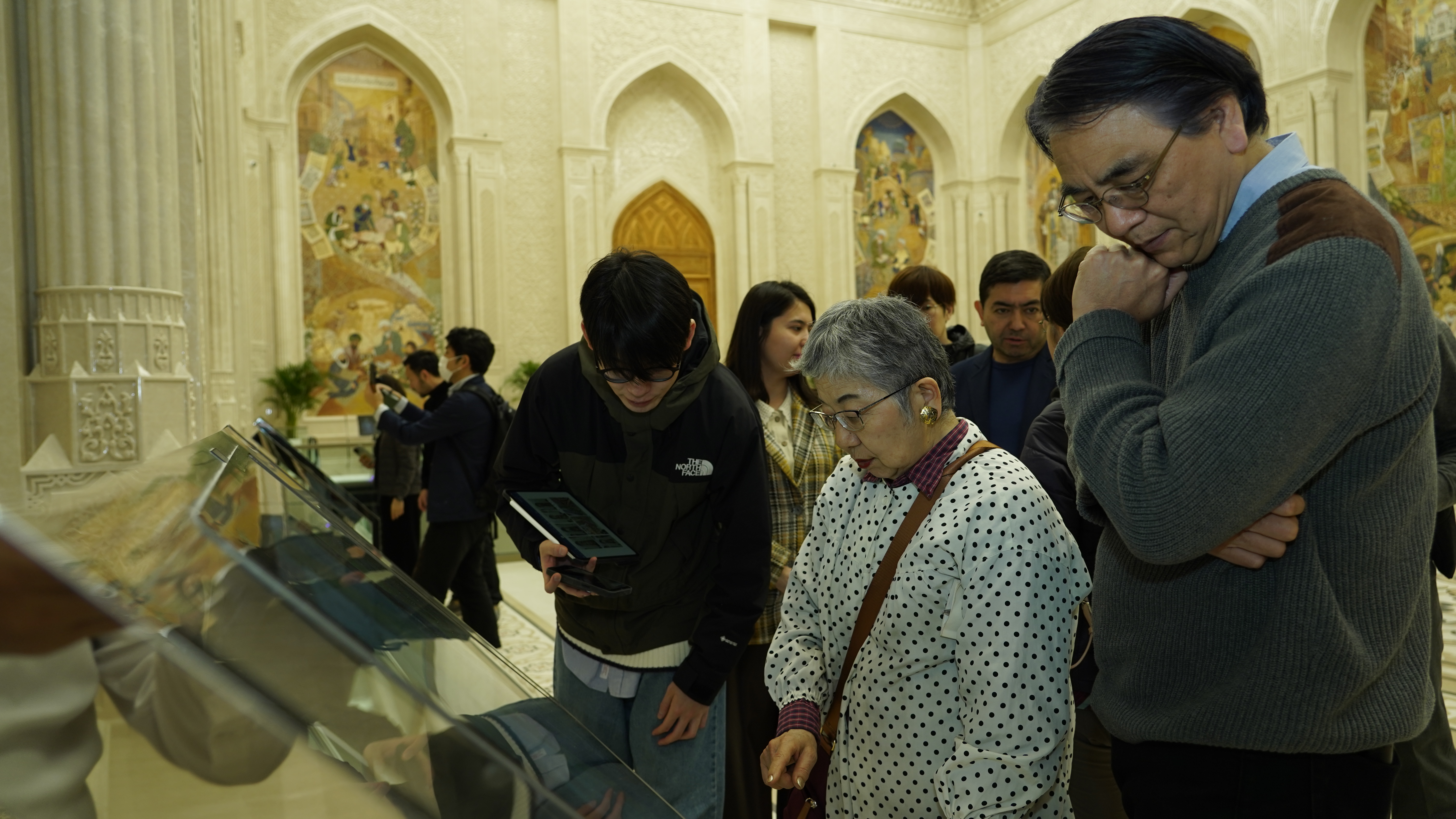
In particular, Japanese experts were impressed by the opportunity to take virtual tours of Uzbekistan’s renowned historical landmarks via the touch screens installed in the Center’s entrance foyer.
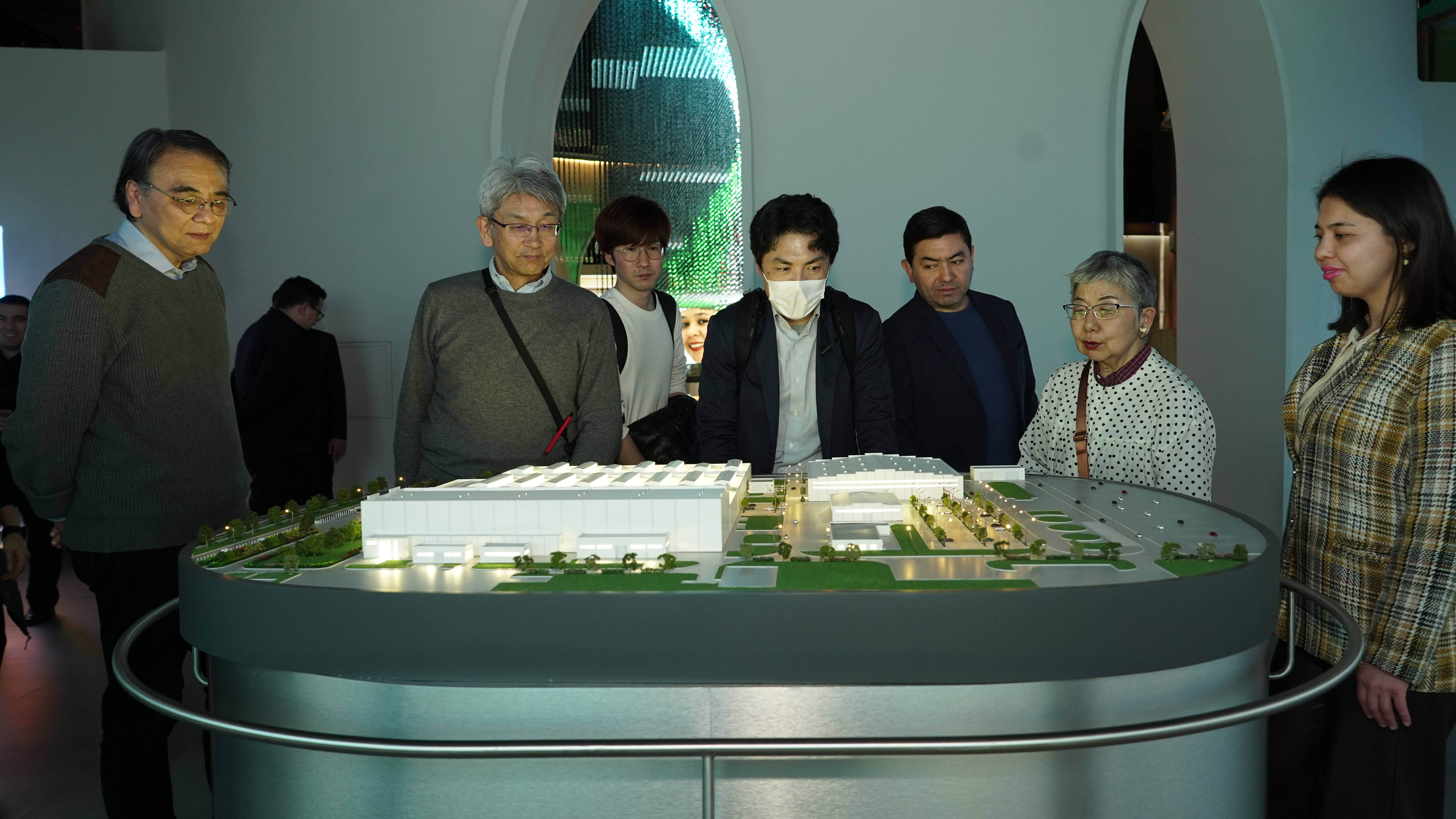
During the visit, guests explored wall exhibitions dedicated to ancient civilizations and discoveries, interactive games, educational activities, and video materials. Guides provided detailed answers to their questions regarding the exhibits.
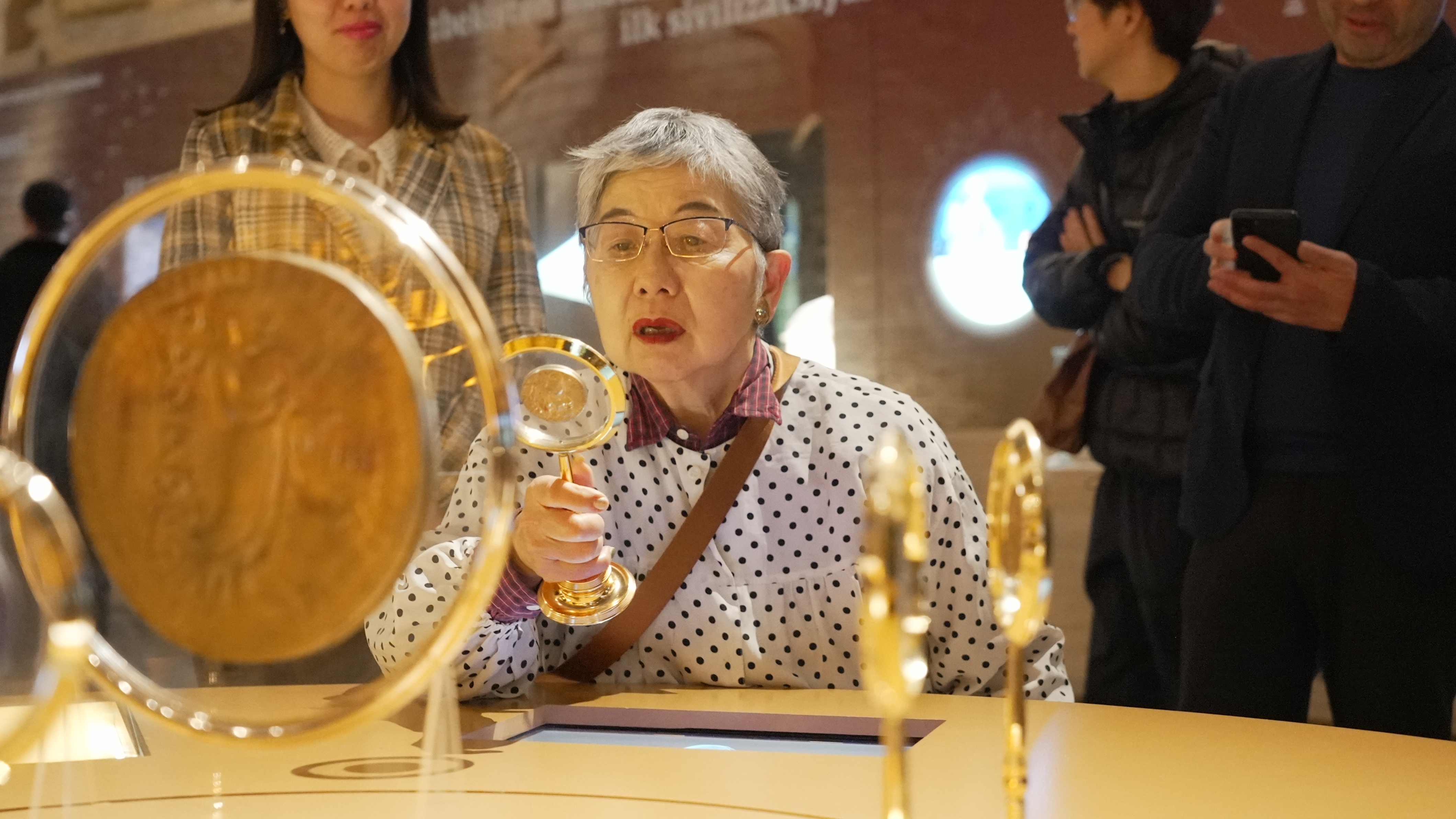
The pre-Islamic artifacts displayed in the Center’s museum exhibitions — such as stone tools, arrowheads, petroglyphs, and rock carvings — left a particularly strong impression on the Japanese scholars. According to them, these monuments vividly reflect the continuous process of human development and cultural evolution from the earliest Stone Age onward. Finds from the Paleolithic and Mesolithic periods, pottery items, and ancient hunting tools further heightened the specialists’ academic interest.
Guests also appreciated the opportunity to access detailed information through special screen-based labels installed next to the exhibits. This approach was noted as enabling visitors to gain in-depth knowledge about each exhibit and better understand historical processes.
Tateishi Kenji, Research Fellow at the Tourism and Economy Department of Nara City:
“I had heard about the establishment of this center and very much wanted to visit it. However, I could not have imagined that it would be such a vast and remarkable place. Here, Islam and history are presented in a very thorough, clear, and modern way. I was especially impressed by how history is conveyed vividly through videos, animations, and visual materials.
We have heard that this museum has been included among the ten most anticipated museum openings of 2026. In my opinion, it has the potential to become a model museum on a global scale.”
Saeko Miyashita, Museologist:
“Here, history is presented very clearly using the most advanced technologies. The interactive mechanisms designed especially for children and young people are extremely effective. I specialize mainly in ancient periods, so I particularly appreciated the elements that help explain how people lived in ancient times. For example, the practical demonstrations of water-drawing mechanisms using manual force or methods of making fire are very well thought out.”
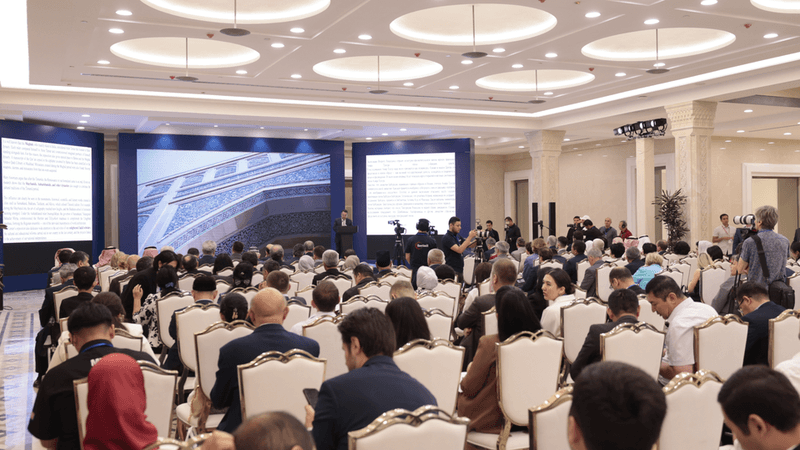
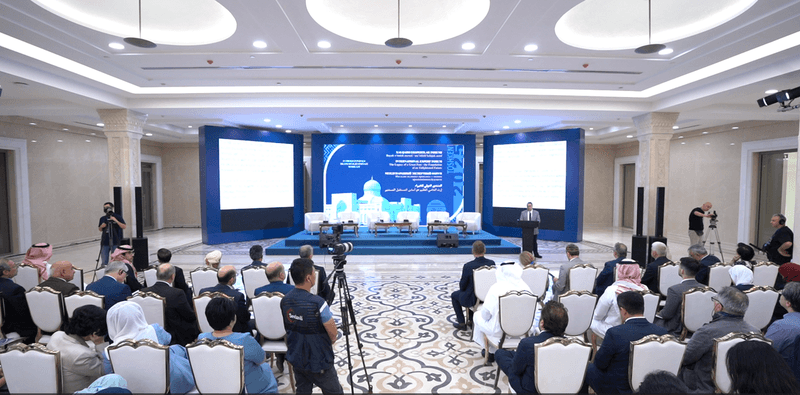
 It should be noted that this visit is directly linked to a trilateral memorandum of understanding signed within the framework of the World Expo 2025 between the Uzbekistan Art and Culture Development Foundation, the city of Nara in Japan, and the Nara National Museum at Uzbekistan’s National Pavilion. In accordance with this document, a special archaeological exhibition dedicated to Uzbekistan’s rich cultural and historical heritage is planned to be held at the Nara National Museum in 2027.