


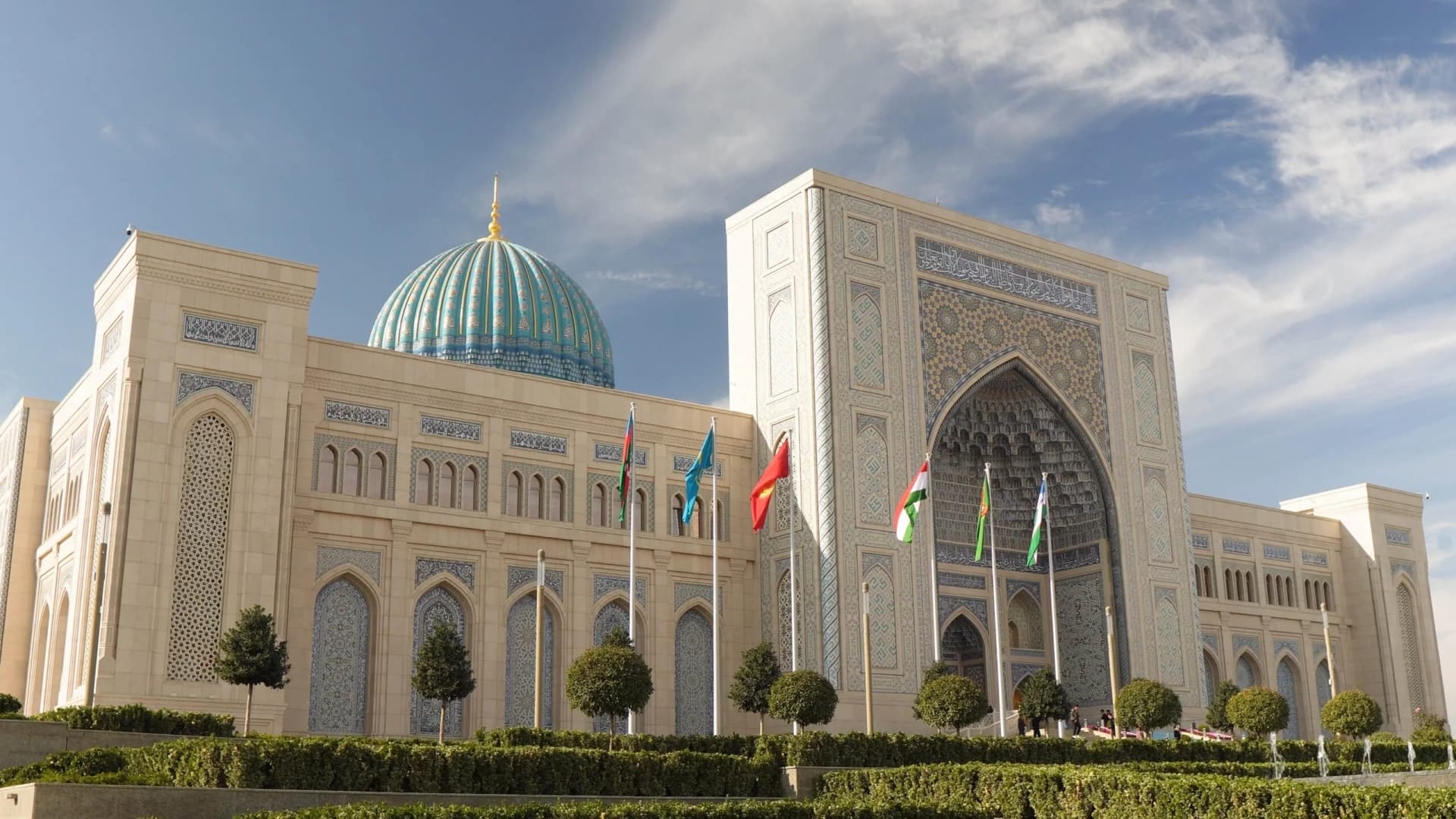

How is the Islamic Civilization Center in Uzbekistan presenting the history of Registan?
The fact that historical monuments built during the eras of Amir Temur, the Samanids, or the Shaybanids have survived to the present day is directly connected to this approach. These structures were repaired, restored, and carefully maintained in later periods. For this reason, cities such as Samarkand and Bukhara were considered cultural and travel centers even in the Middle Ages. Travelers, scholars, and military figures who visited these regions at the time recorded this in their memoirs.
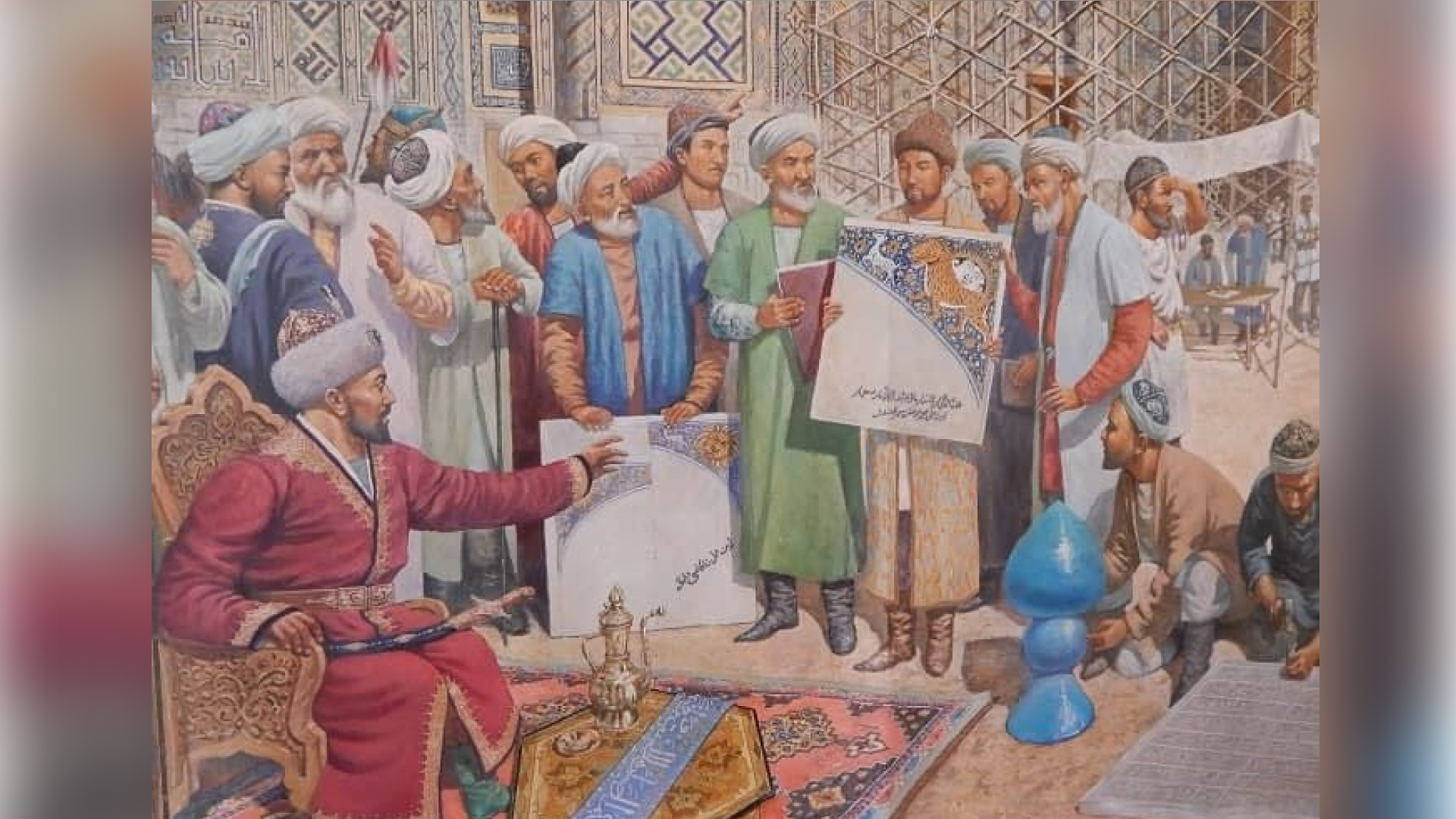 In the sixteenth and seventeenth centuries, the history of Samarkand entered a new stage. In particular, during the Ashtarkhanid period, although the city was formally part of the Bukhara Khanate, it was in practice governed independently. During this time, Bahodir Yalangtosh, who served as the governor and ataliq of Samarkand, carried out decisive changes in the life of the city.
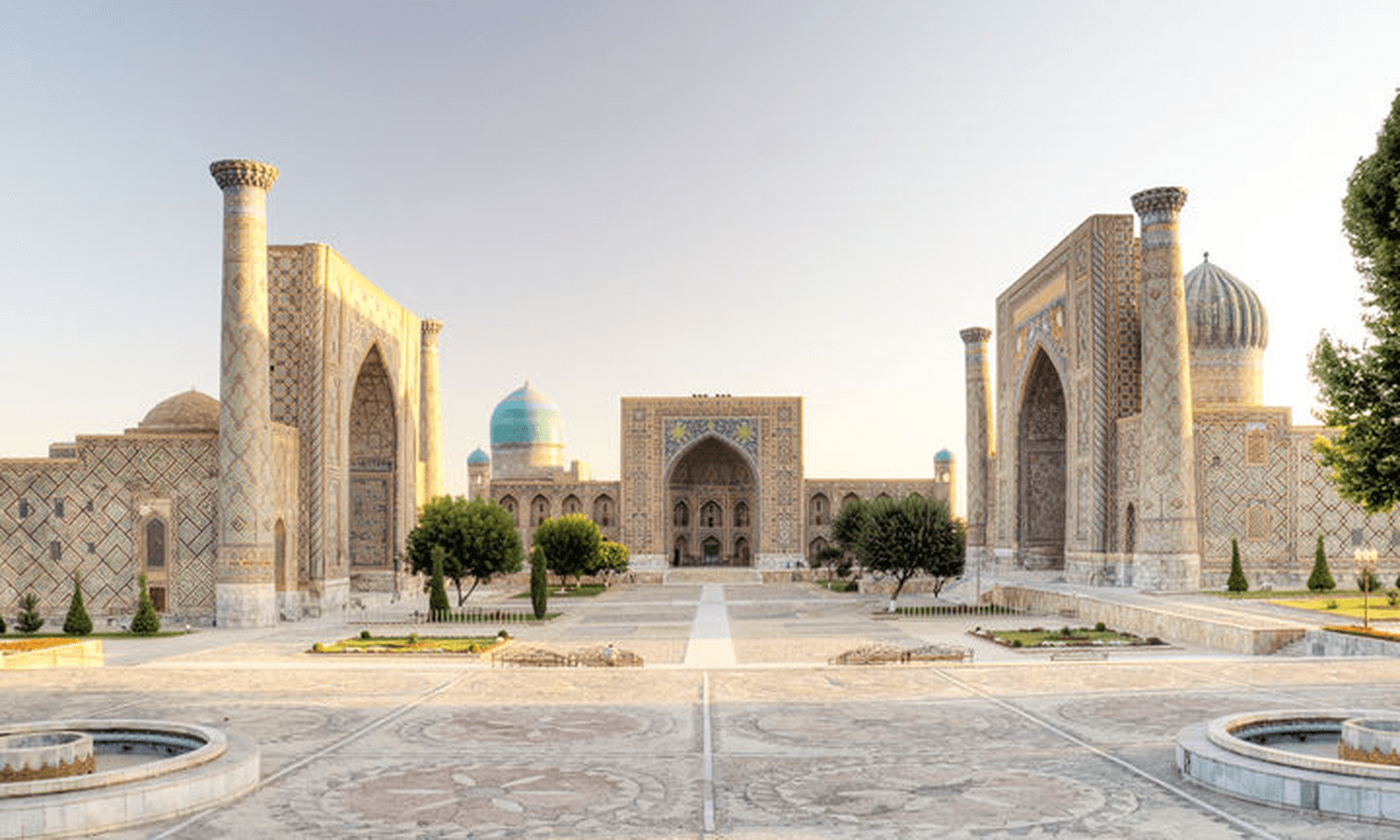
His aim was not merely to preserve Samarkand, but to transform it into an even more beautiful and spiritually significant center. As a result of this policy, the central part of the city — the Registan Square — was reshaped.
It is known that during the Timurid period, Mirzo Ulugh Beg built a madrasa and a mosque in the Registan area. Over time, the mosque fell into disrepair, other surrounding structures disappeared, and the area began to be used as a marketplace.
Under these historical circumstances, Bahodir Yalangtosh decided to build a grand congregational mosque and a madrasa on this site. As a result, the Sherdor and Tilla-Kori madrasas were constructed, and the Registan took on the appearance of a unified architectural ensemble. The fact that the dome of the Tilla-Kori Mosque was decorated with gold leaf gave the structure particular significance.
Today, it is precisely this ensemble that has become a symbol of Samarkand and continues to attract visitors from all over the world.
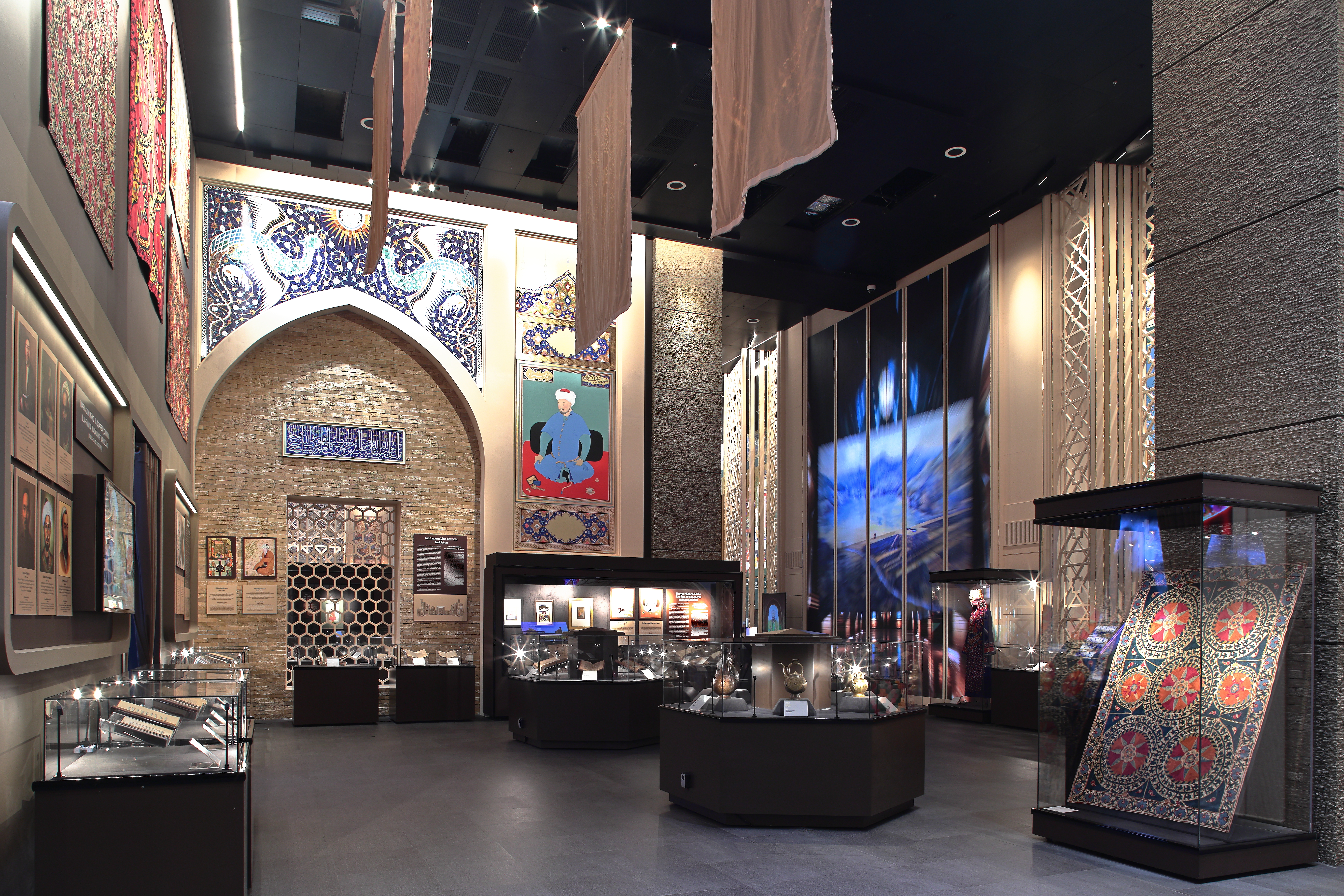
At present, the Registan complex has been preserved in its original location. Nevertheless, presenting its scale model within a museum exhibition is of great importance. Through the model, visitors can quickly grasp the decisions on which the city was shaped and the stages through which the complex was formed.
For this reason, within the sixteenth–nineteenth century Turkestan section of the Khanates Department of the Islamic Civilization Center in Uzbekistan, it is planned to display a model of the Registan complex. This solution further strengthens visitors’ desire to travel to Samarkand and see this historical monument with their own eyes.
Dilnoza Jamalova, Doctor of Historical Sciences, Professor:
During the Ashtarkhanid period, especially in the activities of Bahodir Yalangtosh, construction and urban development were carried out at the level of state policy. The Registan complex is the result of concrete decisions aimed at reshaping the city as a spiritual and educational center.
The work carried out by Bahodir Yalangtosh demonstrates how much attention was paid to urban planning during the Ashtarkhanid era. The Registan complex, in turn, remains the most vivid and enduring result of this policy and continues to attract global attention today.
By presenting these historical processes in a simple, clear, and accessible manner, the Islamic Civilization Center in Uzbekistan enables the Khanate period to be understood not merely as the past, but as a valuable experience in urban development.
Guzal Beknazarova
P.S. The article may be republished with a link to the Center’s official website