
“This project deserves a place among the world’s top ten” – Sabah AlMomin, Vice President of the World Academy of Sciences
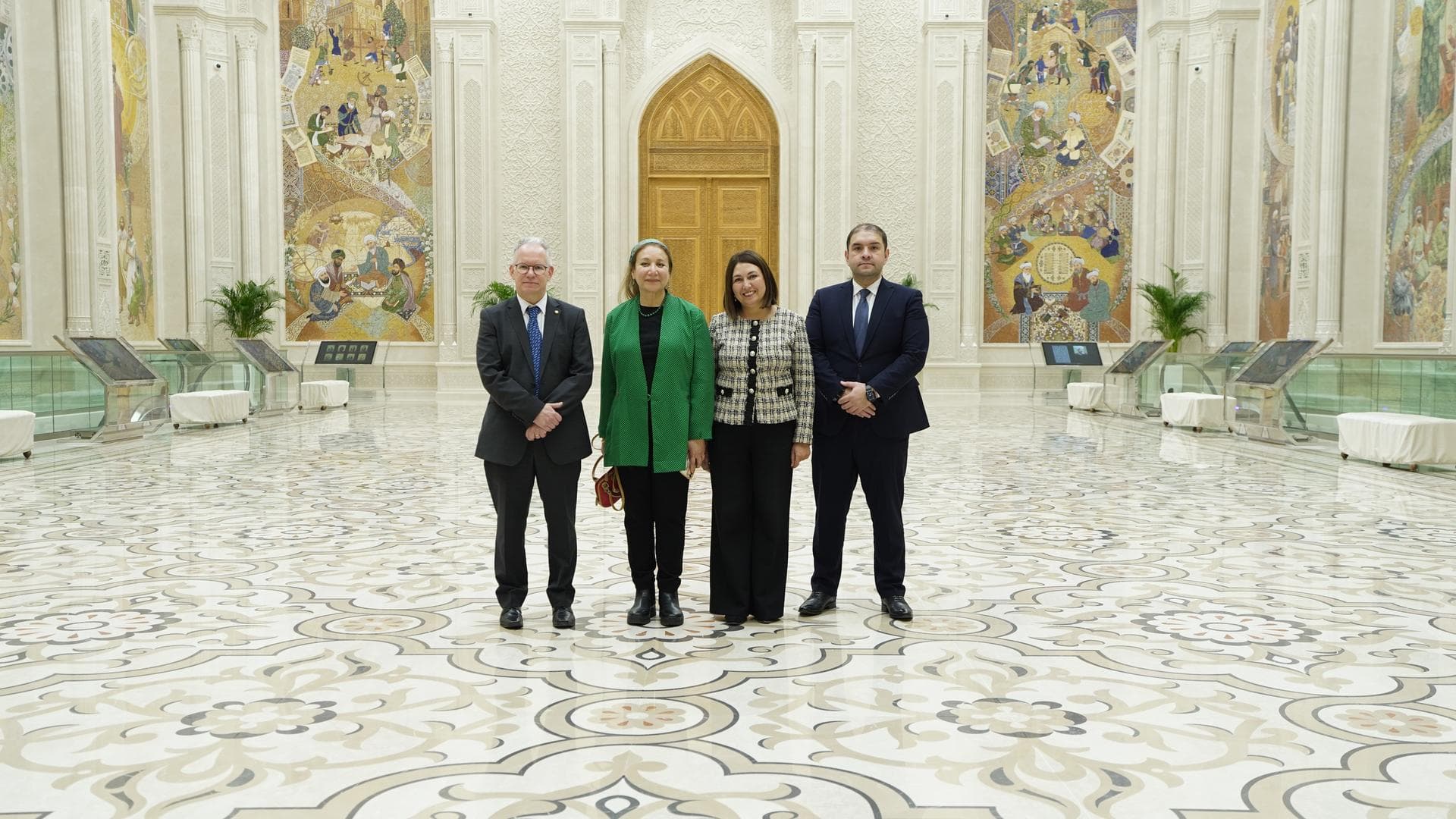
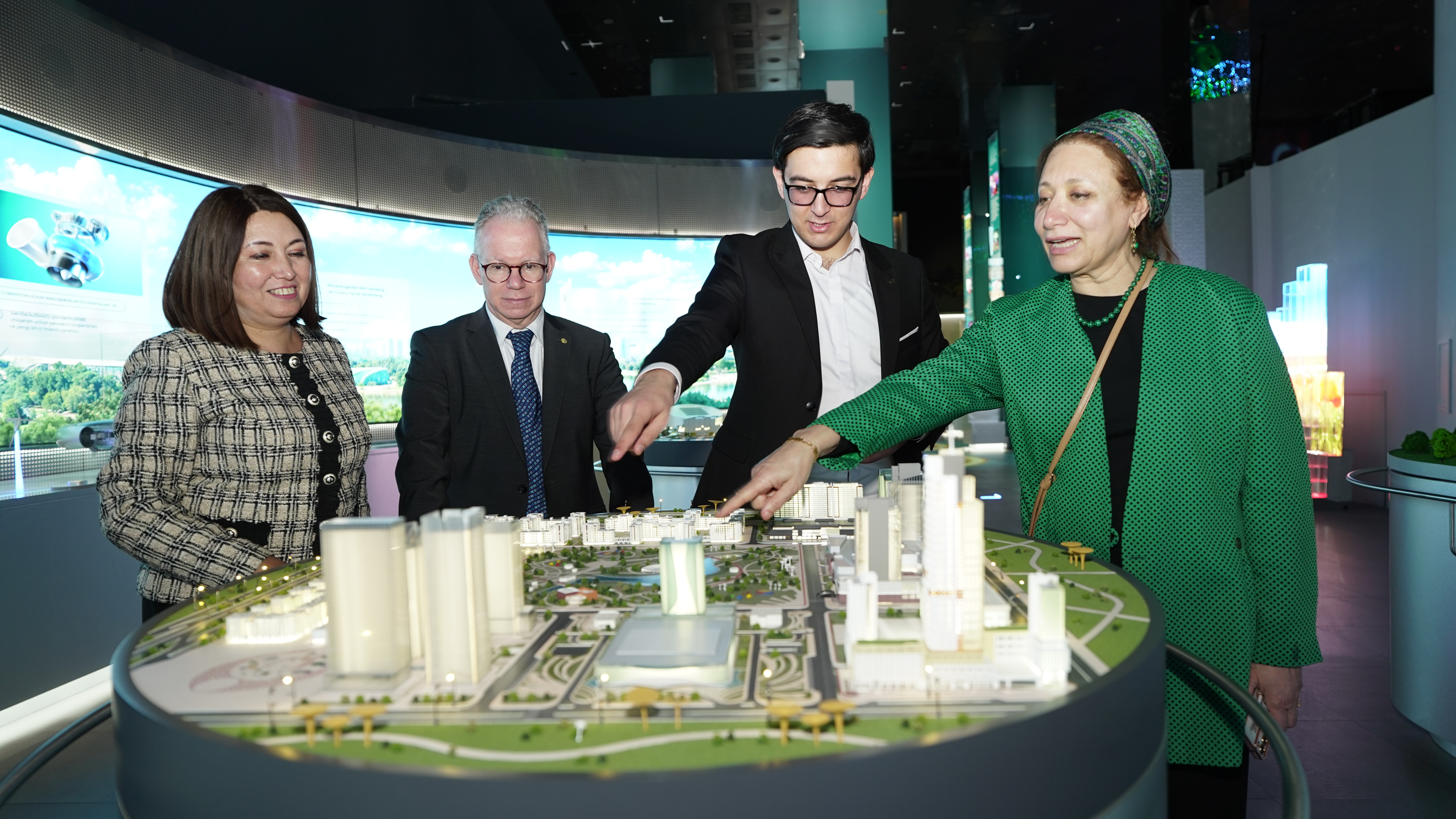
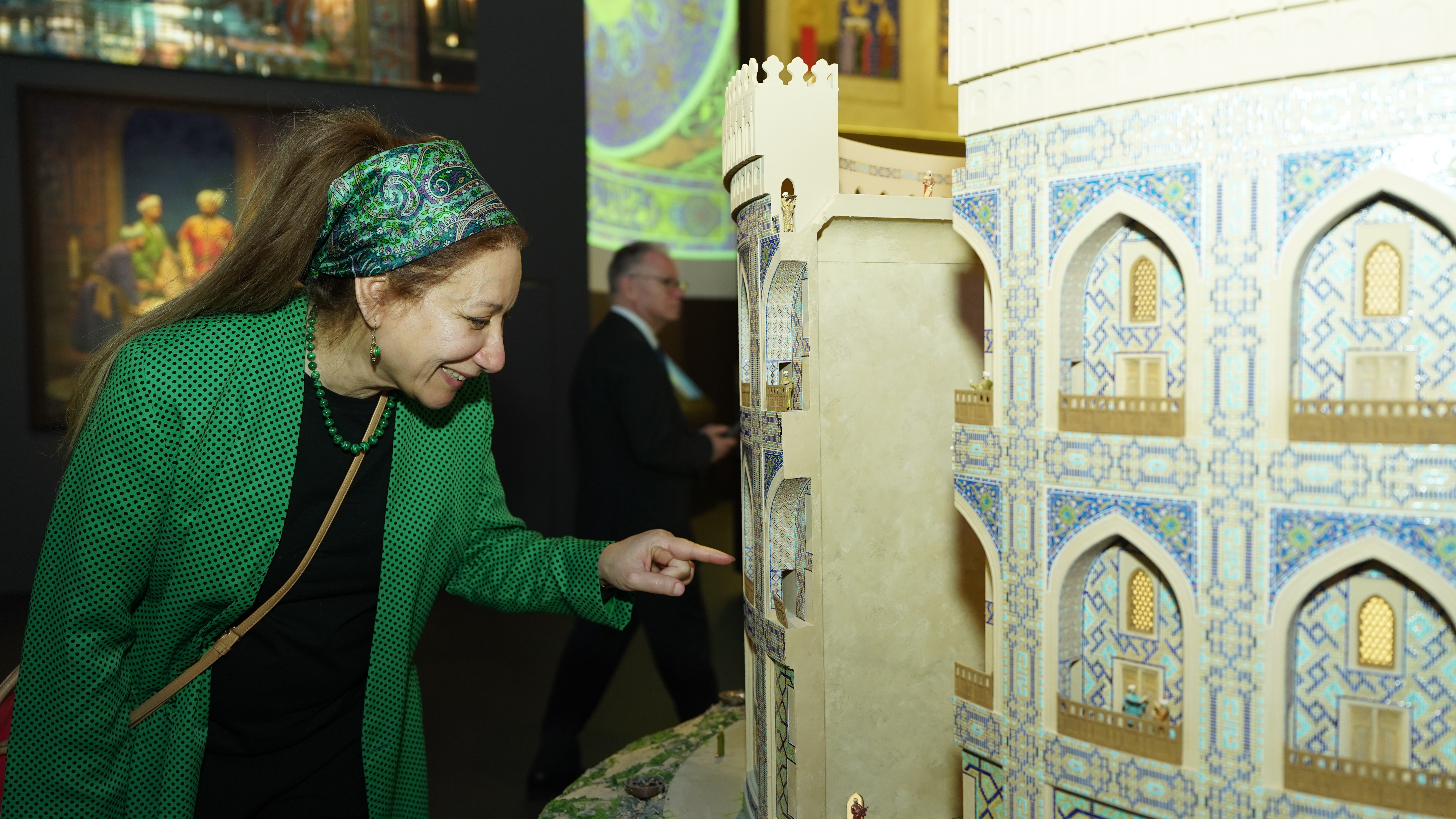
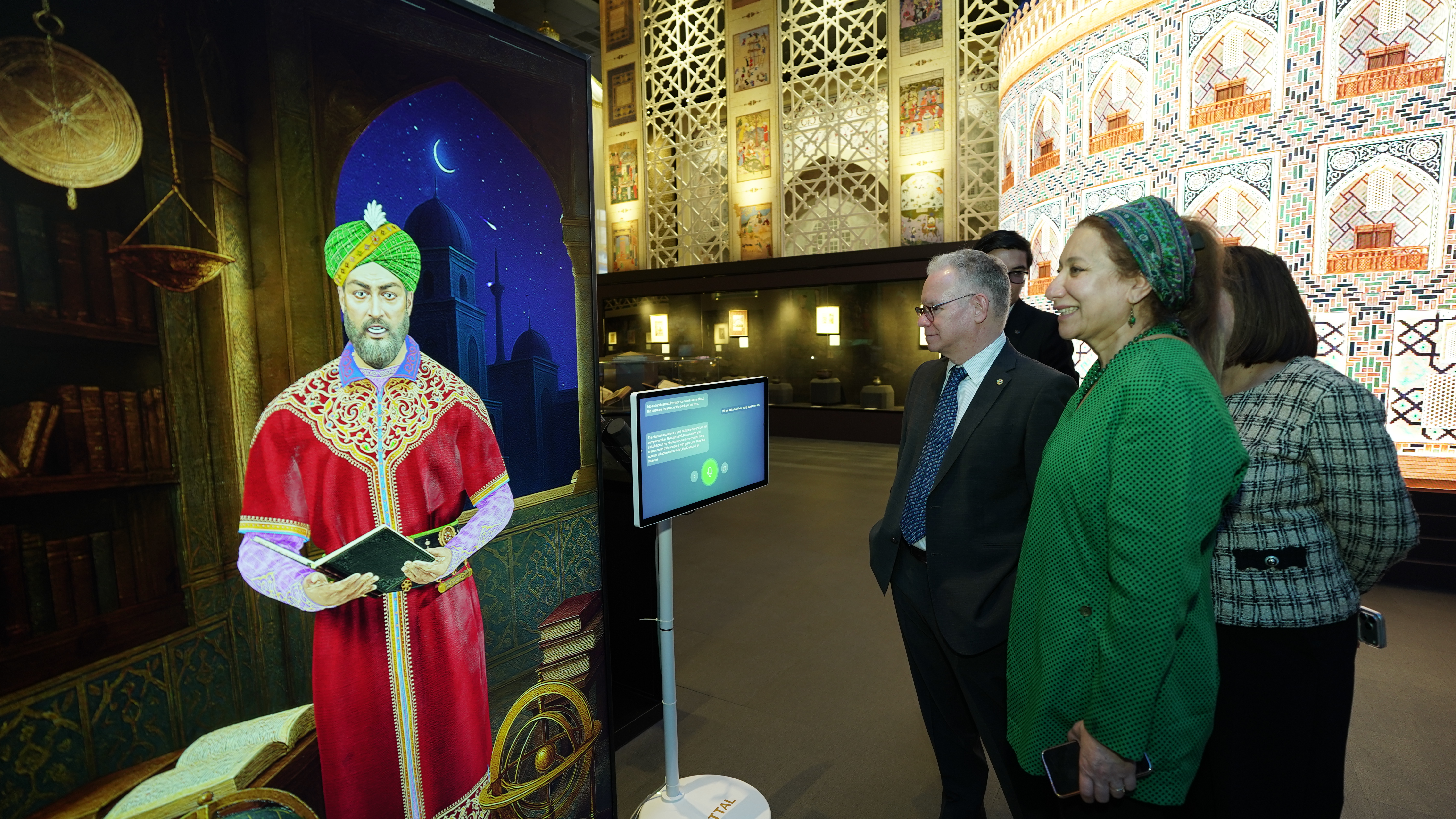
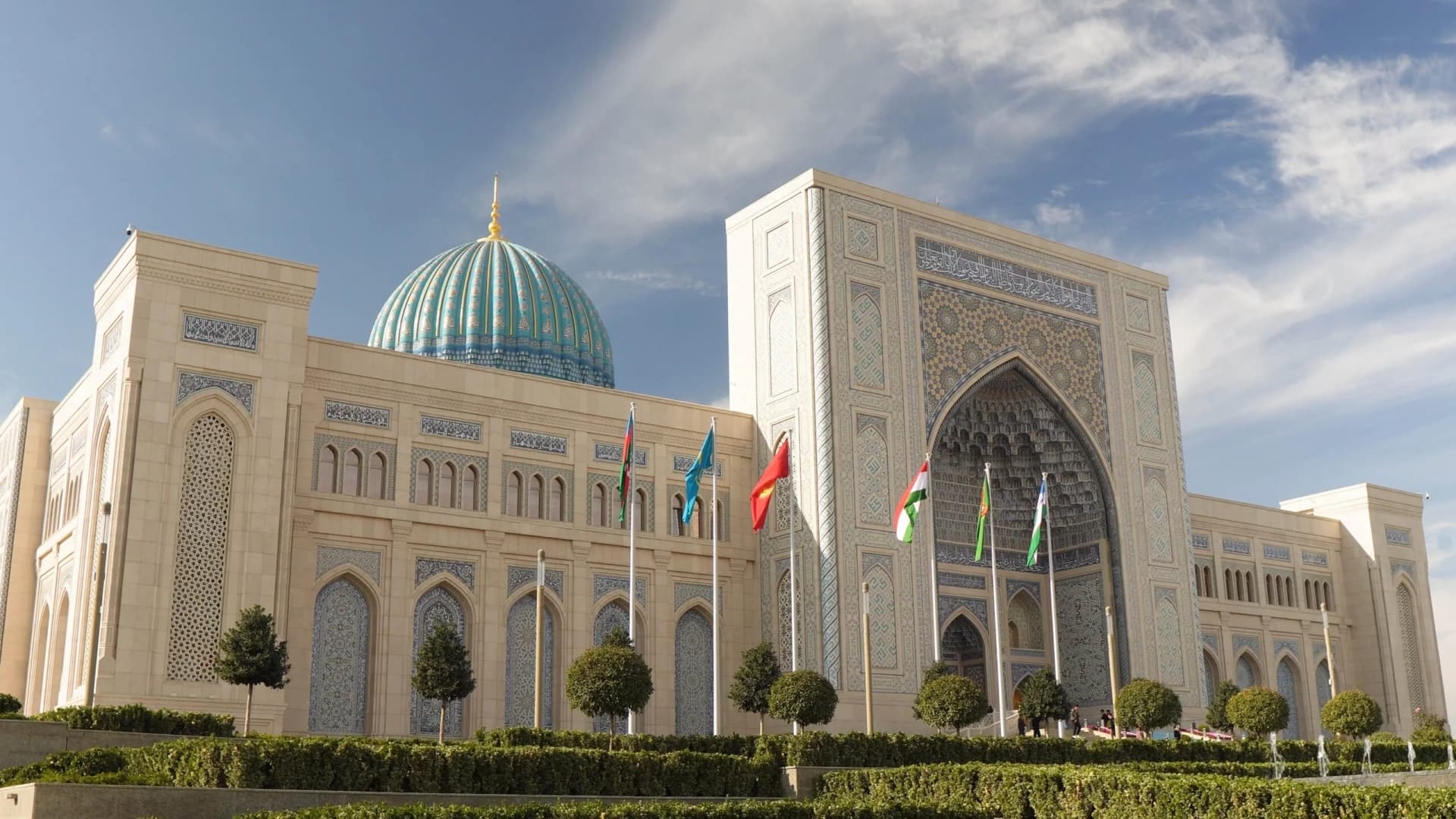
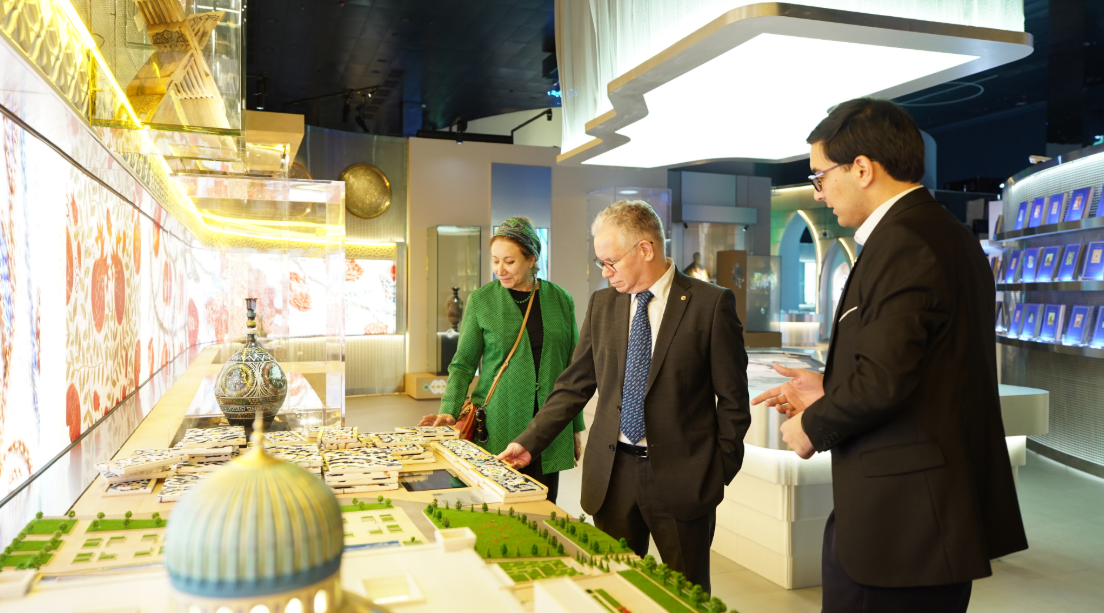
Leading representatives of the global scientific community visited the Islamic Civilization Center in Uzbekistan, established at the initiative of President Shavkat Mirziyoyev. Sabah AlMomin, Vice President of the World Academy of Sciences, and Executive Director Marcelo Knobel toured all exhibition sections of the Center, carefully examining the unique artifacts, research-based content, and interactive solutions presented there.
The immersive room in the First Renaissance section became a focal point of the delegation’s visit. The comprehensive and systematic presentation of the rise of science, intellectual thought, and culture during the First Renaissance through video materials was particularly praised by the guests.
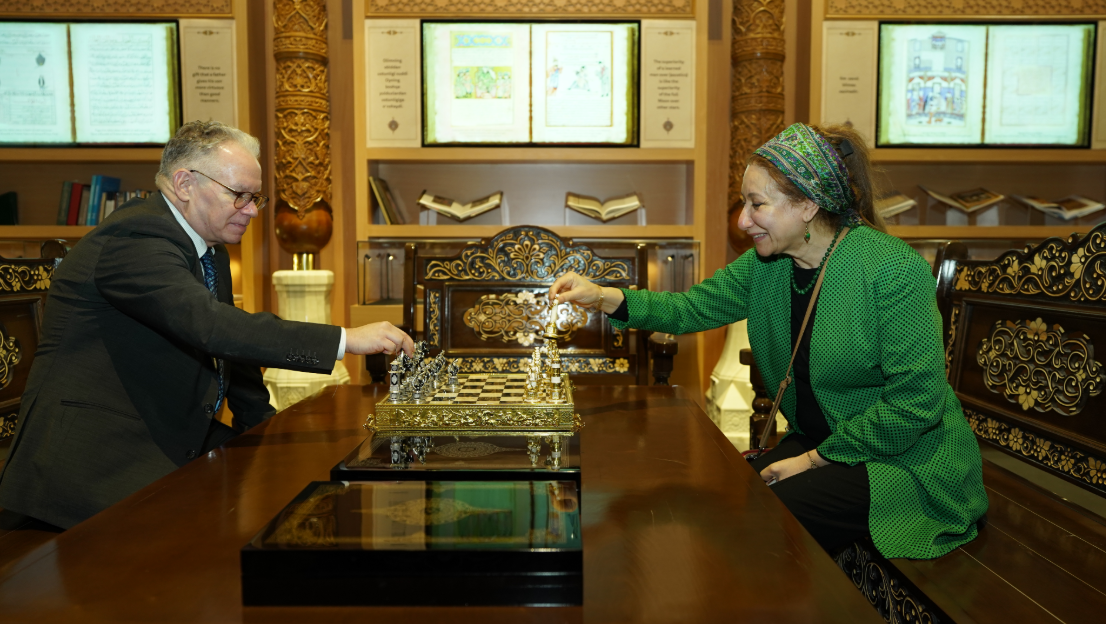 The opportunity to play chess using unique chess pieces displayed in the Second Renaissance section was assessed as an effective and engaging method of presenting historical content in a lively and accessible way.
Overall, the original historical objects and rare exhibits displayed at the Center left a deep impression on the visitors. The delegation also showed particular interest in a silk robe from the first half of the 15th century, specially designed for imams.
Sabah AlMomin, Vice President of the World Academy of Sciences:
“To be honest, the work accomplished here truly impressed me. I sincerely congratulate the leadership of Uzbekistan, your President, and all the artists and historians who brought this project to life.
This is an unparalleled and extremely important project for Uzbekistan. Its inclusion among the world’s top ten would be entirely logical. The project has been studied in great depth and revealed down to the finest details.
The scholars, statesmen, and religious leaders depicted here built such a great civilization. Even today, we continue to benefit from their scientific heritage. Modern science stands precisely on this foundation. Therefore, you should be proud to belong to such a civilization.”
Marcelo Knobel, Executive Director of the World Academy of Sciences:
“This place is, in fact, the cradle of nearly all the fields of science we know today — mathematics, astronomy, physics, and others. As a physicist, it was extremely interesting for me to see where and under what conditions science developed. What impressed me most was the First Renaissance section. In particular, the process of development of science and mathematics precisely in the territory of Uzbekistan sparked great interest.
Understanding history and recognizing the role of science in the progress of society and the entire world is extremely important. I believe this Center can clearly and effectively demonstrate to young generations that science is essential for the future and for building a better society. Personally, I leave here deeply impressed.”
 The guests also highly appreciated the special attention given to the representation of women in the exhibitions. It was noted that the portrayal of Timurid-era queens and the broad coverage of women’s roles in society, science, and cultural development were particularly commendable.
The art of expression and decorative elements also left a strong impression. The uniqueness of the patterns displayed in the exhibitions, their artistic refinement and symbolic meaning especially the tree installation generated significant interest among the delegation.