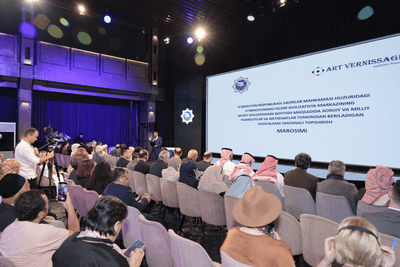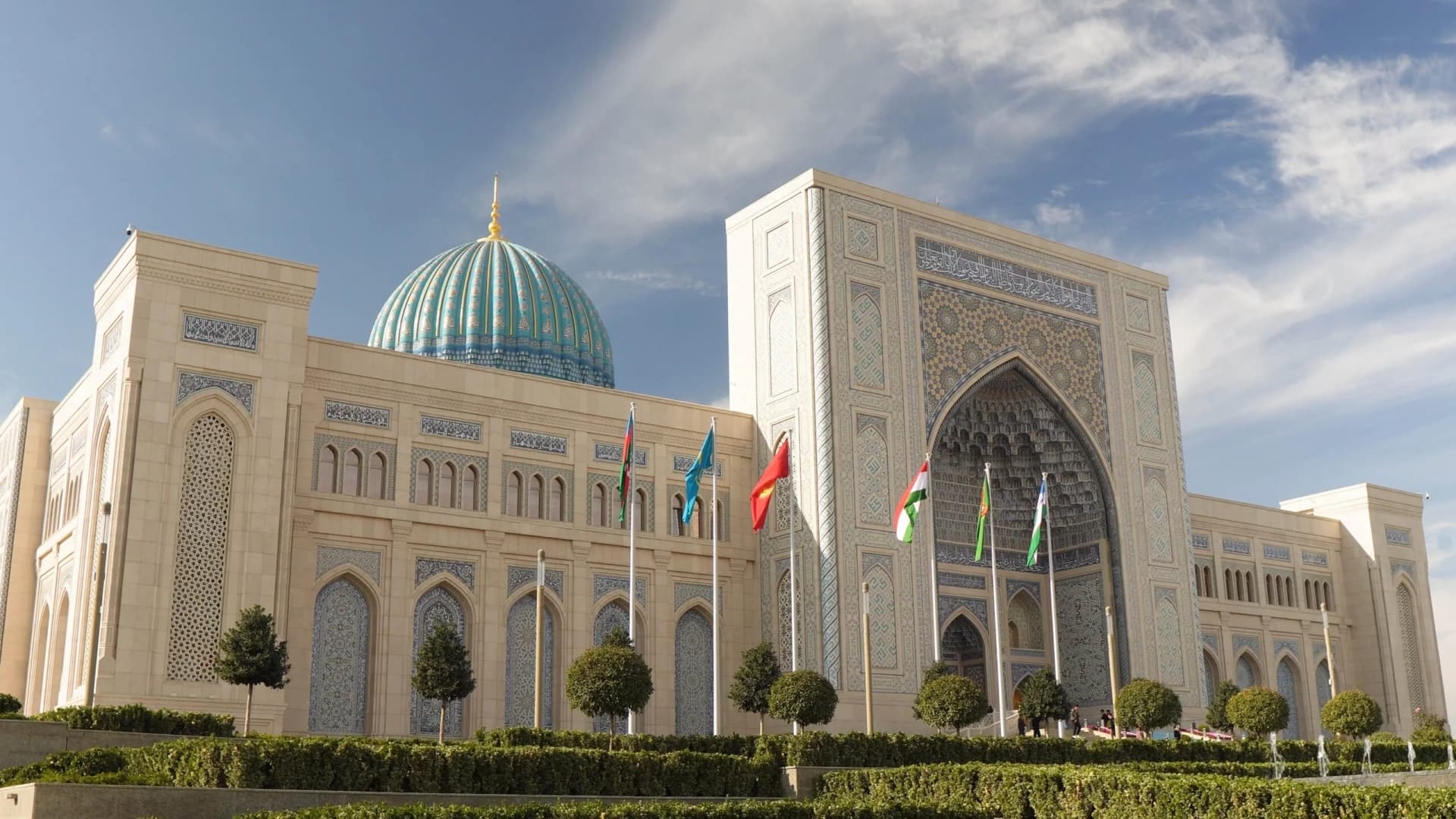

The American expert invited everyone to Uzbekistan
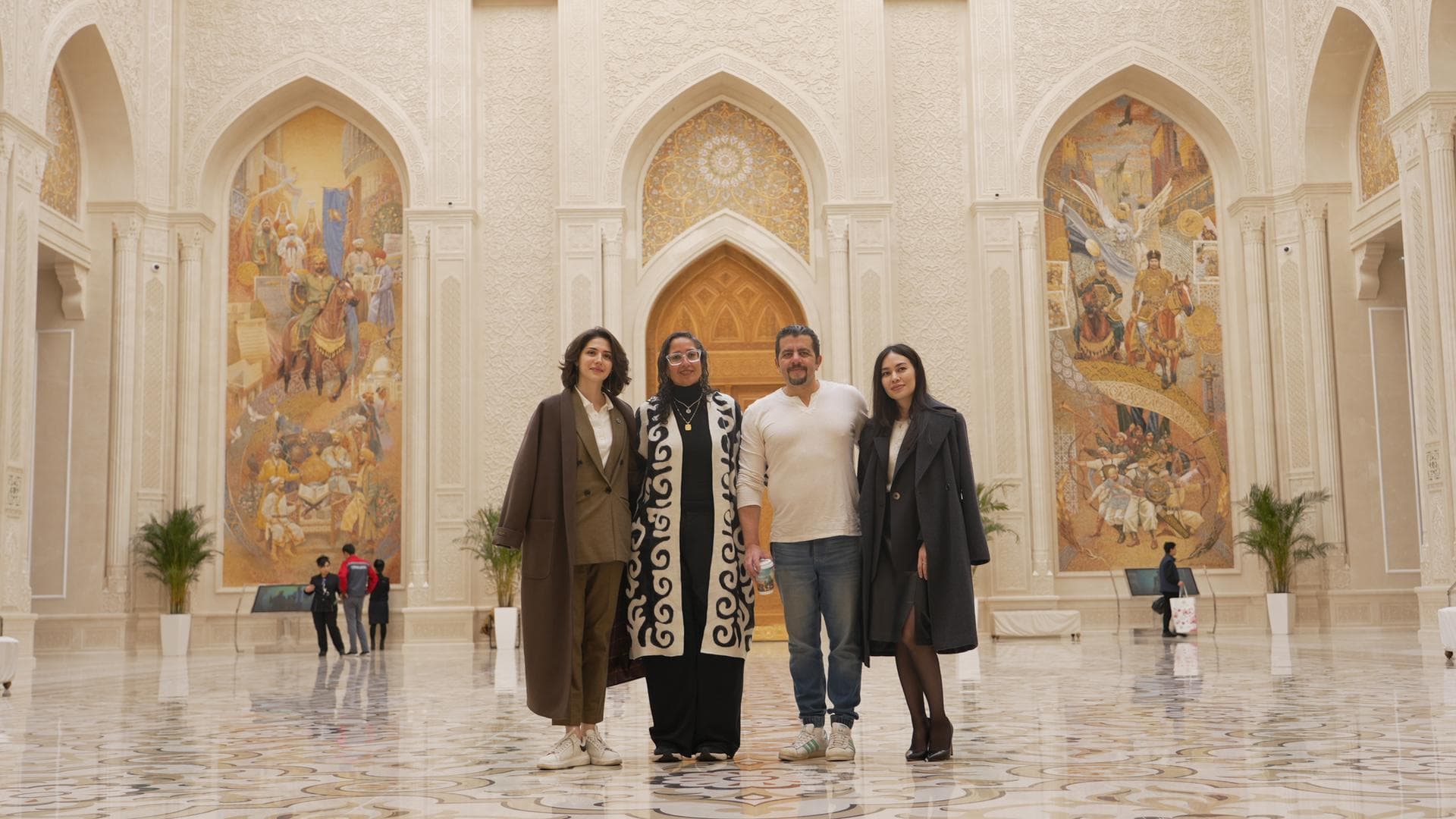
According to the guests, history here is not merely displayed but is “brought to life” through artificial intelligence and interactive technologies.
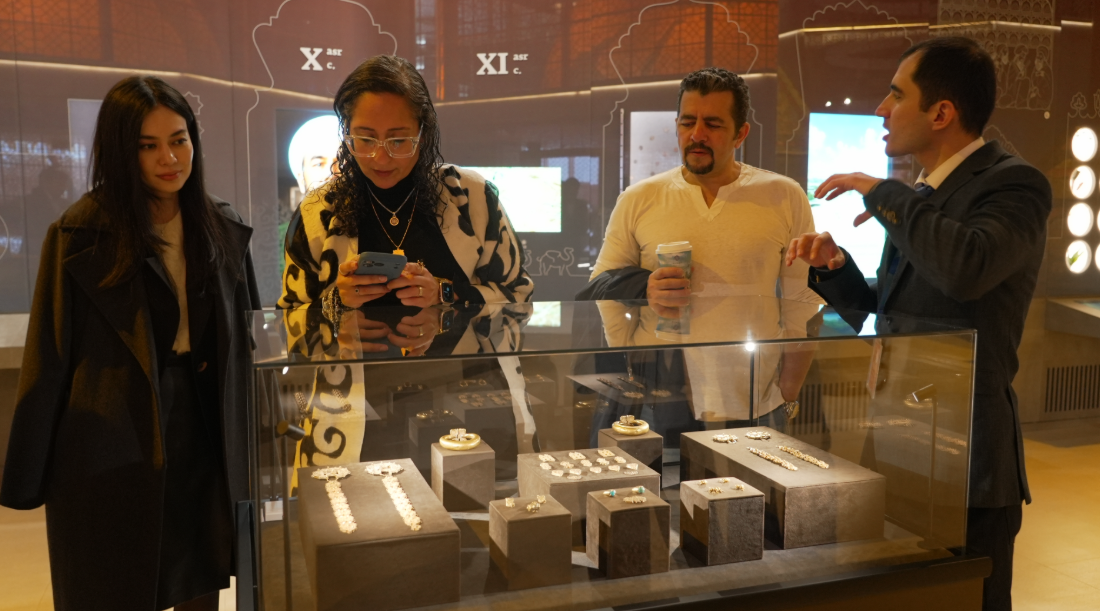 During the visit, the guests carefully examined each section and exhibition, listening with great interest to the detailed explanations provided by the guides. The fact that nearly every exhibit prompted questions from delegation members demonstrated their strong interest in history and cultural heritage.
In particular, the gold jewelry pieces related to the Bactrian civilization in the “Pre-Islamic Period” section, acquired from international auction houses, left a strong impression on the guests. The exquisite craftsmanship, artistic perfection, and historical value of these rare items were highly praised.
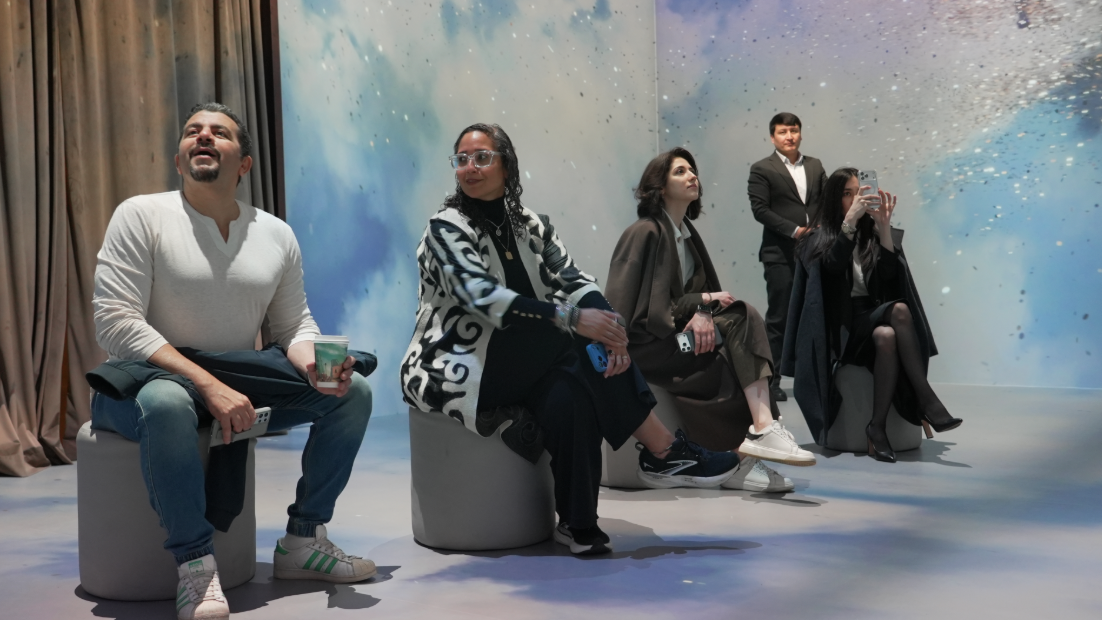 The opportunity to explore products exported to foreign markets through ancient trade routes via interactive screens also attracted the delegation’s attention. Information about ancient trade routes and their economic significance provided a deep understanding of Uzbekistan’s long-standing trading traditions. The chance to virtually “try on” Sogdian clothing using artificial intelligence was especially engaging.
In the First Renaissance section, the collection of Seljuk-era jewelry dating from the 9th to the 13th centuries did not leave the guests indifferent. The complexity of the patterns and the handcrafted artistry were particularly emphasized.
The model of Bayt al-Hikma and the information about it also became a focal point of attention. In particular, they listened with interest to the information that Muhammad al-Khwarizmi once led this scientific center.
In the Second Renaissance section, numerous questions were asked about Alisher Navoi’s “Khamsa,” the lives of Timurid princesses, and the symbolic patterns found in Uzbek suzani embroidery.
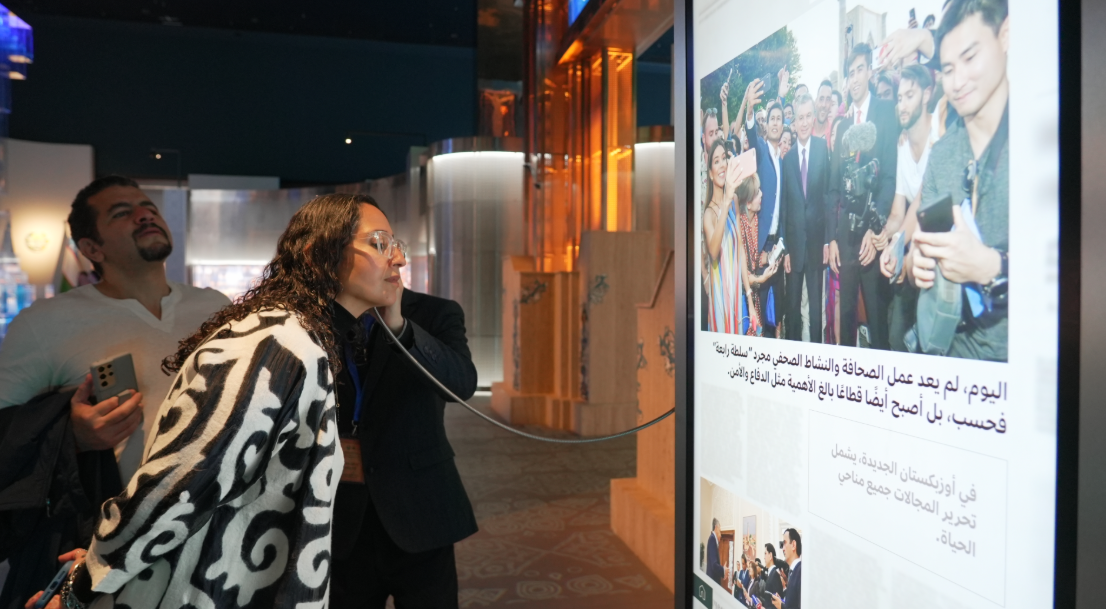 In the “New Uzbekistan – The Foundation of a New Renaissance” section, the exhibition interpreting the Humo bird as a symbol of happiness, goodness, and elevation made a special impression on the guests.
Dina Sherif, Executive Director of the Kuo Sharper Center at the Massachusetts Institute of Technology:
I teach leadership and innovation at Harvard University. In my lectures, I particularly emphasize the immense contribution of Islamic civilization to modern science and technology.
Seeing the heritage created in Uzbekistan gathered in one place and presented so beautifully was an extraordinary experience for me. Bringing history to life through technology and artificial intelligence is truly impressive.
I would encourage everyone to visit Uzbekistan and see this museum. The President’s role in establishing this Center is extremely significant. I believe he sought to harmonize the past and the present and open the way toward a bright future for the people.
According to the members of the delegation, the Islamic Civilization Center in Uzbekistan stands as an advanced model for presenting historical heritage to the global community through modern technologies and serves as a vivid expression of the harmony between science and culture.