



A Three-and-a-Half-Century Empire: Original Relics from the Baburids Era Displayed in Uzbekistan for the First Time
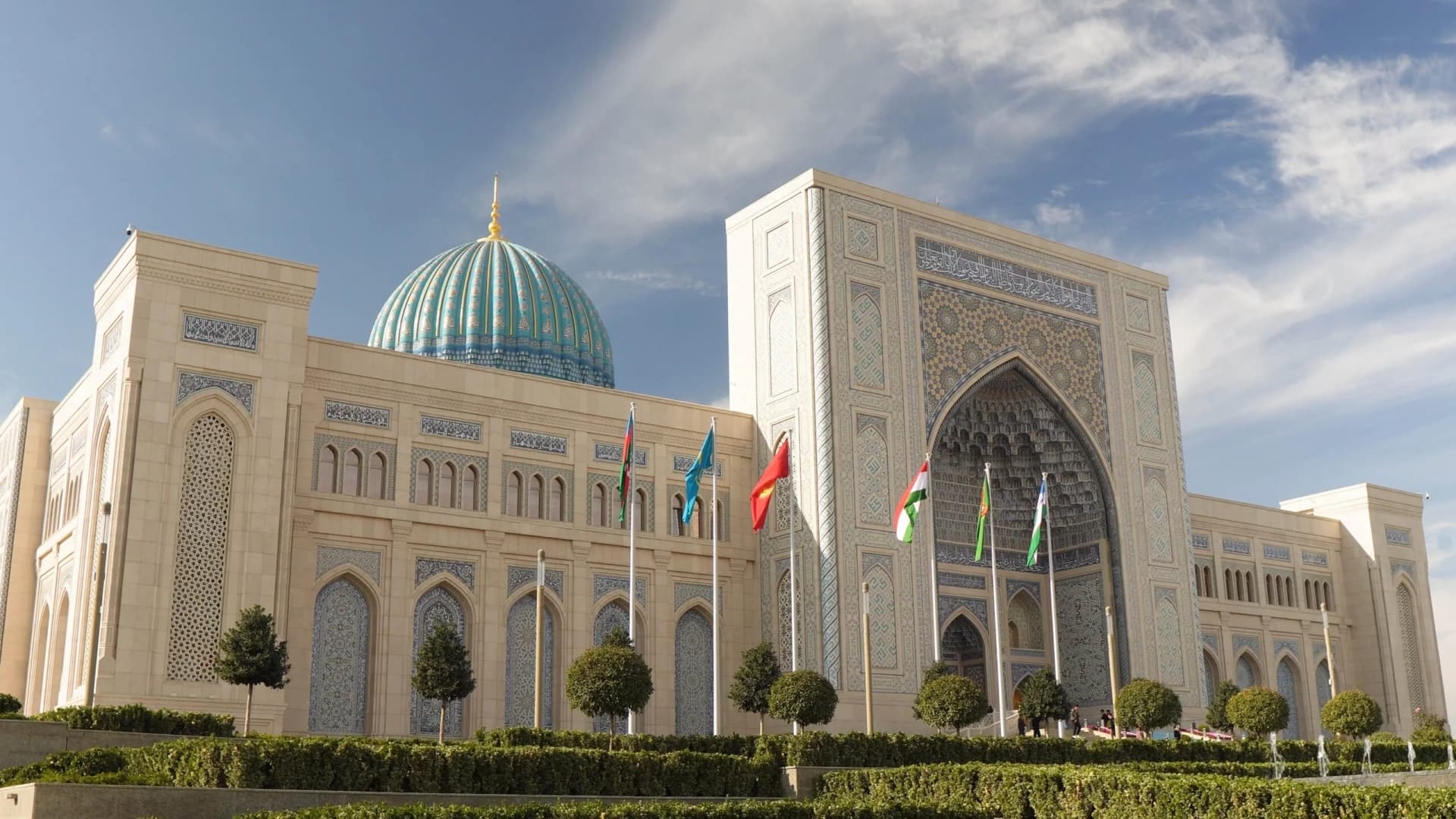
The dedicated exhibition at the Islamic Civilization Center in Uzbekistan, devoted to the Baburids dynasty, is not merely a collection of rare artifacts, but a scholarly and educational space that reveals the deep historical and spiritual connections between the civilizations of Central Asia and India.
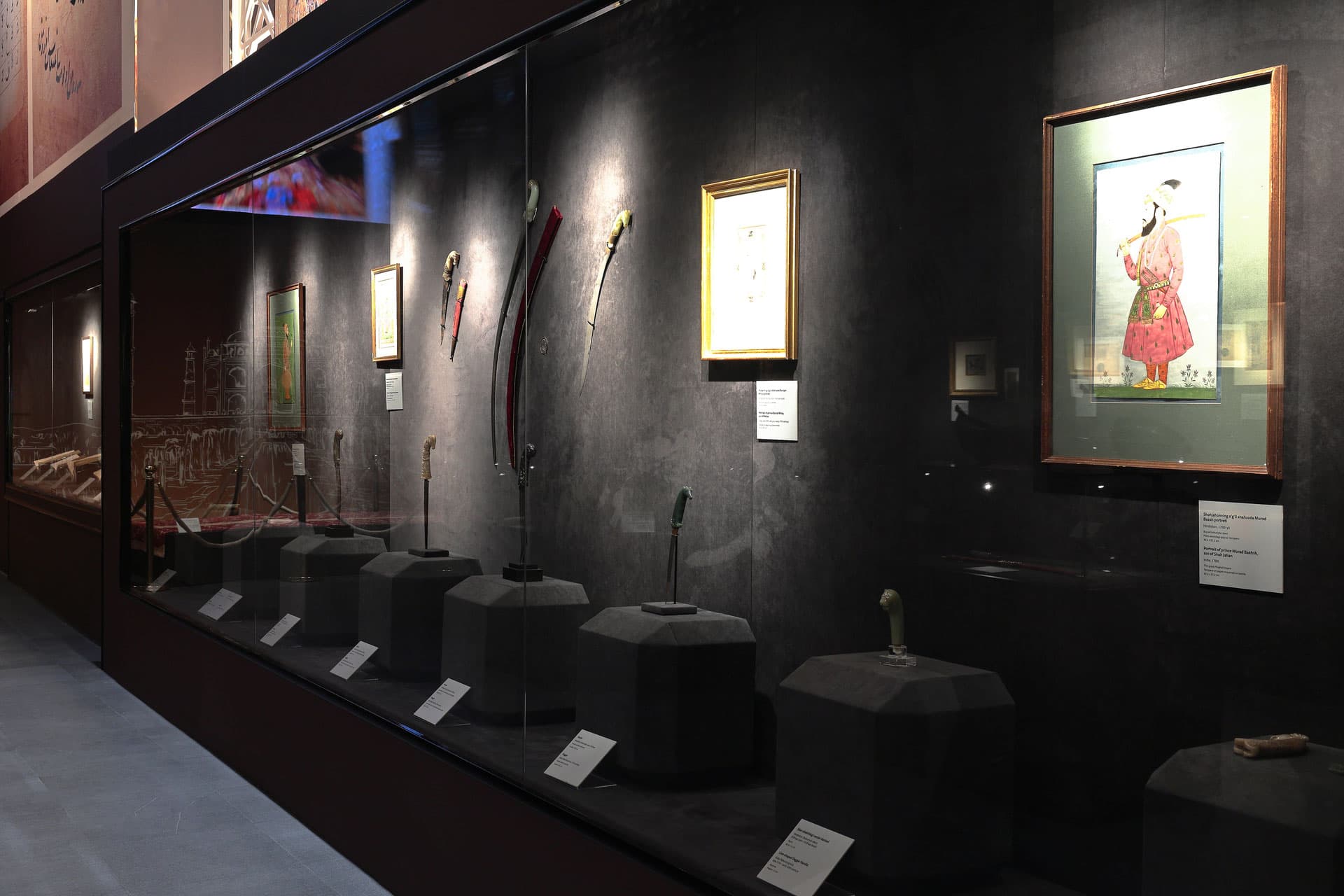
Through hundreds of unique exhibits, the exposition comprehensively presents the Baburids dynasty’s traditions of statehood, weapon craftsmanship, art, architecture, and spiritual life.
“Great Mughals” or descendants of Amir Temur?
In Western historiography, the Mughals are often referred to as the “Great Mughal Empire.” However, the miniatures and sources displayed in the exhibition confirm that the dynasty’s representatives considered themselves direct descendants of Amir Temur.
Miniatures depicting the dynastic line from Sahibqiran to subsequent rulers demonstrate that Mughal statehood was formed as a continuation of Timurid traditions. This offers an opportunity to reconsider established historical classifications from a new perspective.
 Weaponry — a symbol of sovereignty
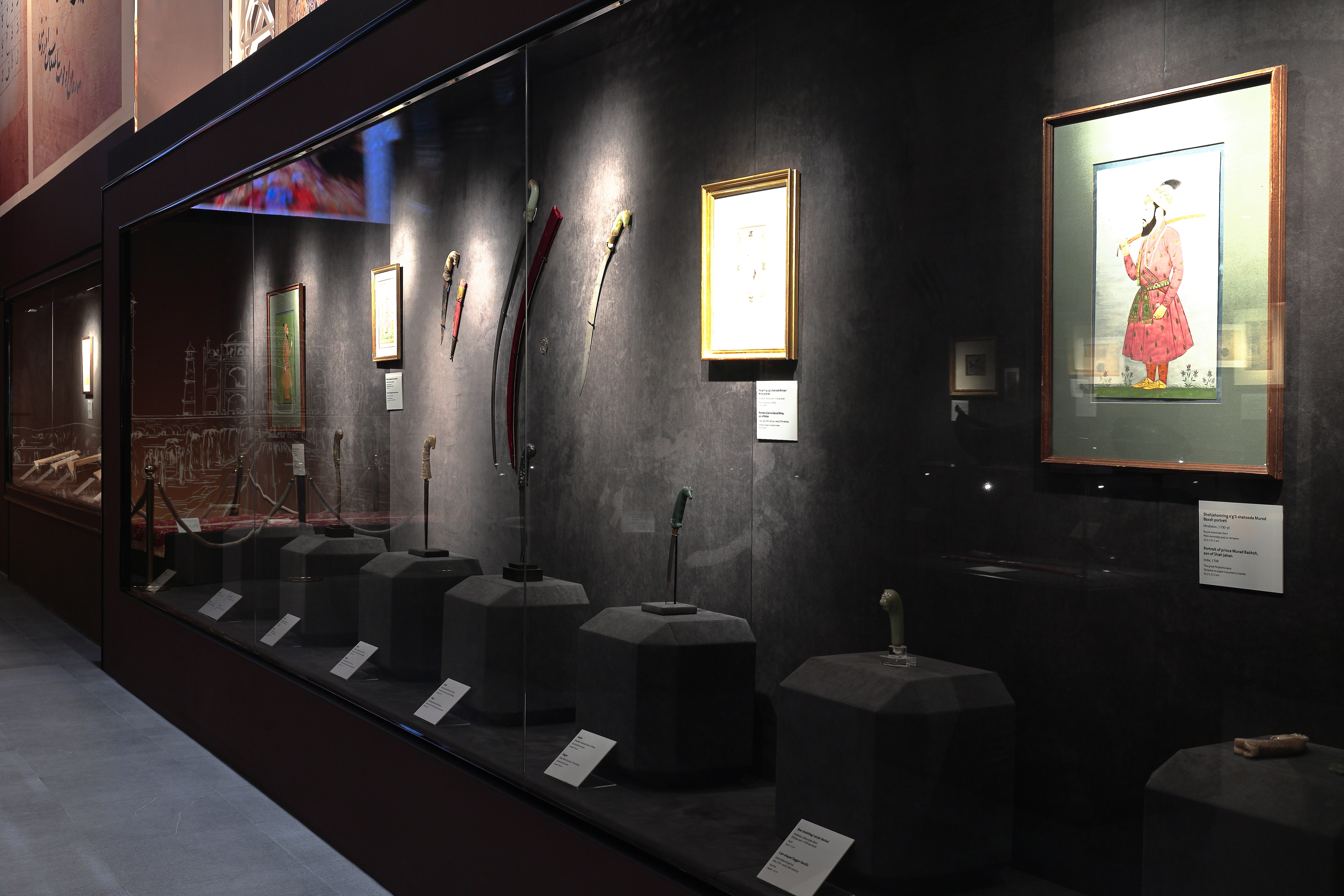
A jade-hilted sword crafted in the late 17th century occupies a special place in the exhibition. Distinguished by its steel blade and refined ornamentation, this weapon reflects the harmonious fusion of Central Asian and Indian schools of arms craftsmanship.
Dagger hilts made of ivory and jade are adorned with precious stones, serving not only as means of defense but also as symbols of royal authority. In particular, a lion-shaped hilt is interpreted as a symbol of courage and power.
Miniature and portrait art — a mirror of cultural flourishing
The inclusion of portraits of Zahiriddin Muhammad Babur, Akbar, Shah Jahan, and Aurangzeb in the “Historical Atlas” published in Amsterdam in 1720 demonstrates the dynasty’s international prestige.
During the Baburids era, Central Asian, Indian, and European artistic traditions merged to form a new artistic style, reflecting the empire’s cultural openness and high intellectual environment.
 Manuscripts and the “Baburi script”
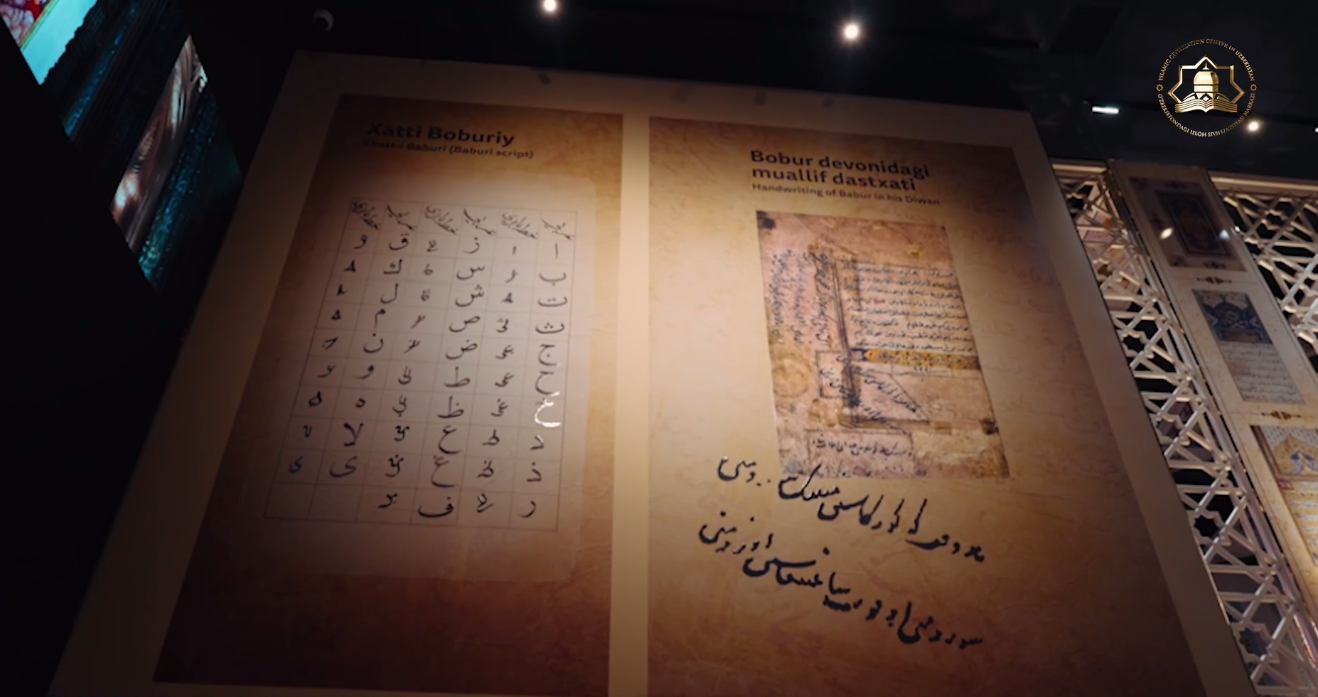
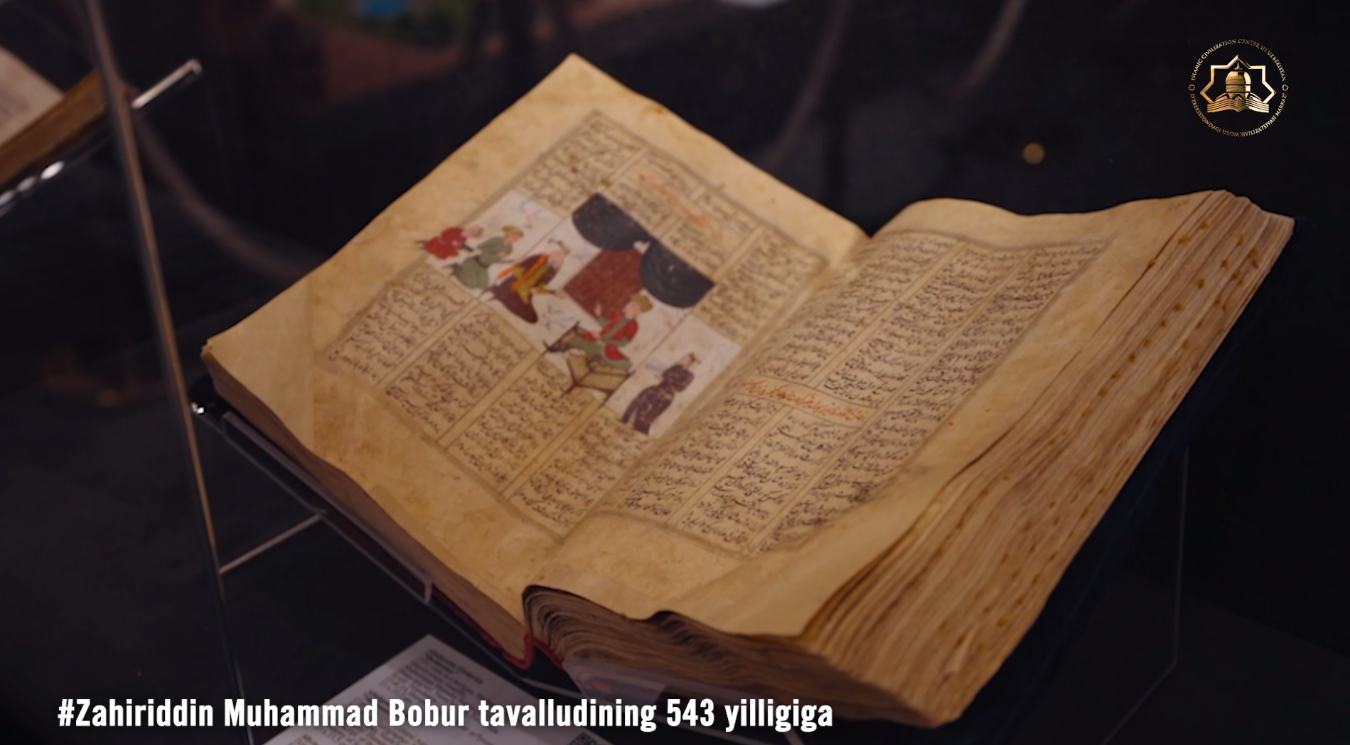
The founder of the Mughal dynasty, Zahiriddin Muhammad Babur, left a lasting mark in history not only as a commander but also as a poet and enlightener. The “Baburi script” he created, along with Qur’an copies transcribed in this script, testifies to the elevated spiritual life of the period.
The Baburnama occupies a special place as a historical and literary masterpiece of the dynasty. In this work, Babur’s life, statecraft, and observations are presented in a sincere and objective manner.
Statehood and legal system
Decrees and seals from the reign of Aurangzeb demonstrate that a centralized administrative system and a strong legal order had been firmly established. This factor was one of the key foundations that ensured the dynasty’s stable rule for nearly three and a half centuries.
Court culture and splendor
Jade cups, gilded vessels, and palace objects illustrate the high regard for aesthetic taste and art in Baburids life. They clearly reflect the synthesis of Central Asian and Indian cultural traditions.
 A symbol of love and architecture
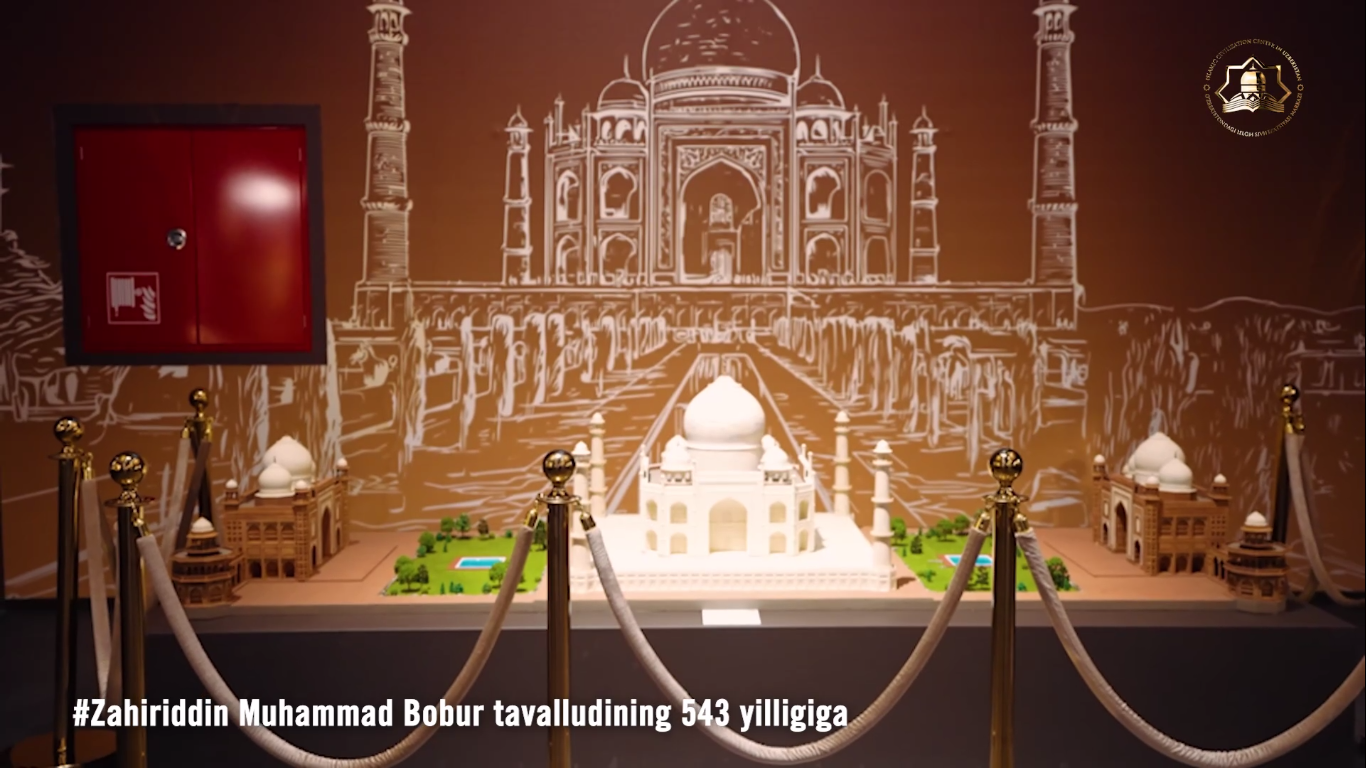
The most renowned example of Baburids architecture is the Taj Mahal, commissioned by Shah Jahan in memory of his wife. This architectural monument holds a distinguished place in world cultural heritage as a remarkable example of the harmony between Islamic and Indian architectural traditions.
 A symbol of spiritual protection — the sacred cloak
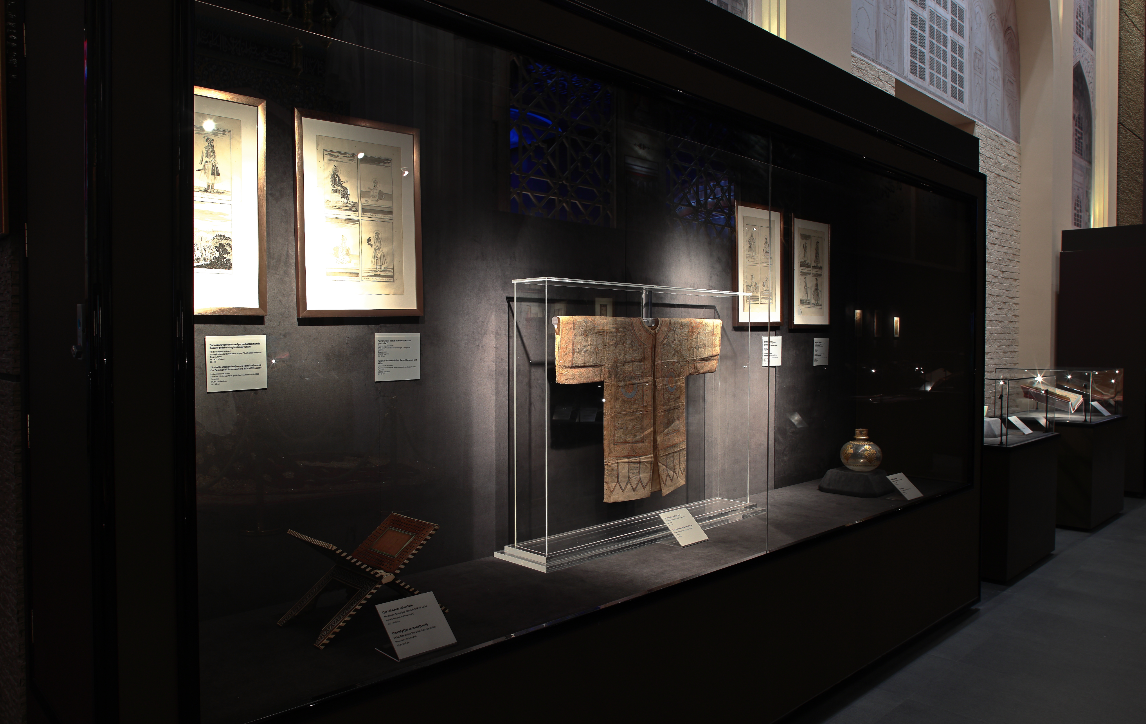
The exhibition also features a special cloak inscribed with Qur’anic verses. According to researchers, it may have been prepared to provide spiritual protection for the ruler. Some sources even suggest the possibility that it directly belonged to Babur Mirza.
Historical heritage — a bridge to the future
The Baburids exhibition is not merely a museum display, but a scholarly and educational project serving to strengthen national identity and restore historical truth. It enables visitors to gain a deeper understanding of the place of Central Asian civilization in world history.
This exhibition stands as vivid evidence of how the Timurid tradition continued on Indian soil.
Durdona Rasulova
P.S. The article may be republished with a link to the Center’s official website