 “Samarkand Paper,” inscribed on the UNESCO Intangible Cultural Heritage list, is featured in the exhibition! For centuries, Samarkand paper preserved manuscripts, contributed to the advancement of science during the eras of Alisher Navoi and Ulug Bek, and today stands as one of Uzbekistan’s most unique cultural treasures. This tradition, formed in the 8th century, connected East and West through the Silk Road, facilitating the exchange of knowledge between civilizations. Revived today in the “Meros” workshop in Konigil using ancient technologies, Samarkand paper is valued not only as a historical legacy but also in contemporary design and restoration.
The history of Samarkand paper dates back to the 8th century. In the 9th–10th centuries, during the Samanid period, Samarkand became a major center of paper production. Later, under the Timurids, the tradition developed further, serving the flourishing of science and the arts. Many works by scholars of the time of Alisher Navoi and Ulug Bek were written on this very paper.
Samarkand paper is mainly produced from mulberry tree bark. The manufacturing process consists of several complex stages:
• Collecting and soaking mulberry bark
• Boiling it for 5–6 hours
• Pounding it with wooden mallets
• Shaping it using special frames
• Drying and polishing
This process has remained almost unchanged for centuries. Each sheet is handmade and possesses unique characteristics.
Samarkand paper is distinguished by its durability and high quality. It is strong, naturally yellowish in tone, and absorbs ink perfectly. For this reason, many ancient Qur’an manuscripts and scholarly works have survived to the present day.
Even today, it is used in Japan for the restoration of ancient written sources, further proving its reliability and quality.
Samarkand paper has been included in UNESCO’s Intangible Cultural Heritage list. On July 5, 2025, it was officially registered by the Ministry of Justice of Uzbekistan as a geographical indication, legally confirming it as a unique product specific to Samarkand.
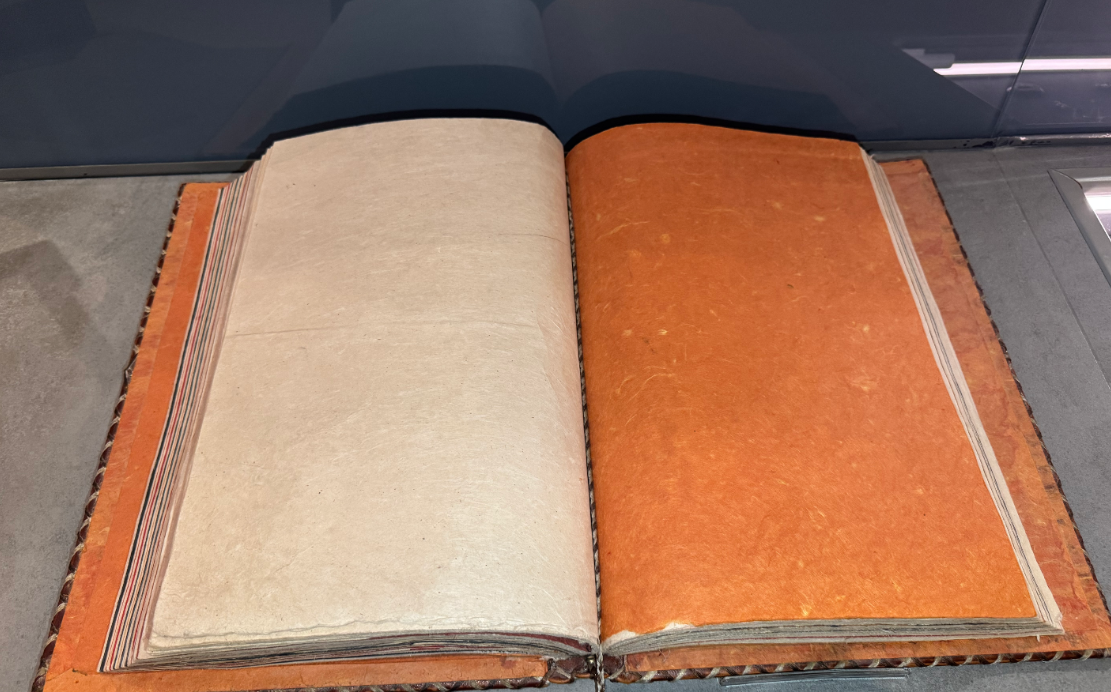
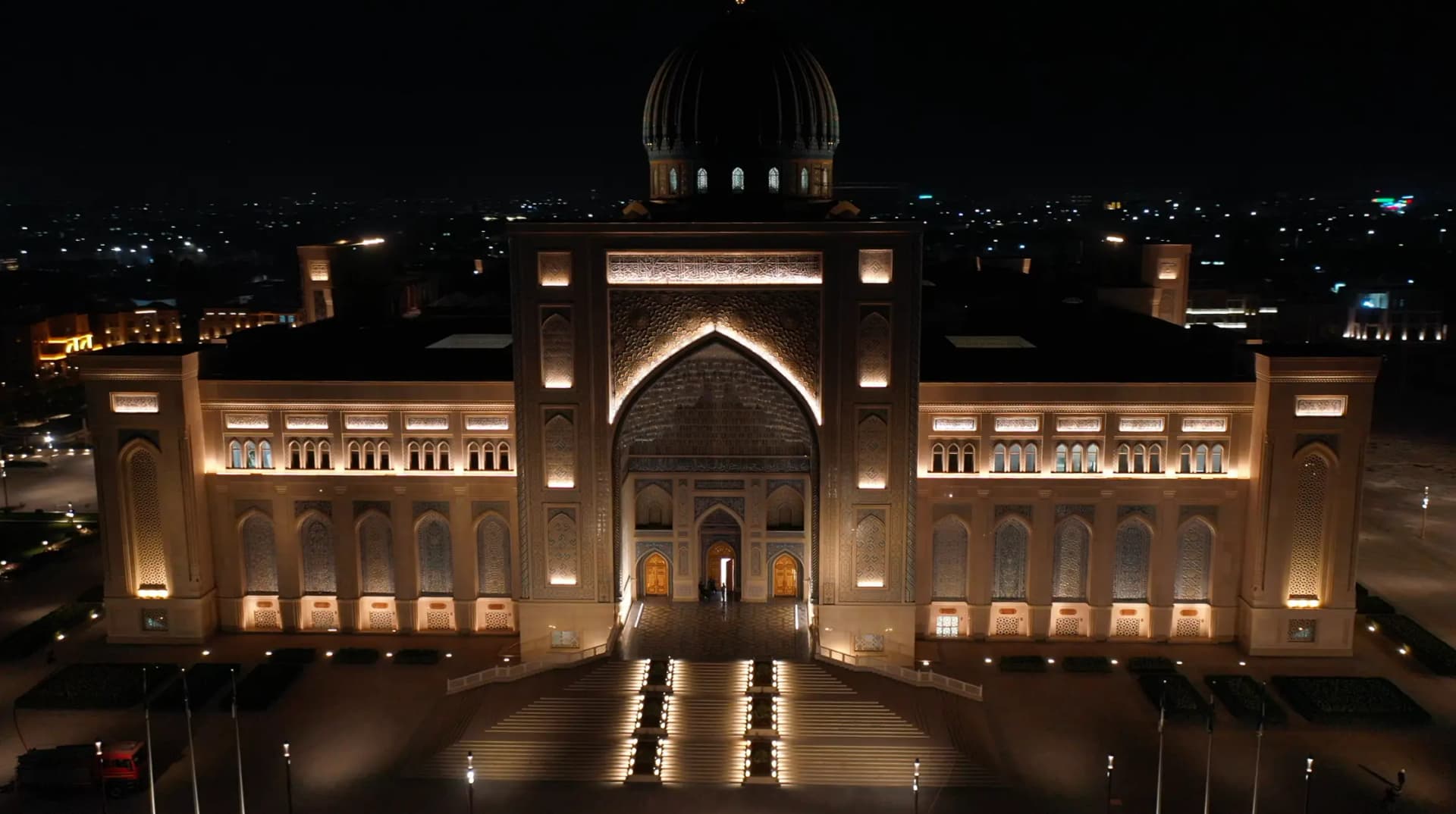
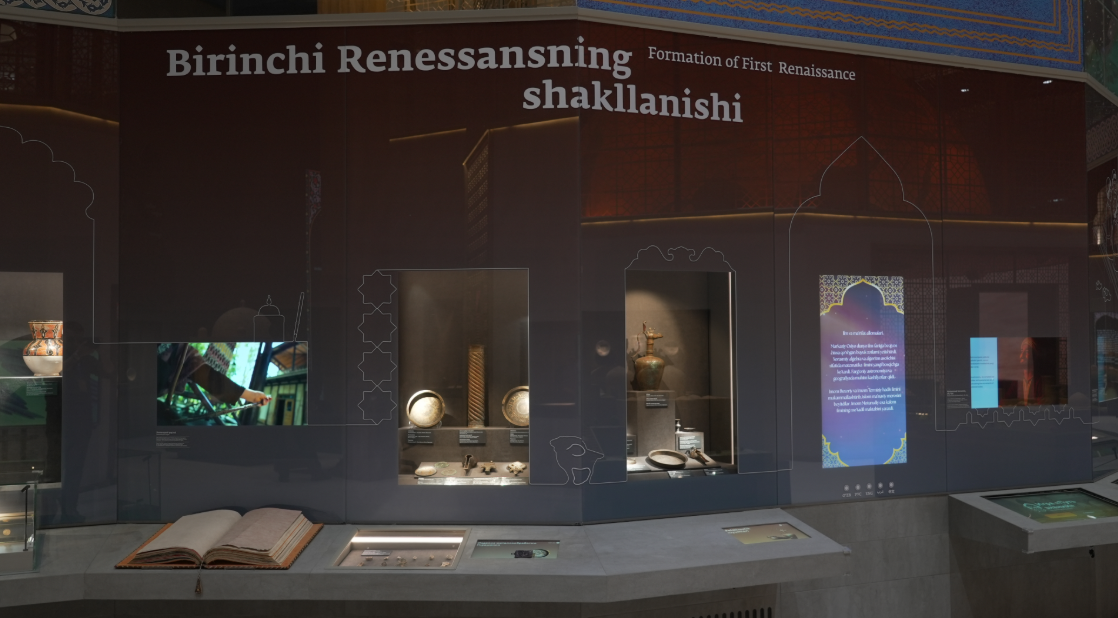
In the First Renaissance section of the museum exhibition at the Islamic Civilization Center in Uzbekistan, the production process of Samarkand paper is presented in video format through the “Wall of Civilizations and Discoveries.” Visitors can not only watch but also touch and examine samples of the paper.
According to senior researcher Obidjon Tangirov, Samarkand paper represents a unique school formed through the synthesis of local and Chinese experience.
Obidjon Tangirov, Senior Researcher:
If we turn to the history of Samarkand paper, one of the most significant inventions of the First Renaissance, some sources mention that after the Battle of Talas, Chinese craftsmen came to Samarkand and taught the secrets of papermaking. However, a number of researchers believe that papermaking traditions had already existed in Samarkand before that. Chinese experience merged with local practices, contributing to the formation of a distinctive and highly developed Samarkand school of papermaking. As a result of this synthesis, Samarkand paper flourished in the following centuries. Its strength, durability, and quality were exceptionally high. Because of its resistance to damage, many manuscripts have been preserved for centuries. The samples displayed in the exhibition are produced using today’s traditional technologies, allowing visitors to touch and leaf through them. The high quality of the paper led to its export to vast regions. It reached major centers of the Islamic world — Baghdad, Kufa, Andalusia, and even parts of Europe.
Samarkand paper is not merely a writing material. It is a bridge between civilizations, a symbol of scientific progress, and a vivid example of national craftsmanship. The thousand-year-old tradition continues to live on today, astonishing the world.