



The lost architectural marvel – Ak-Saray reconstructed on a scientific basis
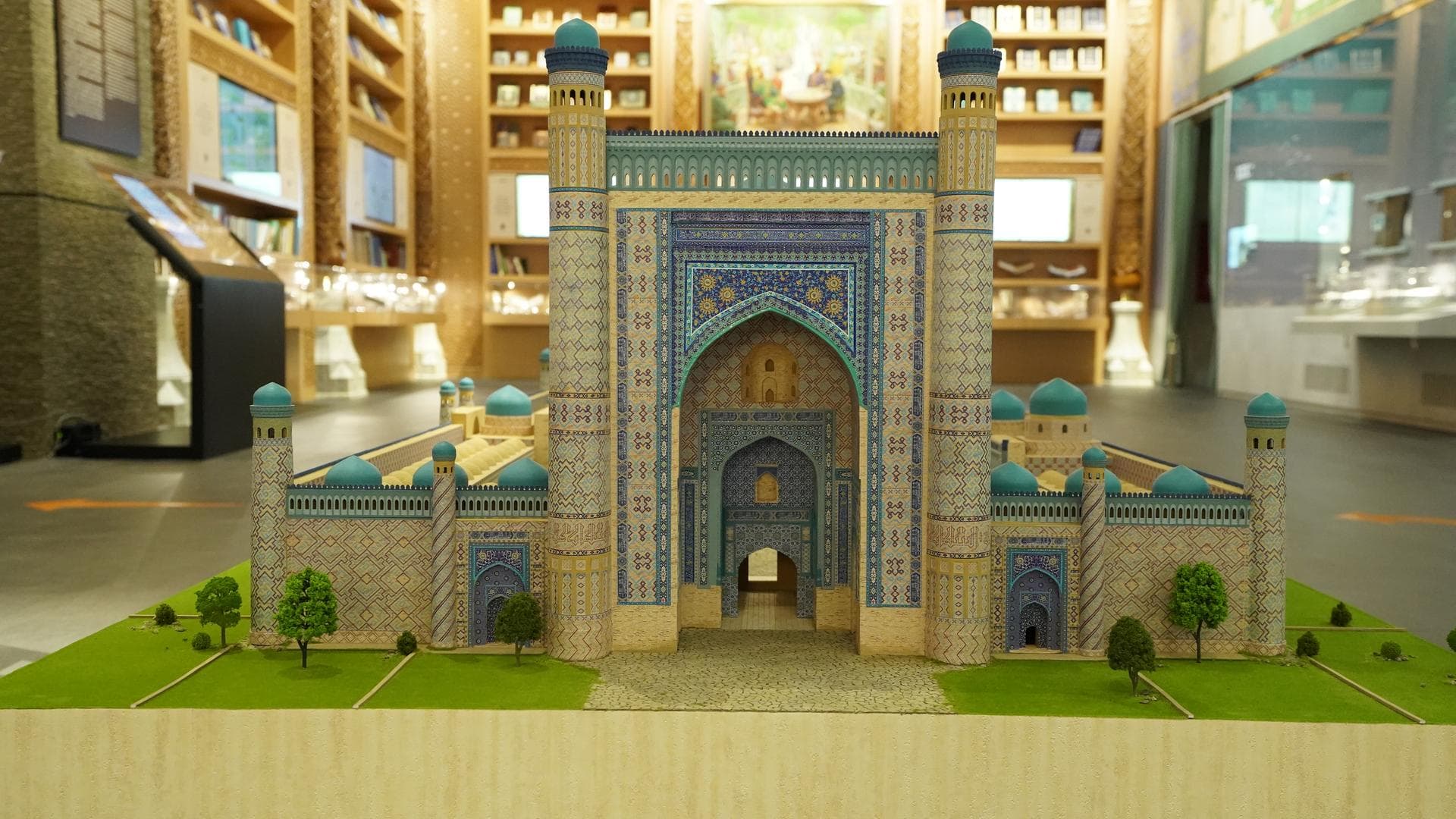
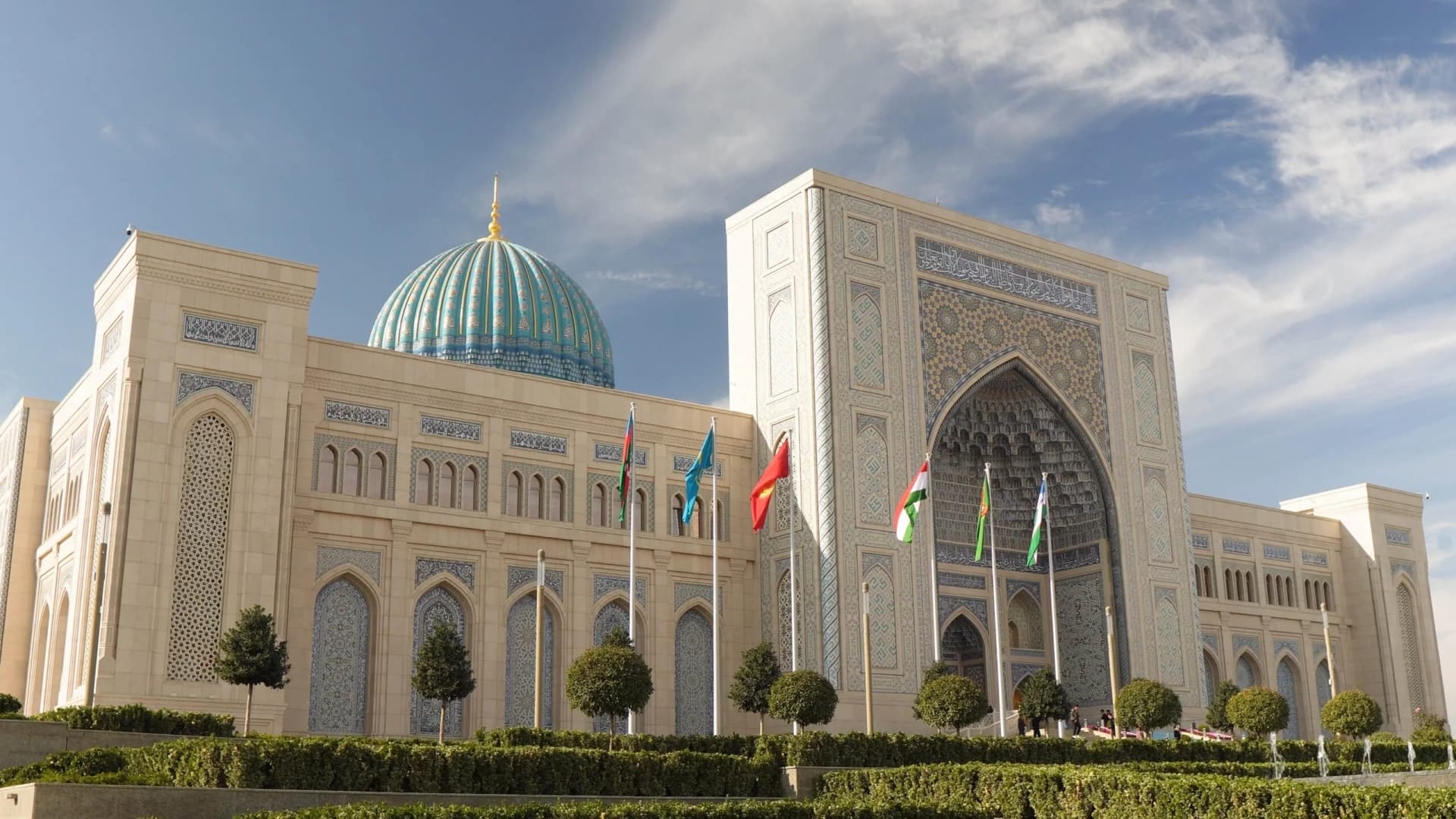
The models of Ak-Saray, Dorus-Saodat, and the Mausoleum of Khoja Ahmad Yasawi displayed in the Second Renaissance section of the Museum of the Islamic Civilization Center in Uzbekistan present the architecture of the Timurid era as a unified conceptual panorama.
The structures built in Central Asia during the 14th–15th centuries were not merely architectural monuments; they became expressions of sovereign will, ideological stability, and cultural centralization.
The models of Ak-Saray, Dorus-Saodat, and the Mausoleum of Khoja Ahmad Yasawi featured in the Second Renaissance exhibition reveal the architectural thinking of that period as an integrated whole. Their selection is not accidental — these monuments represent three fundamental pillars of Timurid architecture: the symbol of power, dynastic sanctity, and spiritual foundation.
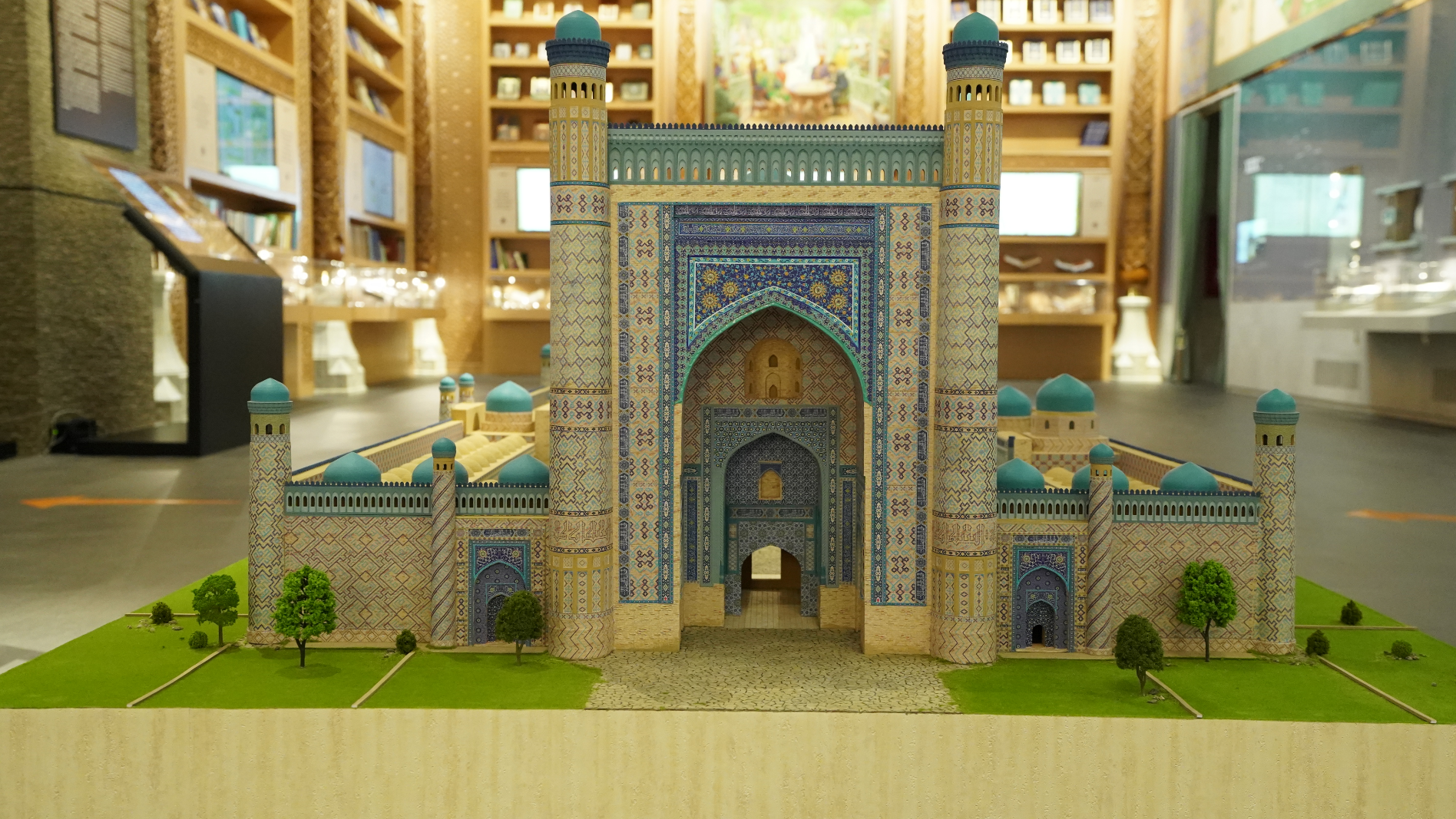 Ak-Saray — A Symbol of Imperial Power
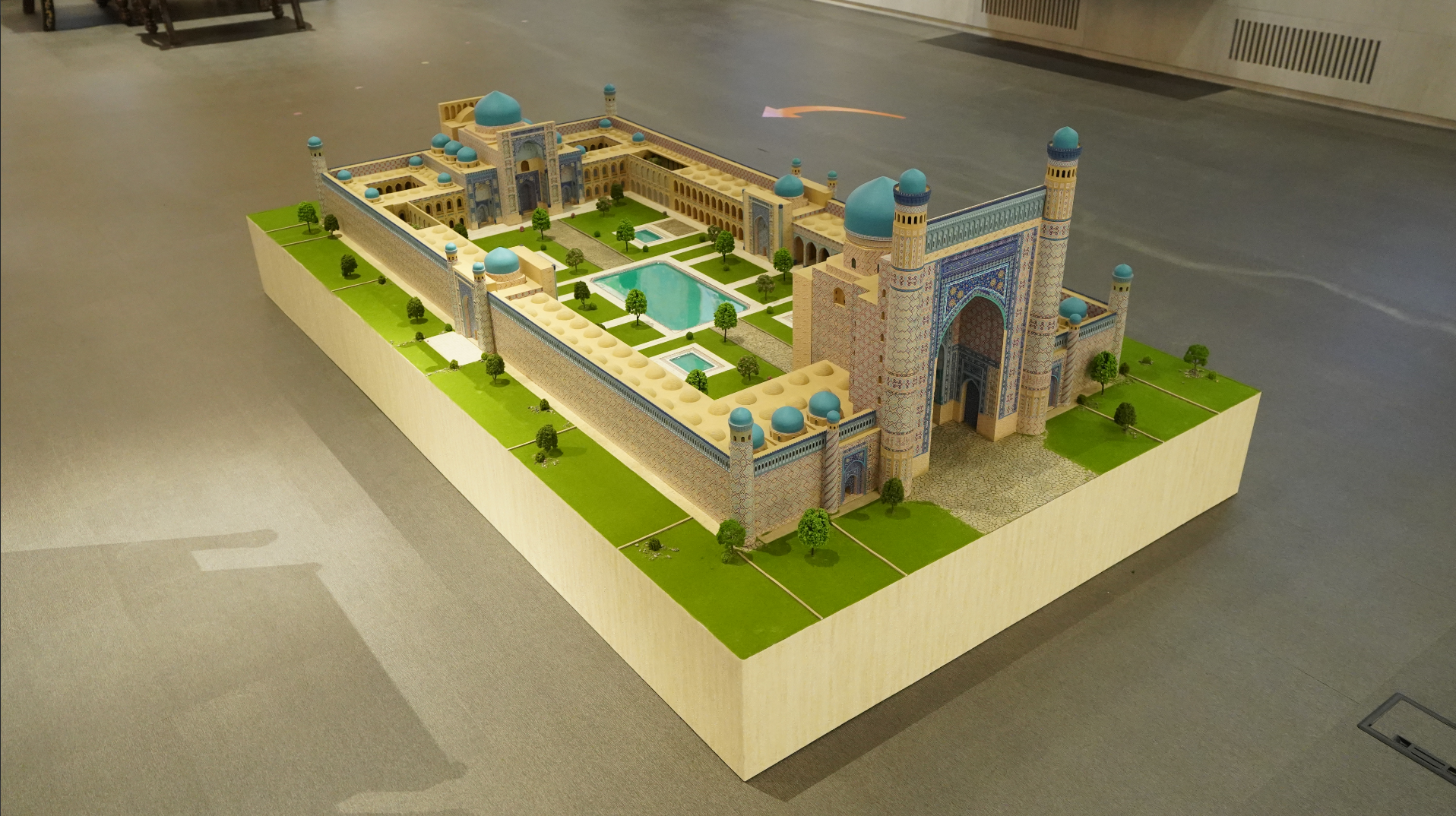
The construction of Ak-Saray began in 1379, built as Amir Temur’s principal residence in Shahrisabz. According to the historian Sharafiddin Ali Yazdi, it was “a structure unparalleled in the world.”
Although today only the main portal pylons rising to 50 meters remain, they alone testify to the monument’s extraordinary scale. Sources indicate that a massive 22-meter arch once spanned between the pillars — a dimension unprecedented in Islamic architecture prior to its construction.
The Spanish ambassador Ruy González de Clavijo, who visited the palace in 1404, wrote with admiration about its towering gates, glazed bricks of various colors, and vast courtyard. He emphasized that entry into the palace was through doors adorned with gold.
The primary reason for creating the model of this architectural monument in the Center’s exhibition is that much of the original structure has been lost. The model reconstructs the palace’s compositional integrity on a scientific basis, allowing visitors to envision its true scale.
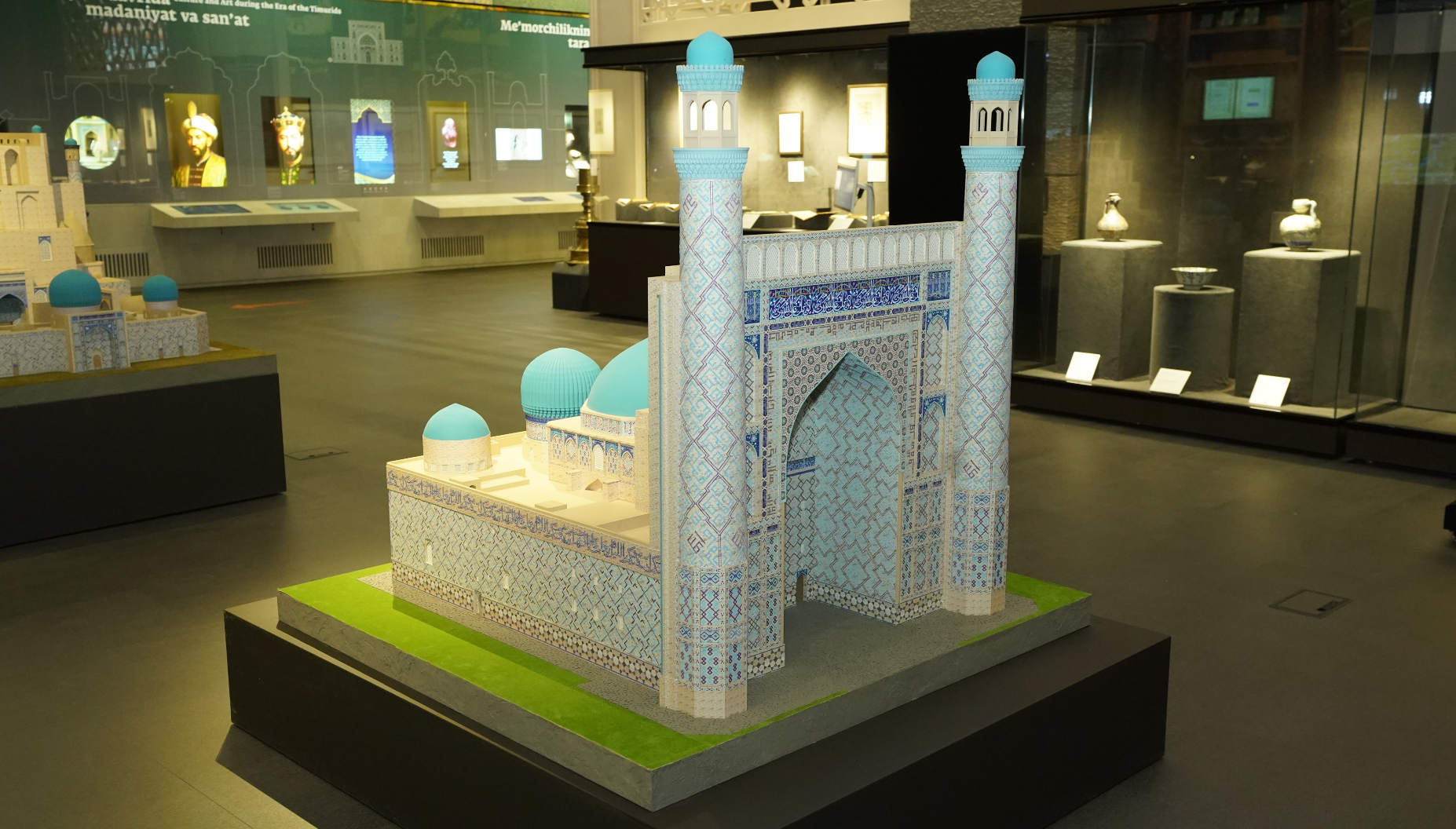
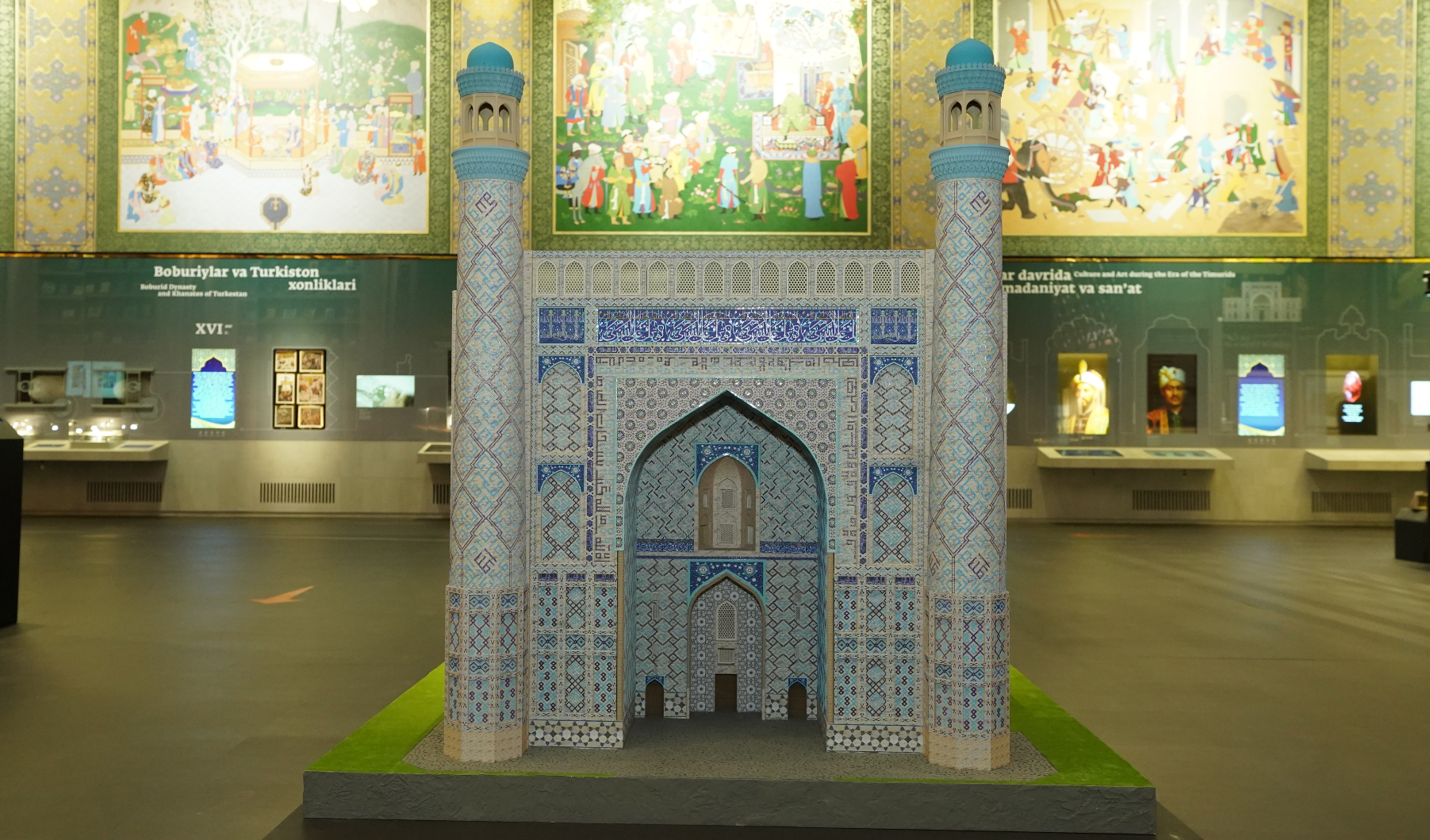 Dorus-Saodat — Architecture of Dynastic Memory
Contemporaneously with Ak-Saray, the Dorus-Saodat ensemble was built in Shahrisabz in the 14th–15th centuries as a Timurid dynastic mausoleum complex. It was dedicated to the memory of Amir Temur’s eldest son, Jahangir Mirza, and later became a dynastic burial site.
On the western side of the ensemble stands the Dorut-Tilovat complex, whose central core consists of the Kok-Gumbaz Mosque, the mausoleums of Shamsiddin Kulol and Gumbazi-Sayidon, arranged around a spacious courtyard.
The Kok-Gumbaz Mosque was commissioned in 1435 by Ulugh Beg in the name of his father, Shah Rukh. It functioned as the city’s congregational mosque. Inside Gumbazi-Sayidon, marble gravestones belonging to the Sayyids of Termez from the 15th–17th centuries are preserved. The interior decoration features blue ornamentation on a white background, enriched with geometric multi-faceted and star-shaped patterns combined with vegetal motifs.
The significance of selecting the Dorus-Saodat model lies in its reflection of the Timurid state ideology of dynastic continuity and sacred memory. Here, architecture transcended construction and became an instrument for reinforcing dynastic legitimacy.
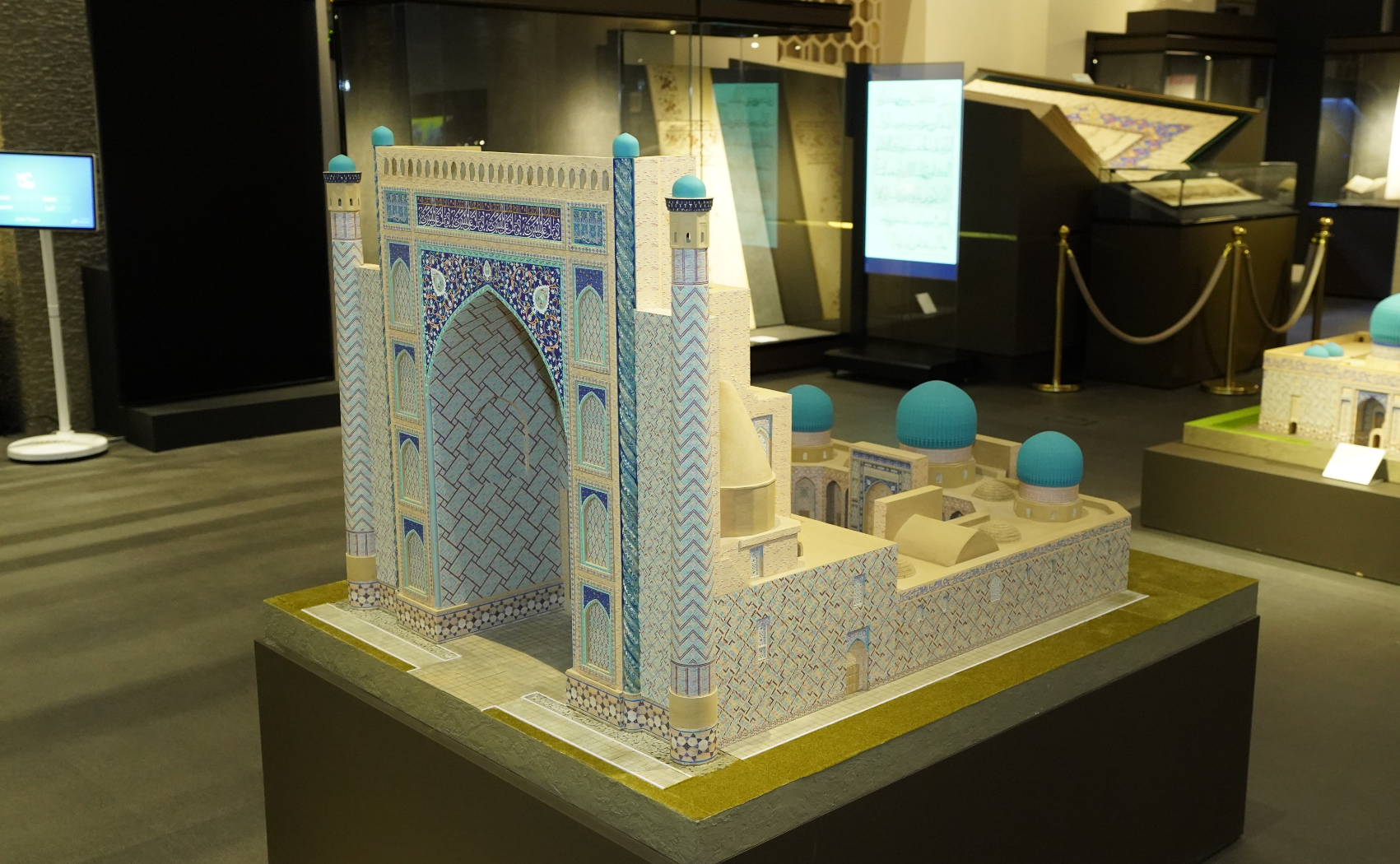
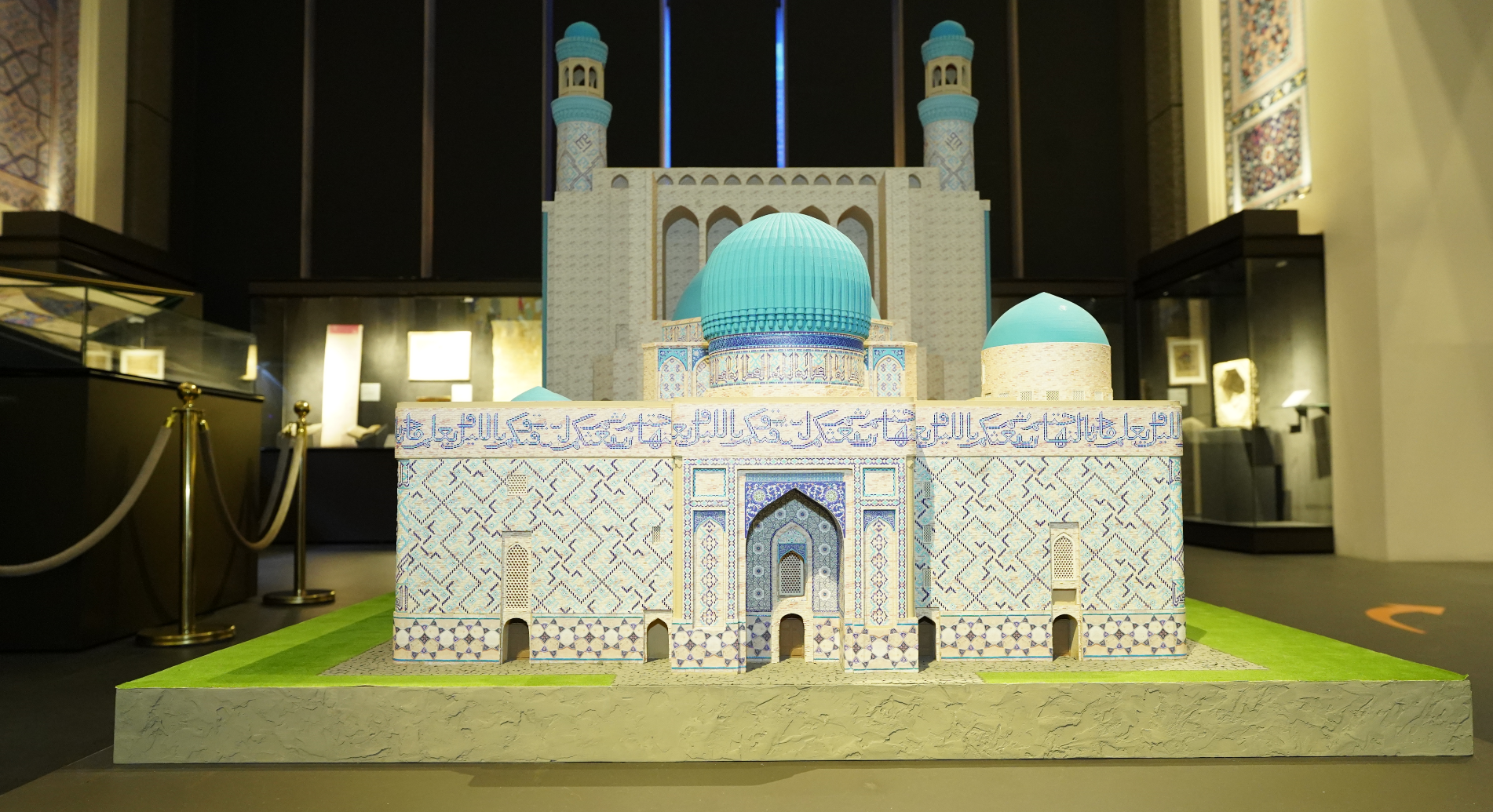 The Mausoleum of Khoja Ahmad Yasawi — A Spiritual Foundation
In 1398, Amir Temur initiated the construction of a grand mausoleum in Turkestan at the burial site of Sheikh Khoja Ahmad Yasawi. Yasawi (1093–1166) was an influential Sufi thinker who played a key role in spreading Islam among Turkic nomadic peoples. This construction strengthened the political and spiritual foundation of the Timurid state in its northern territories.
Through the monumental portal, visitors enter the central “Kazandyk” hall, where a massive bronze cauldron cast in 1399 is located. It was used to hold sacred water for dervish rituals and was crafted by masters from Tabriz.
Behind the central hall lies the burial chamber of the sheikh, followed by a mihrab mosque, cells, a library, and rooms for pilgrims. The mihrab decoration stands out for its harmony of blue and white tones and refined calligraphic inscriptions. The names of Iranian masters Khoja Hasan and Shams Abdul Vahab Shirazi are preserved in these inscriptions.
The importance of this model lies in its demonstration of the synthesis of Sufism and statehood within Timurid architecture. With its monumental scale and complex layout, it is considered one of the largest sacred complexes in Central Asia.
Ak-Saray, Dorus-Saodat, and the Mausoleum of Khoja Ahmad Yasawi reveal different dimensions of Timurid architectural thought during the Second Renaissance:
Ak-Saray — centralized authority and imperial grandeur;
• Dorus-Saodat — dynastic sanctity and ancestral memory;
• The Yasawi Mausoleum — spiritual power and Sufi heritage.
The display of these models at the Islamic Civilization Center brings together the architecture of the Timurid era within a unified conceptual space, presenting the architectural image of the Second Renaissance in a modern interpretation. Through them, visitors can perceive the cultural environment of the 14th–15th centuries as an integrated whole and understand the harmony of statehood, spirituality, and art.
Laylo Abdukakhkhorova
P.S. The article may be republished with a link to the Center’s official website