

A rare five-century-old masterpiece of the Timurid era – the Horoscope of Iskandar Sultan – in the spotlight!
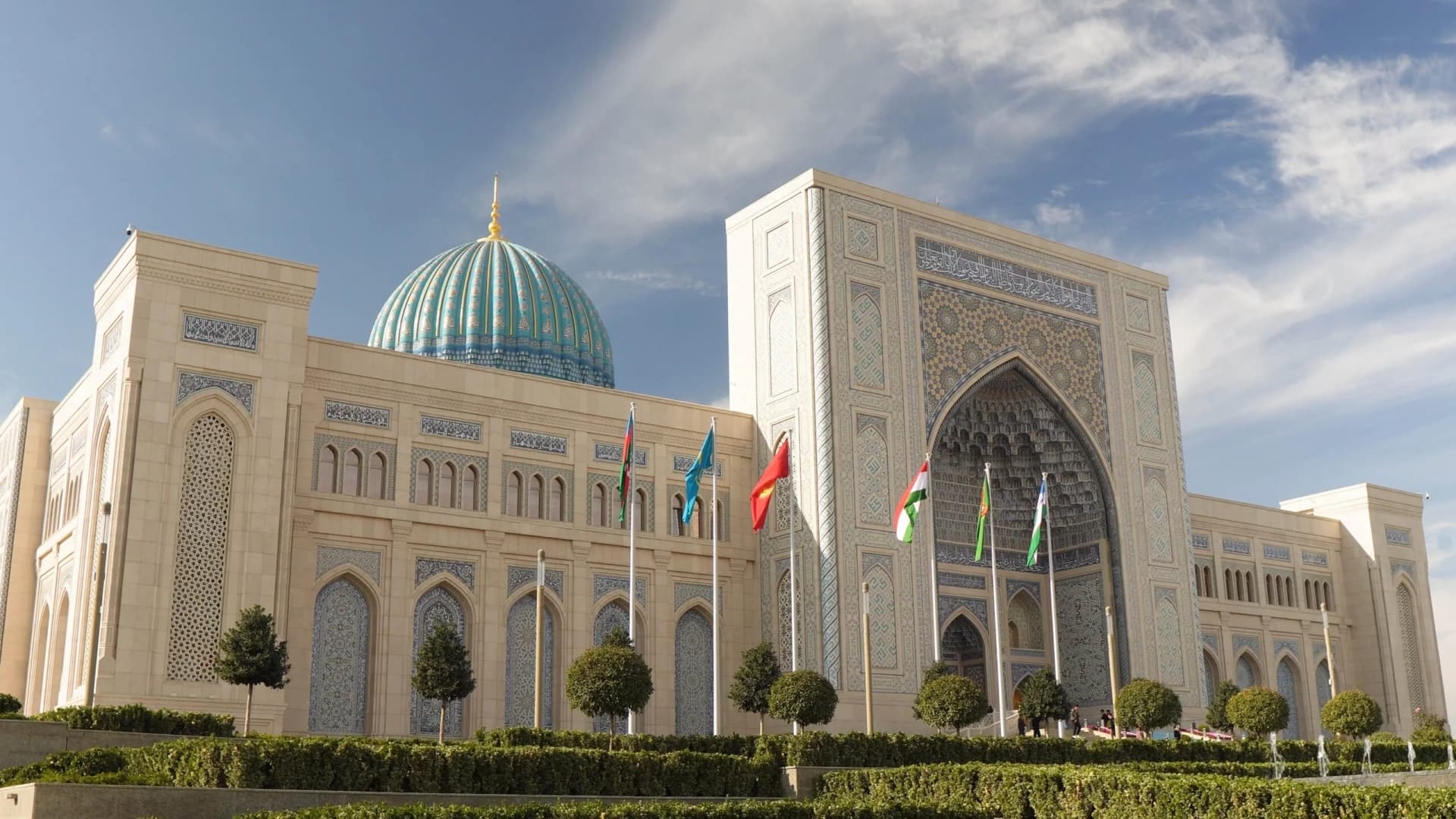
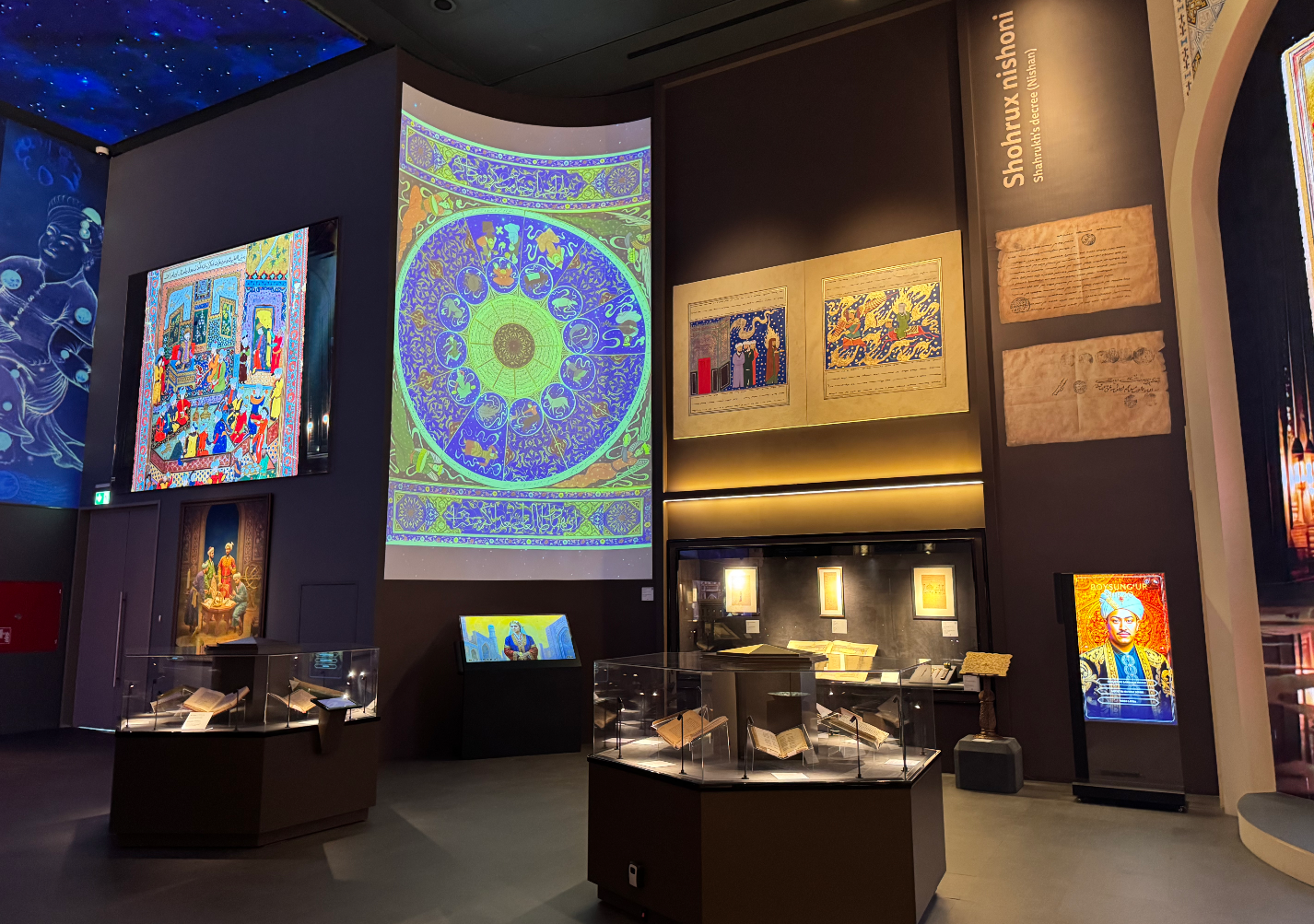 The personal horoscope of Iskandar Sultan, the grandson of Amir Temur — founder of the Timurid state and a key figure in the development of art and science in Central Asia — is now being presented to the public in the Second Renaissance exhibition of the Islamic Civilization Center in Uzbekistan.
The Horoscope of Iskandar Sultan is not only a historical document but also a rare masterpiece that continues to attract the attention of scholars, art historians, and visitors more than five centuries after its creation.
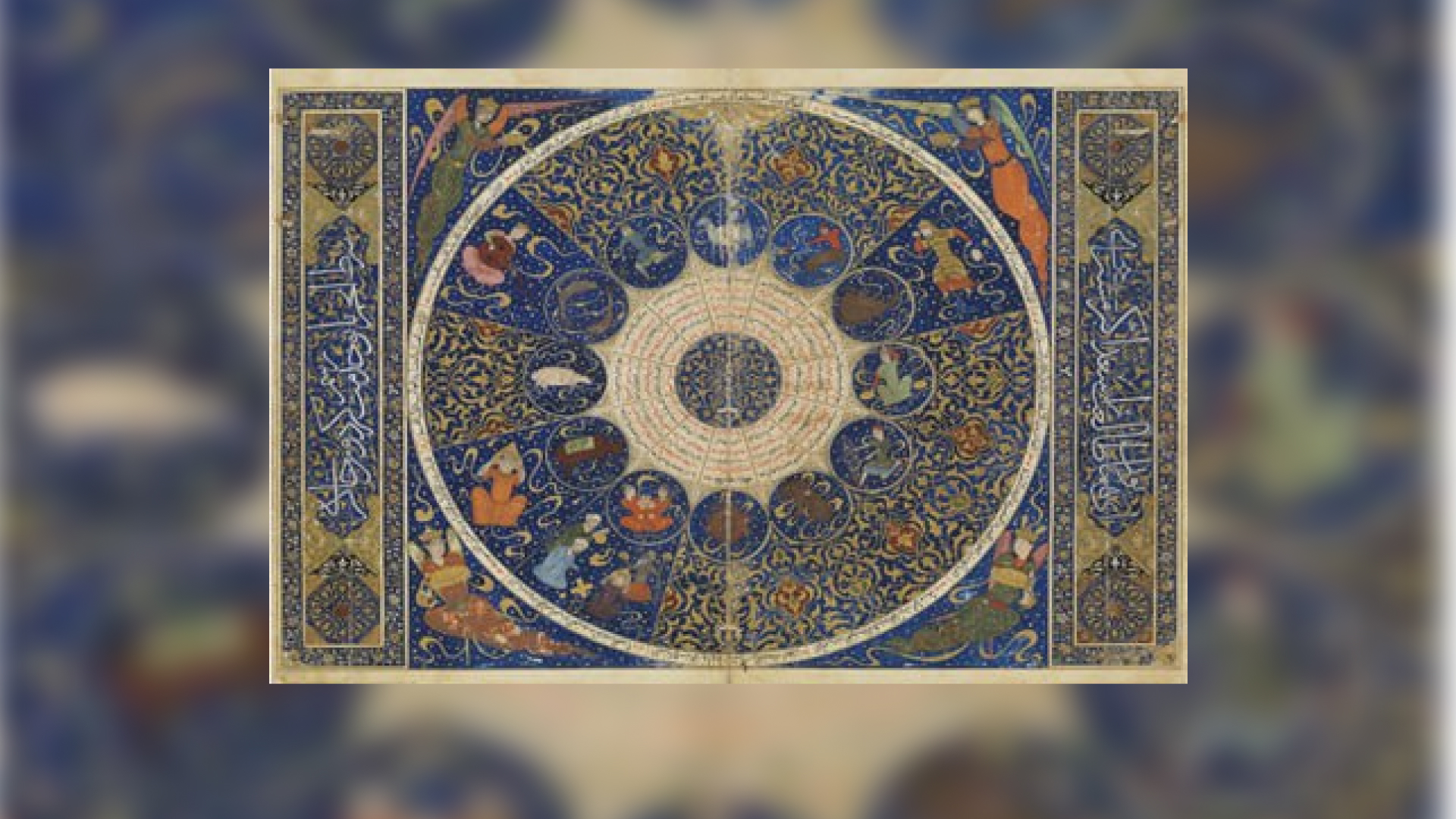
The horoscope was compiled when Iskandar Sultan turned 27 and makes it possible to determine his date of birth. It was prepared in 1411 by Maqsud ibn Hasan Kashiy, the grandfather of Ghiyath al-Din Jamshid al-Kashi, who served at the court of Ulugh Beg. The horoscope is located on folios 18b–19a of the manuscript. This manuscript is considered an example of the Shiraz school of painting in Iran. This Timurid masterpiece of book art consists of two illuminated pages depicting the positions of the main zodiac signs and planets in the sky at the moment of birth of the Timurid prince Iskandar Sultan ibn Umarshaykh Mirza. Prepared for Iskandar Sultan (1384–1415), this rare manuscript not only records the prince’s date of birth and personal horoscope, but also contains valuable information about Timurid art and court culture.
Iskandar was a cultivated individual and a patron of art and literature. He commissioned copies of books, developed libraries, and paid great attention to science. In 1410, he ordered the preparation of a personal horoscope reflecting the positions of the stars and planets at the time of his birth. This work became one of the finest examples of its era, with the twelve zodiac signs depicted in a vivid and masterful manner.
The manuscript was prepared by Maqsud ibn Hasan Kashiy, grandfather of Ghiyath al-Din Jamshid al-Kashi, in collaboration with court astronomers, painters, calligraphers, and paper-makers. It illustrates the arrangement of stars and planets in the sky at the time of Iskandar’s birth, which is why it is also valued as one of the distinguished examples of the Timurid royal library tradition.
On both sides of the page, the following lines are written:
Ey Humoyun tole’atro Sa’di Akbar Mushtariy,
Sharti anjum bo tu xidmat rasmi Gardun chokariy.
Translation,
“O fortunate one, for your destiny Jupiter is the greatest benefactor;
The stars serve you, and the heavens are at your command.”
The Horoscope of Iskandar Sultan stands out for its rich decoration. The pages, hand-illuminated in lapis lazuli and gold, represent one of the finest examples of Timurid book art. The name Iskandar Zulqarnayn given to the prince, along with the astronomical data contained in the horoscope, demonstrates that this manuscript possesses not only historical but also scientific significance.
 The practical importance of astrology and astronomy during that period also deserves attention.
Horoscopes played an important role in the lives of rulers, helping determine auspicious dates and times for battles, marriages, and construction projects.
The manuscript also reflects aspects of Iskandar Sultan’s personal life. It reveals events in his family and political relationships, historical details connected with his grandfather Amir Temur, and his patronage of culture and art, thereby illustrating the historical environment of the time. In 1411, Iskandar captured Yazd and Isfahan and declared himself sultan, making Isfahan his capital. However, his brilliant life came to an end in 1415, and the circumstances associated with the predictions in the manuscript further enhance its historical significance.
Thus, the Horoscope of Iskandar Sultan remains not only one of the rarest and most remarkable exhibits of the Second Renaissance exhibition at the Center’s museum, but also a focal point of interest for modern scholars and visitors more than five centuries later. Through this manuscript, guests gain close insight into the art, science, and court culture of the Timurid era, experiencing history in a vivid and interactive way.
Durdona Rasulova
P.S.: The article may be republished with a link to the Center’s official website