



One of the key historical sources of modern medicine has been rediscovered in the exhibition
In the fifteenth century, Samarkand became one of the major centers of science and spirituality in the Eastern world. Under Timurid rule, great attention was devoted to scholarship, and a favorable intellectual environment was created for scholars. During the reign of Mirzo Ulugbek, the city flourished not only in astronomy and mathematics but also in medical science. Scholars from various Eastern lands collaborated with local intellectuals in Samarkand, engaging in active scientific exchange.
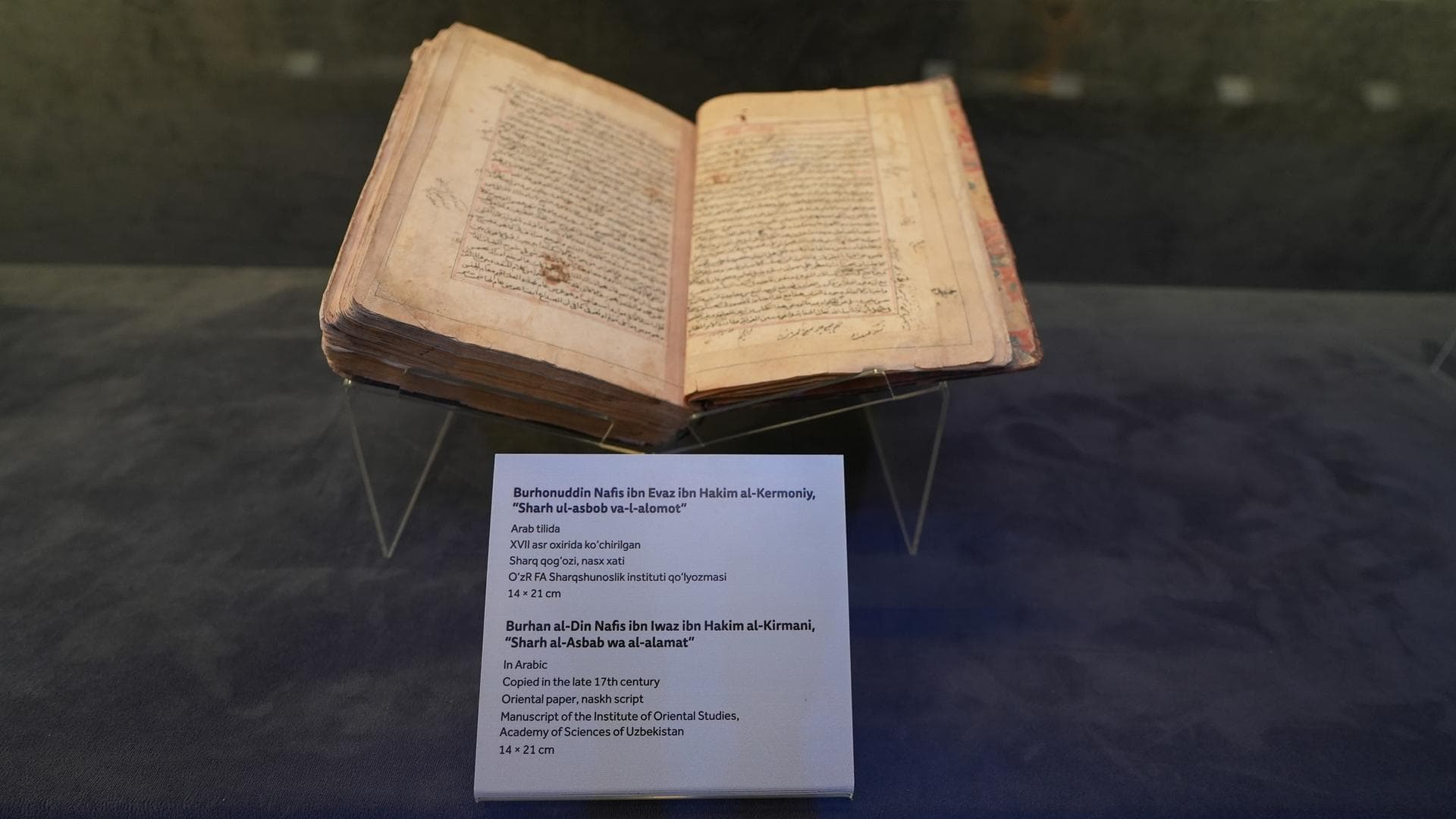
The exhibition displays an original copy of Sharh al-Asbab wa al-‘Alamat, transcribed at the end of the seventeenth century. The commentary itself was written in 1424 and dedicated to Mirzo Ulugh Beg. This manuscript represents an important source reflecting the medical thought of the Timurid period.
Fakhriddin Ibragimov, Doctor of Philosophy in History, notes:
“The inclusion of Kirmani’s scholarly legacy in the Second Renaissance exhibition aims to demonstrate, through historical sources, that significant attention was given to medicine during the Timurid era, especially in the time of Mirzo Ulugbek. It was also important to show that medical science did not end with Ibn Sina, but that his scientific traditions continued to develop in later centuries.”
Burhan al-Din Kirmani was originally from the city of Kerman in present-day Iran. He received his early education in his homeland and later moved to Samarkand, where he engaged in both theoretical and practical medicine. Drawing on the scientific legacy of Ibn Sina, Kirmani became a prominent representative of the Samarkand medical school. He thoroughly studied Najib al-Din al-Samarqandi’s Al-Asbab wa al-‘Alamat and harmonized its theoretical content with practical application.
The manuscript systematically outlines the causes of diseases, their clinical symptoms, and methods of treatment. The author’s theoretical knowledge is closely integrated with medical practice. Through Sharh al-Asbab wa al-‘Alamat, valuable information has been preserved regarding both the theoretical and practical dimensions of Timurid medicine.
The exhibition of this manuscript enables modern audiences to better understand the intellectual and scientific achievements of the Timurid era in a clear and accessible way. Today, copies of Sharh al-Asbab wa al-‘Alamat are preserved in the collections of the Institute of Oriental Studies of the Academy of Sciences of Uzbekistan, as well as in libraries in Turkey and other countries.
The scholarly heritage of Najib al-Din al-Samarqandi and Burhan al-Din Kirmani reveals the continuity of the Samarkand medical school and demonstrates how the medical traditions established by Ibn Sina were sustained and developed during the Timurid period.
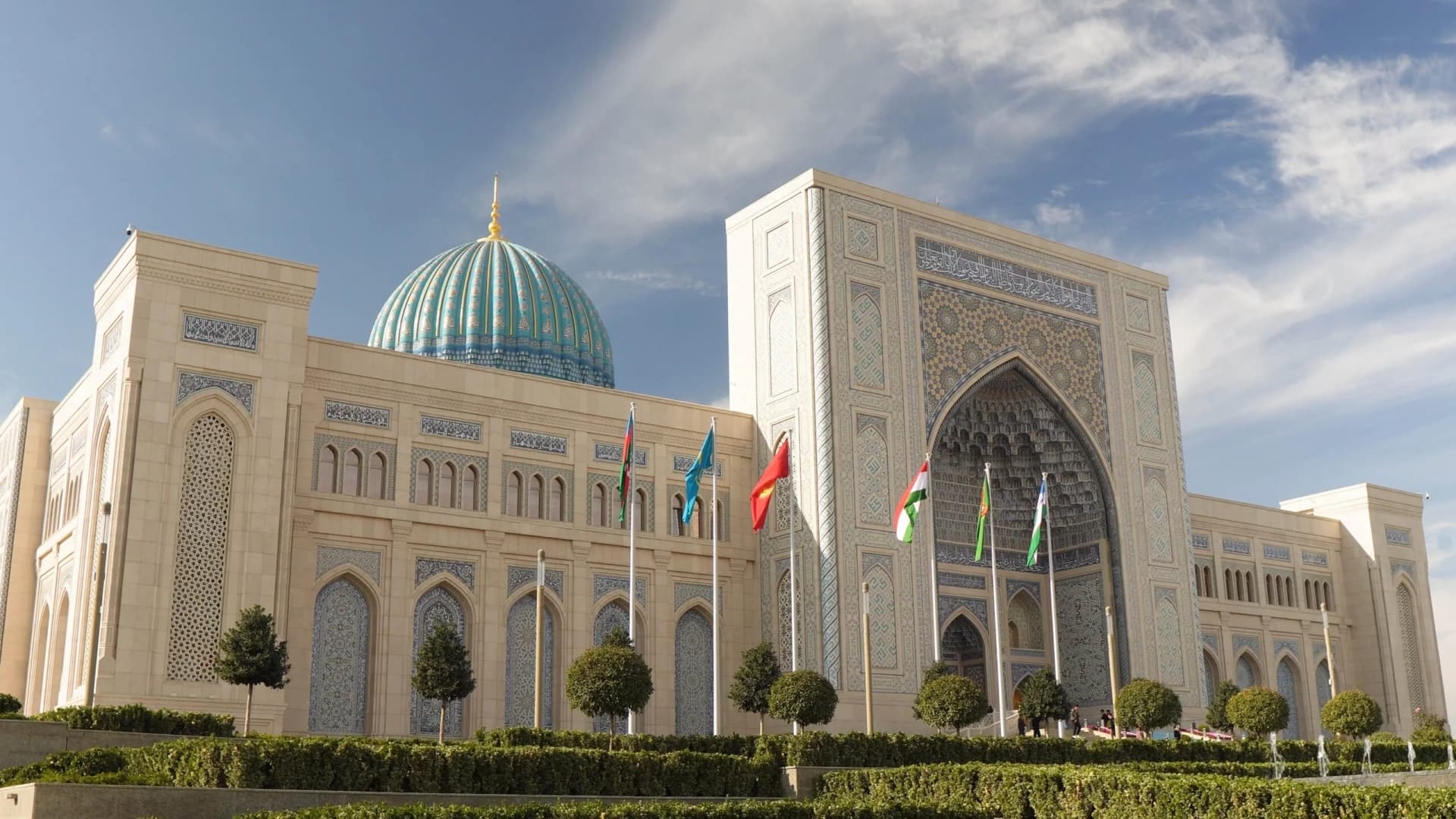
The display of this commentary at the Islamic Civilization Center in Uzbekistan thus brings the scientific thought of that era closer to contemporary readers and visitors.
Gozal Beknazarova
P.S.: The article may be republished with a link to the Center’s official website