
The exhibition “A legacy linking the centuries: Uzbek miniature art” was organized in Berlin
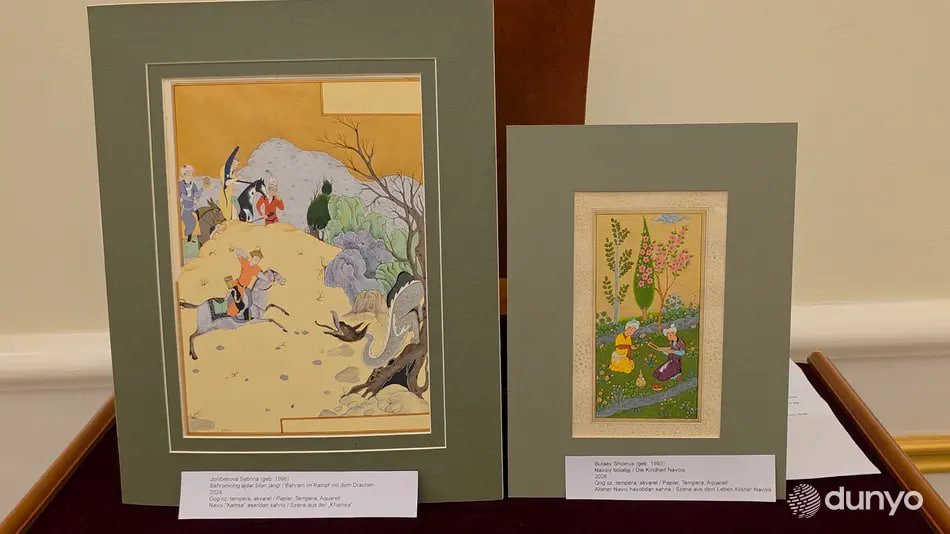
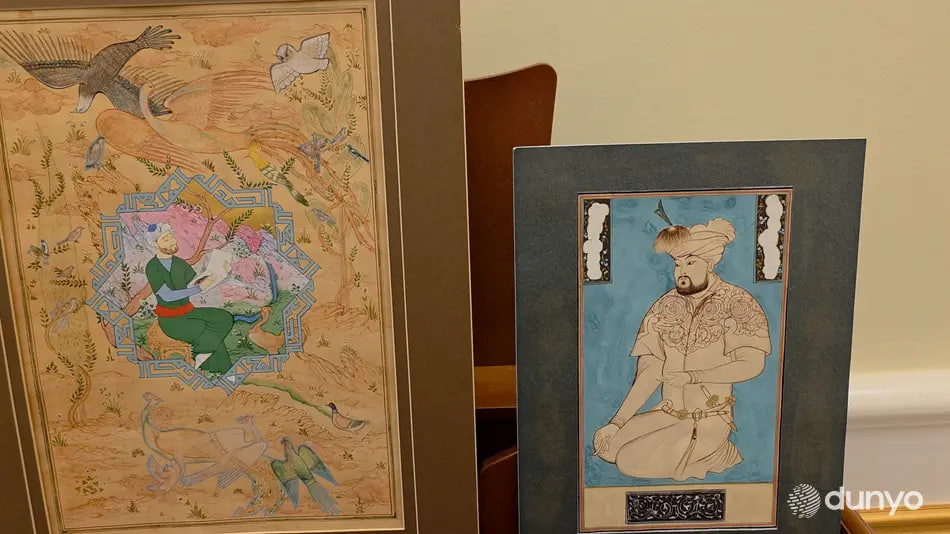 In the capital of Germany, an exhibition titled “A Legacy Linking the Centuries: Uzbek Miniature Art” was organized in cooperation with our country’s Embassy and the cultural society “San’at – Forum” (San’at – Forum für Kunst, Kultur und Wissenschaft e.V.), according to the Dunyo News Agency.
The event was dedicated to the 585th anniversary of the birth of the great thinker Alisher Navoi.
The exhibition features examples of contemporary Uzbek miniature art created while preserving the traditions and refined techniques of the Timurid era. These works reflect the consistent continuity of classical heritage in the present day and reveal new dimensions of artistic thought.
Its conceptual foundation is based on the rich literary heritage of Alisher Navoi and Zahiriddin Muhammad Babur. Since the 15th century, their enduring works have served as a primary source of inspiration for the Central Asian miniature school. They not only shaped the literature of the region but also laid the groundwork for a distinctive system of visual imagery in which moral ideas, spirituality, and harmony with nature are intertwined.
The central part of the exhibition is devoted to Navoi’s masterpiece, the epic cycle “Khamsa.” In these works, artists reinterpret the philosophical essence of the poems through a modern visual language, drawing upon the historical traditions of calligraphy and book ornamentation. The exhibition also presents genre scenes depicting traditional teahouses, bazaars, and the national equestrian game of kupkari, reflecting elements of everyday life that express the national cultural identity of our people.
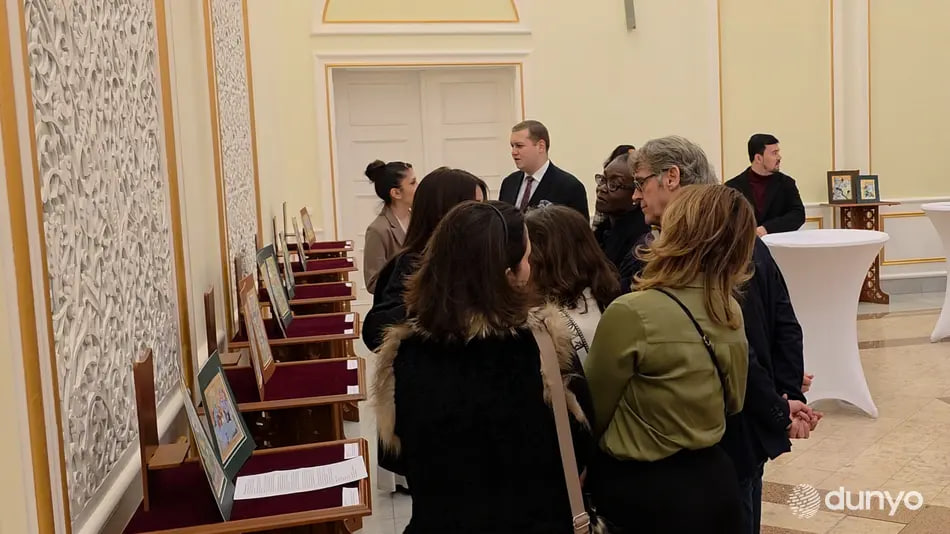
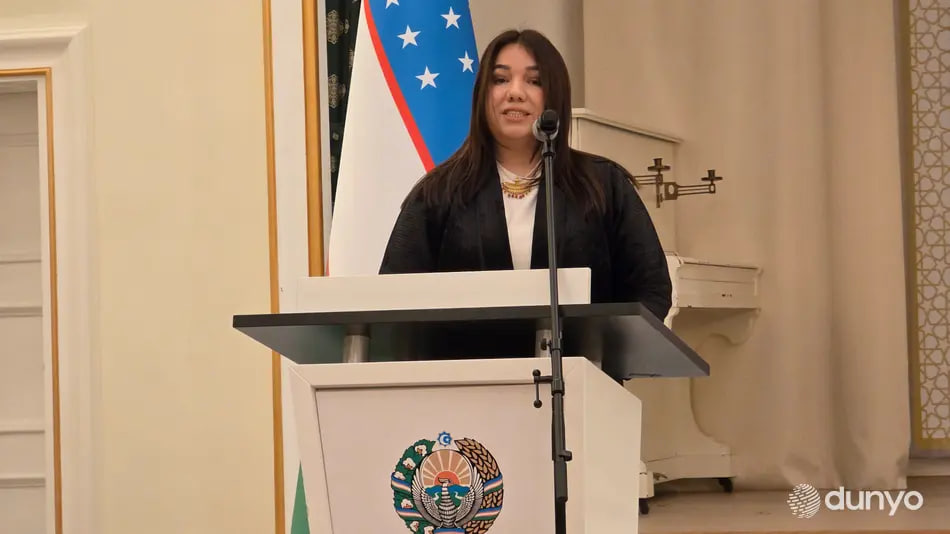 As part of the event, Zuhra Rahmatova, head of the cultural society “San’at – Forum,” provided guests with information about miniature techniques, sources of сюжет inspiration, and the continuity of this art form today. The exhibition generated great interest among visitors, and the displayed works vividly reflected the spiritual atmosphere, court culture, and book-reading traditions of our country’s medieval period, increasing participants’ interest in historical heritage and classical art.
As noted by participants, Uzbek miniature art reached its peak in the 14th–16th centuries, particularly during the Timurid Renaissance. Unlike Western fine art, which is characterized by perspective and volumetric modeling through light and shadow, Uzbek miniature is based on symbolic space and conventional notions of time.
Color and ornament are not merely decorative elements but means of expressing inner spiritual meaning and aesthetic order.
The exhibition presents works by teachers of the Kamoliddin Behzod National Institute of Fine Art and Design and the Pavel Benkov Republican Specialized School of Art — Avazbek Qodirov, Zilola Sulaymonova, Shohrux Butayev, Sabrina Jonibekova — as well as talented students such as Olim Omonov and Ibrat Fayzullayev. These works clearly demonstrate the vitality of the master-apprentice tradition and the individual style of each artist. According to the organizer Zuhra Rahmatova, the aim of the exhibition is to present miniature art to the world as a living artistic process that unites literature, history, the philosophy of the past, and the present day.
This exhibition organized in Berlin holds great significance in promoting Uzbekistan’s rich cultural heritage on the international stage. The event not only introduces foreign audiences to the unique traditions of the Timurid miniature school but also showcases the high level of mastery of contemporary Uzbek artists formed within the master-apprentice tradition.