
Treasures preserved in the world’s libraries are being exhibited in Uzbekistan
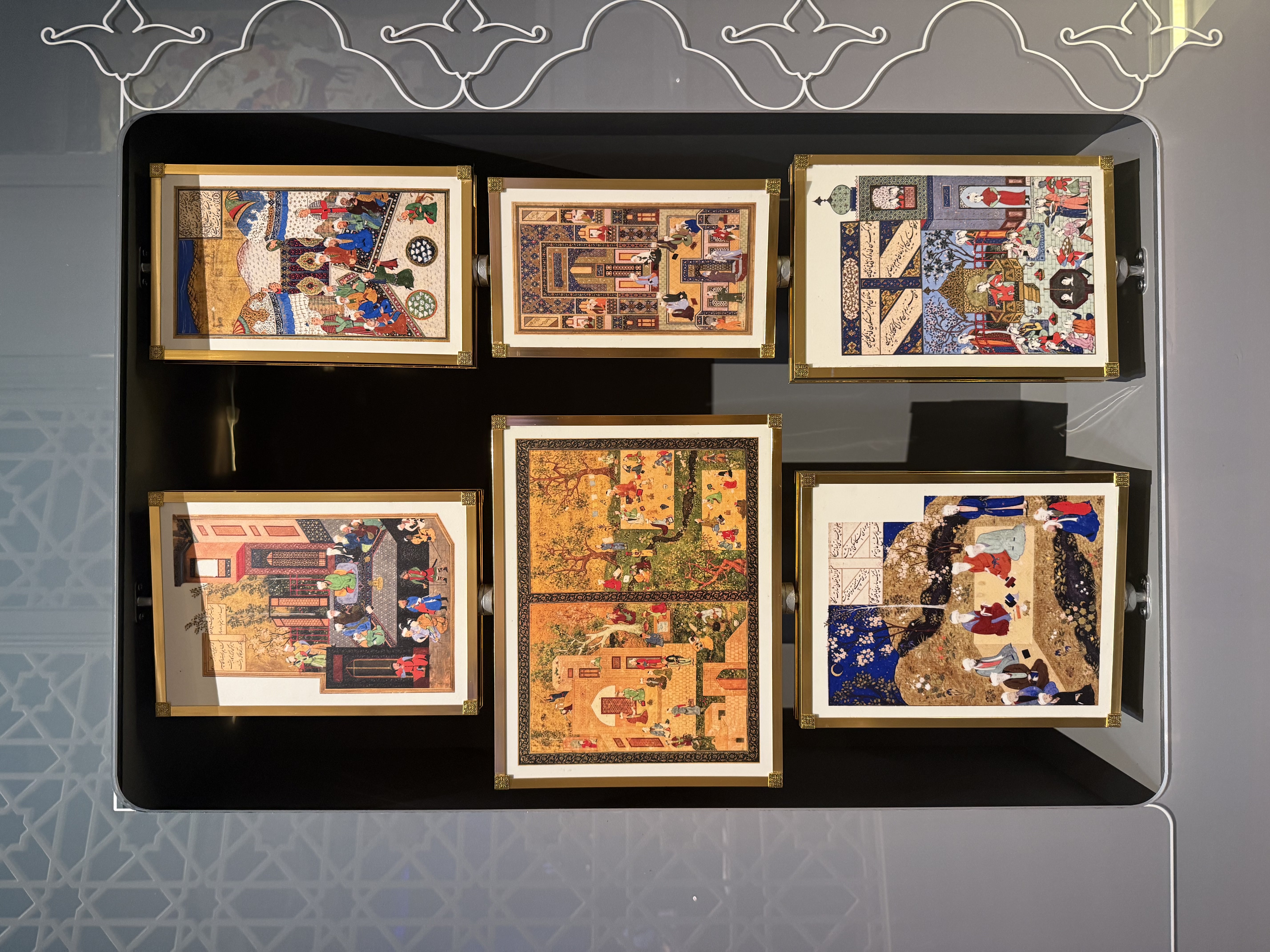
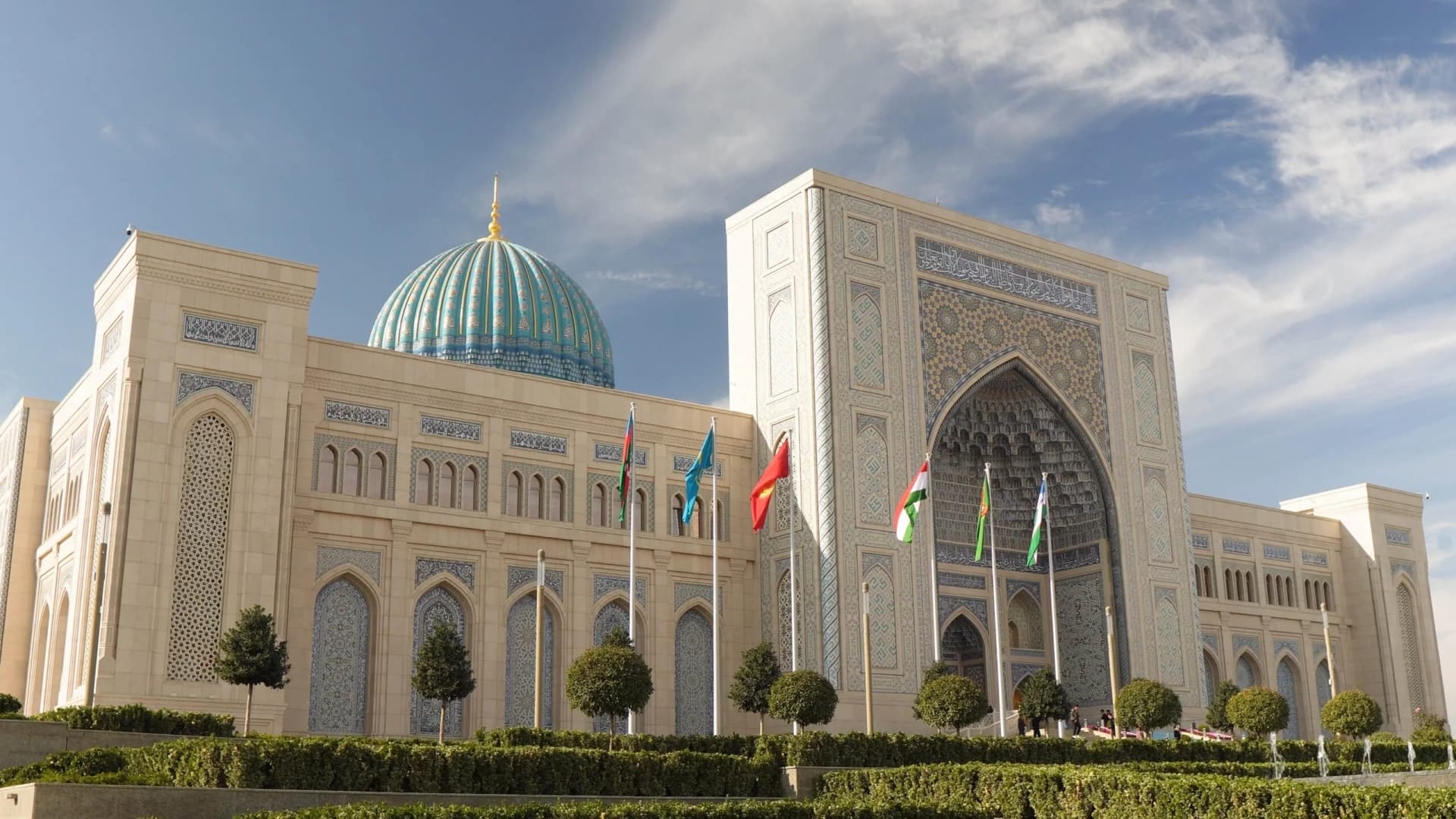
 Anyone who steps into the “Wall of Civilizations and Discoveries” section of the exposition at the Islamic Civilization Center in Uzbekistan feels as though they have boarded a time machine. In the museum’s Second Renaissance hall, the great spirit of the Timurid era, the power of statehood, and an intellectual flourishing come to life not only through historical evidence but also through exquisite miniatures.
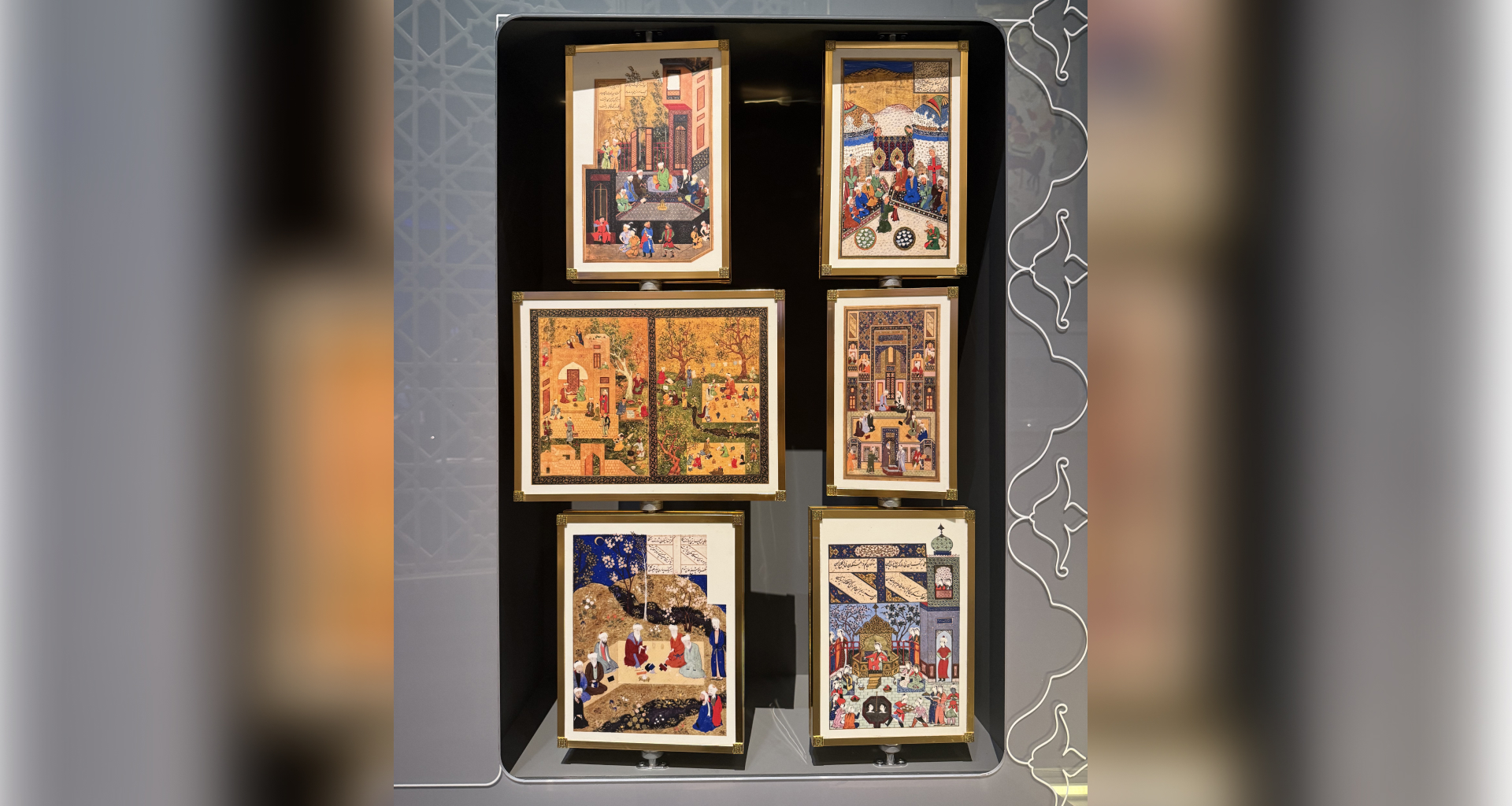
The works gathered in the Second Renaissance section are not mere illustrations. They are the spiritual portrait of an entire civilization. Here, central attention is given to scenes from the life of Amir Temur, masterpieces of the Kamoliddin Behzod school, the intellectual milieu of Alisher Navoi and Sultan Husayn Bayqara, as well as rare works related to the Baburid dynasty founded by Zahiriddin Muhammad Babur.
Most notably, these miniatures are today preserved in some of the world’s most prestigious museums and libraries. Among them are the John Work Garrett Library of Johns Hopkins University in the United States, the British Library and the British Museum in London, as well as the Bodleian Library.
A New Era Beginning from Temur’s Throne
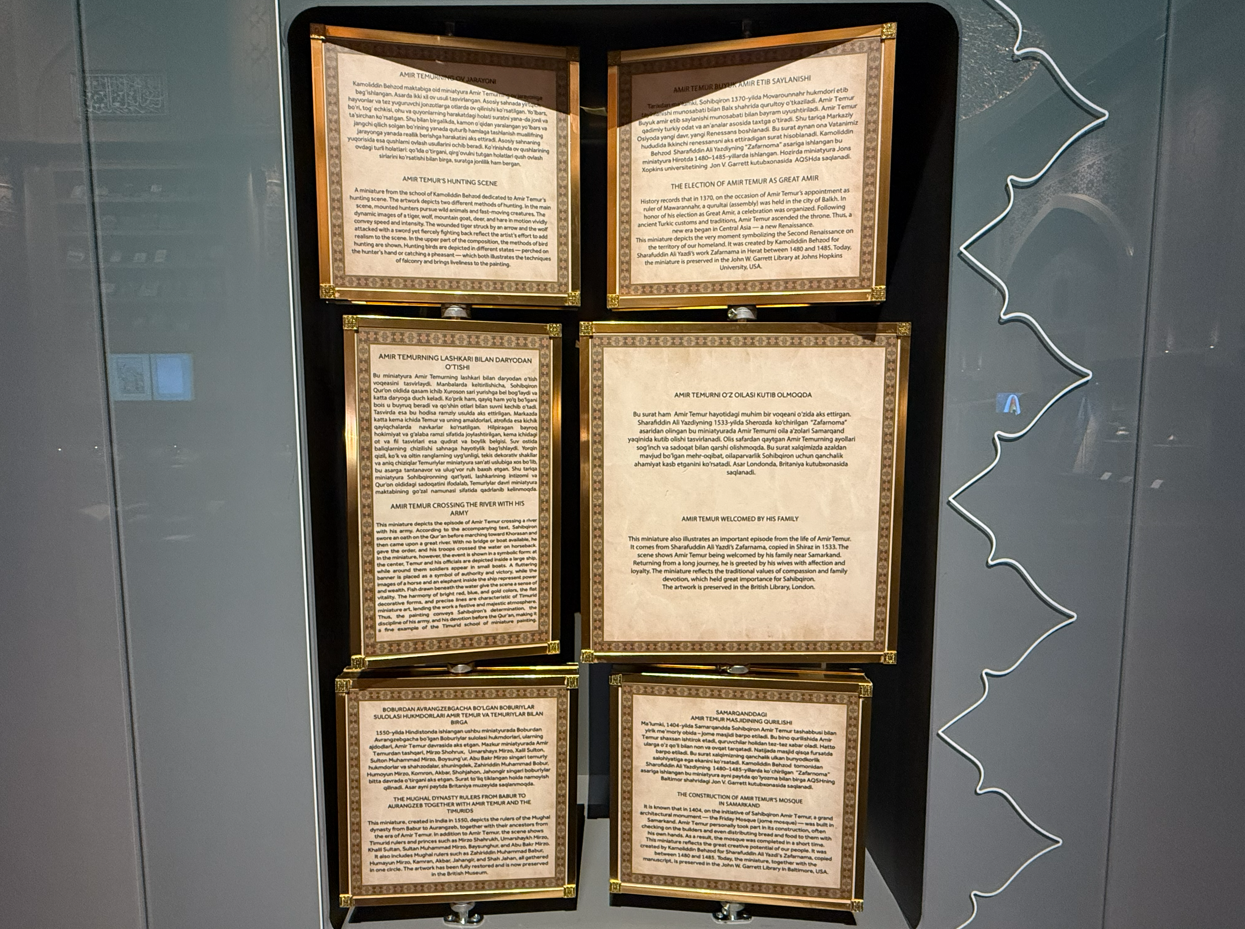
1370. Balkh. A Qurultay. The election of Amir Temur as the “Great Amir,” in accordance with Turkic traditions, opened a new chapter in the history of Central Asia. This event is reflected in a miniature illustrating Sharafiddin Ali Yazdi’s “Zafarnama.” The ruler’s majestic image, surrounded by symbols of statehood, signifies the dawn of the Second Renaissance.
Samarkand Welcomes the Sahibqiran
In a 1533 manuscript of the “Zafarnama” copied in Shiraz, Amir Temur’s return from a distant campaign and his warm reception by his family are depicted. This scene presents the statesman not only as a commander, but also as a loving father and devoted husband. National values — family devotion and loyalty — are expressed through artistic interpretation.
Great Construction in Samarkand
A miniature dedicated to the construction of the congregational mosque built in 1404 depicts Amir Temur personally taking part in the process. The ruler’s care for the builders, even distributing bread to them, shows that this act of creation was not only architectural but also spiritual.
From Babur to Aurangzeb: Dynasties in One Circle
A miniature created in India in 1550 portrays the rulers of the Timurid and Baburids dynasties seated in one circle. This symbolic composition expresses the ideas of historical continuity, political legacy, and cultural cohesion. The line from the Timurids to the Baburids is presented as links in a single chain of civilization.
Army, Banner, and River: A Symbol of Resolve
In a miniature depicting Amir Temur crossing a river with his army, the language of symbols prevails. The banner signifies victory, the elephant power, and the horse courage. Bright red and golden tones give the work a ceremonial spirit. It is interpreted not only as a military campaign, but also as a test of determination and faith.
Movement and Life in a Hunting Scene
A miniature belonging to the Kamoliddin Behzod school portrays Amir Temur during a hunt. Tigers, wolves, gazelles, and birds are shown in motion. The dynamism, harmony of colors, and compositional balance demonstrate the high level of Timurid miniature art.
Scholarship and Sovereignty: An Intellectual Environment
Miniatures based on the “Khamsa” depict gatherings of rulers and scholars. In these works, the sovereign appears not only as a political leader, but also as a patron of learning.
The same spirit is reflected in a miniature from the reign of Abdulaziz Khan II, illustrating the ruler in an intellectual assembly with scholars.
Navoi Among the Masters
In a miniature portraying Navoi’s dream scene, he is depicted in the company of great poets such as Nizami Ganjavi, Amir Khusraw Dehlavi, and Abdurahman Jami. This symbolic composition places Navoi at the highest rank of Eastern literary tradition.
Timurid Princesses: The Spiritual Climate of the Court
Through the figure of Khadicha Begim, who lived during the reign of Husayn Bayqara, the role of court women in scholarship and culture is revealed. These miniatures confirm that women were also active participants in the intellectual life of the time.
The Nation’s Memory in Miniatures
The works displayed in the Center’s exposition demonstrate that during the Timurid era, Central Asia became one of the leading scientific and cultural centers of world civilization.
These miniatures are not merely images. They are the memory of a nation, a symbol of statehood, and a spiritual legacy. The idea of the Second Renaissance rests precisely on these historical foundations.
Durdona Rasulova
P/S: The article may be republished on the Center’s official website with a reference link